Highlights from The Witness

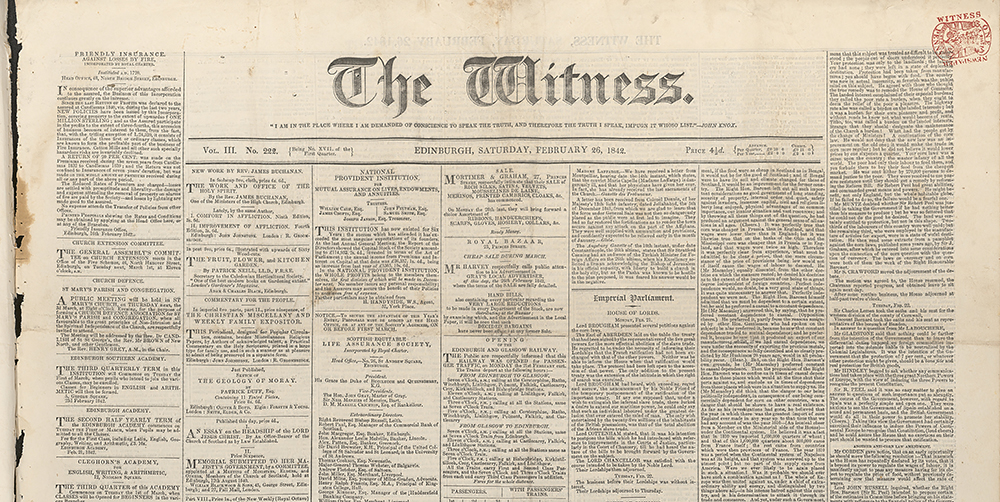
The top section of the front page of an issue of the newspaper "the witness", yellowed with age, the title is centre top and the rest of the image is filled with articles in very small writing.

We’ve been working on digitising The Witness for quite some time now. Here’s a little background information from our previous post on the publication: ‘A twice weekly newspaper, The Witness was created by the Church of Scotland in 1840 and edited by Hugh Miller, an influential writer, geologist and stone mason. In 1843 The Church of Scotland was faced with 200 ministers walking out citing political interference, an event which came to be known as the Disruption and led to the Free Church being established. Presbyterianism is founded on the basis that the people make the decisions, not an elite hierarchy, and the only head of the church, is God. This makes The Witness newspaper a fantastic primary source covering a significant event in Scotland’s social and religious history, and as such, a prime candidate for digitisation.’

As the editions are bound into large format volumes, we decided to contract the digitisation to a company called Autodocs. Digitisation operators Miranda and Marian then took over the quality control and processing of the files and made some fun discoveries along the way – let’s hear from them!

Continue reading “Highlights from The Witness”
Knowledge Exchange Week 2024 – Reflections

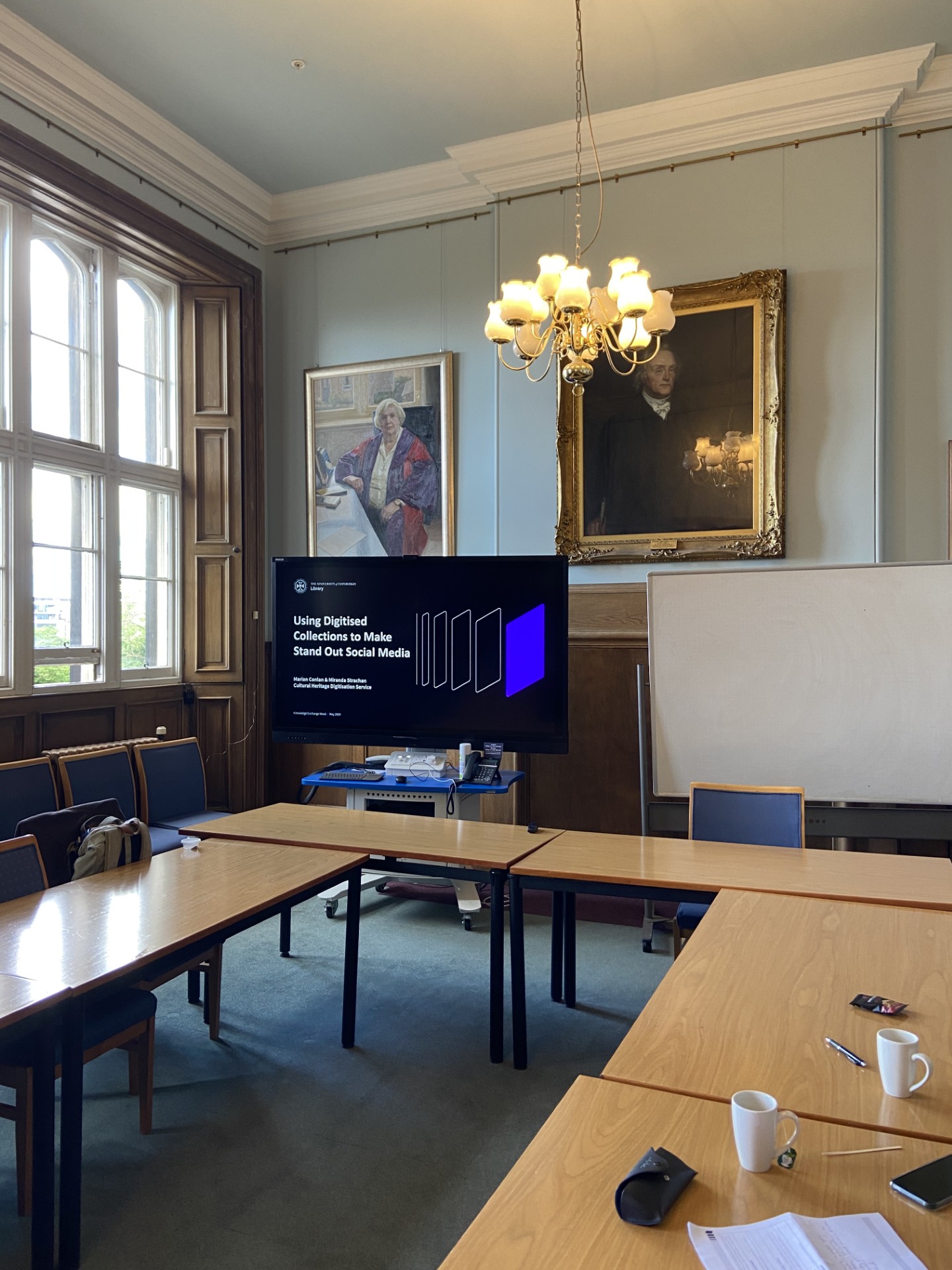
Last month, team members Marian and Miranda attended Knowledge Exchange Week, hosted by the University of Edinburgh. This was the fifth time the event had been held, and the theme was the ‘Open Library.’ The event also incorporated the Edinburgh Open Research Conference. After a whirlwind week of programming and networking, we thought it might be interesting to hear more about what they learned and experienced.  

Continue reading “Knowledge Exchange Week 2024 – Reflections”

Skene, Societies and Swedish Serendipity


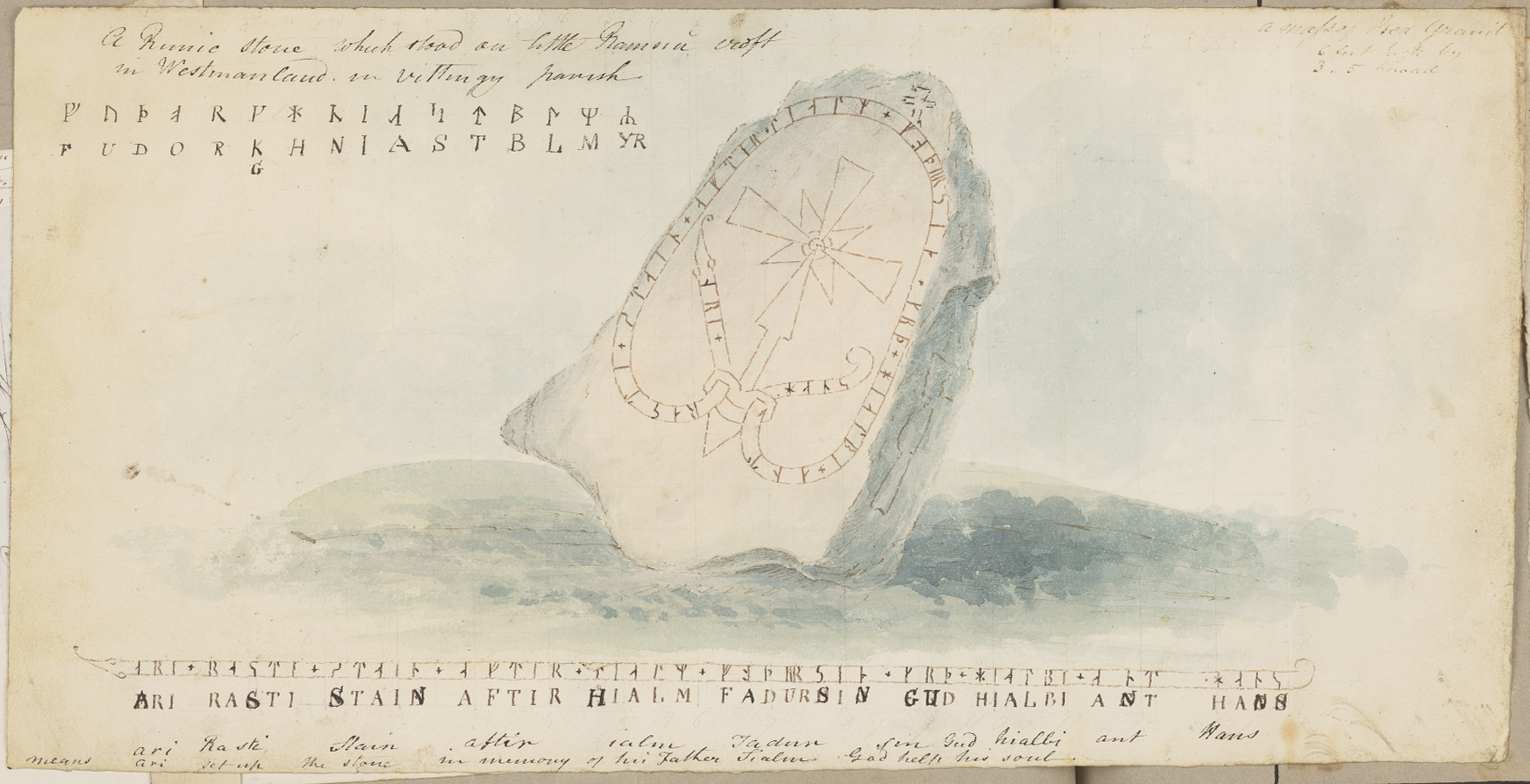
How often do you walk past a 1000 year old rune stone?  The answer is every day, if you work or study near the Main Library!

Earlier this year I completed a project photographing  James Skene’s Album of Sketches in greater detail. When I came across his runestone illustration again I was intrigued and did some research, making the surreal discovery that the subject was a 3 minute walk away.  At 50 George Square behind the Scandinavian Studies Department, stands a Swedish runestone with a curious history. This 1.3 tonne granite stone found its new home here at the university in 2019, having been moved several times prior.

Continue reading “Skene, Societies and Swedish Serendipity”

Looking Ahead – Our 2024 Project Preview

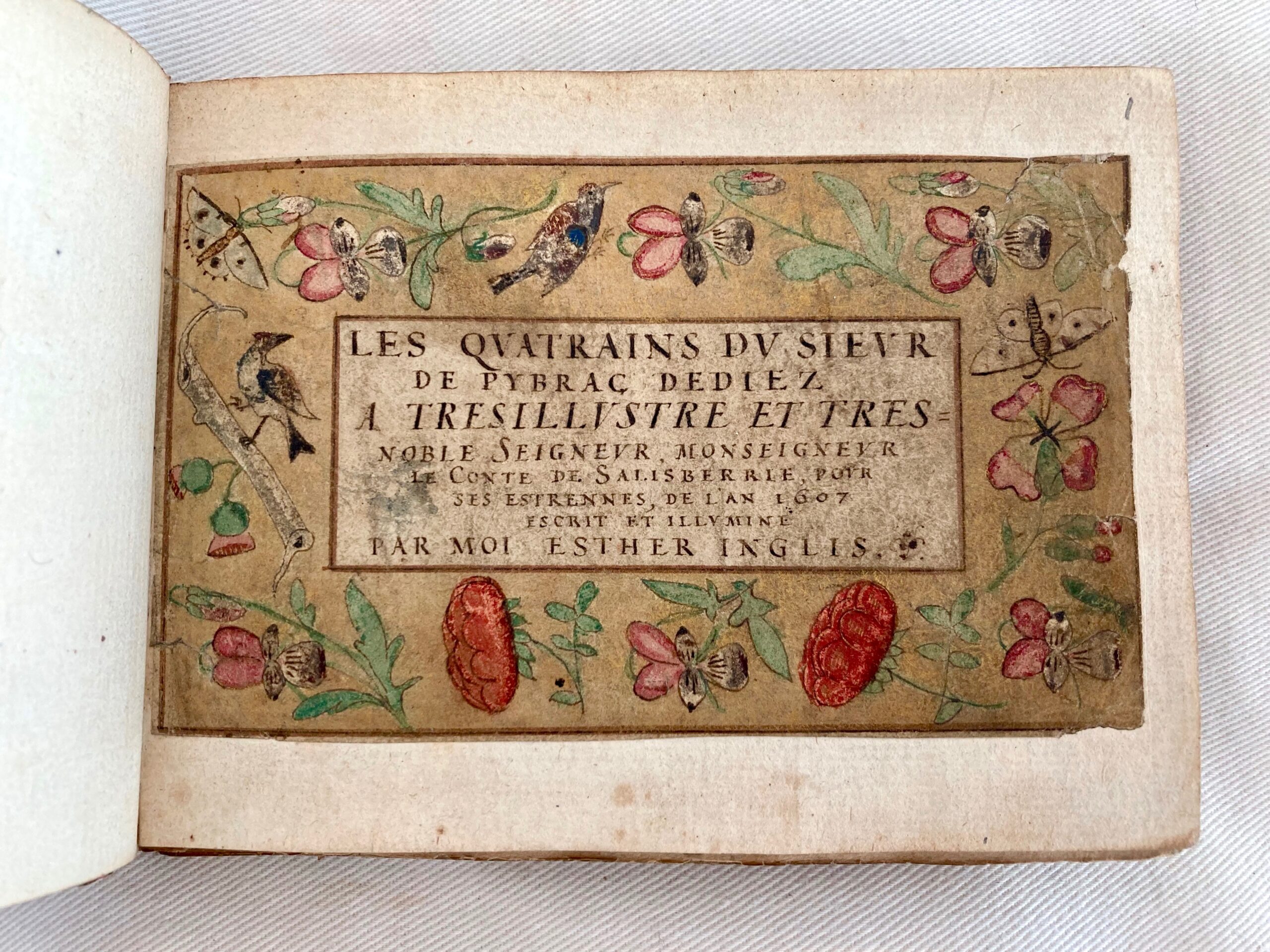
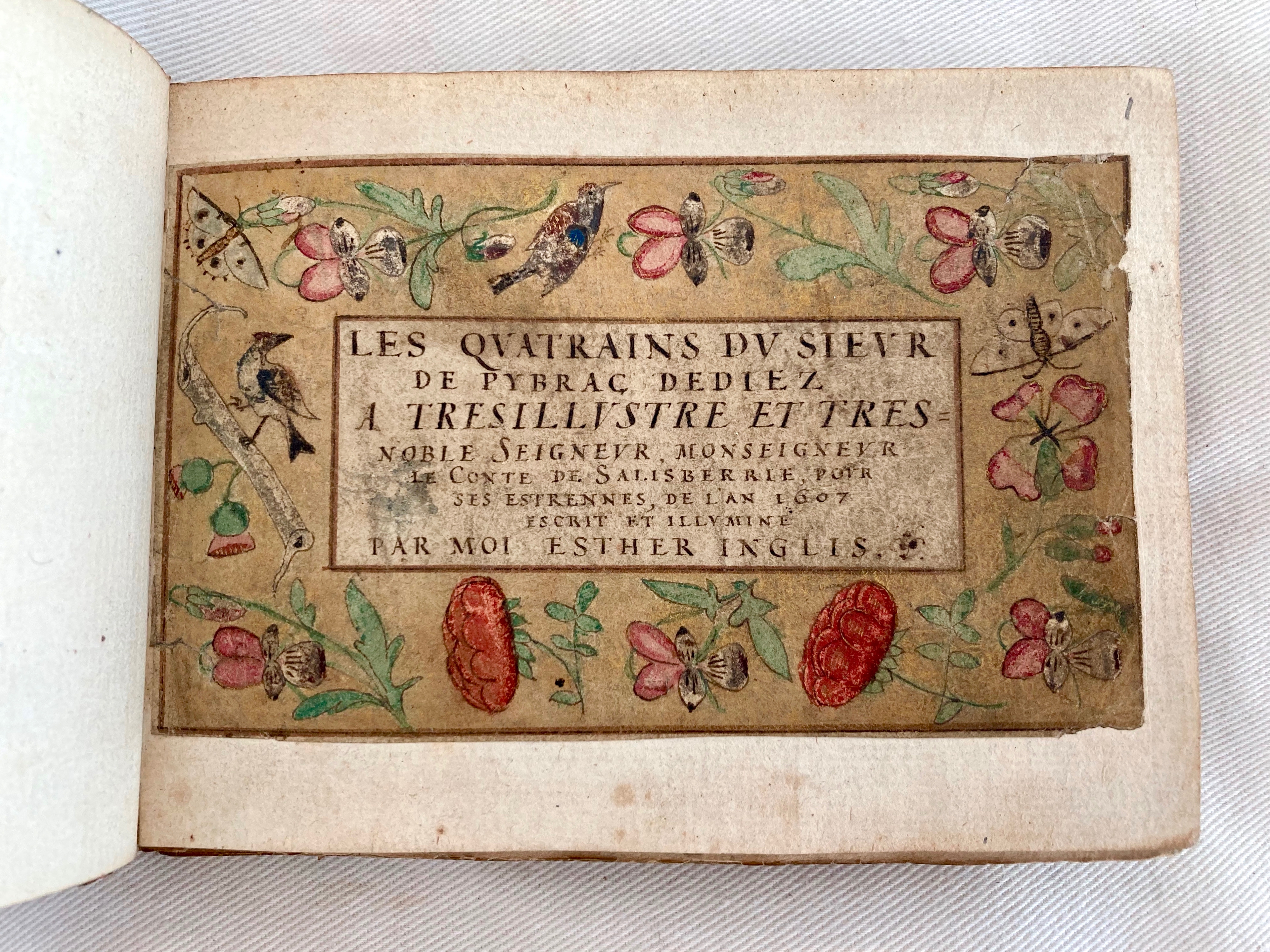
A photograph of a highly decorative manuscript with art of flowers, insects, and birds
Esther Inglis Manuscript – Photo by Anna Pike, Project Curator

I began working with the Cultural Heritage Digitisation Services team last November, as a Digitisation Operator. Before joining the team, I was digitising plant specimens in the Herbarium of the Royal Botanic Garden Edinburgh. I am also a photographer, with my work most recently appearing in the Accidentally Wes Anderson exhibition which opened in London December 2023.  

2024 is shaping up to be an exciting year, with several projects in the works. Some of these have been in the planning stages for a long time, and we really couldn’t be more eager to finally get started. With that in mind, we thought it might be fun to provide a ‘movie trailer’ of sorts, with a short preview of each project we plan to tackle in 2024:  Continue reading “Looking Ahead – Our 2024 Project Preview”

From Plagues to Progress: Looking at A Century of Edinburgh’s Public Health

Over the last few months, our team has been working on digitising the Lothian Health Service Archive’s collection of Annual Public Health Reports for the City of Edinburgh. Comprising of 74 bound volumes of reports recording the public health of Edinburgh’s residents from 1865 to 1973, these documents are an absolute goldmine of information just waiting to be utilised by academics and researchers, covering everything from birth, death and disease rates to specific aspects of public health that were overseen by the City authorities, like infectious diseases or sanitation. Continue reading “From Plagues to Progress: Looking at A Century of Edinburgh’s Public Health”

Documenting I.C.28

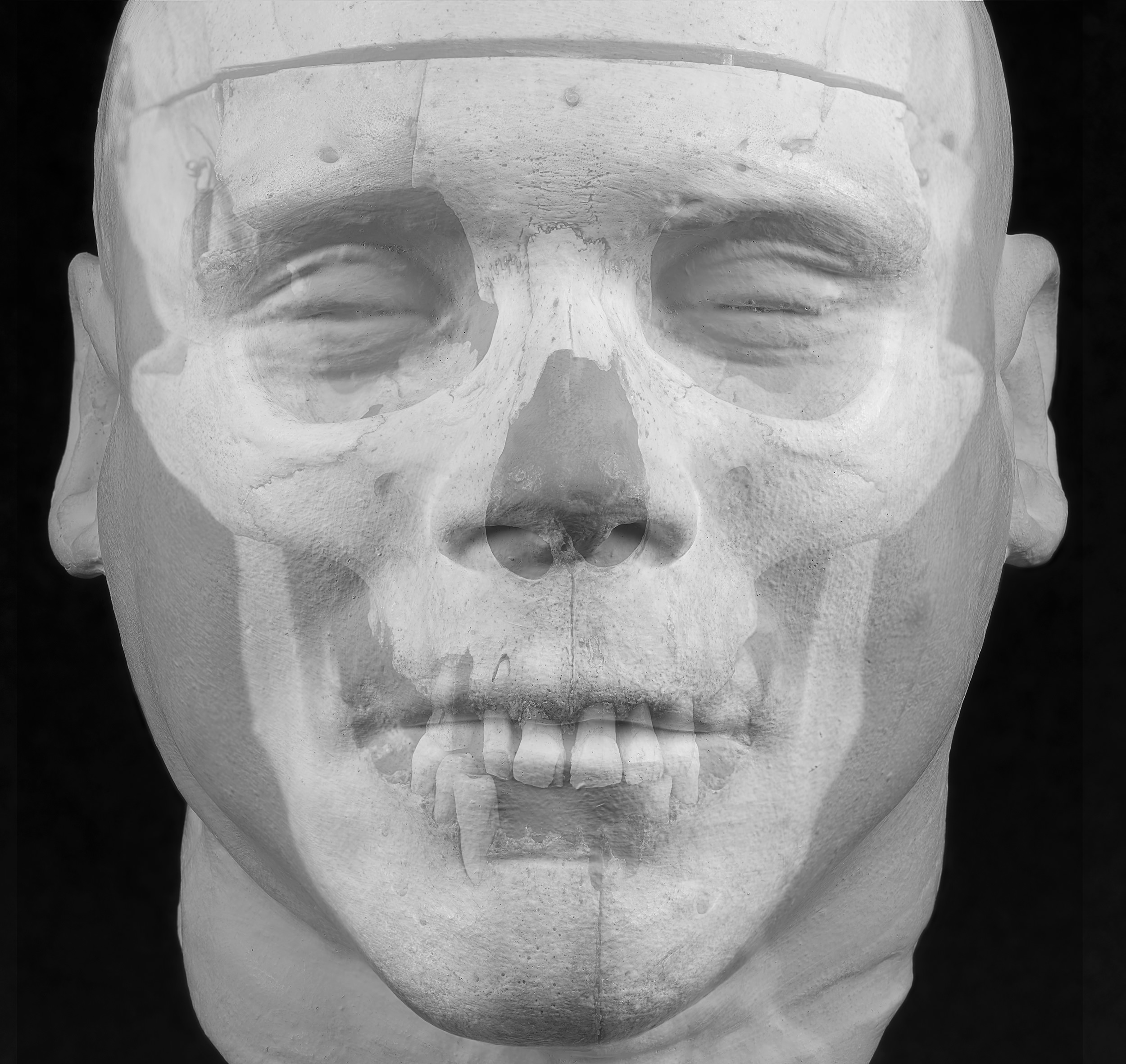
Black and white composite image of the death mask of William Burke, overlayed with the image of his skull, matching up eyes to eye sockets, teeth to mouth etc.

Last summer, I spent five days photographing the skeleton of William Burke to document recent conservation as a record for future collection care. The remains had been conserved and cleaned for the first time since the 1800s and the skeleton was going on display at the National Museum of Scotland for their 2022 exhibition “A Matter Of Death and Life“. I also photographed the life and death masks of Burke, Hare and Robert Knox (“the man who buys the beef”).

Continue reading “Documenting I.C.28”

Student Interns Capture ‘The Student’

In February 2022, PhD students Vesna Curlic and Ash Charlton began their digitisation internships in partnership with the University of Edinburgh’s Library and University Collections and the Centre for Data, Culture, and Society. Together, they reflect on the joys and challenges of digitisation.

We were tasked with an internship project that has two main parts – half our time is spent in the Cultural Heritage Digitisation Service’s Digital Imaging Unit (DIU) in the University’s Main Library scanning early volumes of The Student, University of Edinburgh’s student newspaper. The other half of the time, we work to develop a training pathway for the Centre for Data, Culture and Society which will direct people towards resources for undertaking their own digitising projects. This post is part one of two, reflecting on our experiences digitising The Student.

Continue reading “Student Interns Capture ‘The Student’”

Lyell’s School of Rock


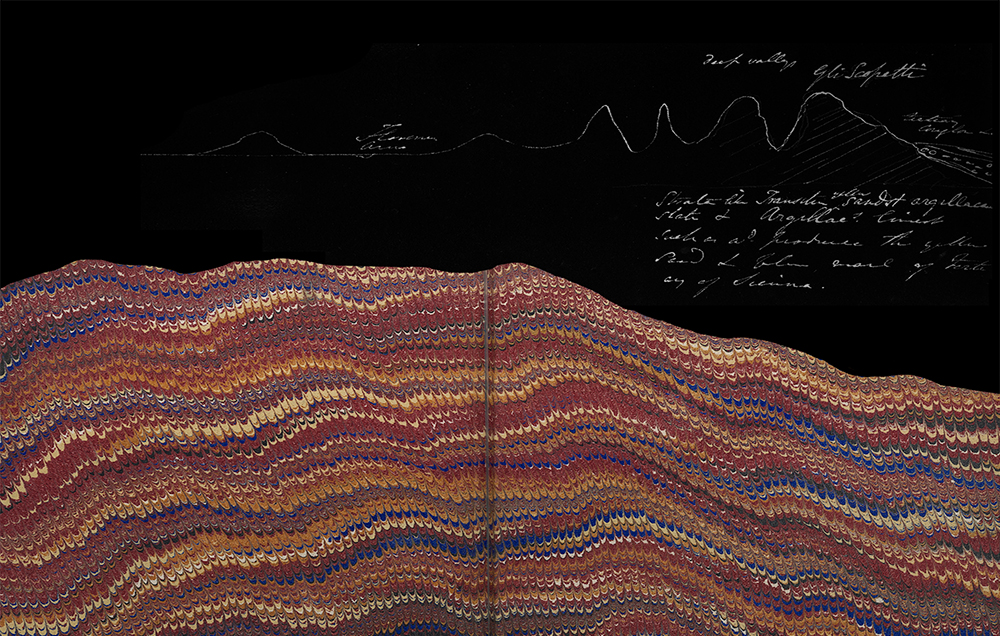
In November 2019 the Library excitedly welcomed Sir Charles Lyell’s two hundred and ninety-four notebooks into its Special Collections. With support and funding from leading institutions, groups and donations pledged from over 1000 individuals, this tectonic acquisition meant the notebooks were able to stay in the UK and join the Library’s existing collection of Lyell-related materials. As part of the DIU team, I was lucky enough to photograph Lyell’s notebooks, working with the world’s finest quality cameras to digitise a previously private collection into the public sphere and beyond.

Continue reading “Lyell’s School of Rock”

Marking the Millennium?

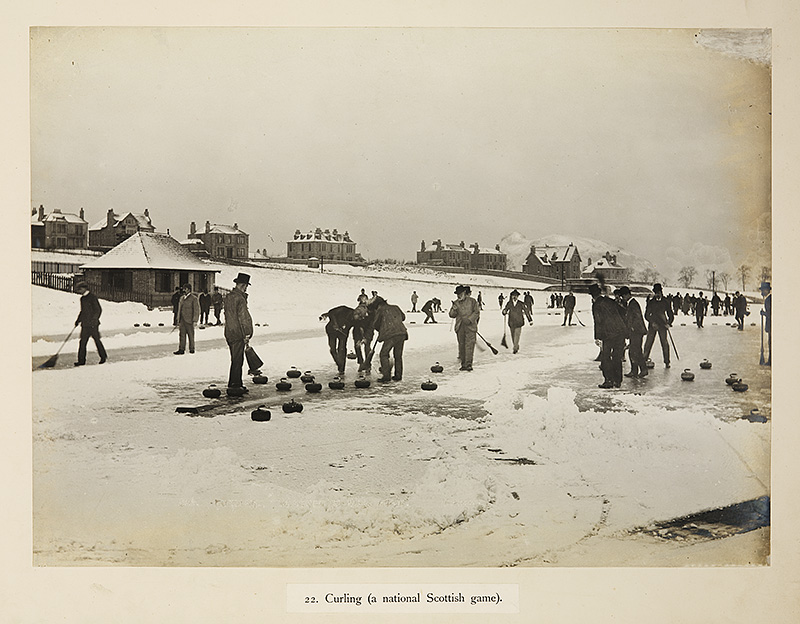
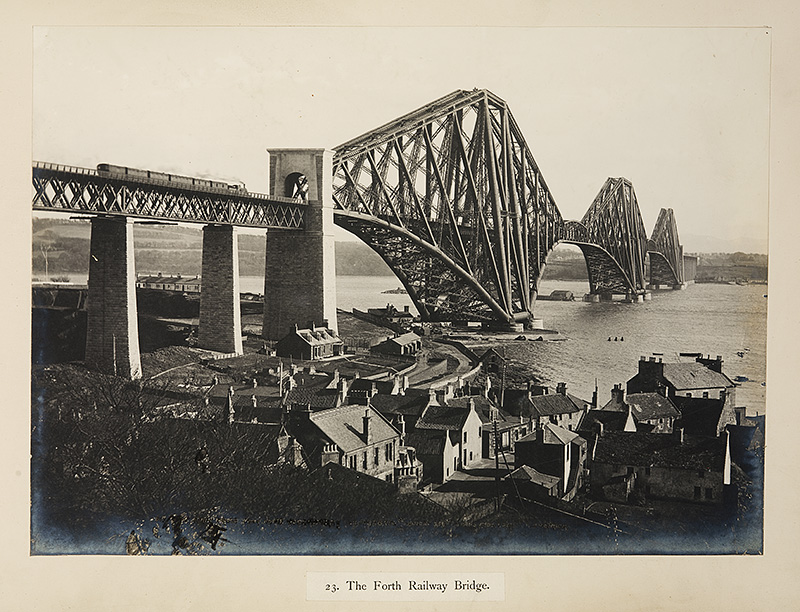
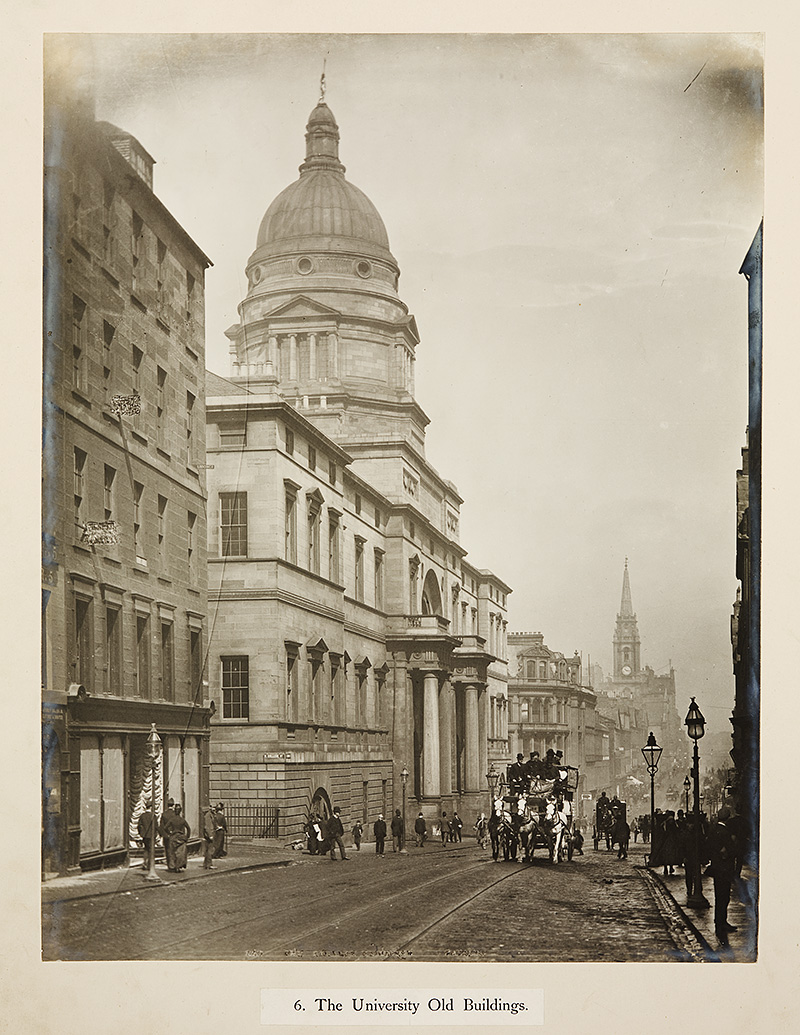
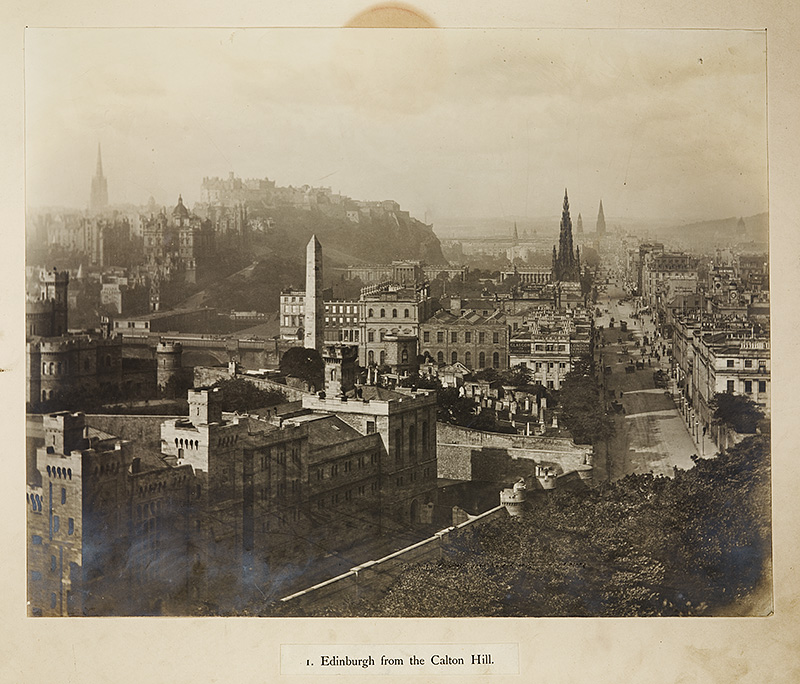
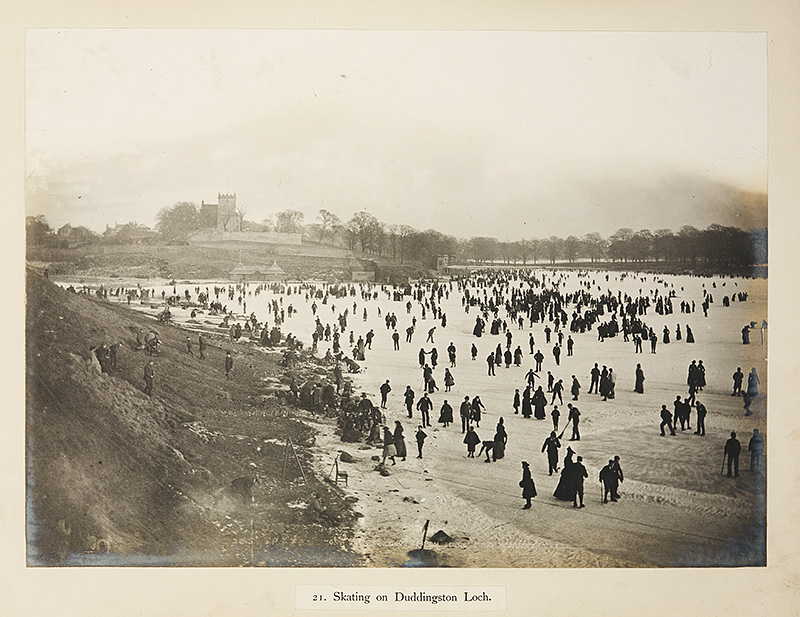
This week’s images all come from a lovely photograph album commissioned by the University in 1900 (Shelfmark EUA CA1/2). We don’t have much information about this volume but we think it was made to hail the start of the 20th century.  It contains 25 photographs of University buildings and views in and around Edinburgh, including some are fascinating scenes of Edinburgh life – when was the last time you saw people skating on Duddingston Loch?

Thanks to the Lost Edinburgh Facebook team Digital Imaging Unit images have appeared on the Lost Edinburgh Facebook page. As a result of this each image has received 1,331 + 1294 likes respectively and 216 + 161 individual shares. Also around 80 comments per image were generated and this  has brought the CRC Facebook page an additional 76 new likes since appearing on the site. The Lost Edinburgh Facebook page currently has 66,296 likes, probably making this the biggest audience for our images.

Susan Pettigrew

Curling (a national Scottish game). Edinburgh. The Forth Railway Bridge. The University Old Buildings. Old College. Edinburgh from Calton Hill. Skating on Duddingston Loch, Edinburgh.