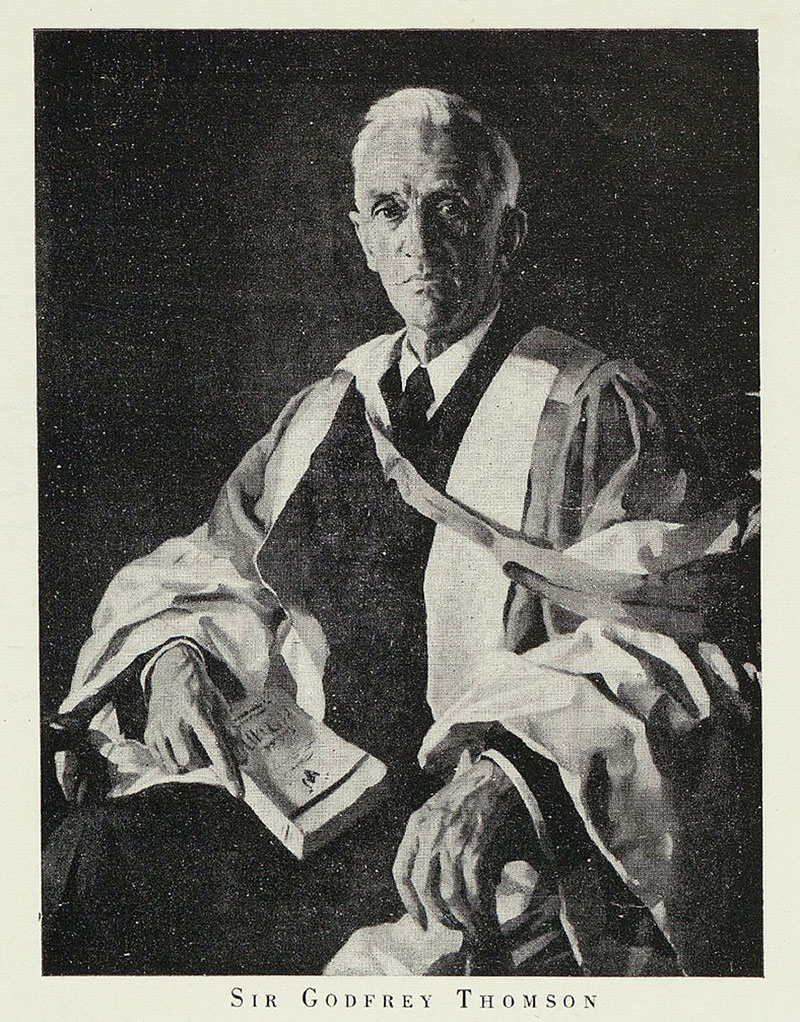
A lot of scanning and a little context

I am now coming to the end of my internship here in the Digital Imaging Unit. Over the past twelve weeks I have been responsible for digitising a large number of documents as part of the Godfrey Thomson Project. Collecting the project documents from Neasa, the Godfrey Thomson Archives Intern, I would then be required to capture every document individually using the Bookeye 4 Scanner (a machine that I have got to know very well lately, and one that behaves rather well, all told!).

Continue reading “A lot of scanning and a little context”
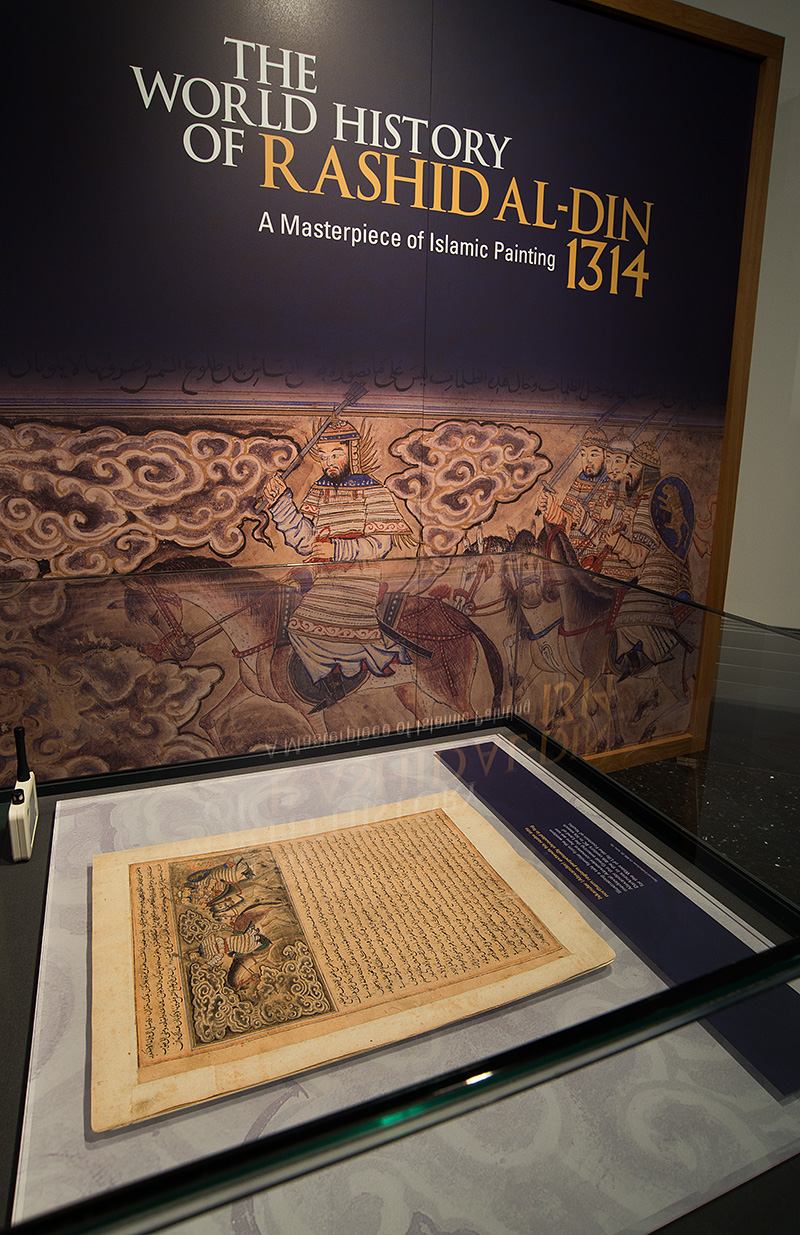
RASHID AL-DIN 1314 Library Exhibition Time Lapse Film

For the past month or so the DIU have been capturing our first ever time lapse footage of the installation of the current library festival exhibition RASHID AL-DIN 1314. We filmed over several weeks trying to capture the main installation events. This included the prep work by conservation, the delivery of objects from the National Museum, swathes of discussion over the exhibition, hard core carpentry skills and an insane press pack in full flight all leading up to the opening night. What we captured is only part of the story in that all the planning had been completed and work scheduled before shooting began including our own part of supplying the images for the display boards and background supports. It has been a huge revelation to see and document the level of application that goes into creating a Library exhibition. The overriding impression is of a truly massive collaborative effort involving many departments across institutions. Definitely worth a watch if only for the wonderful music by our very own Art Collections Curator Neil Lebeter.

RASHID AL-DIN 1314 Library Exhibition Time Lapse Film from DIGITAL IMAGING UNIT FILM on Vimeo.

Malcolm Brown, Deputy Photographer.

Photographists and the Grand Tour

01-060

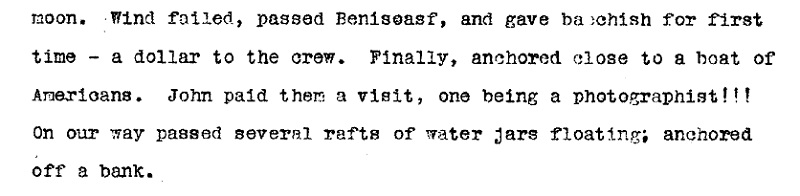
One of my daily problems in this job is being drawn into the objects we are digitising- it is always too tempting to start reading, and yesterday was one of the toughest challenges I have faced! A reader had requested a book-scan copy of a transcript from a Diary of John Shaw Smith and his wife Mary as they did the Grand Tour of the Mediterranean and Middle East between 1849-1852 (see http://www.archives.lib.ed.ac.uk/catalogue/cs/viewcat.pl?id=GB-237-Coll-20&view=basic ). Perhaps it was that John Shaw Smith was one of the earliest photographers to visit these regions (see http://www.luminous-lint.com/app/photographer/John_Shaw__Smith/A/), or perhaps it was because I have visited many of the places they travelled to, however once I started I became fascinated by the lively, sharp witted pair and their adventures. Continue reading “Photographists and the Grand Tour”

Making the Most of the Intern(et)

Our wonderful Intern Gemma is leaving us today, but she has managed to squeeze in one more post before she goes. Gemma has done some really amazing work for us, after completing her cataloguing project of Oriental Manuscripts (her work can be seen here http://images.is.ed.ac.uk/luna/servlet/UoEsha~4~4 ) in record time, she has helped out with Flickr, Walter Scott and a new project about not yet officially started too. I’d like to say a very big thank you to Gemma for all her hard work- we’re going to miss her! Over to Gemma…

Flickr

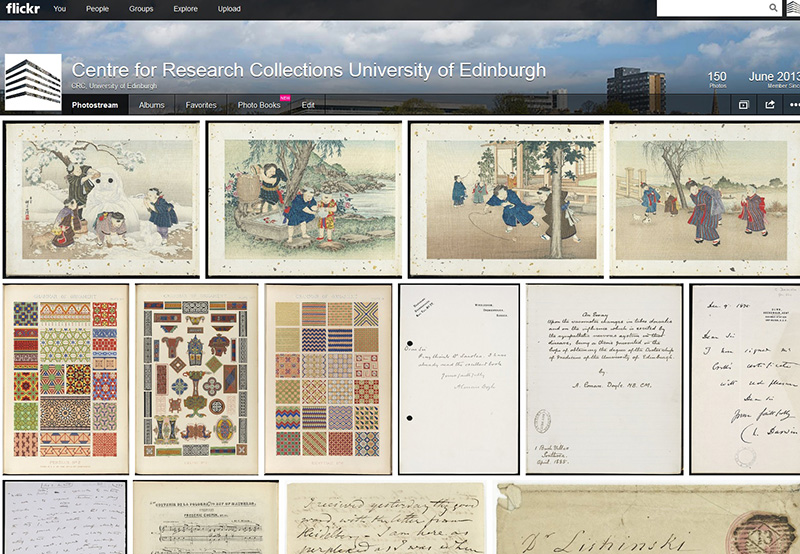
Since I finished my project with the Oriental Manuscripts Collection a few weeks ago (see my blog below for more info http://libraryblogs.is.ed.ac.uk/diu/2014/07/02/discovering-the-orient/#more-931 ), I’ve been working on a few other projects to make the most of my remaining time here at the CRC. Of these, one of my main tasks has been to update the department’s Flickr account (https://www.flickr.com/photos/crcedinburgh/).

Continue reading “Making the Most of the Intern(et)”

The Staff Portrait V’s the Selfie

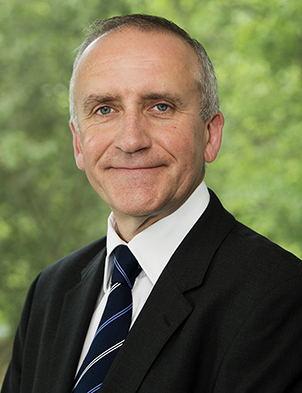
Over the years the Digital Imaging Unit have grown into the role of photographing official Library staff portraits. These images are used by the Library online to identify teams and in publications like the Piper when there is a focus on a department. In general terms the prospect of a staged portrait sends most staff fleeing for the Pentland hills. Some staff point blank refuse using colorful metaphors to explain why they will not do it and certainly most staff are guaranteed to be unhappy with the resulting image. It is without a doubt the least popular aspect of the the work we do in DIU. However most staff accept the formal portrait as a necessary evil a bit like going to the dentist. There are also a minority who are comfortable with the concept. What I have come to realise in this role is that I almost always only have about three shots right at the beginning of the session to capture a reasonable portrait. After those first three clicks the sitters brain goes of to an unusual place and we end up with overly self conscious faces that are beginning to do weird things with their facial muscles resulting in contorted bizarre expressions ending with an uncomfortable grimace. In this dominant age of the selfie I feel there is still a role for an official staged portrait and we don’t need to look any farther than the University of Edinburgh’s historic collection of staff portraits to see why they are an important record of individuals at work. Maybe the staff selfie should replace the staff portrait? Lets discuss………..

Malcolm Brown, Deputy Photographer.

Capture


SMT

Interior Challenge

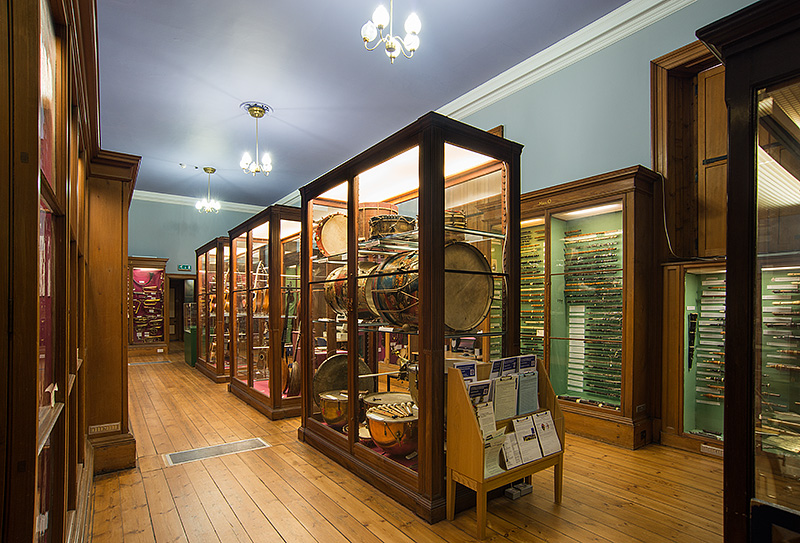
Reid Concert Hall Museum of Instruments before re-developement, June 2014.

In the last couple of weeks I have been out to visit both the Reid Musical Instrument Museum and St. Cecilia’s Music Hall to document the buildings prior to a makeover.

The Reid is a particularly challenging location for a photographer: tight spaces with mixed lighting and tall glass cabinets lining the walls and centre of the room. Reflections everywhere. It turns out that this was not a good day to wear my new white top! Continue reading “Interior Challenge”

Photo Bombed

0031488d

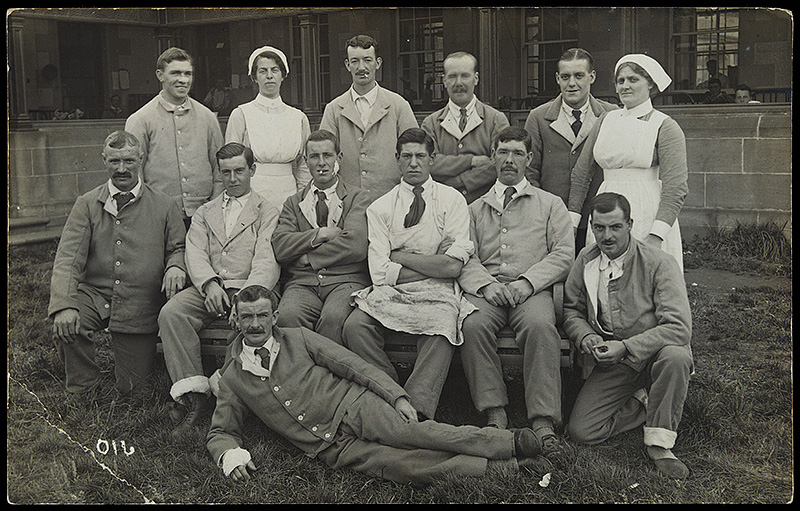
A large order from the Lothian Health Services Archive came our way recently, which included postcards from the hospital & group portraits of staff and patients. In amongst them I discovered an early example of photo bombing- look between the shoulders of the 2 chaps in the centre of the back row- I love combination of serious faces of the people posing and the incongruous jaunty feet in the air behind them. Was this intentional? Or did he simply happen to be doing a handstand at the time…?

Continue reading “Photo Bombed”

Discovering the Orient

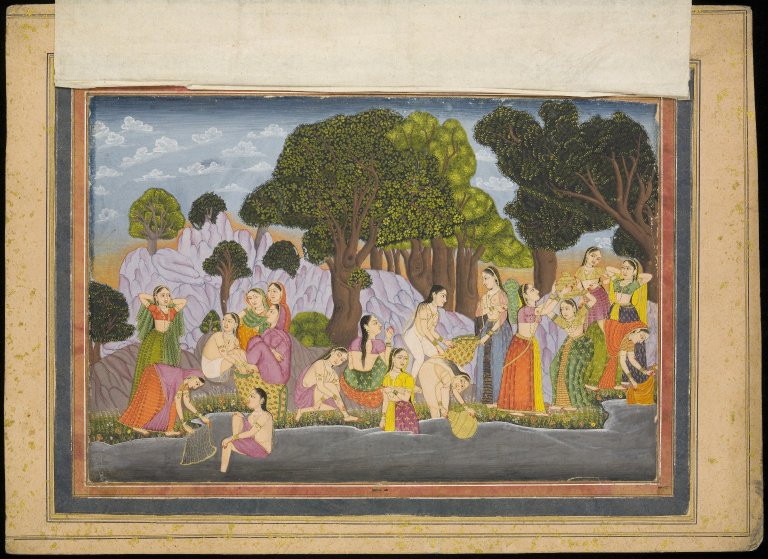
Detail of portrait showing a group of women washing clothes in a river. This miniature comes from a collection of portraits (Tasawir), which originate from India and date to the mid-19th century. Although many of the images in the oriental manuscripts collection tend to relate to religion or mythology, this portrait is interesting as it provides a fascinating insight into the life of ordinary people, during the rule of the British Raj.


On the 2nd June, I was lucky enough to begin employment as the Employ.ed Digital Collections intern for the CRC. Although I begin with a little trepidation – like most people when they start a new job, I spent the night before worrying that I’d be really bad at it or that no one would like me – I am now in my fifth week and enjoying it immensely: I don’t really want to leave! Continue reading “Discovering the Orient”

Building History

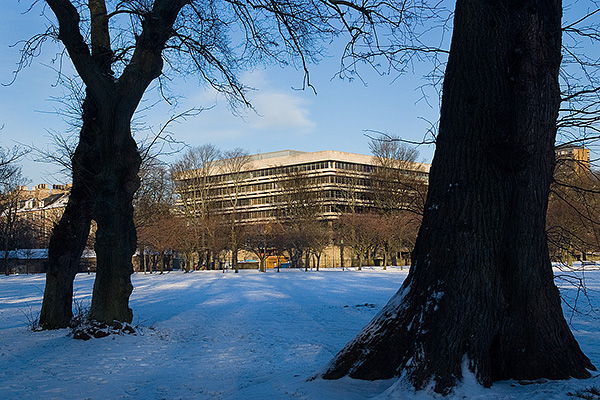
Snow at Edinburgh University Library, January 2010.

As part of our role here, Malcolm and I have taken many photographs of the Main Library. Over the years this has built up an archive of born digital images that show the life of the Library. Before and after shots of the Main Library Redevelopment Project, seasonal shots of the building and campus environs, students using the facilities and CRC events- such as exhibition openings, have all been documented.

Occasionally, one of us has to play a cameo role in the photo’s on those days we just can’t seem to get a student in the right spot, Malcolm stars in this one…

Continue reading “Building History”

Anon Art

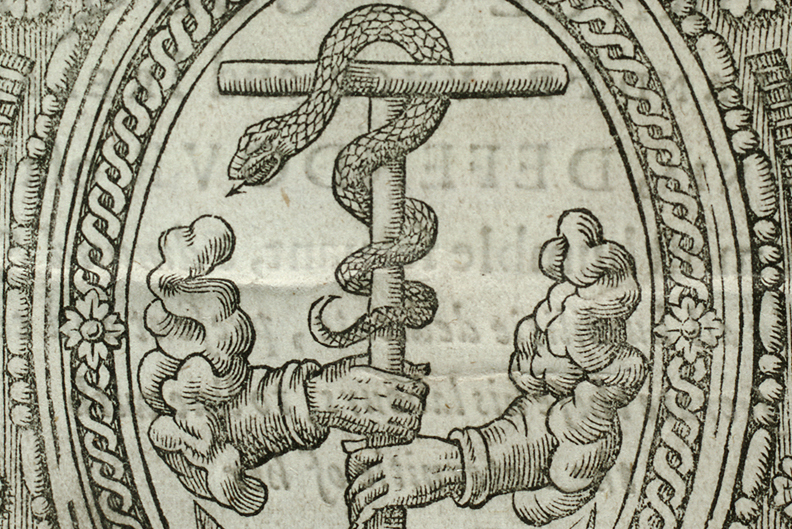
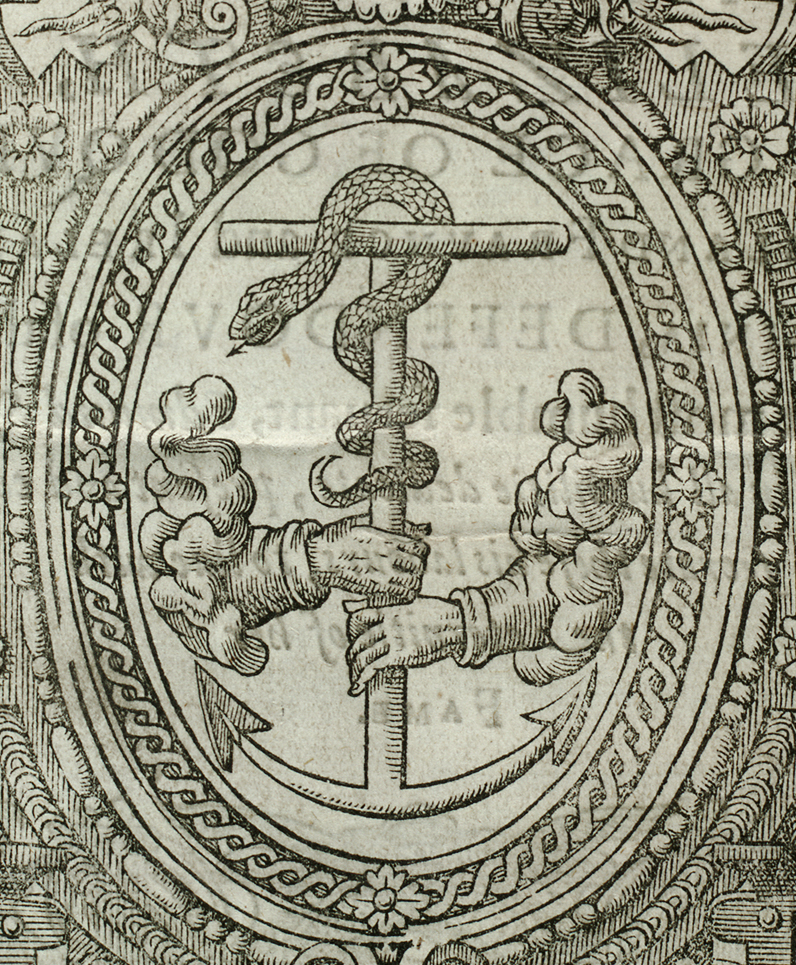
Another visual essay from me this week. I thought it would be interesting to share a closer look at the amazing work of the invisible artists who populate the title pages of many books in our collections. I am constantly astonished at the graphic accomplishment present in these works from anonymous artists. I have spent some time highlighting details that are inspiring works in their own right. These works stand on their own feet and in their own space. All images this week are details from ” The Faerie Queene “. Shelfmark JY 1096. Points of note are the best snake tongue ever drawn (see below) and a fantastic phoenix rising from flames. More images from the book can be found within our image collections at http://images.is.ed.ac.uk/

Deputy Photographer, Malcolm Brown.

0002068d Continue reading “Anon Art”