Any views expressed within media held on this service are those of the contributors, should not be taken as approved or endorsed by the University, and do not necessarily reflect the views of the University in respect of any particular issue.
Just in time for the Chinese New Year we can announce that our copy of the Zhouyi zhuanyi Daquan is now available to view on our collections website – here. This is the earliest printed book in our collections, printed in 1440 in the Chinese province of Fujian. Zhouyi zhuanyi Daquan has become known in English as the Complete Commentaries on the Book of Changes. The Book of Changes itself is a seminal work on the subject of Confucianism.
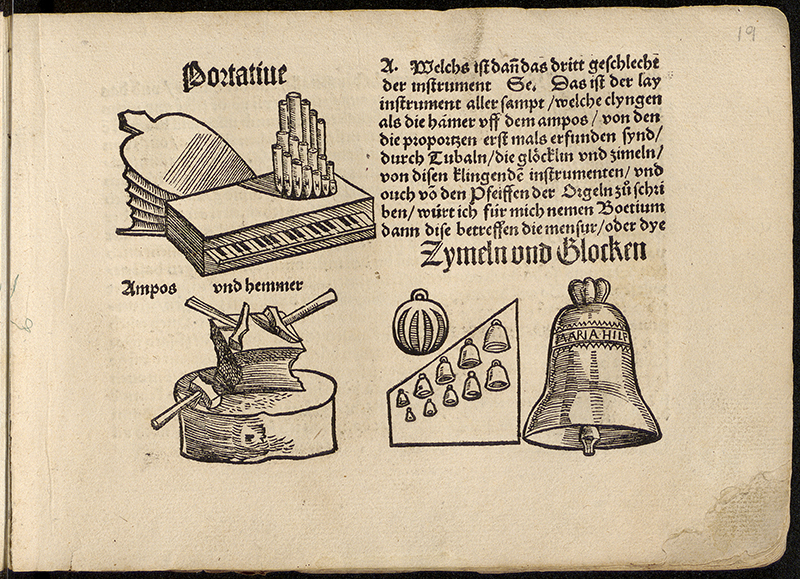
Portative Organ, Anvil and Hammers, Chime Bells and Clapper Bells.
Musica Getutscht (Basel, 1511) is the earliest printed treatise on musical instruments in the west. Written by Sebastian Virdung who was a priest and a chapel singer, it provides rudimentary instruction on playing the clavichord, lute and recorder. It was also the first of its kind to be written in a vernacular language, making it a widely accessible text. Both Virdung and his printer, Michael Furter, were no doubt aware that this would be an important document to offer the German-speaking world, changing the way music education was delivered and creating a new culture of amateur musicians and performers in the sixteenth century. Continue reading “Musica Getutscht”
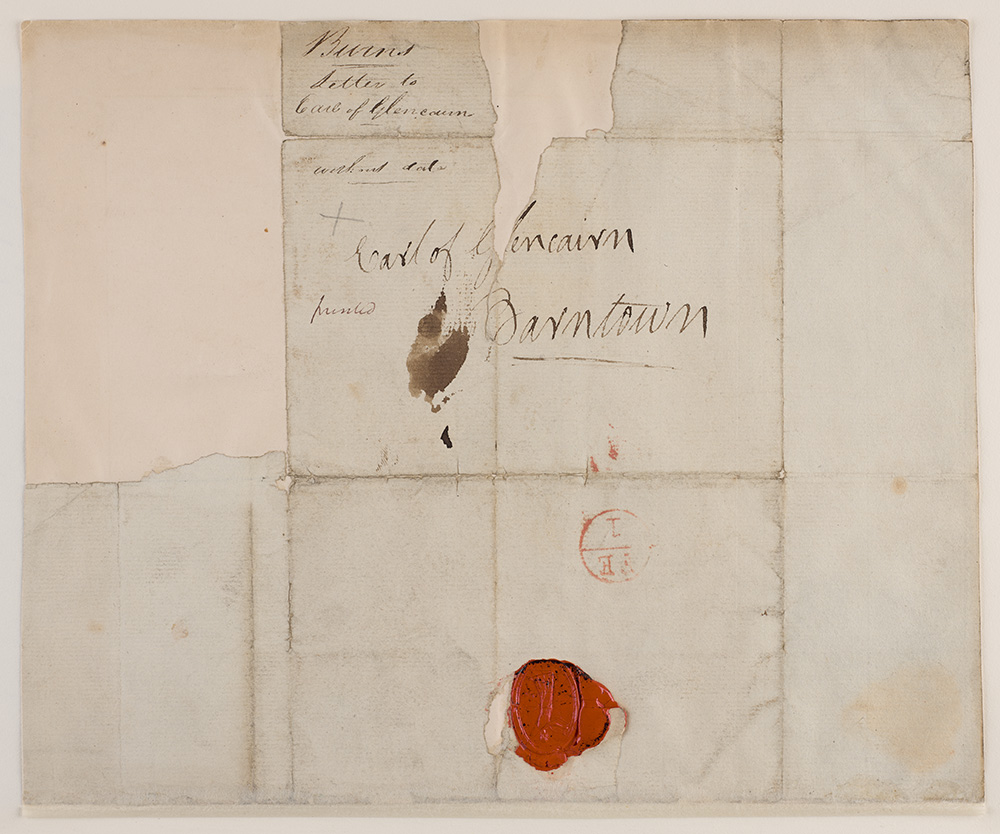
It’s the time of year for all things Robert Burns. Here in the DIU I have recently finished digitising a collection of Robert Burns Manuscripts. These are highly treasured manuscripts which make up part of our Iconics Collection. A fitting status for the bard himself. So, time raise a glass! The manuscripts comprise of letters of correspondence and poems such as Holy Willie’s Prayer, Love and Liberty: A Cantata and Address to Edinburgh. Continue reading “Robert Burns Manuscripts – gie us a job!”
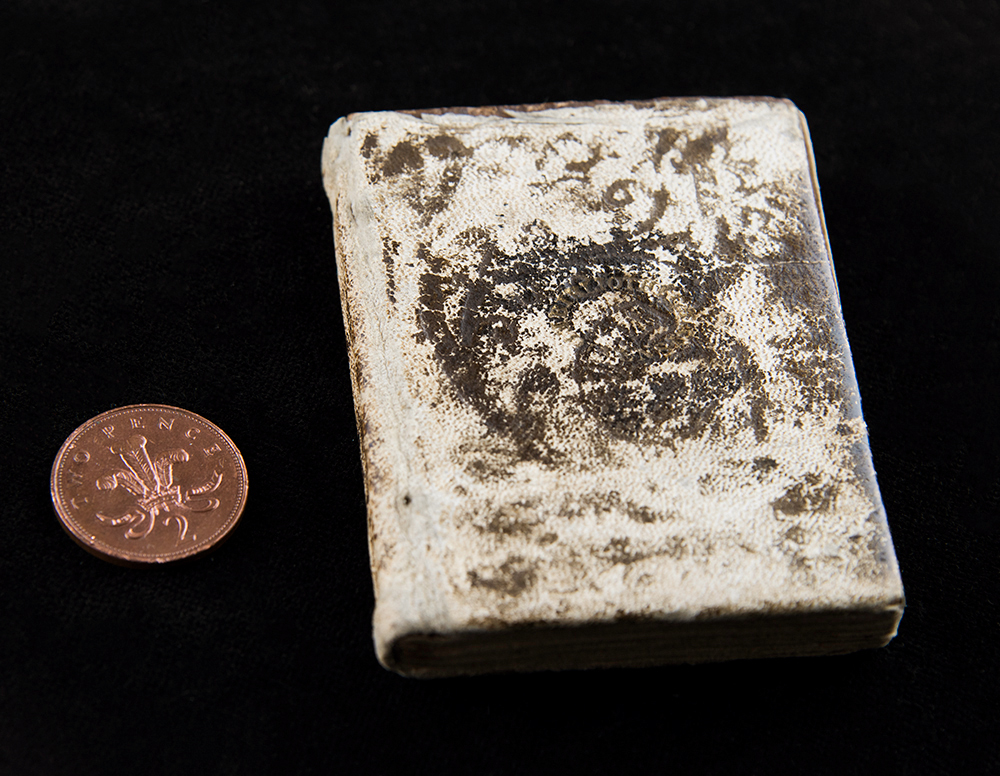
According to researchers at the Centre for Research Collections, The Indian Primer is a tiny book containing Christian instruction, mainly in the native American Algonquian language.Printing began in America in 1640 and was used by missionary John Eliot, who translated the Bible and many other works into the native language for the first time. This unique 1669 copy was gifted to the University Library in 1675 by James Kirkton. Amazingly, this copy is still in its original American binding, of decorated white animal skin over thin wooden boards.Continue reading “The Indian Primer: iconics in raking light”
The University’s Iconics Collection holds some of the institution’s most valued and treasured items, and the recent push for more digitisation of the University of Edinburgh collections has meant that the Iconic items are a high priority.
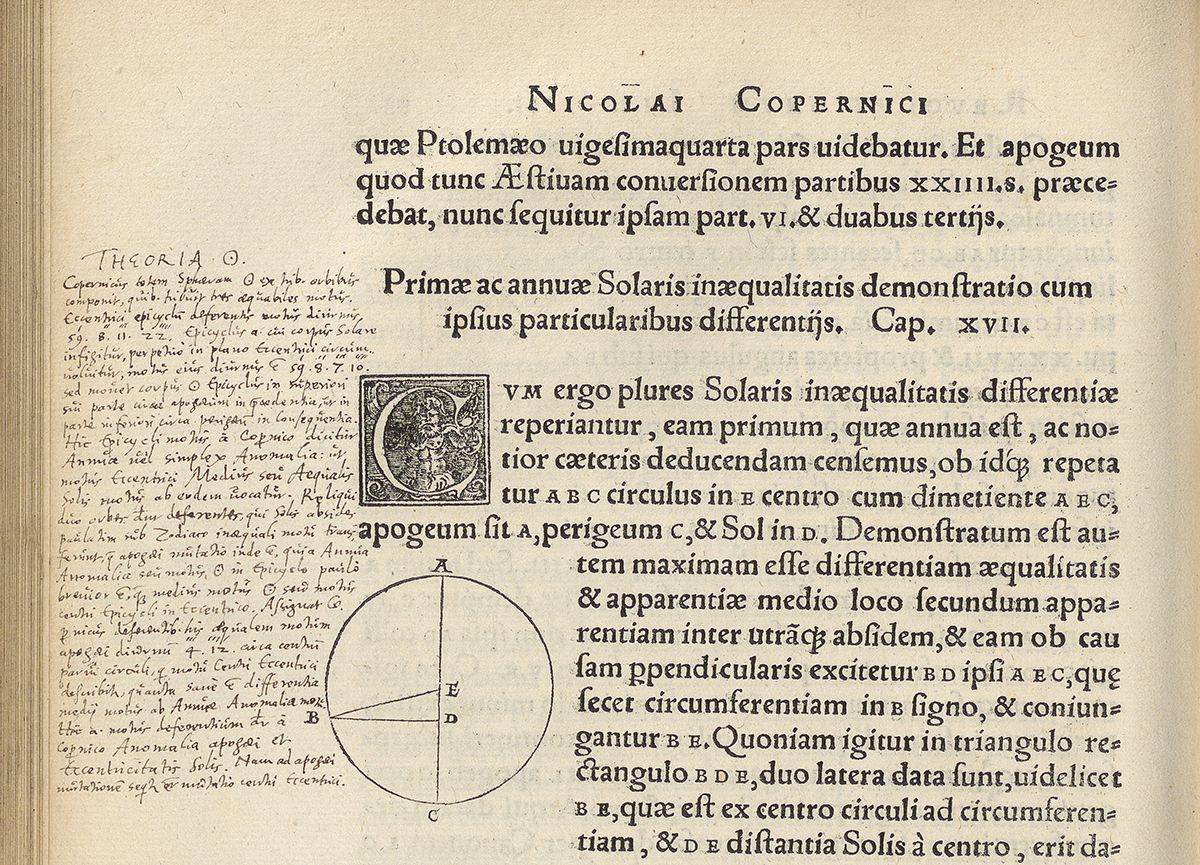
Recently I digitised Copernicus’ De RevolutionibusOrbium Coelestium (The Revolutions of the Heavenly Spheres). Copernicus is regarded as one of the central figures of the Scientific Revolution for his heliocentric theory. It is considered one of the key works in the history of western astronomy as it brought forth a new theory about the Universe and our place in it at a time where it was widely believed that everything in the Universe orbited a motionless, central Earth. It was also the first open criticism against Aristotelian and Ptolemic systems, which in addition to claiming Earth was central, employed the classical ideal of ‘celestial motions’ being eternally uniform and circular. Continue reading “Copernicus x Smith”
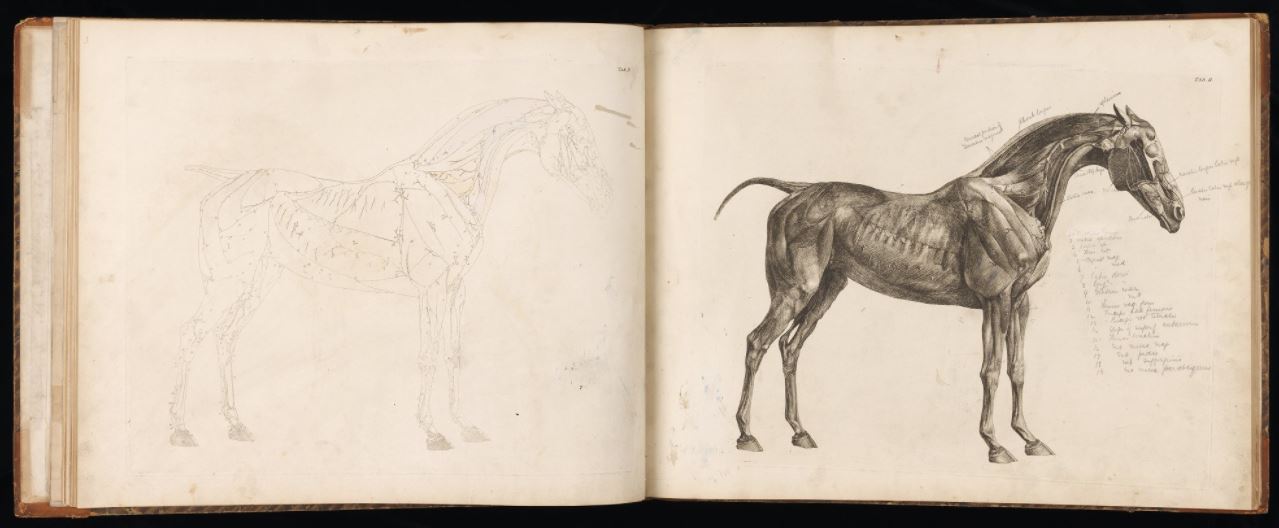
Recently I worked on digitising a small number of volumes of The Veterinary Journal from the late 19th century and late 20th century. Almost 100 years apart, the earlier volumes from 1889-1898 had some questionable advice and cures for ailments including the free use of toxic chemicals and even a few drams of whisky for a horse’s stomach ache! We view these archaic methods nowadays with humour – after all, some absurdities are expected from a late Victorian medical journal.
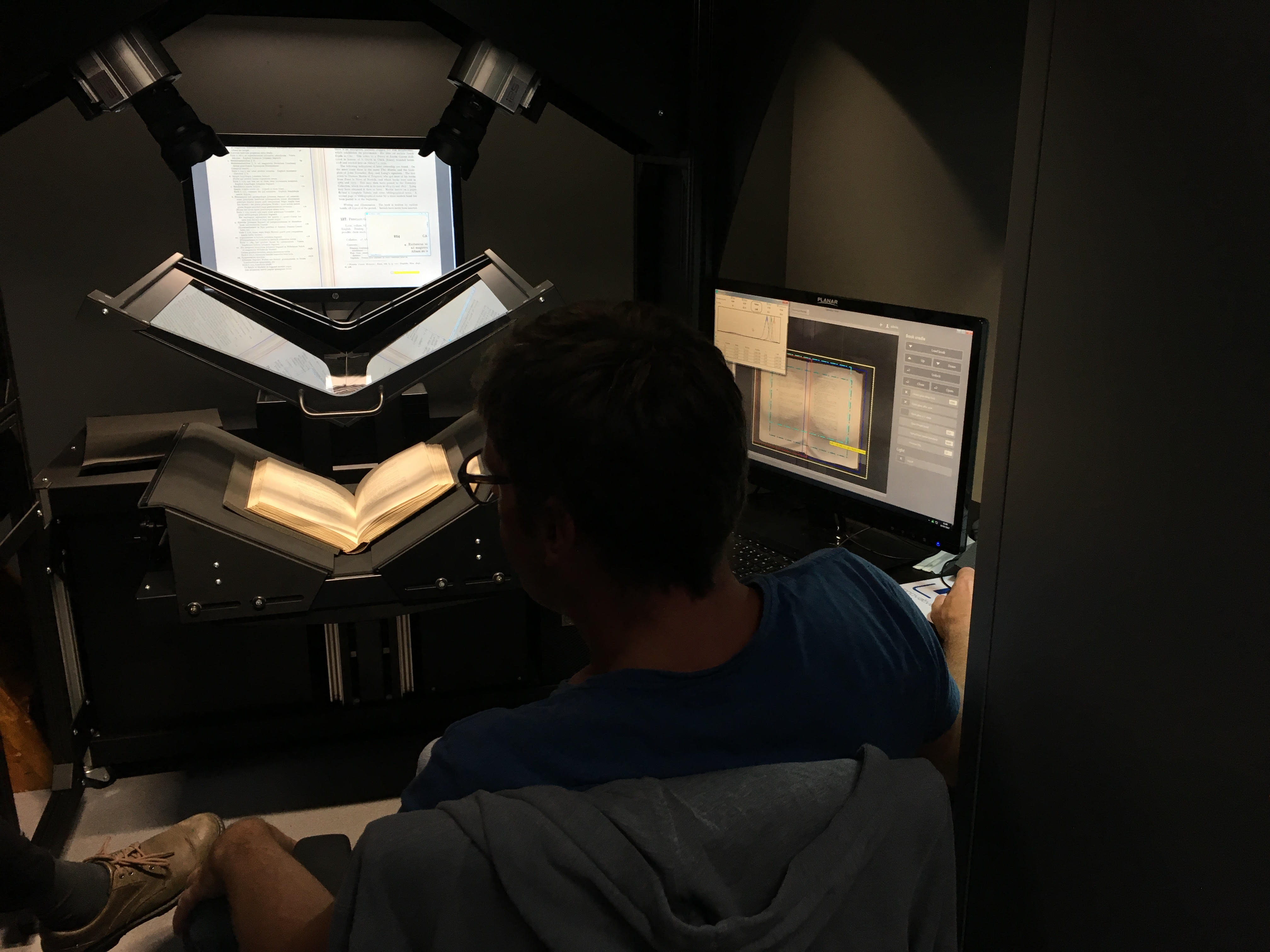
Last week the i2S CopiBook V-Shape arrived in the Digital Imaging Unit where it was installed and demoed by Pascale Thuilliez from i2S. This high-quality bookscanner was bought with the view to being used for the next phase of the Session Papers Project (read my previous blog here for more information on the project itself).
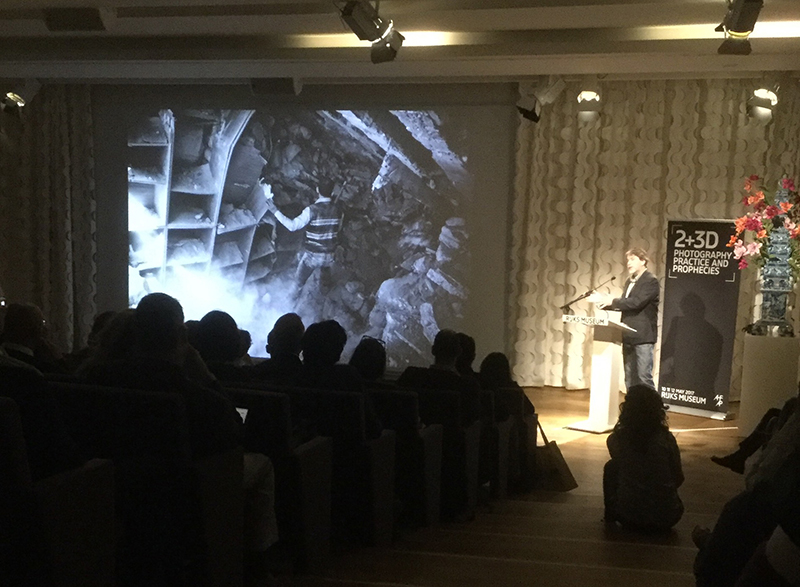
Team DIU (well, half of it!) have been visiting the Rijksmuseum again for the biennial conference on 2 and 3D photography. 2 full days of speakers followed by another workshop day left us with lots to think about. This year’s conference built on the last, Robert Erdmann released the open source code for his amazing curtain viewer which can be tried out in the Bosh Project here http://boschproject.org/#/ . Malcolm is going to delve deeper in to Erdmann’s latest developments below. Otherwise 3D technology seems to be taking root, with debate over the level of quality and detail needed, and advances such as ‘videogrammetry’ and ‘unstructured light field renderings’ (see below) entering the fray.
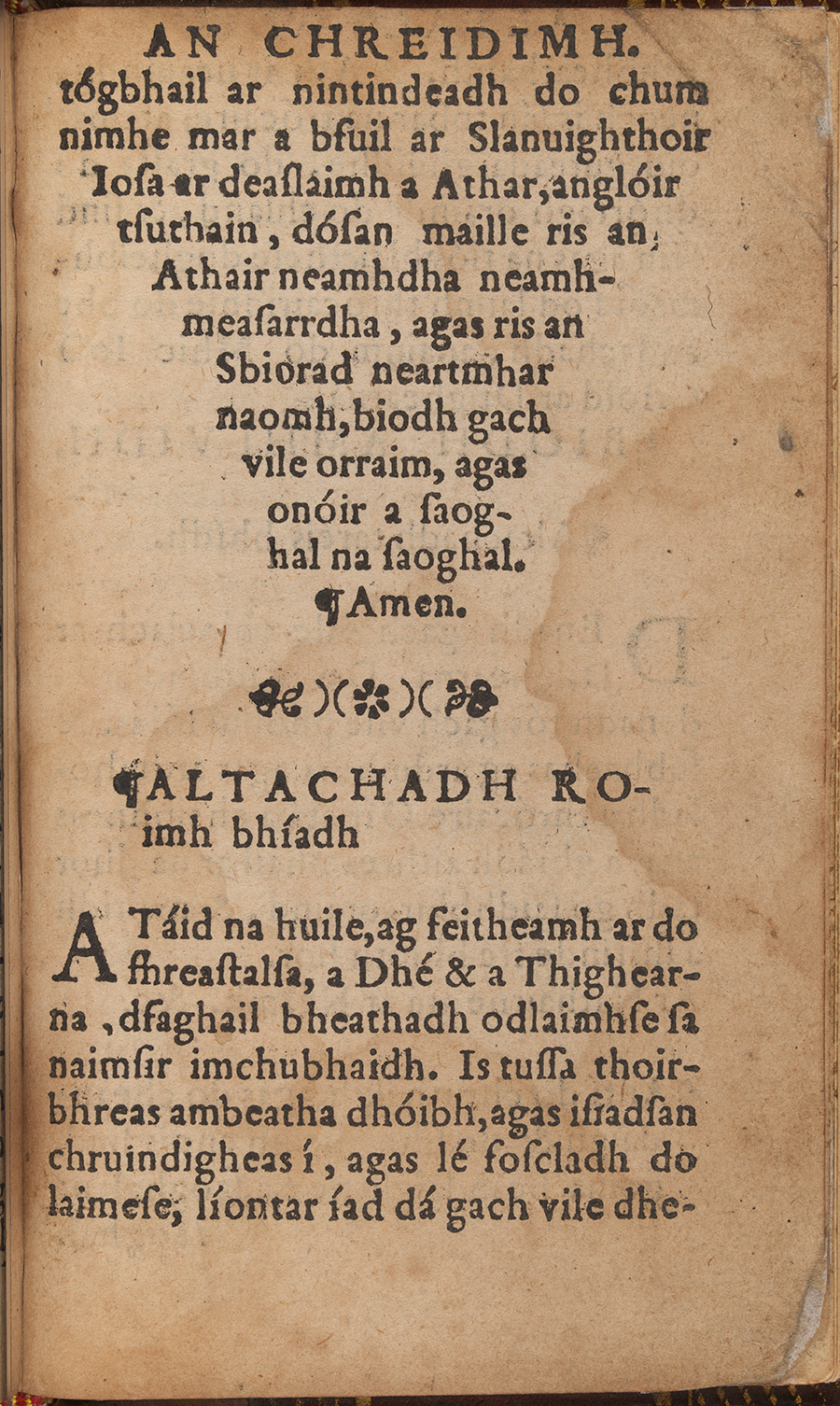
This unassuming little book is of the greatest national importance: it is the only copy in Scotland of the first book printed in Gaelic (Gaelic Liturgy; year 1567; shelfmark Dd.10.44.). After the Reformation there was a strong impetus, sponsored primarily by the Campbell Earls of Argyll, to evangelise the Highlands and Islands, where Gaelic rather than Scots was spoken. John Carswell, Bishop of the Isles, adapted John Knox’s Book of Common Order into Scottish Gaelic. It was a hugely ambitious undertaking, particularly considering it would be another two centuries before the New Testament was finally published in vernacular Gaelic. This copy has clearly been well-used.
In this weeks’ blog post we are pleased to welcome our newest member of staff, Juliette Lichman. When not working on new orders, she has been preparing old ones to go into our Open Books Repository https://openbooks.is.ed.ac.uk/ Juliette has been discovering how easy it is to get drawn in to the complex and fascinating histories of the books…
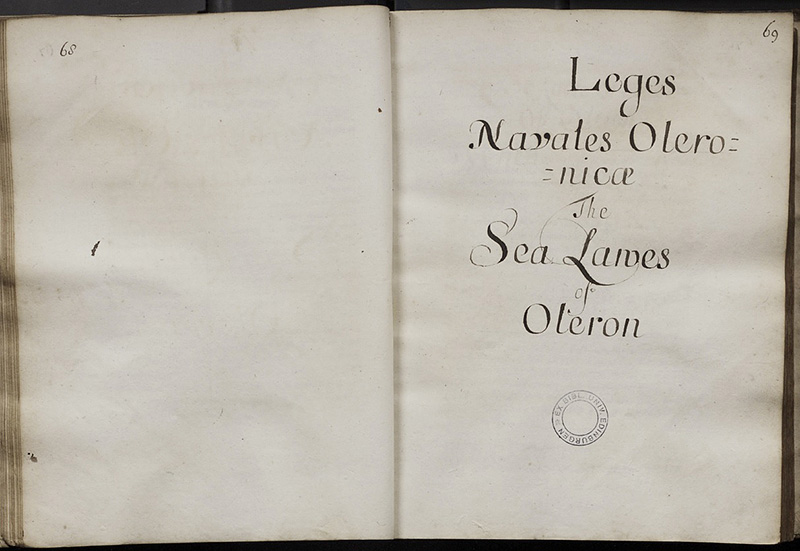
The university’s cherished Laing collection is an invaluable resource of important historical documents, and is a frequent subject on this blog. The fact that there are still so many unknown works and exciting discoveries to be made within the collection is astounding. I was lucky enough to experience this first-hand several weeks ago, during an afternoon of working through a deeply buried folder of book scans. I came across a Laing collection document that had incorrect and missing metadata. It appeared to be an unassuming manuscript (date unknown) with handwriting that was ornately scribed but difficult to decipher, though certainly English. Continue reading “Voyages of Discovery”

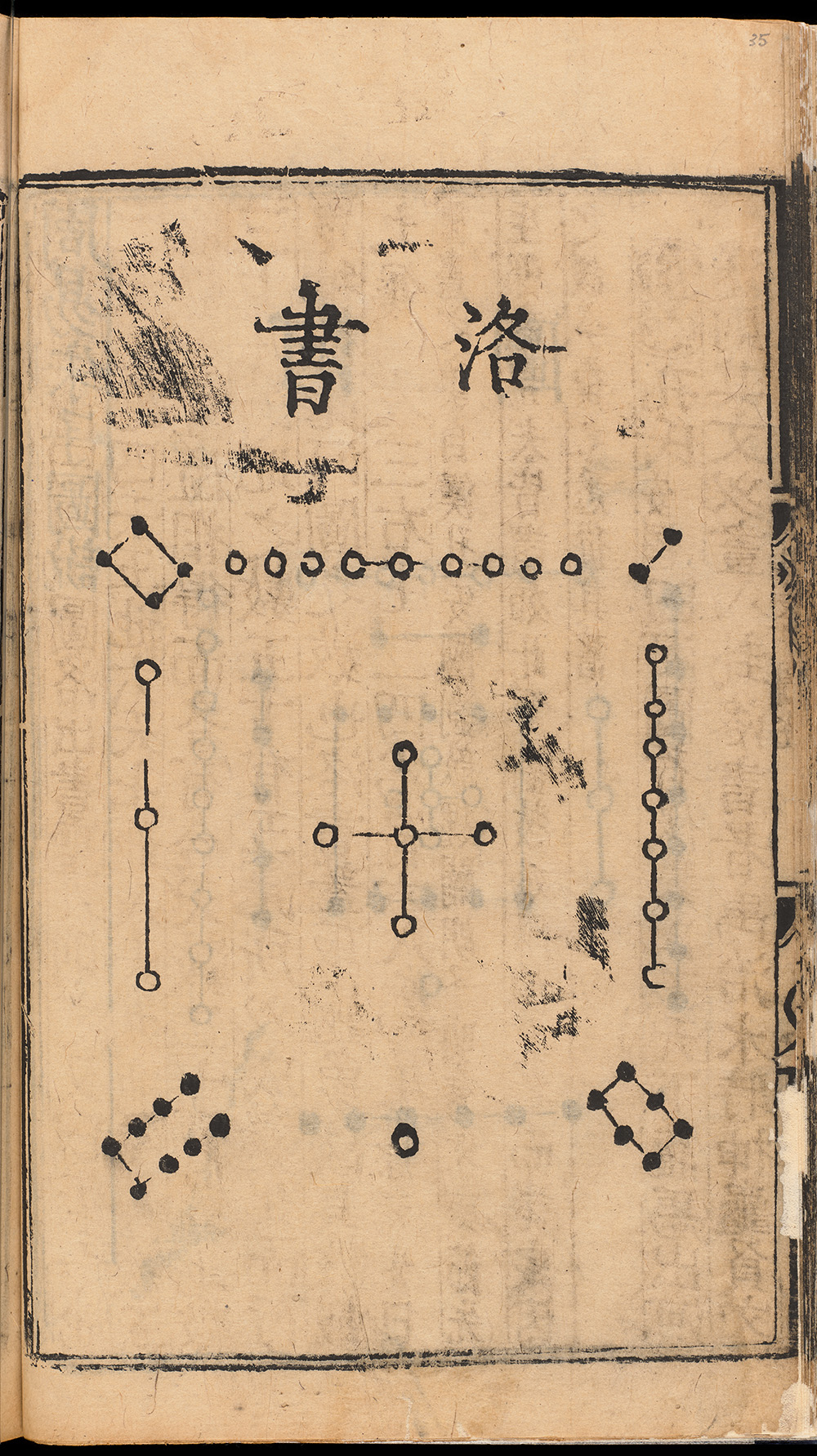 Just in time for the Chinese New Year we can announce that our copy of the Zhouyi zhuanyi Daquan is now available to view on our collections website – here. This is the earliest printed book in our collections, printed in 1440 in the Chinese province of Fujian. Zhouyi zhuanyi Daquan has become known in English as the Complete Commentaries on the Book of Changes. The Book of Changes itself is a seminal work on the subject of Confucianism.