Any views expressed within media held on this service are those of the contributors, should not be taken as approved or endorsed by the University, and do not necessarily reflect the views of the University in respect of any particular issue.
I was delighted to take on the challenge of helping photograph the University’s collection of notebooks of geologist Sir Charles Lyell, and there’s a bit more to photographing 300 notebooks than one might imagine. The Cultural Heritage Digitisation Service is a fantastic team of people, and quickly welcomed me onboard. Prior to this posting, I’ve enjoyed a varied background, including photographing the contents of National Trust for Scotland castles as part of a major digitisation project Reveal, plus Polar and Northern Lights photography aboard expedition cruise ships.
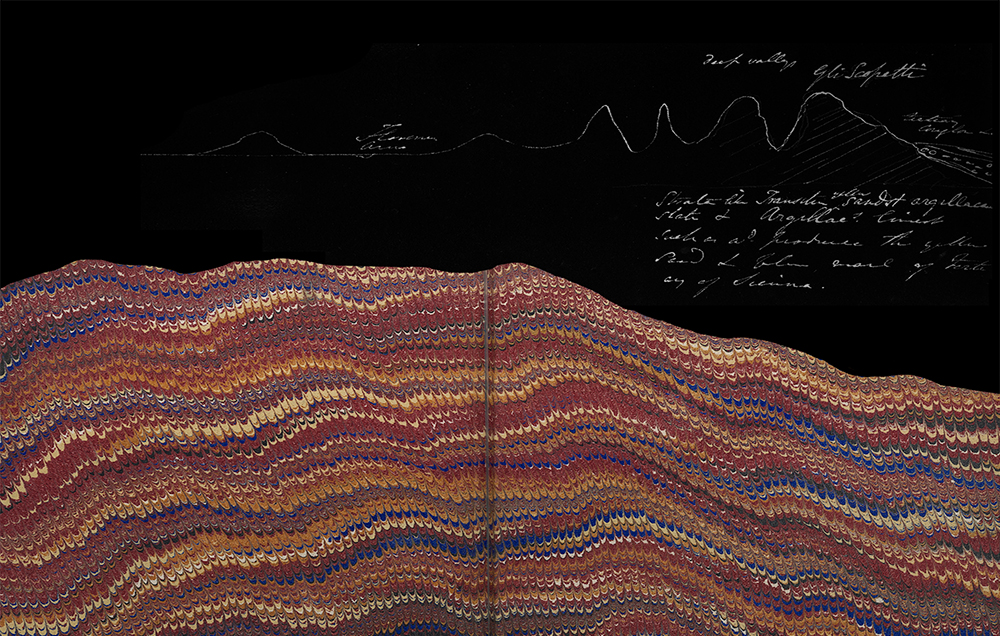
In November 2019 the Library excitedly welcomed Sir Charles Lyell’s two hundred and ninety-four notebooks into its Special Collections. With support and funding from leading institutions, groups and donations pledged from over 1000 individuals, this tectonic acquisition meant the notebooks were able to stay in the UK and join the Library’s existing collection of Lyell-related materials. As part of the DIU team, I was lucky enough to photograph Lyell’s notebooks, working with the world’s finest quality cameras to digitise a previously private collection into the public sphere and beyond.
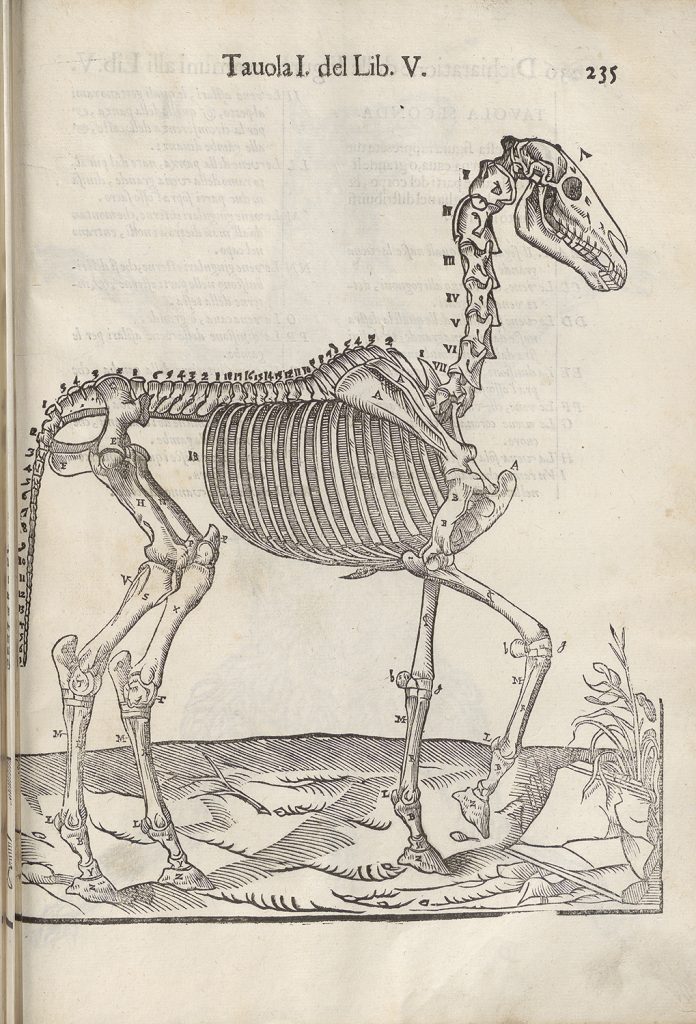
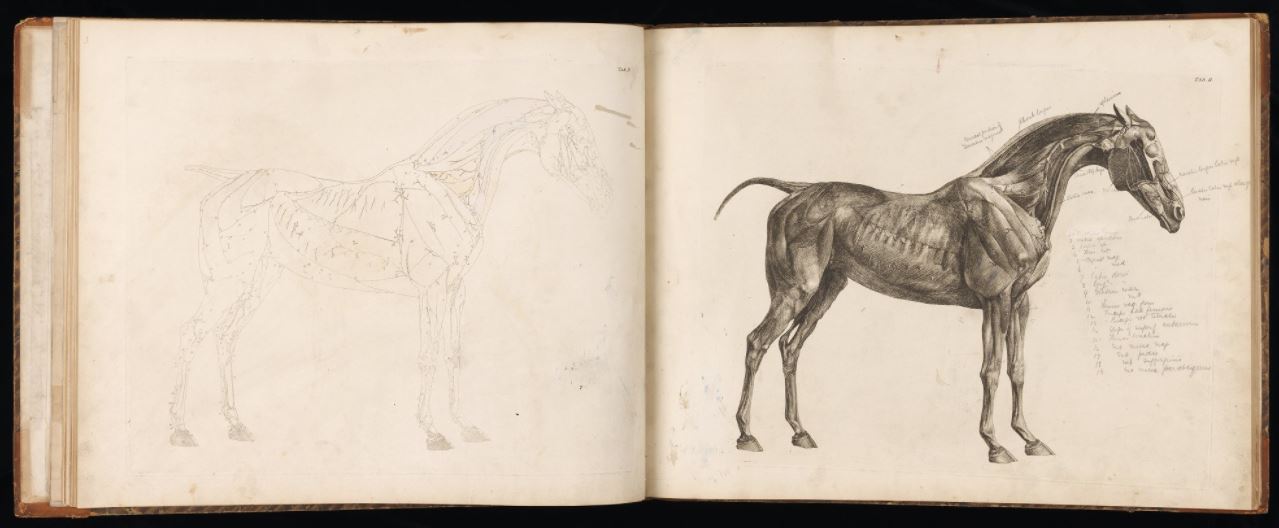
Recently I digitised Carlo Ruini’s ‘Anatomia Del Cavallo’ (The Anatomy of the Horse, Diseases and Treatments) as part of our Iconic’s collection on our i2S V-shape cradle scanner. It is a lavishly illustrated anatomic manual on the study of horses and was the first book to focus exclusively on the structure of a species other than man. In Ruini’s estimation, the horse combines ‘great love of man’ with natural docility and is celebrated for its many ways to bring pleasure and assistance to man that it is commemorated everywhere in monuments, tombs, poetry, and painting.
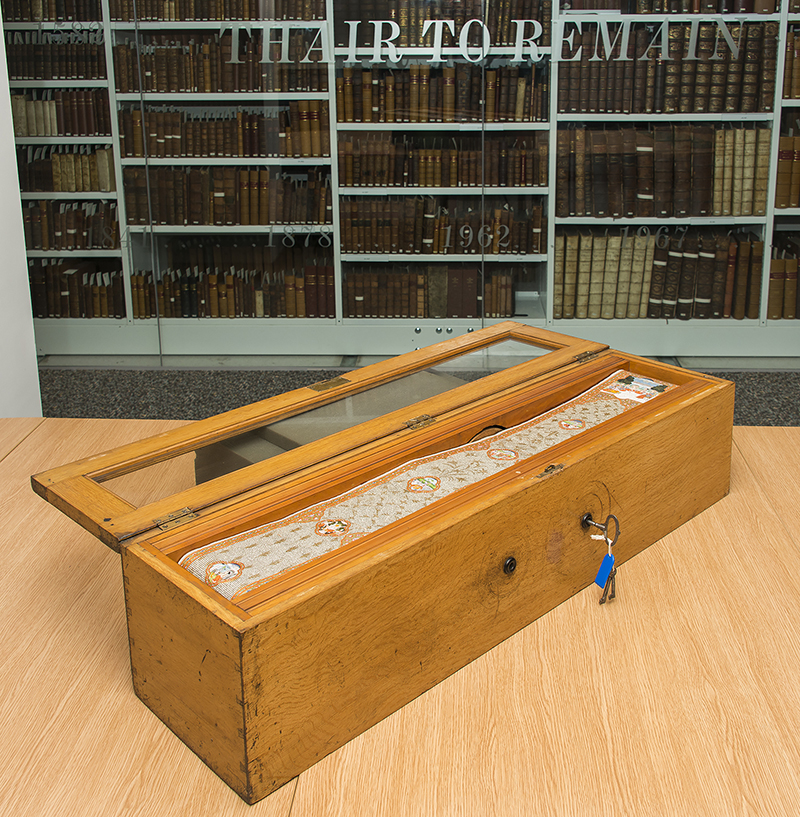
I don’t know if I have ever been more excited about a digitisation project going live: the Edinburgh University’s 1795 copy of the Mahābhārata is now available online. This beautiful scroll is one of the longest poems ever written, containing a staggering 200,000 verses spread along 72 meters of richly decorated silk backed paper. As one of the Iconic items in our Collection it was marked as a digitisation priority, so when a customer requested the 78 miniatures back in April 2017 it seemed like a good opportunity to digitise it in its entirety. There was just one problem: it was set to go on display in the ‘Highlands to Hindustan’ exhibition, which opened at the Library in July. This left us with only a narrow window of opportunity for the first stages of the project: conservation and photography. Continue reading “A Stitch in Time: Mahābhārata Delivered Online”
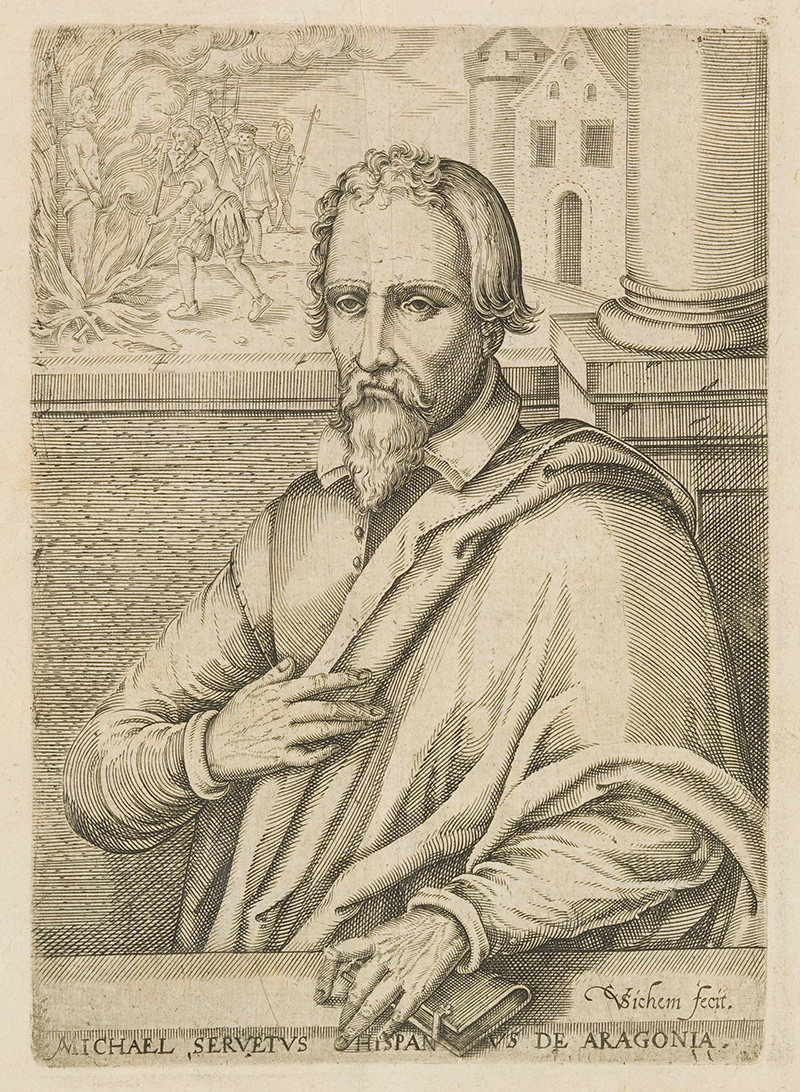
Title:Michael Servetus een Spangiard Amsterdam, 1607. Shelfmark: JZ 439
‘Bound to the stake by the iron chain, with a chaplet of straw and green twigs covered with sulphur on his head, with his long dark face, it is said that he looked like the Christ in whose name he was bound. Around his waist were tied a large bundle of manuscript and a thick octavo printed book. The torch was applied, and as the flames spread to the straw and sulphur and flashed in his eyes, there was a piercing cry that struck terror in the hearts of the bystanders…’Jesu, thou Son of the eternal God, have mercy upon me.’ (Michael Servetus: Humanist and Martyr, Fulton, John F. 1953)
These were the last words of Michael Servetus, physician and theologian, condemned to death in 1553 after being branded a heretic.
The University’s Iconics Collection holds some of the institution’s most valued and treasured items, and the recent push for more digitisation of the University of Edinburgh collections has meant that the Iconic items are a high priority.
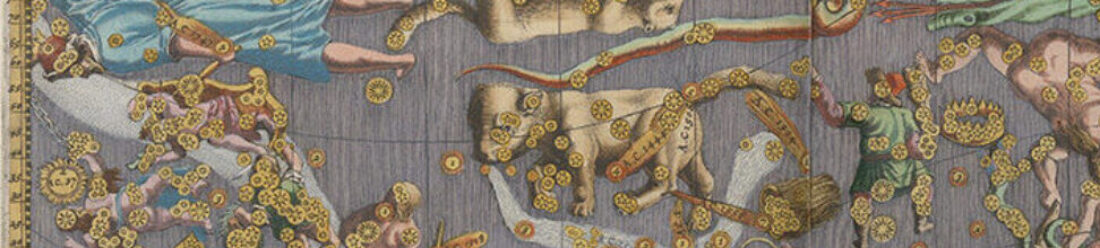
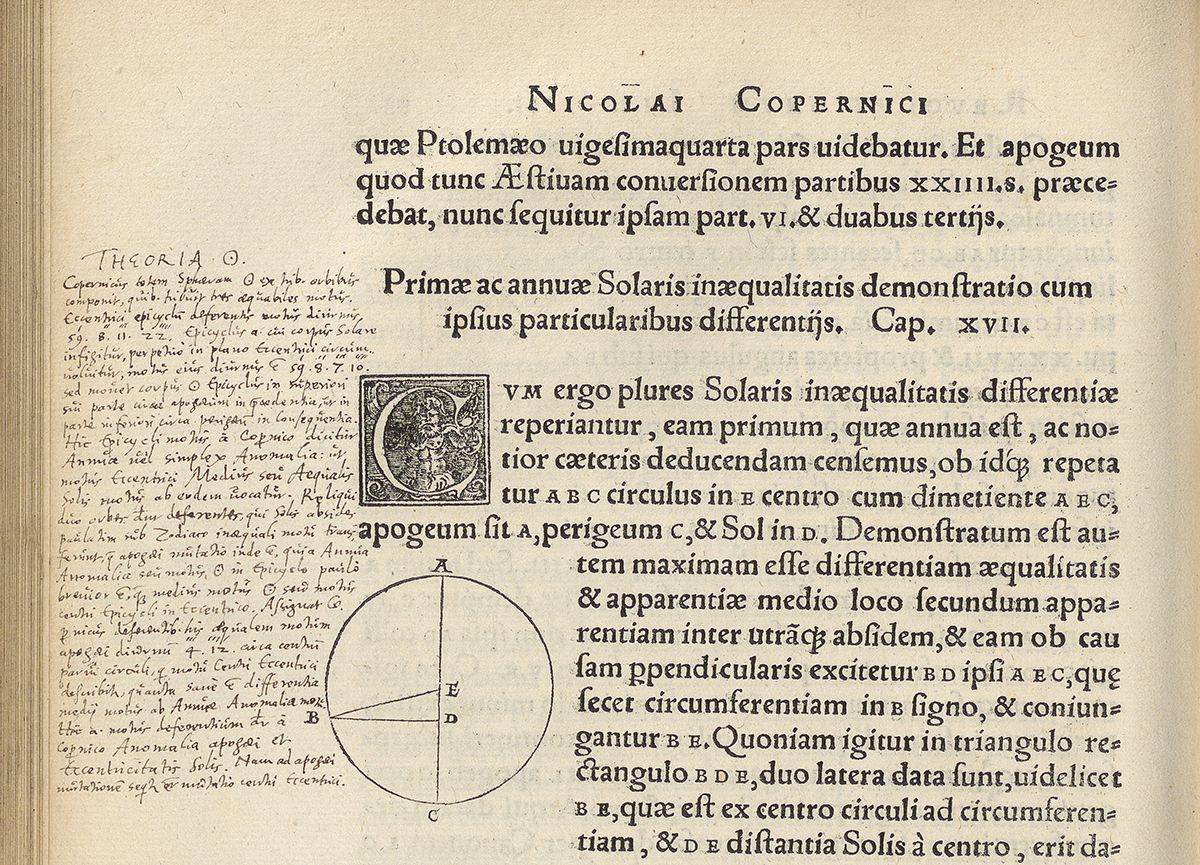
Recently I digitised Copernicus’ De RevolutionibusOrbium Coelestium (The Revolutions of the Heavenly Spheres). Copernicus is regarded as one of the central figures of the Scientific Revolution for his heliocentric theory. It is considered one of the key works in the history of western astronomy as it brought forth a new theory about the Universe and our place in it at a time where it was widely believed that everything in the Universe orbited a motionless, central Earth. It was also the first open criticism against Aristotelian and Ptolemic systems, which in addition to claiming Earth was central, employed the classical ideal of ‘celestial motions’ being eternally uniform and circular. Continue reading “Copernicus x Smith”
Recently I worked on digitising a small number of volumes of The Veterinary Journal from the late 19th century and late 20th century. Almost 100 years apart, the earlier volumes from 1889-1898 had some questionable advice and cures for ailments including the free use of toxic chemicals and even a few drams of whisky for a horse’s stomach ache! We view these archaic methods nowadays with humour – after all, some absurdities are expected from a late Victorian medical journal.
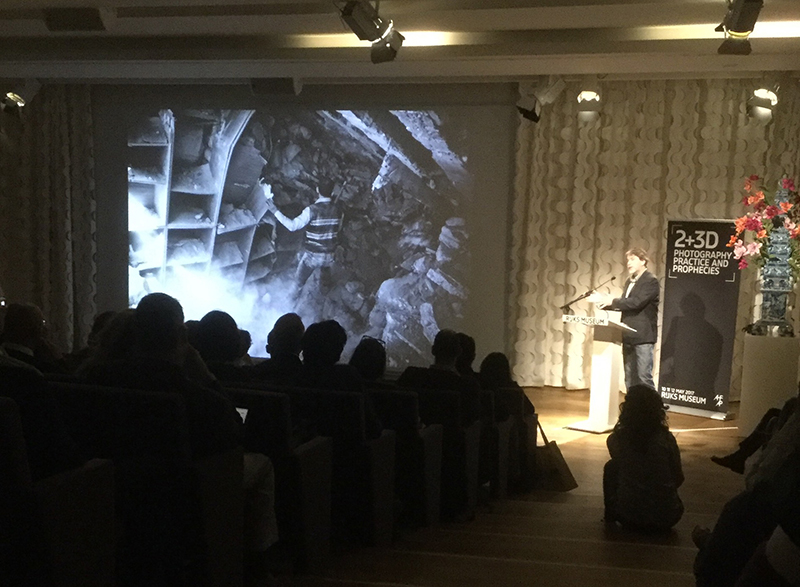
Team DIU (well, half of it!) have been visiting the Rijksmuseum again for the biennial conference on 2 and 3D photography. 2 full days of speakers followed by another workshop day left us with lots to think about. This year’s conference built on the last, Robert Erdmann released the open source code for his amazing curtain viewer which can be tried out in the Bosh Project here http://boschproject.org/#/ . Malcolm is going to delve deeper in to Erdmann’s latest developments below. Otherwise 3D technology seems to be taking root, with debate over the level of quality and detail needed, and advances such as ‘videogrammetry’ and ‘unstructured light field renderings’ (see below) entering the fray.
At present I am working on a pilot project, digitising the Scottish Court of Session Papers. The collection is held across three institutions; The Advocate’s Library, The Signet Library and the University of Edinburgh’s Library and University Collections. The collection itself consists of circa 6500 volumes, comprising court cases which span the 18th and 19th century.
The aim of the pilot is to determine the most effect digitisation methods for these materials with a view to a potential mass digitisation project covering the entire collection. The digitisation tests and experiments I have been undertaking have raised the many challenges that such a large project would present, namely around the issue of recording metadata and which digitisation practices to employ in relation to the condition and size of any particular volume.
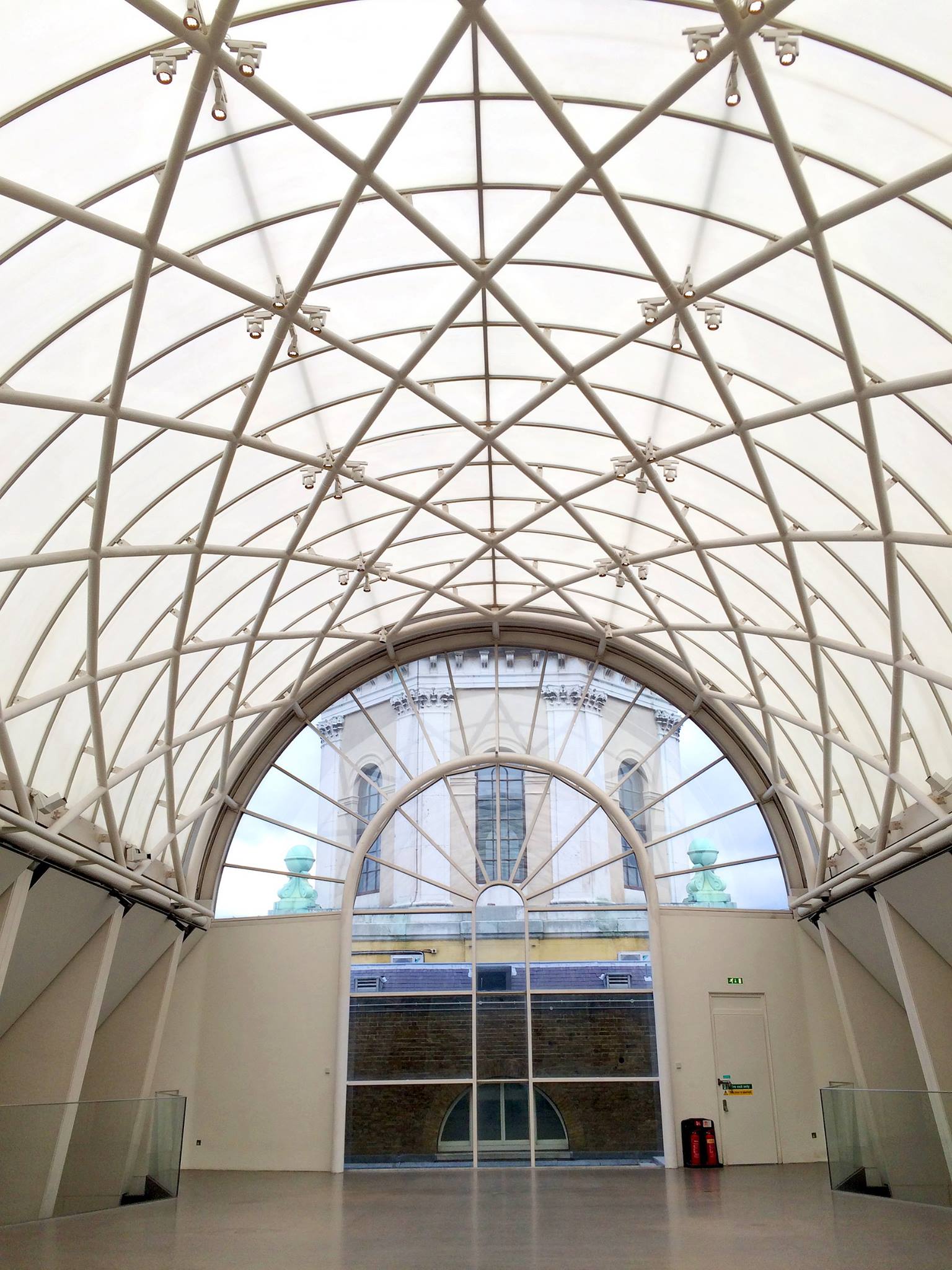
This year’s conference was hosted by The Imperial War Museum London. Diane Lees Director-General of the Imperial War Museums opened this year’s conference with the idea that “Photography delivers the curatorial message”. The presentations that followed certainly backed that statement up and demonstrated the complexity of support that photography brings to the curatorial message. Of particular note during a varied day of talks an emphasis on photogrammetry emerged as opposed to 3D scanning. The presentations that left an impression on me are discussed below but abstracts of all the conference talks can be found here:
The Drexel Digital Museum: Interpreting the digital historic fashion object.
This was a very engaging presentation by Daniel Caufield-Sriklad. He highlighted that there needs to be a different approach to digital interpretation as opposed to physical museum interpretation. Within his presentation he demonstrated how the Drexel Digital museum web site pulled in many different sources of information relating to the one physical object in the collection. Each object entry online could contain still photographs of the object and dedicated detailed shots. The entry would also contain moving image sequences and sound recordings relating to that object. In addition the object entry would also contain Giga Pan Process capturing 720 images per object and stitched those together to give a detailed 360 degree view of the object. These images “can be displayed at 1:1 scale, rotated 360 degrees, and zoomed into details far beyond what can be perceived by the unaided human eye”. 3D Motion capture was also used to create a 3D model to demonstrate the garment during movement using digital draping technology. HTML 5 was used to deliver their site. The overall approach provides multiple layers of interpretation in one central space.
The Strines Journal: Practice-led research into Historic Photographic Processes
Tony Richards from John Rylands Library Manchester gave an illuminating talk on his journey of trying to reproduce historic photographic processing. This included a lot of research into early wet processing formulas and their execution in studio practice. It revealed that published practice was misleading at times and it took a lot of cross referencing of published early formulas to finally achieve any kind of results similar to the early photographic collections that we hold in our museums. This work has brought the early photographic process to life again through in depth practice and research. Definitely an expert view in relation to our early photographic collections.
Digitising, Geo referencing and Transcribing 1100 Tithe maps
Scott Waby from The National Library of Wales delivered an engaging and well-paced talk on the progress of the project. It is an ambitious project to layer the Welsh national historical collection of maps on top of current map data for Wales. Scott and his team built a large curved magnetic wall to facilitate pin sharp capture of large maps in the collection. They had noticed that focus was falling off towards the edges of the map capture and so devised the curved wall to maintain the same focal length across the entire map whilst keeping the camera in a fixed position.
Day Two Workshops
Tate Britians move to Digital X-Ray
An opportunity to view Tate’s new digital x-ray system launched in January this year, replacing old x-ray set with a more powerful one and specially designed art table.
Fascinating insight into the digital x-ray world. At a cost of £93k Tate Britain have established a digital x-ray work flow. The results of which have uncovered the working process of artist like Picasso, Rene Magritte and Reynolds to name a few. This appeared labour intensive with all six staff having to vacate the studio each time an x-ray is triggered. The capture area is around A3 size so the larger works require multiple exposures which are then stitched together and for the medium sized Reynolds painting that was demonstrated final image was around 1.45 Gb. This in itself adds another cost in terms of processing images. The set up included a tripod to mount the X-Ray generator for use in the field. This also included guidelines and markers to calibrate safe distances before triggering the x-ray.
All round a challenge to implement requiring government inspectors to assure no health risk and a sizeable space away from people. Obviously the final images are a huge boon to conservators and people marketing and studying these historic processes.
Metamorfoze Preservation Imaging Guidelines and its daily use
Hans van Dormolen & Tony Harris
This was a practical real world walk through of studio implementation of the Metamorphose guidelines approved by unanimous vote at 2D + 3D Practices and Prophecies conference 2014 Rijksmuseum Amsterdam. Metamorphose guidelines are now law in the Netherlands if you are photographing national collections. The guidelines were written over a seven year period of research by Hans van Dormolen a researcher at UK Government Art Collection.
The walk through consisted of a standard copy stand set up with lights and camera in a static position photographing a large version x-rite colour chart. The main opening point driven home by Hans was “Gain Modulation”. Put simply the lights and camera and distance from object all have to remain static in order to maintain a consistent gain modulation. Readings are taken from the digital image of the chart using capture one sampling tool focussing on the reading shown in the green band. These readings are then checked against the Metamorphose guidelines and adjustments are made to the lights until the required readings are achieved. This took 6-7 adjustments to the lights. There is a small tolerance allowed within the guidelines. Once the initial target square patch E5 on the x-rite reads at 242 the setting is achieved and reading continues on J6, F5, I6, K6, G5 etc. following the guidelines.
Hans noted that each x-rite chart has a batch number and advised that more recent charts would aid accuracy. Also clean your chart from dust. After numerous studio tests Hans also noted that a black background was preferable for placing your chart on for optimum colour accuracy.
The walk through diverged at this point into discussion around uniform illumination and how one could check this by photographing a white sheet of paper and using Photoshop’s histogram palette, using the illumination drop down menu and referring those readings to the Metamorphose guidelines. Uniform illumination can also be checked using the threshold tool again in Photoshop and noting the values at the point where black begins to enter the image and the point where white almost leaves the image.
The workshop never completed the task of calibrating for colour accuracy in the two and a half hour slot allocated with it has to be said the experts driving. It’s a complicated task to image using the guidelines and would only be useful in a real world setting where lighting and object distance were static so that gain modulation was static. However this could be achieved on projects that have same size objects like our recent glass plate negative project.
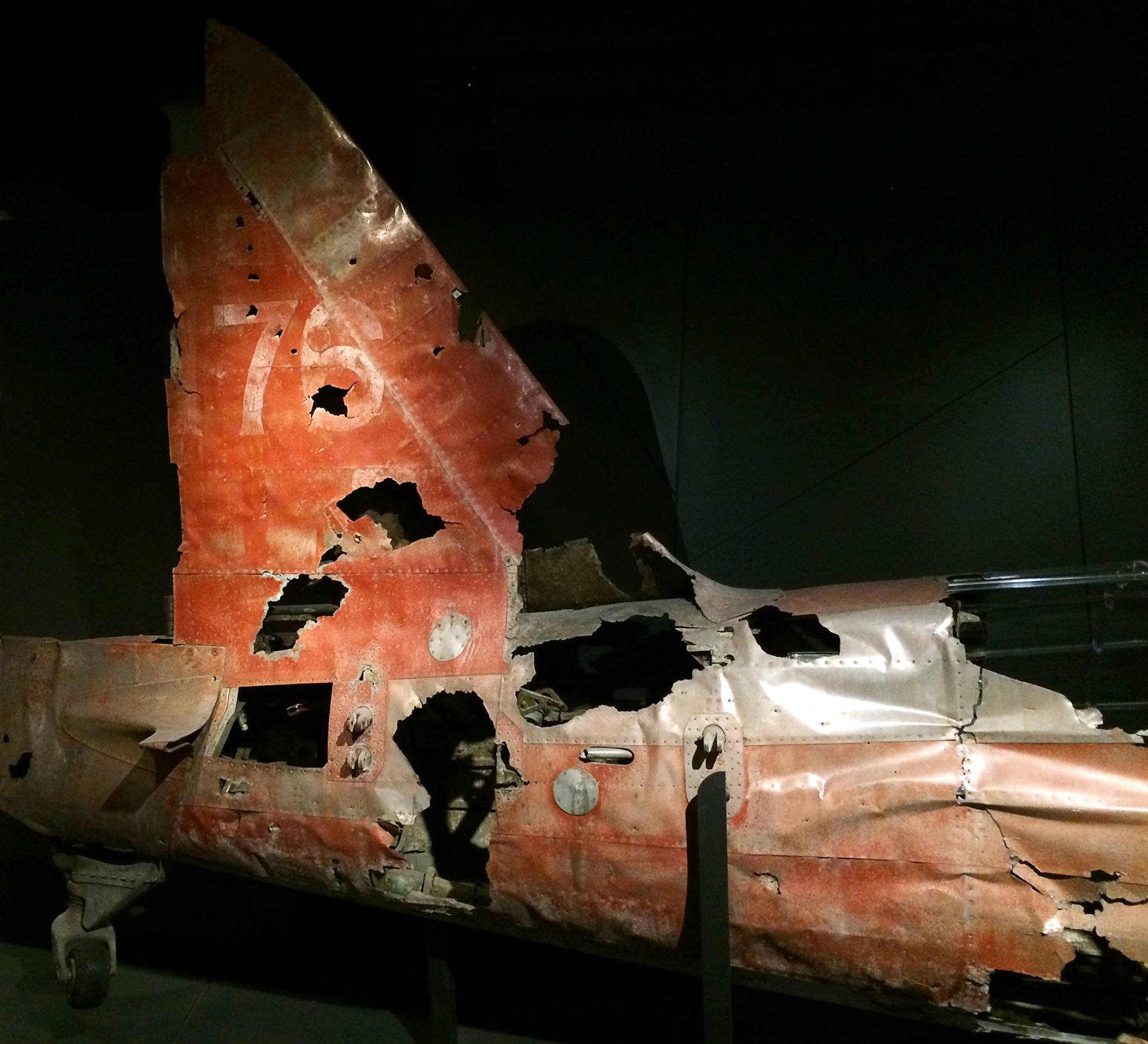
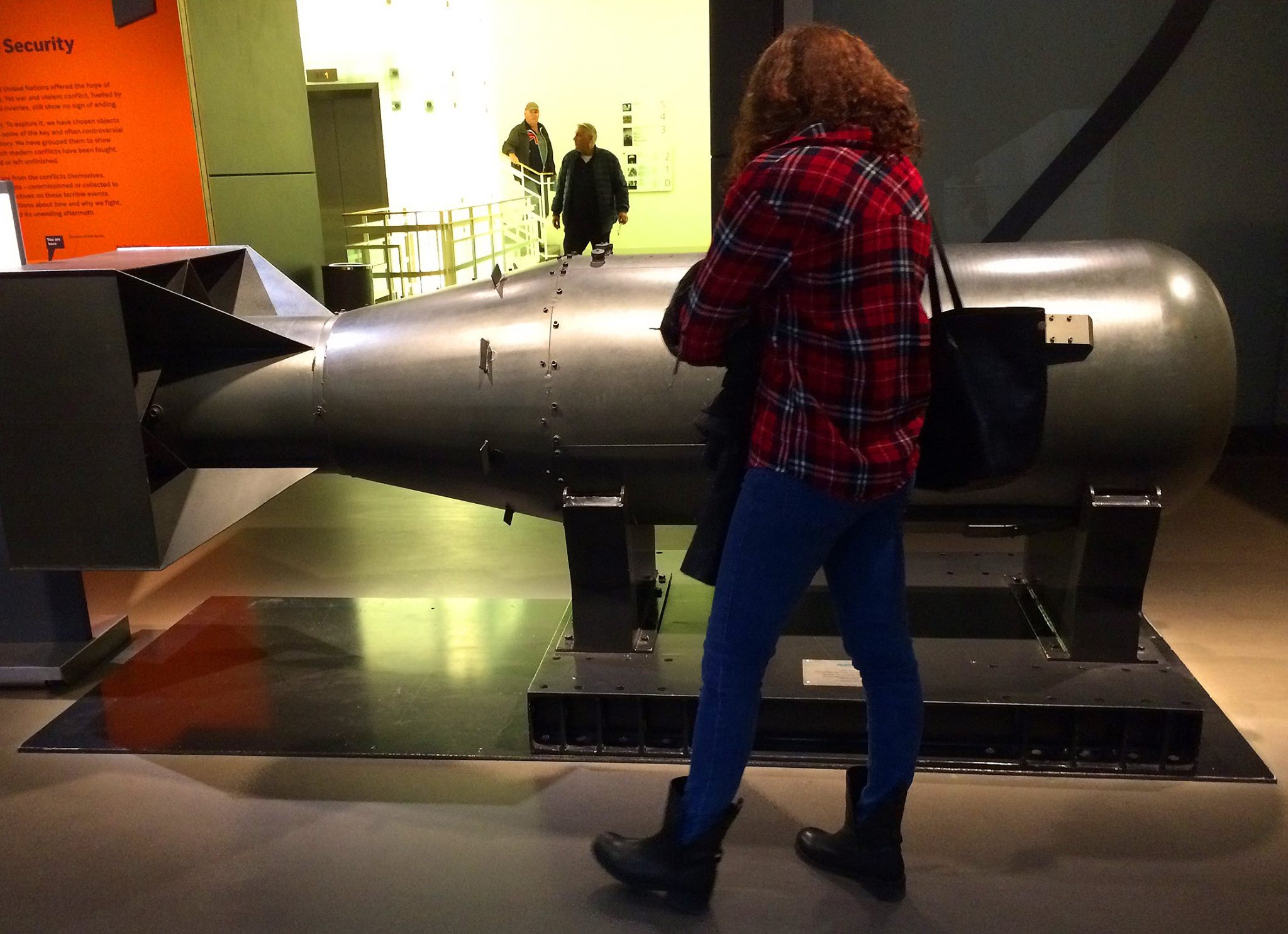
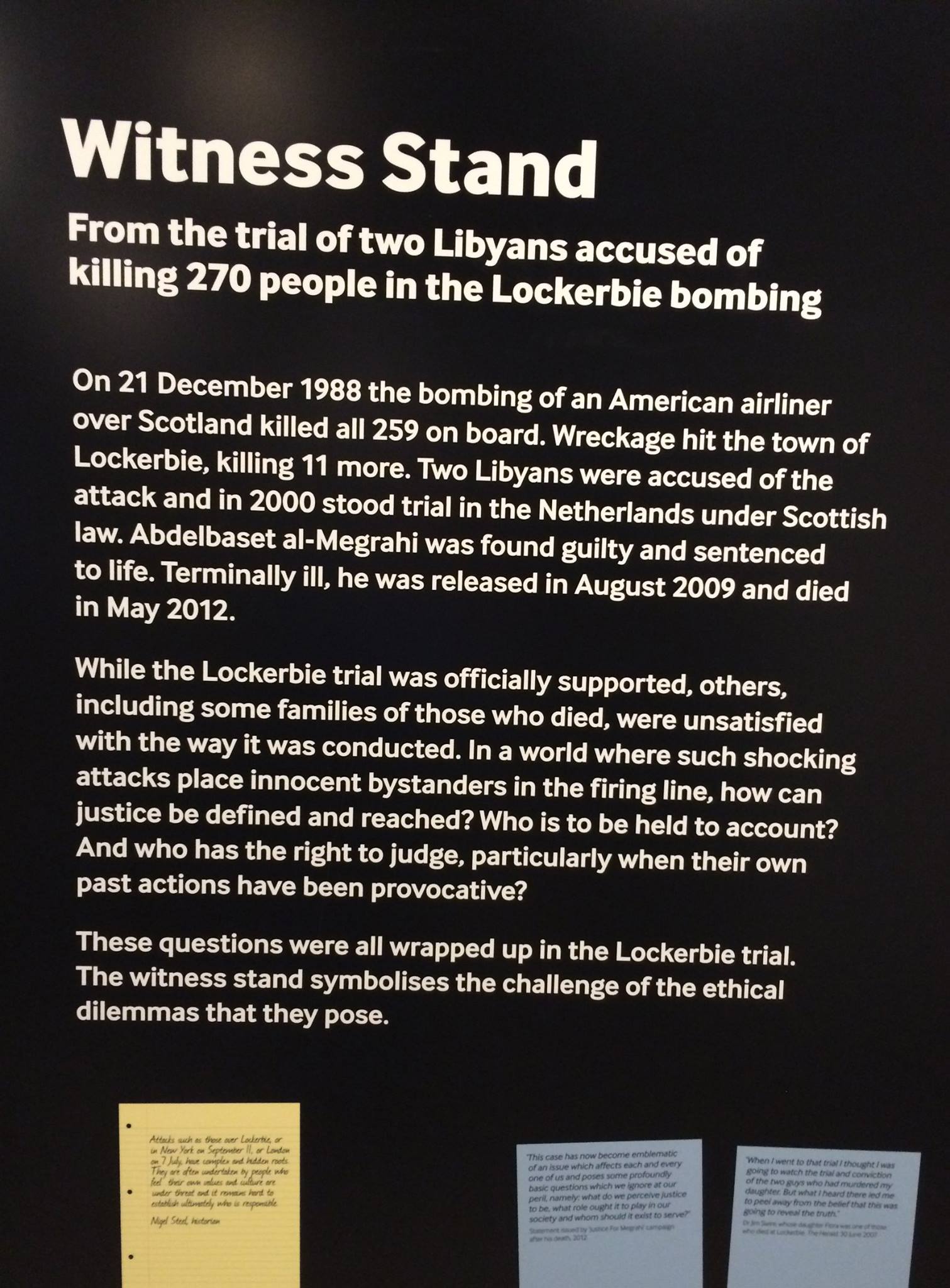
The Imperial War Museum was an astonishing museum in many ways, it had very clever use of moving images that merged with physical collections in an immersive way. However I was struck by just how much energy and physical effort and ingenuity human beings put into killing each other. Tremendously sad.
Malcolm Brown Deputy Photographer Library & University Collections Digital Imaging Unit


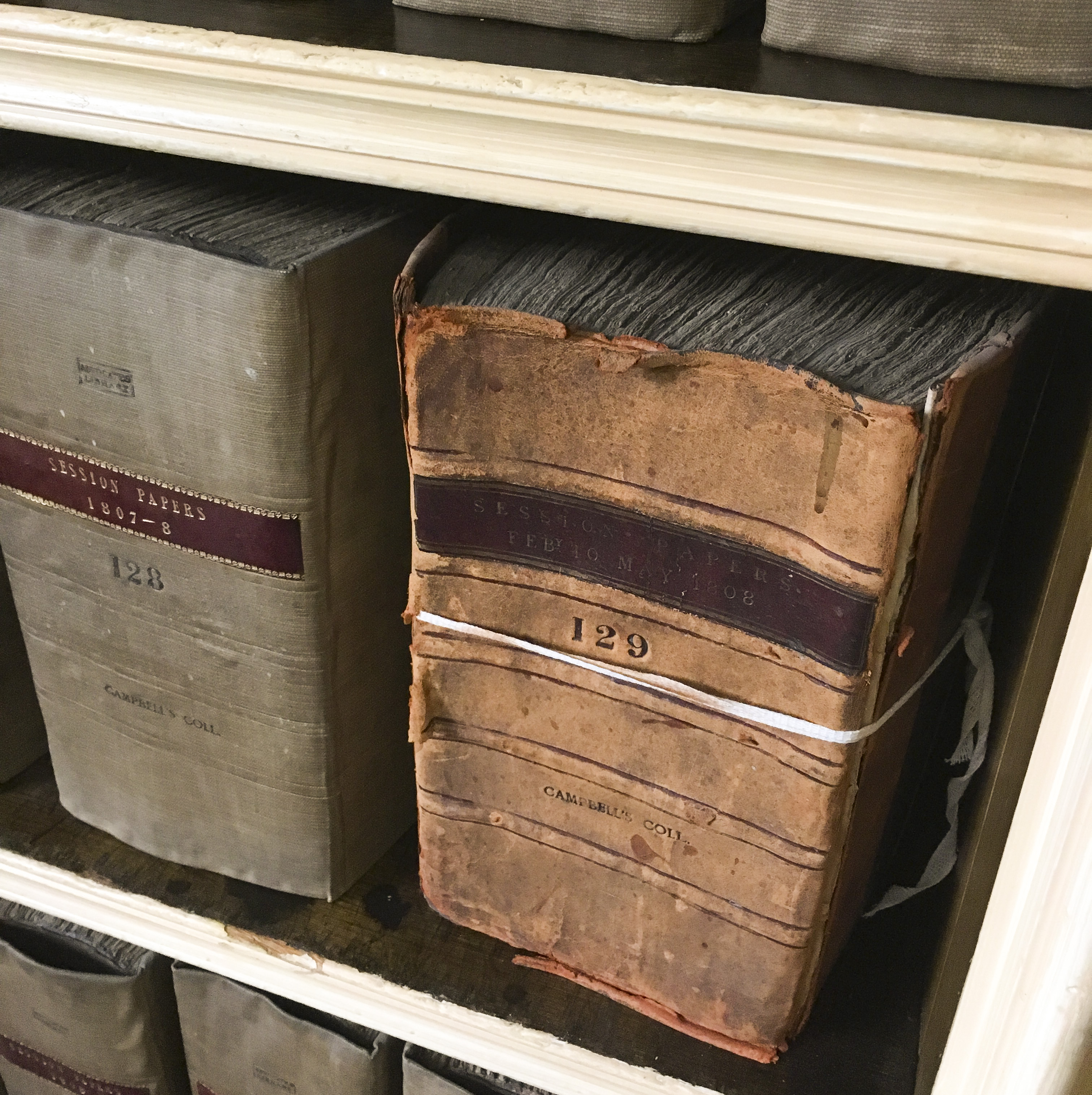 At present I am working on a pilot project, digitising the Scottish Court of Session Papers. The collection is held across three institutions; The Advocate’s Library, The Signet Library and the University of Edinburgh’s Library and University Collections. The collection itself consists of circa 6500 volumes, comprising court cases which span the 18th and 19th century.