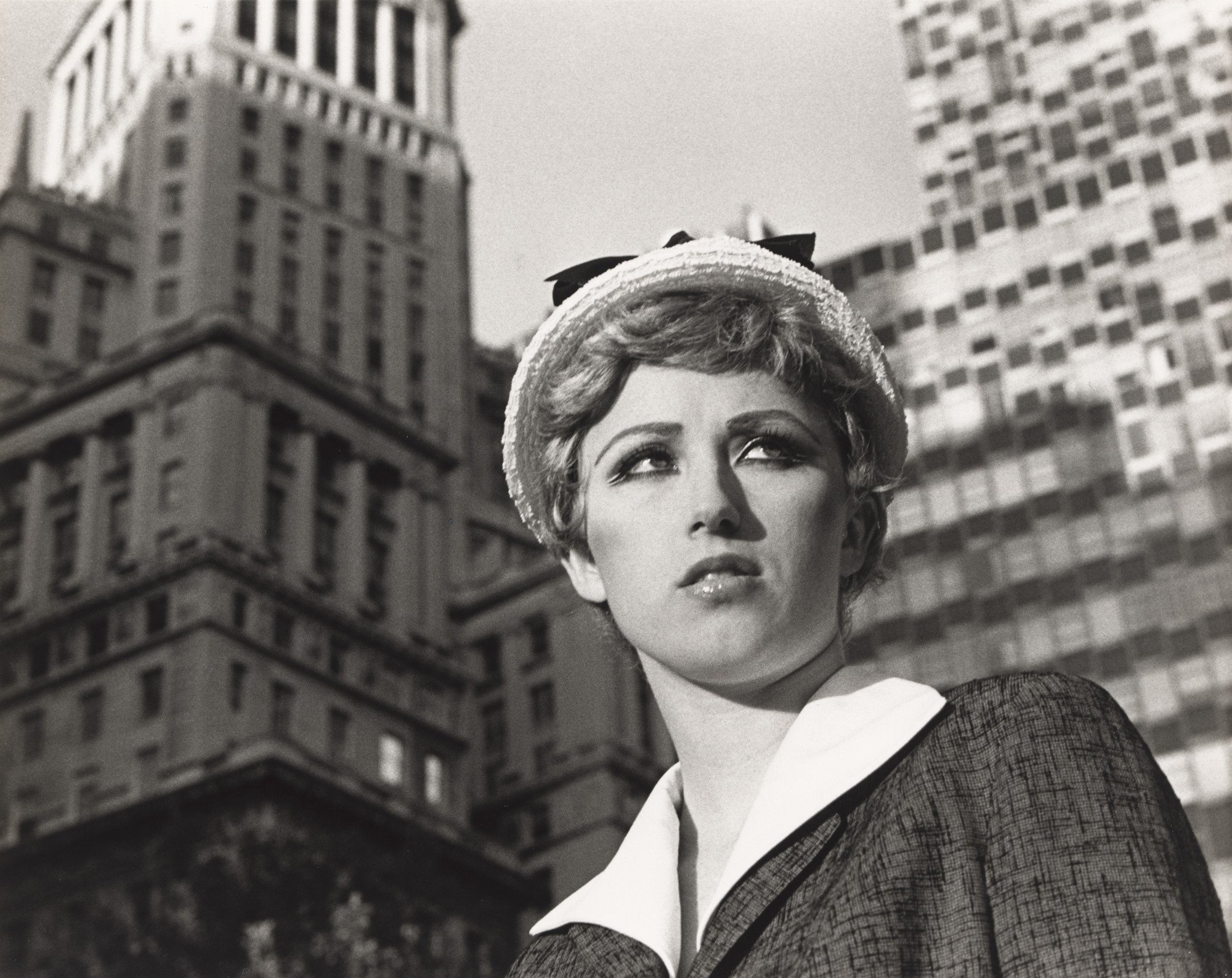
📷 Insights Gained from Cindy Sherman’s Photographic Works
When collecting information on female-themed exhibitions and related artists, I came across Cindy Sherman’s “Untitled Film Stills” series. “I was wrestling with some sort of turmoil of my own about understanding women.The characters weren’t dummies;they weren’t just airhead actresses. They were women struggling with something but I didn’t know that(Sherman,2003).” In these works, Sherman assumes various female roles, such as a housewife in the kitchen or an office lady. Although these characters do not have a clear storyline, we automatically imagine their stories. In the creation of these works, Cindy Sherman is both the subject and the object. Through self-portrayal and photography, she reveals the malleability, performative nature, and instability of female identity. Not only does she create an uneasy feeling for the audience, but we also reproduce these stereotypes when viewing the works. She does not directly criticize the audience’s stereotypes but instead makes them self-question and re-think the construction of female identity.
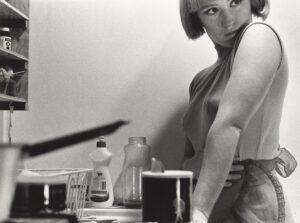
Fig 1 :Selected Photographs by Cindy Sherman
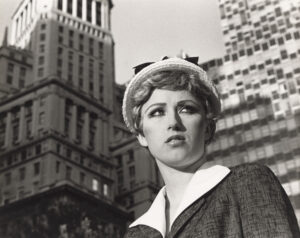
Fig 2 :Selected Photographs by Cindy Sherman
📚 Course Seminar Reflections
This week we held a work-sharing session with students from the Cap major. Through their presentations and our discussions, I gained valuable insights.
What particularly impressed me was Tammy McMaster Stewart’s work, which primarily expresses her artistic exploration through video, sound, images, and other media. I believe her artistic practice could be integrated into my curatorial project.
Her work A Woman at Her Worst is a 14-minute video piece exploring themes of gender, identity, and land politics. Through her art, we see how art can combine images, sound, and text to create a multi-layered narrative structure—not relying on a single medium for expression—thereby enhancing interactivity and depth.In her art, titles carry potent meanings, challenging societal stereotypes that women must be prim and proper—that anger makes them appear “out of control.” Such emotions are amplified and labeled, directly pointing to women’s disciplined state within patriarchal structures. The artist references “masculine within the feminine,” exploring land boundaries and political control while also carrying metaphorical implications for the regulation of the female body.
After hearing her introduction to her artistic works, I gained a great deal of insight. To enhance the interactivity and diversity of the exhibition content, different forms of media can be integrated into the presentation. For instance, combining dynamic and static media—such as exhibiting photographic works alongside moving images. Regarding the presentation of works addressing women’s issues, the focus is not solely on narrating “women” as individual subjects, but rather on examining how women are defined within social structures and exploring the political metaphors between the female body and the land—rather than presenting personalized women’s stories.

Fig 3 :The Film “A Woman at Her Worst”
Another student shared a creation titled Metamorphosis, inspired by Kafka’s The Metamorphosis and the Chinese idiom “wish for one’s child to become a dragon.” Through a video produced in a style similar to Chinese shadow puppetry, it depicts how even before an embryo is born into this world, parents already place immense expectations and hopes upon it. The work reveals the structure of cultural identity and societal expectations. The dragon itself is a collage creature, its organs misplaced and reassembled through shadow play. This work integrates Chinese culture and folk art into its presentation, flattening the imagery and compressing animated figures into shadows. It demonstrates that traditional cultural forms are not inherently conservative; they can also serve as tools for critiquing culture and social structures.
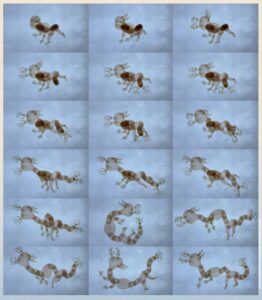
Fig 4 :Work—Metamorphosis
References:
Sherman, Cindy. Cindy Sherman: the complete untitled film stills. The Museum of Modern Art, 2003.



Leave a Reply