

Week 11 | Material Encounters — Inspirations from the ECA Exhibition
1.Mundane Agency
Visiting the recent exhibition at ECA Sculpture Court provided a vital reality check for my project.
First, the small figures crafted from Sainsbury’s receipts (Fg.1) perfectly illustrate materials as carriers of labor and memory. By transforming disposable waste into fragile human forms, the artist forces a bodily pacing. Viewers must lean in, slowing down to recognize the ghosts of consumerism. This mirrors my intent for Guo Puyi’s modular works: to show that materials are not just tools, but vibrant matter.
Secondly, the pink, fluffy installation accompanied by the interactive note “Please Leave A Title” (Fig. 2 & 3) highlights the decentring phase of awareness. The names left by the audienceranging from “Cotton Candy Nightman” to “Period Explosion” demonstrate how a material’s texture triggers subjective reorientation. Maybe, participation is not just about doing, but about becoming aware of one’s position within a relational network. This reinforces my strategy for Suyon Huh’s tension-based works: the material discomfort acts as a catalyst for the audience to move from being soothed to being pulled back to reality.
2.Interactive Authorship
The “Please Leave A Title” installation (Fig. 3) highlights the “Decentring” aspect of my proposal. By inviting the audience to name the work, the curator shifts the power dynamic from didactic teacher to facilitator. This strengthens my plan for a 30-minute guided walk-through, where the goal is not to provide answers but to foster collective bodily pacing. The materials resembling lint or “period explosions”force a visceral reorientation, echoing Miwon Kwon’s idea that the site of art is increasingly found in the transitive relationship between the producer and the audience (Kwon 2002).
3.Critical Reflection
Reflecting on the ECA show, I noticed a risk: the playfulness of materials can sometimes overshadow their agency. My project must avoid being merely whimsical.
A critical reflection triggered by the ECA visit is the danger of stifling the material. In my proposal, I categorized works into three rigid sections. However, the ECA hall’s open layout (Fig.4) suggests that friction and companionship often coexist in the same breath.
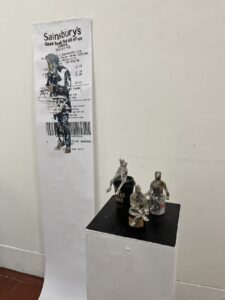
Fig.1 Consumer Debris: Reclaiming agency from commercial objects.
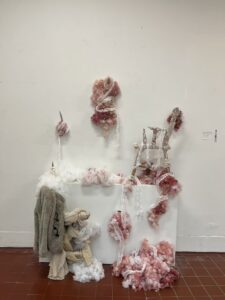
Fig.2 Tactile Friction: Exploring the raw materiality of everyday fibers.
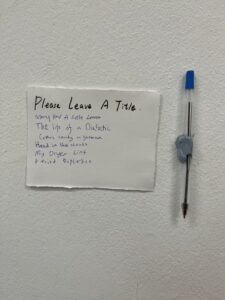
Fig.3 Audience Agency: Direct participation in curatorial narrative.
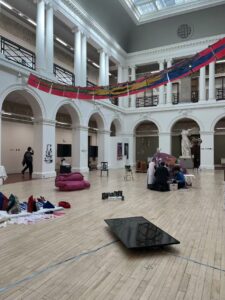
Fig.4 Institutional Scale: Contemporary disorder vs. classical structure.
Note:
Kwon, Miwon. One Place after Another : Site-Specific Art and Locational Identity. Cambridge, Mass. ; MIT Press, 2002.