This blog post was written by Heather Milligan, Communications Intern for the Global Justice Academy. The blog reports on a recent seminar event hosted by the…
Comments closedGlobal Justice Blog Posts
Dr. Leila Sinclair-Bright is a Career Development Fellow in Social Anthropology at the University of Edinburgh. In this article, she reflects on the notion of ‘the…
Comments closedDr Hugh McDonnell is based in the Department of Politics and International Relations at the University of Edinburgh as a Postdoctoral Fellow on a project assessing complicity in…
Comments closedThe Edinburgh Centre for Legal Theory organised an author-meets-critics workshop on the manuscript of the book Just Justice by Frederick Wilmot-Smith. This workshop was funded…
Comments closed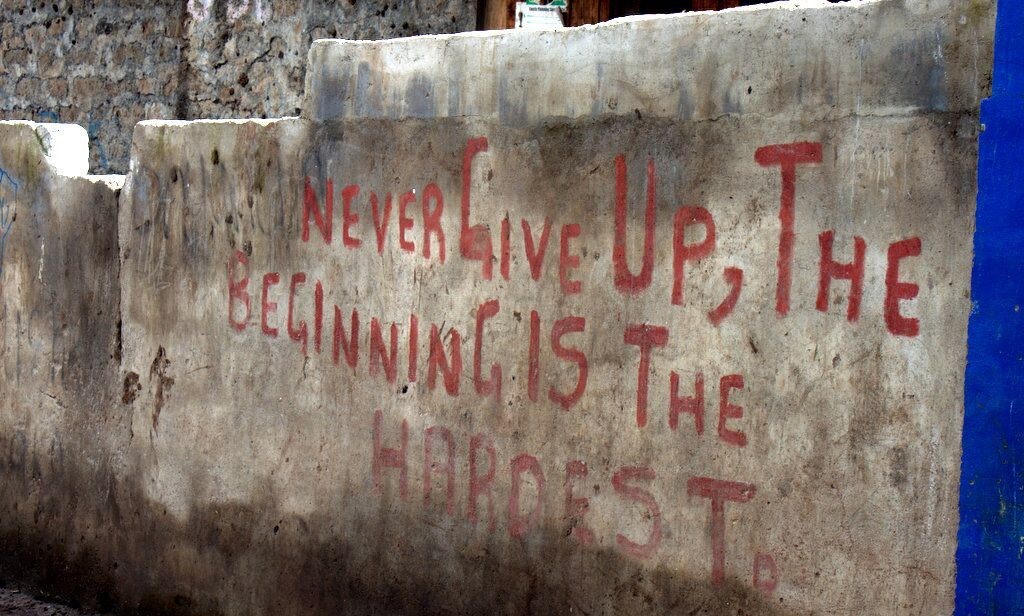
 Publicising Human Rights violations and holding perpetrators of torture accountable has been guiding practice for much human rights work. As Prof. Tobias Kelly shows in this contribution to the GJA’s Peace & Conflict blog series: rather than shining light into dark places, many victims want the lights switched off. Kelly suggests that that the need for protecting victims may be more important than the need to hold perpetrators accountable.
By Tobias Kelly
Perpetrators need to be held to account and victims need redress. This has been the central principle of human rights work against torture for the past fifty years. However, collaborative work we have been carrying out in Kenya, Bangladesh and Nepal suggests that for many survivors- especially amongst the poorest and most vulnerable in society- the emphasis might be in the wrong place. What most survivors want, above all else, is to feel safe and secure, and accountability has only an indirect relationship with the desire for protection.
Comments closedThis post was written by Sara Valencia and Alejandra Londoño. It reports from a series of recent workshops on the Colombian peace process, led by…
Comments closedThis blog post was written by Lee Caspi and Federica Sola, masters students of the LL.M in Human Rights at the University of Edinburgh. The…
Comments closedVivek Bhatt, a Student Ambassador with the Global Justice Academy (GJA), has written this blog following a panel event he attended at the Edinburgh Law School. The event, hosted by the GJA, explored…
Comments closedThis blog has been written by Dr Grit Wesser, a postdoctoral fellow in Social Anthropology at The University of Edinburgh. Here, she reports from a recent Asylum Monologues…
Comments closedThis blog post was written by Micaela Opoku-Mensah, a masters student in Africa and International Development at The University of Edinburgh. Micaela reports from The…
Comments closed