Any views expressed within media held on this service are those of the contributors, should not be taken as approved or endorsed by the University, and do not necessarily reflect the views of the University in respect of any particular issue.
Press "Enter" to skip to content

Category: International Law

Smuggling or Trafficking? Defining the Terms in the UN Migration Compact

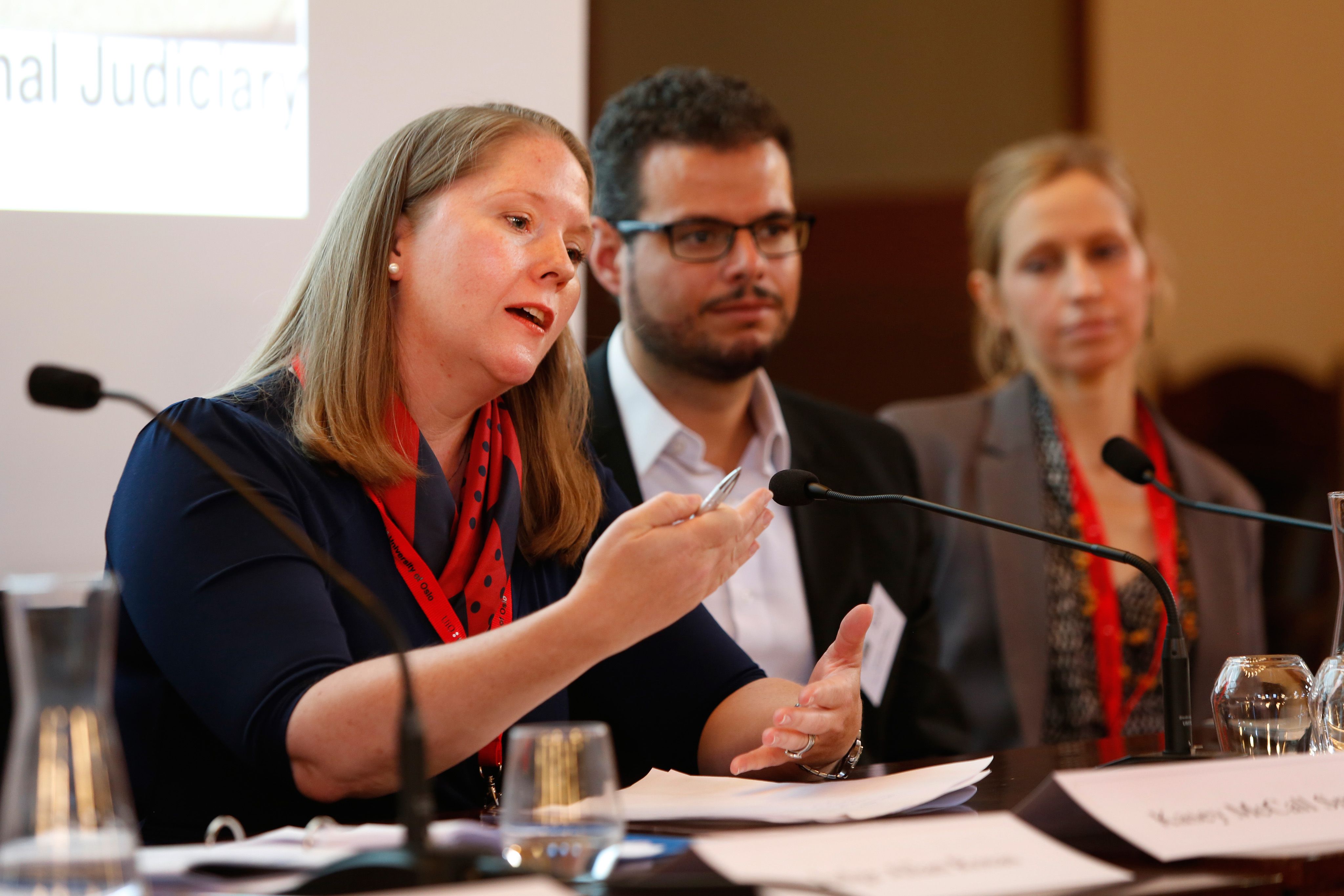
Dr Kasey McCall-Smith, Chair of the Association of Human Rights Institutes and member of the Global Justice Academy, discusses recent steps towards a UN Global Compact for Migration. This is the first of two blogs from Dr McCall-Smith on the Migration Compact negotiations.

The next steps toward a UN Global Compact for Migration to combat the ever-growing legal and policy issues associated with mass and irregular migration were taken at the UN headquarters in Vienna, Austria, 4-5 September 2017. The Compact aims to deliver a comprehensive approach to human mobility as well as further clarification of and support for existing international frameworks addressing migration, refugees and trafficking, including the Refugee Convention and its Protocol, the UN Convention against Transnational Organized Crime (UNTOC), the UN Protocol to Prevent, Suppress and Punish Trafficking in Persons, Especially Women and Children (Trafficking in Persons Protocol) and the Protocol against the Smuggling of Migrants by Land, Sea and Air (Smuggling of Migrants Protocol), as well as a number of human rights instruments such as the Convention on the Elimination of all forms of Discrimination against Women (CEDAW) the Convention on the Rights of the Child (CRC), among many others.

Comments closed
Rethinking the International Criminal Justice Project in the Global South

This guest post is by Michelle Burgis-Kasthala, who is currently a Research Fellow at the Centre for International Governance and Justice, RegNet, ANU. Michelle will be returning to Edinburgh Law School in 2017-18. This post is re-blogged from ‘Regarding Rights: Academic and Activist Perspectives on Human Rights’ and is based on an article published recently in the Journal of International Criminal Justice: ‘Scholarship as Dialogue? TWAIL and the Politics of Methodology’.

ICC in Ivory Coast in 2013. Image: BBC News

ICC in Ivory Coast in 2013. Image: BBC News

Concerns about the International Criminal Court’s (ICC) continuing relevance in Africa following exit announcements by Burundi, South Africa, and Gambia are widespread. But the picture across the continent is more complex. While some African states have clearly rejected the Court, the majority remain members. How can we explain the fracturing of the Court’s support in Africa? More fundamentally – what is the best way of studying international criminal justice and its effects in the Global South – whether in Africa or elsewhere?

Comments closed

The Apportionment of Shame: Rodrigo Duterte and the Cosmopolitan Discourse of International Criminal Law

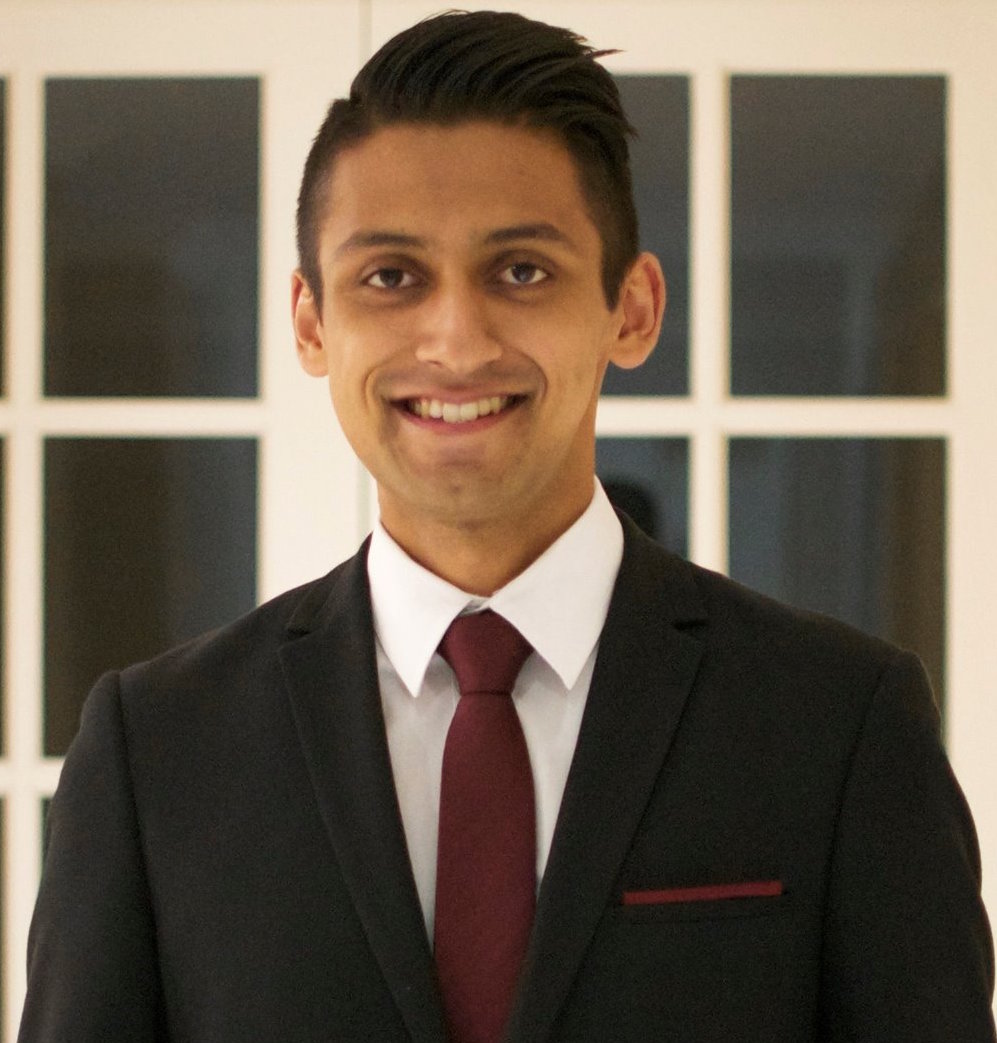
vivek-bhatt-headshot
GJA Student Ambassador, Vivek Bhatt

The Global Justice Academy is delighted to launch the second year of its Student Ambassador programme with a guest post by Vivek Bhatt. Vivek is an incoming student reading for a PhD in Law. He recently completed the MSc in Political Theory at the London School of Economics, and holds a Bachelor of Arts (Advanced) (Honours) and Master of International Law from the University of Sydney. His primary interest is in international laws relating to counterterrorism, conflict, and human rights.  

Rodrigo Duterte’s war on drugs in the Philippines has recently been deemed an international crime. This post reflects upon issues arising from the condemnation of Duterte, asking whether international criminal law can enable the realisation of cosmopolitan ideals. 

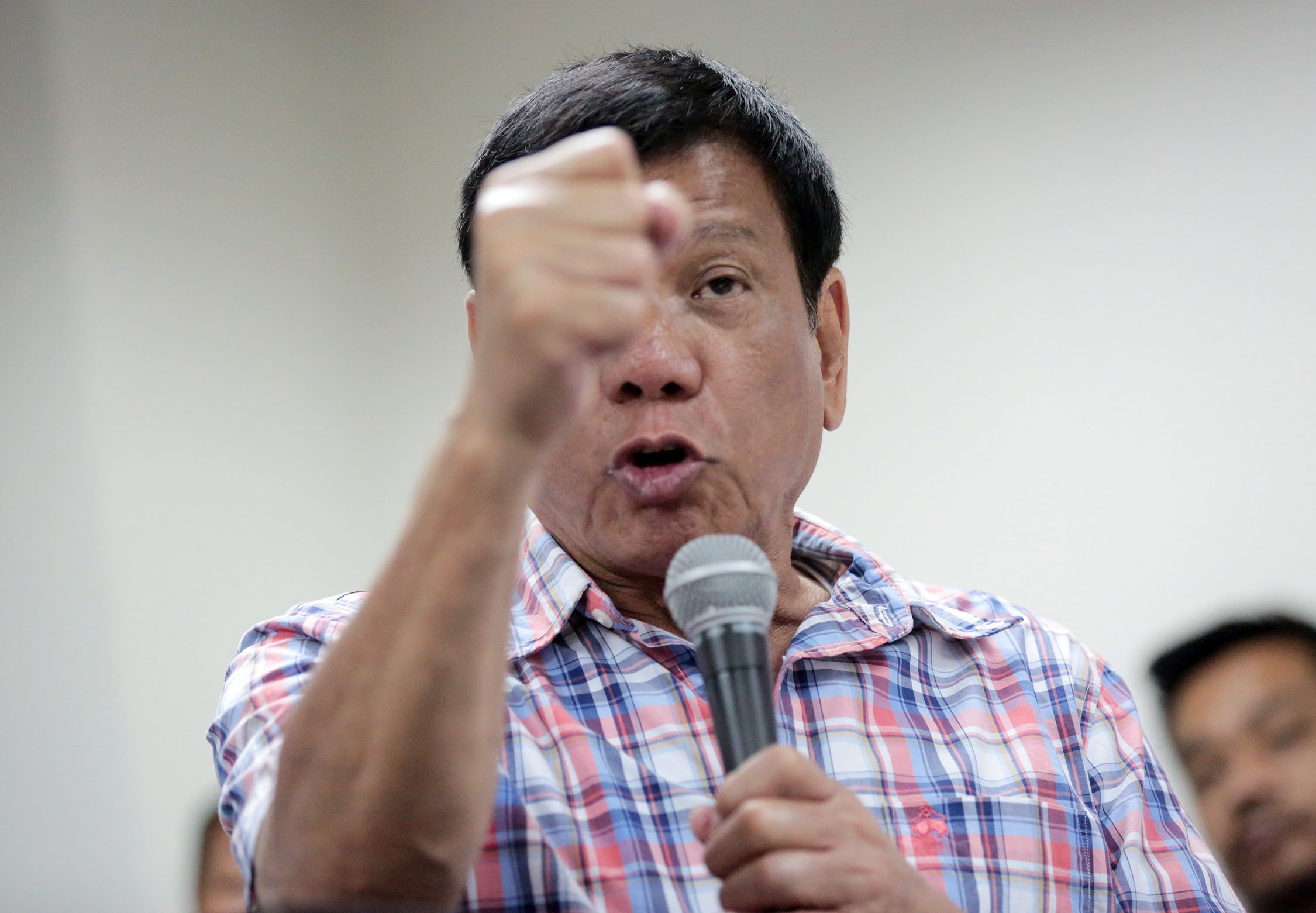
duterte
Rodrigo Duterte, President of the Philippines

When elected President of the Philippines on 9 May 2016, Rodrigo Duterte vowed to reduce rates of drug-related crime within the state. Duterte has since waged a violent anti-drug campaign, authorising the extra-judicial execution of individuals thought to use, possess, or traffic illegal substances.  The President’s “death squad” comprises select members of the police force and civilian volunteers. Most of these individuals were lured into their roles as amateur mercenaries through payment, and promises of impunity for their actions. Others were coerced into joining Duterte’s campaign; men and women were guaranteed immunity from punishment for their own drug-related offences in exchange for their services as assassins.[1] The OHCHR suggests that over 850 people have been killed since Duterte’s election, but reports that take into account unexplained deaths during that period suggest the number is closer to 3,000.[2]

Comments closed
css.php

Report this page

To report inappropriate content on this page, please use the form below. Upon receiving your report, we will be in touch as per the Take Down Policy of the service.

Please note that personal data collected through this form is used and stored for the purposes of processing this report and communication with you.

If you are unable to report a concern about content via this form please contact the Service Owner.

Please enter an email address you wish to be contacted on. Please describe the unacceptable content in sufficient detail to allow us to locate it, and why you consider it to be unacceptable.
By submitting this report, you accept that it is accurate and that fraudulent or nuisance complaints may result in action by the University.

  Cancel