Dr Hugh McDonnell is based in the Department of Politics and International Relations at the University of Edinburgh as a Postdoctoral Fellow on a project assessing complicity in…
Comments closedCategory: Innovative Initiative Fund
The Edinburgh Centre for Legal Theory organised an author-meets-critics workshop on the manuscript of the book Just Justice by Frederick Wilmot-Smith. This workshop was funded…
Comments closedThis post was written by Sara Valencia and Alejandra Londoño. It reports from a series of recent workshops on the Colombian peace process, led by…
Comments closedThis blog post was written by Lee Caspi and Federica Sola, masters students of the LL.M in Human Rights at the University of Edinburgh. The…
Comments closedThis blog has been written by Dr Grit Wesser, a postdoctoral fellow in Social Anthropology at The University of Edinburgh. Here, she reports from a recent Asylum Monologues…
Comments closedThis blog post was written by Micaela Opoku-Mensah, a masters student in Africa and International Development at The University of Edinburgh. Micaela reports from The…
Comments closedOn 7 December 2016, the Global Justice and Global Development Academies supported a student-led initiative to follow the elections in Ghana, as part of their Innovative Initiative Fund. In this post, MSc student, Matthew Pflaum, reflects on the evening’s events.
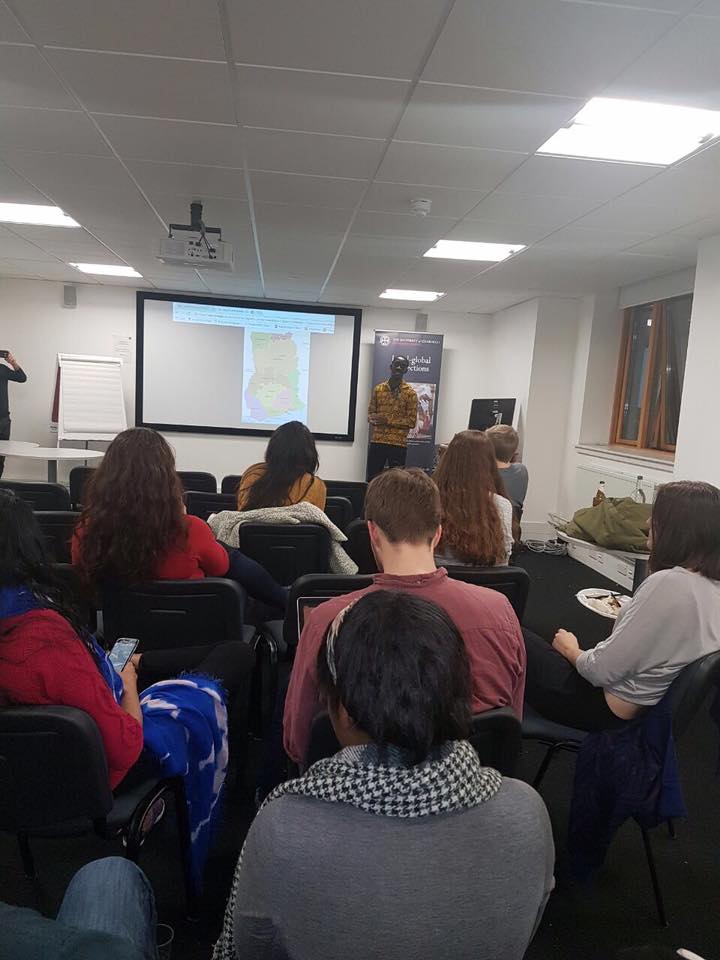 Elections are critical processes for global social and political change, leading to new policies and reforms. Certain elections, referenda, and regions receive widespread attention and coverage – the US election and Brexit, for example – while others are less covered. Elections in the Global South tend to be disregarded by much of the world, and this is a mistake. All elections are significant, principally for local citizens, but also for the rest of the world through geopolitics and trade.
During the US election, crowds gathered in tenebrous bars and sterile classrooms to watch the event unfold, their eyes festooned to the glaring screens with constant updates of results. Americans and non-Americans watched with anticipation, feeling that the event was important to their lives. But aren’t all elections important? Should we not also gather to support elections in Burma and Botswana?
Comments closedReport from an IIF Event – Academic Freedom: “national security” threats in Turkey, India and the UK
Can the university be a space where academic freedom reigns while restrictions are increasingly threatening voices and lives outside its gates? Or must spaces for politics be opened up on and off campus in order to address the invasion of national security (and capitalist) logics into the realms of open enquiry? On 27 October 2016, scholars and activists engaged these questions with a focus on the variable effects of the securitisation of university space in Turkey, India and the UK.
A panel on Turkey included academics and students who have lost their jobs as a result of the broader crackdown on dissent following the failed coup in July. They highlighted the connections between increasing violence in the Kurdish regions of Turkey—which precipitated the “Academics for peace” petition that has been used as a pretext for dismissing many signatories from their posts—and the attempts of the state to impose controls on its critics. They asked if the focus on the plight of academics may mean that this violence recedes from the view of international publics. Efforts to maintain solidarity among those now outside the academy and those still within it, as well as initiatives to take the university outside spaces the government controls, provide hope for continued resistance in fearful times and carve out a more universal idea of the University as institution and spirit that always has had to be fought for and salvaged from strategies of subjection from various quarters, not only outside the University. In this way, this panel was inspiring for all university struggles, not just those related to Turkey.
Comments closed
The Edinburgh Legal Theory Research Group had the pleasure of hosting, with the kind sponsorship of the Global Justice Academy through its Innovative Initiative Fund, the Workshop on Dignity on 6 October 2016. The workshop had three speakers: Ioanna Tourkochoriti (National University of Ireland Galway), Colin Bird (University of Virginia), and Adam Etinson (St. Andrews).
This guest post by co-organisers, Lucas Miotto and Paul Burgess, discusses the presentations and debate that took place.
The workshop was well attended by both staff members and students. An interesting, and beneficial, feature of the audience, was that it reflected the interdisciplinary character of the topic; we had attendees coming from myriad fields, such as politics, human rights, international and constitutional law, as well as legal and moral philosophy. Discussion was very lively and, perhaps due to the diverse character of the audience, presenters received feedback and questions from several different angles.
Comments closed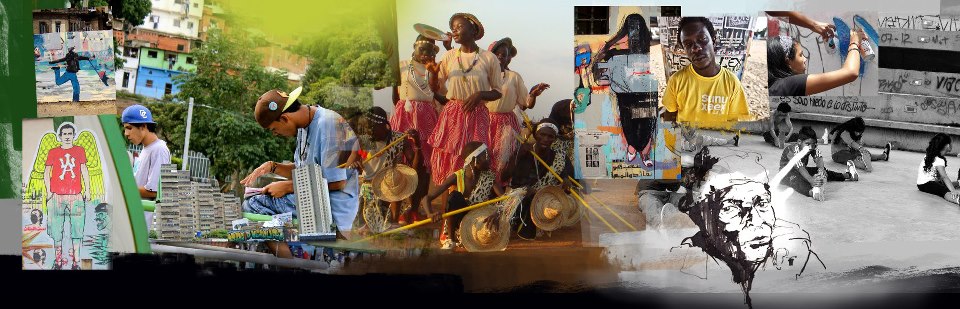 Leah Davison reports on an evening workshop that examined the role of art and creativity in conflict zone. Leah organised this with support from the Global Justice Academy’s and Global Development Academy’s Innovative Initiative Funds.
On 18 March the Edinburgh University International Development Society (EUID), in collaboration with University of Manchester based organisation In Place of War (IPOW), hosted an evening of talk and performance on the subject of art and creativity in conflict zones. The question at hand: what role can creativity play in the realm of social, political and economic development in areas of conflict, war and revolution?
Comments closed