Marking the 75th anniversary of the ECHR, the Global Justice Academy hosted an event welcoming Dr Elaine Webster, from the University of Strathclyde. This engaging…
Leave a CommentCategory: Immigration
This is the second blog in a series written by LLM students on the Human (In)Security course at Edinburgh Law School. The series celebrates the…
Comments closed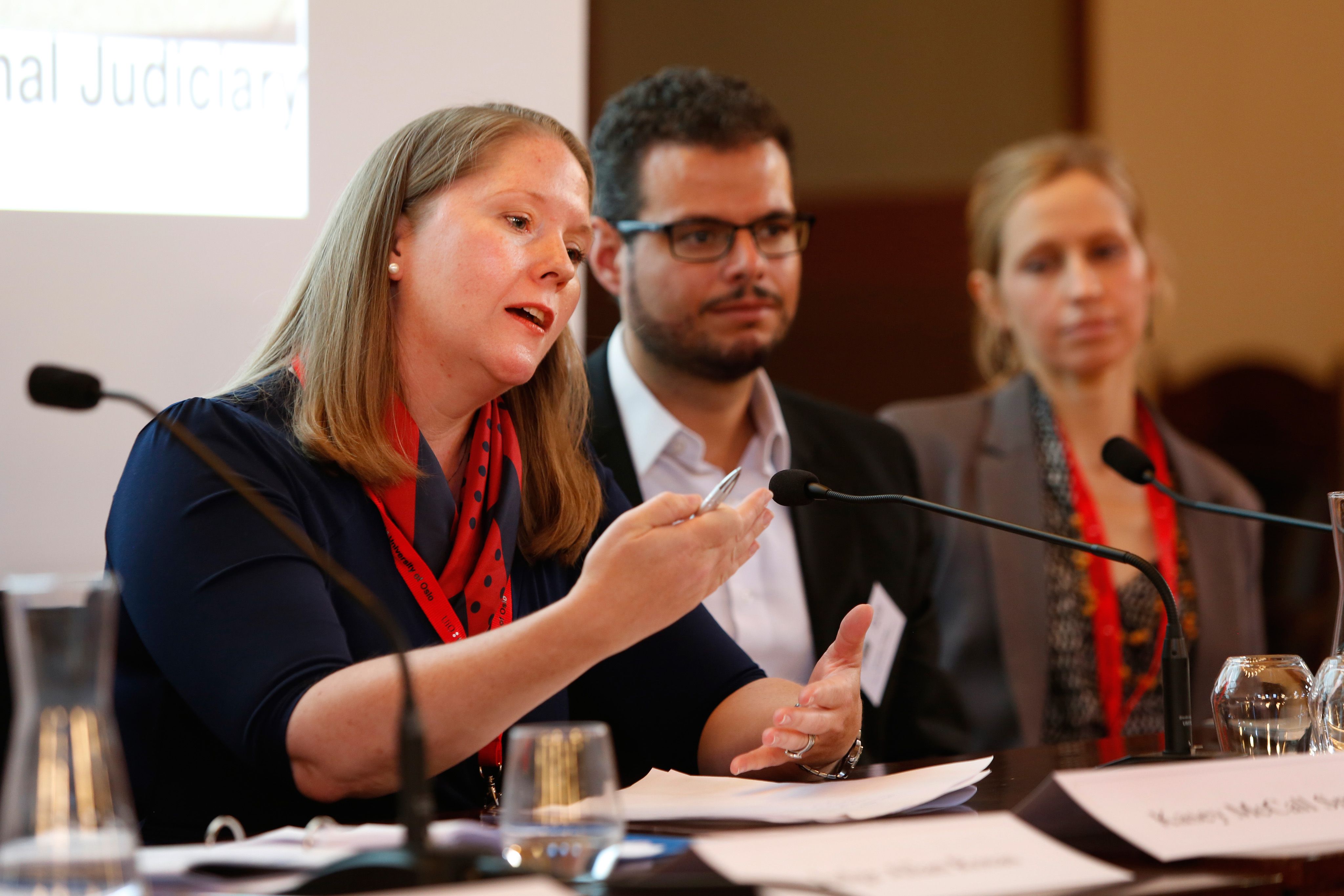 Dr Kasey McCall-Smith, Chair of the Association of Human Rights Institutes and member of the Global Justice Academy, discusses Human Trafficking and Modern Slavery in the context of the UN Global Compact for Migration.
In a previous post, I gave general overview of the UN Global Compact for Migration and a brief analysis of the Migration Compact thematic discussions on the distinctions between human smuggling and human trafficking. This note considers modern slavery, a topic with which the University of Edinburgh is highly engaged through both academic projects as well as its Modern Slavery initiatives. Following on from the distinction between migrants smuggled into a state for the sole purpose of evading legal migration and individuals trafficked into (or within) a state for purposes of exploitation, the following will present key debates about modern slavery and human trafficking that are highly relevant to the conclusion of a comprehensive Migration Compact.
Comments closedDr Hugh McDonnell is based in the Department of Politics and International Relations at the University of Edinburgh as a Postdoctoral Fellow on a project assessing complicity in…
Comments closedThis blog has been written by Dr Grit Wesser, a postdoctoral fellow in Social Anthropology at The University of Edinburgh. Here, she reports from a recent Asylum Monologues…
Comments closed In his second book review as a Global Justice Academy Student Ambassador, James Gacek considers Zygmunt Bauman’s Strangers at Our Door and the popular panic that often surrounds mass migration.
Zygmunt Bauman’s (2016) book, Strangers at Our Door, provides a significant contribution to a growing discussion which counters the illusory panics of mass migration. Bauman explores the origins, contours and the impact of ‘moral panic’ seemingly spreading across Western, liberal democracies, and dissects the present-day ‘migration panic.’ Such migration panic, he contends, is witnessed within anxiety-driven and fear-suffused debates percolating within Western societies. While moral panic is not a new concept—one in which articulates that some malevolent force of ‘evil’ threatens a society’s well-being, coupled with the anxieties ostensibly overwhelming felt within such societies (c.f. Cohen, 1972)—what is new is the feeling of fear spreading among an ever-growing number of people within Western nations.
Comments closed This post by GJA Director, Professor Christine Bell, was first published on the Centre on Constitutional Change blog on 26 March 2016, co-published with European Futures.
Amid pronouncements about the UK as an island nation, scant media or political attention has been paid to its only land border with the EU – between Northern Ireland and the Republic. However, says Professor Christine Bell in this extended analysis, the impact of Brexit on the institutions built up as part of the Peace Process would be considerable.
The EU referendum and the possibility of ‘Brexit’ raise distinct questions for Northern Ireland as a devolved region within the UK as part of the peace process. In the referendum debate, more attention needs to be given in the rest of the UK to Northern Ireland, the one part of the UK which has a land border with another EU country.
Political Divisions and the EU Referendum Campaign
The first key question as regards the EU referendum’s impact in Northern Ireland relates to the distinctiveness of its political settlement: how will the Brexit campaign affect political relationships – ever fragile – within Northern Ireland?
Comments closed
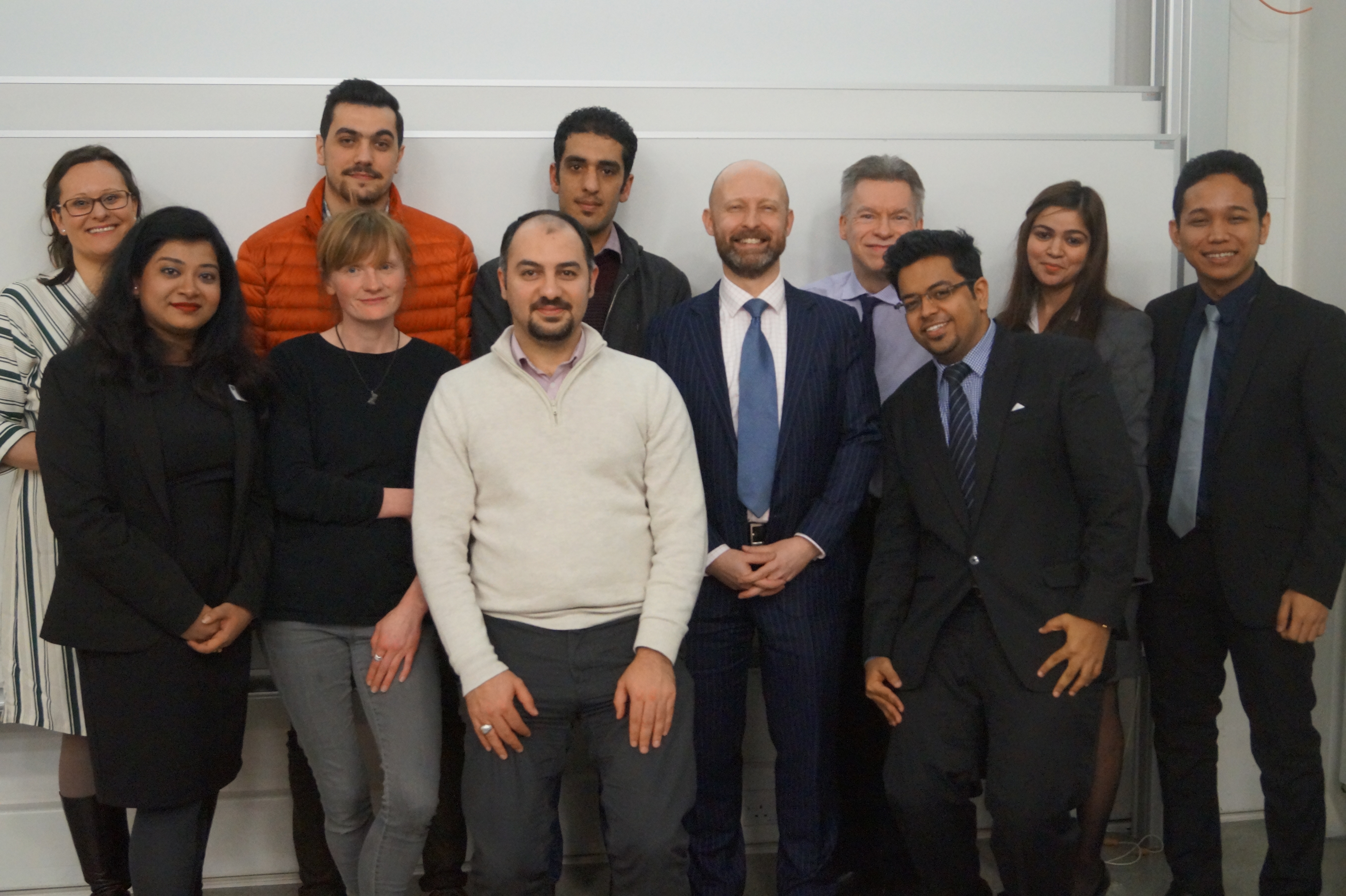 As a part of the Strategic Leadership course on Edinburgh’s MBA programme, a group of five students organised a social event to help draw awareness to the Syrian refugee crisis. In this guest post, Debjani Paul offers an overview of the event, which centred around the the personal life experiences of three Syrians now settled in Edinburgh – Aamer Hanouf, Hussen Al Ajraf, and Amer Masri.
With the rising global concerns including climate change, an increase in global population, poverty, and terrorism, world leaders have much to focus on. It is becoming a new norm for companies to be socially responsible by promoting sustainability and contributing at least in one of the global concerns, also known as Corporate Social Responsibility. This is the ethical way to do business that every future leader should practice.
Comments closedThis post was first published on the author’s Remotely Balkan blog, and is re-blogged here with permission.
This post is by Laura Wise. Laura is an Analyst on the Global Justice Academy’s Political Settlements Research Programme. Her research interests include minority mobilisation, state-society relations, and conflict management in South-Eastern Europe.
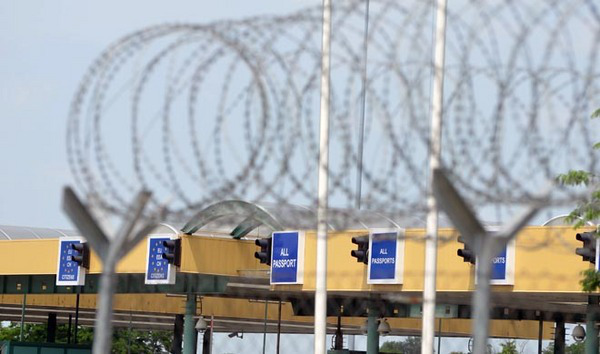
Képen: Szögesdrót a röszkei határátkelőnél.
fotó: Segesvári Csaba
The Balkan Express is no more.
Replaced by luxury international coaches from Vienna to Sarajevo, with on-board toilets that work, Wi-Fi, and conductors who serve drinks, gone are the potholed, unreliable minibus journeys that make classic travellers’ tales for the Western backpacker. Last month I made a fleeting visit back to the Balkans; the kind of trip where you spend hours on the aforementioned buses just to meet friends for coffee. It was also a chance to reunite with rakia, and revisit bars where the pop-folk of Dado Polumenta is an acceptable choice of music. However, most of my conversations and experiences kept returning to a more sobering topic: Europe.
Comments closedThis was the question Professor David Miller from Oxford University addressed on 4 February 2016 in a well-attended lecture hosted by Edinburgh University’s Global Justice Academy and Just World Institute.
In this blog report from the lecture, Yukinori Iwaki reflects on the day’s discussion and points raised. Yukinori Iwaki is a PhD student in Politics and International Relations at the University of Edinburgh. Click here to read more about his research.
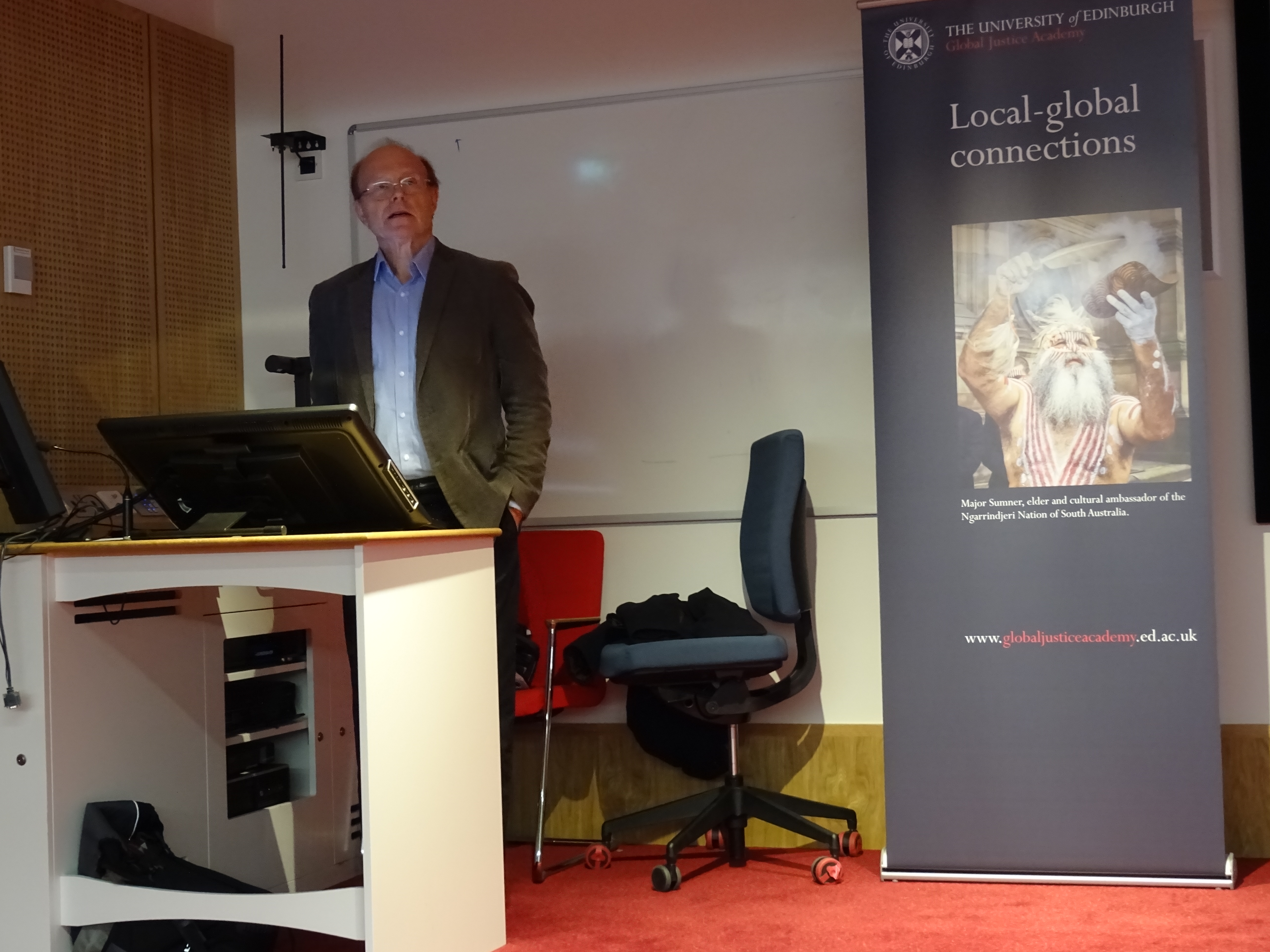 Professor Miller began his talk by noting the 2014 UK government decision not to support Triton, a search-and-rescue operation proposed by the EU that could have potentially saved the lives of sea-crossing migrants, or “boat people”. The main reasoning behind this decision was the claim that search-and-rescue encourages people to attempt dangerous sea crossings in the greater expectation of being rescued, and therefore, in the long term, will bring about more deaths. This seems to be a consequentialist argument that considers effects of alternative ways of using resources in order to minimise the loss of lives overall. Meanwhile, critics argue that European states have stringent obligations to protect rights of migrants. But is it true that the critics’ argument occupies the moral high ground while the UK government’s argument is morally defective? The answer Professor Miller gave us was: ‘Not necessarily’.
