This post is by Constanza Nuñez, a Ph.D. candidate at University Carlos III of Madrid (Spain). LL.MM in Advanced Human Rights Studies (University Carlos…
Comments closedCategory: Human rights
This post by is by Oskar Granskogen Kjorstad, Alexandra Haider and Tess Gallagher. They are students enrolled in PLIT10063 ‘Human Rights in International Relations’, an honours-level…
Comments closedThis post is 2 of 2 by Dr Kasey McCall-Smith examining the UNCRC (Incorporation) (Scotland) Bill. This post highlights how stronger interpretive tools could strengthen…
Comments closedThis post is 1 of 2 by Dr Kasey McCall-Smith examining the UNCRC (Incorporation) (Scotland) Bill. The first highlights some of the key features of…
Comments closedThis blog is by Daniel Erhardt Nielsen, LLM Candidate in Human Rights at Edinburgh Law School. It presents some of the issues he examined during…
Comments closedThe global events occurring in the spring and summer of 2020 have ushered issues of racial discrimination and inequity into the foreground of social discourse.…
Comments closedIn this post, Veronica Luhtanen and Sofie Quist, recent graduates from the LLM Human Rights programme and research assistants at the University of Edinburgh School…
Comments closedThis blog, by Valentina Rioseco Vallejos, concerns the current Chilean crisis. It aims to provide the context under which the crisis is occurring, while making…
Comments closedThis post by Dr Kasey McCall-Smith looks at the recent Scottish Government consultation on incorporation of the UN Convention on the Rights of the Child…
Comments closed
In this guest post, Law PhD Candidate, Vivek Bhatt, reflects on Bryan Stevenson’s visit to Edinburgh Law School to give the 2019 Ruth Adler Memorial Lecture, and to receive an honorary doctorate as part of the School’s summer graduation ceremony.
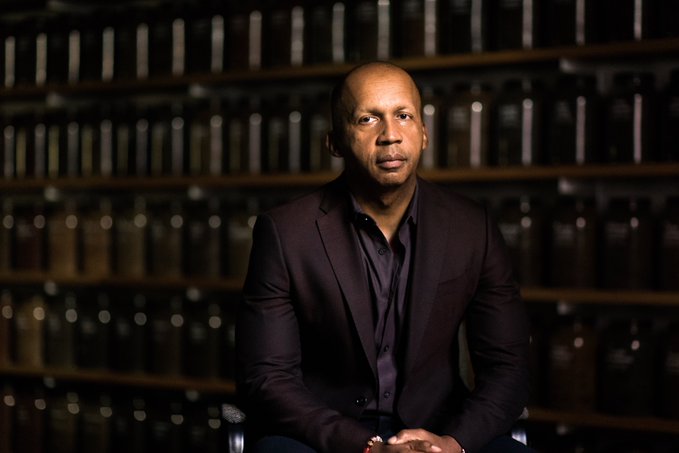
On 8 July 2019, the Global Justice Academy hosted a lecture by Bryan Stevenson, recipient of an honorary doctorate at the Edinburgh Law School. Stevenson is founder of the Equal Justice Institute (EJI) in Montgomery, Alabama, and a clinical professor at the NYU School of Law. Stevenson works as a legal representative for disadvantaged and marginalised individuals, particularly young and poor people who are on death row or serving life sentences. He and his colleagues at the EJI have achieved the exoneration or release of over 125 individuals on death row. Stevenson is also the author of Just Mercy: A Story of Justice and Redemption,[1] which was a New York Times bestseller and won the Carnegie Medal for the best nonfiction book of 2014.
Stevenson’s lecture circulated around a question that is as succinct as it is complex: how do we, as human rights advocates, address injustice? Firstly, he said, we must create justice by becoming proximate to those suffering inequality and injustice. Recounting his relationship with his grandmother, who wished that Stevenson would always be able to feel her embracing him, the skilful orator argued that we must know and seek to understand those who suffer injustice in order to affirm their humanity and dignity. Thus, human rights practice is not about the deployment of legal arguments from afar, but rather about stepping away from one’s legal expertise and embracing those who suffer violations of dignity.
Comments closed