
Any views expressed within media held on this service are those of the contributors, should not be taken as approved or endorsed by the University, and do not necessarily reflect the views of the University in respect of any particular issue.
Press "Enter" to skip to content

Month: October 2016

‘Buildings are for (Some) People’: Reconsidering Architecture and the Struggle for Urban Space

profile-jg
GJA Student Ambassador, James Gacek

The Global Justice Academy is delighted to post its second book review of the 2016-17 academic year as part of its Student Ambassador Programme. James Gacek is reading for a PhD in Law. Here, he review’s Bill Caplan’s Buildings are for People as part of our Urban Justice Lab.

Exploring the interactions between people and the natural environment, Bill Caplan’s Buildings are for People: Human Ecological Design issues a clarion call for the design/build professions to critically assess architecture, green design and sustainability in the context of human ecology—that is, the examination between people, community spaces and the ecosystem which surrounds and penetrates us.

Such a focus is significant, as sustainable building has gained resonance in recent professional and academic accounts (Jones & Card, 2011). The built environment of urban spaces has the potential to alter “our living environment in material and experiential ways, shaping the character of human experience, the physical, mental and economic wellbeing of individuals and the community at large” (Caplan, 2016, p. xvi, italics in original). Caplan’s book is a unique approach to further understanding the process of conceiving architectural design, while both highlighting the social aspects of human interaction as well as the benefits of ‘green’ and sustainable architectural designs.

Comments closed
Workshop on Dignity: Reporting from an Innovative Initiative Fund Event


The Edinburgh Legal Theory Research Group had the pleasure of hosting, with the kind sponsorship of the Global Justice Academy through its Innovative Initiative Fund, the Workshop on Dignity on 6 October 2016. The workshop had three speakers: Ioanna Tourkochoriti (National University of Ireland Galway), Colin Bird (University of Virginia), and Adam Etinson (St. Andrews).

This guest post by co-organisers, Lucas Miotto and Paul Burgess, discusses the presentations and debate that took place.

The workshop was well attended by both staff members and students. An interesting, and beneficial, feature of the audience, was that it reflected the interdisciplinary character of the topic; we had attendees coming from myriad fields, such as politics, human rights, international and constitutional law, as well as legal and moral philosophy. Discussion was very lively and, perhaps due to the diverse character of the audience, presenters received feedback and questions from several different angles.

Comments closed

The Apportionment of Shame: Rodrigo Duterte and the Cosmopolitan Discourse of International Criminal Law

vivek-bhatt-headshot
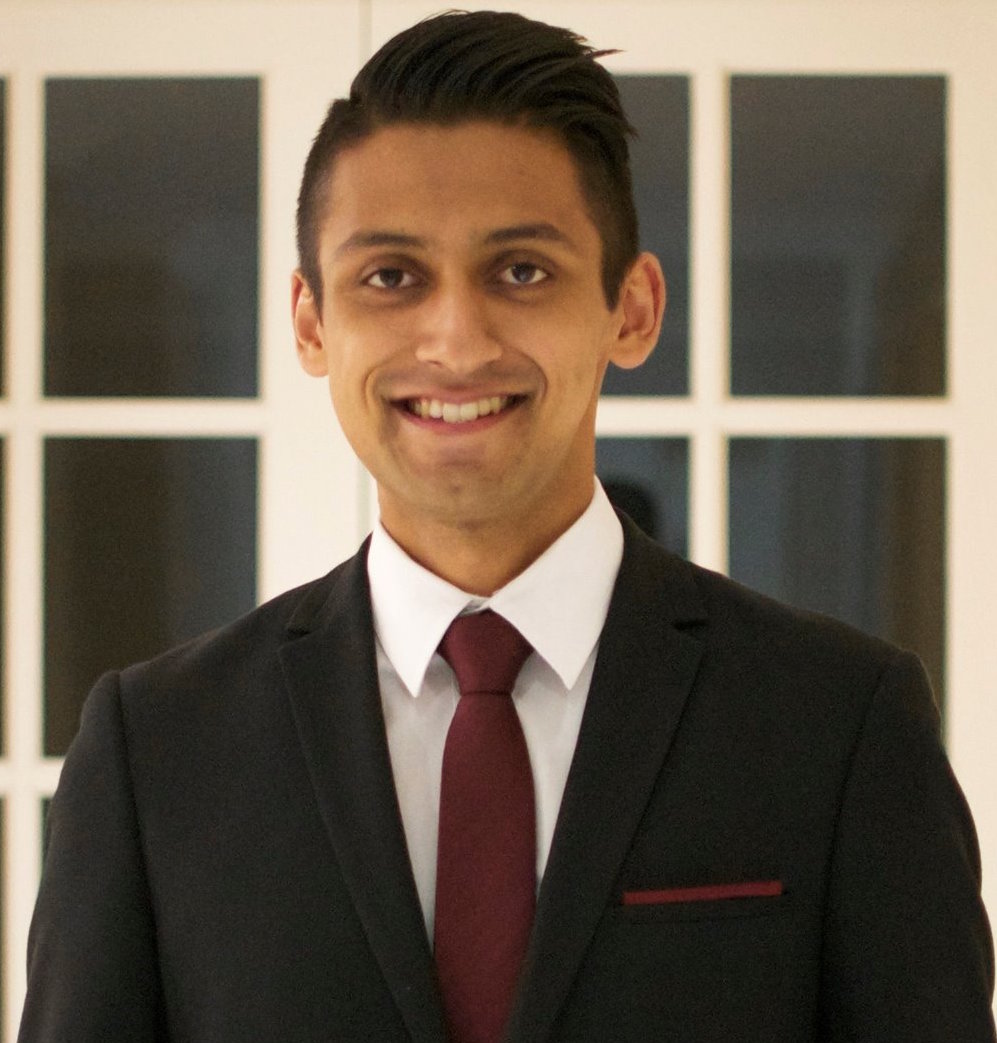
GJA Student Ambassador, Vivek Bhatt

The Global Justice Academy is delighted to launch the second year of its Student Ambassador programme with a guest post by Vivek Bhatt. Vivek is an incoming student reading for a PhD in Law. He recently completed the MSc in Political Theory at the London School of Economics, and holds a Bachelor of Arts (Advanced) (Honours) and Master of International Law from the University of Sydney. His primary interest is in international laws relating to counterterrorism, conflict, and human rights.  

Rodrigo Duterte’s war on drugs in the Philippines has recently been deemed an international crime. This post reflects upon issues arising from the condemnation of Duterte, asking whether international criminal law can enable the realisation of cosmopolitan ideals. 

duterte
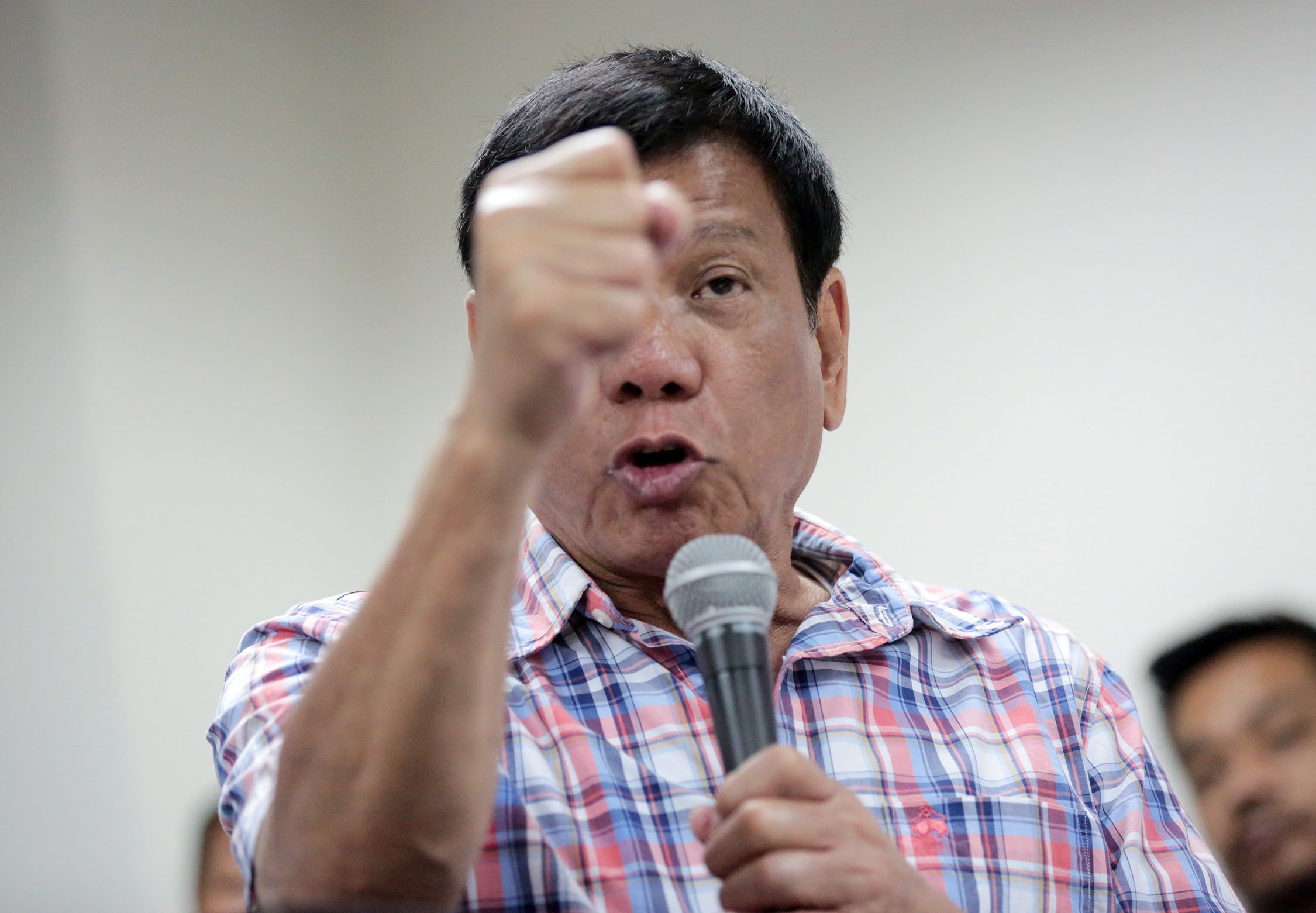
Rodrigo Duterte, President of the Philippines

When elected President of the Philippines on 9 May 2016, Rodrigo Duterte vowed to reduce rates of drug-related crime within the state. Duterte has since waged a violent anti-drug campaign, authorising the extra-judicial execution of individuals thought to use, possess, or traffic illegal substances.  The President’s “death squad” comprises select members of the police force and civilian volunteers. Most of these individuals were lured into their roles as amateur mercenaries through payment, and promises of impunity for their actions. Others were coerced into joining Duterte’s campaign; men and women were guaranteed immunity from punishment for their own drug-related offences in exchange for their services as assassins.[1] The OHCHR suggests that over 850 people have been killed since Duterte’s election, but reports that take into account unexplained deaths during that period suggest the number is closer to 3,000.[2]

Comments closed

An Urban Justice Project: Winchburgh Futures (January-May 2016)

Global Justice Academy Co-Director, Dr Tahl Kaminer, reflects on the Winchburgh Futures project that ran in ESALA at the beginning of this year.

An ESALA (Edinburgh School of Architecture and Landscape Architecture) team studied (2016) the current urban development around Winchburgh, West Lothian, in which a ring of 2000 or more housing units and a medium-scale town centre are being developed around an existing mining village of 2000 residents. The team responded to local residents’ request for support and advice regarding concerns for community cohesion and quality of development.

Comments closed
css.php

Report this page

To report inappropriate content on this page, please use the form below. Upon receiving your report, we will be in touch as per the Take Down Policy of the service.

Please note that personal data collected through this form is used and stored for the purposes of processing this report and communication with you.

If you are unable to report a concern about content via this form please contact the Service Owner.

Please enter an email address you wish to be contacted on. Please describe the unacceptable content in sufficient detail to allow us to locate it, and why you consider it to be unacceptable.
By submitting this report, you accept that it is accurate and that fraudulent or nuisance complaints may result in action by the University.

  Cancel