Any views expressed within media held on this service are those of the contributors, should not be taken as approved or endorsed by the University, and do not necessarily reflect the views of the University in respect of any particular issue.
Press "Enter" to skip to content

Month: February 2015

Regeneration in an Edinburgh Neighbourhood: the Craigmillar Project Report

In 2014-15, the Global Justice Academy launched its Urban Justice Lab. Based on the MIT-pioneered model to address global challenges, the Urban Justice Lab creates space for discussions and debates as well as collaborations in research, teaching, and outreach for university academics that study or operate on the city.

Dr Tahl Kaminer, GJA Co-Director (Urban Justice Lab), is a Lecturer in Architectural Design and Theory at the Edinburgh School of Architecture and Landscape Architecture (ESALA). One track of Tahl’s research studies the means of social amelioration via urban transformation. In 2014, students from the MSc programme in Urban Strategies and Design produced the Craigmillar Project Report – an extensive analysis of the Edinburgh neighbourhood, of the regeneration project, and of current conditions. 
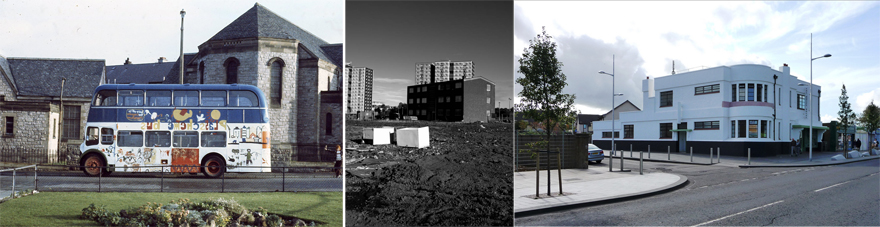
L-R: ‘Charlie’s Bus’ Craigmillar Festival playscheme Bus, historical photograph by Andrew Crummy; Craigmillar flats, photograph by David Flutcher; the White House in Craigmillar, photograph by John Lord.

Comments closed

Whatever happened to freedom of conscience?

TK

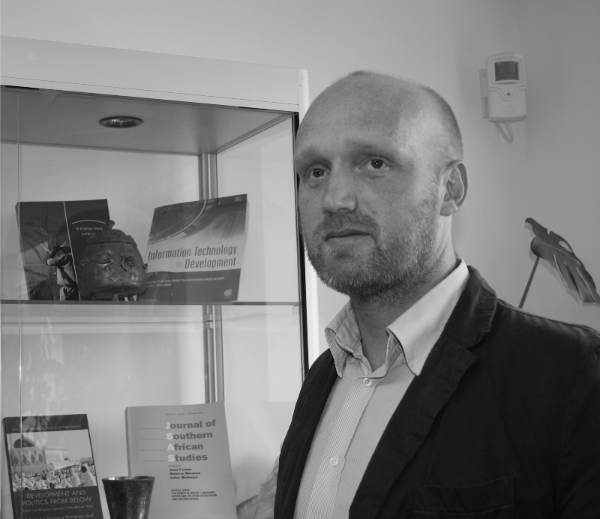
Professor Toby Kelly is Head of Social Anthropology at the University of Edinburgh and Deputy Director of the Global Justice Academy.

Northern Ireland MLA, Paul Givan has proposed a Freedom of Conscience Bill. Invoking a three hundred year tradition of freedom of conscience and the Universal Declaration of Human Rights, Givan calls for greater toleration of different beliefs.  Yet, Amnesty International has said the bill was ‘not welcome and is not needed at all’. Indeed, it went so far as to say ‘what is proposed is not a conscience clause, it is a discrimination clause’. At first glance this appears a little surprising, given that Amnesty first came to public prominence as an organization that campaigned explicitly for freedom of conscience, and Prisoners of Conscience still play a significant part in Amnesty’s activities.

Comments closed

The Resilience of Neoliberal Urbanism

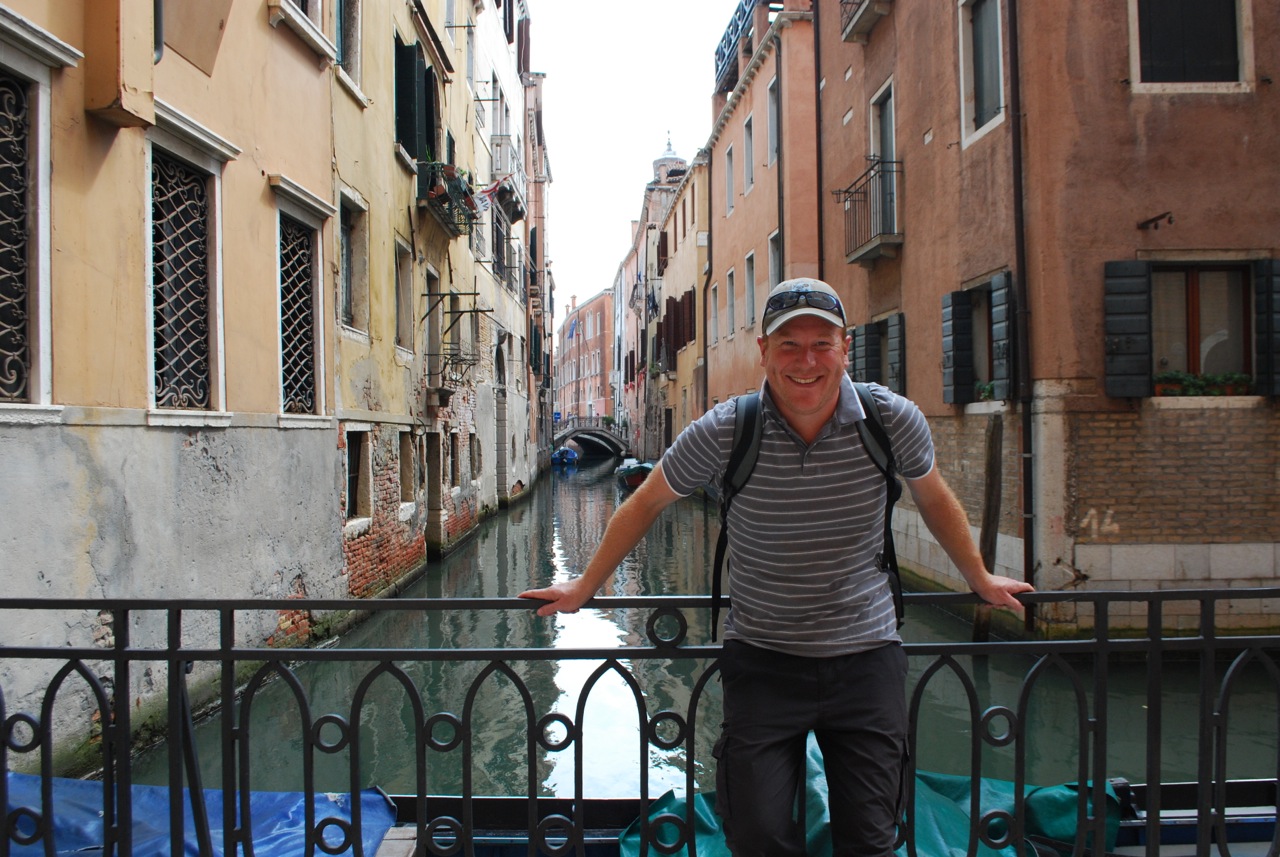
TSVeneziaThis guest post is by Dr Tom Slater, Reader in Urban Geography at the University of Edinburgh. It first appeared in January 2014 on openDemocracy, in the openSecurity: Conflict and Peacebuilding theme.

On 27 January 2014, I noticed a few tweets announcing the Guardian’s new “Cities” section. The newspaper has a track record of publishing excellent short essays addressing urban issues, especially in its “Comment is Free” section, so I confess to initial interest and perhaps even mild excitement.  Then I read two of the introductory pitches by the editorial team, delivered with an intention to “start the debate”. The first was by editor Mike Herd, entitled “What makes your city so special?” the sort of emetic rubric you might expect to find a ‘Business Traveller’ section of an in-flight magazine. Here is how he invited browsers to contribute:

Comments closed
css.php

Report this page

To report inappropriate content on this page, please use the form below. Upon receiving your report, we will be in touch as per the Take Down Policy of the service.

Please note that personal data collected through this form is used and stored for the purposes of processing this report and communication with you.

If you are unable to report a concern about content via this form please contact the Service Owner.

Please enter an email address you wish to be contacted on. Please describe the unacceptable content in sufficient detail to allow us to locate it, and why you consider it to be unacceptable.
By submitting this report, you accept that it is accurate and that fraudulent or nuisance complaints may result in action by the University.

  Cancel