Any views expressed within media held on this service are those of the contributors, should not be taken as approved or endorsed by the University, and do not necessarily reflect the views of the University in respect of any particular issue.

It’s Not All Books…

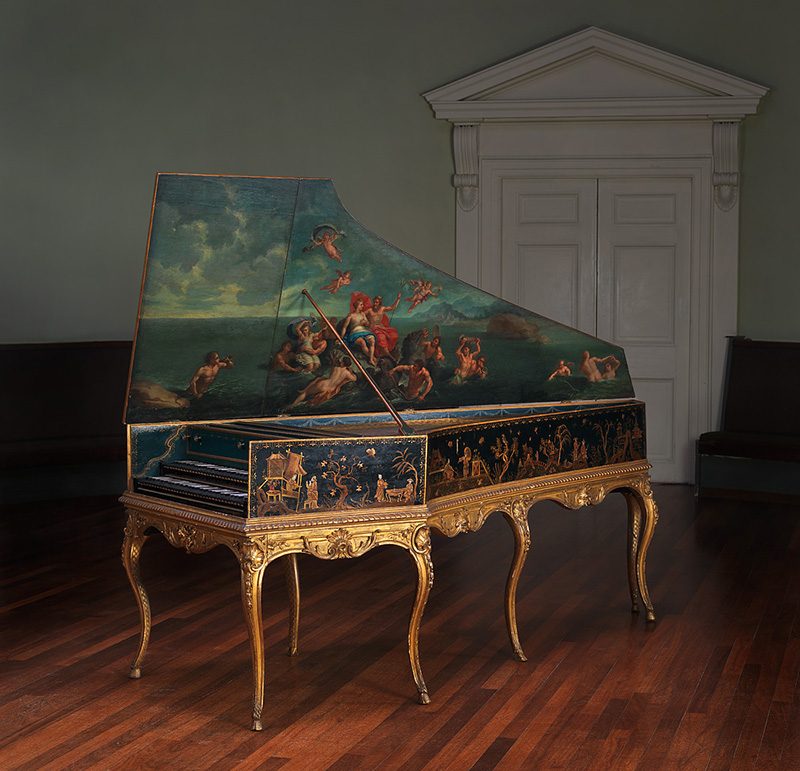
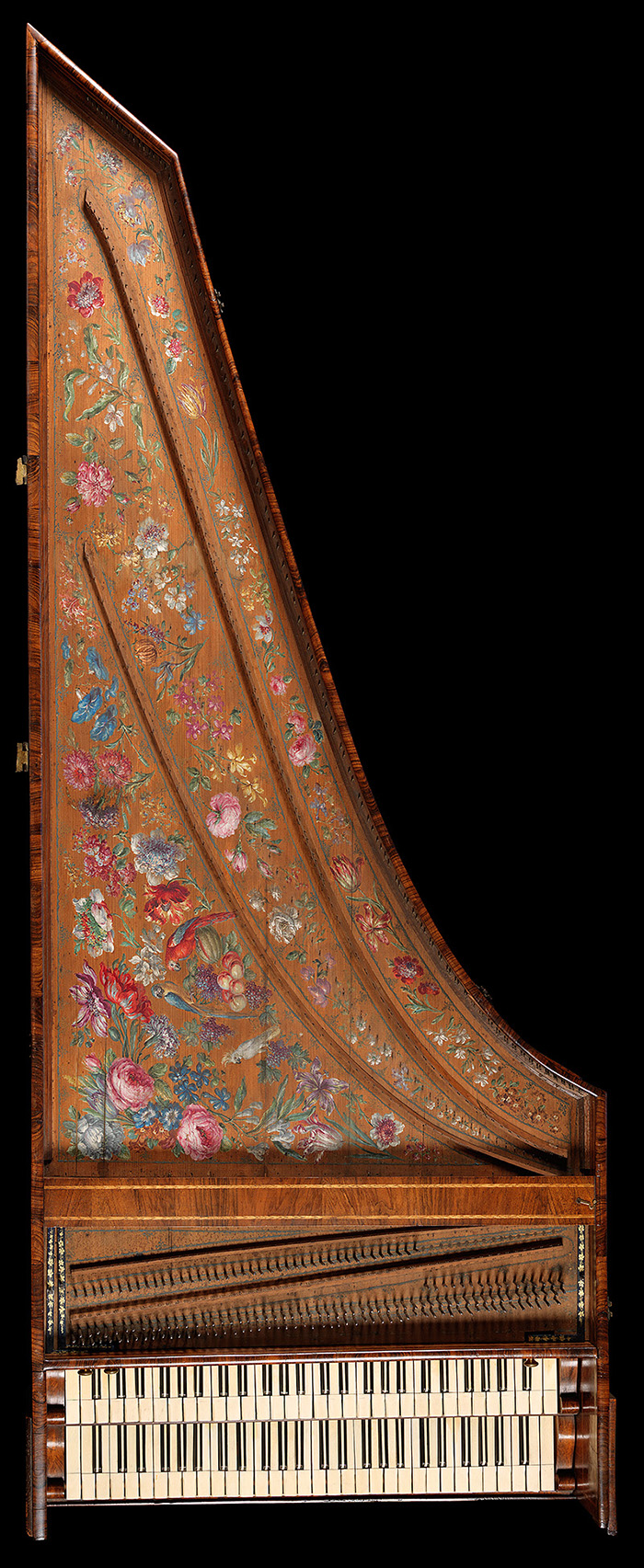
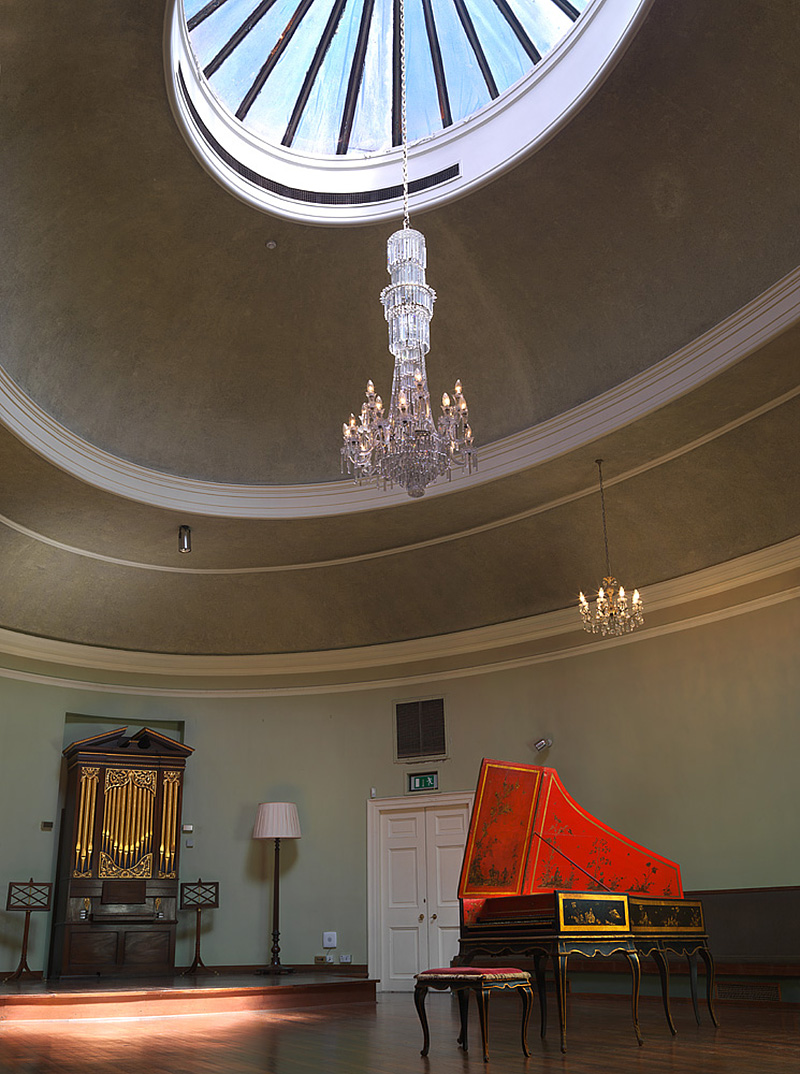
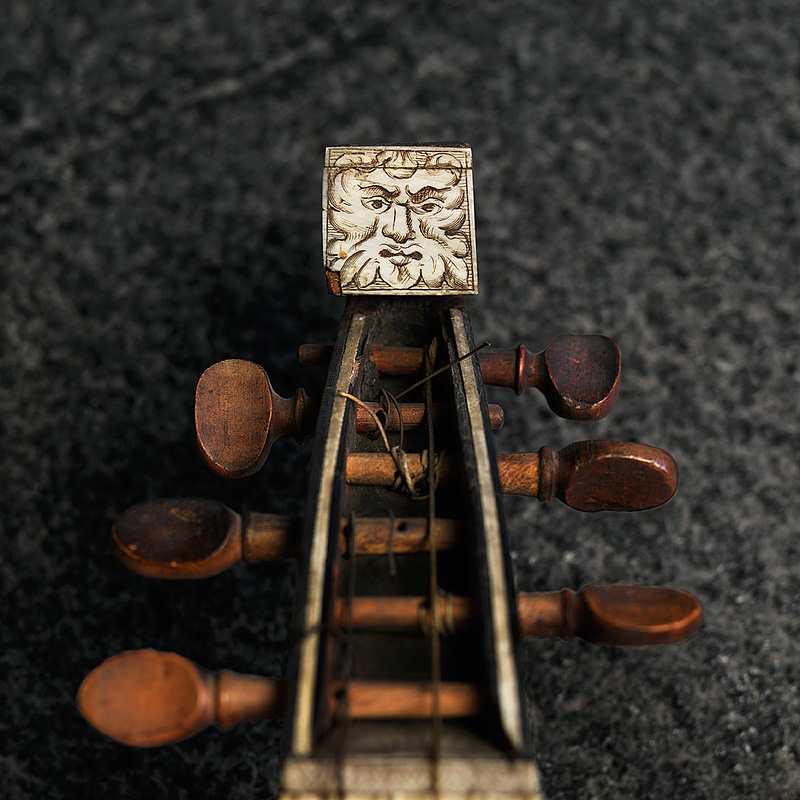
As photographers for the Special Collections in the University of Edinburgh Main Library, we’ve seen a fair amount of beautiful books and manuscripts, but the diversity of the collections, both here at the Library and from other locations around the University always surprises me. Many of these have been bought to us for photography over the years, and on occasion, we have had to decamp from the studio and go out to the collection. In 2012 we were asked to go to St Cecilia’s Hall to take photographs for a Calendar to promote the redevelopment project, then in its infancy. We had a fantastic week photographing harpsichords, guitars and lutes in the 18th Century Hall to place them within their context. The instruments provided us with many challenges: harpsichords are not the easiest to light to bring out the gold details and elaborate painting – particularly not in a room with mixed light sources and green walls. In one shot taken by my colleague, Malcolm Brown, we were asked to show the whole object as if looking from above. Thankfully, the curator allowed us to turn the instrument on its side, although we sometimes tell people who ask us how it was done that we had Malcolm suspended from the ceiling Mission Impossible style to take the photo. Further information about St Cecilia’s can be found at http://www.stcecilias.ed.ac.uk/about.html
 

0023113d 0023131d 0023064d0023039d

Another highlight for us was the visit to the Anatomy museum to photograph the murderer William Burke’s Skeleton (see http://en.wikipedia.org/wiki/Burke_and_Hare_murders). On arrival at the museum we discovered that there was major building work going on outside and the drilling was causing vibrations through the floor. At the time we were working with a Hasselblad multishot which took 16 shots to build up a very high resolution image so the slightest movement would ruin the shot. We had to try to shoot in the lulls between drilling- the challenges of location photography!

0009 022

We were also lucky enough to photograph the magnificent Renaissance Giambologna bronze Ecorche horse. Having decided that we wanted the photographs to be low key, dark images to bring out every muscle ripple and vein, we had to carefully light the cast so that it was distinct from the background. This required reflectors to be suspended from the ceiling to run a highlight up the neck and others to be held in place during the shots, a real team effort.

0022862d

0028173d

3 dimensional objects always require more thought to the lighting to bring out subtle textures and details as you can see in this image of a Gandharan Sculpture, whereas the challenge of metallic surfaces is to hide unwanted reflections.

0031173d

0022920d

It is always exciting to photograph these wonderful objects that have made their way into the University collections, and recently we have even seen some ‘Book Sculptures’ too.

0056042d

Susan Pettigrew, Photographer

Facit Calculator Photography

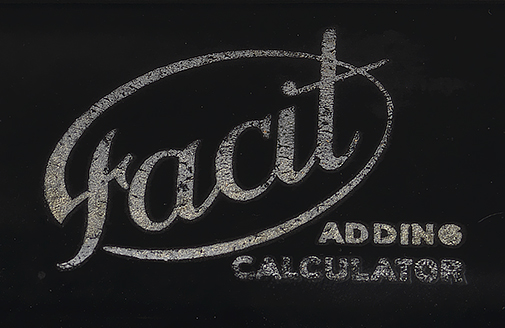
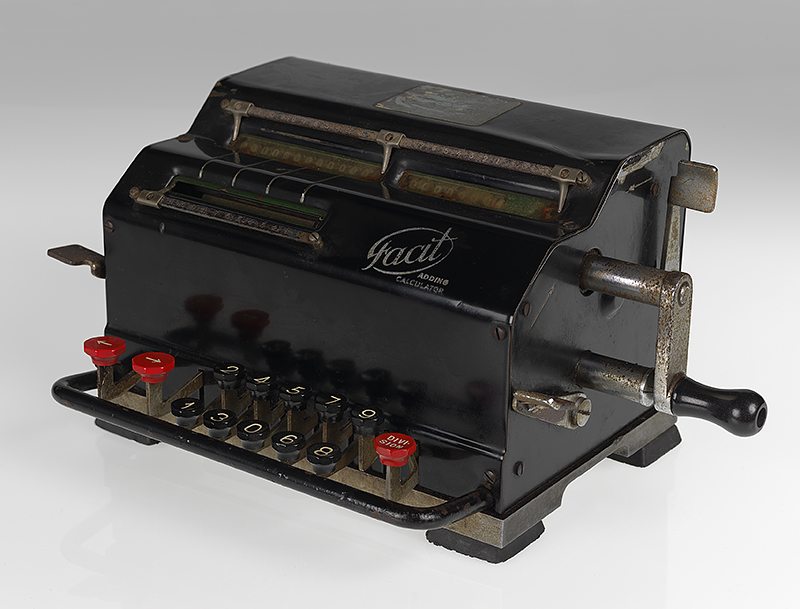
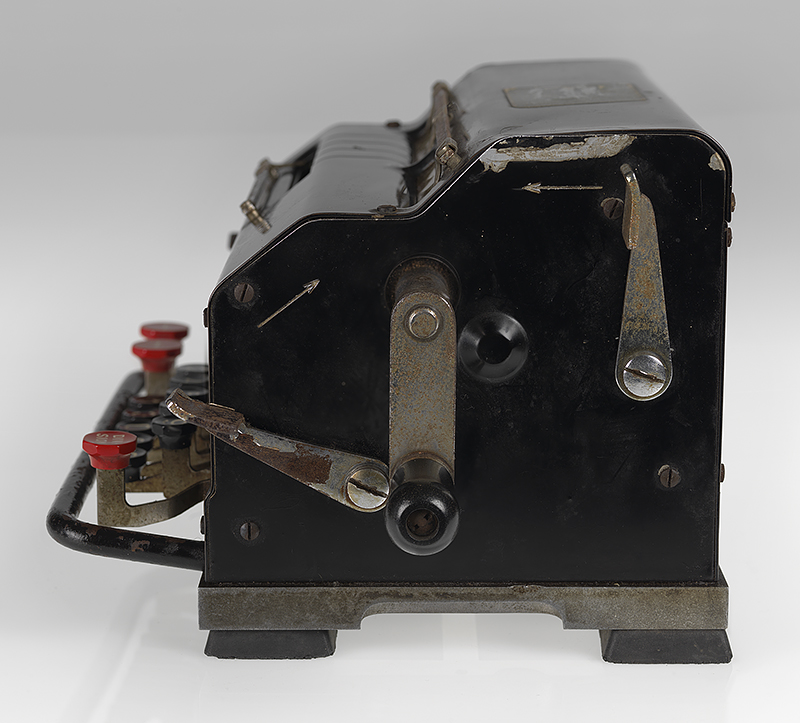
0055792dThe Digital Imaging Unit recently had the mechanical calculating machine from the Godfrey Thomson Project to photograph. The calculator has this beautifully resolved logo which struck me as a little unusual for such an early and niche product. However discovering the company was Swedish explains such attention to design. The swift rise and decline of the company is a stark warning about ignoring research, development and competition http://en.wikipedia.org/wiki/Facit
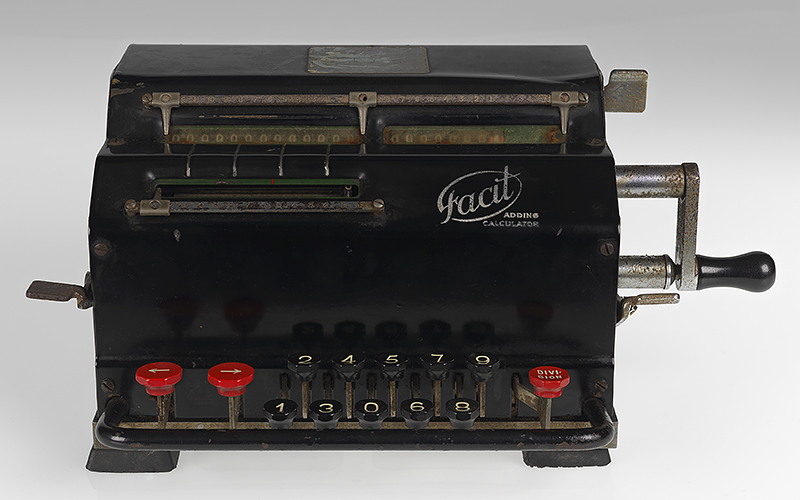
The calculator was photographed using the DIU infinity table lit from below with key and fill lighting arranged carefully to maximize all the detail and information present in the calculator. This was a challenge given the black colour and metallic reflective nature of the material. In addition multiple exposures were taken and the final set of images were assembled in Adobe Photoshop.

Malcolm Brown

0055792e0055795d0055800d

Photographing Geology Specimens

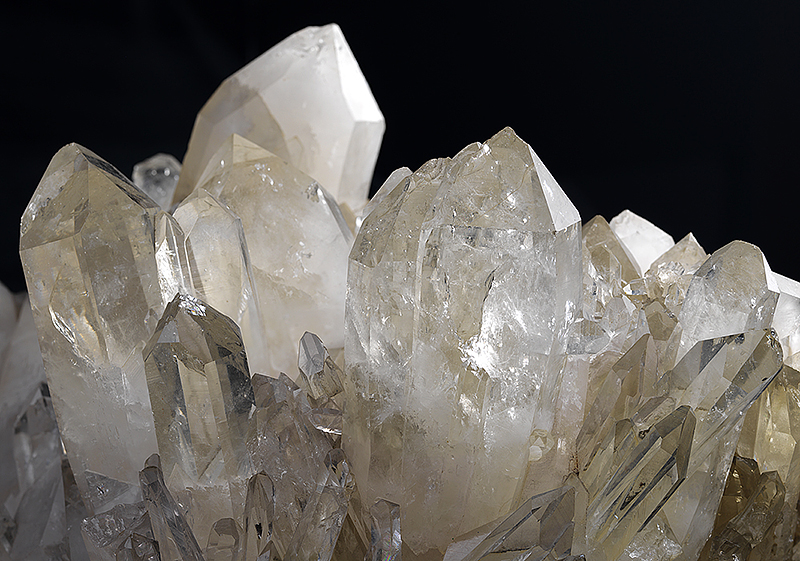
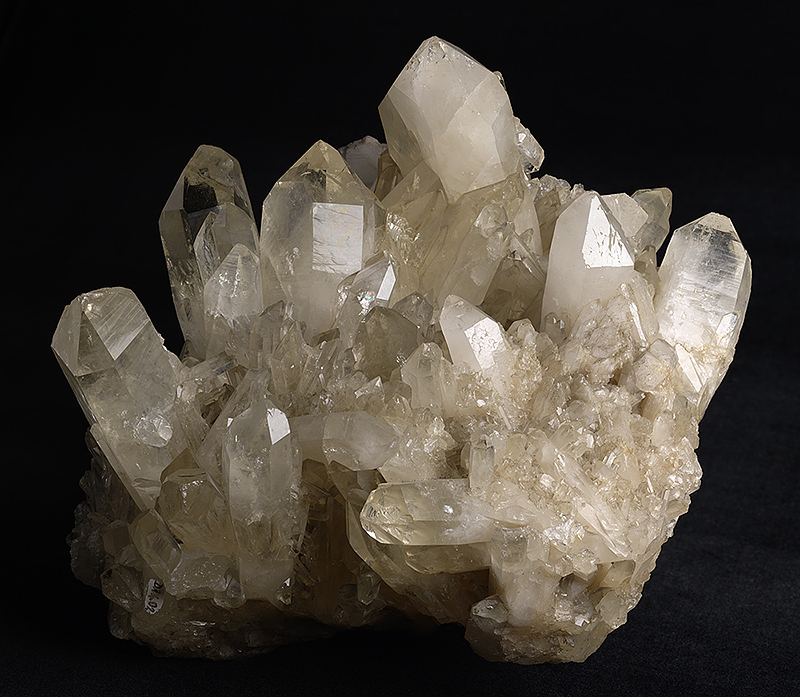
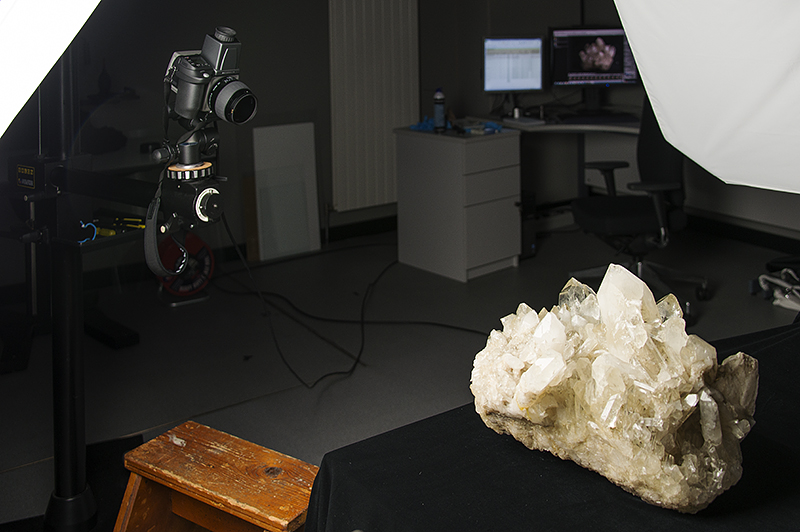
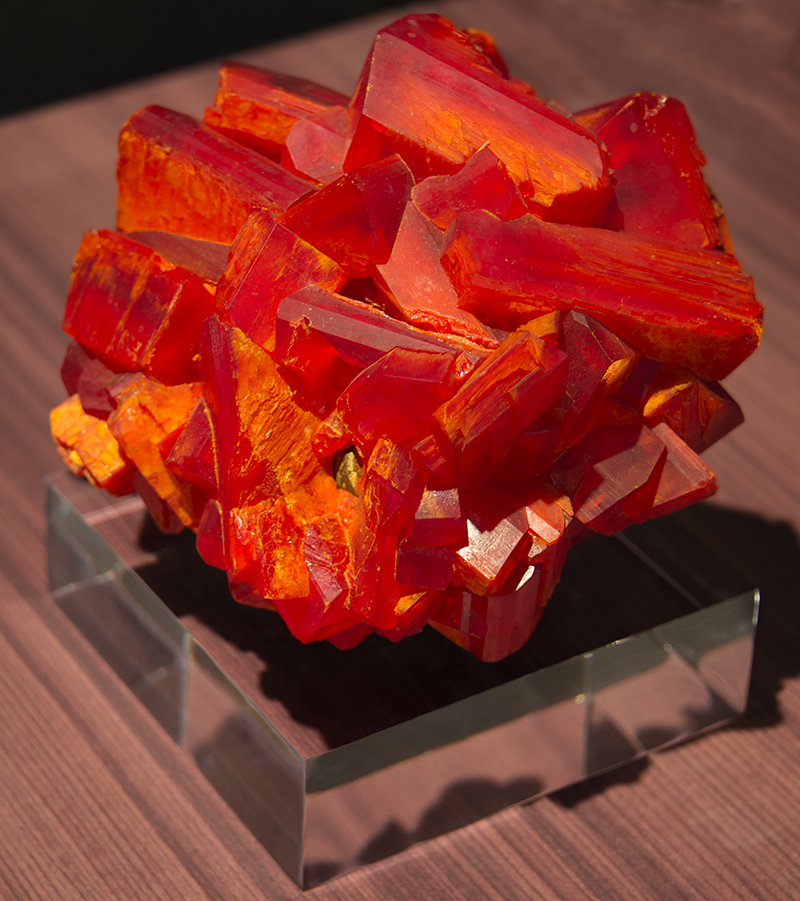
This image of Quartz crystals was commissioned for exhibition at University of Edinburgh Main Library but has also found a home at the School of Geo Science website http://www.geos.ed.ac.uk/facilities/ionprobe/TiQuartzStandards/ The image was created using 9 separate exposures each focusing on a different part of the crystal. Those were then imported into Photoshop as separate layers and a layer mask was added to each layer. Using the mask on each layer its was possible to hide or reveal parts of each individual exposure. This technique was used to create an image where many areas are in sharp focus to highlight the rich details of the crystal. The studio set up for this type of work consumes a lot of physical working space as demonstrated in the studio shots which can be seen below.

Malcolm Brown

0031376d0031366d

0054217m

Meteorites and Fossilised Rain Drops

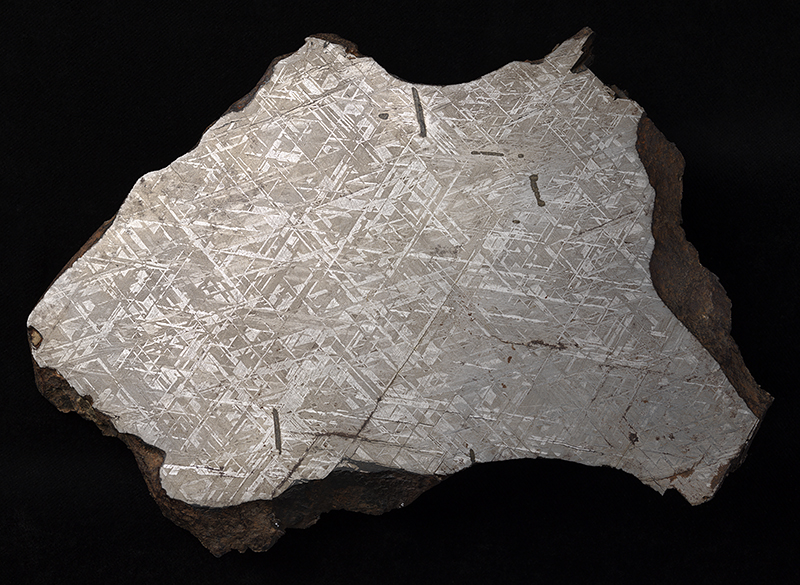
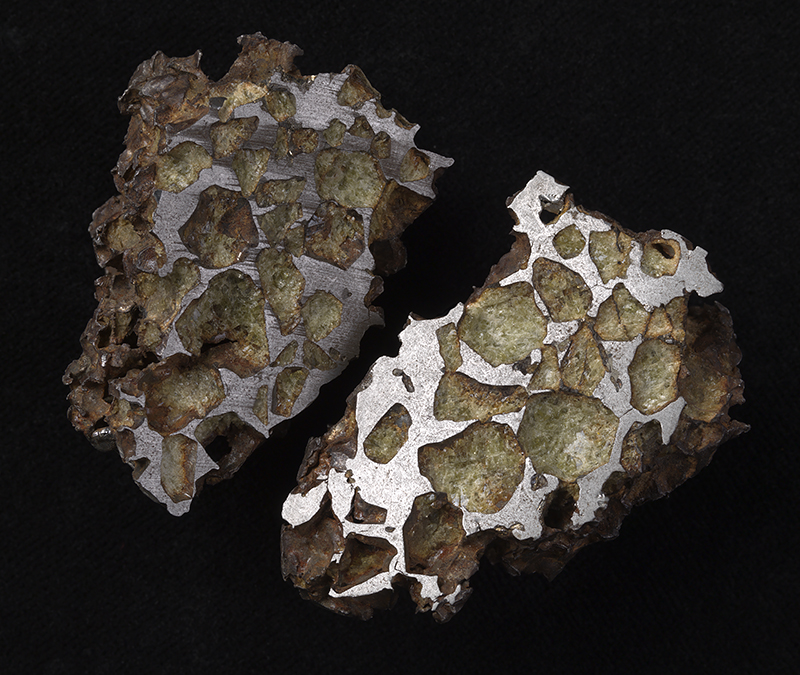
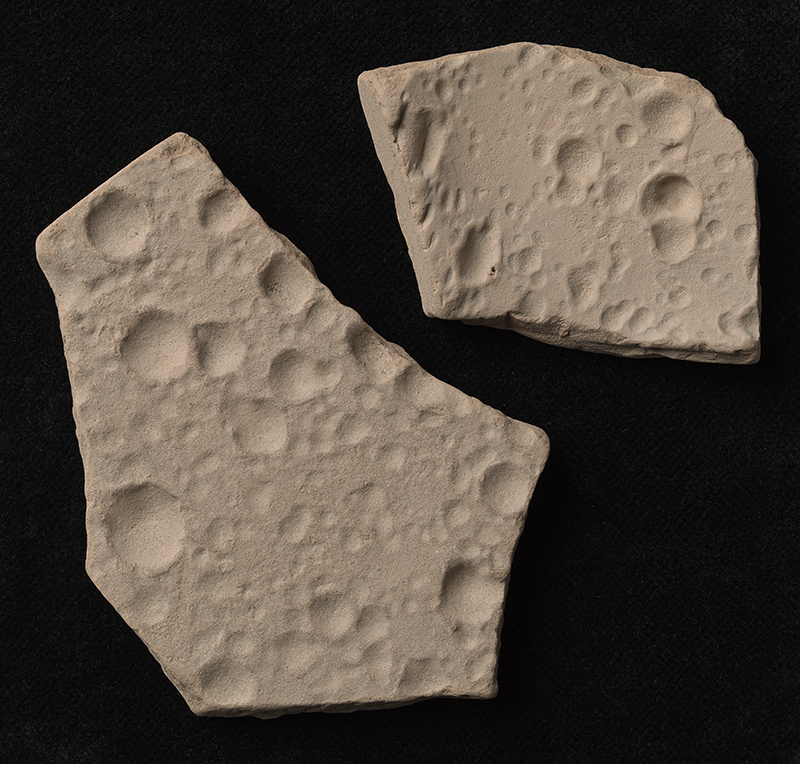
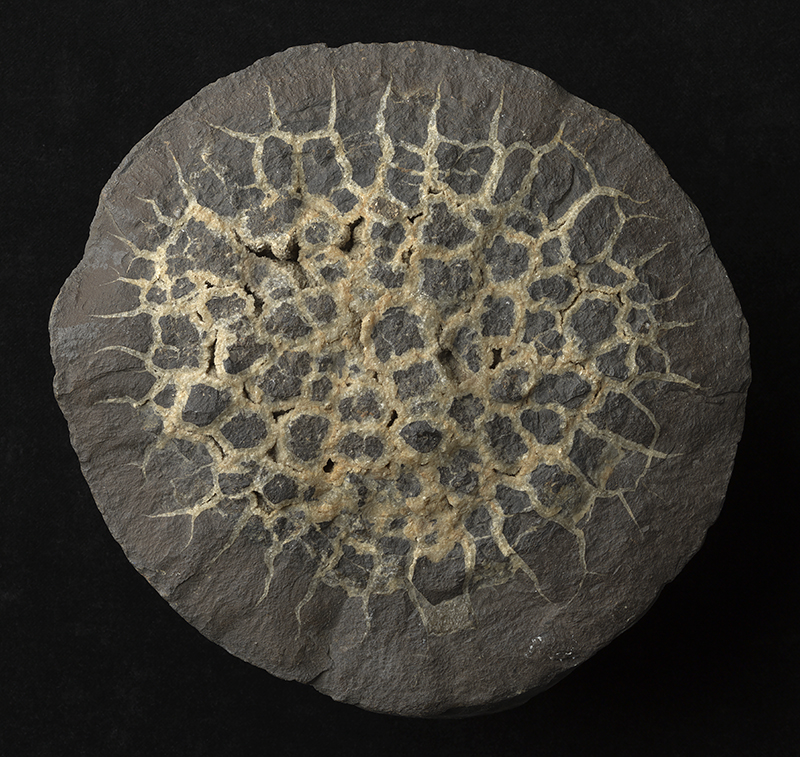
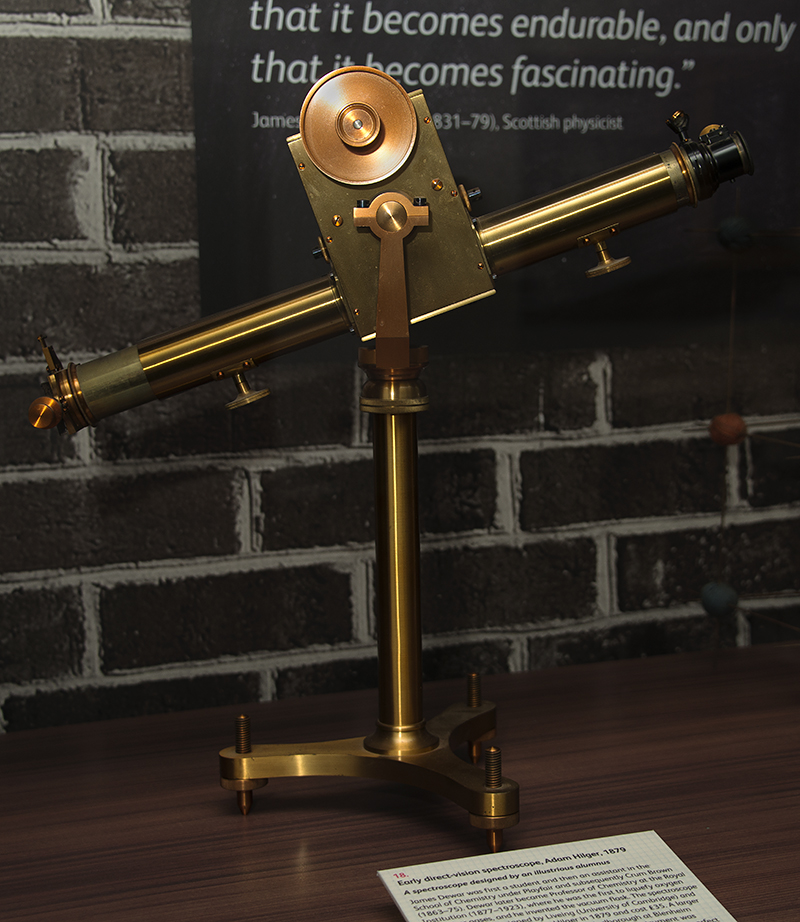
This week the Digital Imaging Unit have been photographing the Gibeon nickel iron meteorite EUCM.110.759.  This fell in prehistoric times in Namibia, named after the nearest town.  Made into tools by the Nama people. Analysed and confirmed as a meteorite in 1836. The wonderful pattern is called a Widmanstätten pattern. We have also been photographing the Imilac stony iron pallasite meteorite EUCM.0647.2008 found in the Atacama Desert in Northern Chile in 1822. The meteorites along with some amazing fossilized rain drops and various crystals will all feature in an exhibition opening in the Main Library exhibition space on December the 5th called Collect.ed.

Malcolm Brown

0031342d

 0031348d0031353d0031355d

New Photography for Main Library Exhibition – Collect.ed

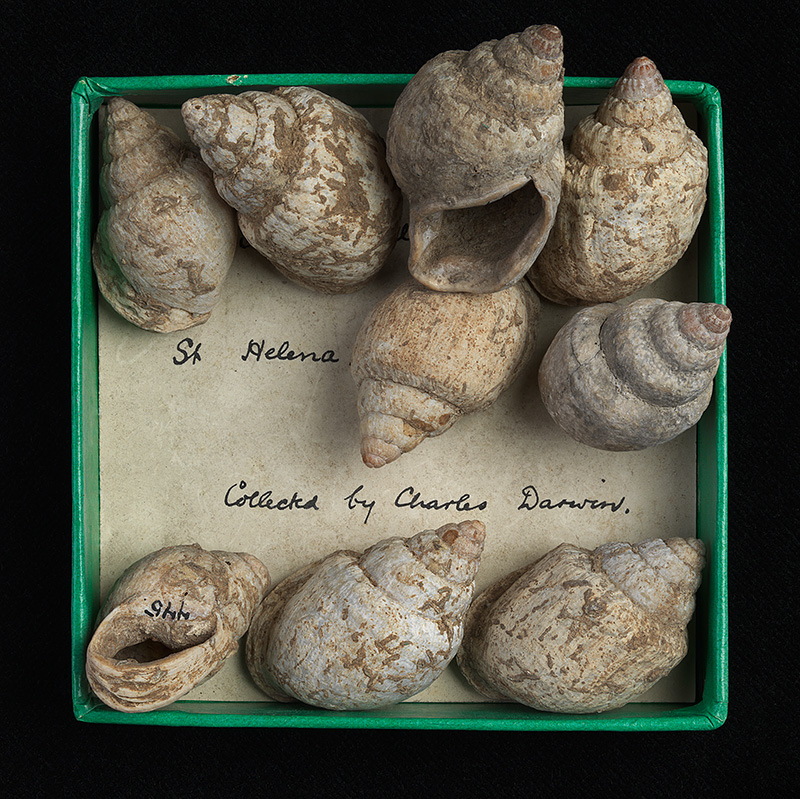
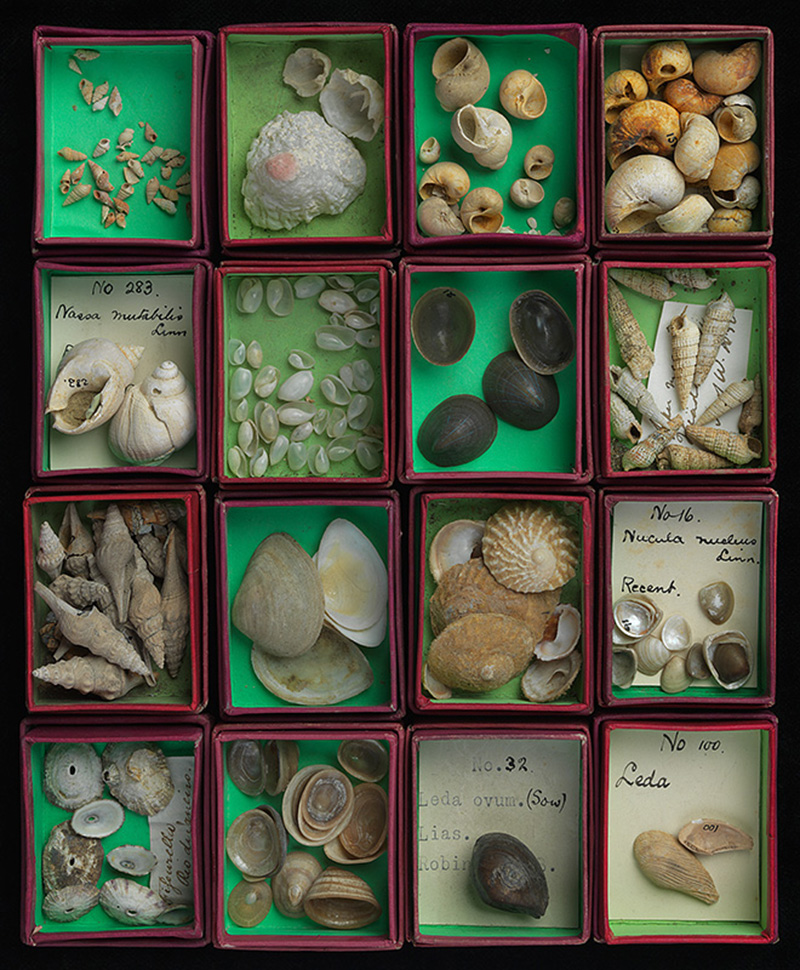
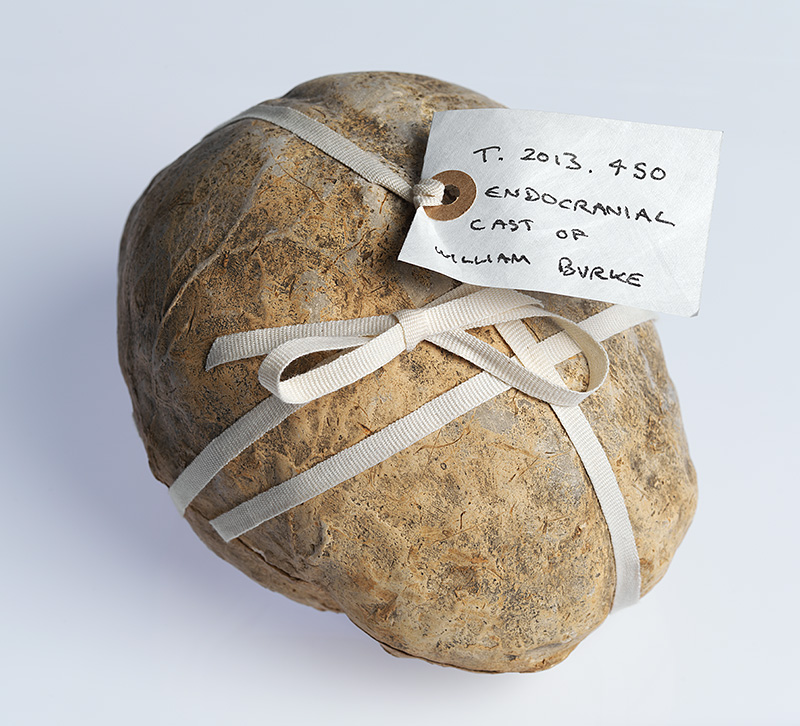
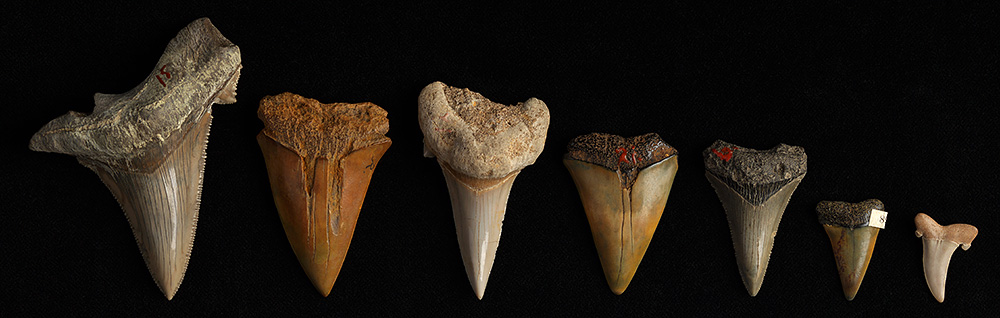
The Digital Imaging Unit have been working on an amazingly diverse range of material recently thanks to a new exhibition being prepared for the Main Library by exhibitions intern Emma Smith. Collect.ed is the title of the exhibition described as “Curiosities from the University’s collections”. This work has presented the challenge of photographing a cast of the serial killer Burke’s brain, seven prehistoric shark’s teeth and a fabulous box of shells collected by Charles Darwin himself. Collect.ed will open on 5th December 2013 and run until  1 st March 2014, Monday to Friday 10.00am – 5.00pm, Saturday 10.00am – 1.00pm, Free Admission!

Malcolm Brown

0031310d

0031301d

0031284d


0031298d


css.php

Report this page

To report inappropriate content on this page, please use the form below. Upon receiving your report, we will be in touch as per the Take Down Policy of the service.

Please note that personal data collected through this form is used and stored for the purposes of processing this report and communication with you.

If you are unable to report a concern about content via this form please contact the Service Owner.

Please enter an email address you wish to be contacted on. Please describe the unacceptable content in sufficient detail to allow us to locate it, and why you consider it to be unacceptable.
By submitting this report, you accept that it is accurate and that fraudulent or nuisance complaints may result in action by the University.

  Cancel