Any views expressed within media held on this service are those of the contributors, should not be taken as approved or endorsed by the University, and do not necessarily reflect the views of the University in respect of any particular issue.
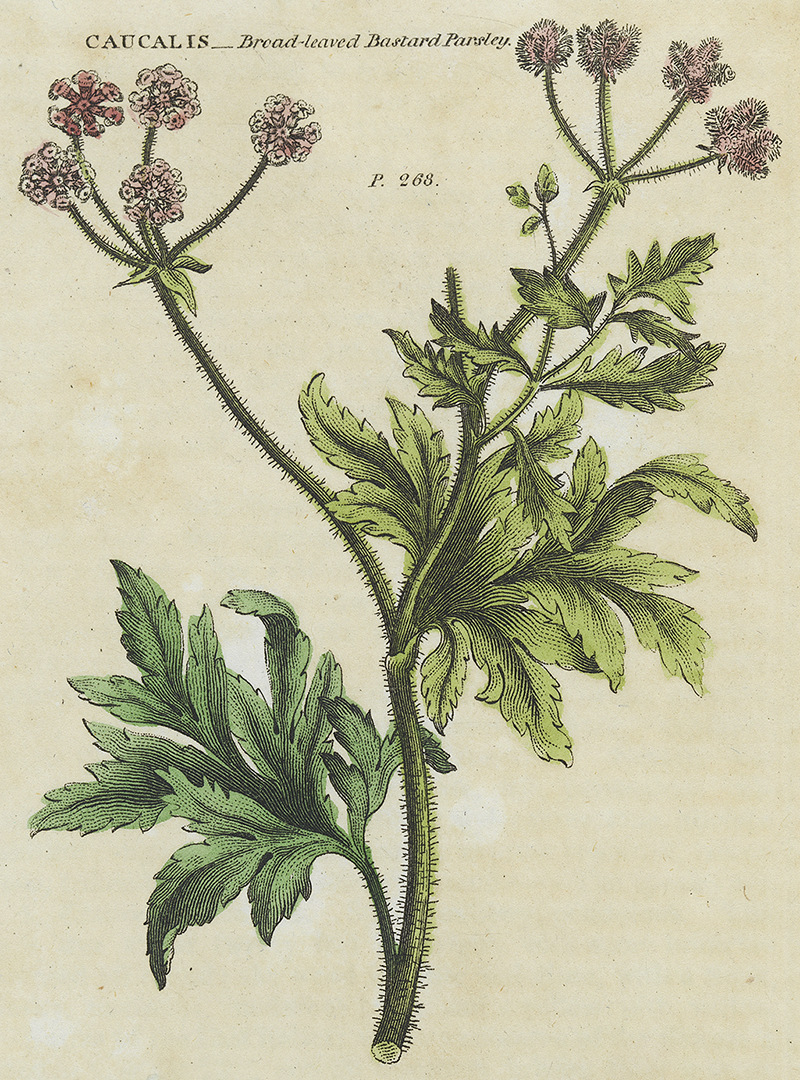
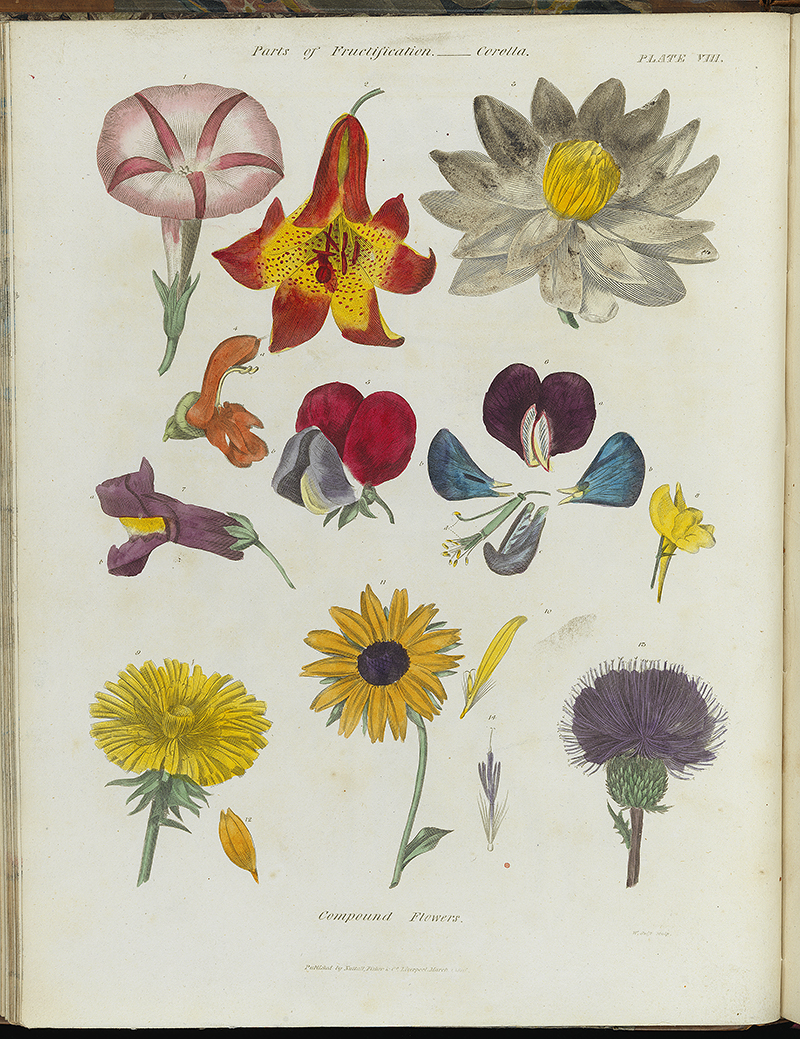
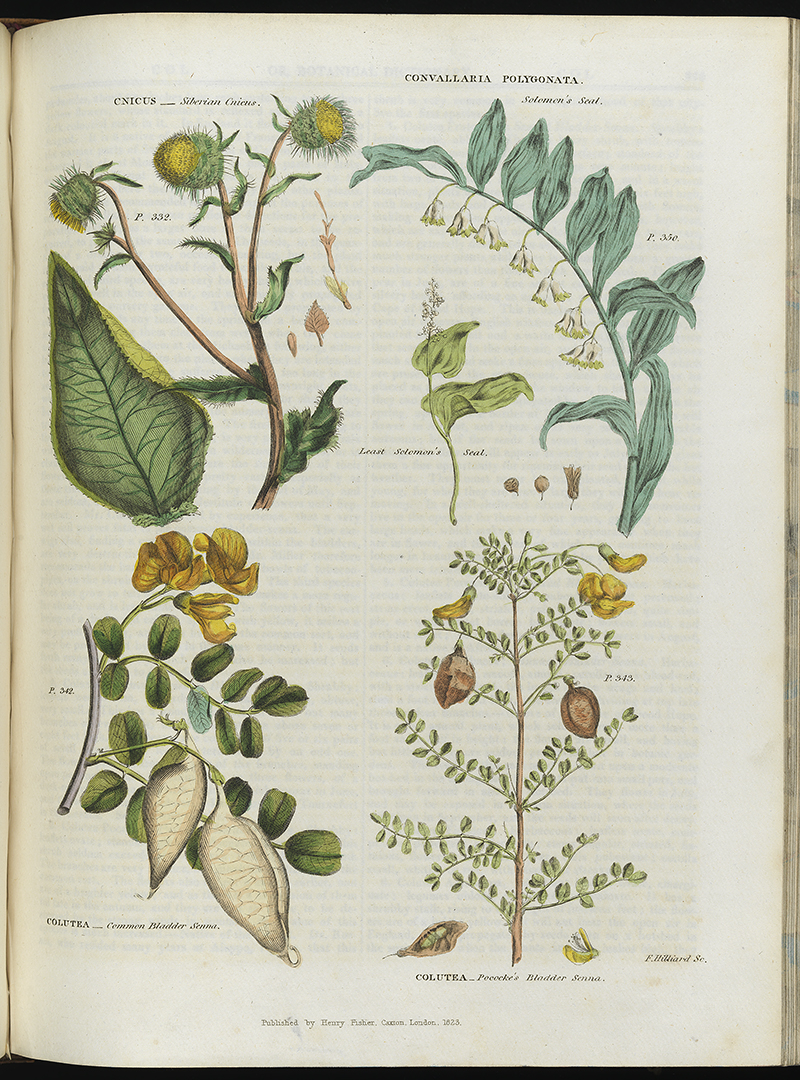
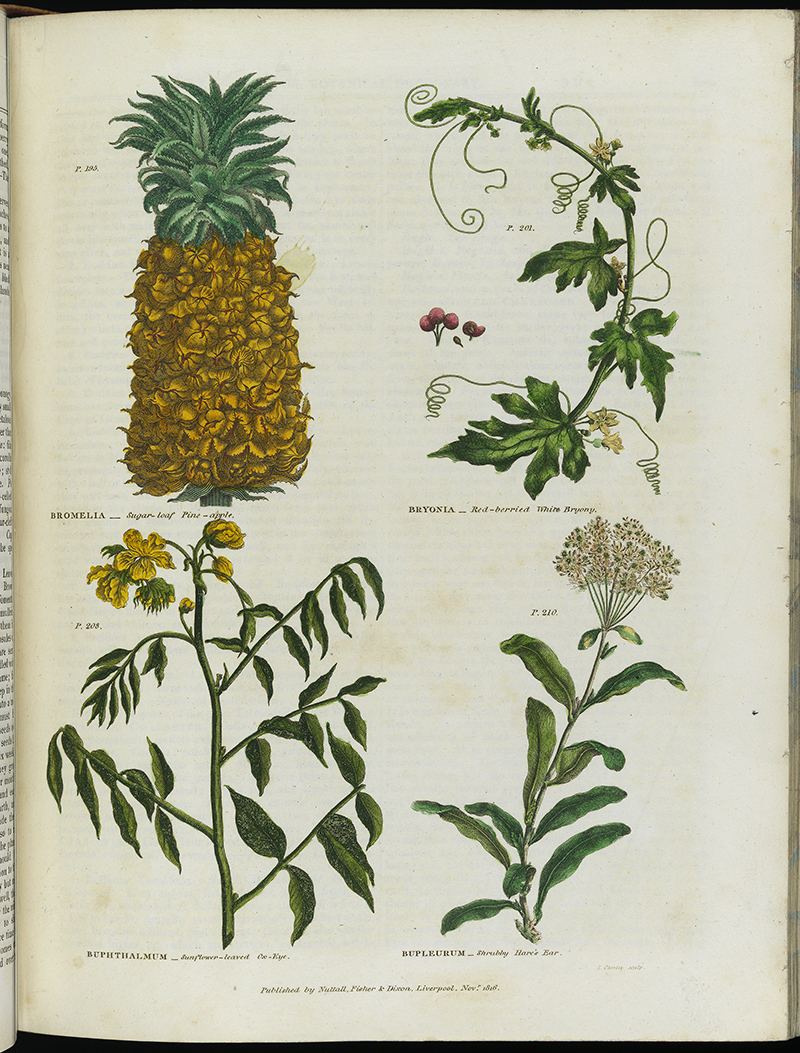
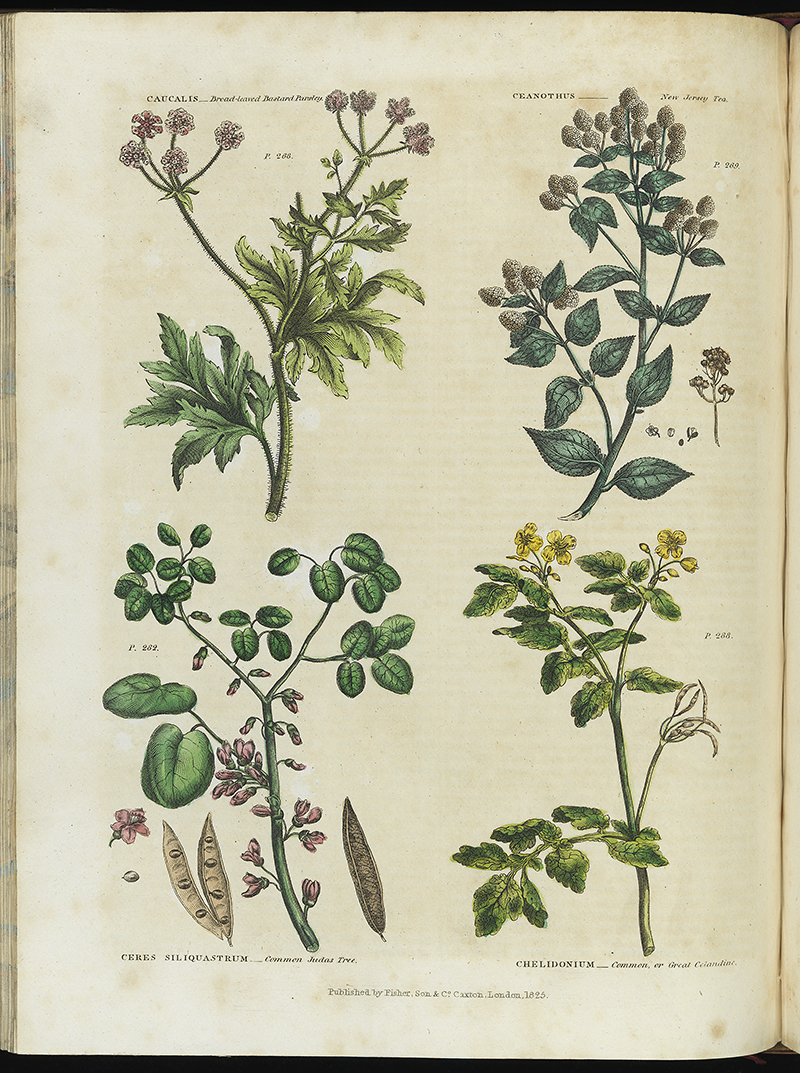
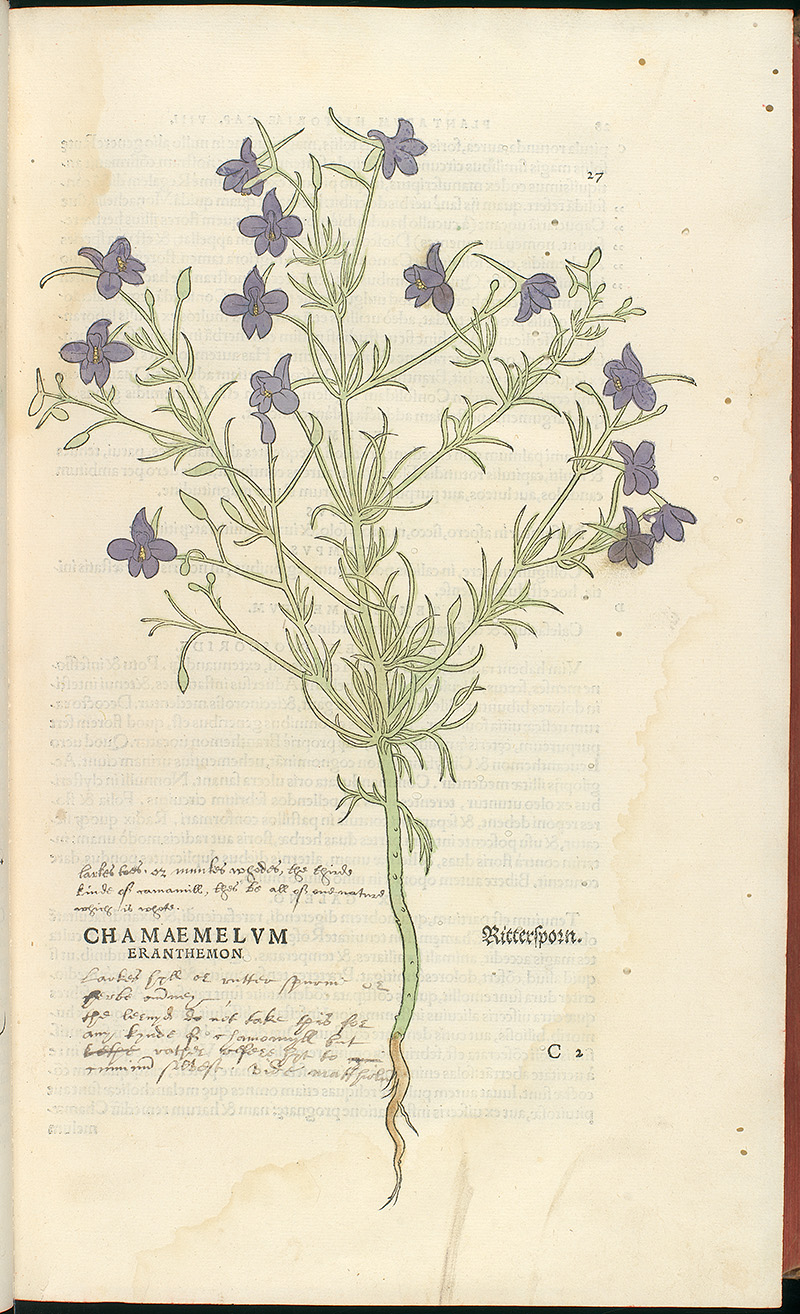
Fascinating book of the month requested for digitisation in the DIU goes to Thomas Greens “The Universal Herbal; or, botanical, medical, and agricultural dictionary. Containing an account of all the known plants in the world, arranged according to the Linnean system. With the best methods of propagation, and the most recent agricultural improvements.” The book is lyrically illustrated with basic but pragmatic hand colouring befitting it’s dictionary status. However it is a visually delicious looking two volume set with some unusual and intriguing entries as can be seen below. Broad-leaved Bastard Parsley is certainly a new one to me.
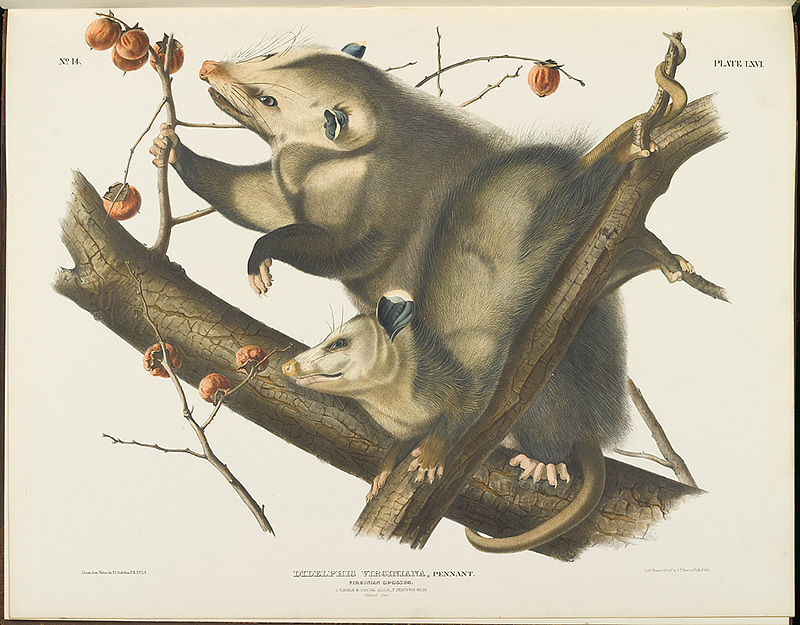
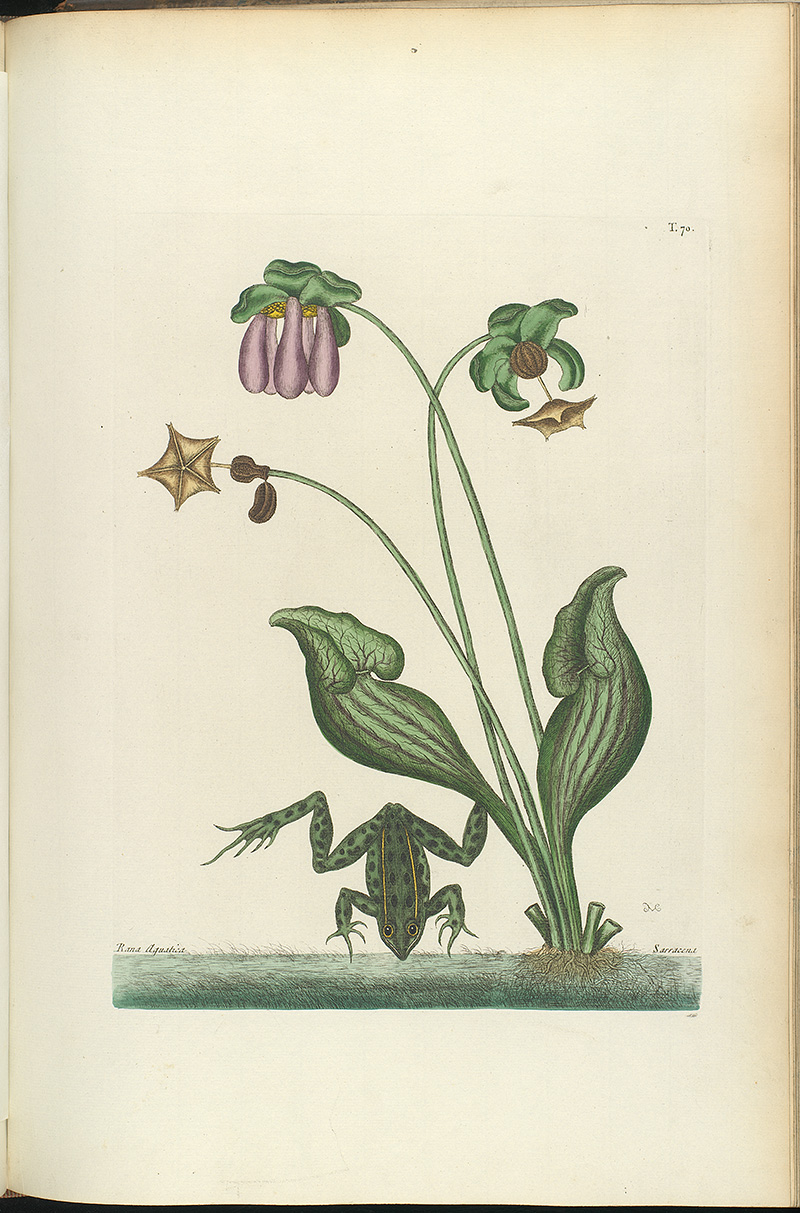
Maybe it is this lovely spring weather that has got me thinking about the wonderful books on Natural History in our Collections. Perhaps the most notable of which is The Viviparous Quadrupeds of North America, Vol.II, 1846 by John James Audubon. Famed for his fine artistry, life-like poses and inclusion of habitats, this naturalist was regularly quoted by such towering figures as Darwin. http://en.wikipedia.org/wiki/John_James_Audubon
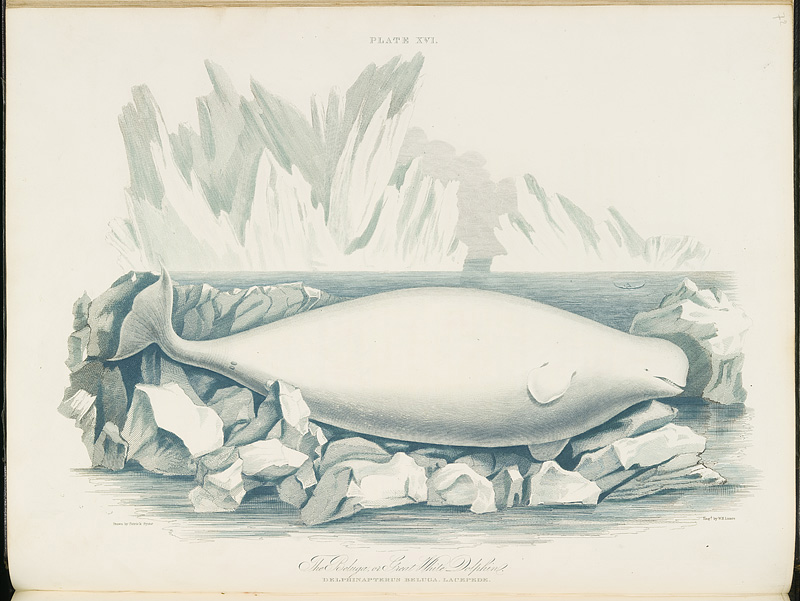
One original we have completed in its entirety is the book by Edinburgh’s own James Wilson, Illustrations of Zoology. Surely this is the next candidate to be converted into the book reader format? Here you can see ‘The Great White Dolphin’ (Beluga) drawn by Patrick Syme and engraved by W.H. Lizars. James Wilson tells us that ‘For three months in 1815 a White Whale was observed to inhabit the Firth (‘Frith’) of Forth’. http://en.wikipedia.org/wiki/James_Wilson_%28zoologist%29
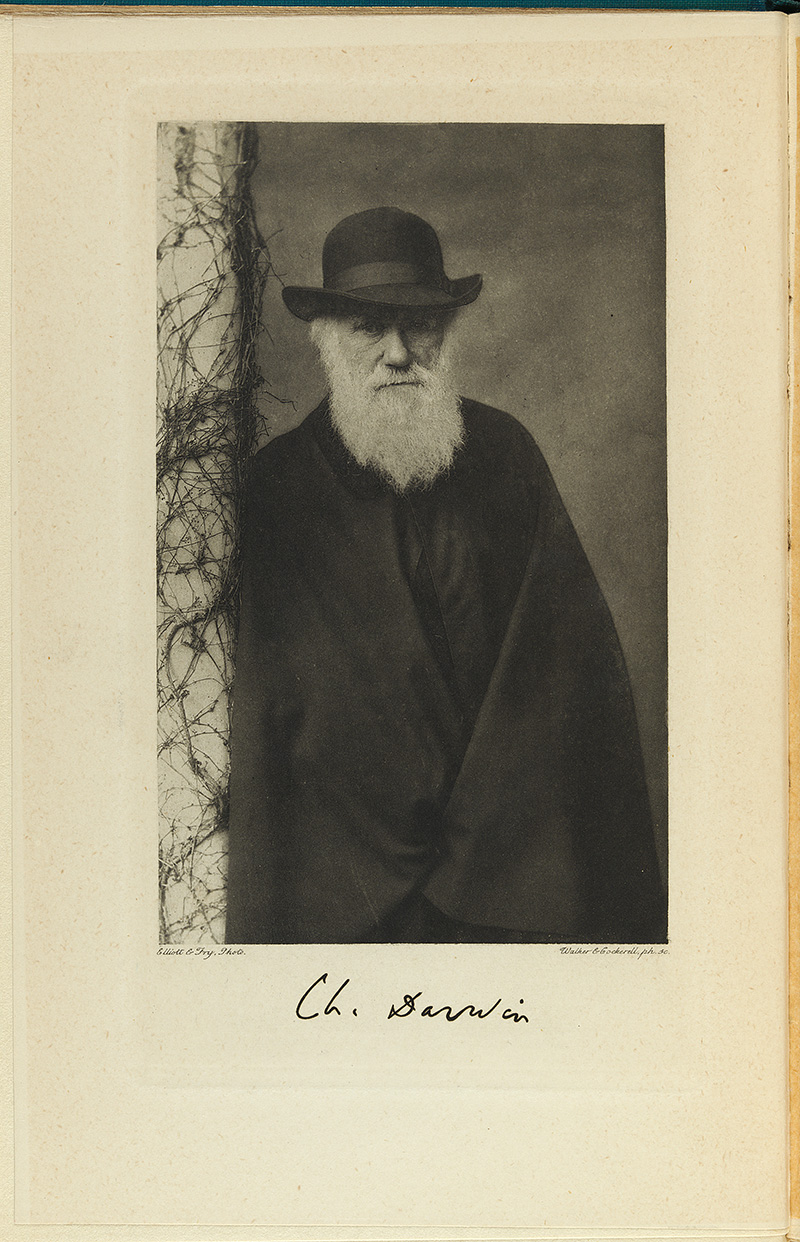
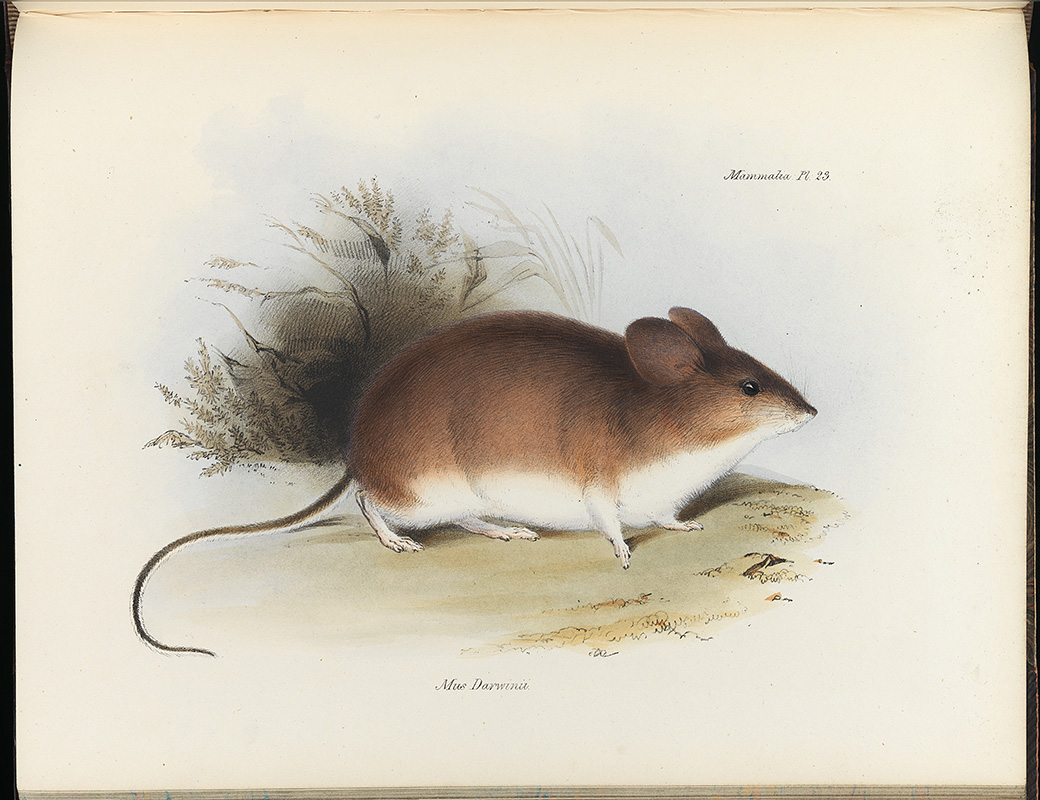
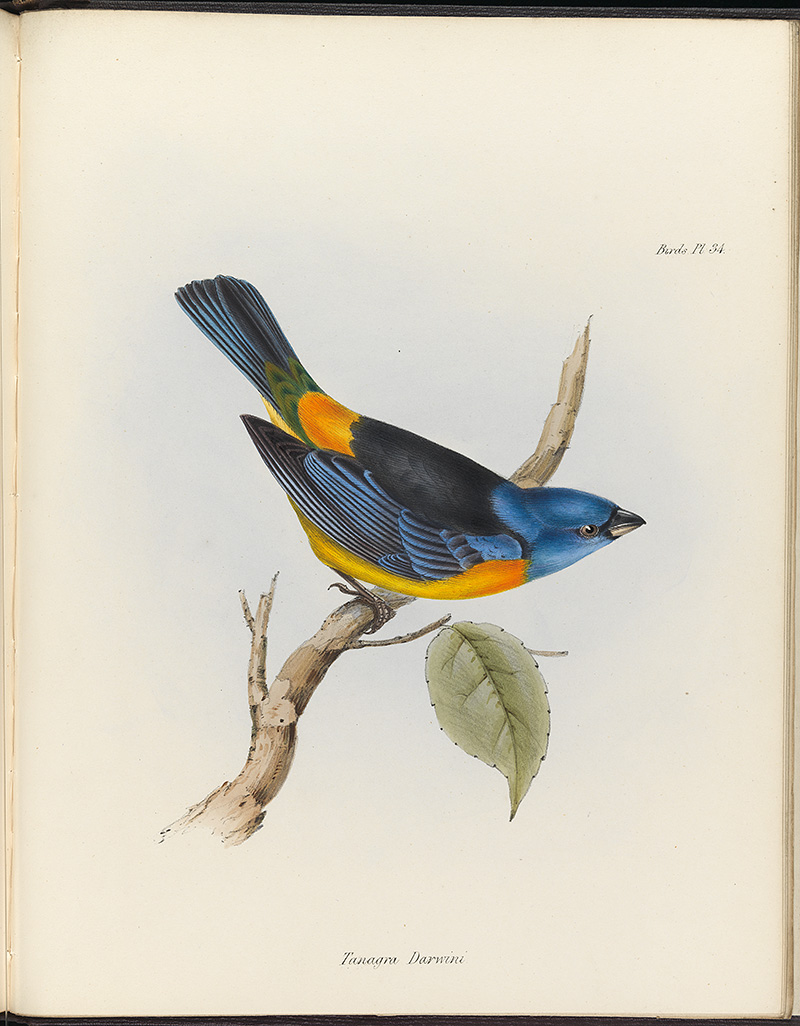
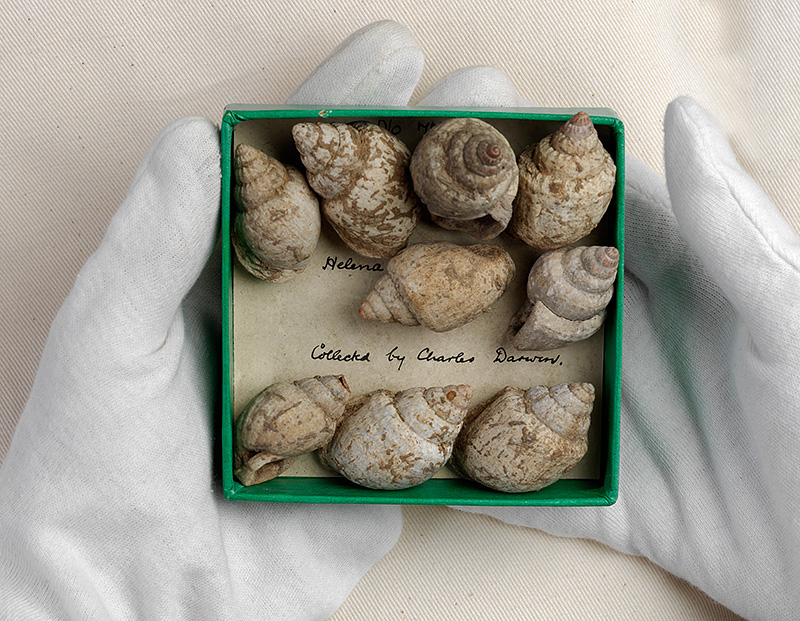
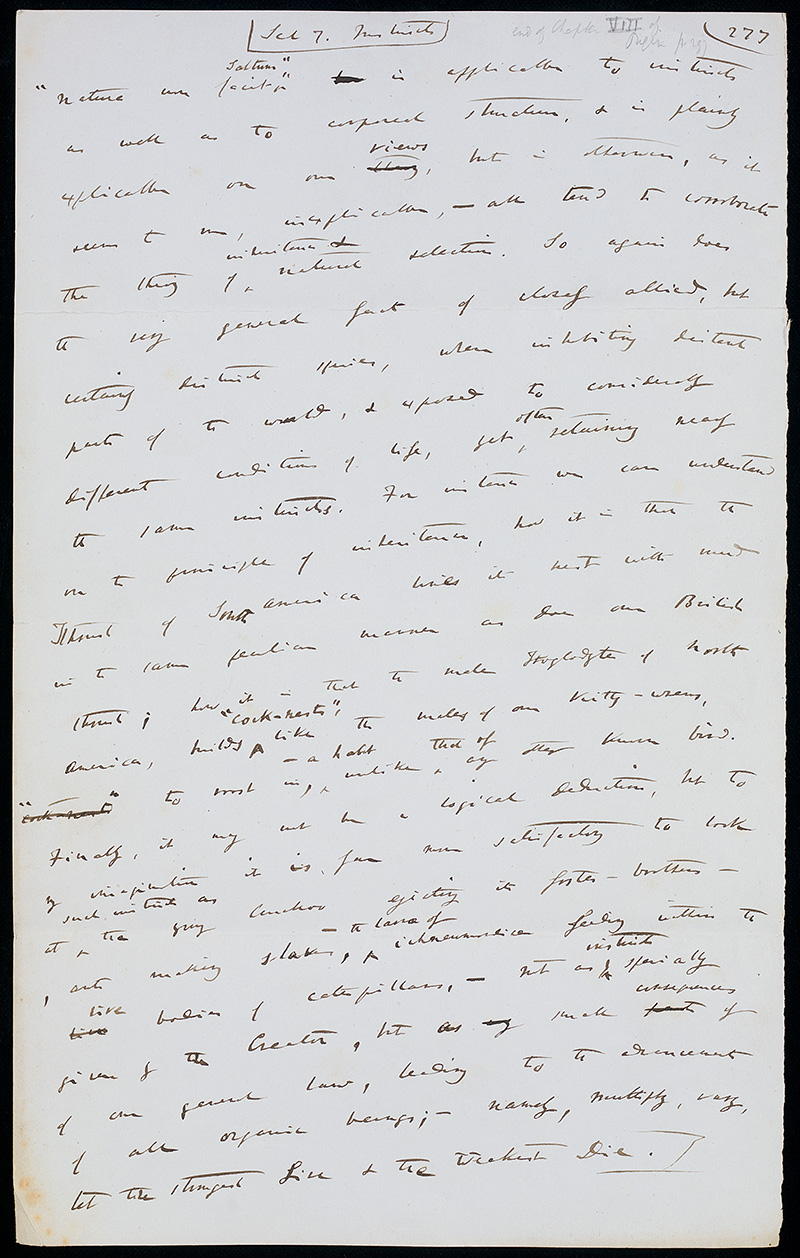
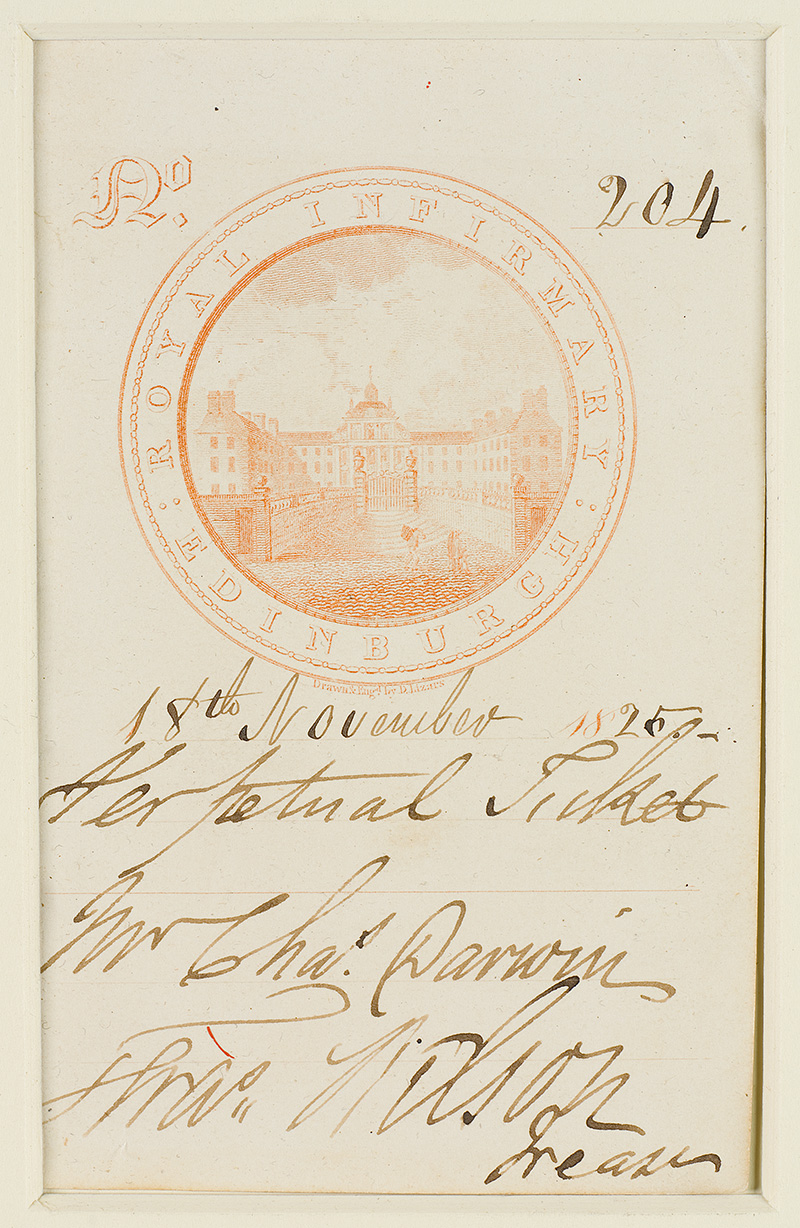
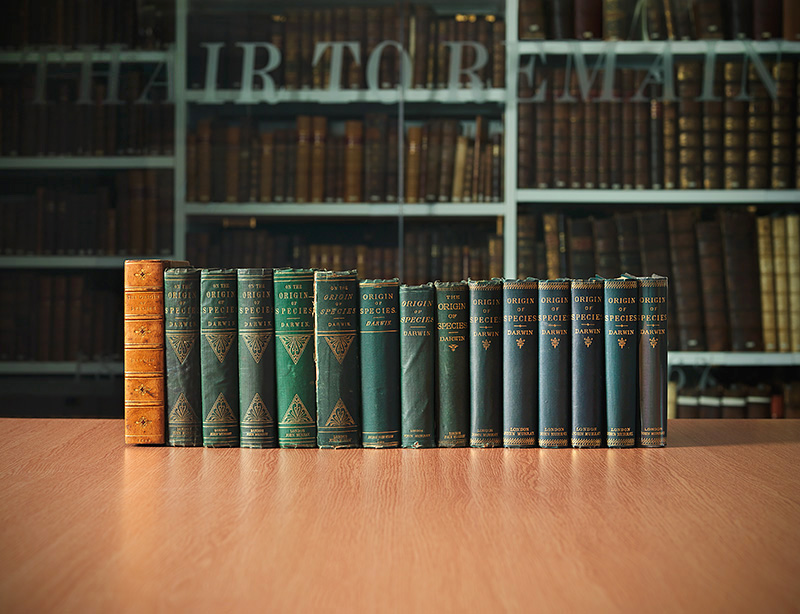
Over the years several Darwin originals have made their way to us for photography- a handwritten sheet from the manuscript of ‘On the Origin of Species’, his class cards, letters and recently some shells collected by Darwin during the voyage of the Beagle which had been rediscovered amongst Lyell’s geology collection. This week I was delighted to receive a whole trolley load of books from the Darwin collection which were being photographed in preparation for a printed catalogue. The Rare Books and Manuscripts team have already completed the online cataloguing (see their blog about this mini-project here http://libraryblogs.is.ed.ac.uk/blog/2013/08/30/darwins-voyage-of-discovery/ ).
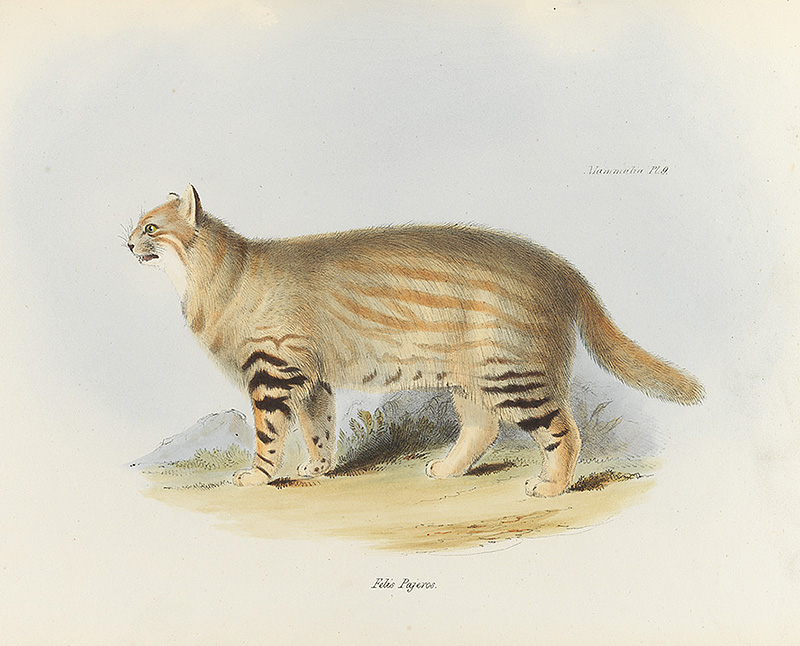
Much of what arrived in the DIU was from the Heiskell Darwin collection- a donation of first editions made to the University in 2012 from the Heiskell Bibliographical Foundation, although some beautiful plates from the ‘The Zoology of the Voyage of H.M.S. Beagle’ came from our existing collection. As our image archive of Darwin is growing, I thought it might be nice to show some of the highlights here.
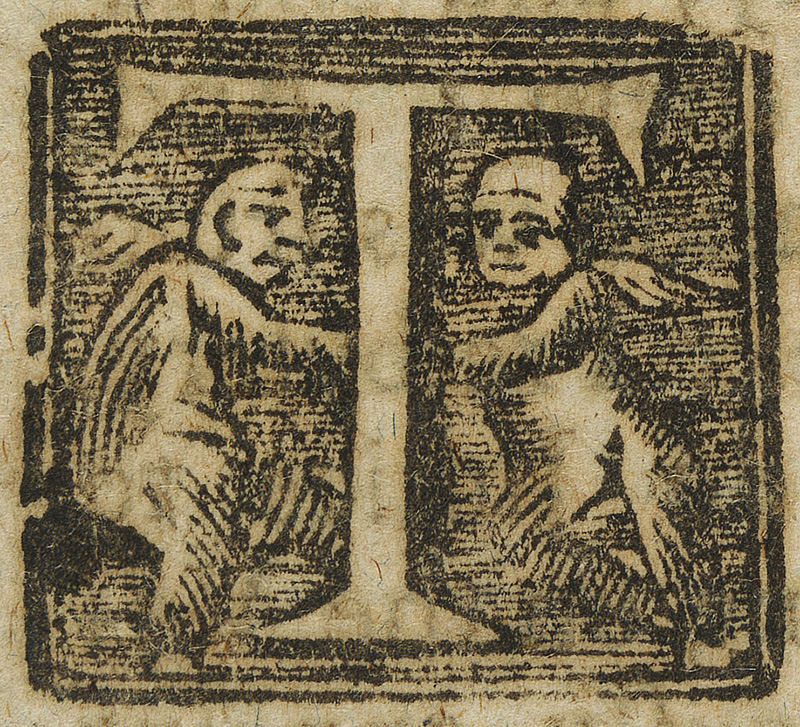
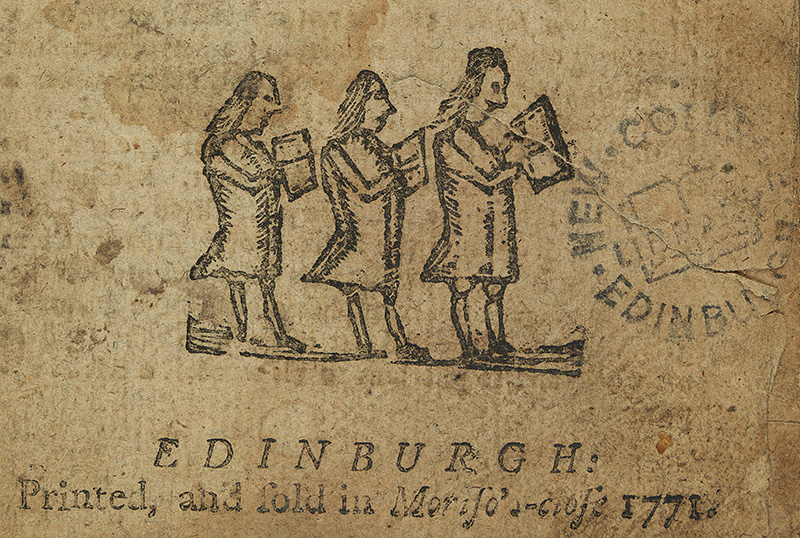
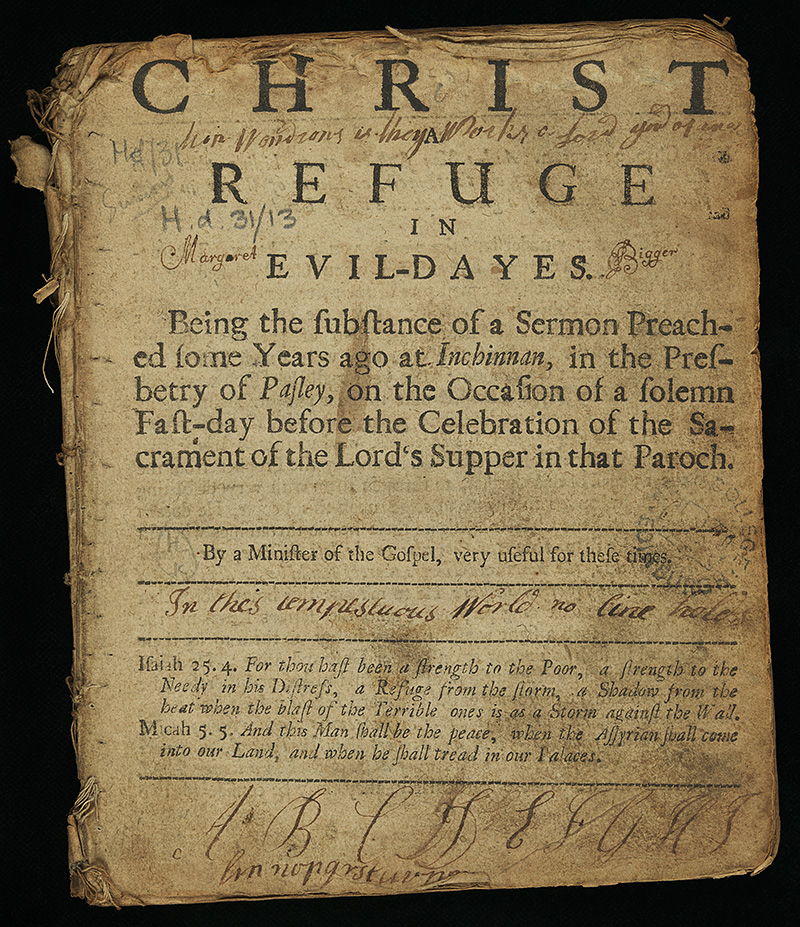
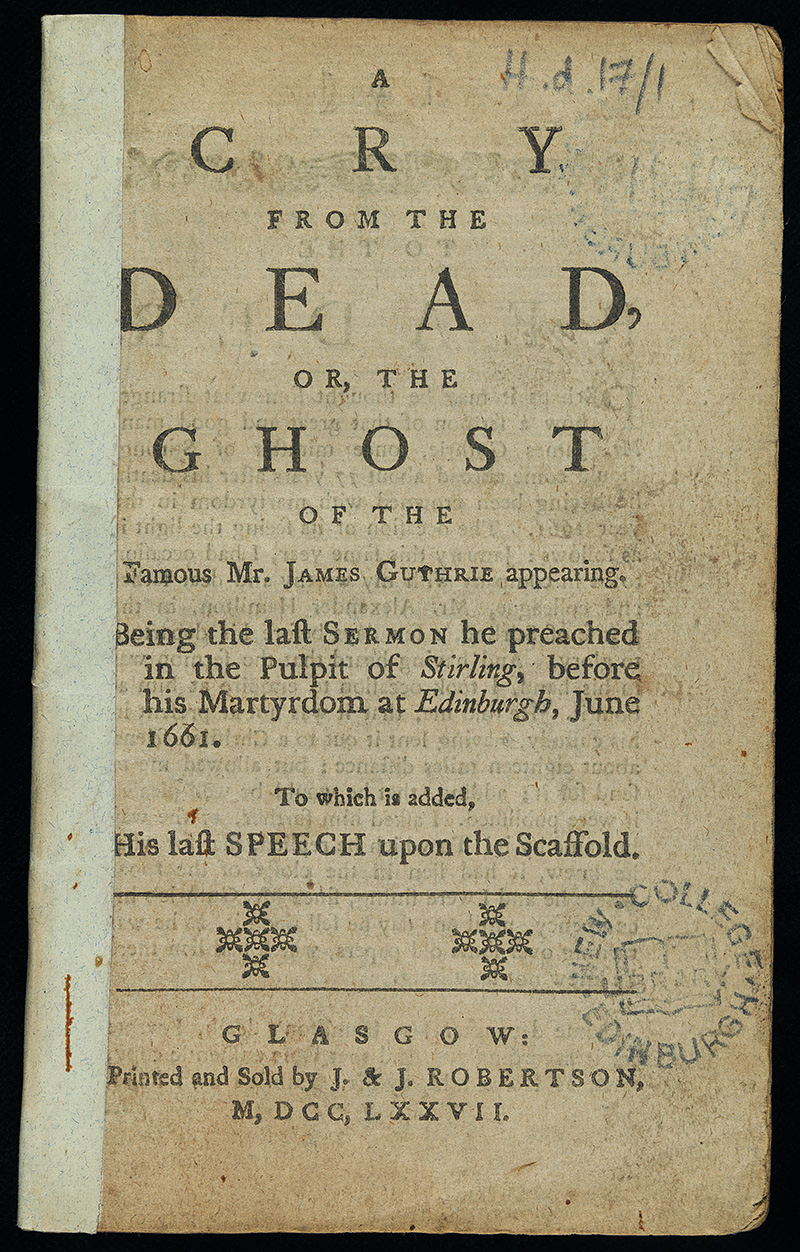
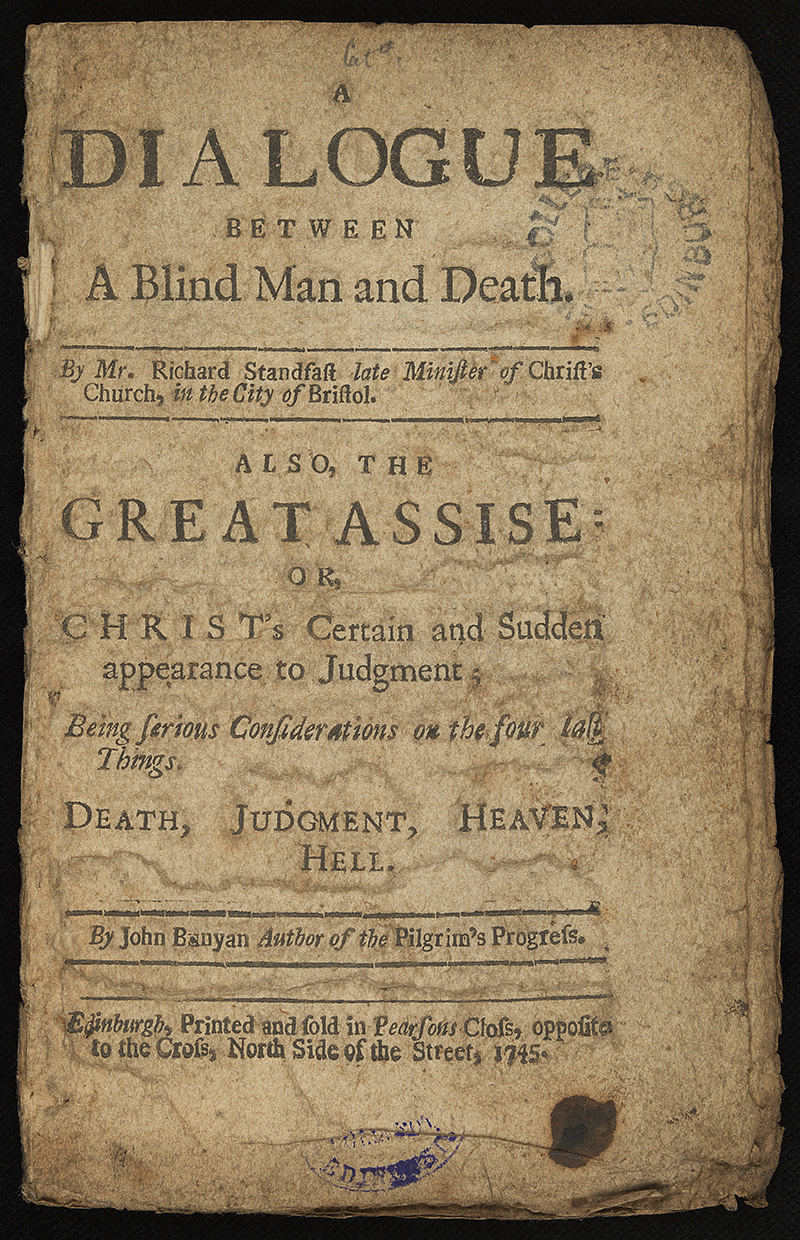
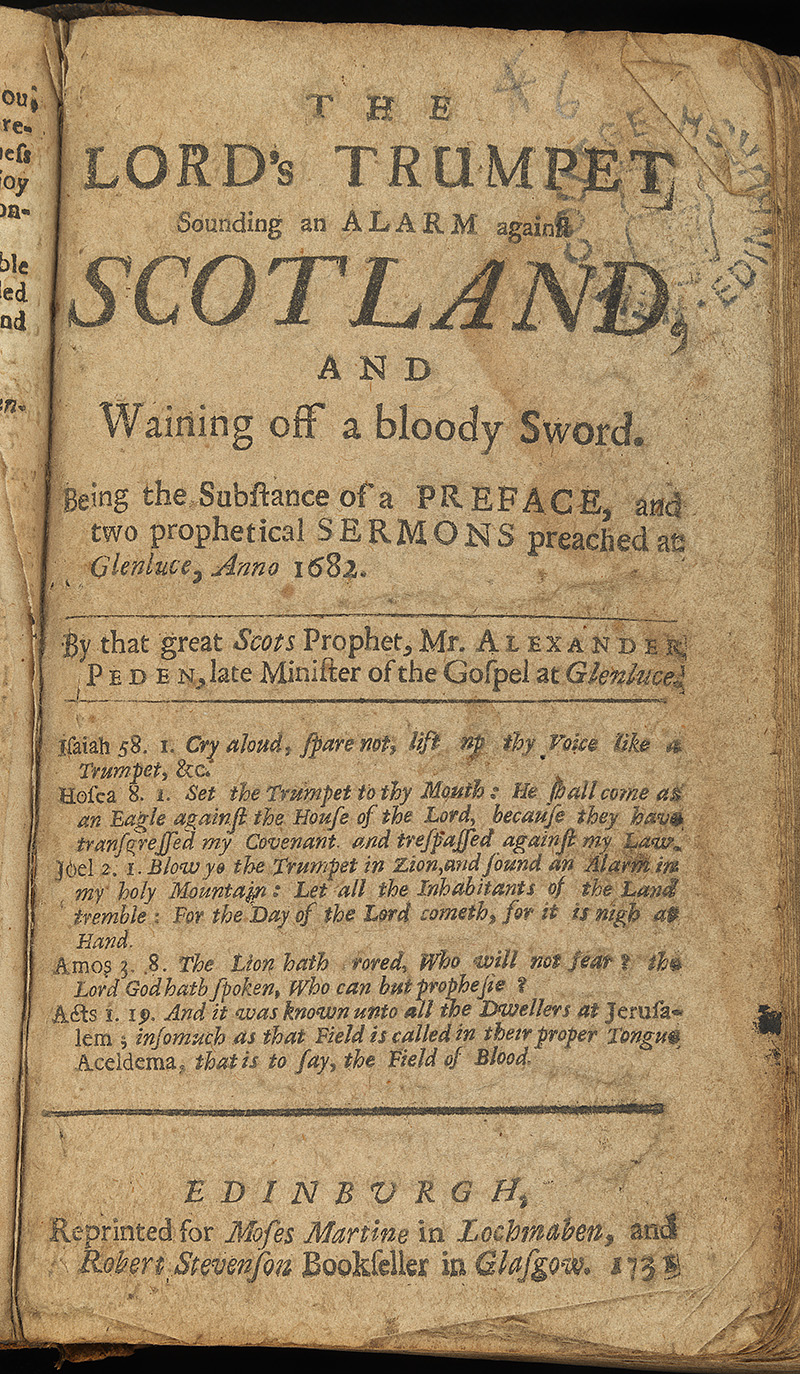
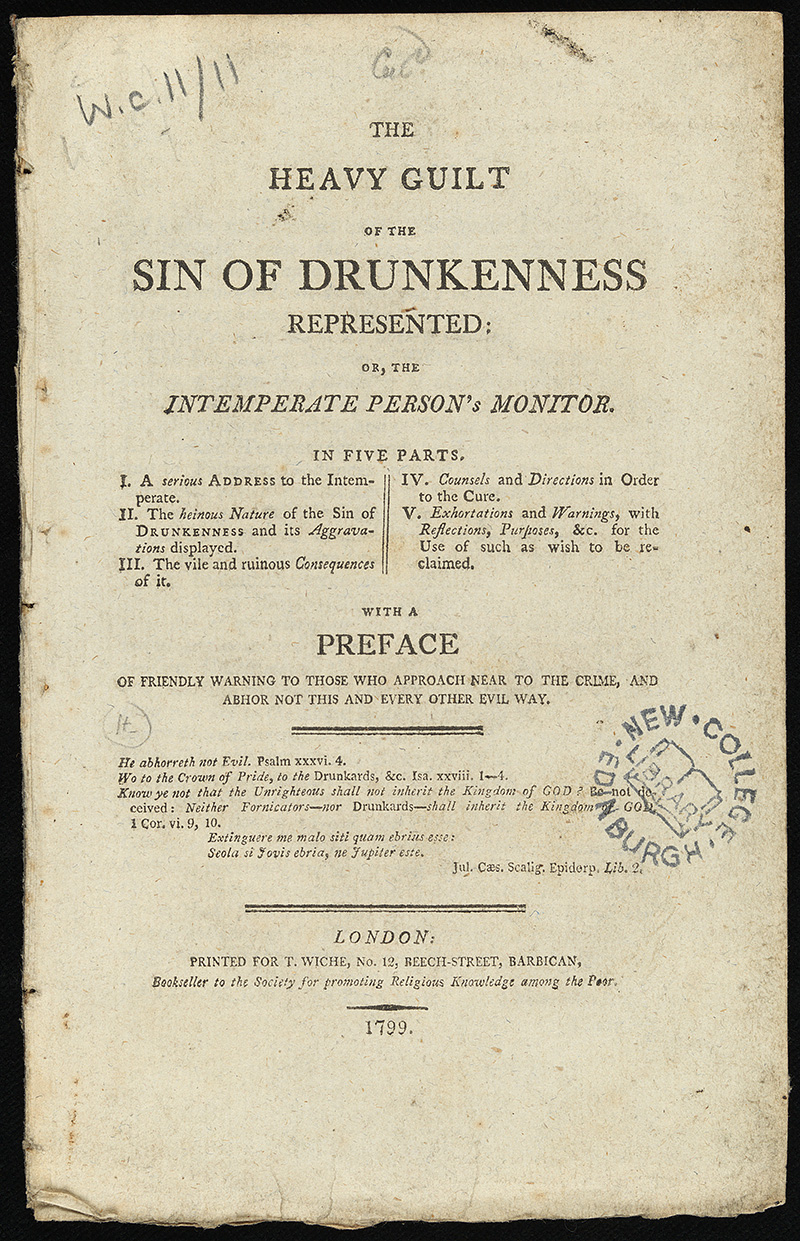
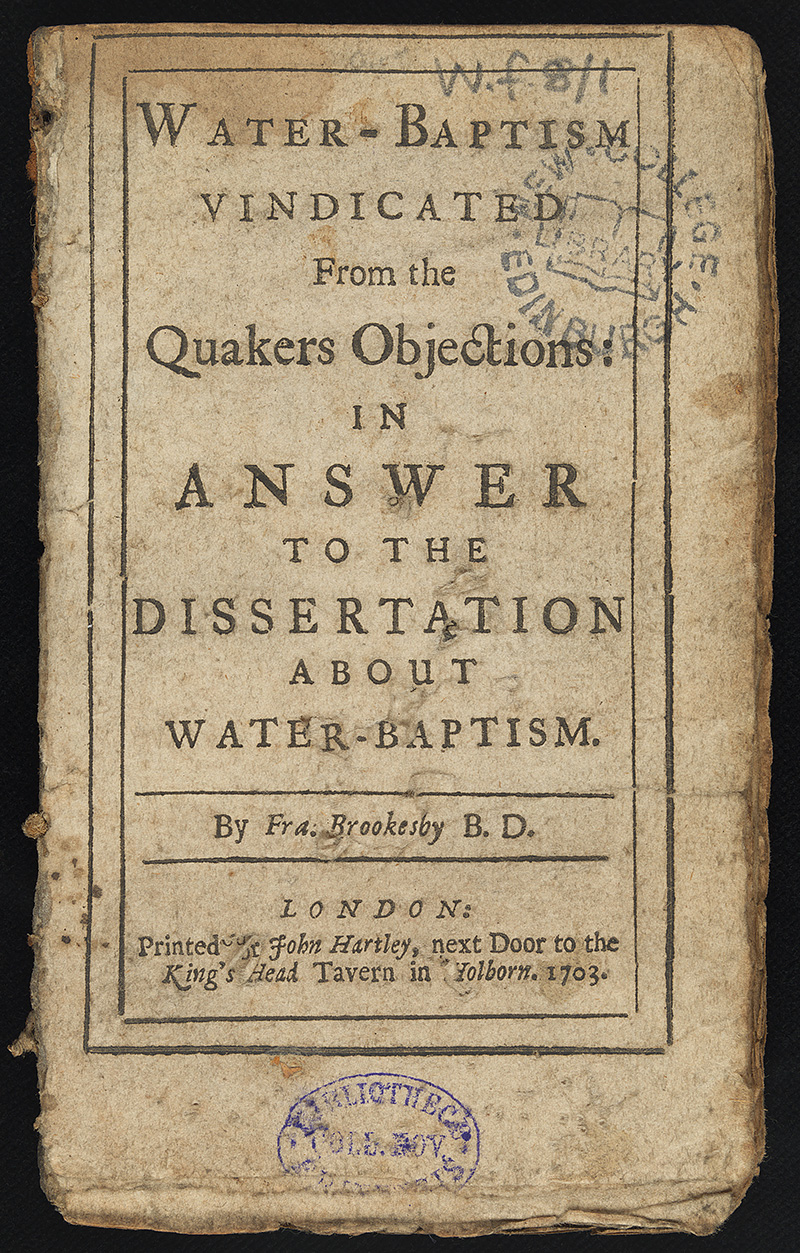
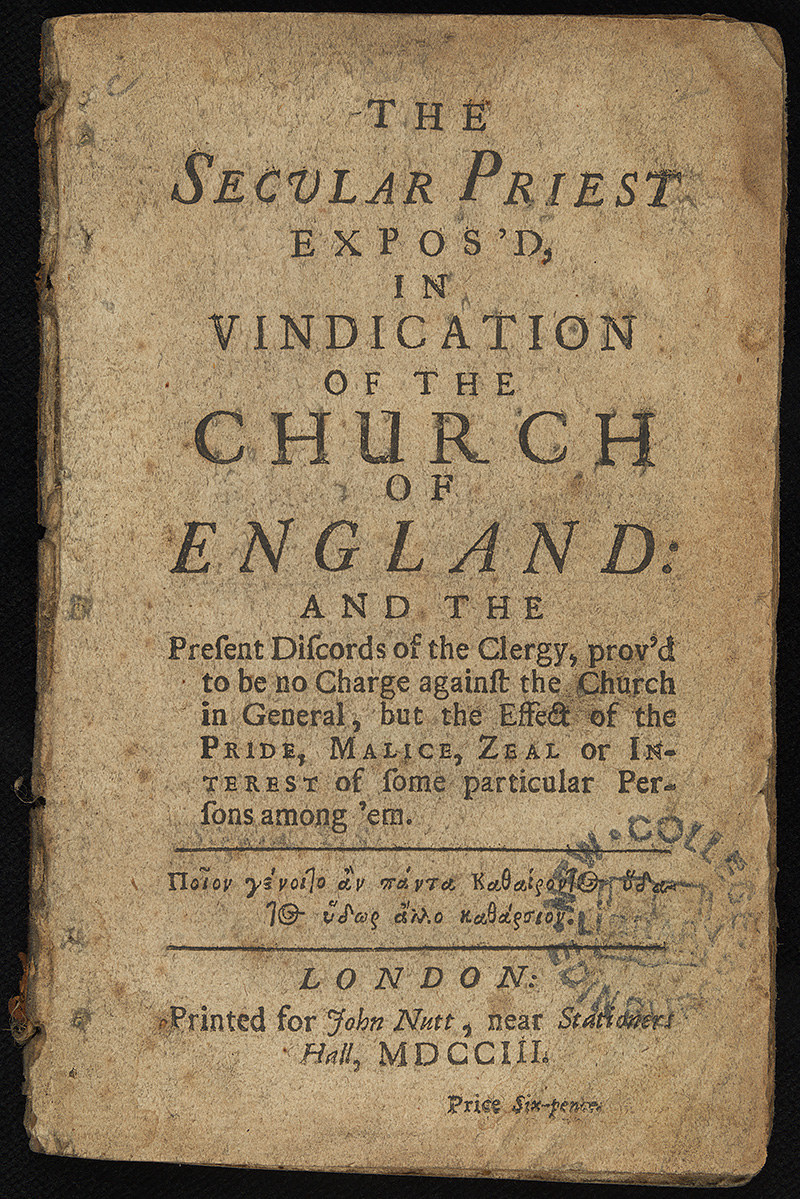
More Religious pamphlets for the English Short Title Catalogue (ESTC) came our way this week, mostly from New College Library. I always find the titles so fascinating, and some of them have lovely woodcut details too. The following are some of my favourites.
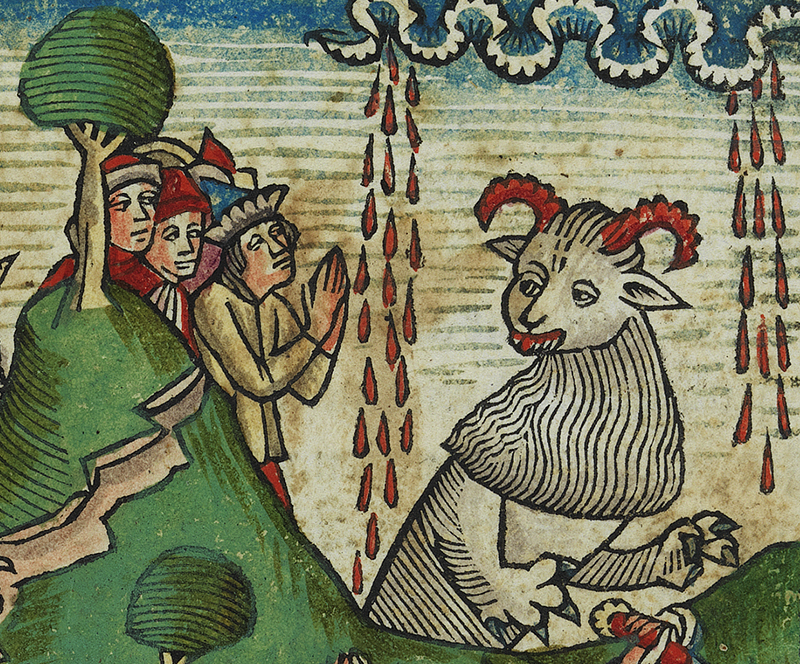
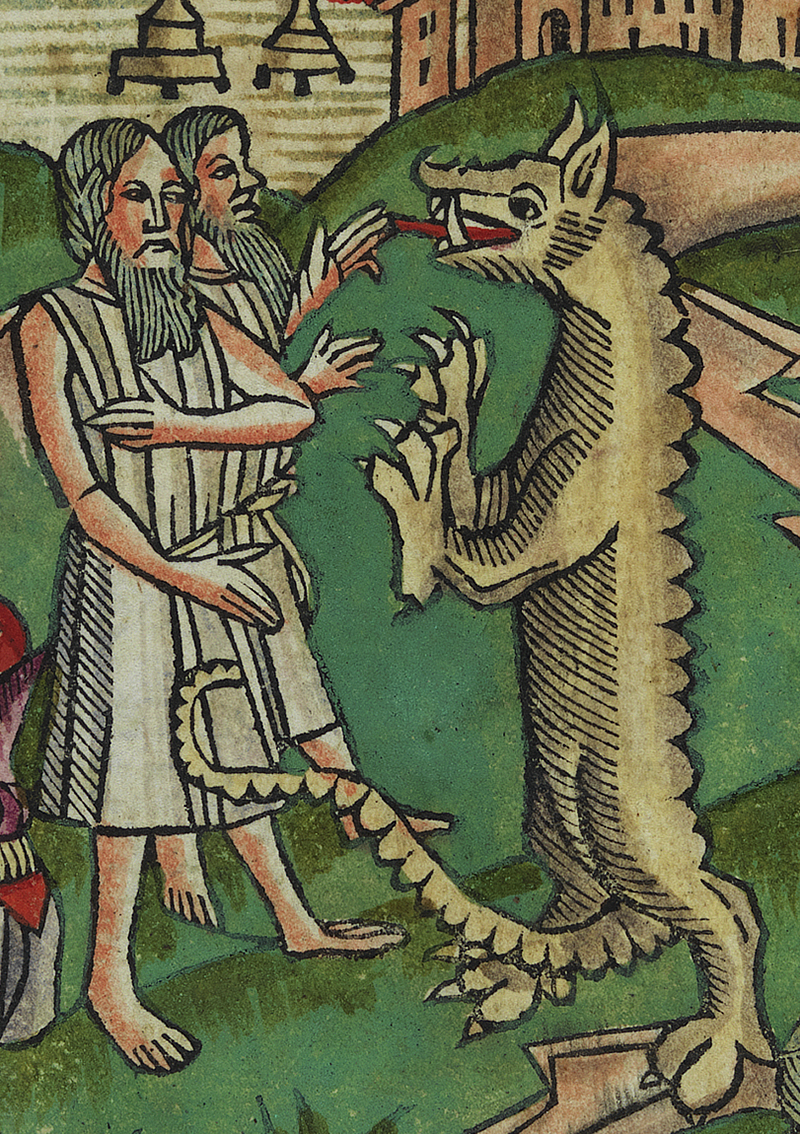
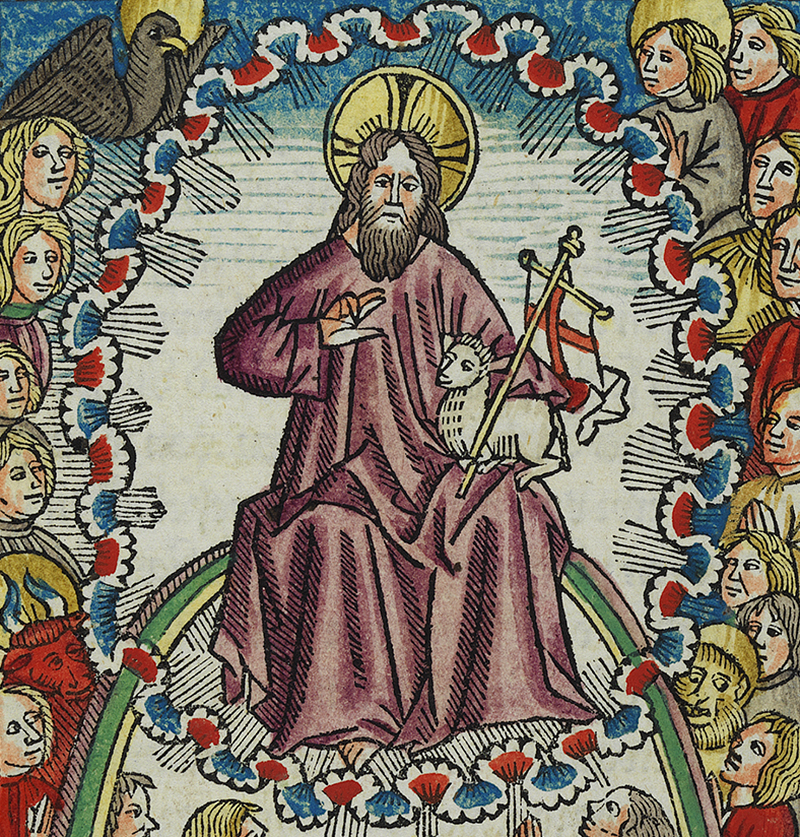
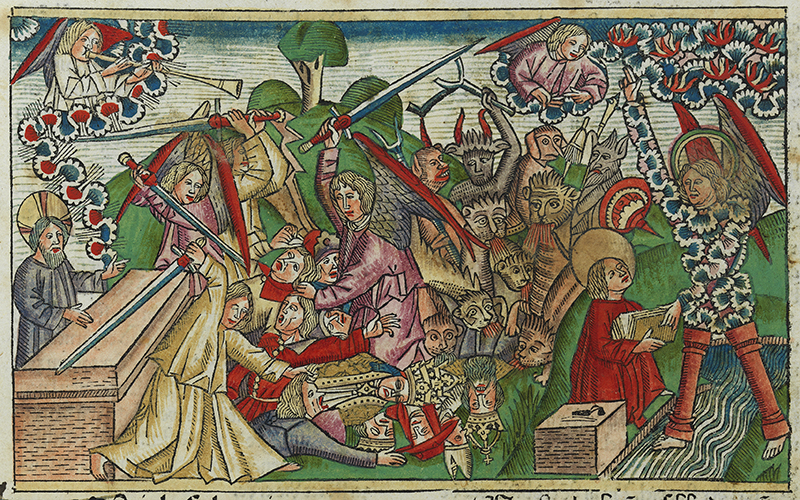
Recently the Digital Imaging Unit were asked to photograph all 8 illustrations from the book of the Apocalypse in Anton Koberger’s German Bible of 1483. Shelf-mark Inc.45.2. I have selected a few details from the illustrations here to demonstrate the quality of the line and its powerful descriptive impact. ” Koberger was the godfather of Albrecht Dürer, whose family lived on the same street. In the year before Dürer’s birth in 1471.” Giulia Bartrum, Albrecht Dürer and his Legacy, British Museum Press, 2002, pp 94-96, ISBN 0-7141-2633-0
Last week I was sent a wonderful book, Deletrix – a collaboration between the artist Joan Fontcuberta, Catalan PEN and Arts Santa Mònica and it explores censorship and violence done to books. Thought provoking, and beautifully illustrated with images that have a strange haunting quality- indeed Fontcuberta challenges the audience as to whether the inherent beauty of the object can redeem the violence done to them. It has got me thinking about the items in our collections that have suffered changes at the hands of censors over the years.
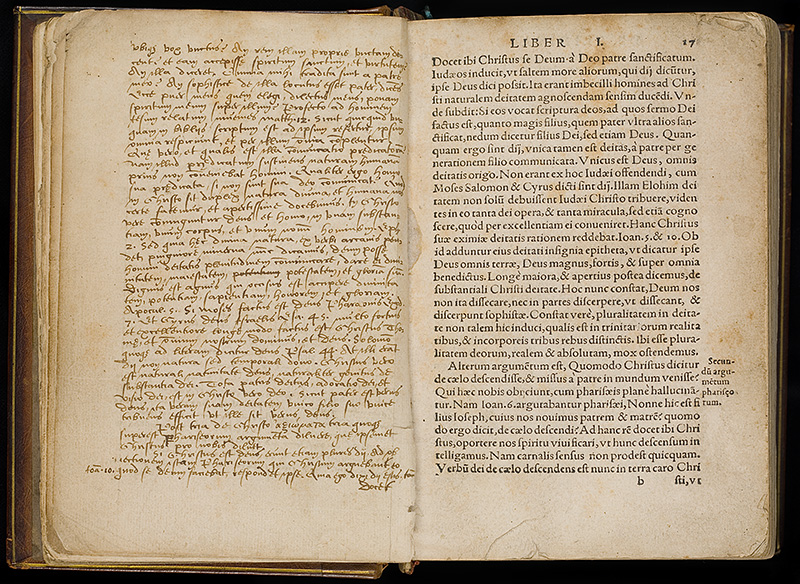
Perhaps the one that immediately springs to mind is Micheal Servetus’ Christianismi Restitutio http://images.is.ed.ac.uk/luna/servlet/s/tv7257. It is thought to be the copy Servetus sent to Calvin; incensed by Servetus’ theories, Calvin ripped out the first 16 pages before he set the wheels in motion to have Servetus burned at the stake using his own books for the fire! (See http://en.wikipedia.org/wiki/Michael_Servetus for more information).
The CRC Assistant Rare Books Librarian has been busy cataloguing books from the Edinburgh College of Art Collection again, and has sent a few our way to photograph for upcoming talks and publications.
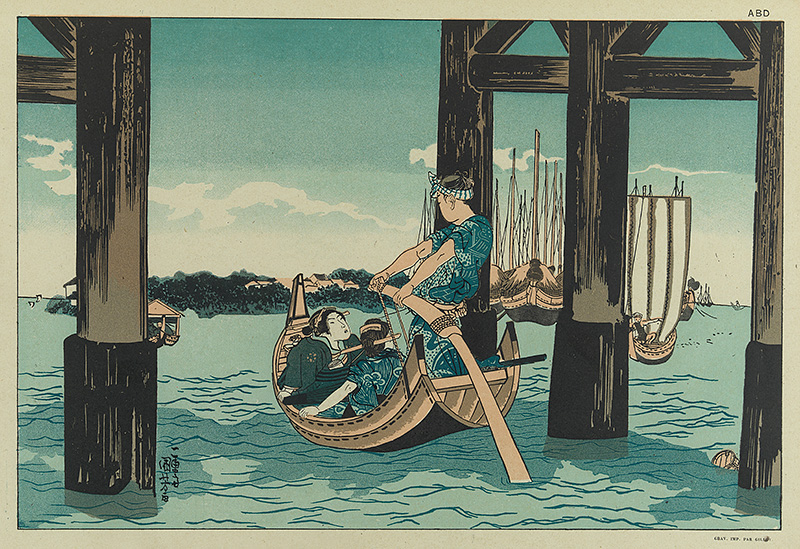
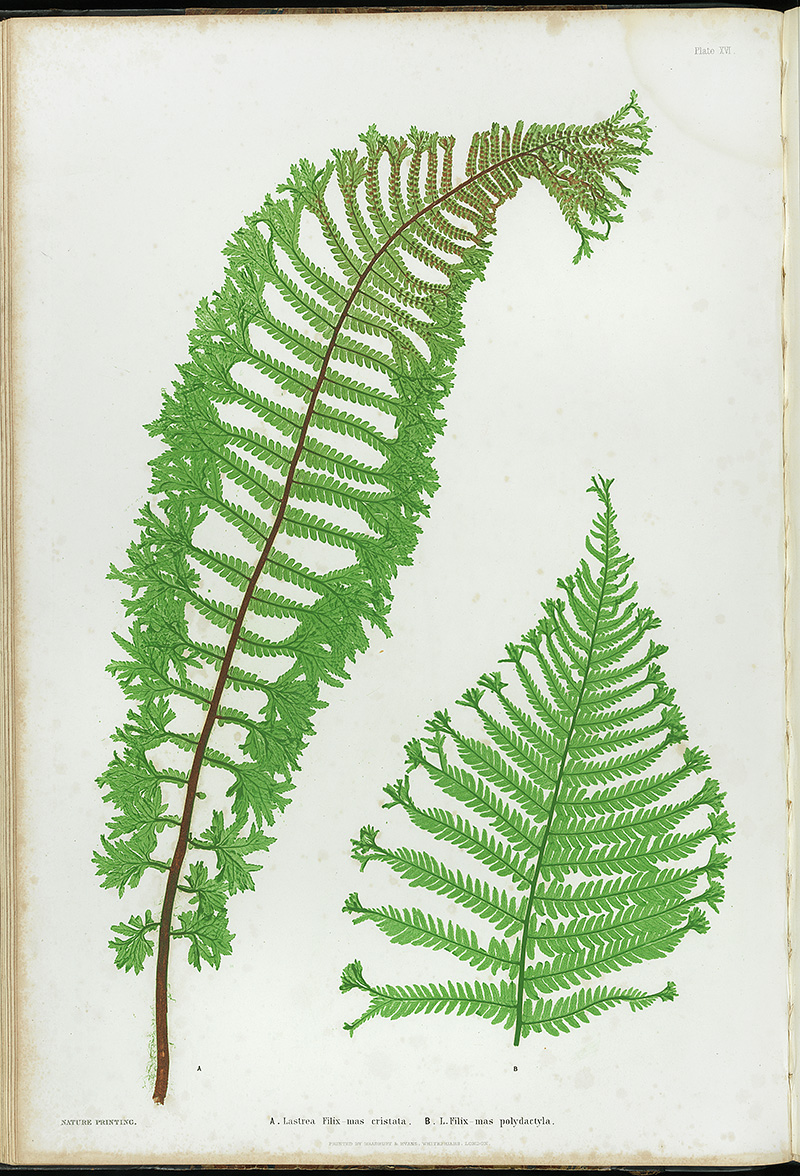
An amazingly diverse collection from 15th C. Sermons to etchings of Italian landscapes to 19th C. Japanese artistic review magazines and on to detailed plates of British Ferns, each book contains its own wonders.
Susan Pettigrew
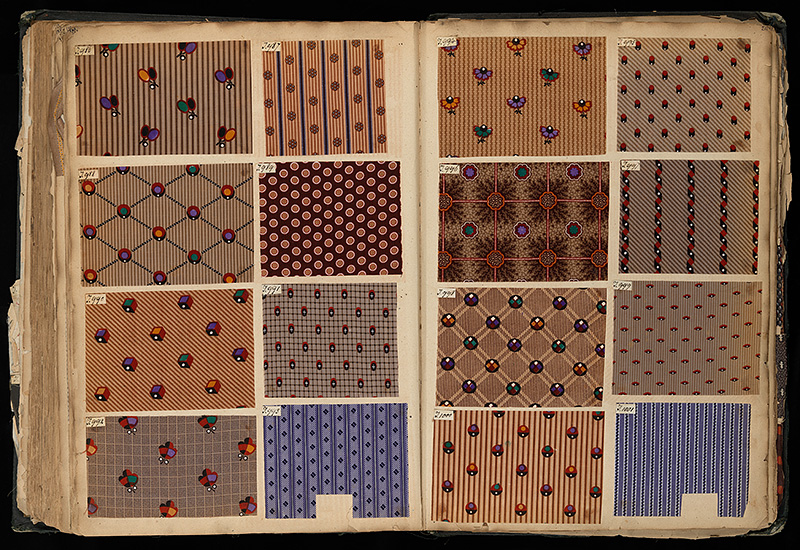
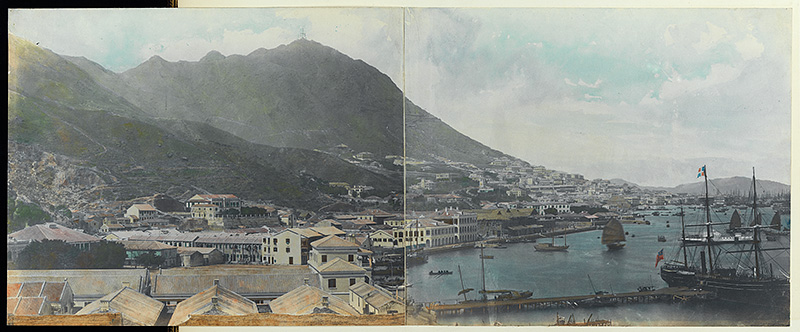
RECA.MS.26 Calico Samples Album, pp.200v-201rRECA.F.157 Le Japon Artistique, vol.3, no.17, pl.ABDRECA.FF.210 British Ferns, Moore, Thomas, pl.XVIRECA.MS.8 China, Hong Kong, Shanghai, Macao: Photographs Taken on Lord Elgin’s Diplomatic Mission and Military Campaign in China 1857 – 1861, p.52
This week we have been working on some Religious pamphlets for the English Short Title Catalogue. These have come from both the New College Library and here at the Centre for Research Collections, and some of them have the most delightful fire and brimstone titles.
This week, our post comes from Volunteer Jessica Macaulay and is about some of the exciting finds she has discovered while working on enriching the metadata in our Image Collection online http://images.is.ed.ac.uk/ . As this is Jessica’s last week, we would like to thank her for all her wonderful work & wish her all the best for her return to Canada.
When I first set out to write a blog post for the DIU I had originally wanted to focus on those works closely connected to Albrecht Dürer (1471-1528), the famous Renaissance artist out of Nuremberg. What I came across instead was collection of incunabula that represented the veritable network of key figures that were highly influential in Dürer’s early development. The most notable of these connections is that of Anton Koberger (1445-1513), who was not only Dürer’s godfather, but helped to arrange Dürer’s apprenticeship in the workshop of Michael Wolgemut (1434-1519).
The University of Edinburgh has a surprisingly large and varied collection of Koberger’s books shared between the CRC and New College Library. These collections include three different printings of Koberger’s Latin bible, and a copy of the stunning 1483 German bible (Inc.45.2) http://images.is.ed.ac.uk/luna/servlet/s/z1s8m5which reused 82 of the 109 woodcuts used by Henrich Quentell in his 1478 Low German bible printed in Cologne. Although these woodcuts predate Dürer’s apprenticeship, elements of their composition can be seen in his later works.
Another major work produced by Koberger, and perhaps the one that he is the most famous for, is that of the Nuremberg Chronicle. It was to my great delight to discover that the University ownsnot one of these books, but four, in a range of quality and finish (Inc.48.1/2 and Inc.48*). It is a rare opportunity to have so many of the same rare book at hand for ready comparison including one that has been stripped down that shows the book anatomically.
Michael Wolgemut and his stepson Wilhelm Pleydenwurff are known to have been responsible for woodcuts illustrating the Nuremberg Chronicle, and there has been considerable debate over whether or not Dürer is also responsible for some of the compositions. While many scholars suggest that the contract between Koberger and the patrons signed in 1491 was well after Dürer completed his apprenticeship at Wolgemut’s workshop, Loura Brooks reminds us that drawings for the woodblocks began in 1484. Dürer would have been apprenticing in Wolgemut’s workshop during this time and did contribute to the compositions, an account of which can be found in The Making of the Nuremberg Chronicle by Adrian Wilson.
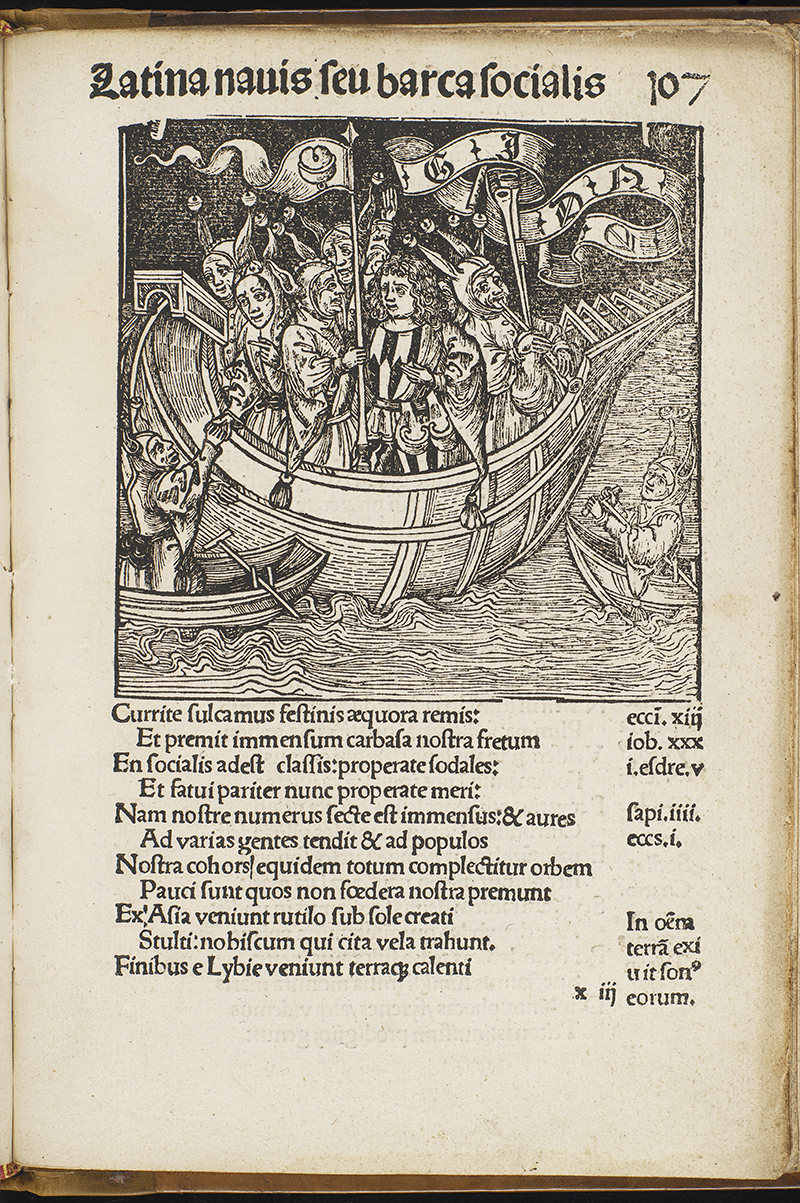
Another item that I came across with interesting ties to Dürer is Sebastian Brant’s Stultifera Navis or the Latin translation of Ship of Fools (Inc.13) http://images.is.ed.ac.uk/luna/servlet/s/a8126x . While the copy owned by the University of Edinburgh is a pirated copy printed by Johann Reinhard of Grüningen in 1497, it demonstrates the vast popularity of printed texts and particularly those with illustrations. Grüninger’s edition was published very shortly after one of Brant’s official editions, and within a few months Brant has printed another version with an additional section condemning pirated texts. Dürer worked closely with Brant to design the woodcuts accompanying the text, and nearly two thirds of the woodcuts in the first edition are attributed to Dürer.
Though there is very little of Dürer’s actual work housed in the collections there is much that informs on the network that helped to shape Dürer’s career, evidence of his early influences, and many exemplars from those that he worked with later in his career. Whether looking at Koberger’s bibles, the Nuremberg Chronicle, or Ship of Fools there are plenty of opportunities for new and exciting research.
Many thanks to Loura Brooks for fielding my many questions.
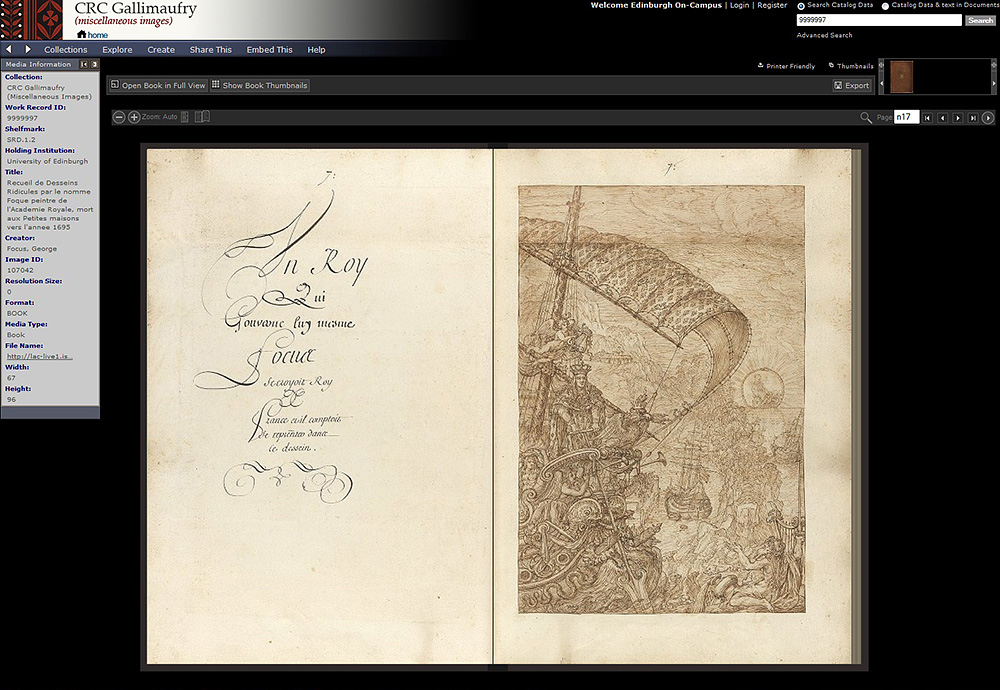
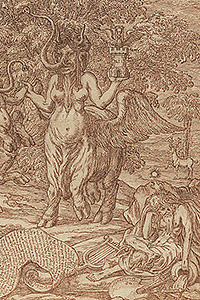
Last month we digitised the fantastic Recueil de Desseins Ridicules, 1695 by George Focus (shelfmark SRD.1.2) for an order, but were so fascinated by the images that we thought it worthy of further investigation. However, all we have really been able to find out is that he was born in Chateaudun circa 1639/40, that he was influenced by Nicolas Poussin & Gaspard Dughet & that he spent much of his adult life insane & “Confined to small houses” where he died in 1708.
The DIU would like to thank our Volunteer, Noah Salaman, for all the work he did prepping these images to go into the book reader software. We think this book has great potential for a crowd-sourcing project to transcribe & translate the text on each of the drawings- watch this space!