

Listening to experience and transforming endometriosis research

For millions of women worldwide, endometriosis is a daily reality marked by chronic pain, fatigue and a long search for answers. Affecting around one in ten women, the condition remains widely misunderstood, with diagnosis often taking years and treatment options limited.
At the University of Edinburgh, a pioneering research initiative is working to change that.
Led by Edinburgh alumnus Professor Andrew Horne, Director of the University’s Centre for Reproductive Health, together with Professor Philippa Saunders, the ENDO1000 study aims to transform understanding of endometriosis by combining cutting-edge science with the lived experiences of people who have the condition.
The project represents one of the most ambitious attempts yet to build a comprehensive picture of endometriosis – how it develops, how it affects individuals differently and how care could be improved in the future.
A new way of studying a complex disease
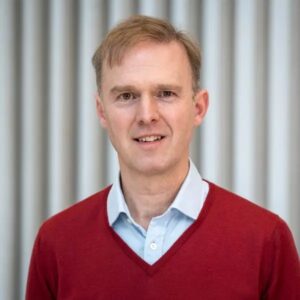
Professor Andrew Horne
Despite its prevalence, endometriosis has historically received relatively little research attention compared with other chronic conditions. Many patients experience years of symptoms before receiving a diagnosis, and treatment approaches remain limited.
ENDO1000 seeks to change this by gathering detailed data from participants across the UK. Through a specially designed digital platform (a bespoke ENDO1000 app), participants can log daily symptoms, treatments, lifestyle factors and experiences while also contributing home-collected biological samples and data from wearable devices.
By combining these sources of information, researchers will build a rich dataset that can be analysed using advanced computational tools, including artificial intelligence.
“Our goal is to generate a much deeper understanding of endometriosis,” says Professor Horne. “By combining biological samples, wearable technology and real-world symptom data, ENDO1000 allows us to study the condition in ways that have never been possible before. Ultimately, we hope this research will lead to faster diagnosis, better treatments and more personalised care.”
The study recently launched and has already attracted strong interest, with large numbers of participants signing up to contribute their experiences. Early engagement is helping researchers gather valuable data while demonstrating the appetite for more inclusive approaches to research.
Research shaped by lived experience
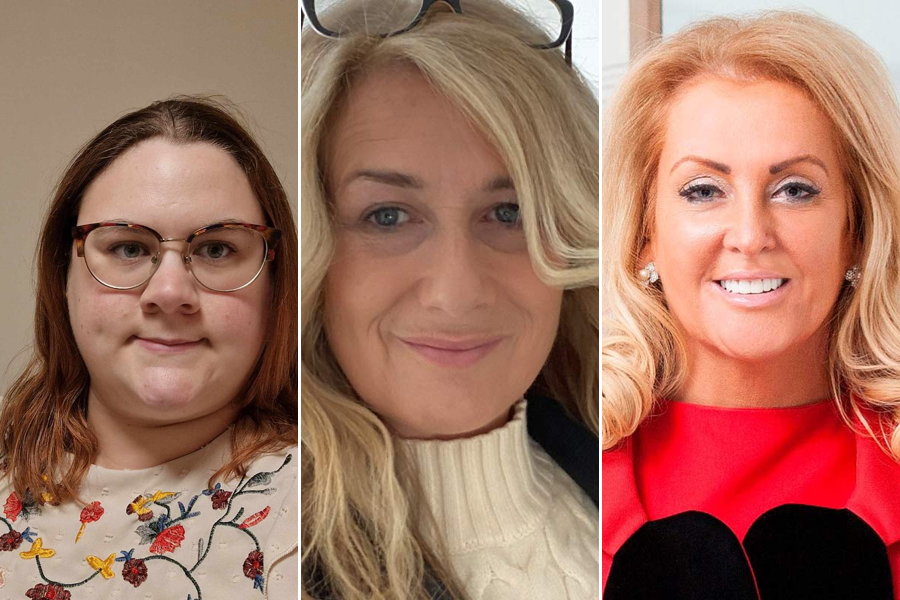
ENDO1000 ambassadors: Carrie, Candice and Marie
At the heart of ENDO1000 is a simple but powerful idea: the people living with the condition are experts in their own experiences.
Participants can take part in the study from home, reducing many of the barriers that traditionally limit involvement in medical research. This approach allows the project to reach people across the UK regardless of location, treatment pathway or stage of their endometriosis journey.
For nurse Carrie Wilson, who helped test the project’s digital tools during development, that accessibility is crucial.
“I am very excited about the launch of ENDO1000,” she says. “It gives the wider endometriosis community the opportunity to be involved in research that matters to them, no matter where they are in the UK.”
She adds that the project’s app has already helped her better understand her own condition.
“Having used the app in the early stages of development, it has been great and self-assuring for me to see physical data on my daily symptoms. I have used this at appointments and to help recognise patterns and potential triggers.”
Carrie believes the study reflects the complexity of the condition itself. “Endometriosis is much more than just pelvic pain and period pain. It’s a full-body disease that impacts each person differently – from digestive issues to fatigue and bladder symptoms. ENDO1000 takes all of this into account.”
A richer dataset for better care
For many advocates, the potential impact of the study lies in the depth of information it can generate.
Candice McKenzie, an ambassador for the project and founder of the Endo Warriors West Lothian support group, believes the data gathered could transform how endometriosis is diagnosed and treated.
“ENDO1000 has the potential to transform understanding of endometriosis by combining lived experience data with biological samples and wearable technology,” she says. “By building a rich dataset that can be analysed using AI, the study could help improve diagnosis, predict which treatments might work for different people and ultimately move us closer to personalised care.”
For the endometriosis community, says Candice, the project also represents something more personal.
“For so long people with endometriosis have waited to be listened to or believed, and this feels like a chance to be part of something proactive. It’s not just about an app, it’s about being counted and building something that could lead to real change.”
A movement built on collaboration
Beyond the laboratory, ENDO1000 is also powered by a growing movement of supporters committed to advancing research in women’s health.
Fundraising initiatives, community engagement and partnerships with trusts and foundations have played a crucial role in supporting the project. A major milestone came with the launch of the #TALKEndo campaign, which aims to raise awareness of the condition while supporting a £1 million fundraising drive for the study.
Marie Macklin, founding ambassador of the campaign, says the study’s launch marks a significant step forward.
“As the founding ambassador of #TALKEndo, ENDO1000, I’m incredibly proud to see the pioneering endometriosis research project at the University of Edinburgh reaching this important milestone,” she says.
But she emphasises that continued support will be essential.
“While this is a hugely positive step forward, there is still much work to do, from continuing to raise awareness of the condition to working with local and national governments to drive meaningful change for women in the UK and across the world.”
Looking ahead
As ENDO1000 gathers data and expands its community of participants, researchers hope the insights generated will pave the way for major advances in endometriosis care.
For Professor Horne and his team, the long-term vision is clear: earlier diagnosis, more effective treatments and a healthcare system better equipped to support people living with the condition.
Achieving that ambition will depend not only on scientific discovery but on the continued involvement of patients, advocates and supporters.
Through collaboration between researchers and the community, ENDO1000 is building a new model for how complex health challenges can be addressed — one that places lived experience at the centre of scientific progress.
And with ongoing support, the project could help deliver the breakthroughs the endometriosis community has been waiting for.
Philanthropy is vital to ensuring the success of ENDO1000
The ENDO1000 project is currently raising £1 million to include 1,000 women in the study. The cost per woman on the study is around £1,000 and although participants cannot pay to take part in the study everyone is welcome to make a donation or fundraise to ensure the project can recruit all 1,000 participants. If you are planning to host a fundraising event, taking part in an existing fundraising challenge or would like to discuss making a gift, please contact Leisa Thomas on cmvm-philanthropy@ed.ac.uk
You can also visit the ENDO1000 website for more information, or scan the QR CODE below:

All opinions expressed in this article are those of the individual and do not necessarily reflect those of the University of Edinburgh.

