Zixuan:
Before our final presentation, we assembled the VR headset in advance, and I drafted part of a short written introduction for our project. The aim was to help the audience quickly understand the core concept and structure of our work before engaging with the immersive experience.
In the introduction, we first explained the main theme of the project: an immersive auditory experience from a dog’s perspective. We then guided the audience through the two main sections of the piece:
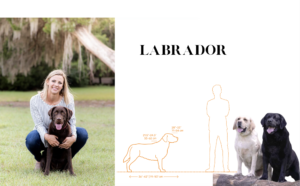
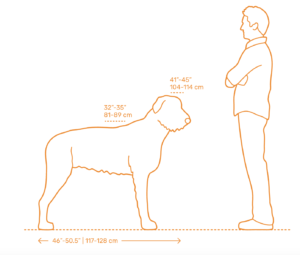
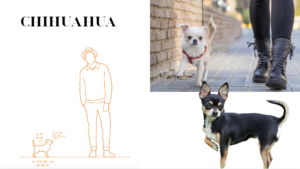
The first part explores the auditory differences between large and small dogs, comparing how they perceive spatial sound and frequency sensitivity within the same environment, highlighting how body size can affect hearing.
The second part focuses on the auditory perception differences between blind and deaf dogs, using specially designed soundscapes to simulate how sensory loss might lead to compensation or disorientation in their hearing experience.
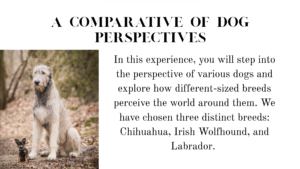
After I finished the first draft of the text, Carly edited and refined the wording, selected appropriate images, and arranged the content into a visually coherent layout. Finally, we printed and laminated the introduction as a physical handout, which was displayed next to our setup during the presentation for visitors to read before engaging with the work.
Carly:
I started from Zixuan’s draft and curated the rest of the text. With the approval of both Zixuan and Ruiqi, I selected the images and created the presentation in Canva. I printed it at my accommodation, and we decided to laminate it to make it more durable and resistant to the weather. We also considered that laminating is available for free at the library.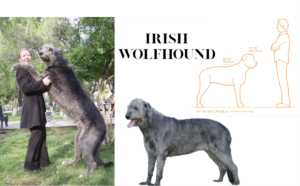
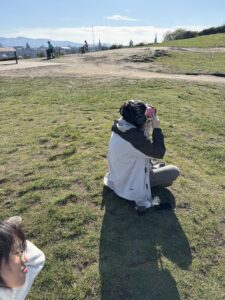
After laminating, we went to Calton Hill with the VR Headset, headphones, and dog toys to test if it worked. Glad to say it did.