Any views expressed within media held on this service are those of the contributors, should not be taken as approved or endorsed by the University, and do not necessarily reflect the views of the University in respect of any particular issue.

On the day of the exhibition

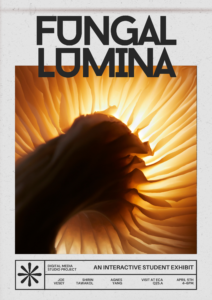
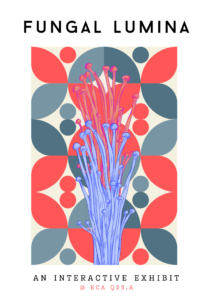
Our team officially commenced the exhibition in Room Q25 at ECA on April 5th at 3:30 PM. Despite encountering some unforeseen circumstances during setup, we swiftly addressed and rectified the issues to ensure the smooth progression of the exhibition.
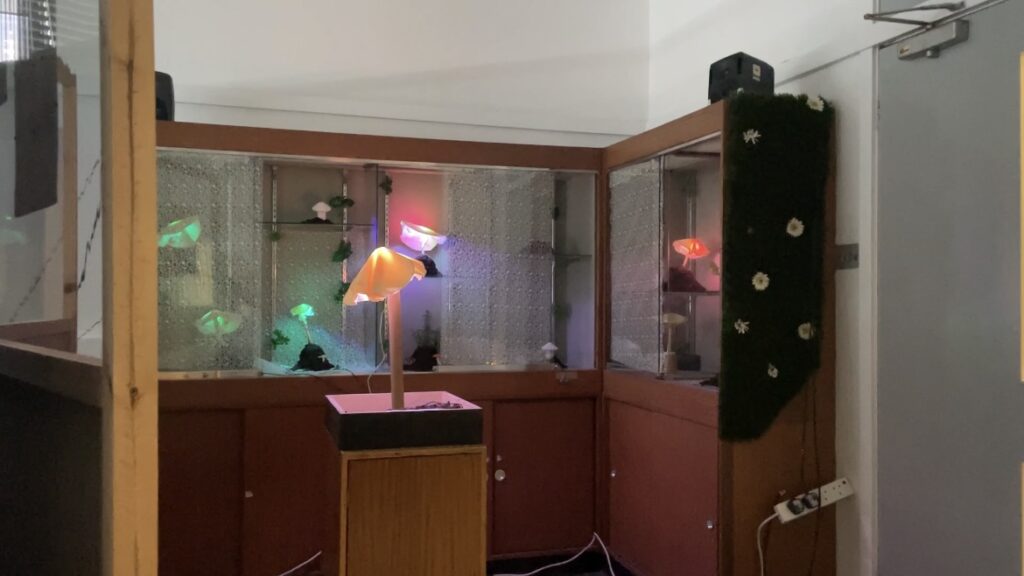
Throughout the event, JOE monitored the status of our equipment, while Shirin and I were responsible for providing explanations to visitors and assisting with on-site photography. Additionally, Shirin took charge of collecting feedback from visitors.
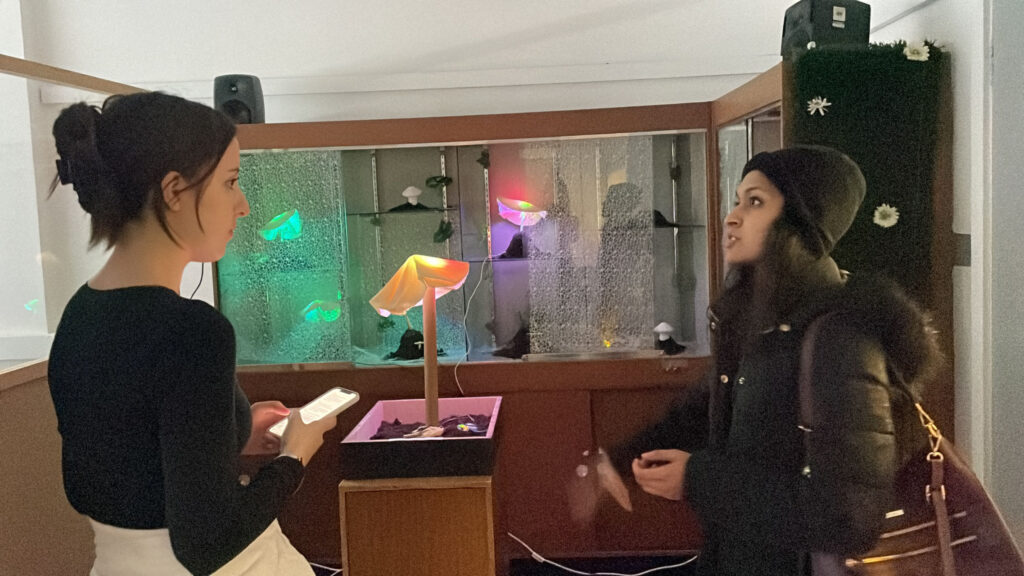
Based on the on-site conditions and real-time feedback from visitors, we reached the following conclusions:

  1. Our art installation received consistent praise for its visual lighting effects, with attendees expressing high admiration.
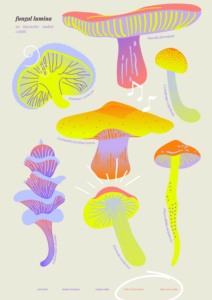
  2. We successfully created a captivating and engaging atmosphere with psychedelic mushroom themes, which greatly enhanced the exhibition’s appeal.
  3. However, we acknowledged areas for improvement in the interactive aspect, recognizing the need for clearer guidance on how visitors can interact with the installation.
  4. Furthermore, visitors expressed expectations for our technical components to operate more reliably.

These insights are invaluable to our team and provide valuable guidance for our future endeavors. They will help us approach artistic creation with greater confidence and aspire to higher standards.

I was pleasantly surprised when, on the day after the exhibition ended, a visitor approached me privately to express her newfound interest in mycology and fungal networks sparked by our work, expressing a desire to delve deeper into related topics. Such positive feedback further motivates us to continue exploring and creating.
Exhibition site setup

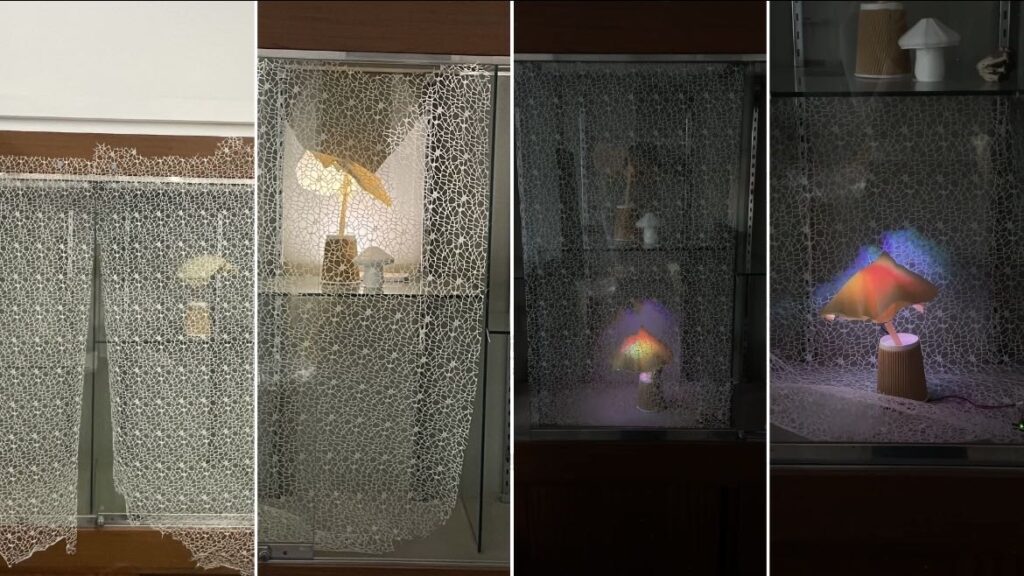
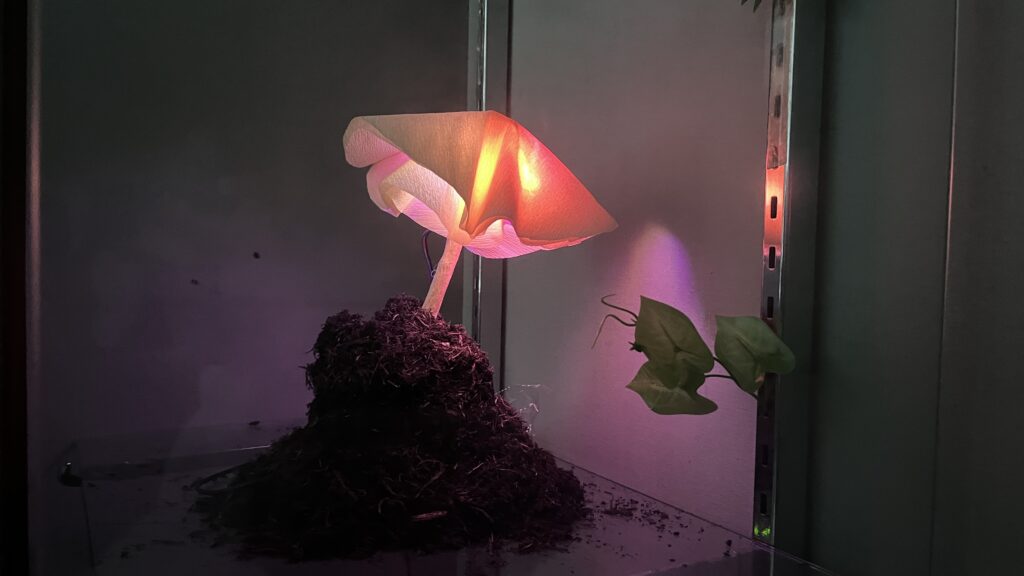
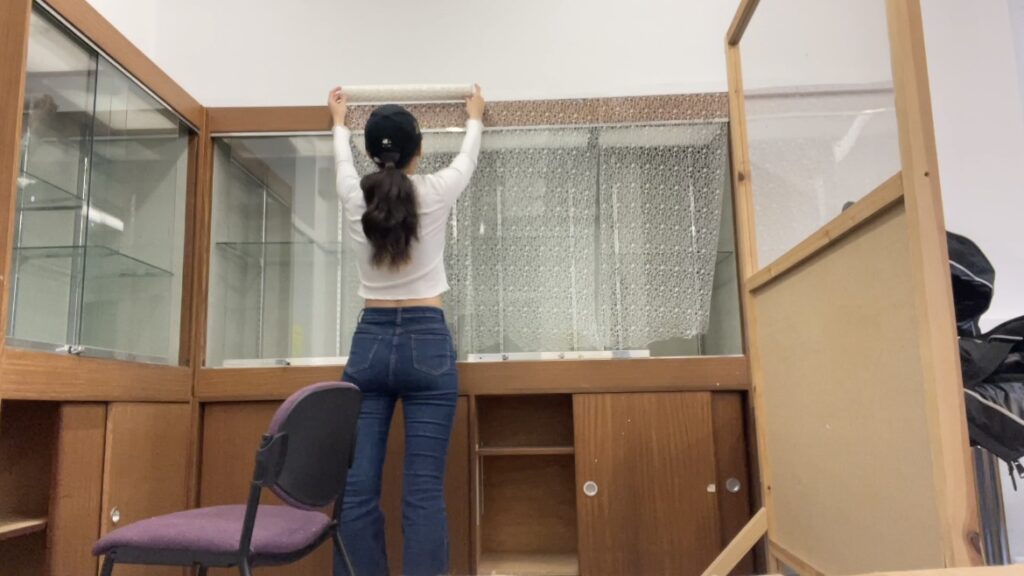
We finally chose a set of glass cabinets for display at Q25.
Since this is a rather special exhibition venue, we have arranged it more carefully.
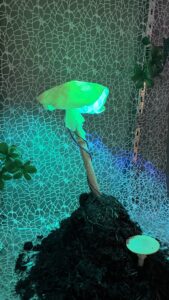
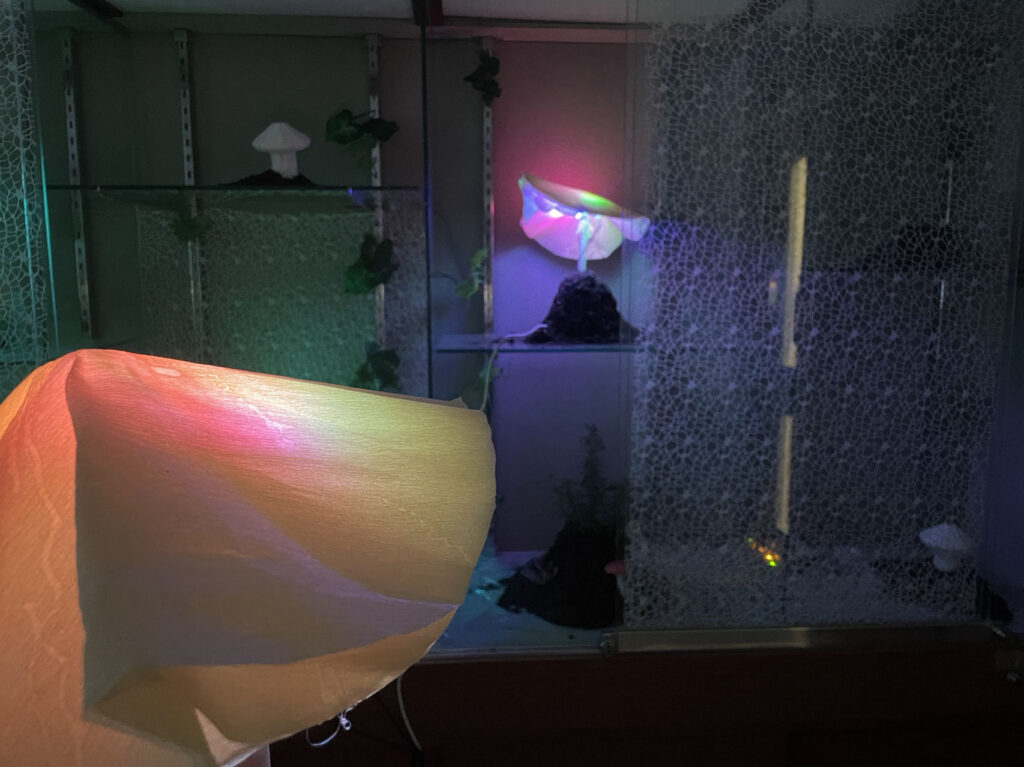
We tried and compared different layout plans, such as placing mesh fibre cloth, to enrich the visual hierarchy without disturbing the vision. Also, how to better use the glass that comes with the cabinets to enhance the final display effect of our art installations.

In-depth on-site research and analysis were conducted taking into account the layout and lighting conditions of the exhibition space. Our approach goes beyond installation and placement. Instead, we carefully designed the positioning and arrangement of each element through repeated experimentation and adjustments. In terms of lighting, we explored different colour schemes and brightness levels to establish the mood and effect best suited to the exhibits.

These efforts are not only to display our artwork but also to fully immerse the audience in the art space, thereby generating deeper aesthetic participation and emotional resonance.

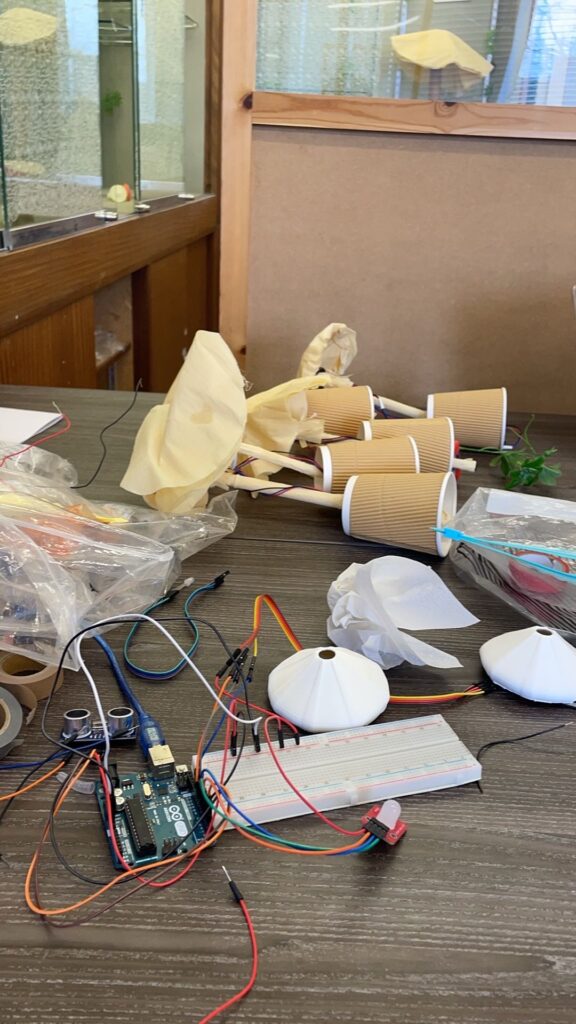
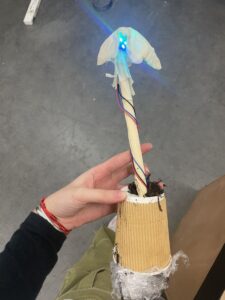
In the parts section, we also paid close attention to details. For example, using paper cups as bases helps us better manage messy wires.

Part about Arduino and sensors

To increase the variety of interactions and make them not just focused on the main mushroom, I proposed adding an ultrasonic sensor part.

In terms of technology, I specifically utilized the Arduino platform, ultrasonic sensors, and LED bulbs.

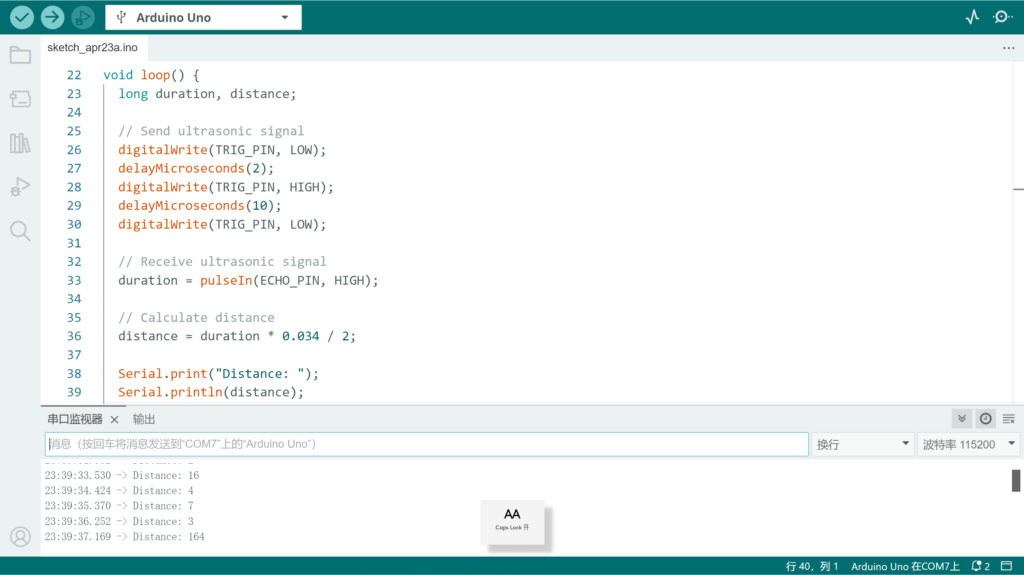
The code runs sequentially, first reading data from the ultrasonic sensor. This type of sensor can measure the distance of objects in a single direction (not limited to objects with biological characteristics). Then, based on the user experience designed by our group, usable distance ranges were determined.

Regarding the participant experience, our group’s creative intent was to express how human activities impact the routine biological activities and living environment of mycorrhizal communities. We personified this concept by attributing a notion of “safe social distance” to mushrooms: they remain unaffected beyond a certain social distance, and they coexist peacefully within the safe social distance, but crossing this threshold triggers alertness and discomfort in the mushrooms.

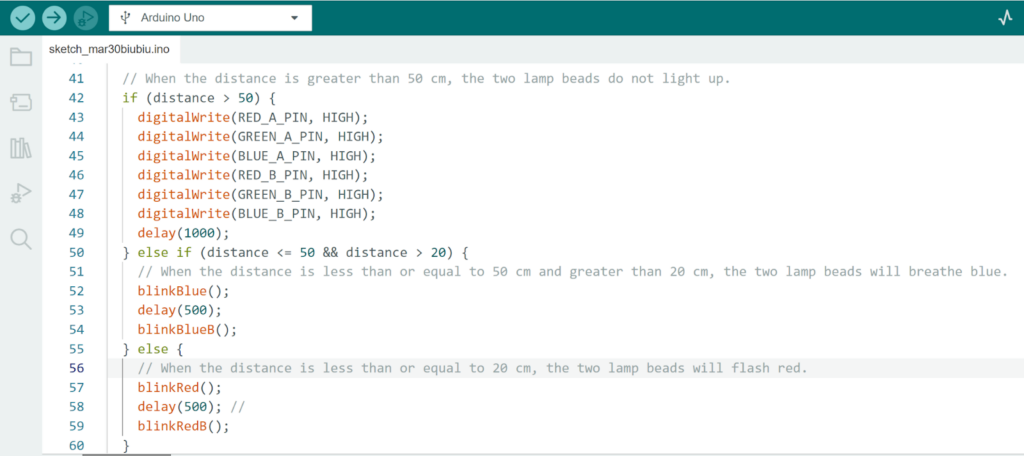
Therefore, in the program, I used 50 centimetres and 20 centimetres as critical values to divide the distances into three intervals: the “no social interaction” range (50,+∞), the “safe social distance” range (20,50], and the “alert/discomfort/danger” range [20,0]. Then, I employed if statements to correspond to the lighting conditions within each distance interval: no light (no social range), pulsating blue light (safe social range), and flashing red light (alert/discomfort/danger range). Through this approach, when participants interact with the art installation, we convey the concept of mushroom social activity distance using the visual effects of the lights more effectively.

I first did the experiment with a single LED, and after success, I changed it to two LEDs for linkage control.

Final display and feedback

05/04/24

Final set-up:

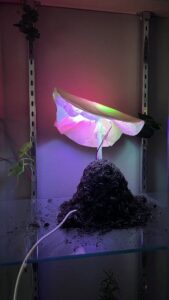
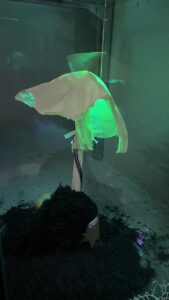
The cabinets were arranged with meticulous detail, housing a total of 6 mushroom nodes. Each node featured a Neopixel linked to an M5 Stick. Additionally, two 3D-printed mushrooms were integrated, designed to respond to proximity sensors. Complementing the digital elements were three real potted plants—Rosemary, Asparagus Fern, and Curly Grass—to add natural vibrancy to the space. To conceal the wiring and ensure safety, soil was delicately placed to cover the cups containing each mushroom and its power cables. Furthermore, artificial plants and mushrooms were strategically placed for aesthetic enhancement. Finally, to add an ethereal touch, portions of the cabinet windows were covered with a fibrous cloth resembling mycelium, creating a captivating silhouette effect when illuminated by the mushrooms.

Mushroom with led, sensor and cables in a cup.

While there were initial technical challenges that delayed the exhibition’s commencement, these were swiftly addressed, resulting in a seamless experience for visitors.

Summary of User Feedback:

Prof. Jules:
– Appreciates the pulsing effect synchronized with the lights.
– Suggests that while the sound represents the mushrooms well, it could also reflect the broader ecosystem.
– Recommends incorporating mirrors for a more immersive experience.

Prof. Andrew:
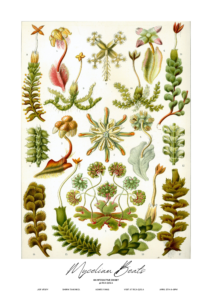
– Enjoys the installation’s overall aesthetic, reminiscent of old-school botanical specimens.
– Finds the installation beautiful but notes that the Mother Mushroom could be more convincing.
– Finds the user experience (UX) challenging and suggests adding more proximity sensors for a wider interaction area.

Student Aya:
– Loves the dark academia botanical aesthetic and finds the installation psychedelic.
– Praises the coherence of visuals, lighting, and sounds.
– Particularly appreciates the effort put into the soil and the fabric decor.
– Suggests enhancing the cohesion of the Mother Mushroom and adding more sensors for increased interactivity.

Student Maggie:
– Suggests providing guidelines before interaction to introduce users to the installation’s functionalities.
– Appreciates the mysterious atmosphere created by the music but desires clearer explanations of sound interactions.

Tutor Shruti:
– Prefers the glass component over the closet for better visibility.
– Enjoys the interactive elements and finds the project impressive for a small team of three.

Conclusion:

Overall, the feedback highlights both positive aspects and areas for improvement in the installation, including enhancing the coherence of the Mother Mushroom, improving user guidance, clarifying sound interactions, and expanding the interactive capabilities with additional sensors.

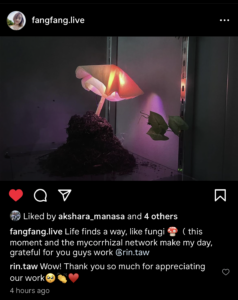
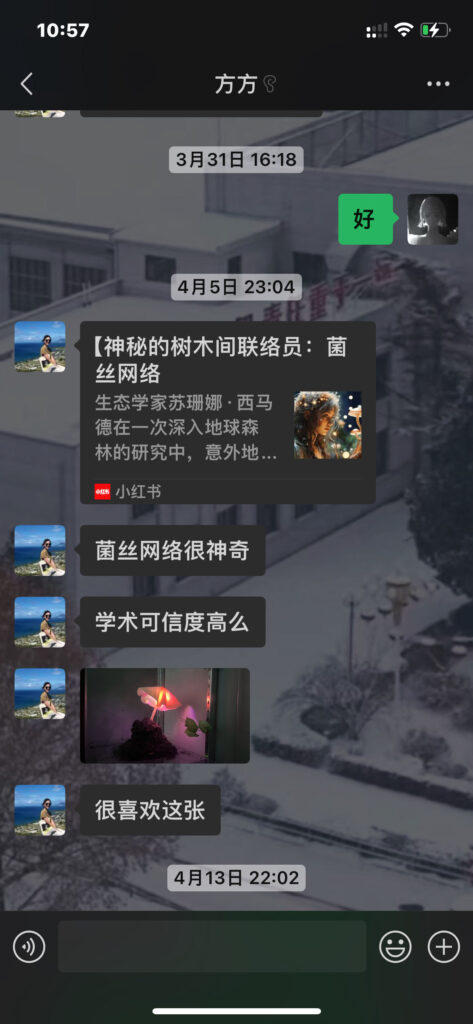
User’s review on Instagram.
css.php

Report this page

To report inappropriate content on this page, please use the form below. Upon receiving your report, we will be in touch as per the Take Down Policy of the service.

Please note that personal data collected through this form is used and stored for the purposes of processing this report and communication with you.

If you are unable to report a concern about content via this form please contact the Service Owner.

Please enter an email address you wish to be contacted on. Please describe the unacceptable content in sufficient detail to allow us to locate it, and why you consider it to be unacceptable.
By submitting this report, you accept that it is accurate and that fraudulent or nuisance complaints may result in action by the University.

  Cancel