Any views expressed within media held on this service are those of the contributors, should not be taken as approved or endorsed by the University, and do not necessarily reflect the views of the University in respect of any particular issue.
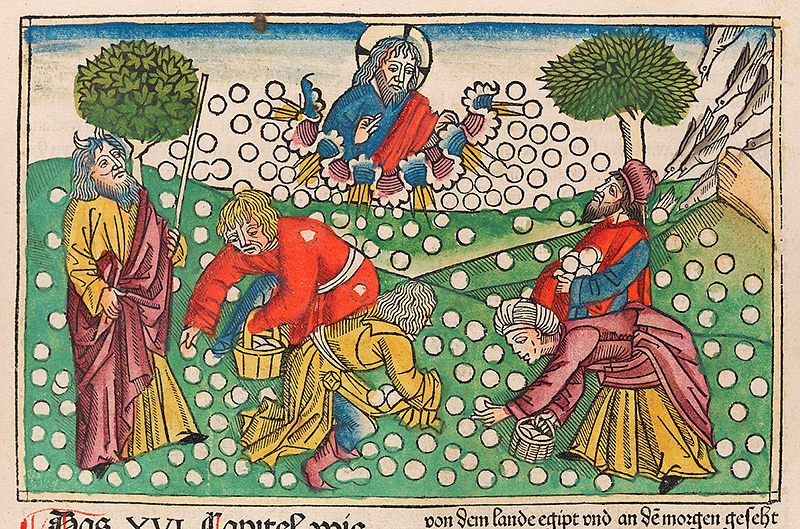
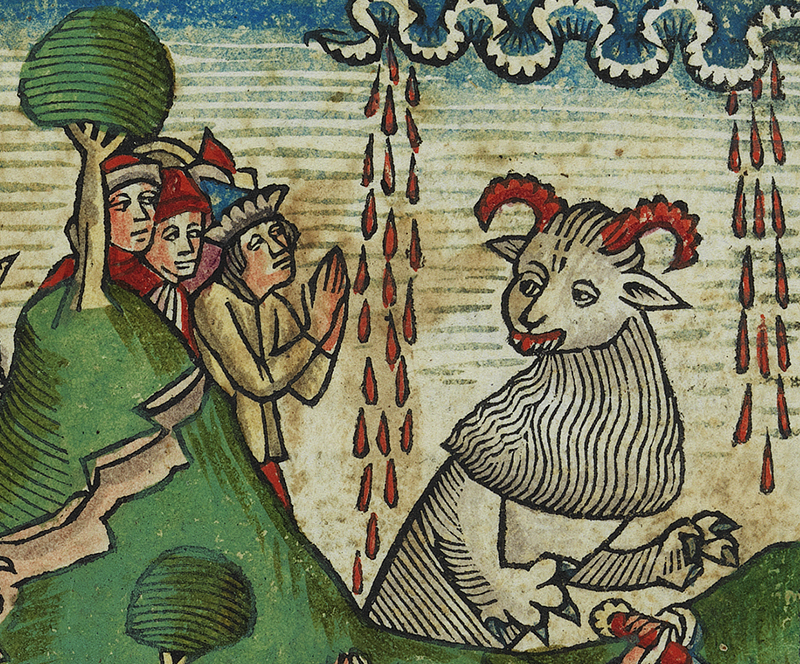
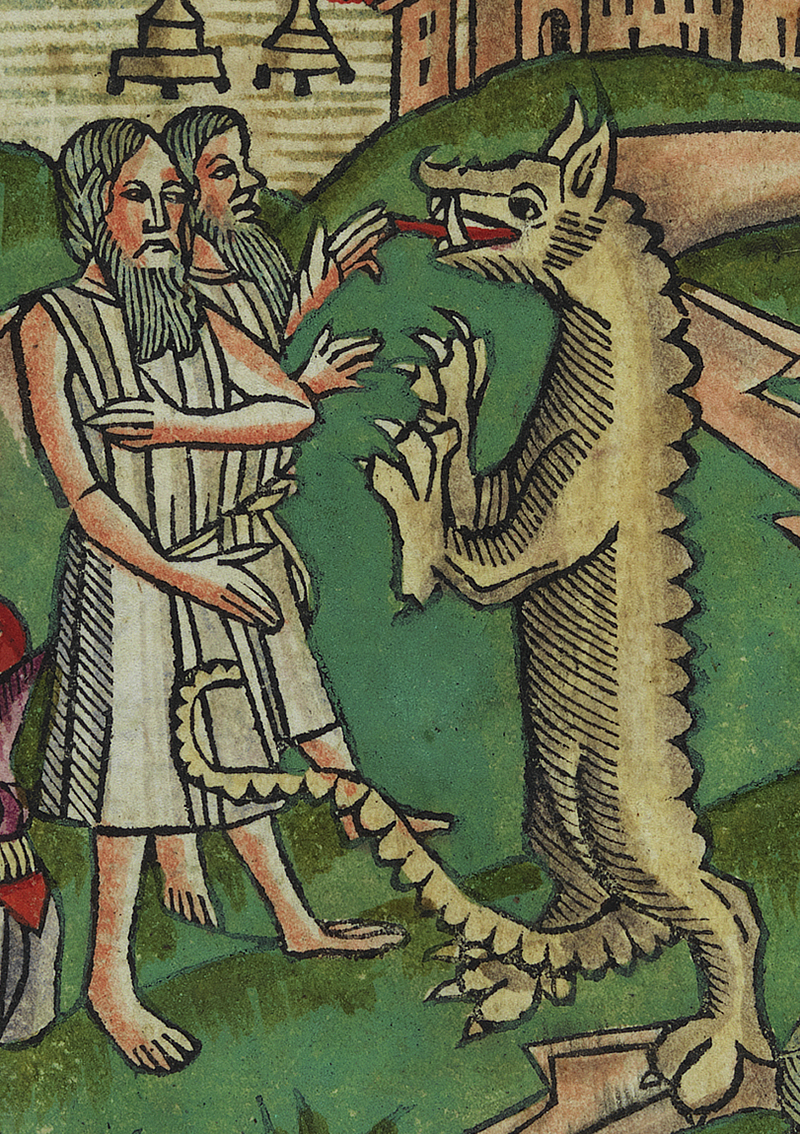
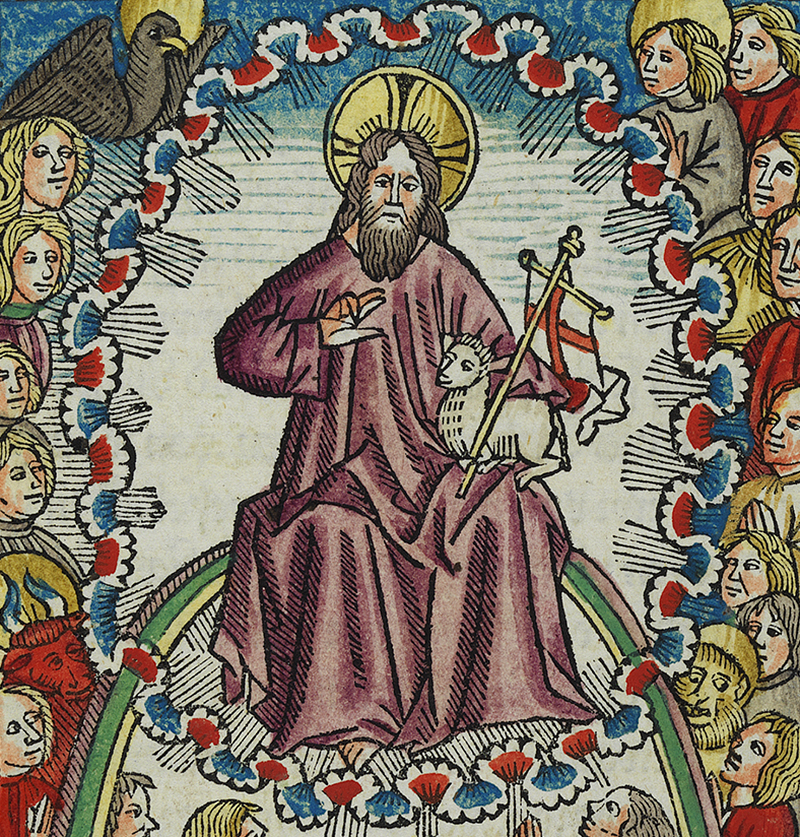
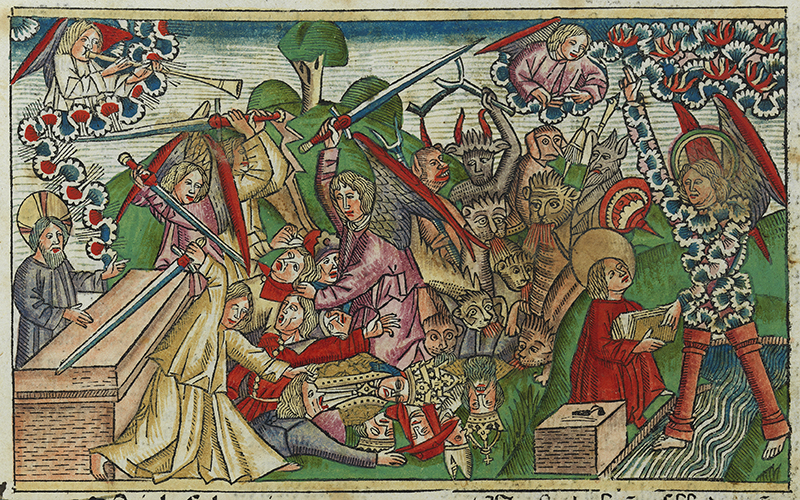
Recently the Digital Imaging Unit were asked to photograph all 8 illustrations from the book of the Apocalypse in Anton Koberger’s German Bible of 1483. Shelf-mark Inc.45.2. I have selected a few details from the illustrations here to demonstrate the quality of the line and its powerful descriptive impact. ” Koberger was the godfather of Albrecht Dürer, whose family lived on the same street. In the year before Dürer’s birth in 1471.” Giulia Bartrum, Albrecht Dürer and his Legacy, British Museum Press, 2002, pp 94-96, ISBN 0-7141-2633-0
Last week I was sent a wonderful book, Deletrix – a collaboration between the artist Joan Fontcuberta, Catalan PEN and Arts Santa Mònica and it explores censorship and violence done to books. Thought provoking, and beautifully illustrated with images that have a strange haunting quality- indeed Fontcuberta challenges the audience as to whether the inherent beauty of the object can redeem the violence done to them. It has got me thinking about the items in our collections that have suffered changes at the hands of censors over the years.
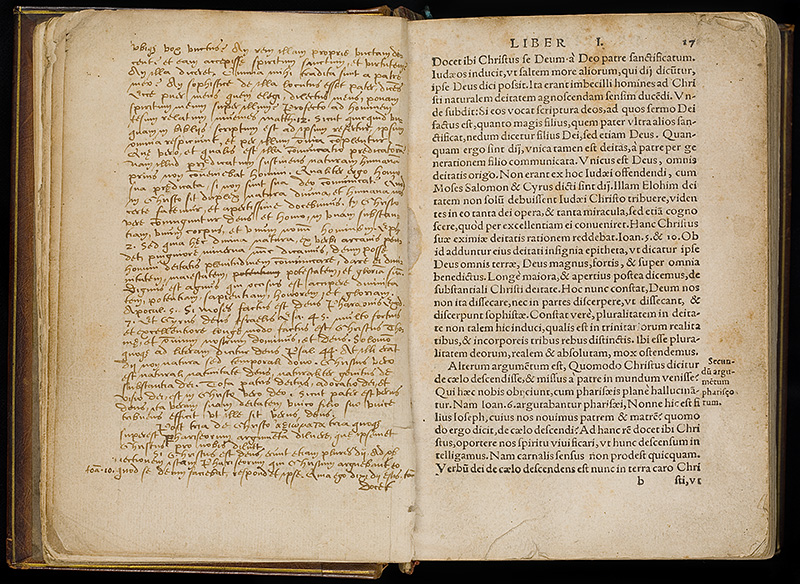
Perhaps the one that immediately springs to mind is Micheal Servetus’ Christianismi Restitutio http://images.is.ed.ac.uk/luna/servlet/s/tv7257. It is thought to be the copy Servetus sent to Calvin; incensed by Servetus’ theories, Calvin ripped out the first 16 pages before he set the wheels in motion to have Servetus burned at the stake using his own books for the fire! (See http://en.wikipedia.org/wiki/Michael_Servetus for more information).
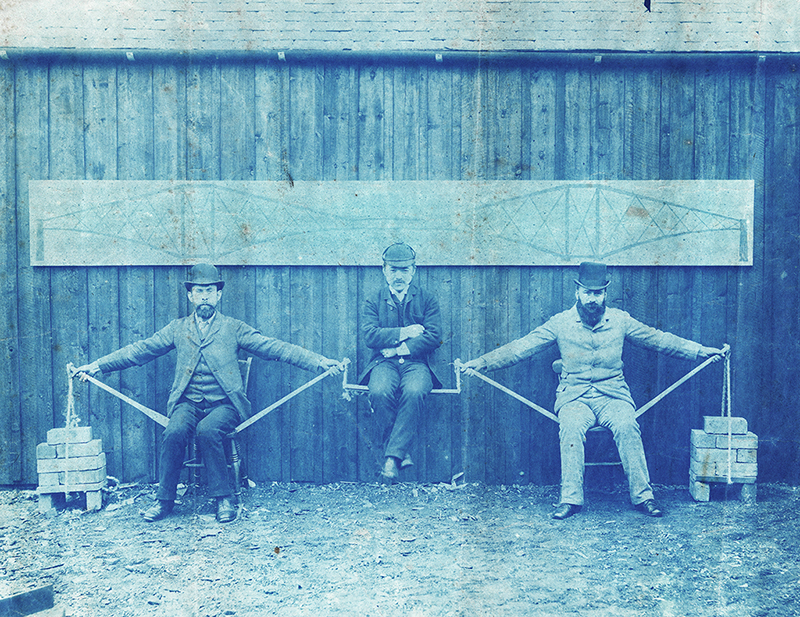
The new Library and University 2014 calendar is now on sale. This year’s theme is Bygone Edinburgh, with all images coming from the mid-19th to early 20th centuries. Highlights include some of the work of Scottish pioneers of photography, Hill and Adamson, and this image taken by an unknown photographer around 1887.
The three gentlemen shown demonstrating the cantilever principle for the Forth Bridge are engineers Sir John Fowler, Kaichi Watanabe and Sir Benjamin Baker.
The calendar is on sale in the Library at the front desk and at the CRC reception on the 6th Floor, priced £8.
Further information on the calendar is available at collections.ed.ac.uk
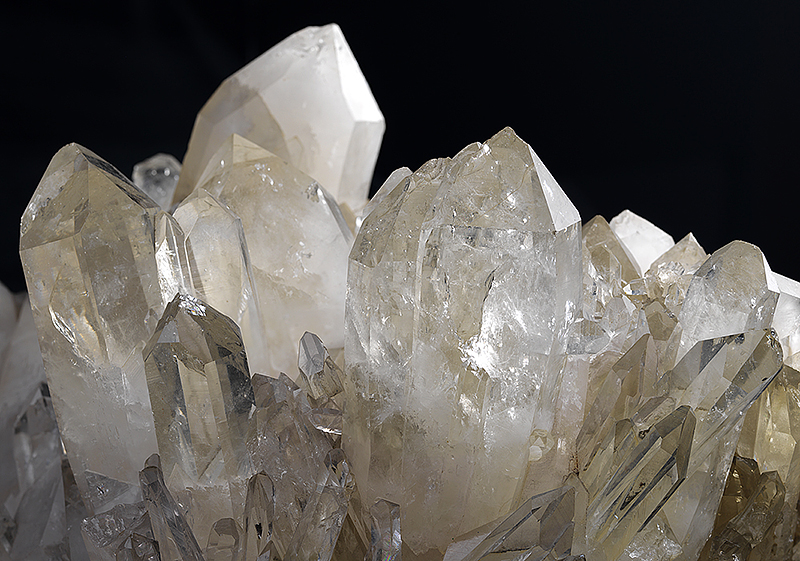
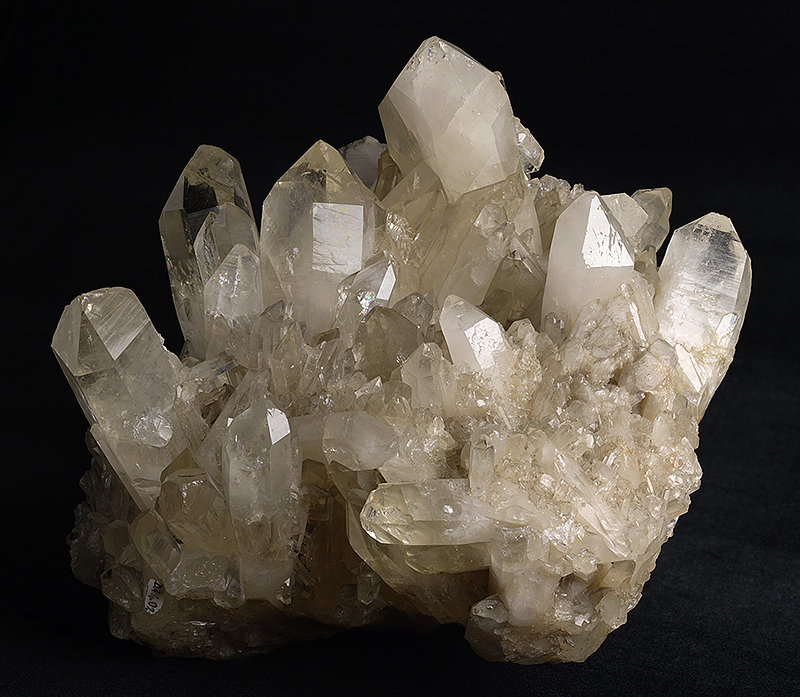
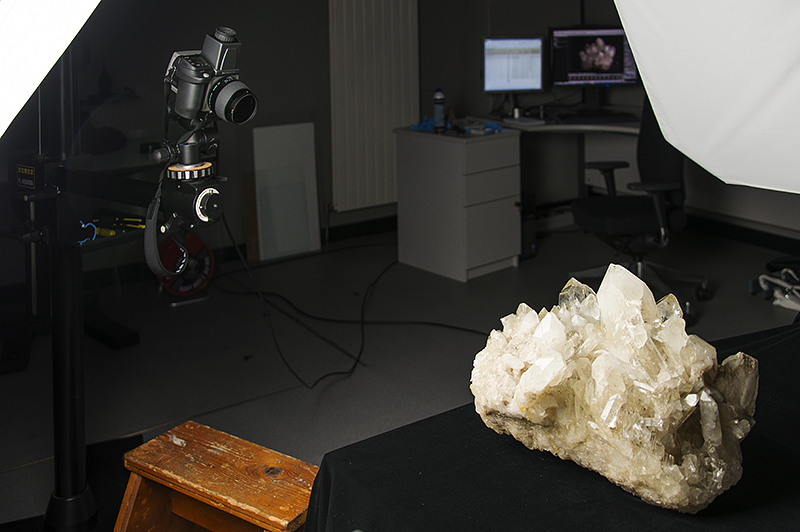
This image of Quartz crystals was commissioned for exhibition at University of Edinburgh Main Library but has also found a home at the School of Geo Science website http://www.geos.ed.ac.uk/facilities/ionprobe/TiQuartzStandards/ The image was created using 9 separate exposures each focusing on a different part of the crystal. Those were then imported into Photoshop as separate layers and a layer mask was added to each layer. Using the mask on each layer its was possible to hide or reveal parts of each individual exposure. This technique was used to create an image where many areas are in sharp focus to highlight the rich details of the crystal. The studio set up for this type of work consumes a lot of physical working space as demonstrated in the studio shots which can be seen below.
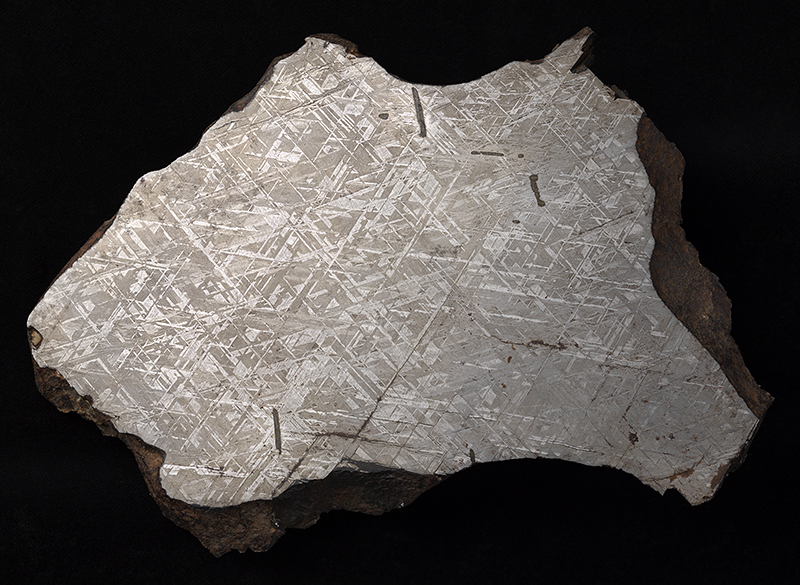
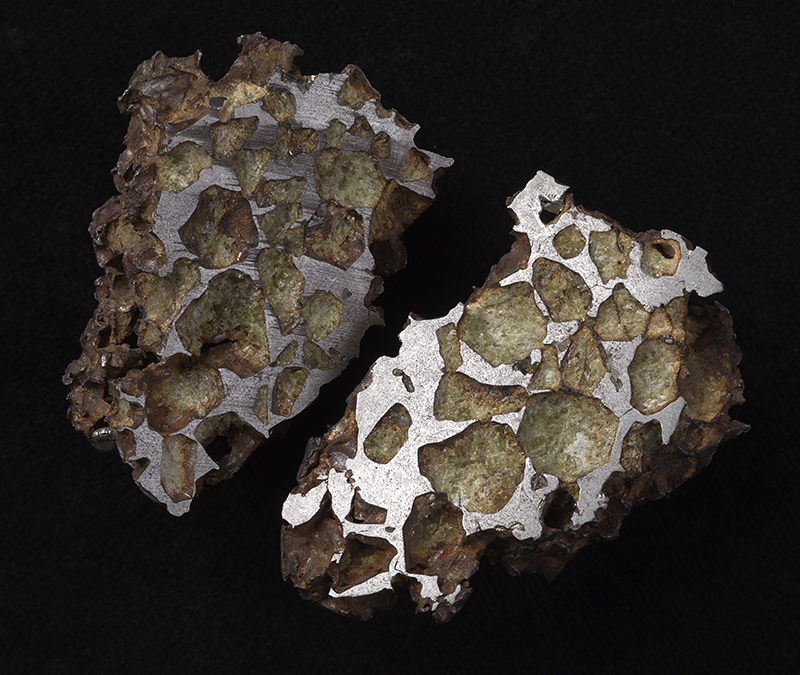
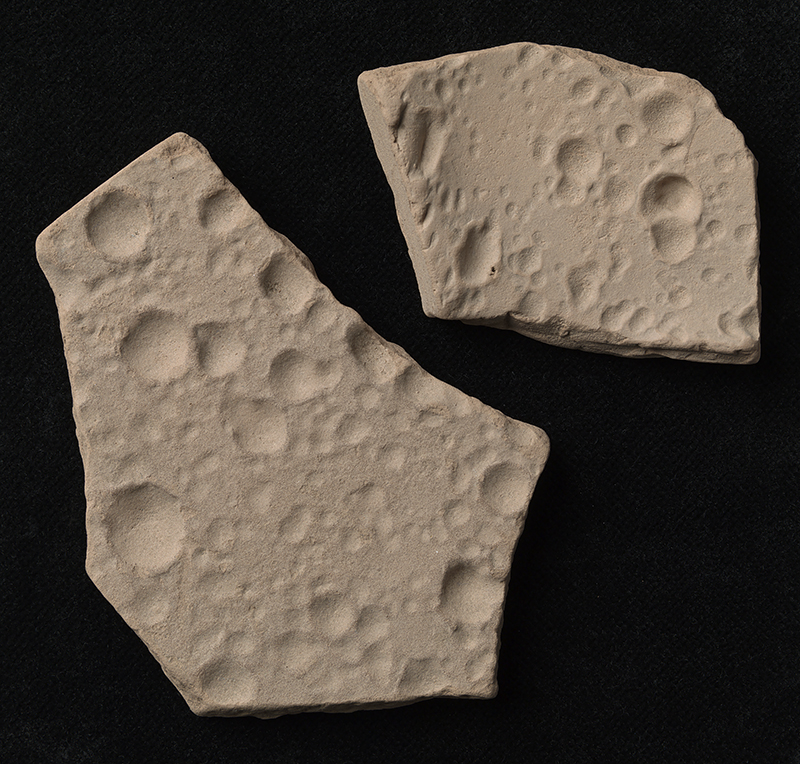
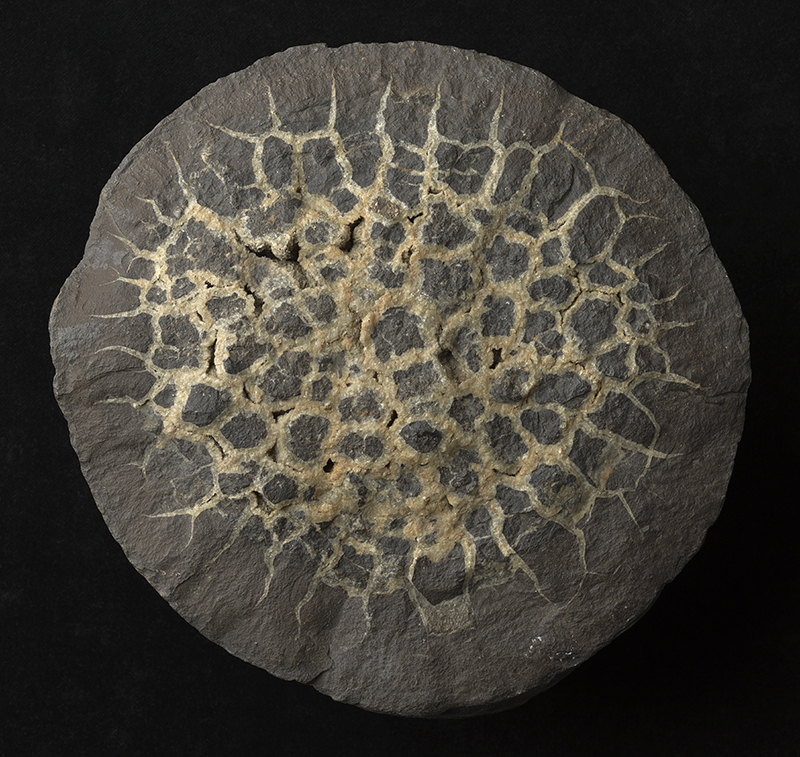
This week the Digital Imaging Unit have been photographing the Gibeon nickel iron meteorite EUCM.110.759. This fell in prehistoric times in Namibia, named after the nearest town.Made into tools by the Nama people. Analysed and confirmed as a meteorite in 1836. The wonderful pattern is called a Widmanstätten pattern. We have also been photographing the Imilac stony iron pallasite meteorite EUCM.0647.2008 found in the Atacama Desert in Northern Chile in 1822. The meteorites along with some amazing fossilized rain drops and various crystals will all feature in an exhibition opening in the Main Library exhibition space on December the 5th called Collect.ed.
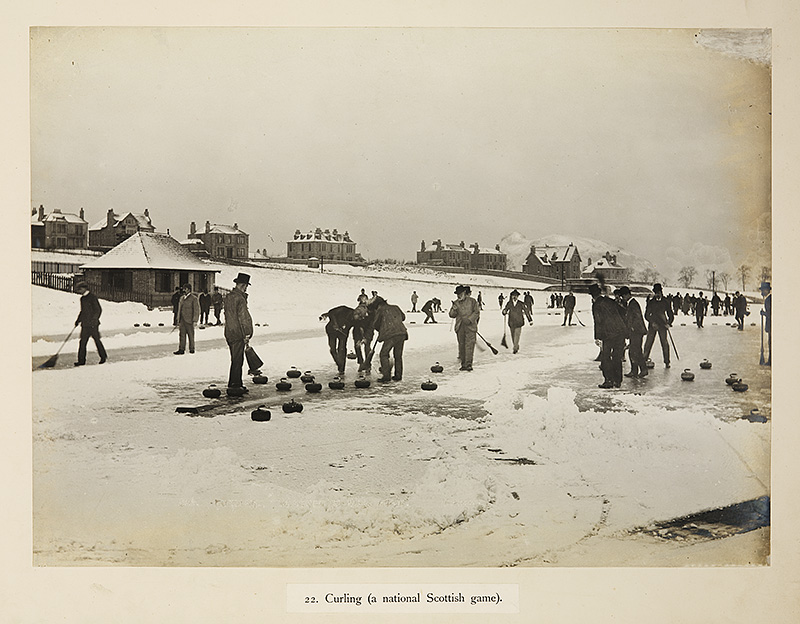
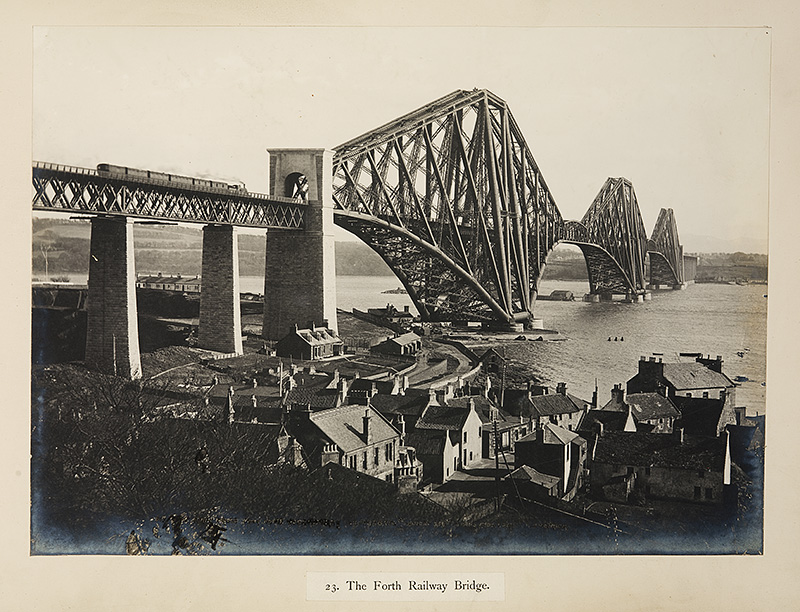
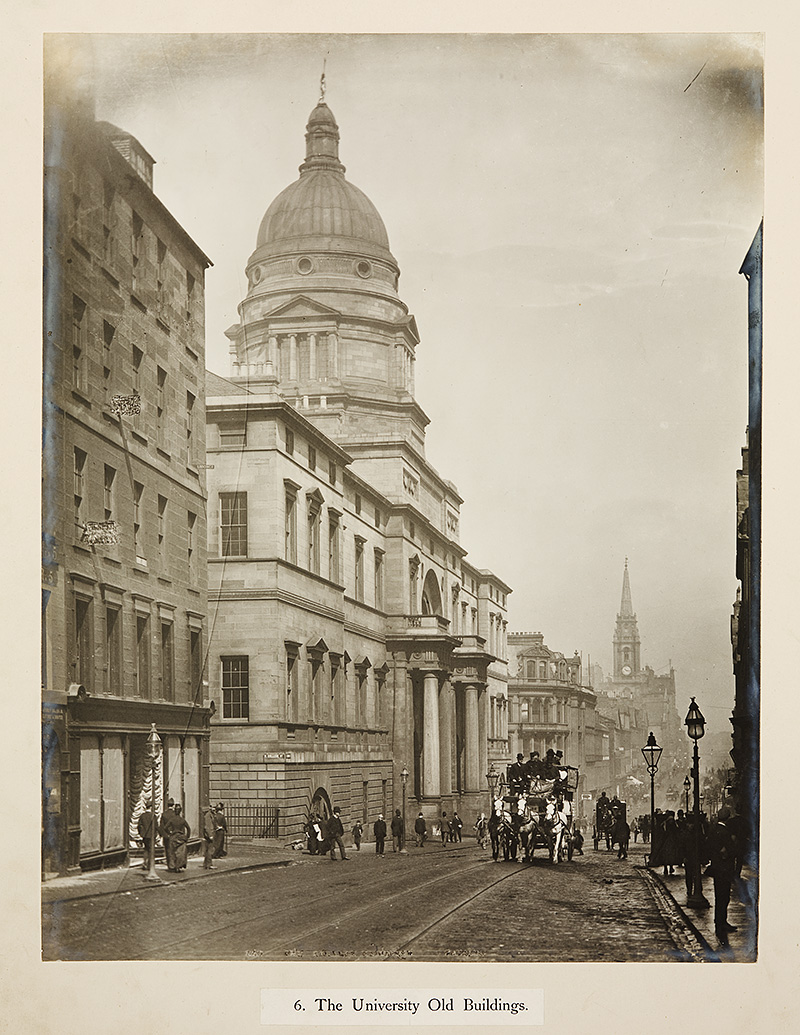
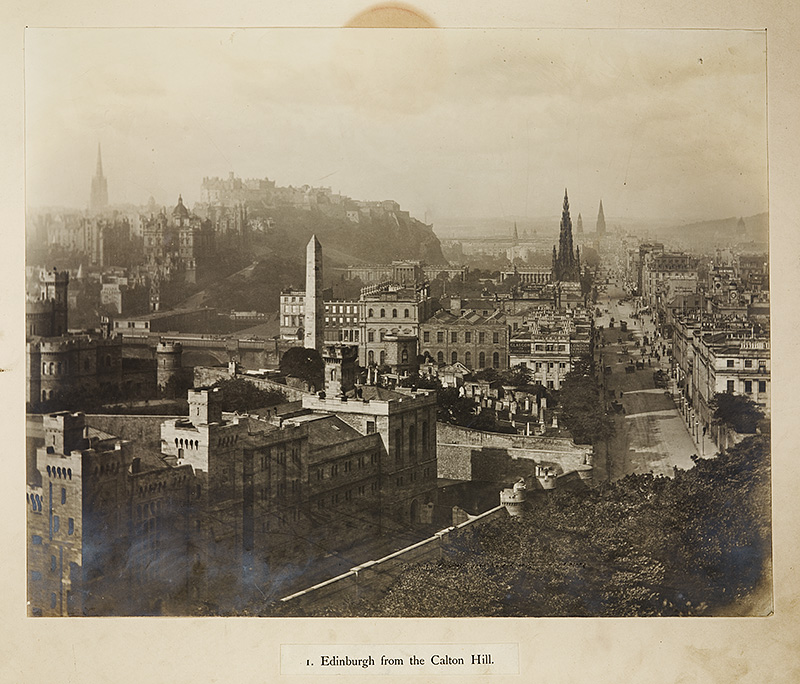
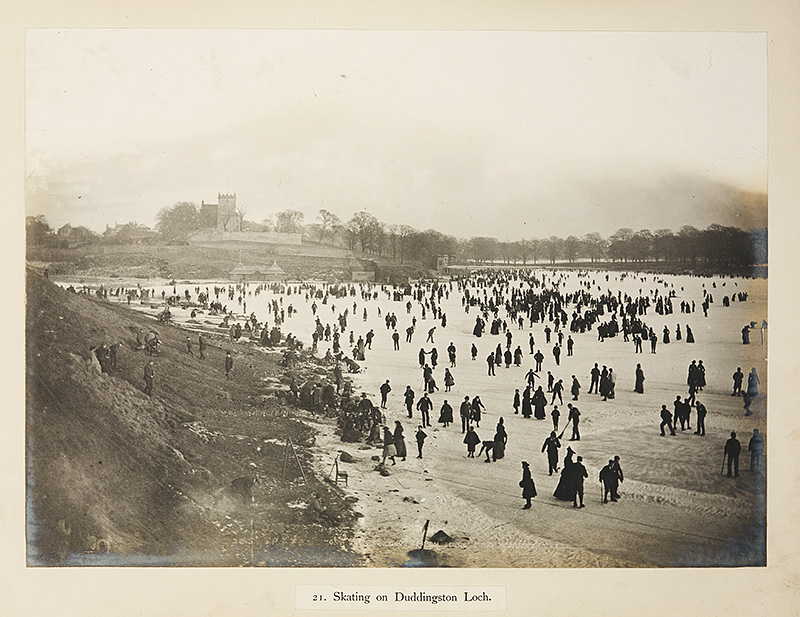
This week’s images all come from a lovely photograph album commissioned by the University in 1900 (Shelfmark EUA CA1/2). We don’t have much information about this volume but we think it was made to hail the start of the 20th century. It contains 25 photographs of University buildings and views in and around Edinburgh, including some are fascinating scenes of Edinburgh life – when was the last time you saw people skating on Duddingston Loch?
Thanks to the Lost Edinburgh Facebook team Digital Imaging Unit images have appeared on the Lost Edinburgh Facebook page. As a result of this each image has received 1,331 + 1294 likes respectively and 216 + 161 individual shares. Also around 80 comments per image were generated and this has brought the CRC Facebook page an additional 76 new likes since appearing on the site. The Lost Edinburgh Facebook page currently has 66,296 likes, probably making this the biggest audience for our images.
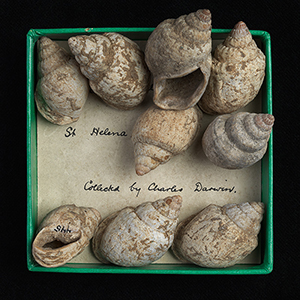
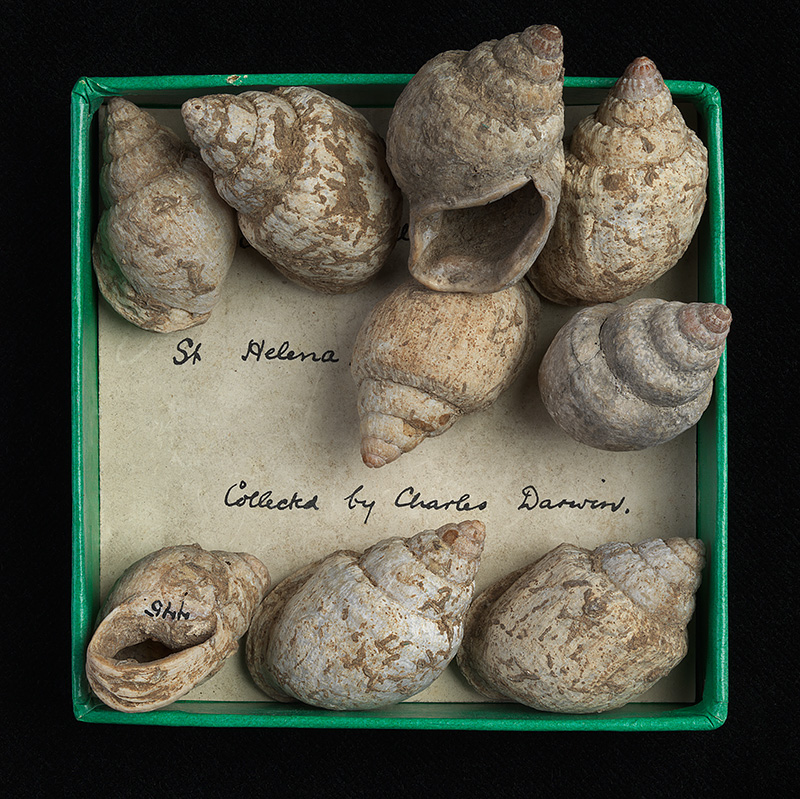
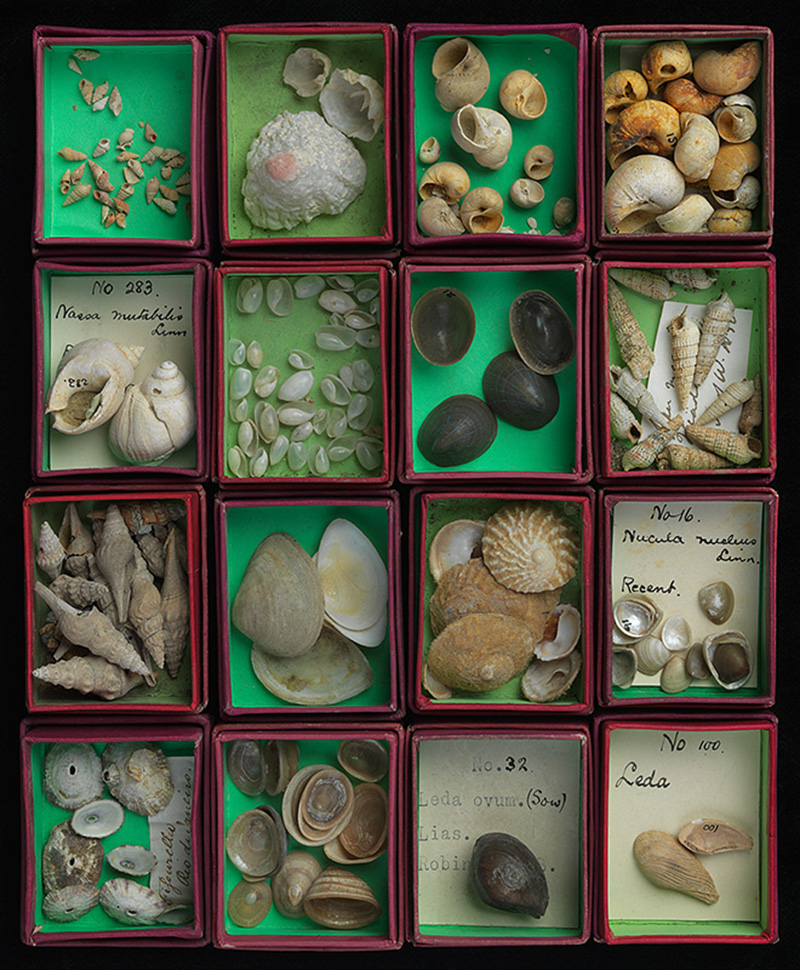
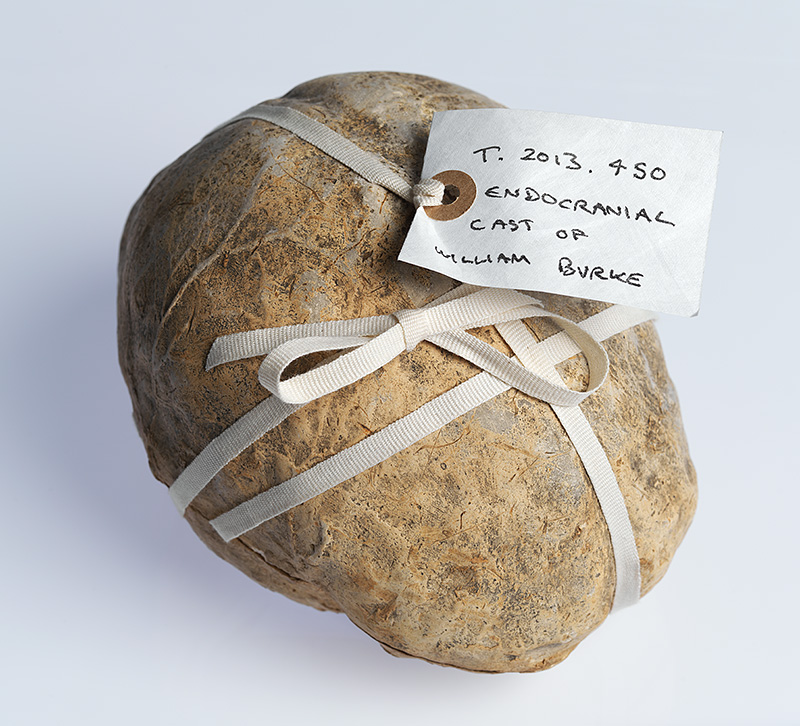
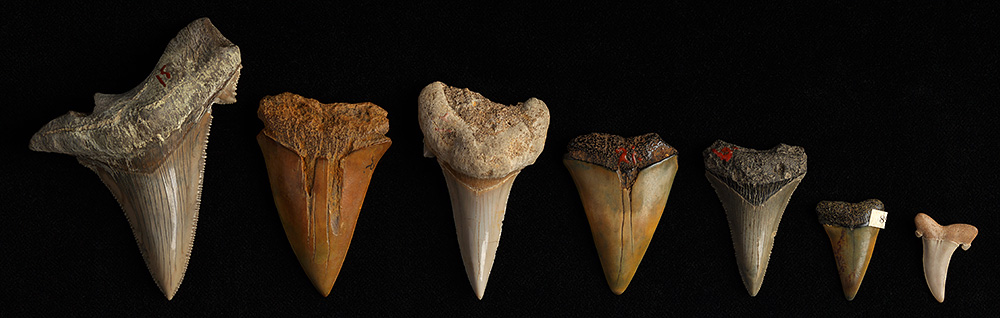
The Digital Imaging Unit have been working on an amazingly diverse range of material recently thanks to a new exhibition being prepared for the Main Library by exhibitions intern Emma Smith. Collect.ed is the title of the exhibition described as “Curiosities from the University’s collections”. This work has presented the challenge of photographing a cast of the serial killer Burke’s brain, seven prehistoric shark’s teeth and a fabulous box of shells collected by Charles Darwin himself. Collect.ed will open on 5th December 2013 and run until 1 st March 2014, Monday to Friday 10.00am – 5.00pm, Saturday 10.00am – 1.00pm, Free Admission!
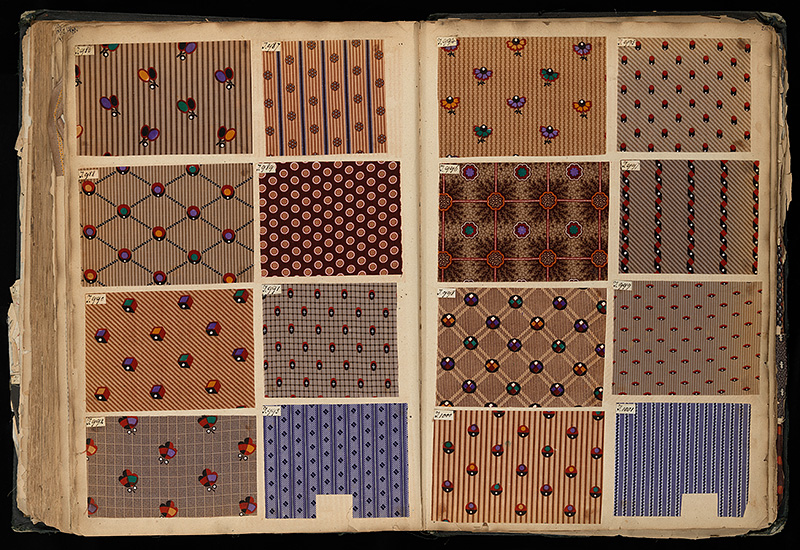
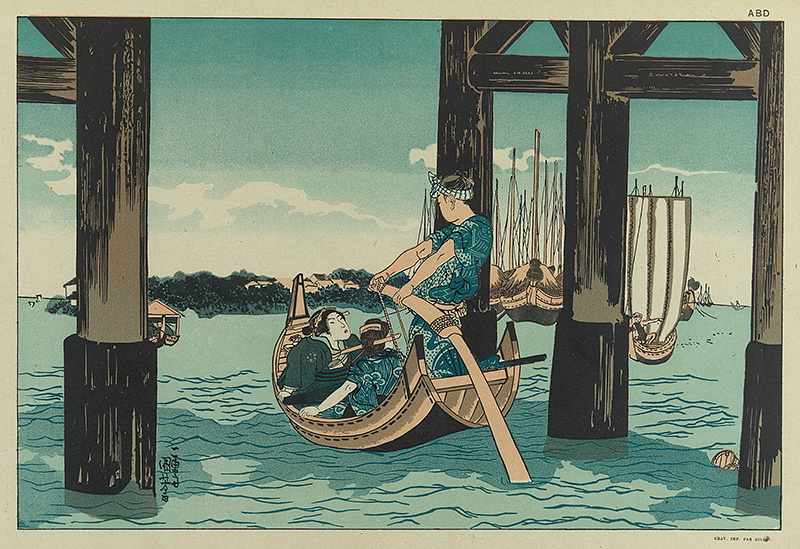
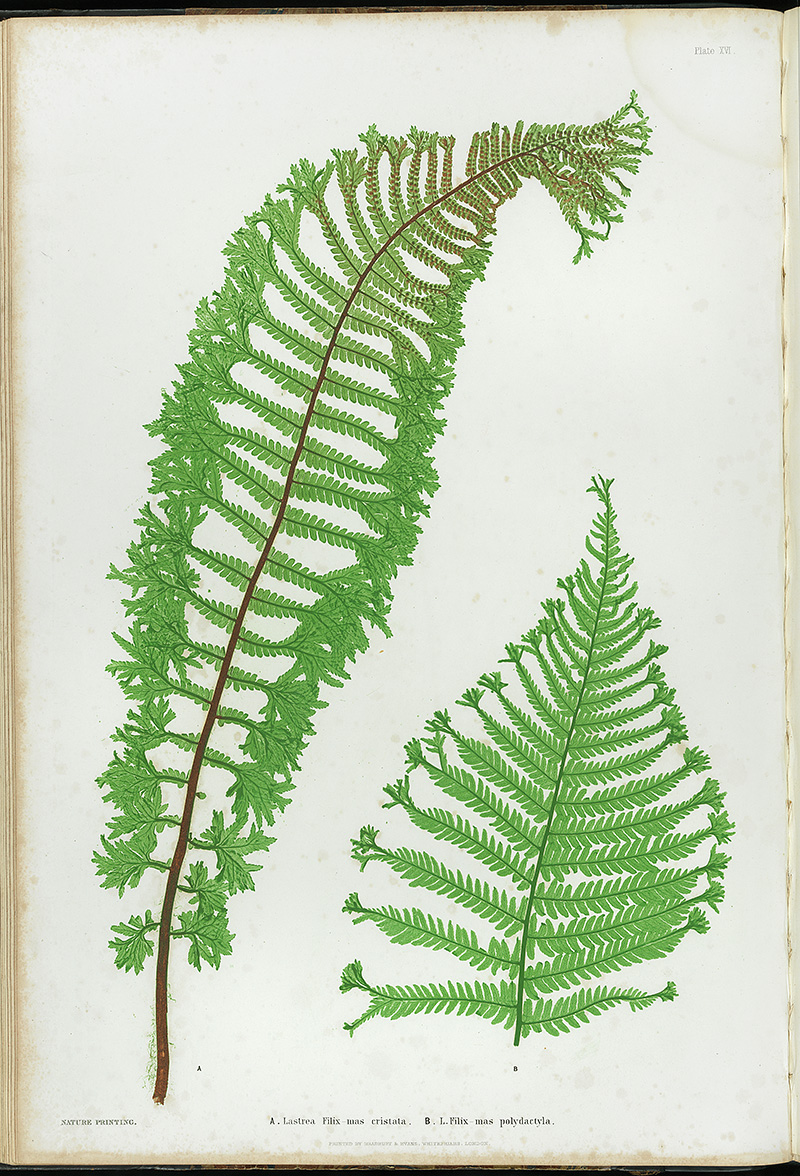
The CRC Assistant Rare Books Librarian has been busy cataloguing books from the Edinburgh College of Art Collection again, and has sent a few our way to photograph for upcoming talks and publications.
An amazingly diverse collection from 15th C. Sermons to etchings of Italian landscapes to 19th C. Japanese artistic review magazines and on to detailed plates of British Ferns, each book contains its own wonders.
Susan Pettigrew
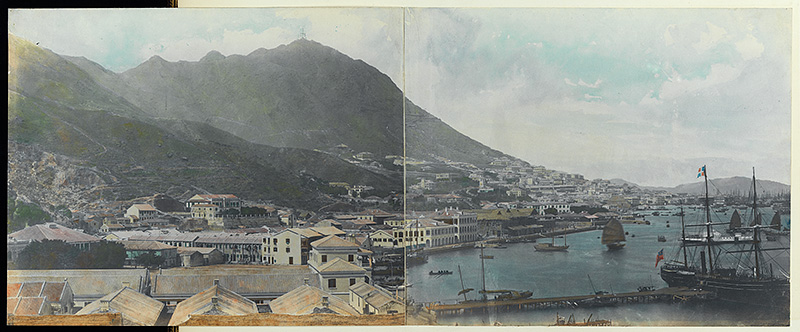
RECA.MS.26 Calico Samples Album, pp.200v-201rRECA.F.157 Le Japon Artistique, vol.3, no.17, pl.ABDRECA.FF.210 British Ferns, Moore, Thomas, pl.XVIRECA.MS.8 China, Hong Kong, Shanghai, Macao: Photographs Taken on Lord Elgin’s Diplomatic Mission and Military Campaign in China 1857 – 1861, p.52
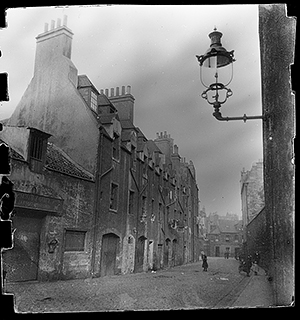
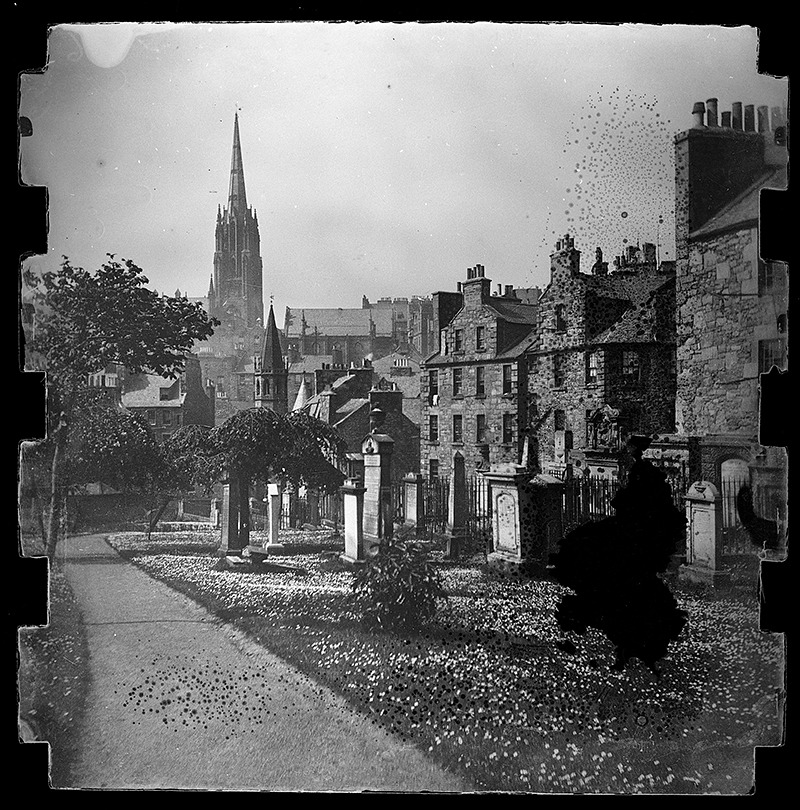
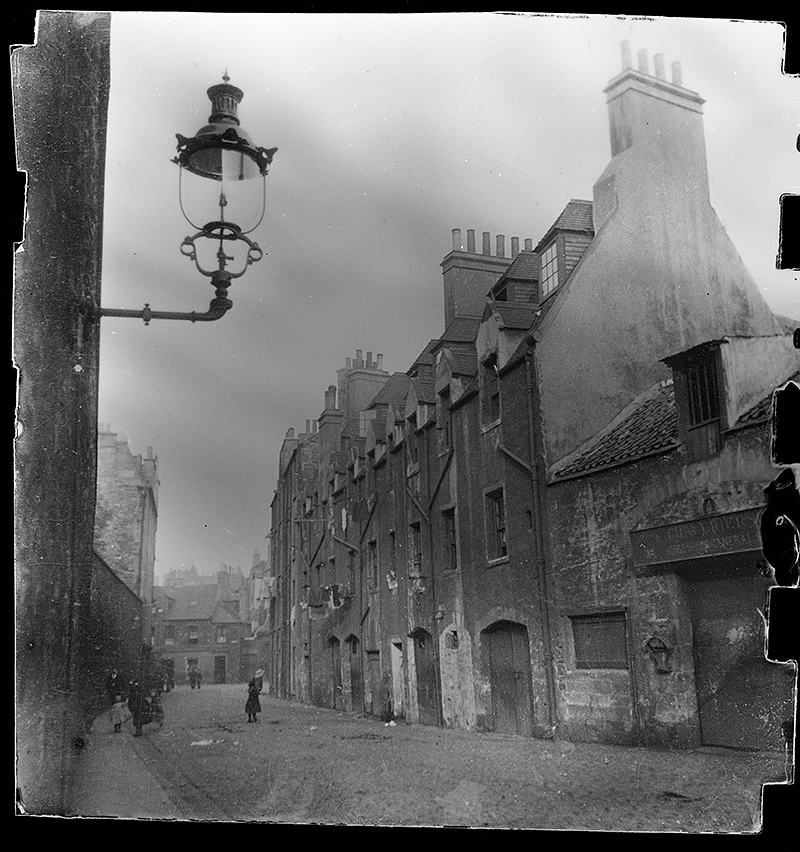
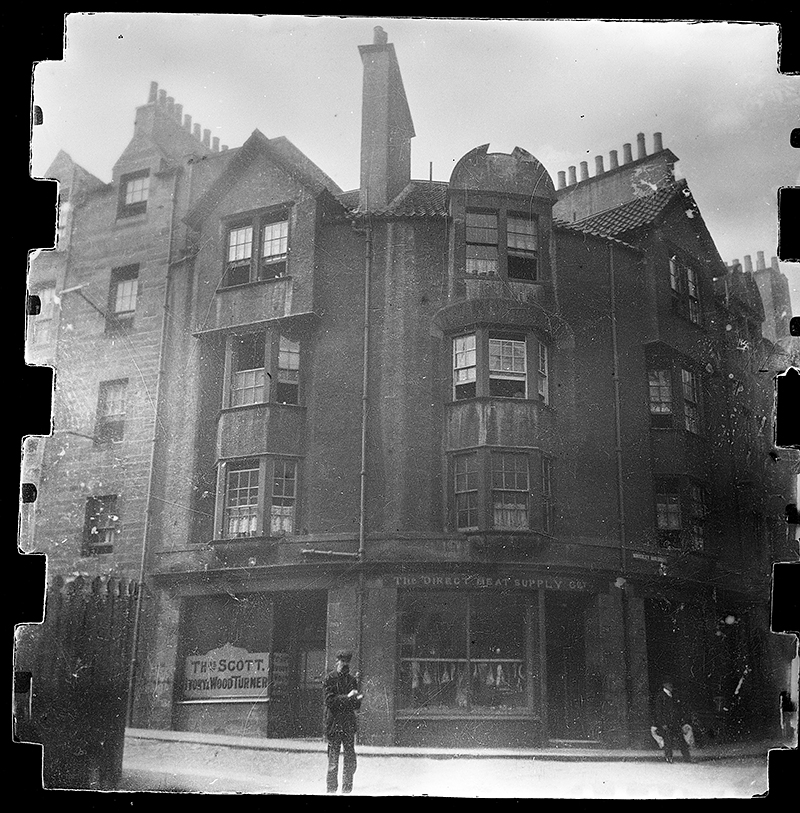
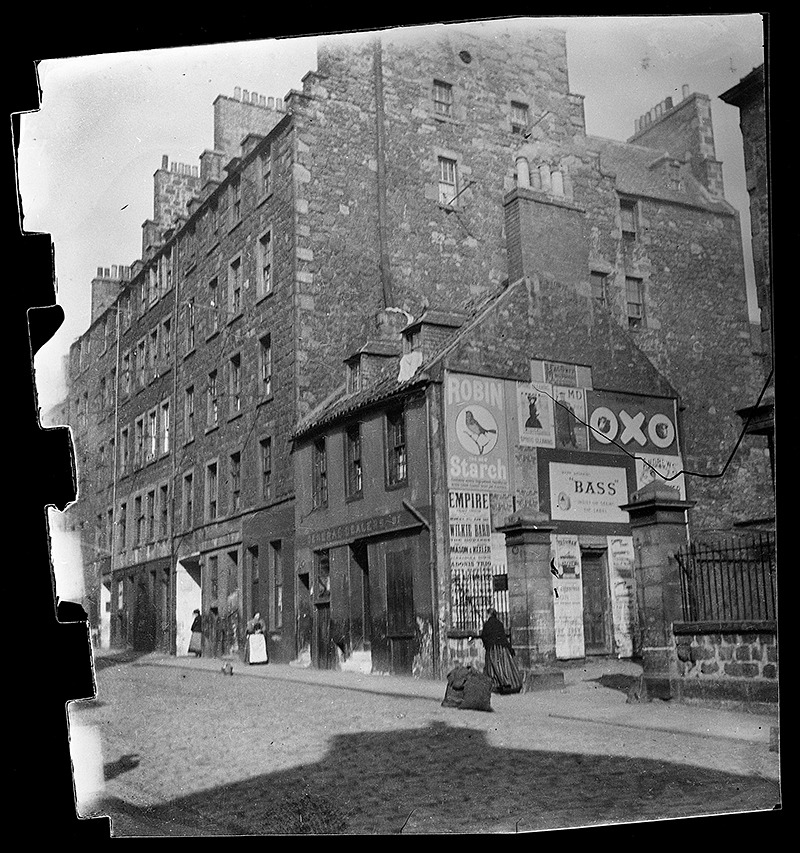
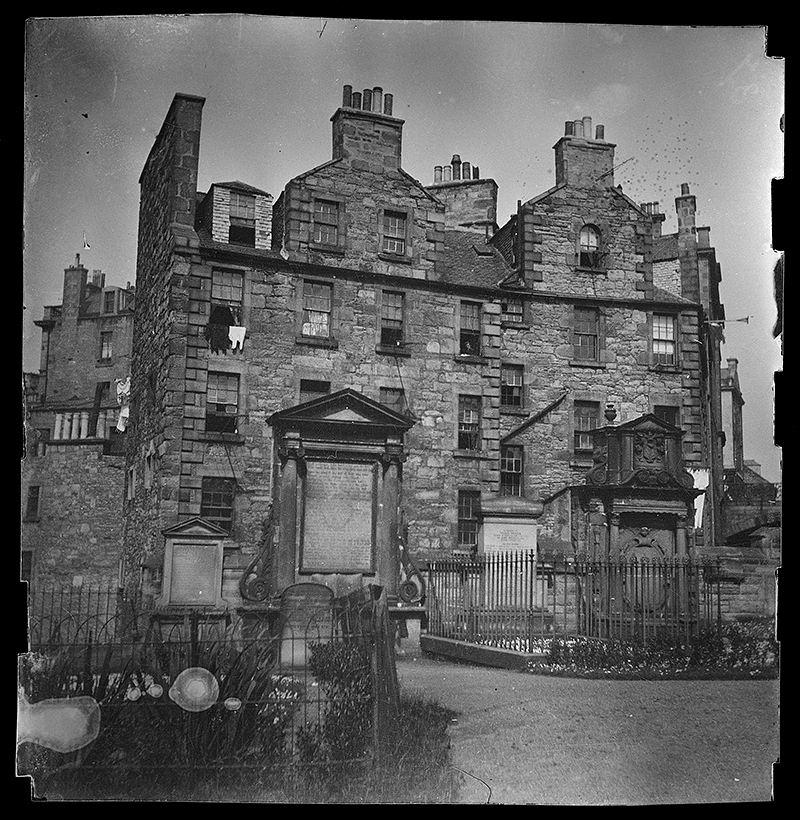
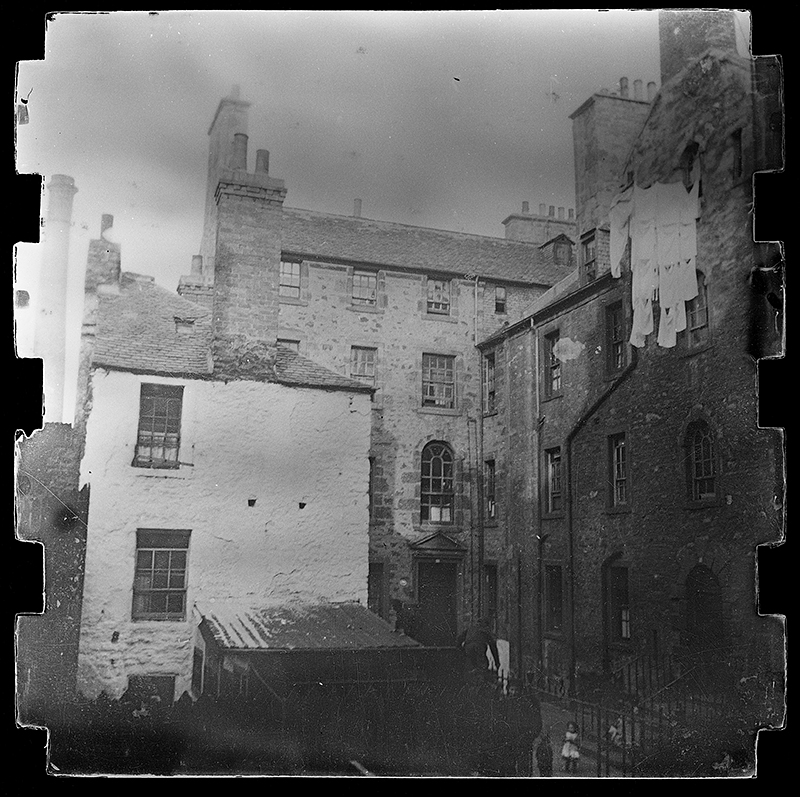
This is the Digital Imaging Units final instalment of images from the Centre for Research Collections Baldwin Brown images of “Old Edinburgh”. Many thanks to those who have responded with information regarding geographical locations and general information. The feed back has been very welcome and useful! This set has a few obvious locations but yet more mystery. We will add the data collected to our metadata records for the images enriching that data for continued research.