Volunteer work at the Digital Imaging Unit

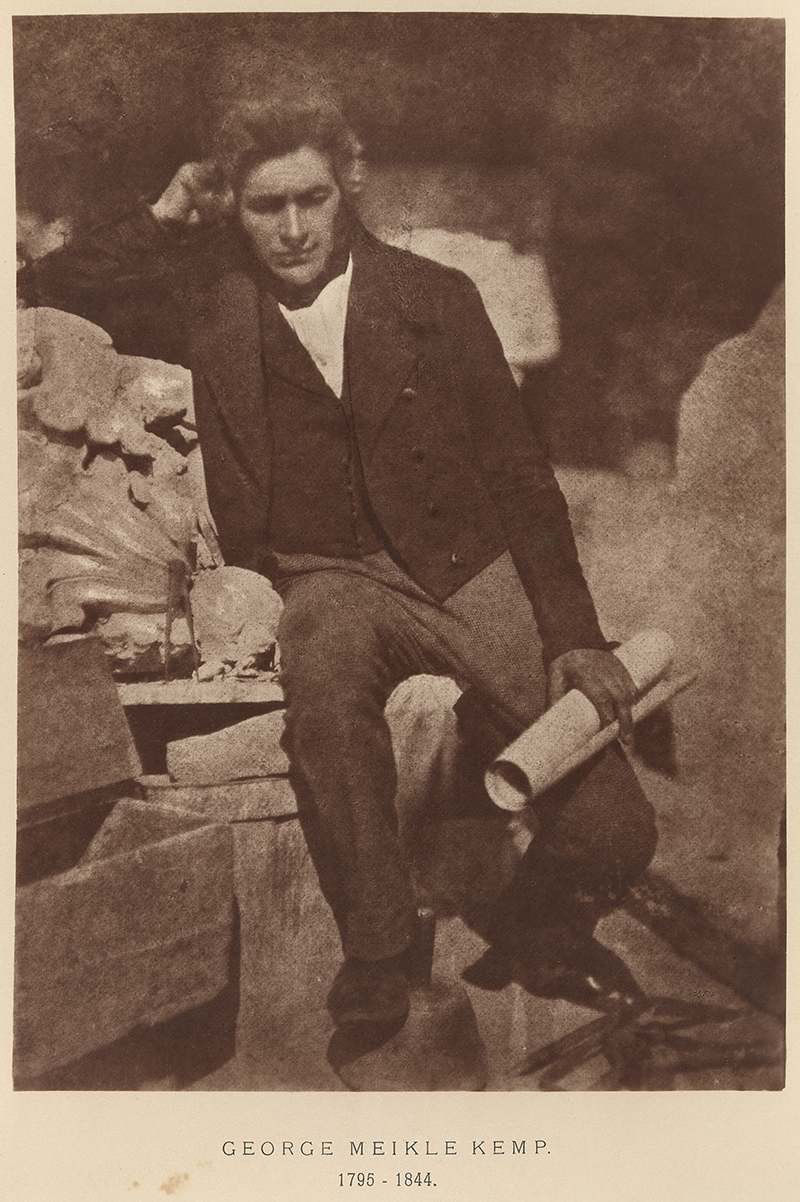
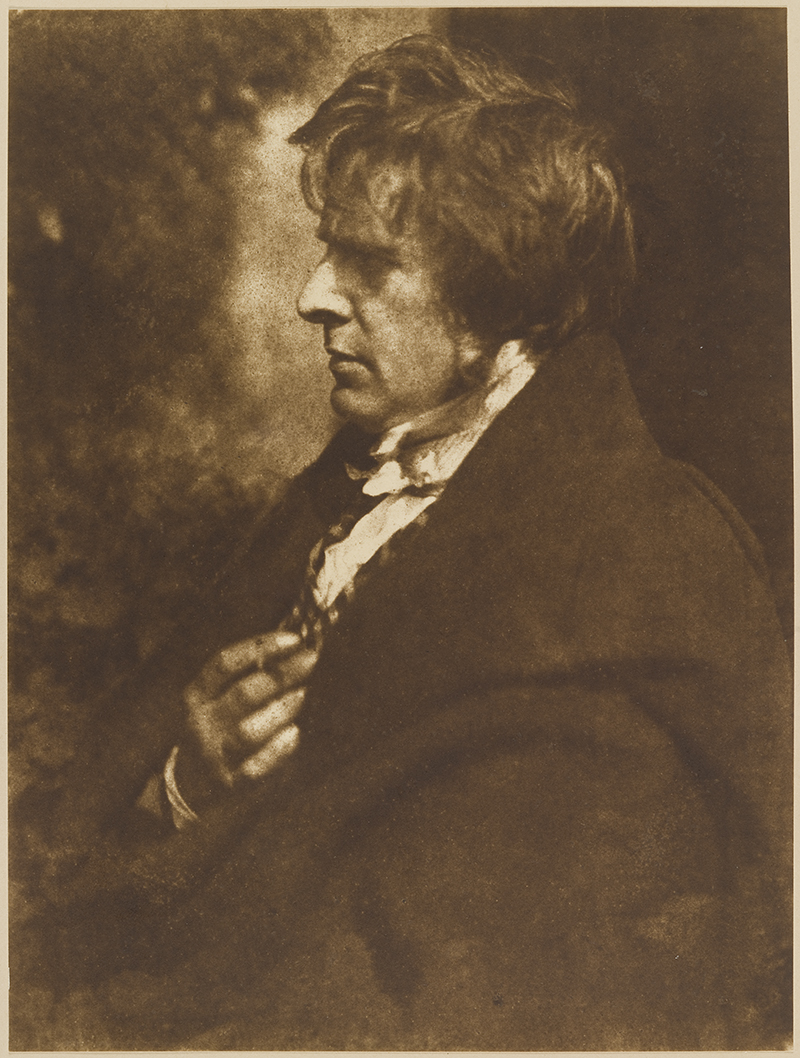
The Centre for Research Collections is a remarkable resource for students at Edinburgh University, not only for research purposes, but also for experience working with collections.  I am an MSc student studying Material Cultures and the History of the Book.  As part of the course we were encouraged to volunteer within the CRC.  My interests lie in the field of the visual arts and the materiality of books, specifically the in the world of digital media.  Serena Fredrick at the CRC was able to match me up with the Digital Imaging Unit and within the DIU I have been researching and enhancing the metadata for one of the university’s photographic image collections: the Hill and Adamson Collection.  Hill and Adamson are world-renowned pioneers of early photographic techniques.  Building on the work of Englishman Henry Fox-Talbot, they created some iconic images of mid-nineteenth century Edinburgh from their studio on Calton Hill.0011901d
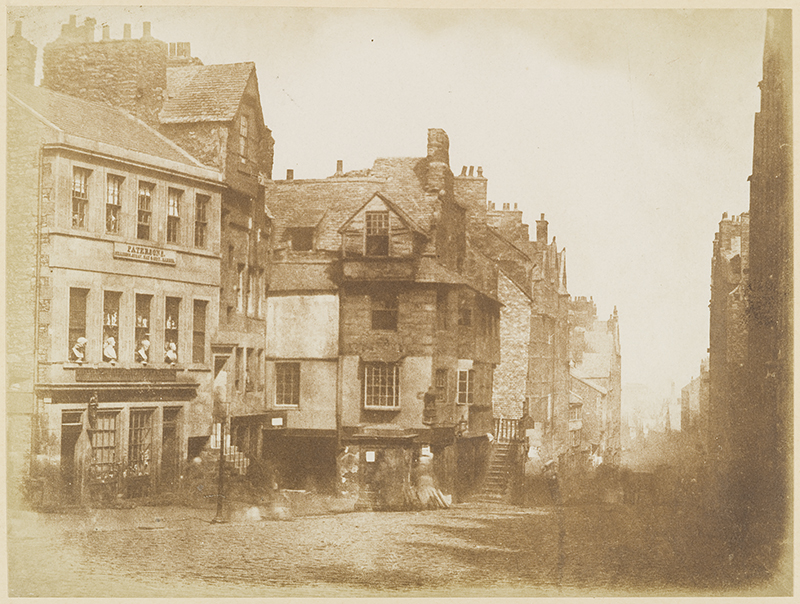
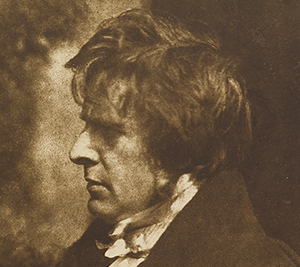
Hill and Adamson’s original creative remit was to capture portraits of leading members of the Free Church of Scotland who had been involved in the disruption of the established Church of Scotland in 1843, with the intent of using these portraits as study aids for a massive painting commemorating the disruption.
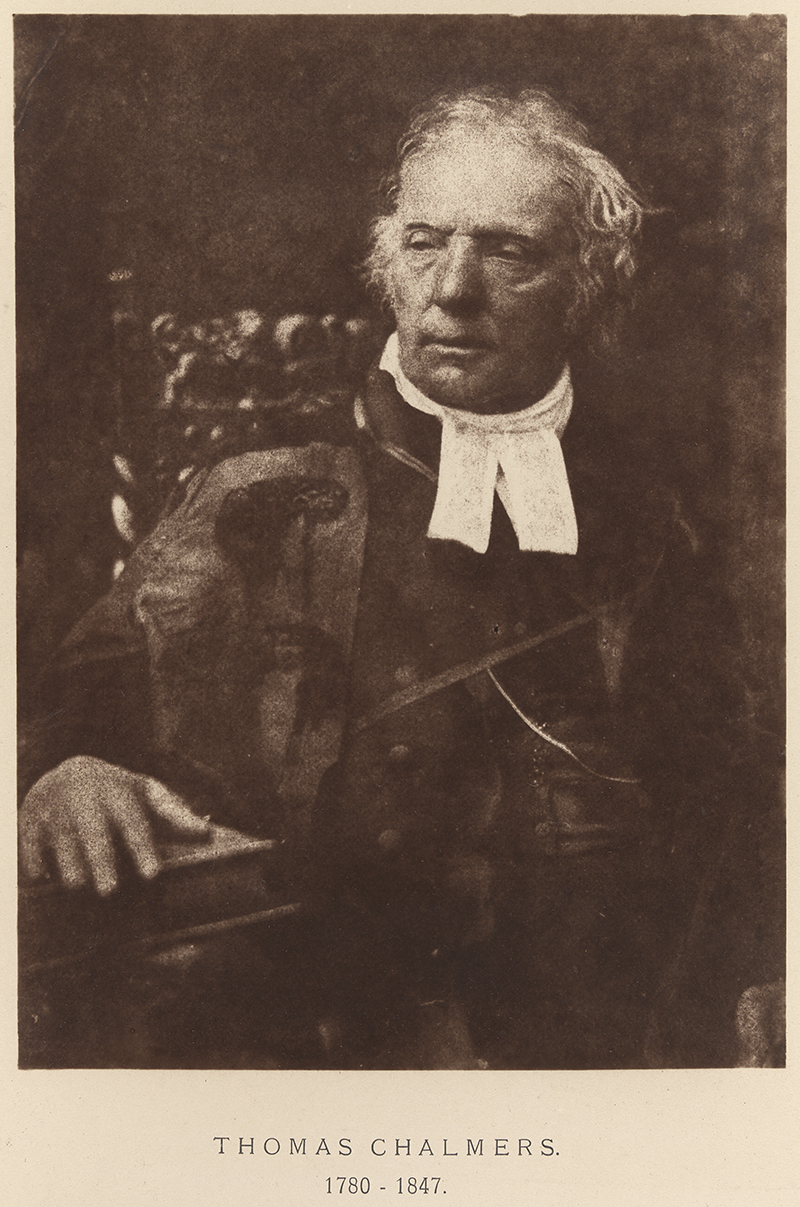
0022183d
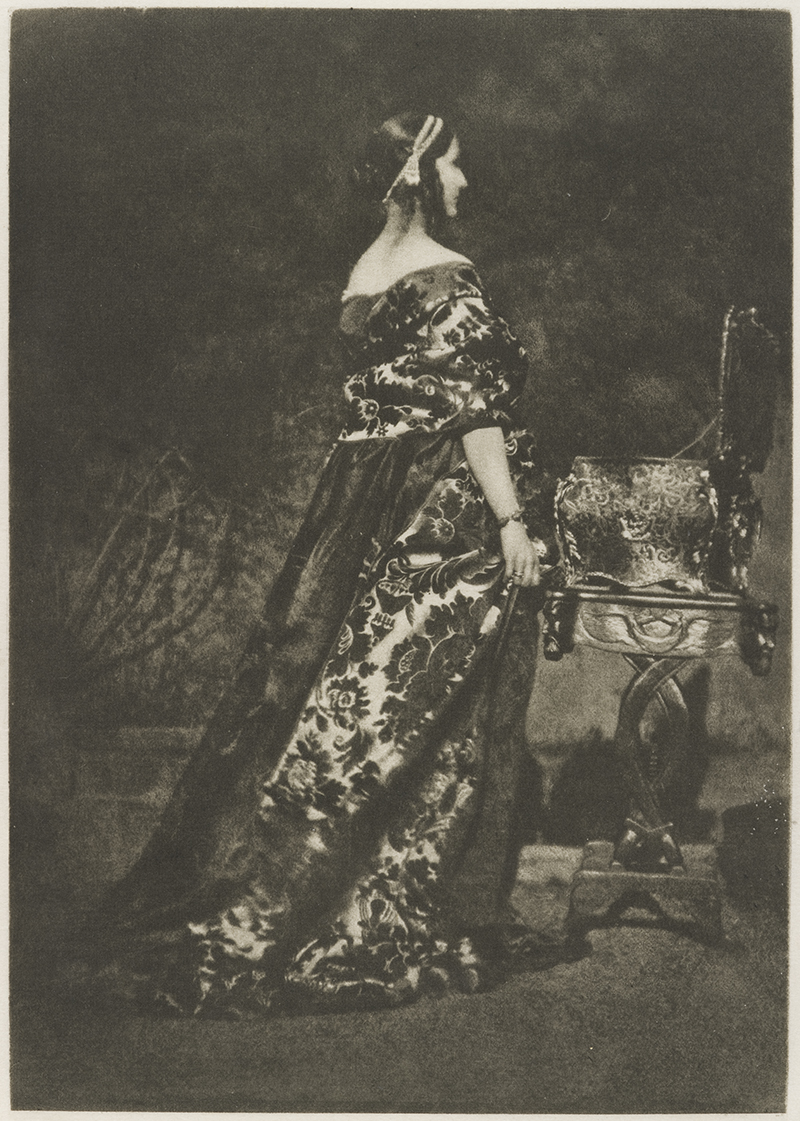
Soon word of this new means of portraiture spread and Hill and Adamson started creating images of and for Edinburgh society. The collection is full of images of friends and family of Hill and Adamson, as well as being a veritable who’s who in Edinburgh.
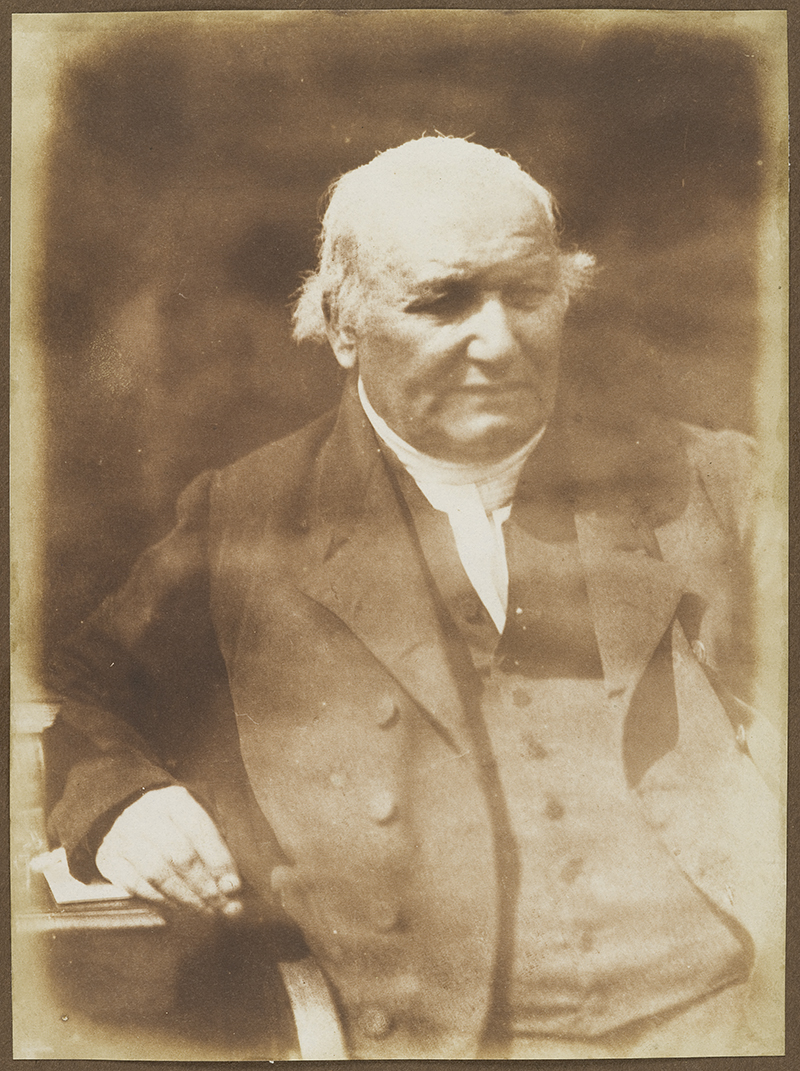
0012179d
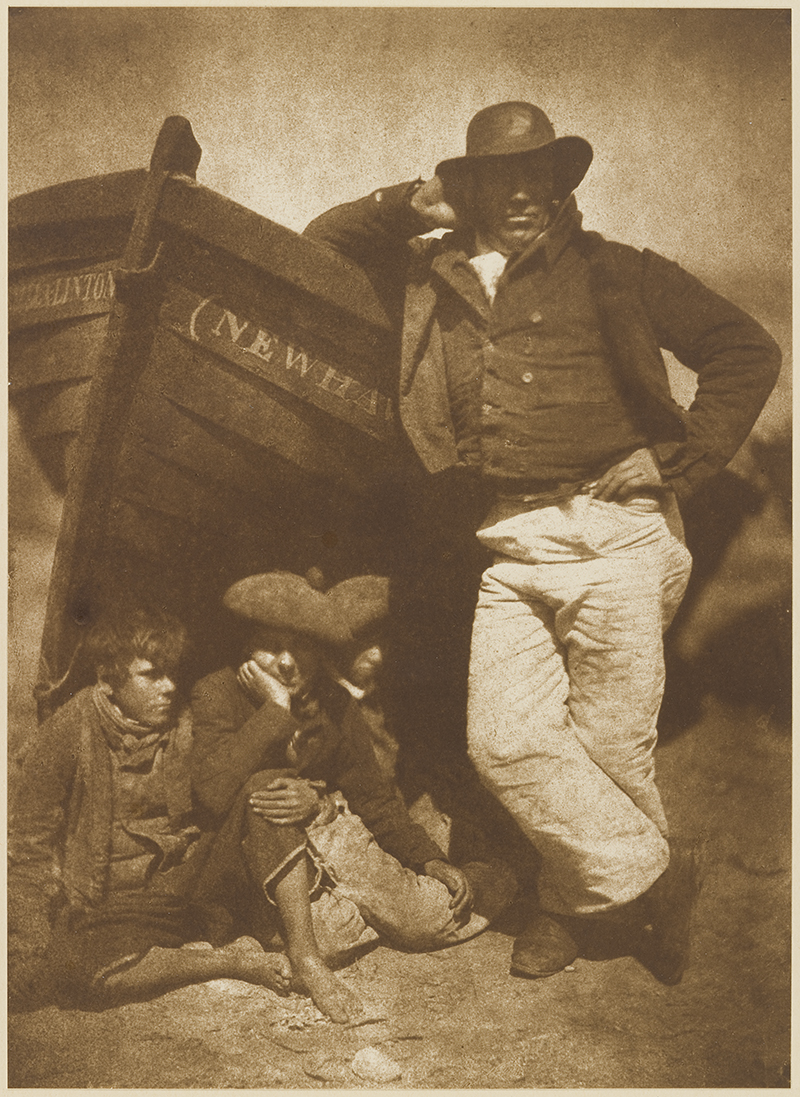
Hill and Adamson realised that this artform could also be used as a form of documentary reporting and began taking photographs of the Newhaven fishermen and women, as evidence of a strong, united and self-sufficient community.
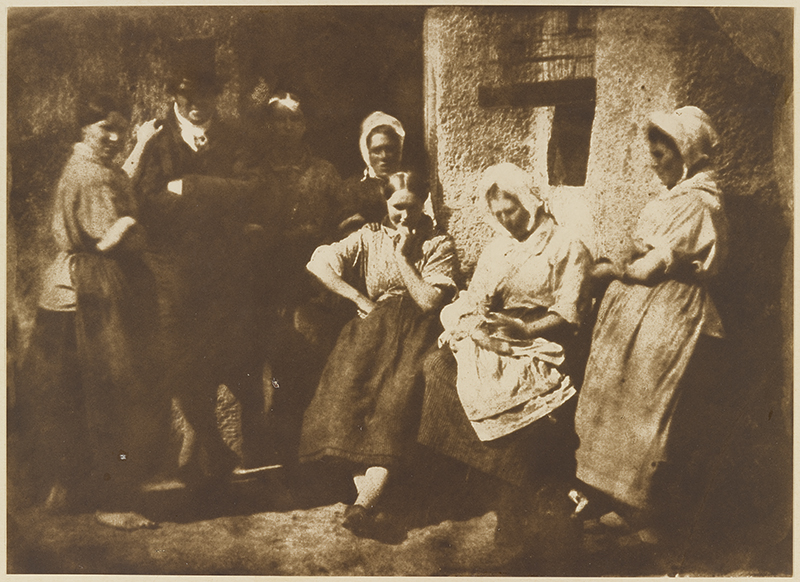
0012131d
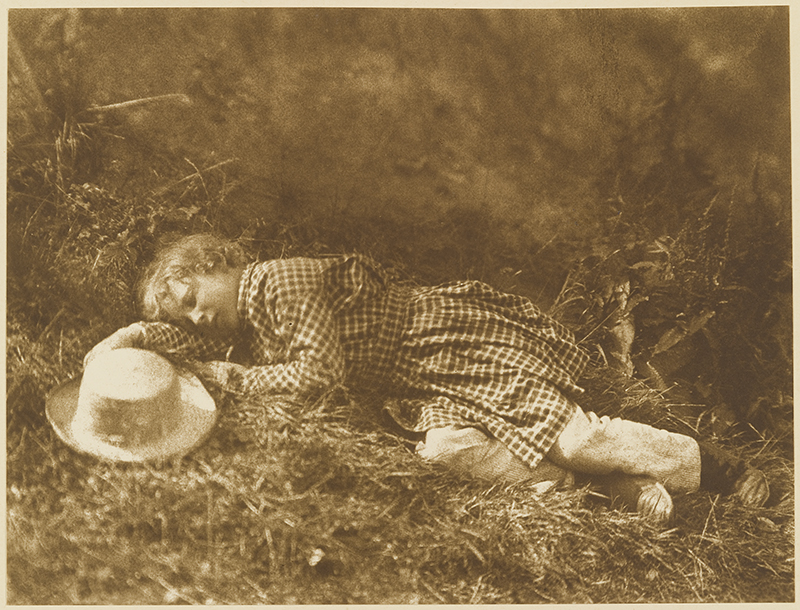
Unfortunately Hill and Adamson’s collaboration was short-lived due to Adamson’s continually failing health and eventual death at the age of only 27 in 1848. However, during their prolific partnership they were responsible for the creation of thousands of incredible images. I have loved being a part of the team bringing this collection onto a digital platform and increasing access to such an important and exciting set of images. Here are a few of my favourite images, all of which can be found at: http://images.is.ed.ac.uk/luna/servlet/UoEcar~4~4
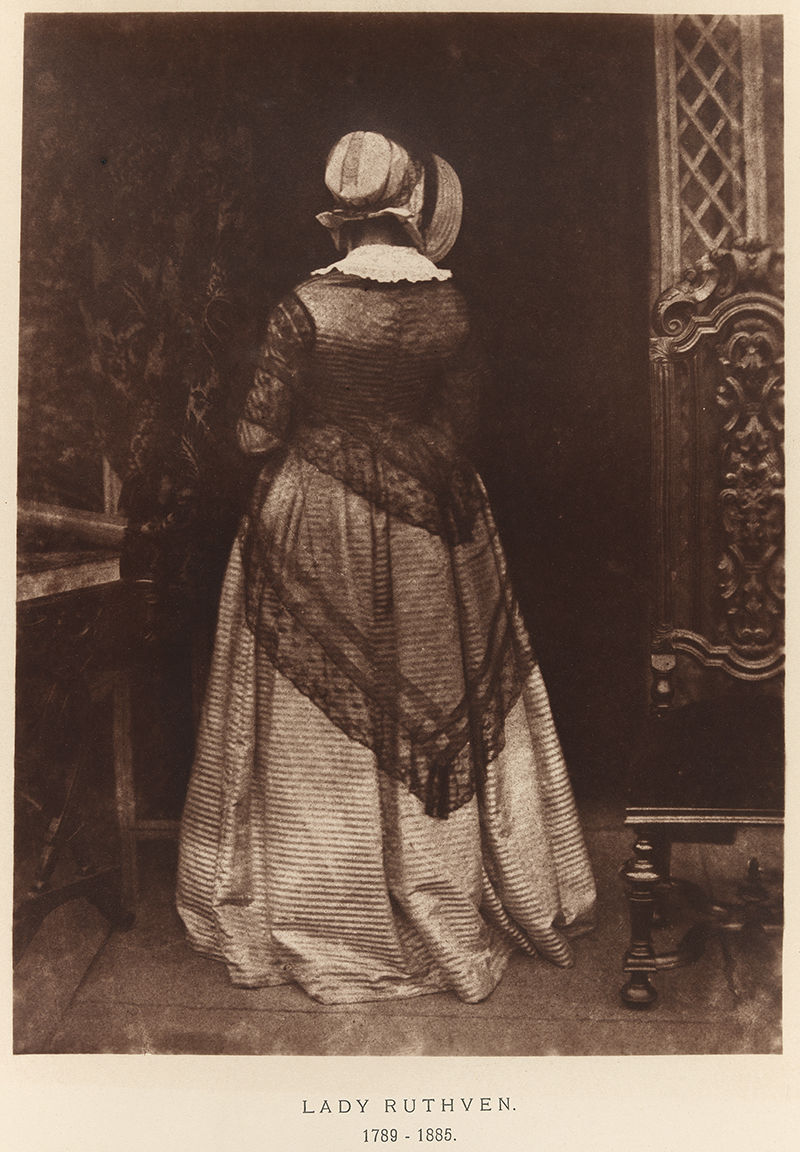
0022187d
1 calotype, print size 4.
Newhaven 1. 5 calotypes, print size 4.  Unbound images.
0012135d
0011760d
0011964d
Caroline Ramsay, MSc Material Cultures and the History of the Book
Beasties

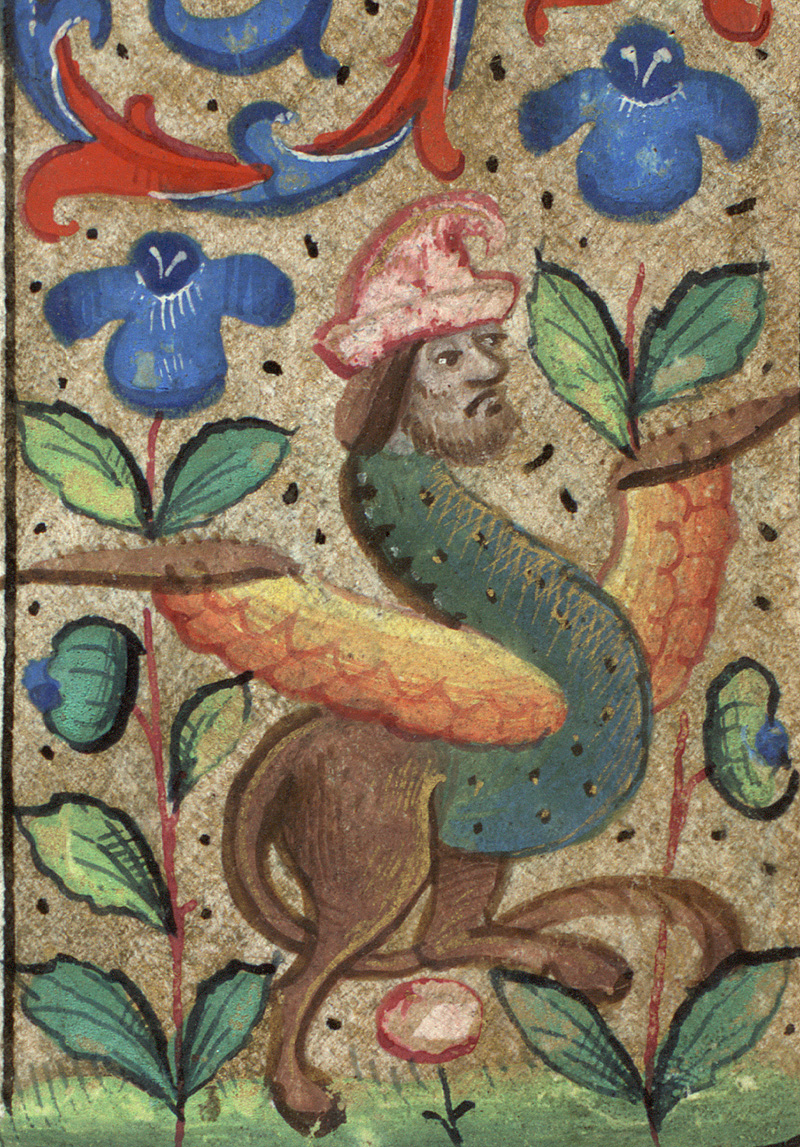
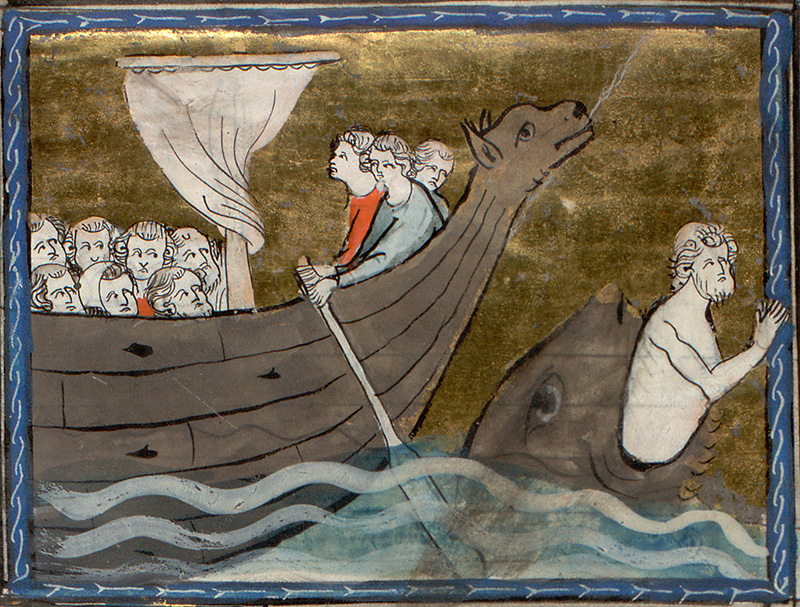
I’ve seen a startling number of beasties hiding out in our Collections over the years, and the time has come to celebrate them! From the delightful details in the margins of Books of Hours…

0001118d

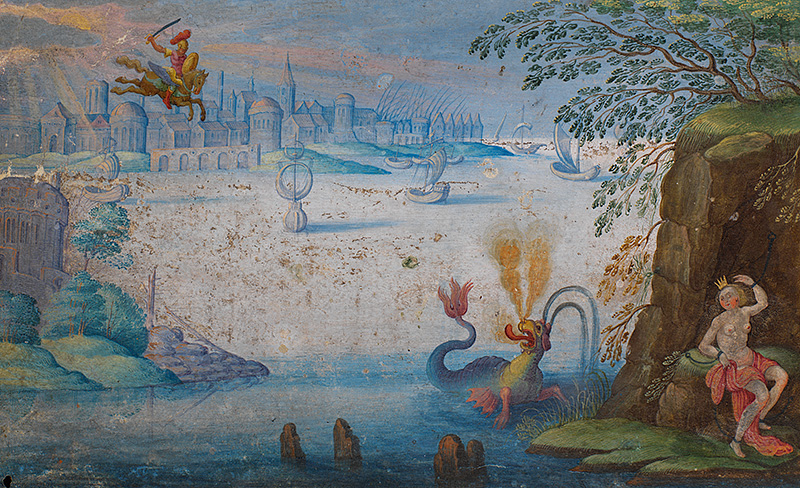
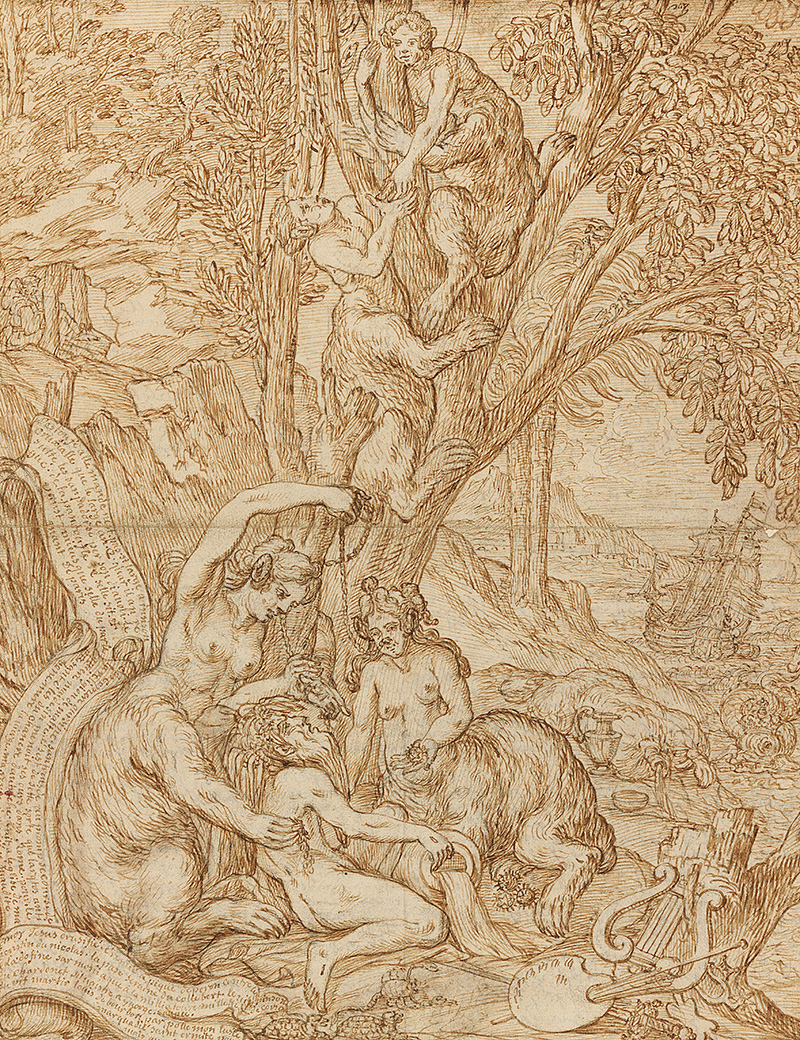
…to the damsels in distress being rescued from fantastical monsters.

0003047d

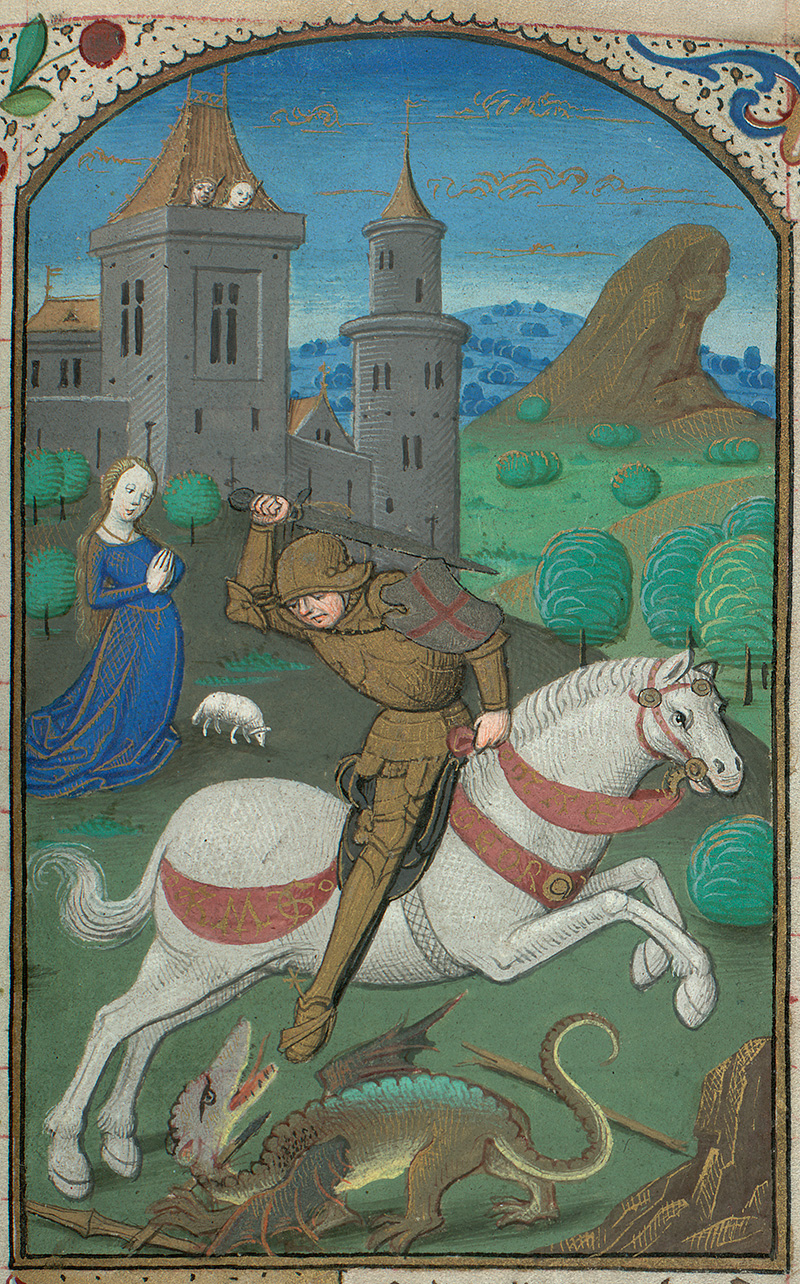
It is also wonderful to see the same story illustrated from 2 very different traditions: St. George and the Dragon in a Book of Hours circa 1500 and made in France for a Scottish owner…0001121f

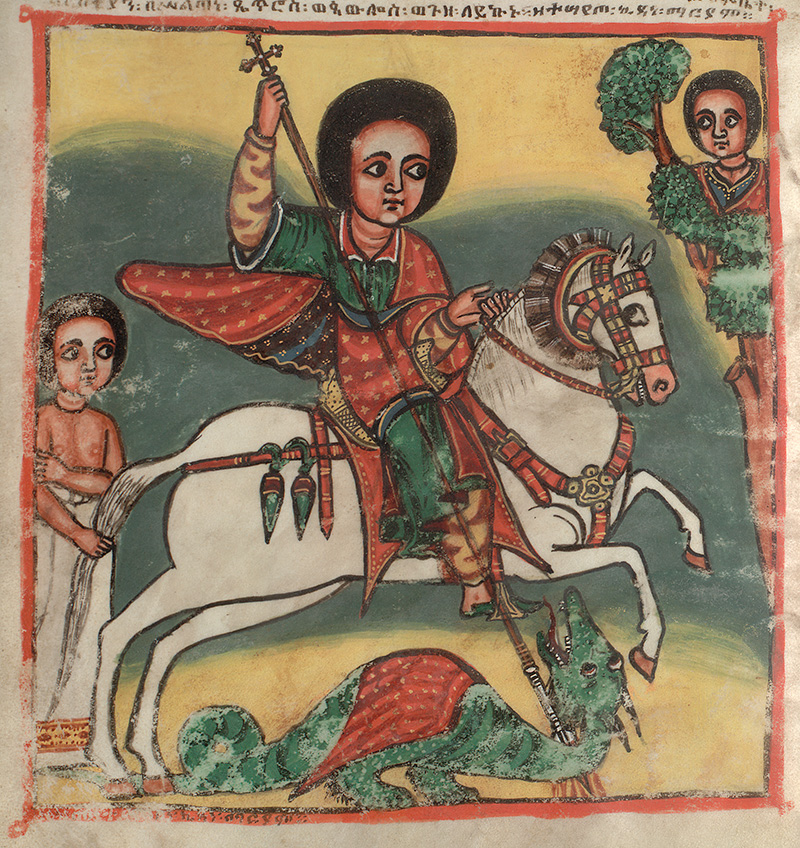
…or the strikingly different St. George and the Dragon in the Ethiopian Manuscript Gadala Georgois.0001205d

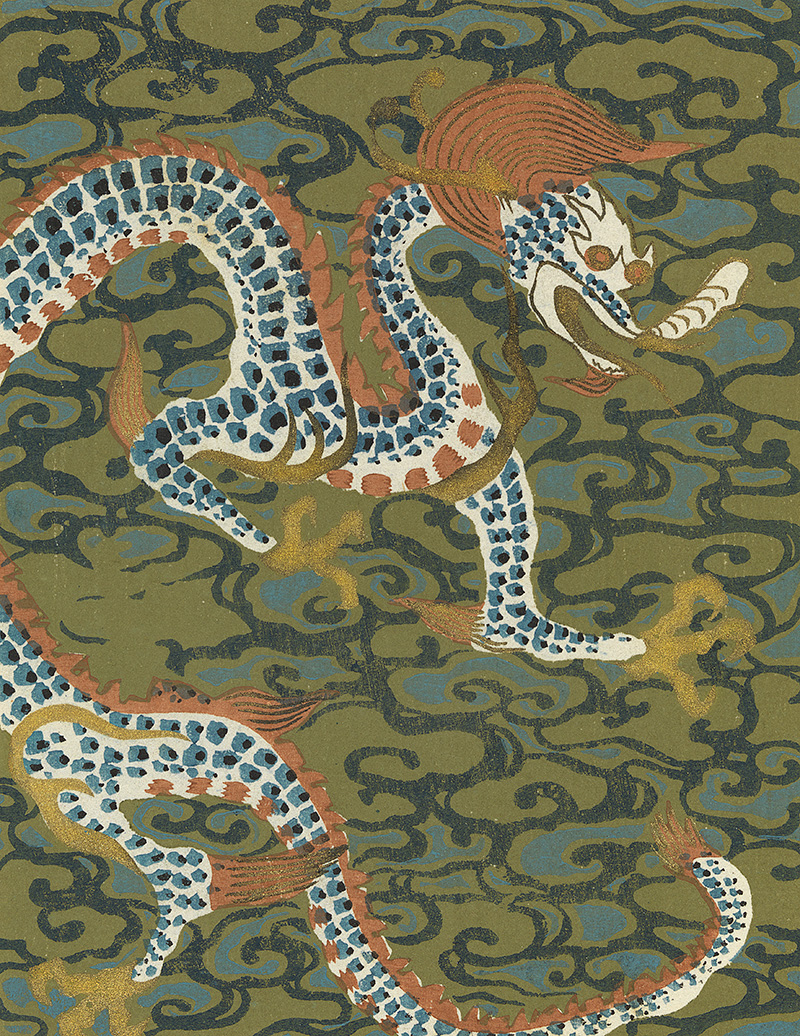
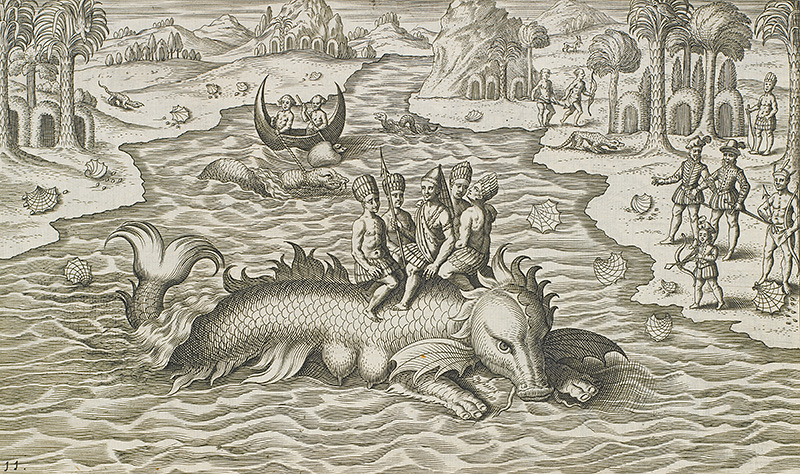
It doesn’t appear to matter where in the world -West, East, or South America- every nation has its own set of Beasties.

0055477d 0009283d

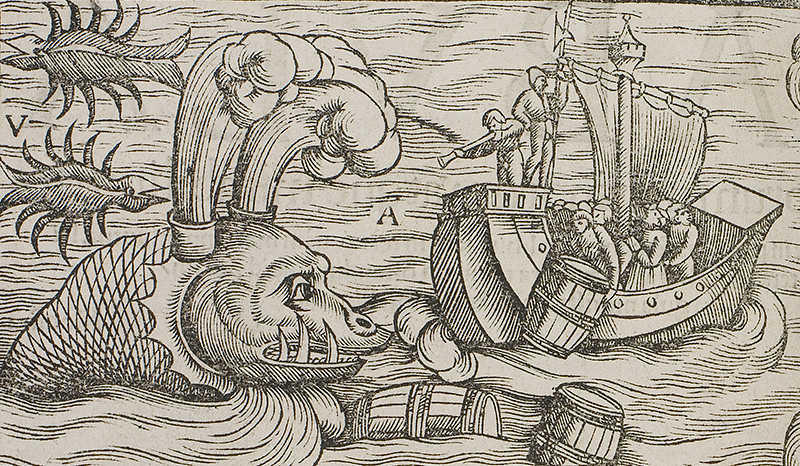
Some are fairly conventional sea monsters…

0005691d

…  and some just down right bizarre,

0025731d

yet all bring a smile to my day!

Susan Pettigrew

Photographer

New Ways Of Seeing

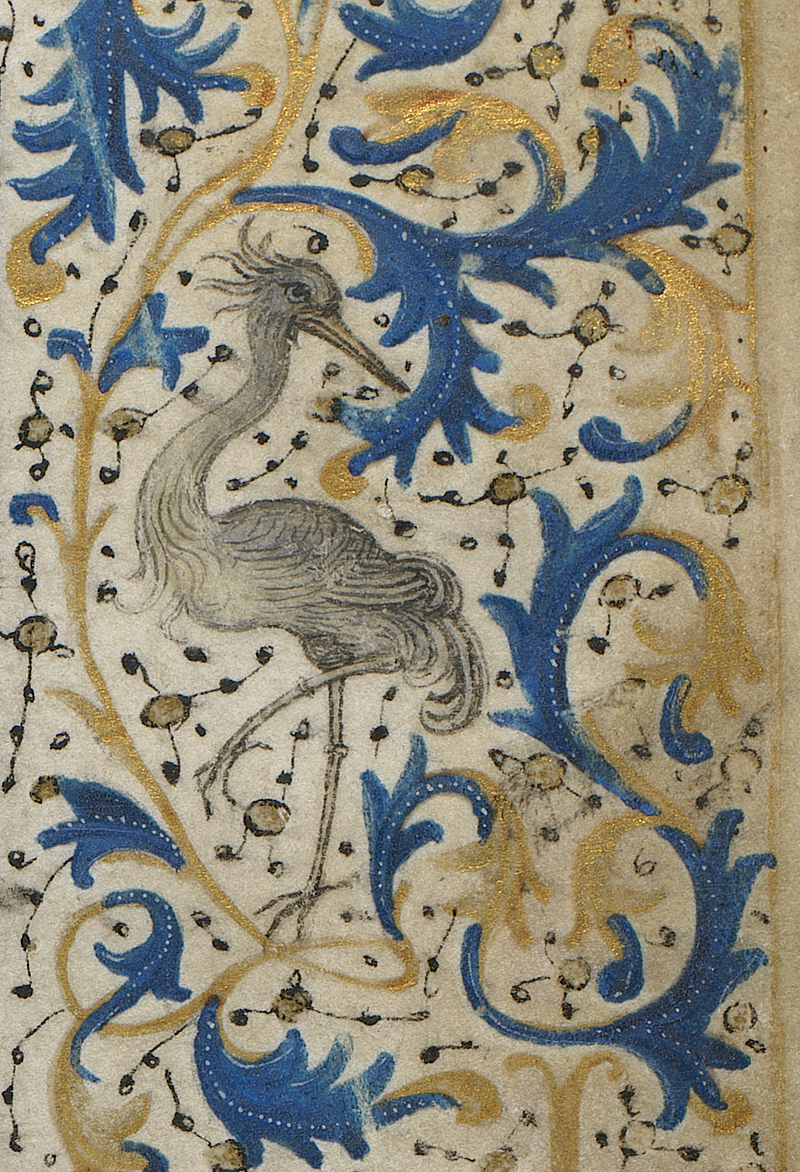
0004187eA large part of what we do in the Digital Imaging Unit is fulfilling digitisation requests from all over the world from researchers and academics who want access to our collections. This week one request required three images from  Ms 195  “Poems Of Virgil” , which is part of the University’s Western Medieval Manuscripts Collection. The detail of the Heron ? or Crane? struck me as an astounding piece of work. The economy of line used to describe the plumage and structure of the bird is very accomplished. I felt this image is worth sharing in detail as it highlights the quality of visual literacy preserved within our collections. The detail also highlights that high quality capture of these works can aid discovery and give us insight into the material. If you compare the detail to the full image via the link to Ms 195 you can see how easily this information could be lost to the eye. The high quality capture provided by top of the range Hasselblad cameras gives us new “ways of seeing” the collections that in turn has multiple applications.

Malcolm Brown

Deputy Photographer

French Bible Historial Now Available in Book Reader

BookReader

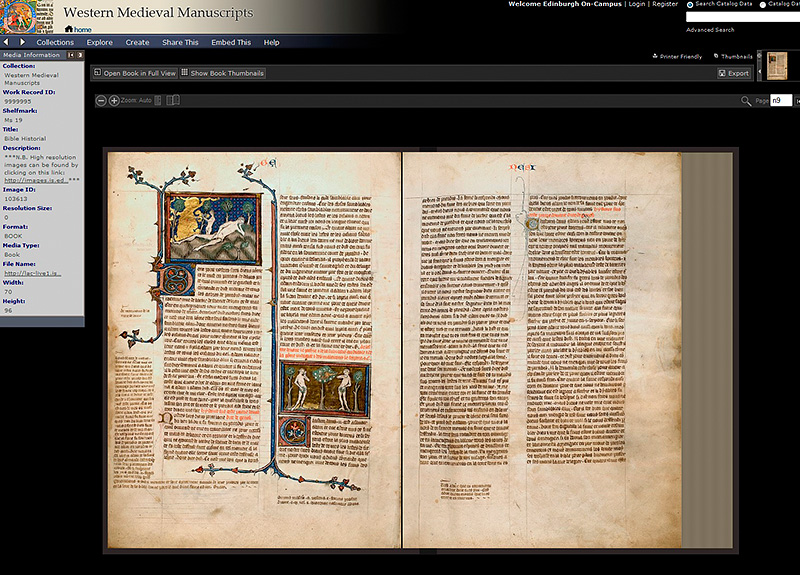
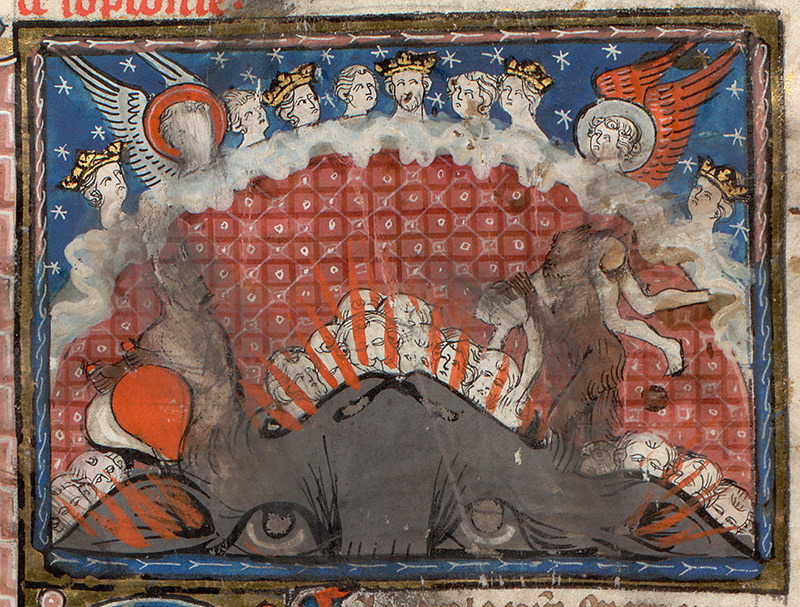
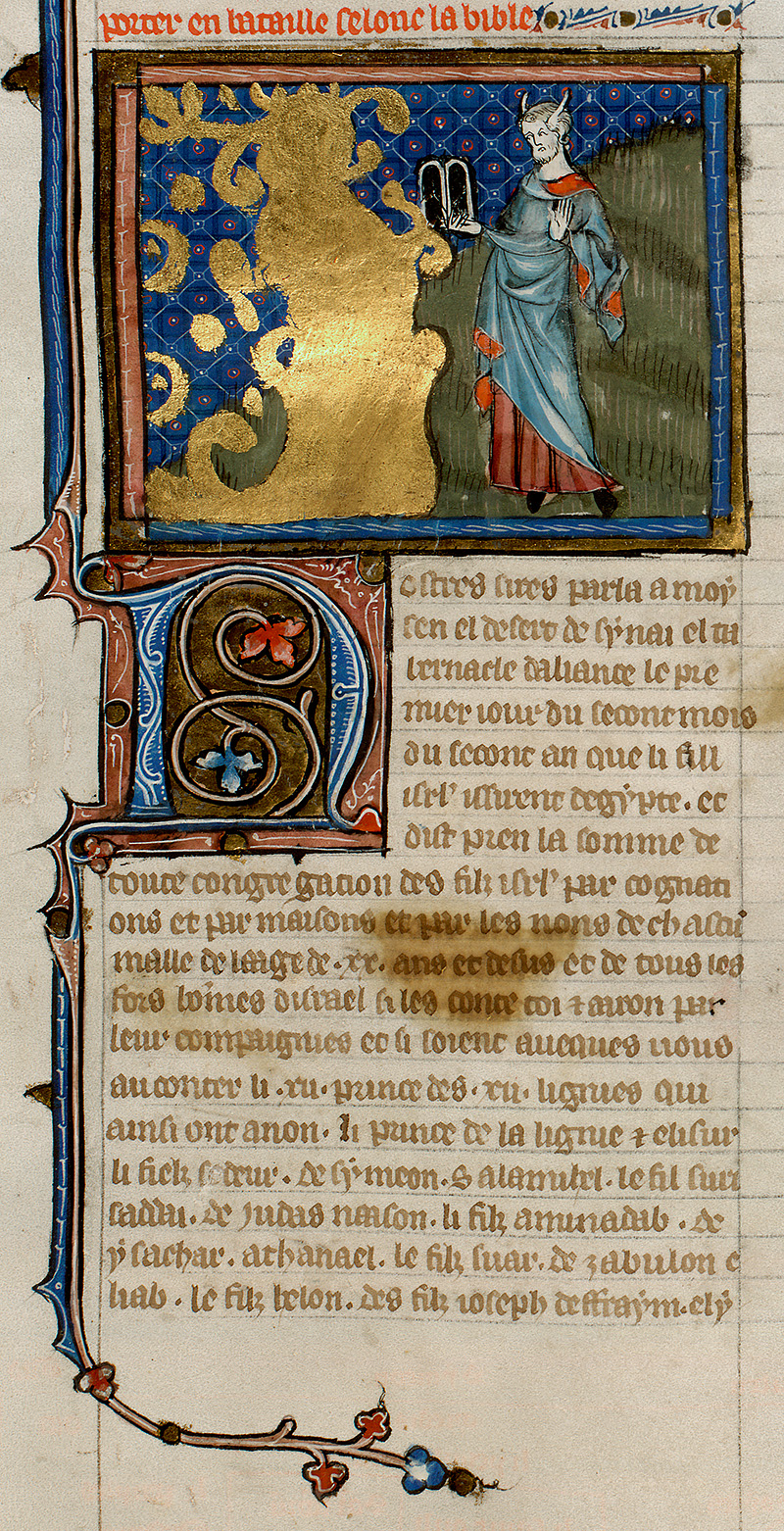
When we started at the DIU at the beginning 2004, a project to digitise a beautiful French Bible known to us as Ms 19 was already half completed, our first job was to finish it. Once this was done it was archived up to server space, and sadly, for many years, forgotten. Which is why I am delighted to announce that it is now available in Book Reader format here http://images.is.ed.ac.uk/luna/servlet/s/523yw6 . Our volunteer Ellisa Manahova – Panagiotaki has been very busy preparing the images to go into the book reader- all 966 pages. Furthermore, volunteer Jessica Macaulay has been working on enhancing the metadata for us, which we hope to add in the coming months.

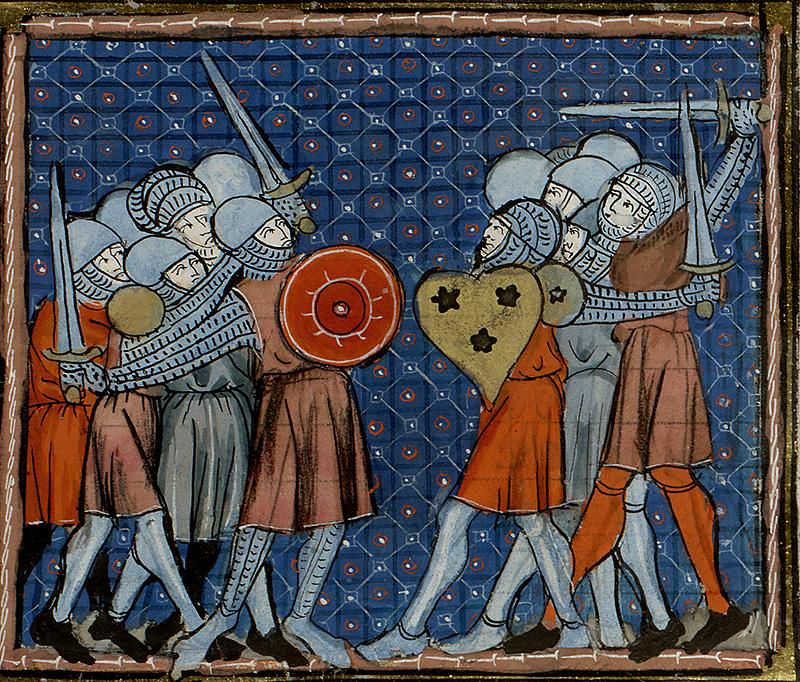
The Bible has some fantastic illuminations, including ones where God has, in an act of very polite censorship, been removed with gold paint. Enjoy!

Susan Pettigrew

0026198d 0026658d 0026649d 0026130d

Volunteering in the DIU

I have been volunteering with the Digital Imaging Unit for about a year, during which time I have been researching and adding metadata to their digital collection, as well as selecting images for a recent postcard project. It has been a wonderful opportunity to get to know the breadth of the University’s Collections and contribute to its online visibility.

As a student of the (MA) Fine Art degree  looking to start a career in the archive and museum sector, volunteering with the DIU has not only provided me with relevant work experience, but also enriched my visual and art historical knowledge by exposing me to an incredible variety of pictorial material.

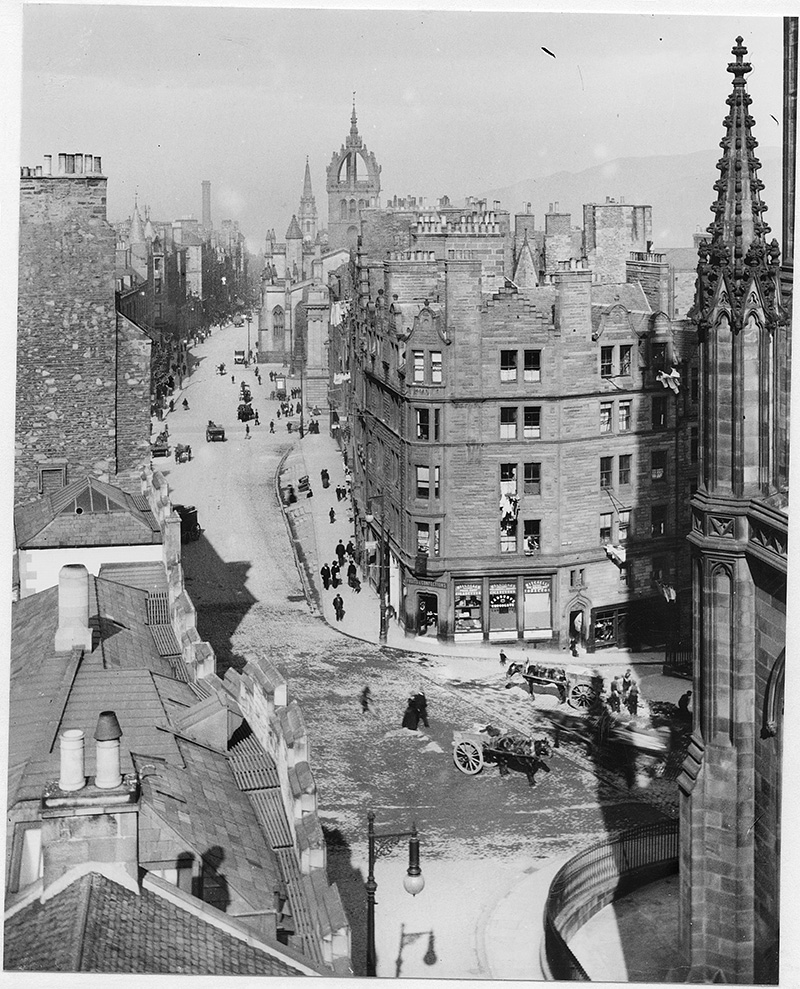
The collection has a number of beautiful images of old Edinburgh and it is remarkable to see how, in some ways, so little has changed in the city landscape.

0014281d

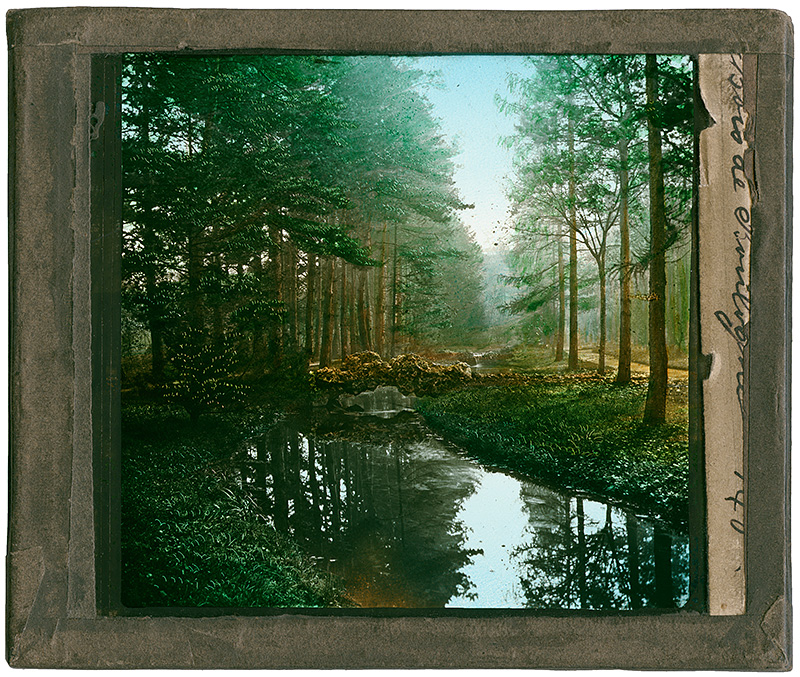
Glass-plate slides are such wonderful objects and these have incredibly vibrant colours. This particular image seems to be a photograph of the Bois de Boulogne, a park close to where my grandmother lived in Paris.

Bois du Boulogne.

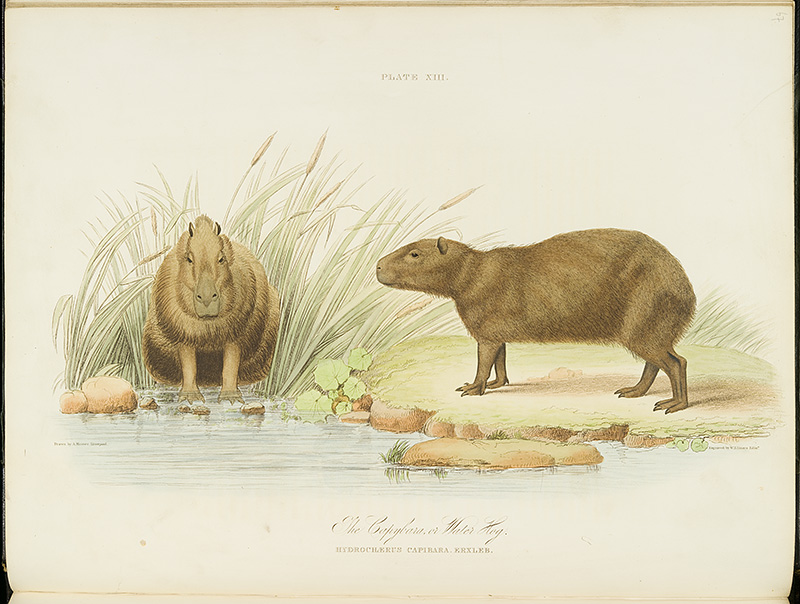
The Capybaras, or Capivaras, are a type of giant rodents indigenous to the region I grew up in Brazil. It was a lovely surprise to discover this image in the University’s collection of Zoological Illustrations.

0010936d

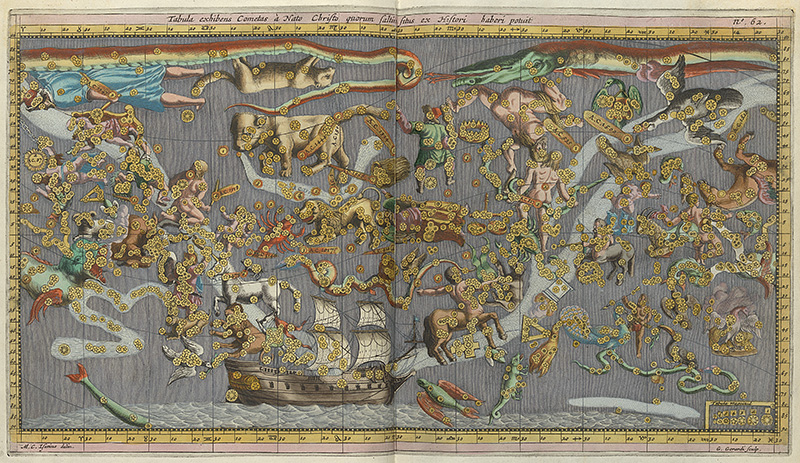
One of the many fascinating items I’ve had the pleasure to research for the DIU, a 17th century book detailing comet sightings throughout history, accompanied by intricate illustrations.

0024479d

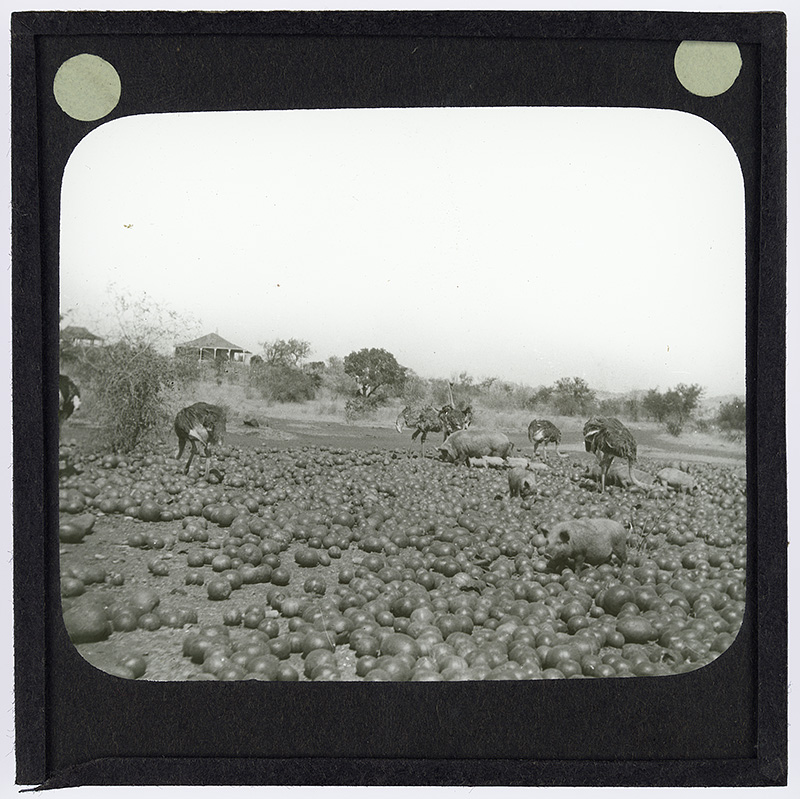
Pigs, pumpkins and ostriches… what more could you want?

0055403d

Alice Tod

Facit Calculator Photography

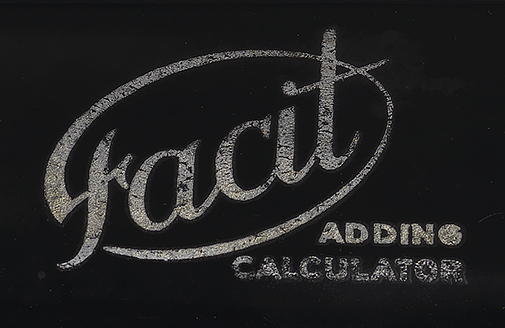
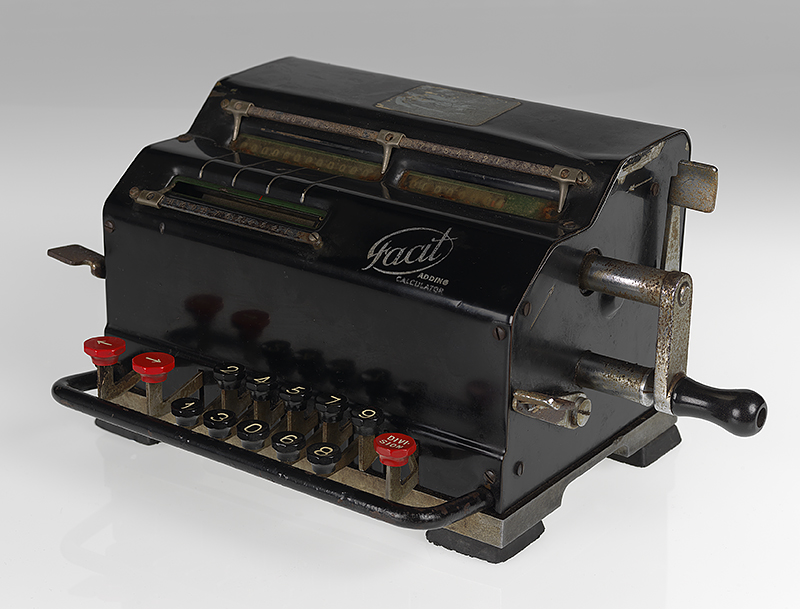
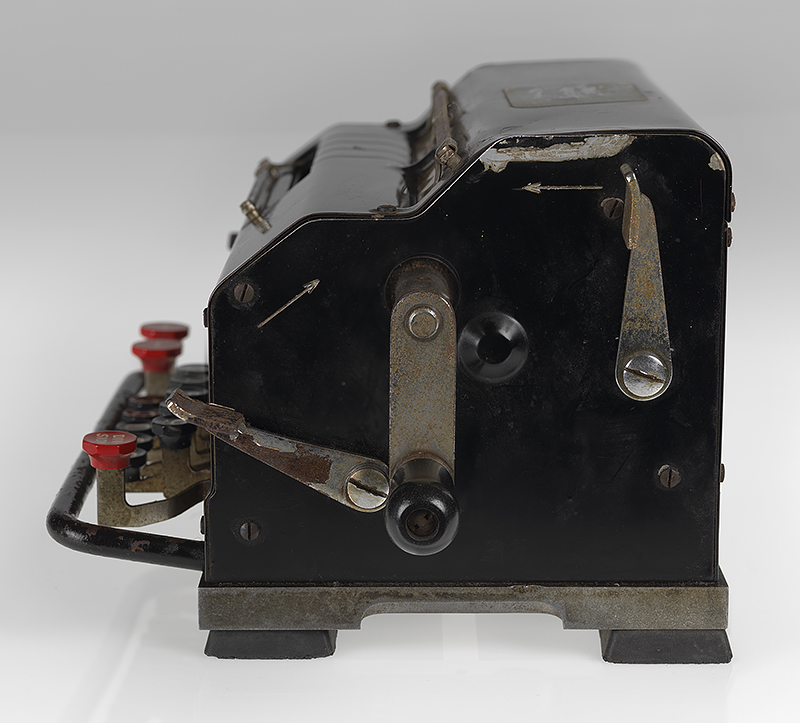
0055792dThe Digital Imaging Unit recently had the mechanical calculating machine from the Godfrey Thomson Project to photograph. The calculator has this beautifully resolved logo which struck me as a little unusual for such an early and niche product. However discovering the company was Swedish explains such attention to design. The swift rise and decline of the company is a stark warning about ignoring research, development and competition http://en.wikipedia.org/wiki/Facit
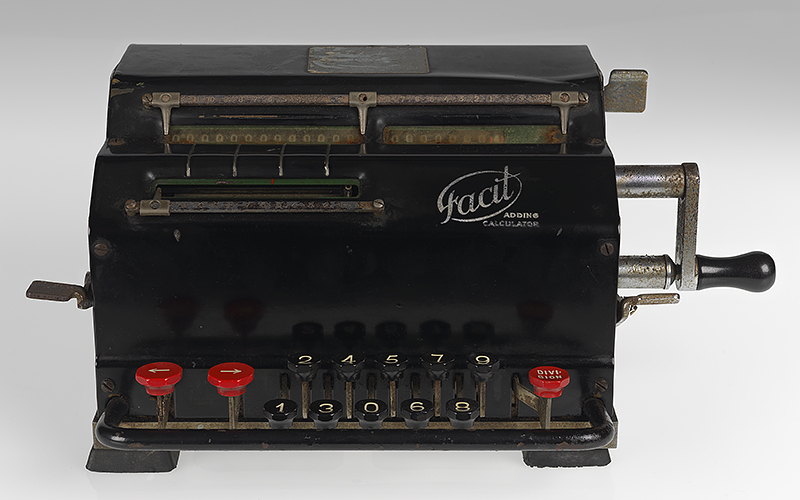
The calculator was photographed using the DIU infinity table lit from below with key and fill lighting arranged carefully to maximize all the detail and information present in the calculator. This was a challenge given the black colour and metallic reflective nature of the material. In addition multiple exposures were taken and the final set of images were assembled in Adobe Photoshop.

Malcolm Brown

0055792e0055795d0055800d

Digitising Darwin

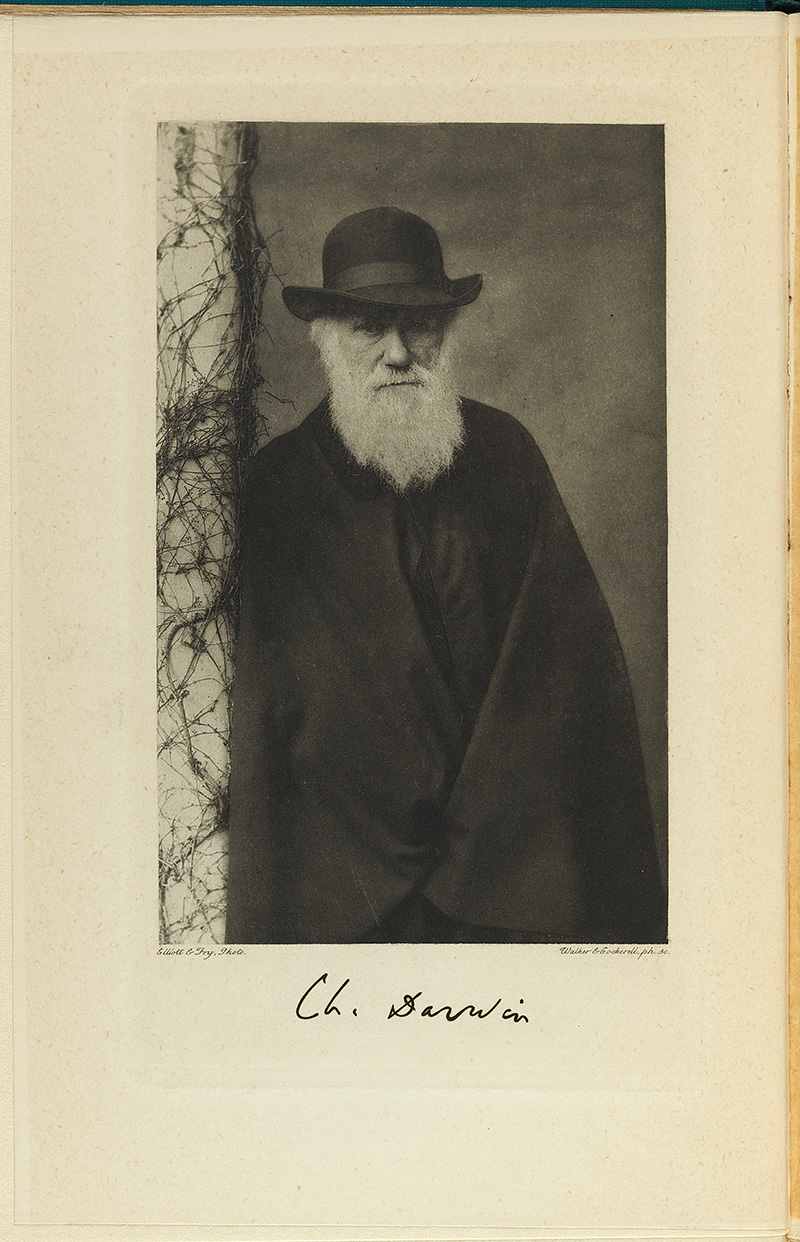
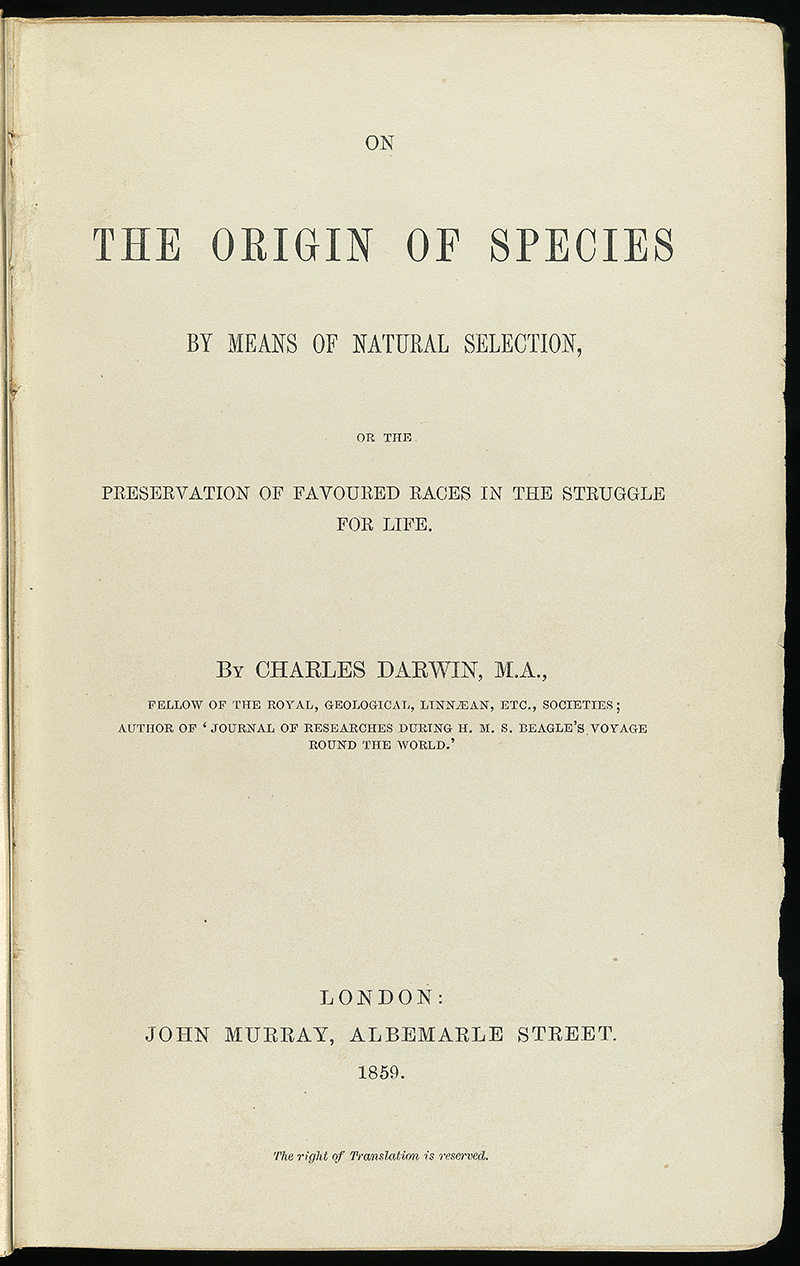
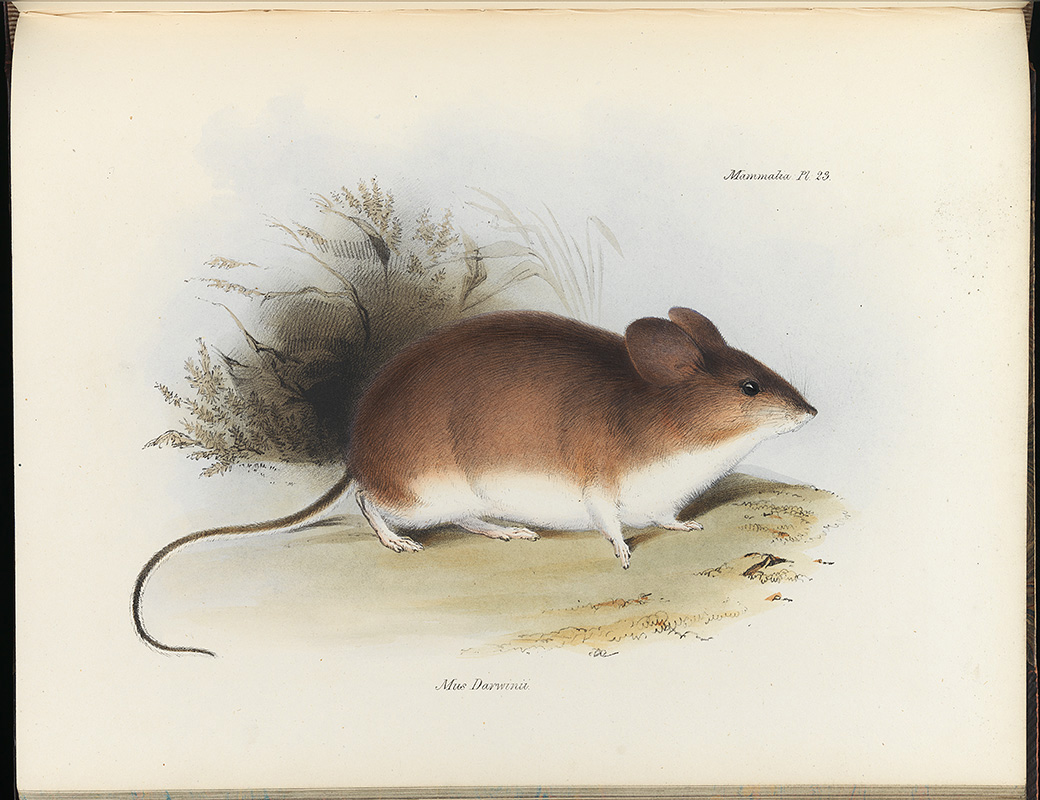
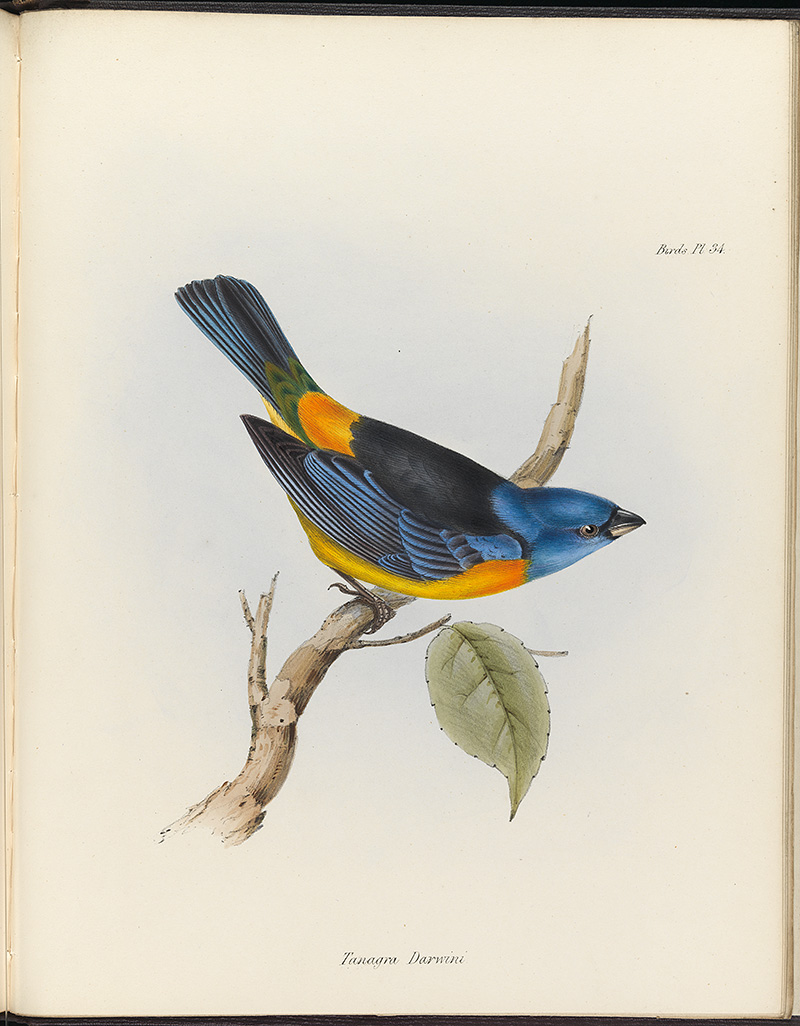
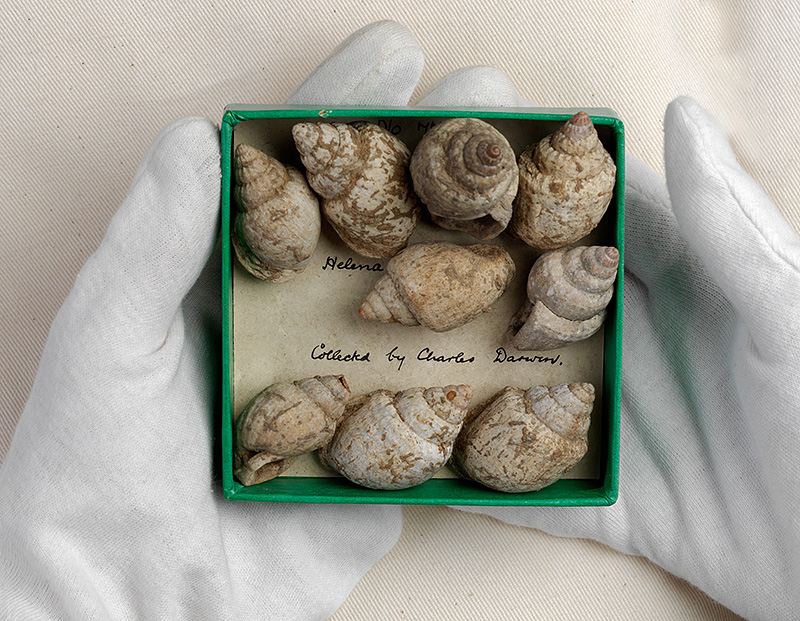
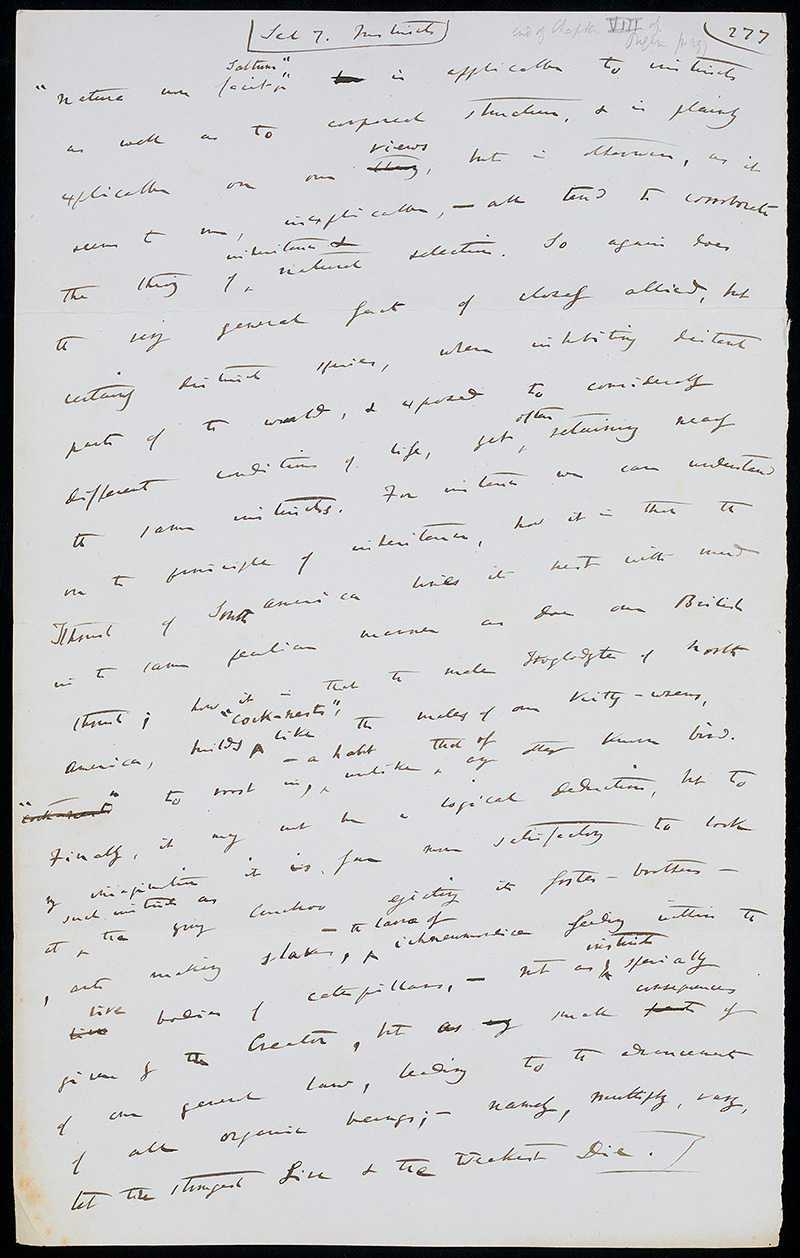
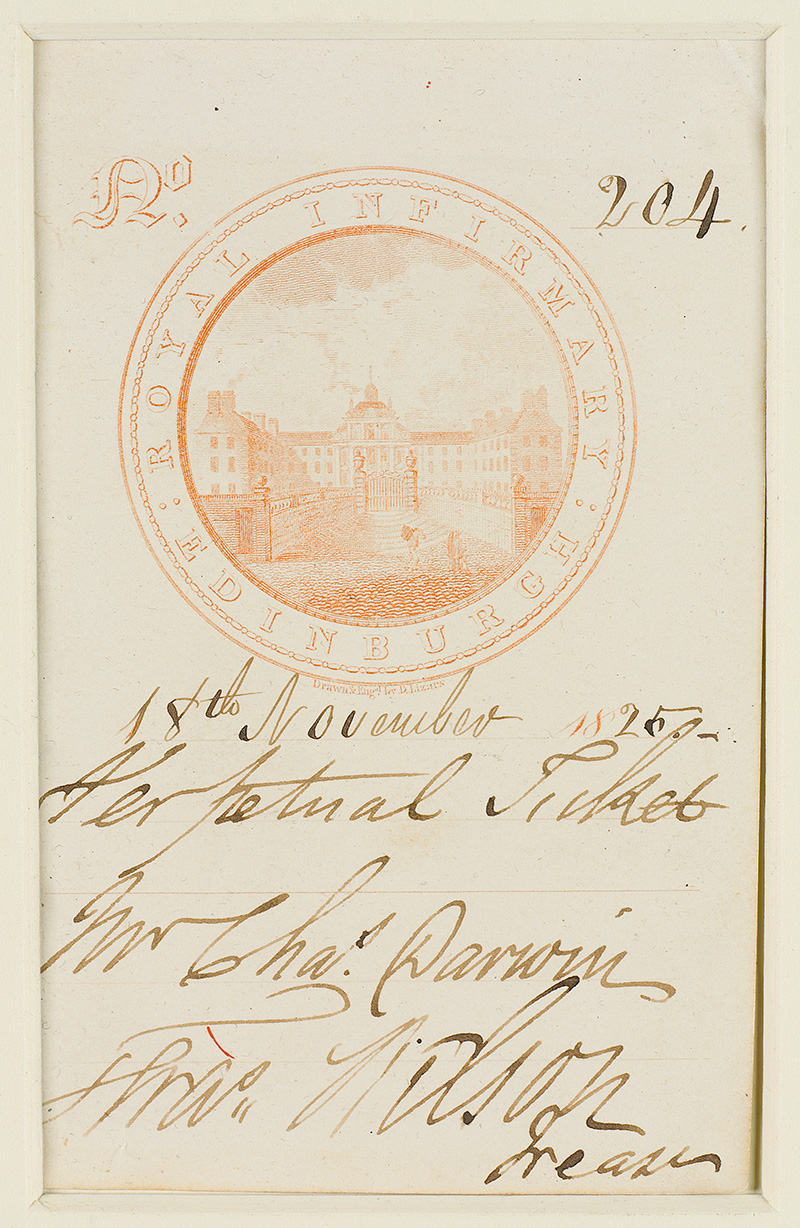
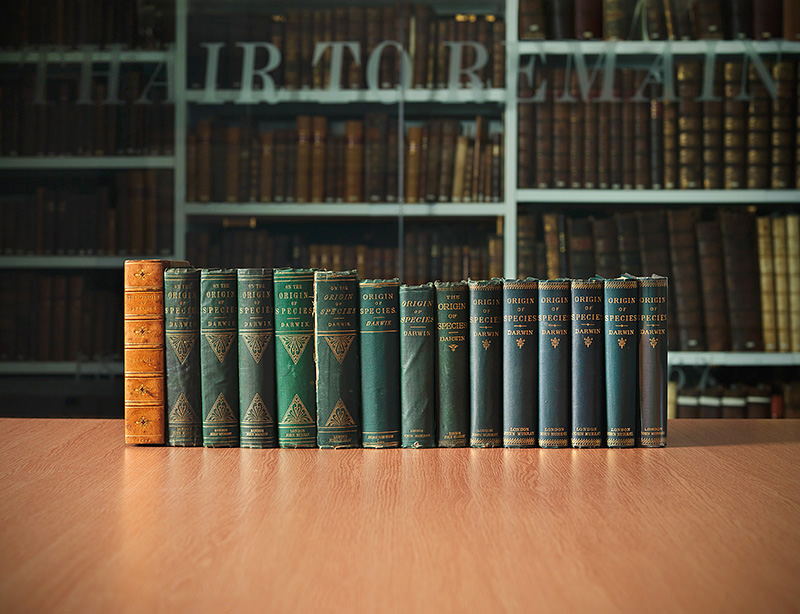
Heiskell DarwinOver the years several Darwin originals have made their way to us for photography- a handwritten sheet from the manuscript of ‘On the Origin of Species’, his class cards, letters and recently some shells collected by Darwin during the voyage of the Beagle which had been rediscovered amongst Lyell’s geology collection. This week I was delighted to receive a whole trolley load of books from the Darwin collection which were being photographed in preparation for a printed catalogue. The Rare Books and Manuscripts team have already completed the online cataloguing (see their blog about this mini-project here http://libraryblogs.is.ed.ac.uk/blog/2013/08/30/darwins-voyage-of-discovery/ ).

Much of what arrived in the DIU was from the Heiskell Darwin collection- a donation of first editions made to the University in 2012 from the Heiskell Bibliographical Foundation, although some beautiful plates from the ‘The Zoology of the Voyage of H.M.S. Beagle’ came from our existing collection. As our image archive of Darwin is growing, I thought it might be nice to show some of the highlights here.

Susan Pettigrew

Heiskell Darwin Heiskell Darwin Heiskell Darwin Charles Lyell collection 0009323d 0009315d 0055917d

Damnation and Divinity

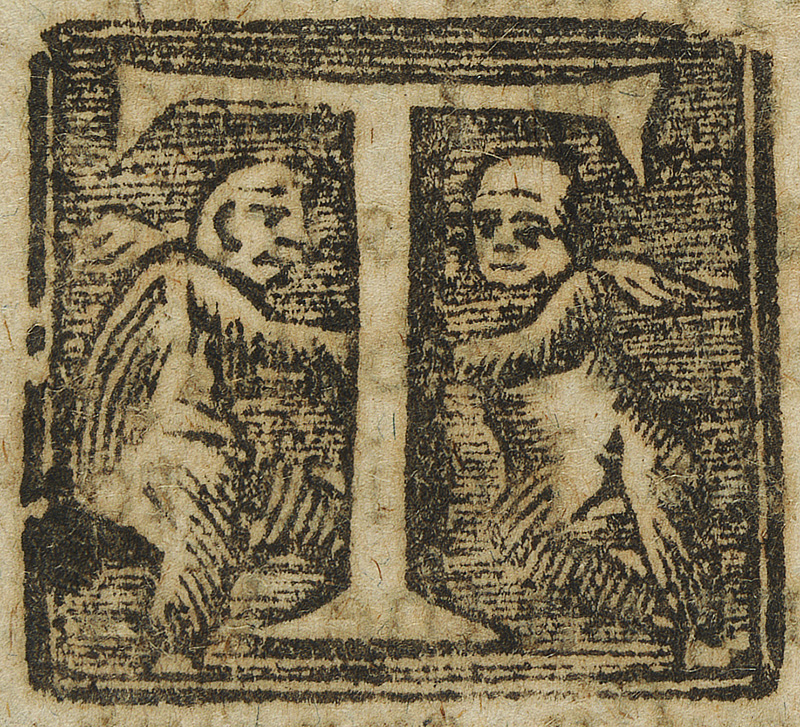
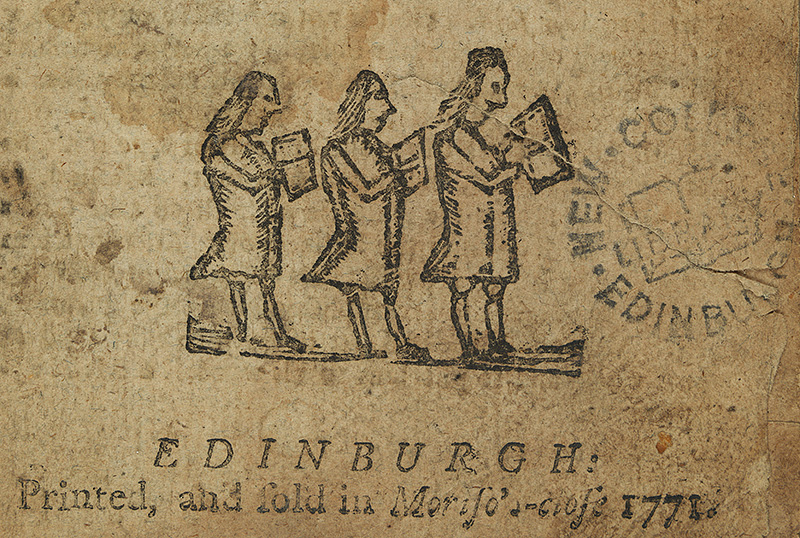
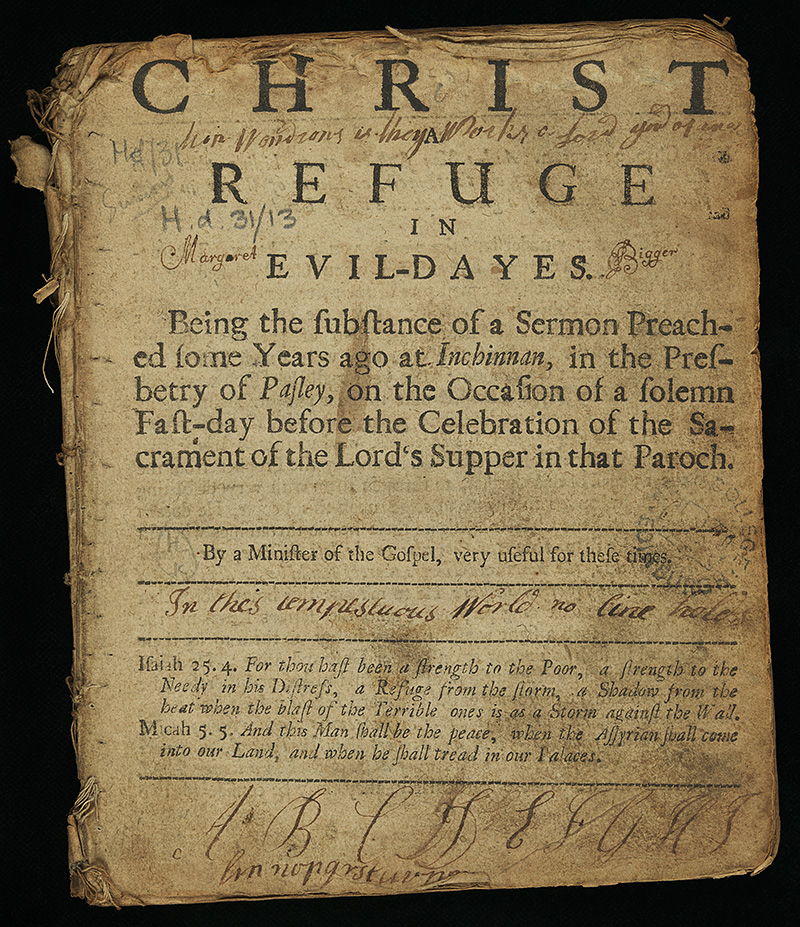
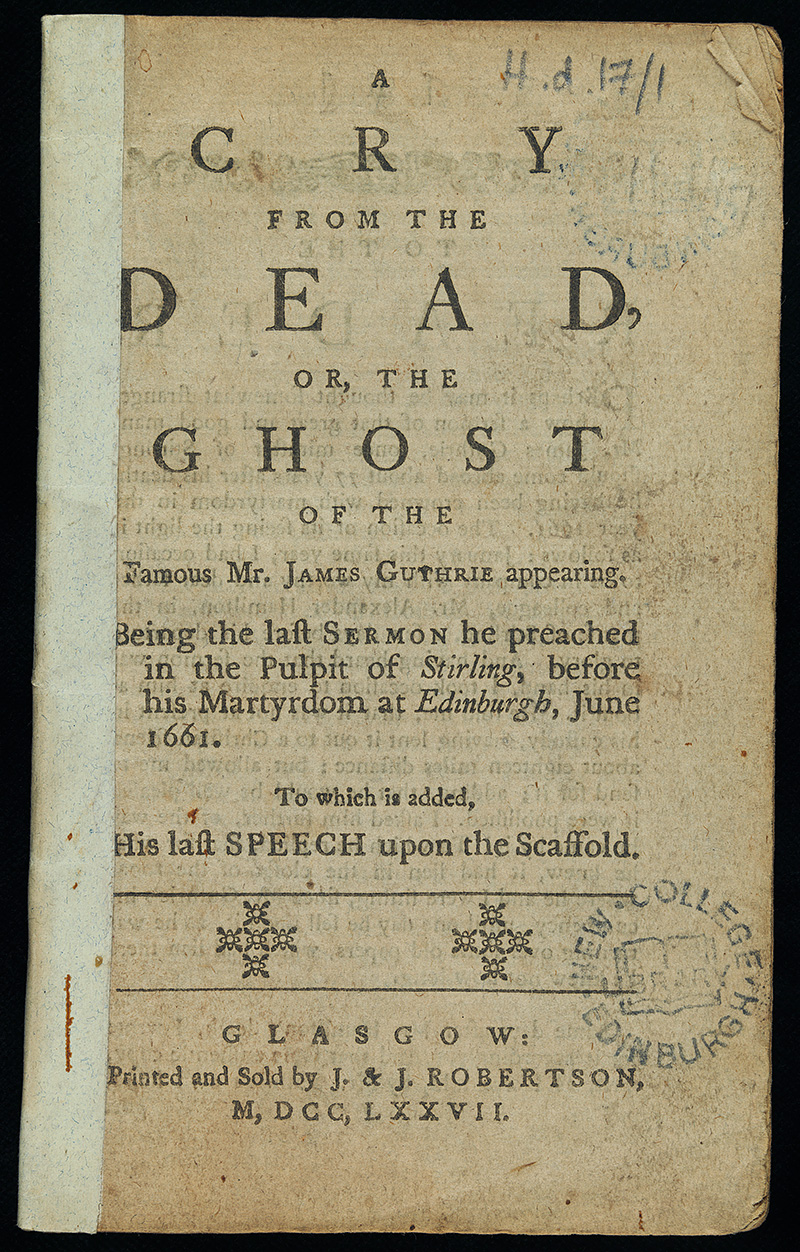
More Religious pamphlets for the English Short Title Catalogue (ESTC) came our way this week, mostly from New College Library. I always find the titles so fascinating, and some of them have lovely woodcut details too. The following are some of my favourites.

For more information about the ESTC see http://estc.bl.uk/F/GFIV3P5UCLQIQIHNQC1EQBU4HFL4Q9YYCCQ5XD4QM8XJRAED8Q-13504?func=file&file_name=catalogue-options


Susan Pettigrew

ESTC ESTC ESTC ESTC ESTC

Association for Historical and Fine Art Photography Conference

The Digital Imaging Unit attended the “Association for Historical and Fine Art Photography” conference for the first time in November at the end of last year. The conference was hosted in Starr Auditorium at Tate Modern and was opened by Sir Nicholas Serota the Director of Tate. Marvelous venue aside it was an engaging conference. Serious joke of the morning went to the Preservation Advisory Centre Imaging Group who highlighted that often at the end of digitisation planning the final step is usually outlined as, ” Just put it online“. This really diminishes the enormity of that task. However it is interesting to see so many national institutions grappling with the same digital problems and discussing digitising for access verses digitising for preservation and issues like high value low volume workflow verses mass digitisation workflow.

Sarah Saunders of Electric Lane who has been involved with IPTC embedded metadata standards introduced ,The new SCREM (SChema for Rich Embedded Metadata for Heritage Media Files) project. Plans are afoot to cater for heritage imaging metadata within IPTC fields. Sarah also made a strong case for this in the example that when we download music files by right clicking and saving to our desktops we now expect at a minimum to see a title, author and probably a creation date. So why has this not happened for images? and can IPTC embedded metadata remedy that situation?

It was cool to find out from Maureen Pennock that the British Library not only backs their truly massive amount of data up, but stores that data backup in four geographically distant separate locations across the UK. Maureen also warned against the perils of BIT FLIP which degrades image quality in a variety of ways and the need to manage stored data for its preservation. Her view on cloud storage was an outright DON’T DO IT! which is a strong message from someone with her experience.

Dani Tagen’s talk was controversial as she described ” how we at the Horniman Museum & Gardens have managed to take 15,000 photos of about 8,000 objects in 10 months with one photographer and a small team of collection assistants.” she lost three kilos in weight teaching collections assistants how to take photographs. In my opinion the results were high volume poor quality by professional standards and the assistants themselves admitted that more training and time would be required to come up to professional standards. However the images were a marked improvement over previous efforts and were not for public consumption they were for internal use as documentary images of the collection. Dani was however playing to a tough audience. When viewing her own photographs alongside the assistants the quality of Dani’s work was far greater.

The highlight for me was English Heritage’s short film by Alan Bull covering the last hat mould makers in UK. The film described that the poisonous materials that hat mould makers worked with actually accounted for previous generations going insane hence the phrase “Mad As A Hatter”.

Conference abstracts can be found on the AFHAP website.

Malcolm Brown