A Spring Time Natural History

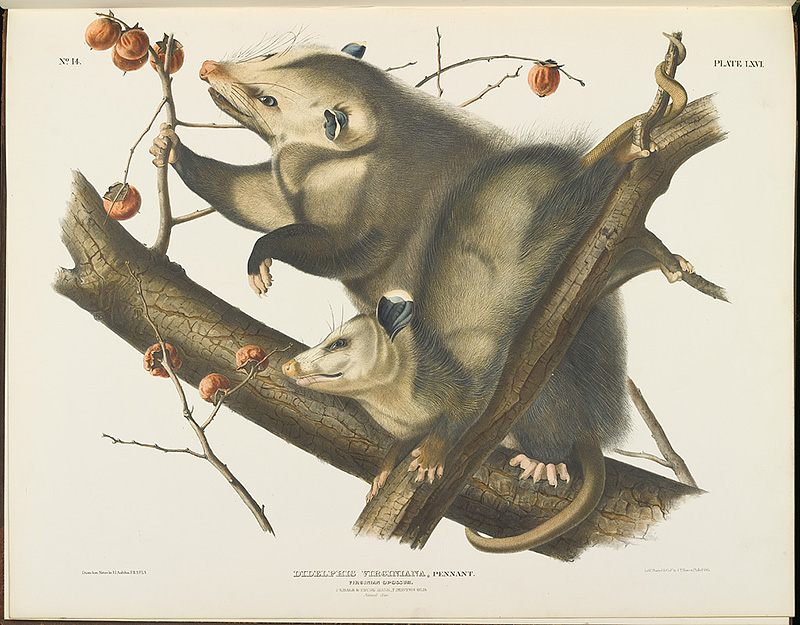
Maybe it is this lovely spring weather that has got me thinking about the wonderful books on Natural History in our Collections. Perhaps the most notable of which is  The Viviparous Quadrupeds of North America, Vol.II, 1846 by John James Audubon. Famed for his fine artistry, life-like poses and inclusion of habitats, this naturalist was regularly quoted by such towering figures as Darwin. http://en.wikipedia.org/wiki/John_James_Audubon
0009192d

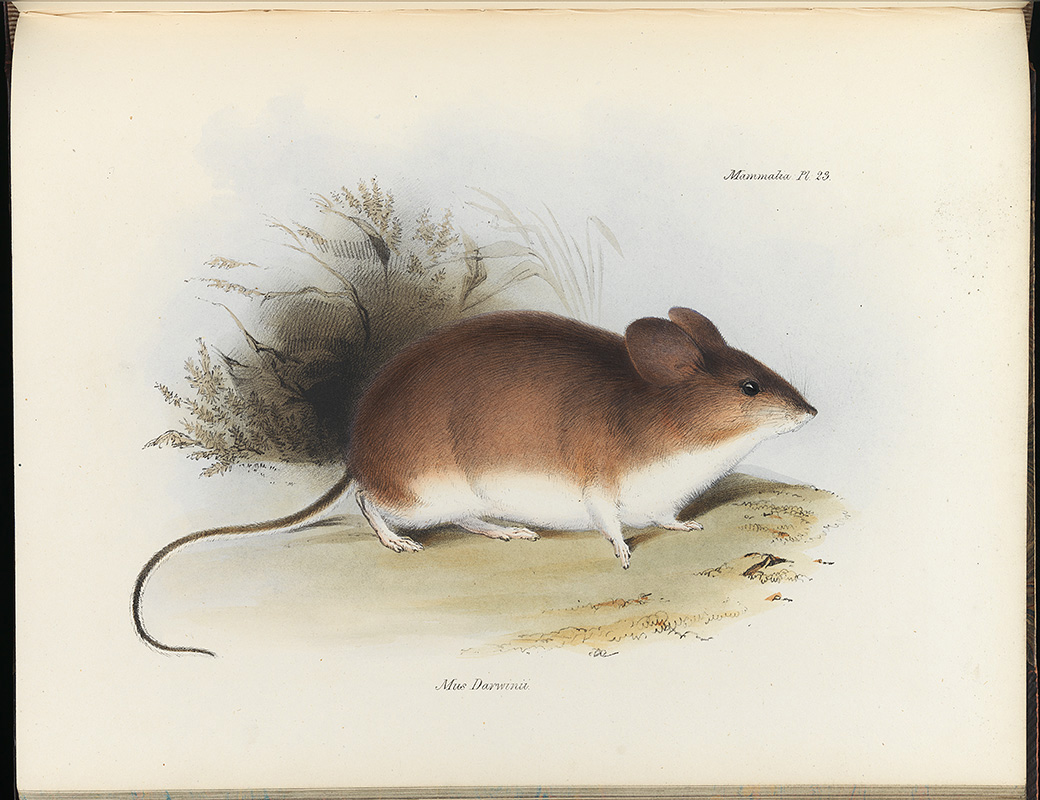
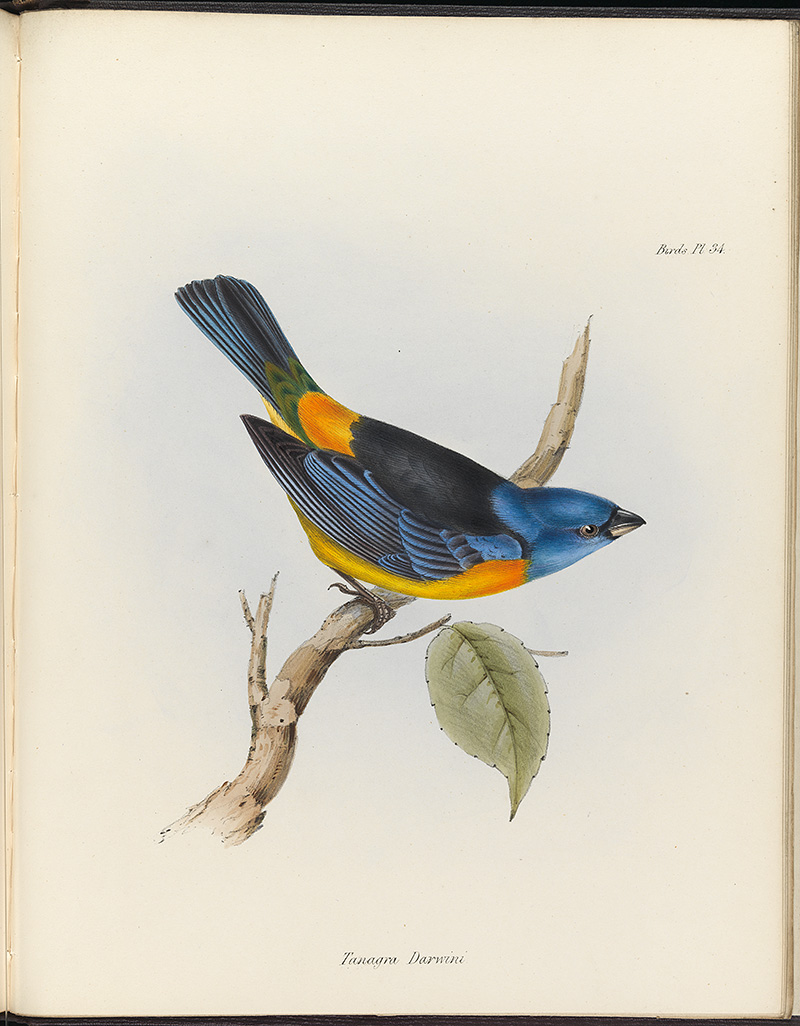
Darwin himself edited several volumes, documenting The Zoology of the Voyage of H.M.S. Beagle.  Including Pt.2: Mammalia by George R. Waterhouse. http://darwin-online.org.uk/EditorialIntroductions/Freeman_ZoologyOfBeagle.html
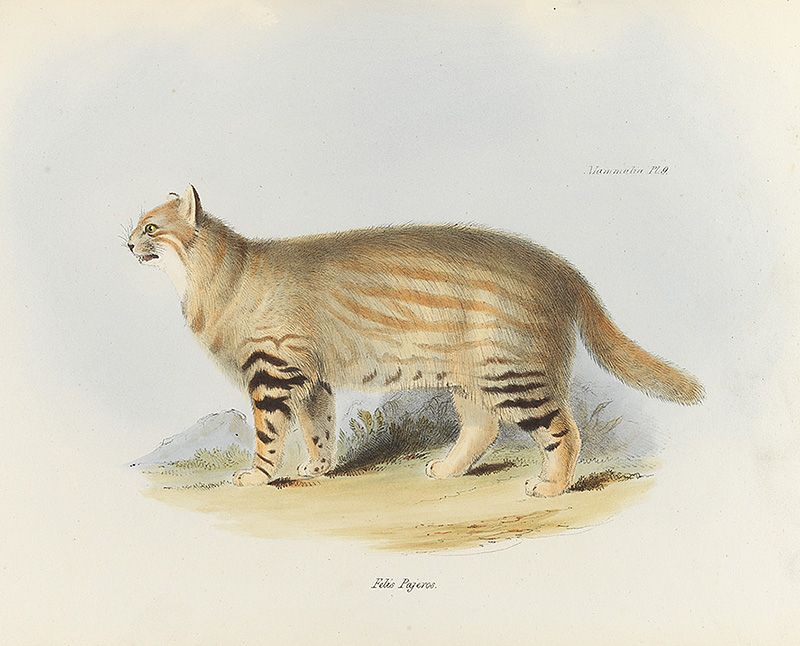
Heiskell Darwin

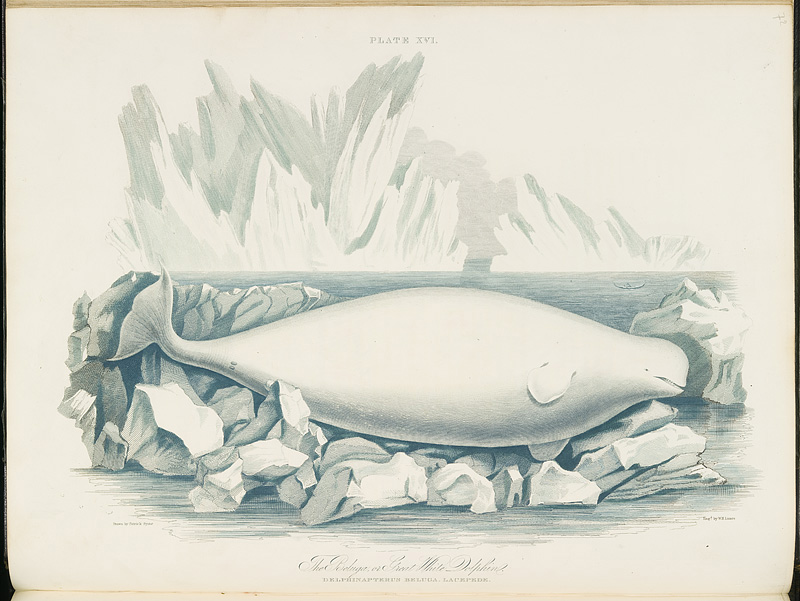
One original we have completed in its entirety is the book by Edinburgh’s own James Wilson, Illustrations of Zoology. Surely this is the next candidate to be converted into the book reader format? Here you can see ‘The Great White Dolphin’ (Beluga) drawn by Patrick Syme and engraved by W.H. Lizars. James Wilson tells us that ‘For three months in 1815 a White Whale was observed to inhabit the Firth (‘Frith’) of Forth’. http://en.wikipedia.org/wiki/James_Wilson_%28zoologist%29
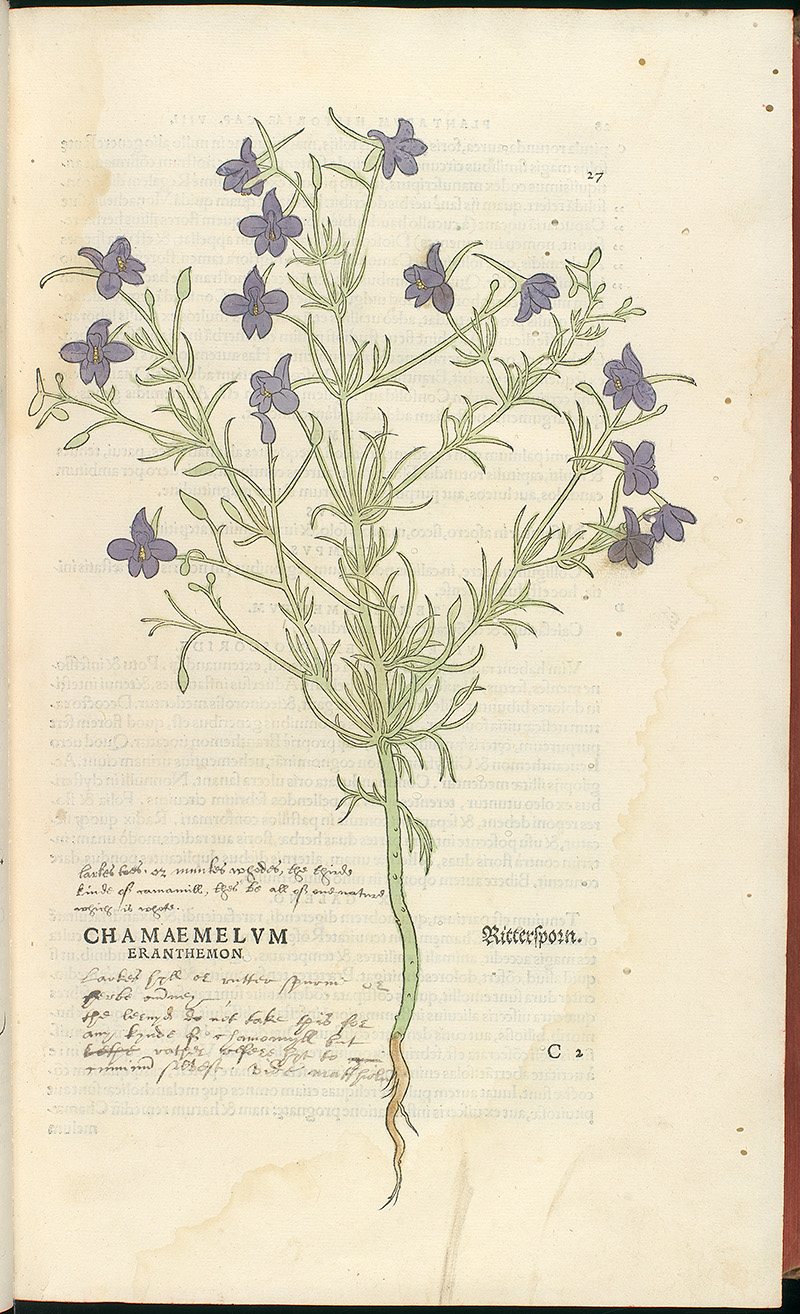
0010939d Another of my favourites is the Herbal De Historia Stirpium, 1542 by Fuchs – the man who gave his name to the flower Fuchsia. http://en.wikipedia.org/wiki/Leonhart_Fuchs  http://en.wikipedia.org/wiki/De_Historia_Stirpium_Commentarii_Insignes
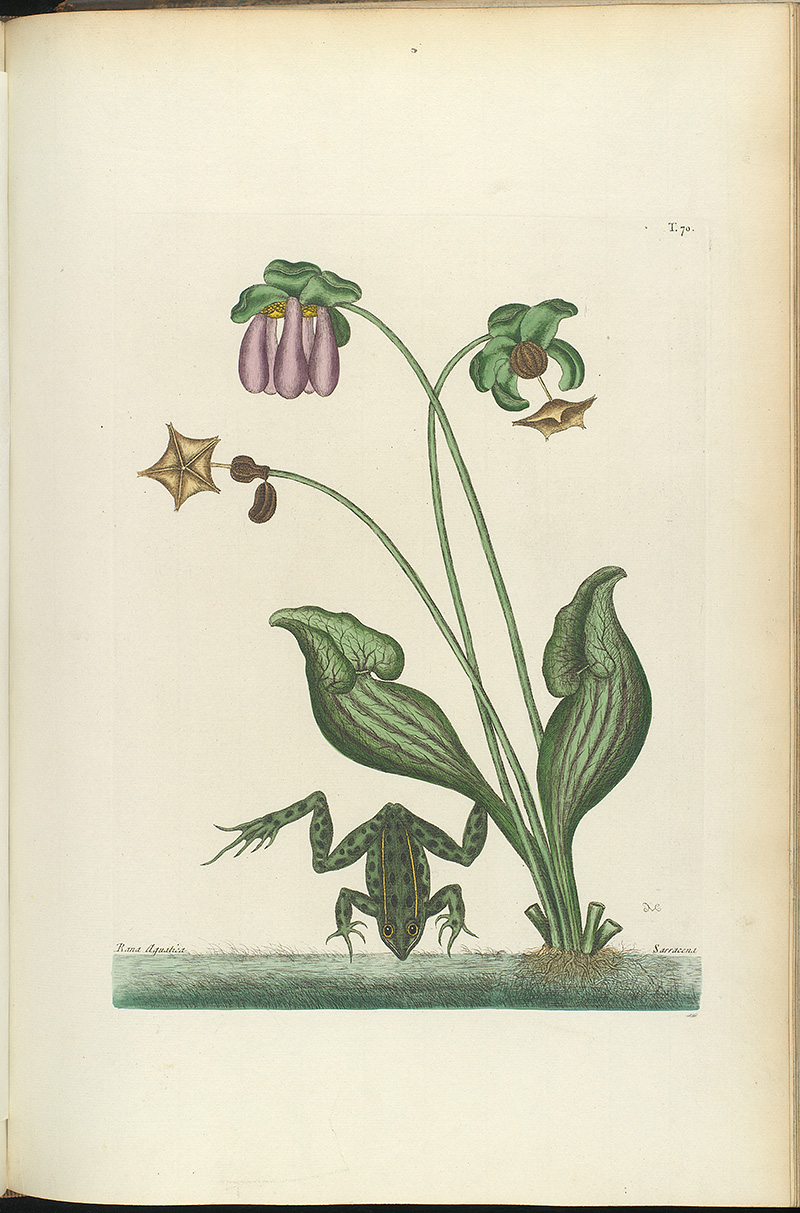
0004715dAnd who could fail to love this frog from Catesby’s Natural History of Carolina, Florida and the Bahama Islands, Vol.2? http://en.wikipedia.org/wiki/Mark_Catesby
0004145dOr miss the delicate beauty in the fronds of Hypnum preserved in the Album of Scottish Mosses, circa 1828? 
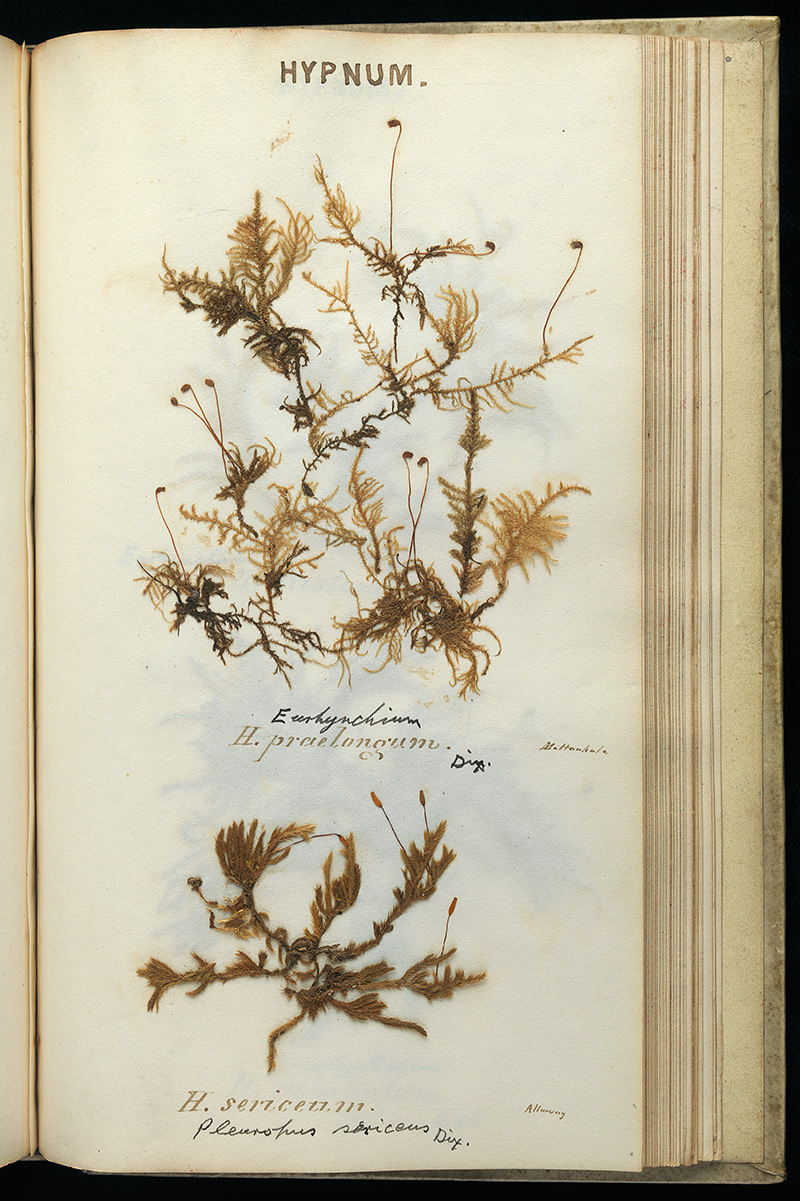
Hypnum

There are many more fantastic images from our Natural History  books, a few of which can be found by clicking the links below

http://images.is.ed.ac.uk/luna/servlet/s/53rp26

http://images.is.ed.ac.uk/luna/servlet/s/0k34v5

http://images.is.ed.ac.uk/luna/servlet/s/tpyco9

http://images.is.ed.ac.uk/luna/servlet/s/o4o18h

http://images.is.ed.ac.uk/luna/servlet/s/76u9v5

http://images.is.ed.ac.uk/luna/servlet/s/043m5r

http://images.is.ed.ac.uk/luna/servlet/s/kf35cx

http://images.is.ed.ac.uk/luna/servlet/s/6t7y00

http://images.is.ed.ac.uk/luna/servlet/s/2ly37c

After all this, I recommend a walk through one of Edinburgh’s many parks to see a bit of nature on your doorstep!

Susan Pettigrew, Photographer
New Images & New Collection Publically Available

Last week we were very pleased to make 864 new images available to the public. In the DIU we had recently completed a batch of nearly 1000 high quality images from Readers Orders and Staff requests, so we handed these over to Library Digital Development Team to upload into LUNA http://images.is.ed.ac.uk/ . Of the images that could be made available to the public…

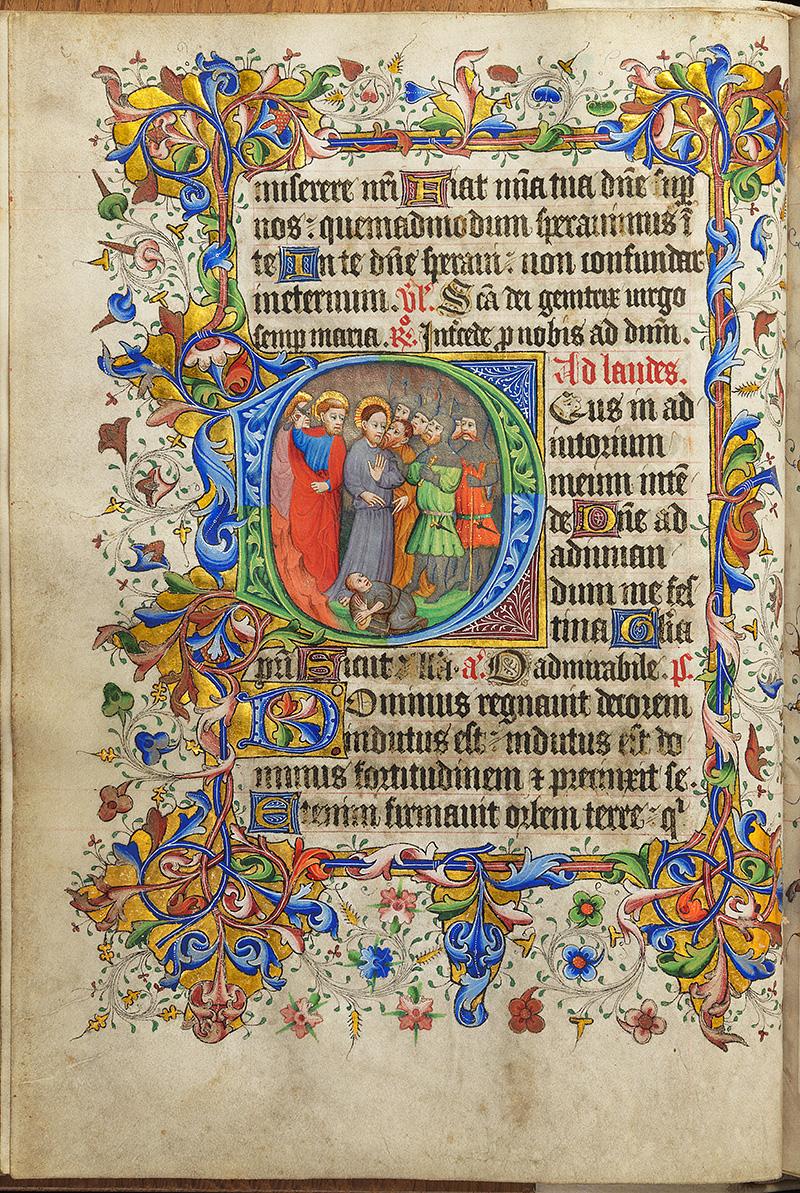
372 Images were added to the Western Medieval Manuscripts Collection

0055682d196 Images were added to the CRC Gallimaufry Collection

0055481d

162 Images were added to the New College Collection

54 Images were added to the Roslin Institute Collection

0055409d

11 Images were added to the Architectural Drawings Collection

10 Images were added to the Salvesen Collection

10 Images were added to the University of Edinburgh Collection and

8 Images were added to the Incunabula Collection

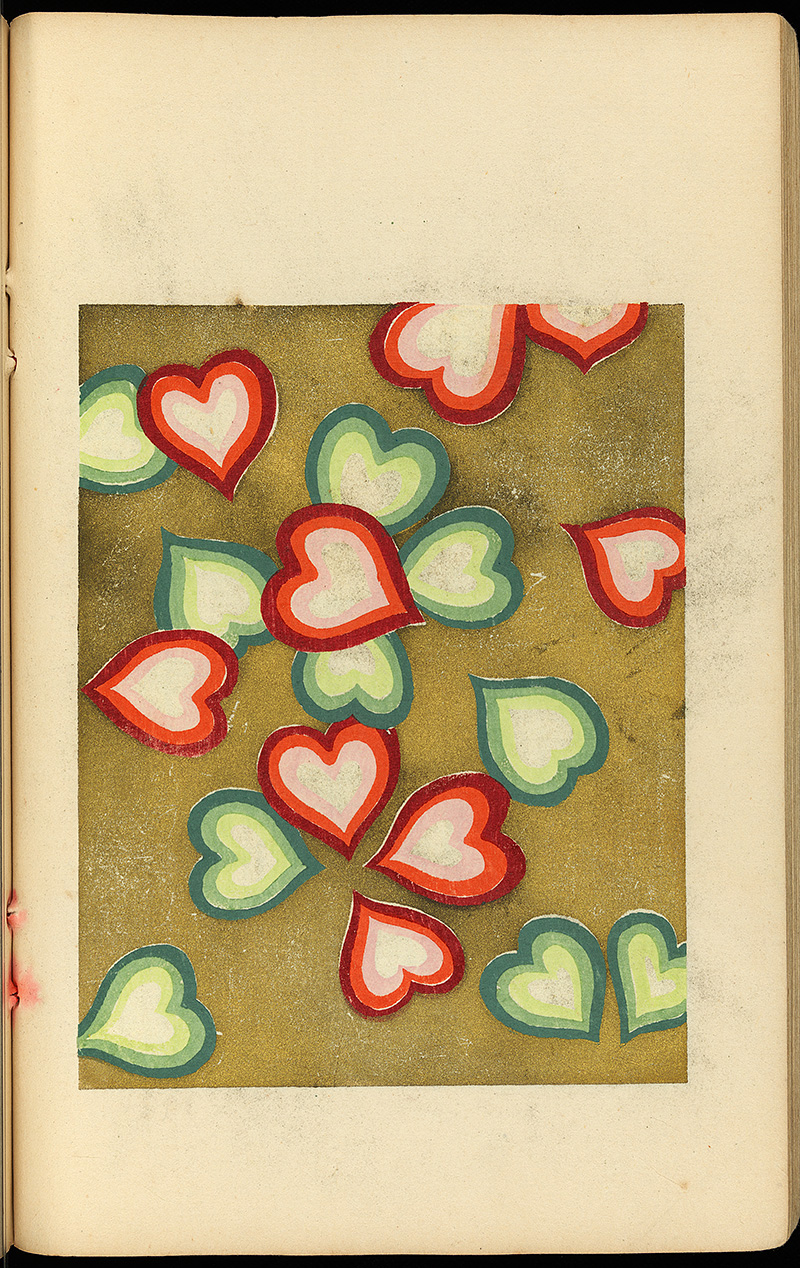
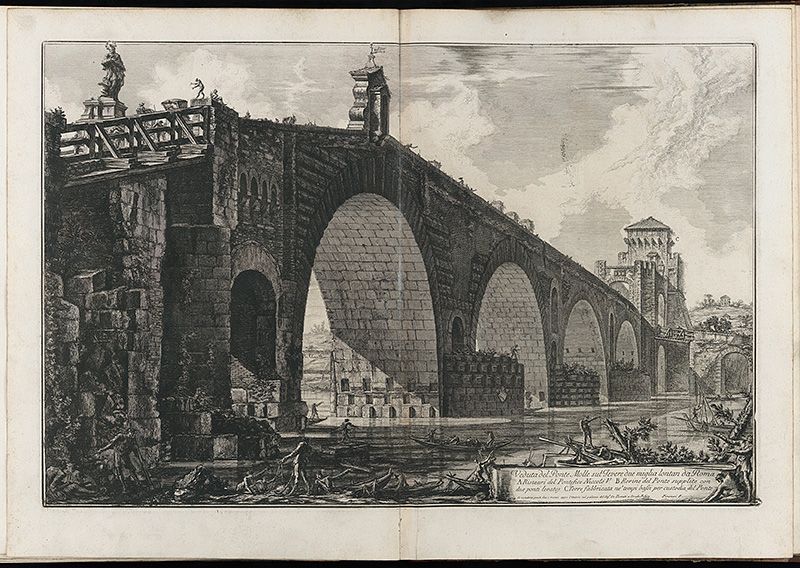
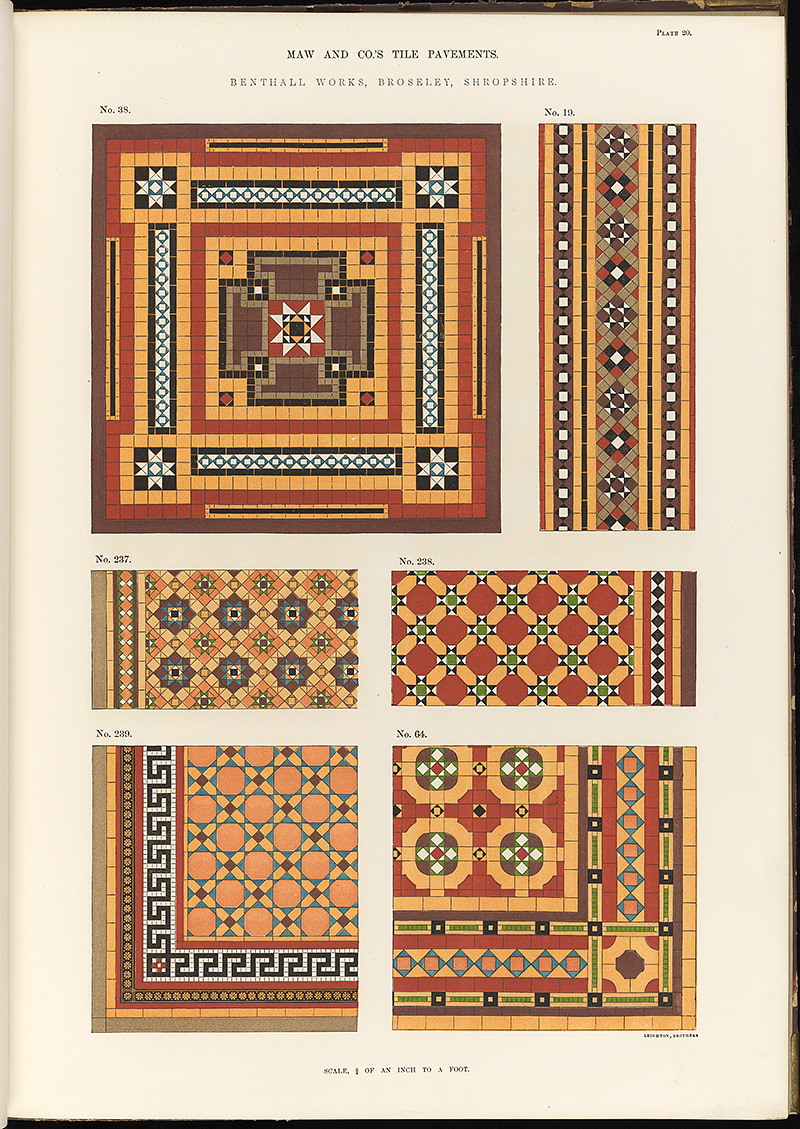
0055707dHowever, we are perhaps most excited to announce the new collection of ECA Rare Books http://images.is.ed.ac.uk/luna/servlet/s/j8mxaj . Elizabeth Quarmby Lawrence has been very busy cataloguing these books (see our earlier post http://libraryblogs.is.ed.ac.uk/diu/2013/10/16/gems-from-the-eca-rare-books-collection/ ) and tells us that the “Rare Books Collection of Edinburgh College of Art, includes about 1,500 items, which date from before 1489 to the twentieth century. Most of them are printed books; many of them are illustrated. It is particularly strong in books of the eighteenth and nineteenth centuries on architecture, design and ornament. There are also nineteenth-century photographs, examples of textile design, and early nineteenth-century hand-painted designs for Edinburgh Shawls. Many of the books originated in the collections of the institutions which preceded ECA: the drawing academy of the Board of Trustees for Manufactures in Scotland, and the School of Applied Art. This collection is now housed in the Centre for Research Collections in the Main Library”.

0055640d 0055616d 0055488d

Making new images available requires a real team effort, and I’d like to say a special thanks to Deputy Photographer Malcolm Brown, Scott Renton & all the Library Digital Development Team, and of course Elizabeth Quarmby Lawrence for all the metadata!

Susan Pettigrew, Photographer
Volunteer work at the Digital Imaging Unit

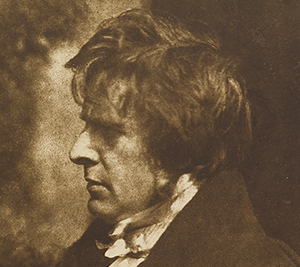
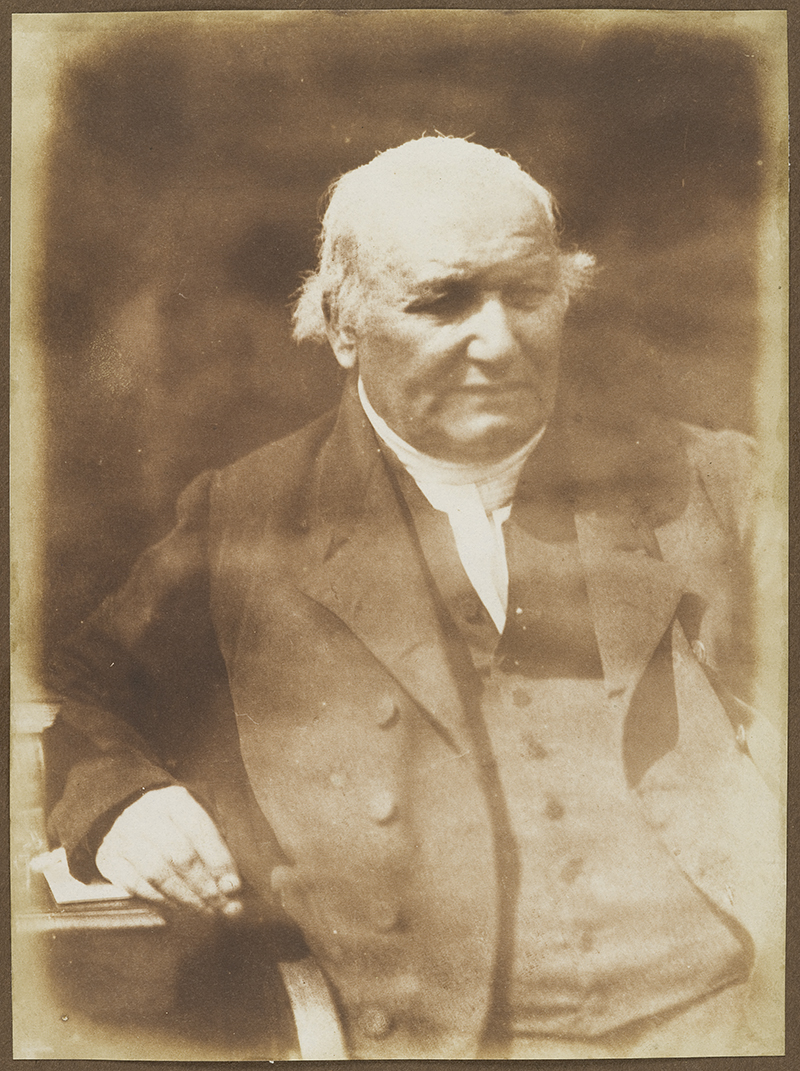
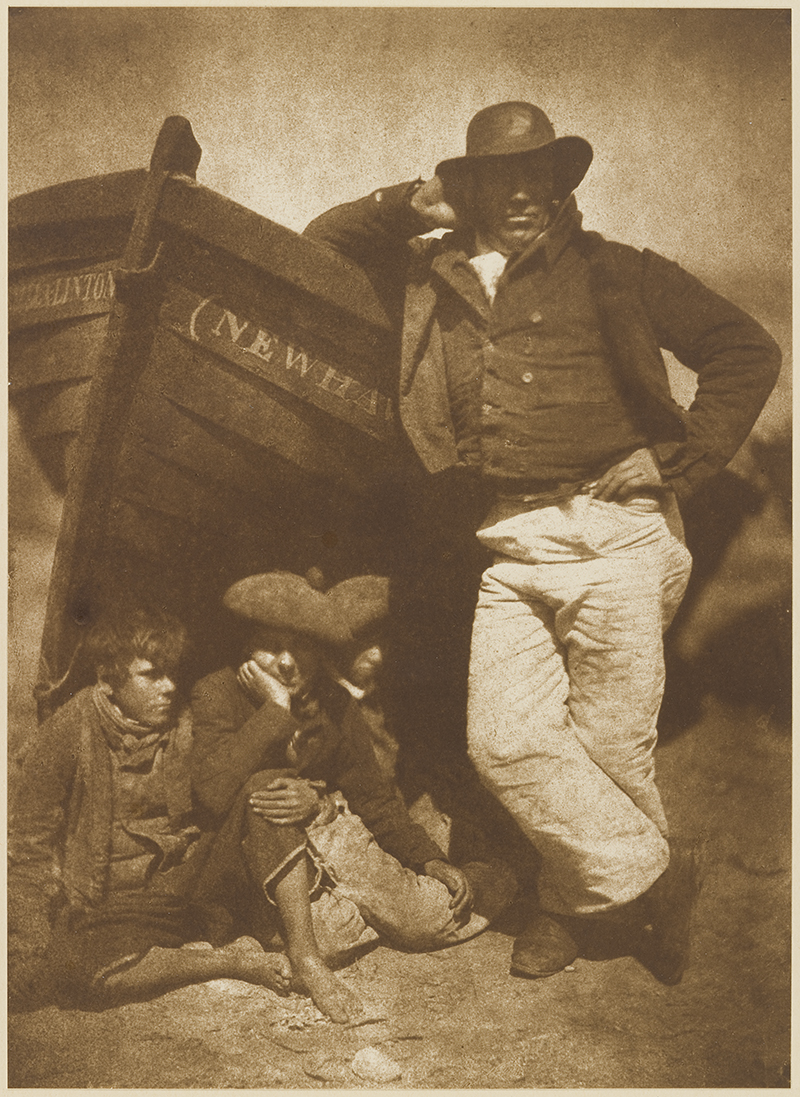
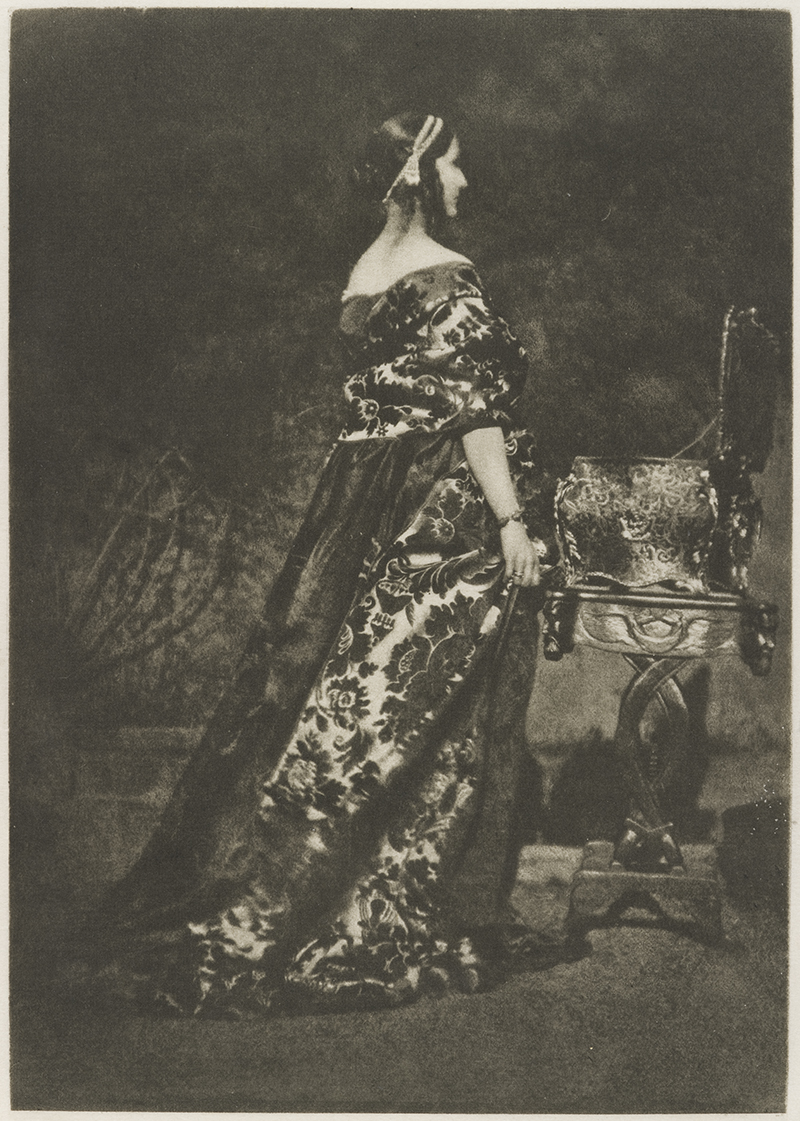
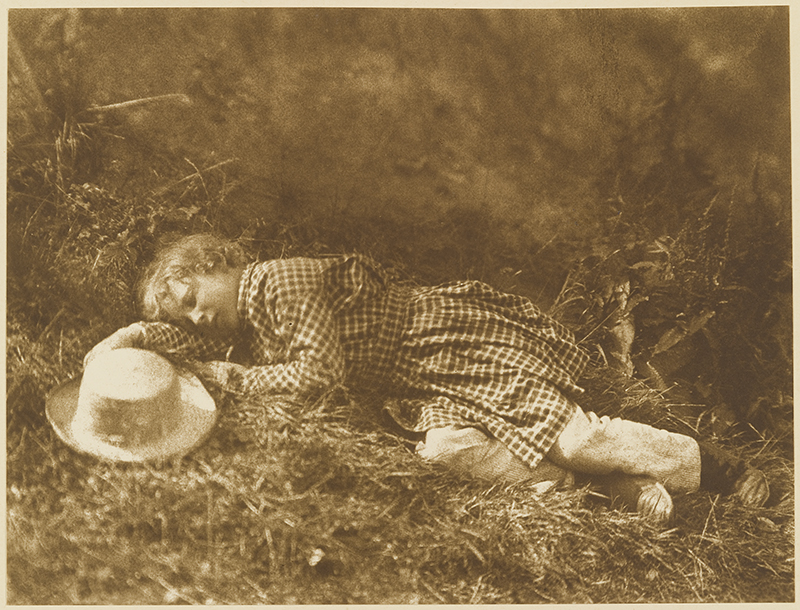
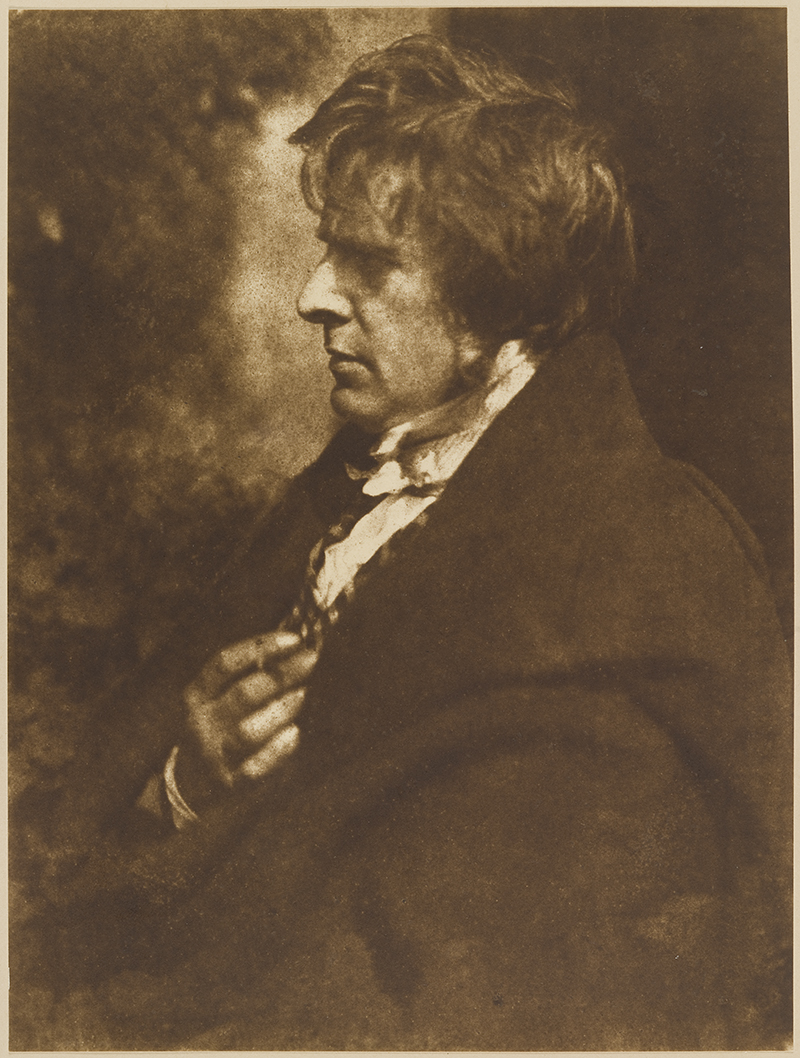
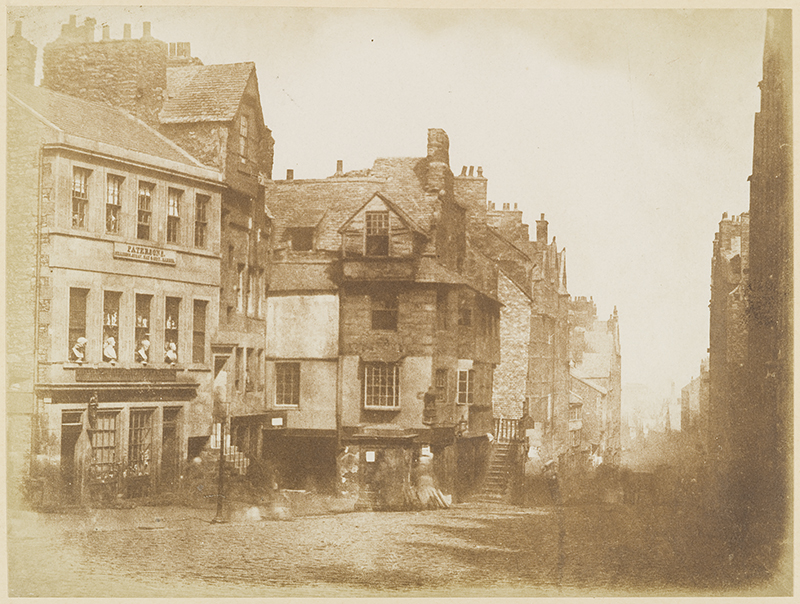
The Centre for Research Collections is a remarkable resource for students at Edinburgh University, not only for research purposes, but also for experience working with collections.  I am an MSc student studying Material Cultures and the History of the Book.  As part of the course we were encouraged to volunteer within the CRC.  My interests lie in the field of the visual arts and the materiality of books, specifically the in the world of digital media.  Serena Fredrick at the CRC was able to match me up with the Digital Imaging Unit and within the DIU I have been researching and enhancing the metadata for one of the university’s photographic image collections: the Hill and Adamson Collection.  Hill and Adamson are world-renowned pioneers of early photographic techniques.  Building on the work of Englishman Henry Fox-Talbot, they created some iconic images of mid-nineteenth century Edinburgh from their studio on Calton Hill.0011901d
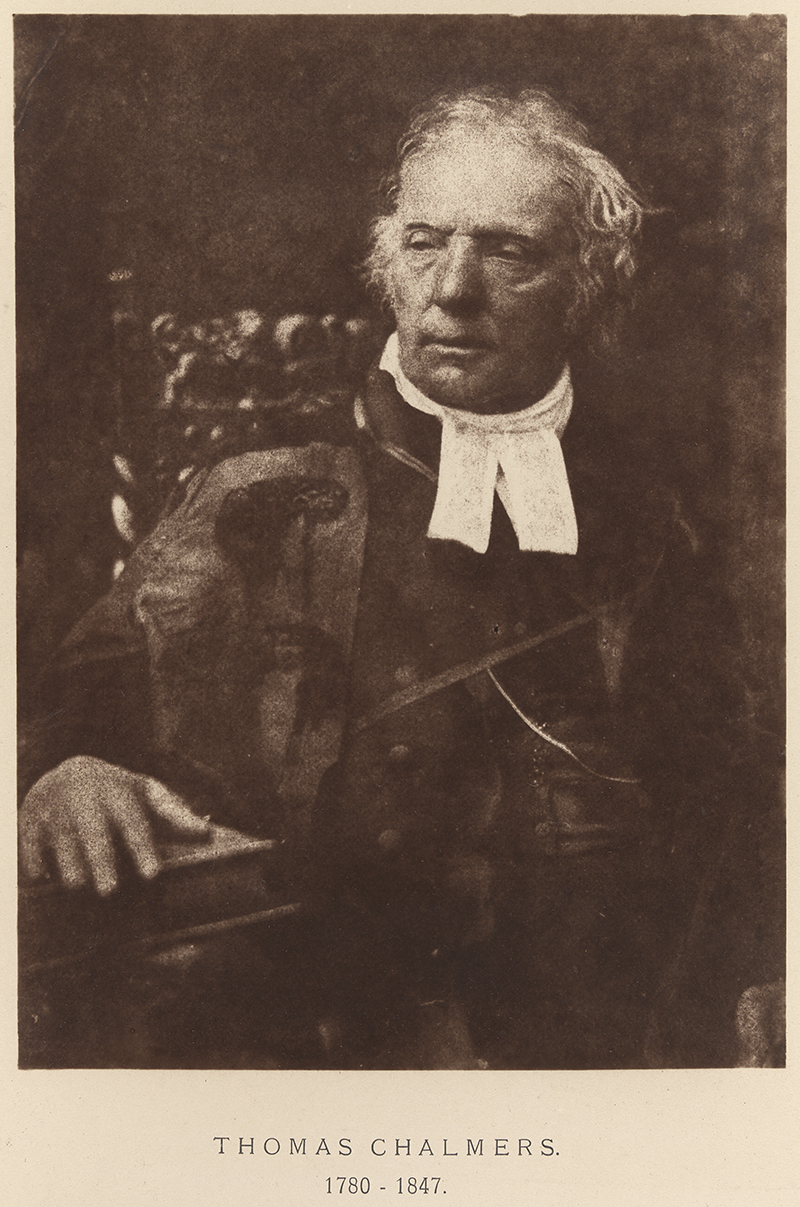
Hill and Adamson’s original creative remit was to capture portraits of leading members of the Free Church of Scotland who had been involved in the disruption of the established Church of Scotland in 1843, with the intent of using these portraits as study aids for a massive painting commemorating the disruption.
0022183d
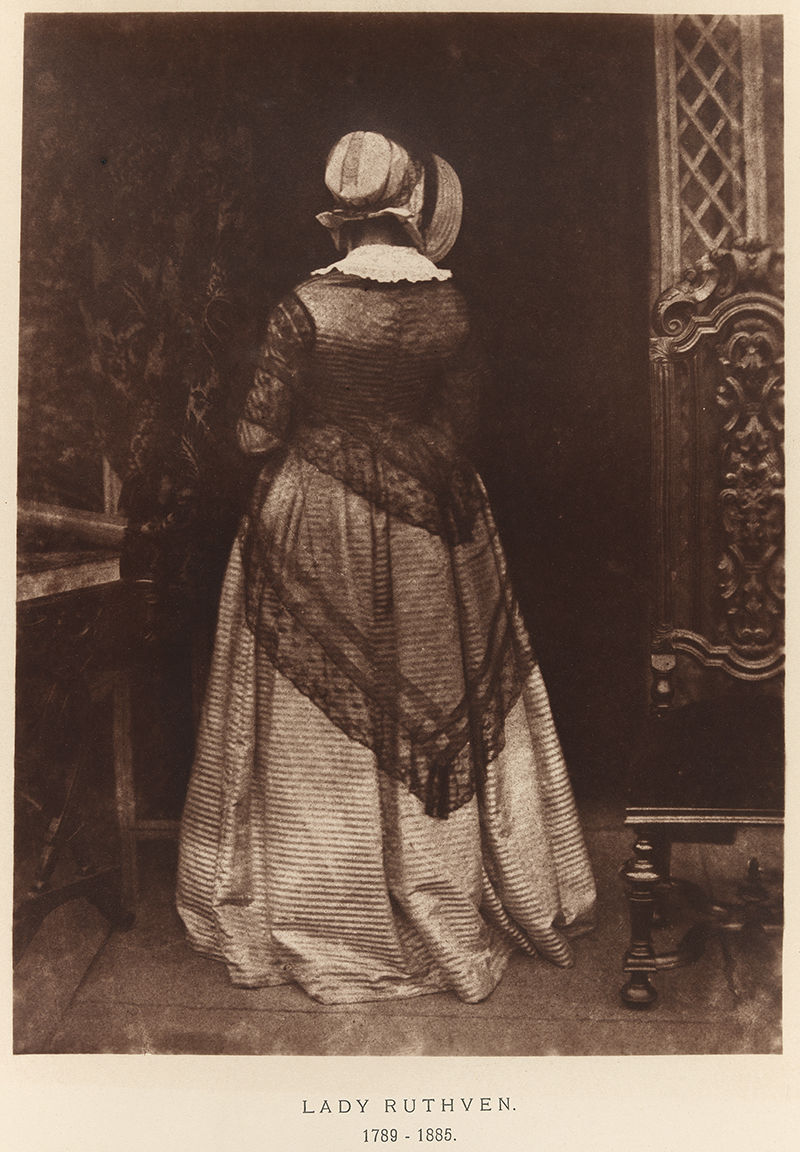
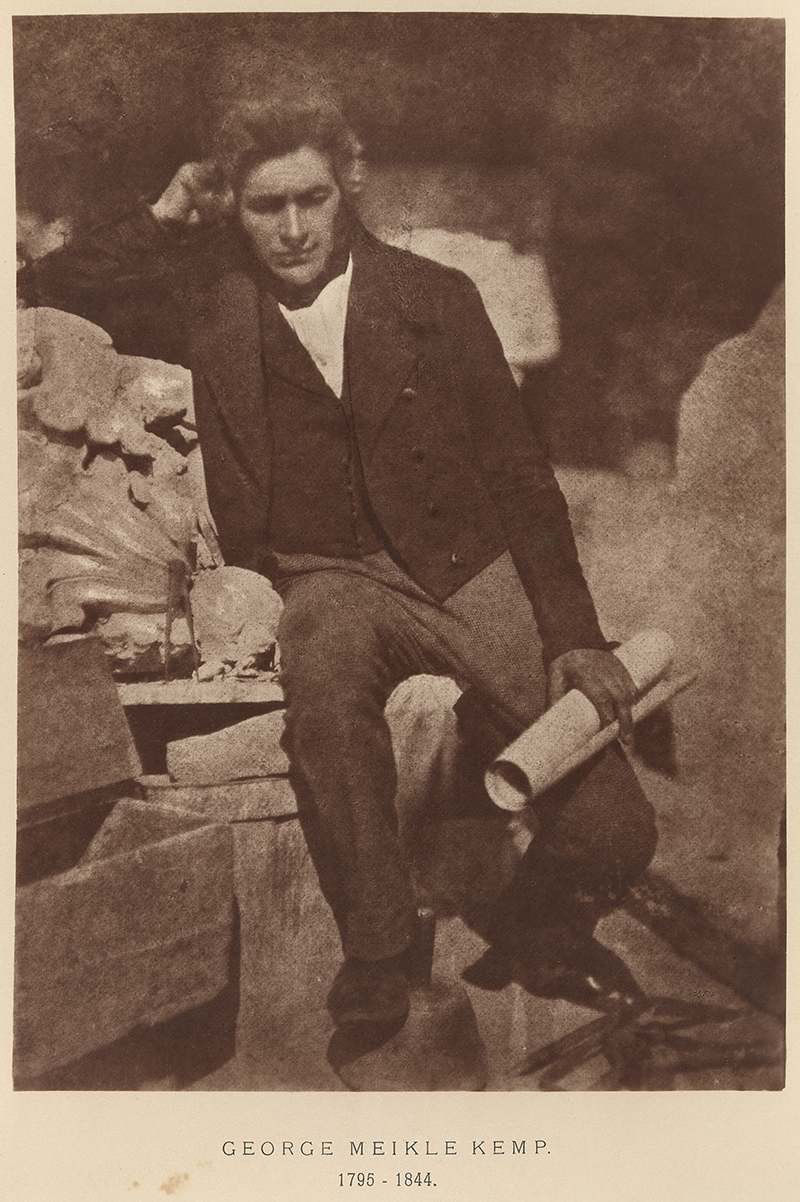
Soon word of this new means of portraiture spread and Hill and Adamson started creating images of and for Edinburgh society. The collection is full of images of friends and family of Hill and Adamson, as well as being a veritable who’s who in Edinburgh.
0012179d
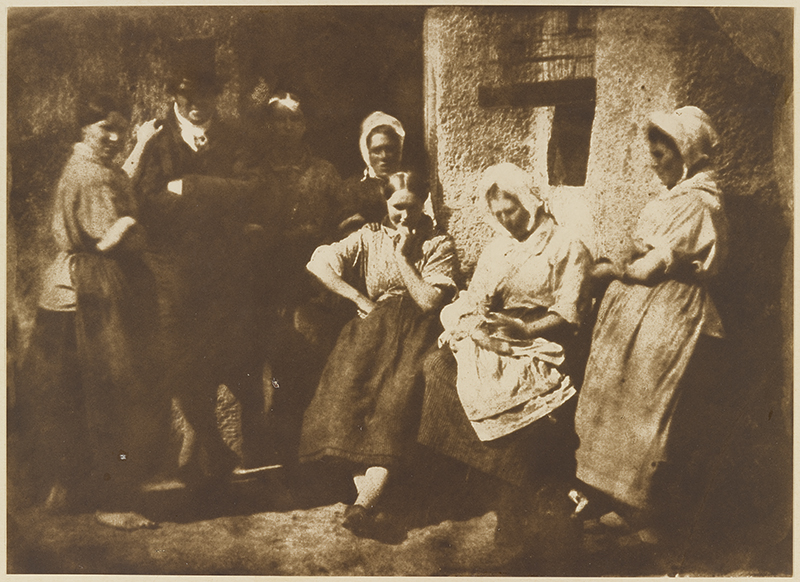
Hill and Adamson realised that this artform could also be used as a form of documentary reporting and began taking photographs of the Newhaven fishermen and women, as evidence of a strong, united and self-sufficient community.
0012131d
Unfortunately Hill and Adamson’s collaboration was short-lived due to Adamson’s continually failing health and eventual death at the age of only 27 in 1848. However, during their prolific partnership they were responsible for the creation of thousands of incredible images. I have loved being a part of the team bringing this collection onto a digital platform and increasing access to such an important and exciting set of images. Here are a few of my favourite images, all of which can be found at: http://images.is.ed.ac.uk/luna/servlet/UoEcar~4~4
0022187d
1 calotype, print size 4.
Newhaven 1. 5 calotypes, print size 4.  Unbound images.
0012135d
0011760d
0011964d
Caroline Ramsay, MSc Material Cultures and the History of the Book

Beasties

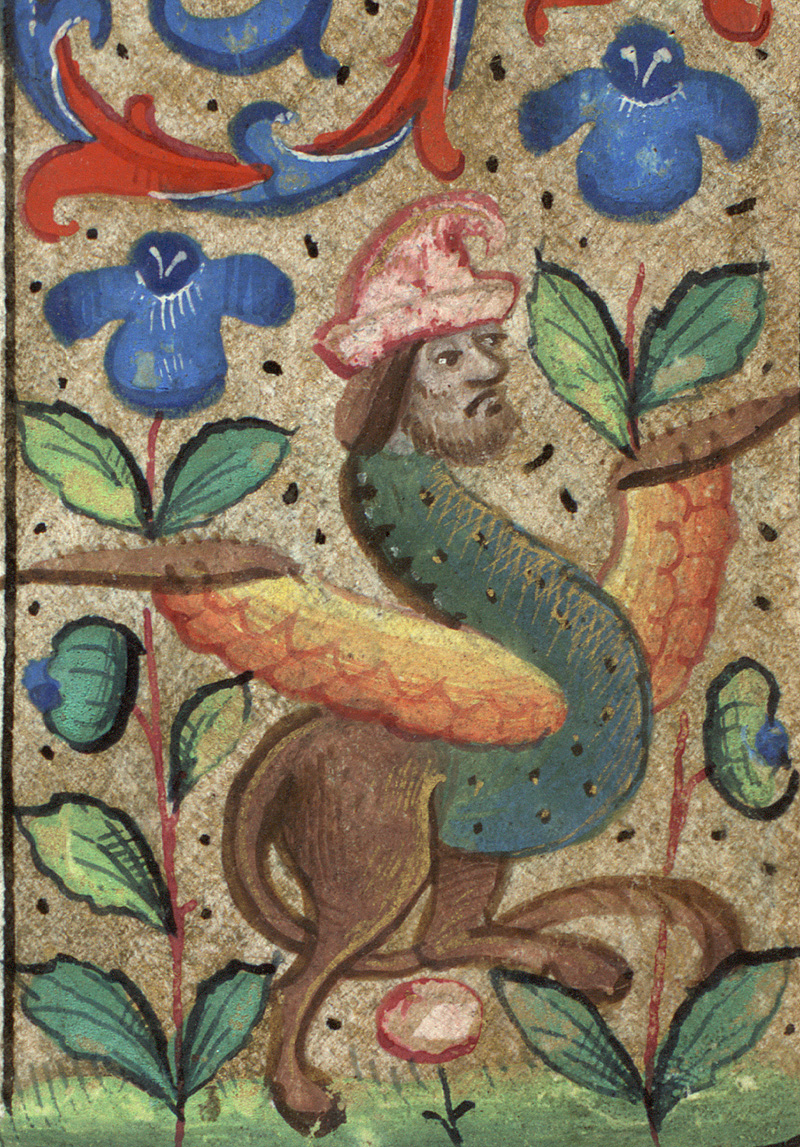
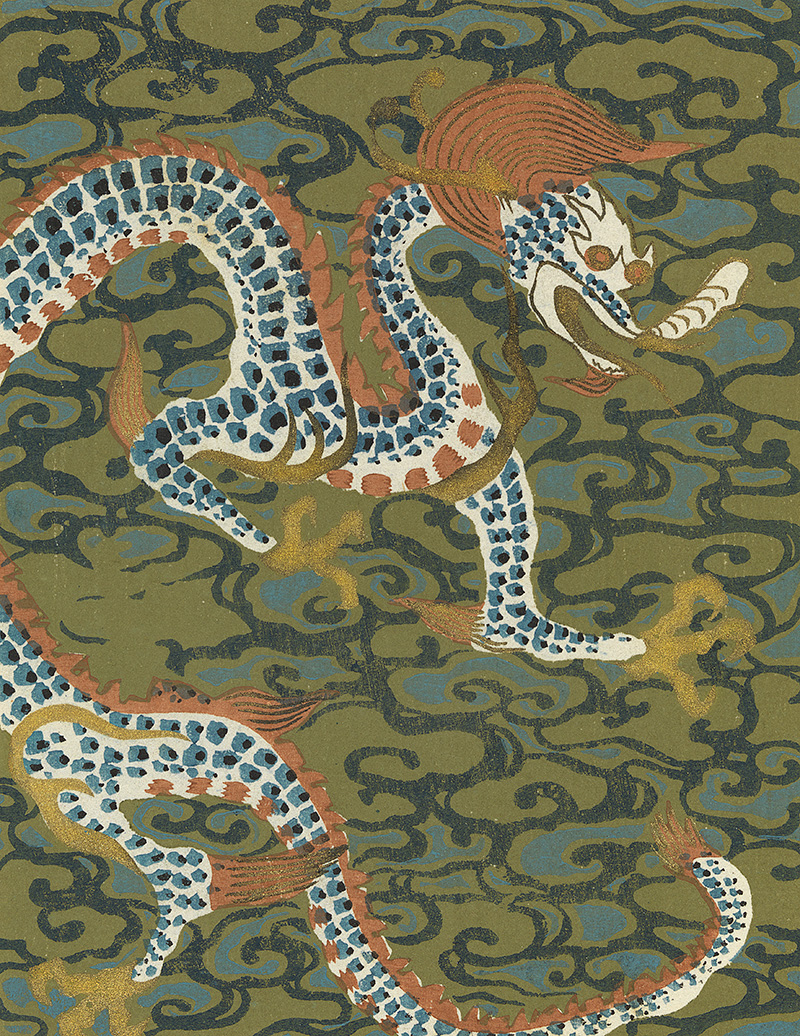
I’ve seen a startling number of beasties hiding out in our Collections over the years, and the time has come to celebrate them! From the delightful details in the margins of Books of Hours…

0001118d

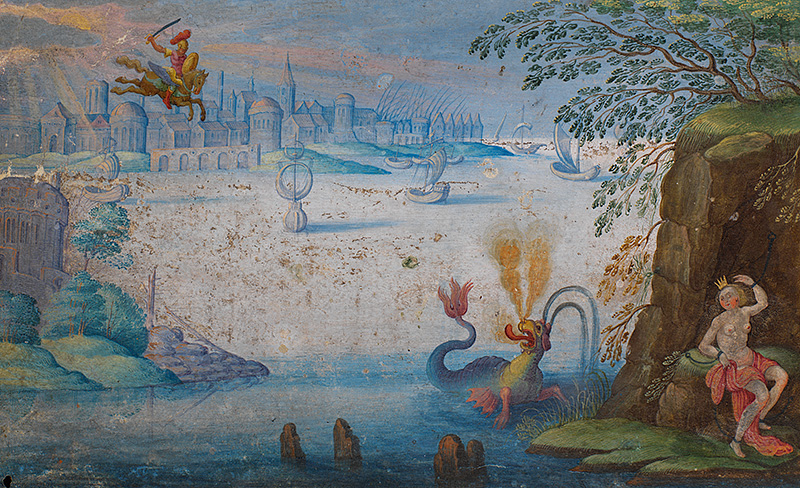
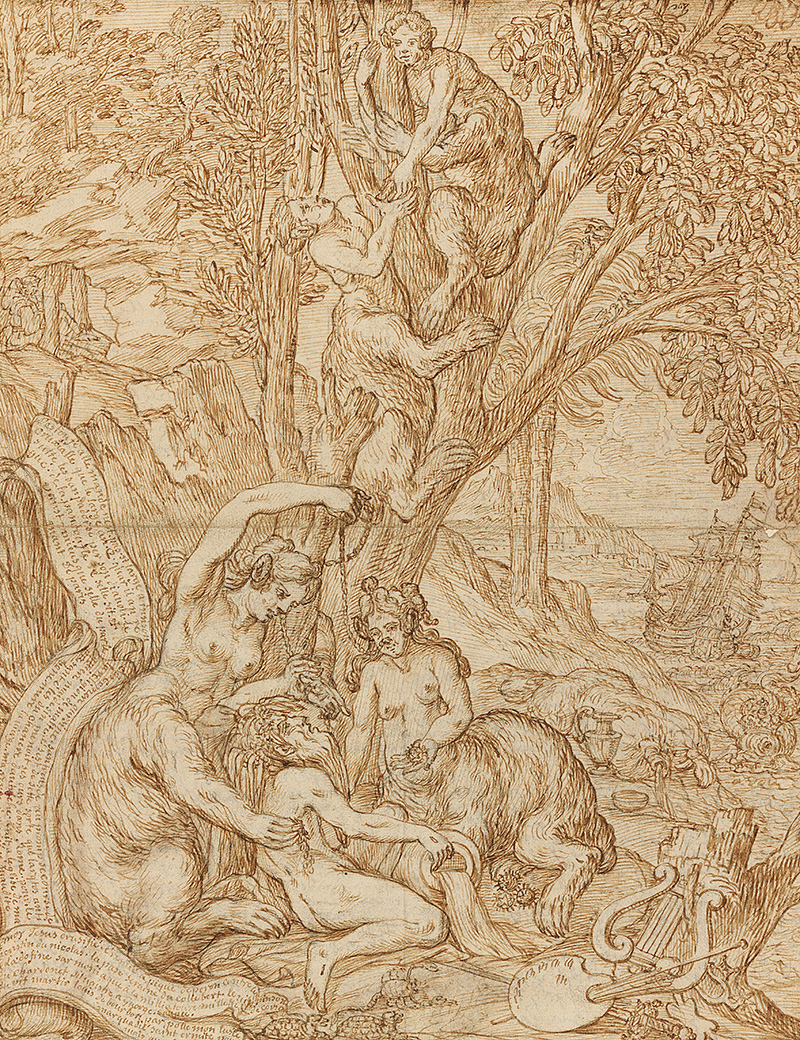
…to the damsels in distress being rescued from fantastical monsters.

0003047d

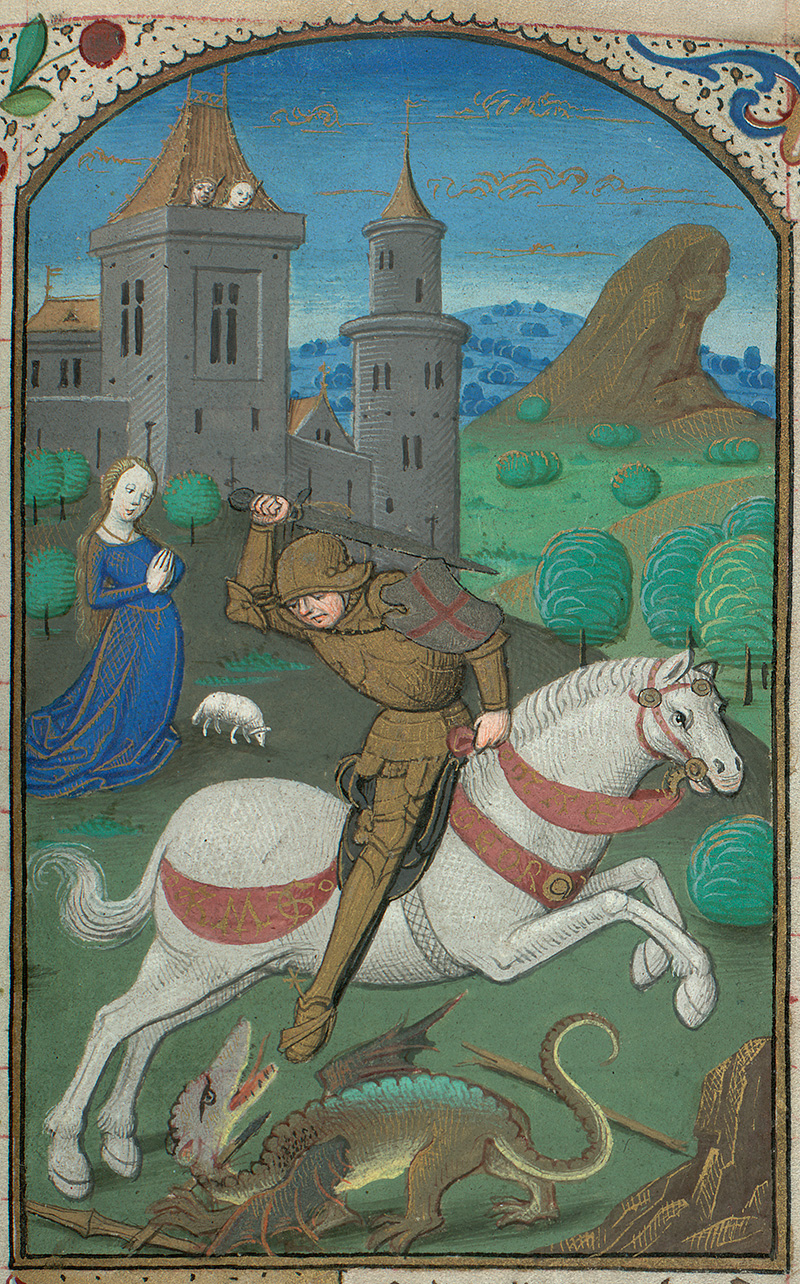
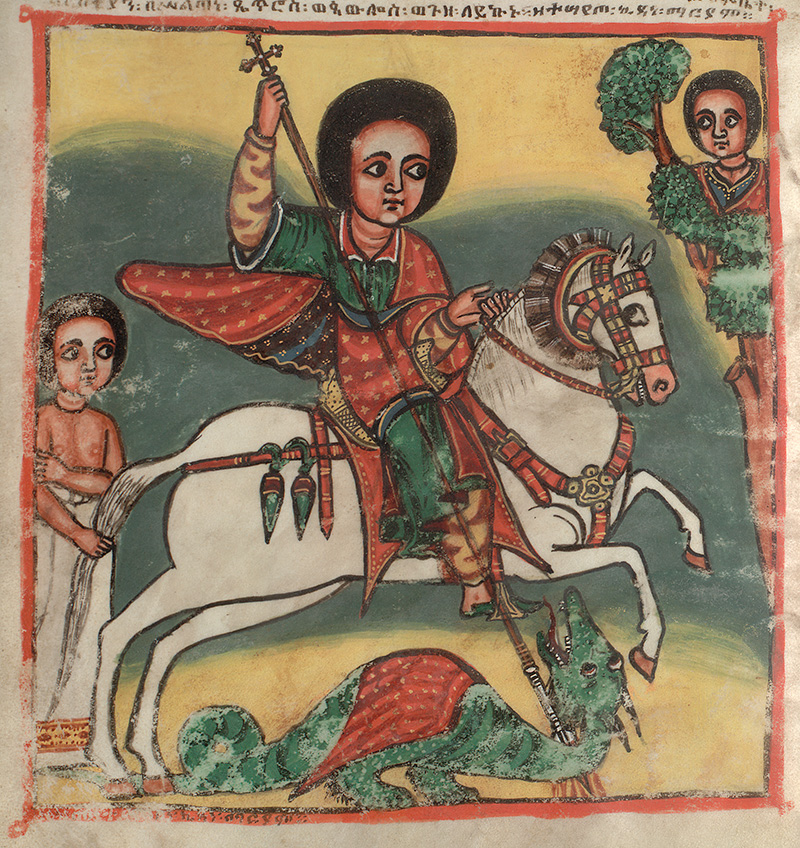
It is also wonderful to see the same story illustrated from 2 very different traditions: St. George and the Dragon in a Book of Hours circa 1500 and made in France for a Scottish owner…0001121f

…or the strikingly different St. George and the Dragon in the Ethiopian Manuscript Gadala Georgois.0001205d

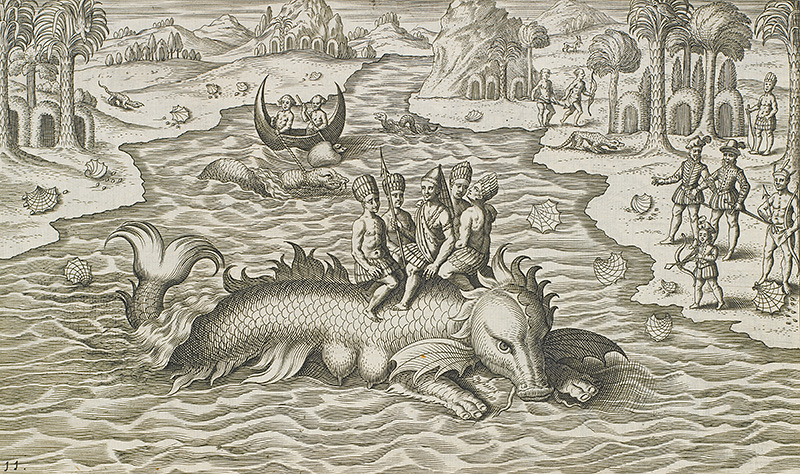
It doesn’t appear to matter where in the world -West, East, or South America- every nation has its own set of Beasties.

0055477d 0009283d

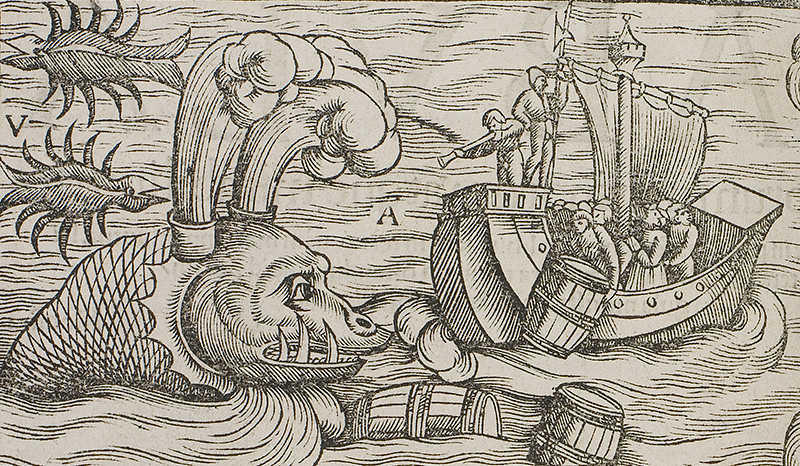
Some are fairly conventional sea monsters…

0005691d

…  and some just down right bizarre,

0025731d

yet all bring a smile to my day!

Susan Pettigrew

Photographer
New Ways Of Seeing

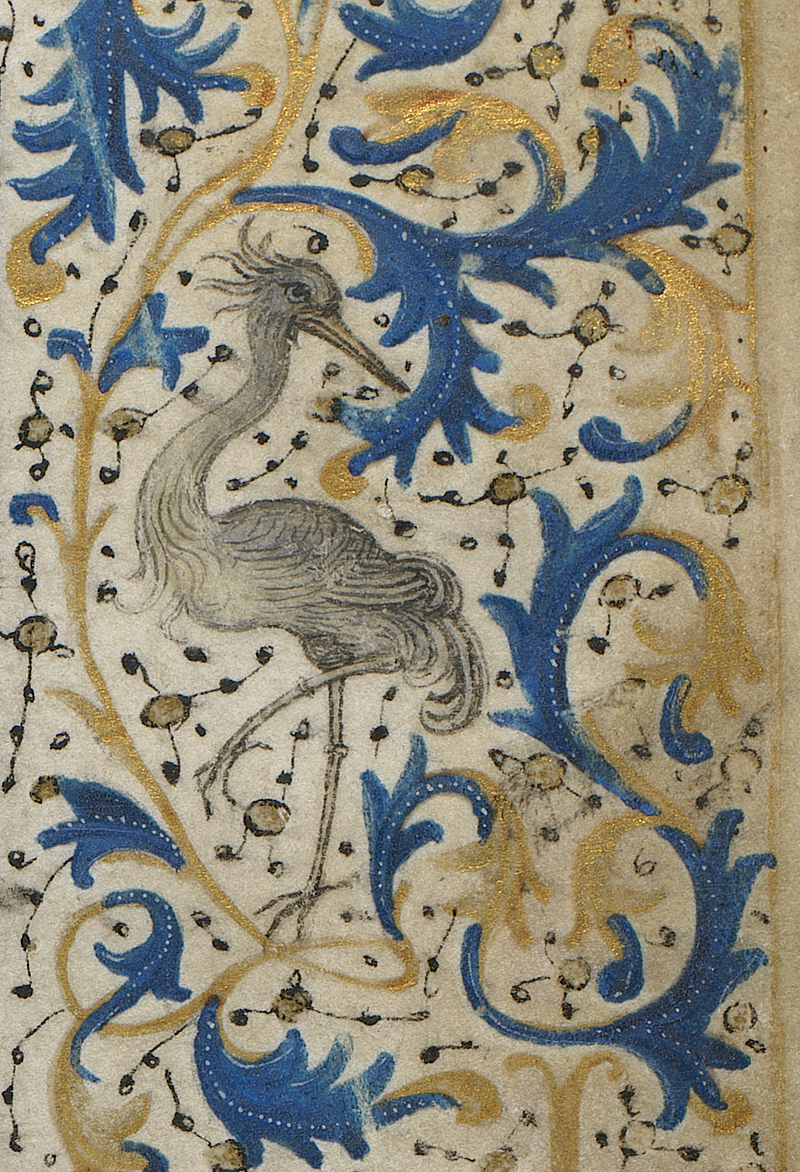
0004187eA large part of what we do in the Digital Imaging Unit is fulfilling digitisation requests from all over the world from researchers and academics who want access to our collections. This week one request required three images from  Ms 195  “Poems Of Virgil” , which is part of the University’s Western Medieval Manuscripts Collection. The detail of the Heron ? or Crane? struck me as an astounding piece of work. The economy of line used to describe the plumage and structure of the bird is very accomplished. I felt this image is worth sharing in detail as it highlights the quality of visual literacy preserved within our collections. The detail also highlights that high quality capture of these works can aid discovery and give us insight into the material. If you compare the detail to the full image via the link to Ms 195 you can see how easily this information could be lost to the eye. The high quality capture provided by top of the range Hasselblad cameras gives us new “ways of seeing” the collections that in turn has multiple applications.

Malcolm Brown

Deputy Photographer
French Bible Historial Now Available in Book Reader

BookReader

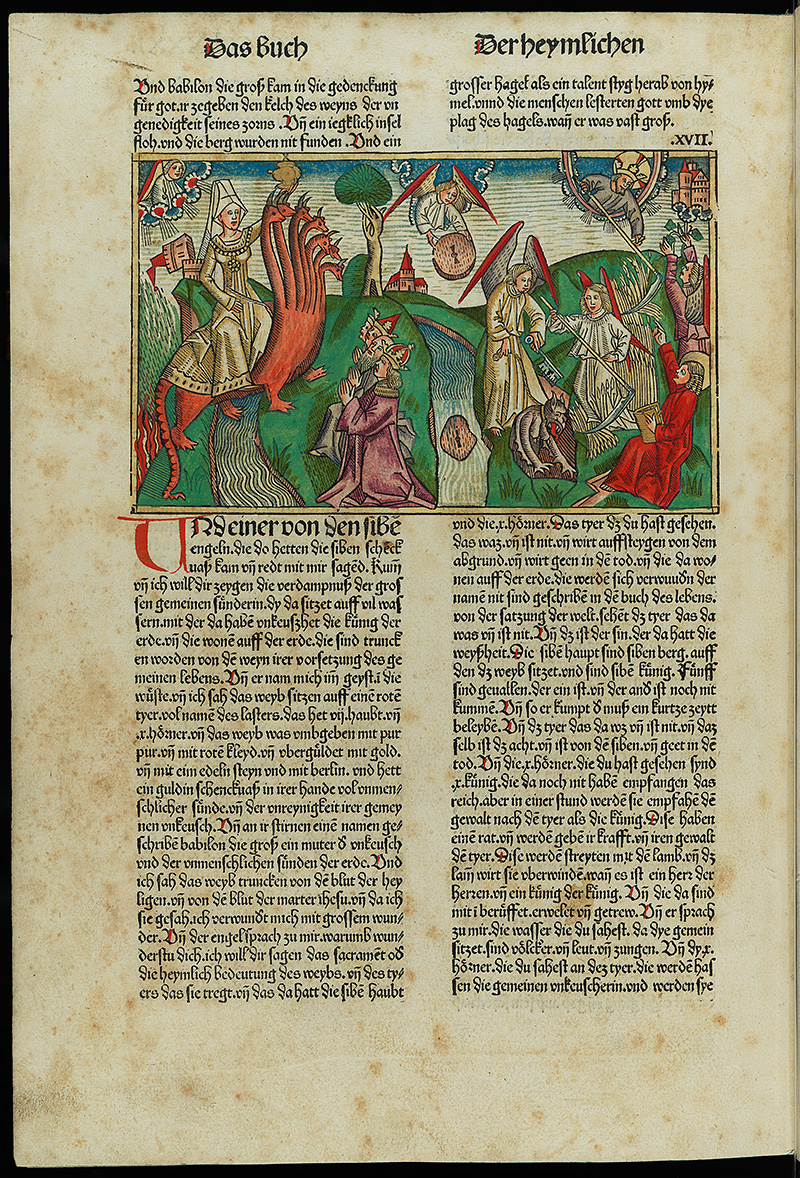
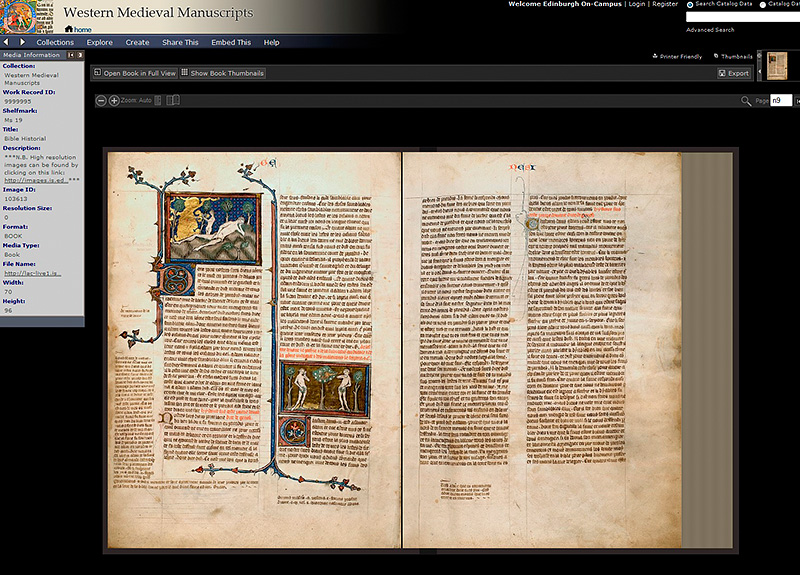
When we started at the DIU at the beginning 2004, a project to digitise a beautiful French Bible known to us as Ms 19 was already half completed, our first job was to finish it. Once this was done it was archived up to server space, and sadly, for many years, forgotten. Which is why I am delighted to announce that it is now available in Book Reader format here http://images.is.ed.ac.uk/luna/servlet/s/523yw6 . Our volunteer Ellisa Manahova – Panagiotaki has been very busy preparing the images to go into the book reader- all 966 pages. Furthermore, volunteer Jessica Macaulay has been working on enhancing the metadata for us, which we hope to add in the coming months.

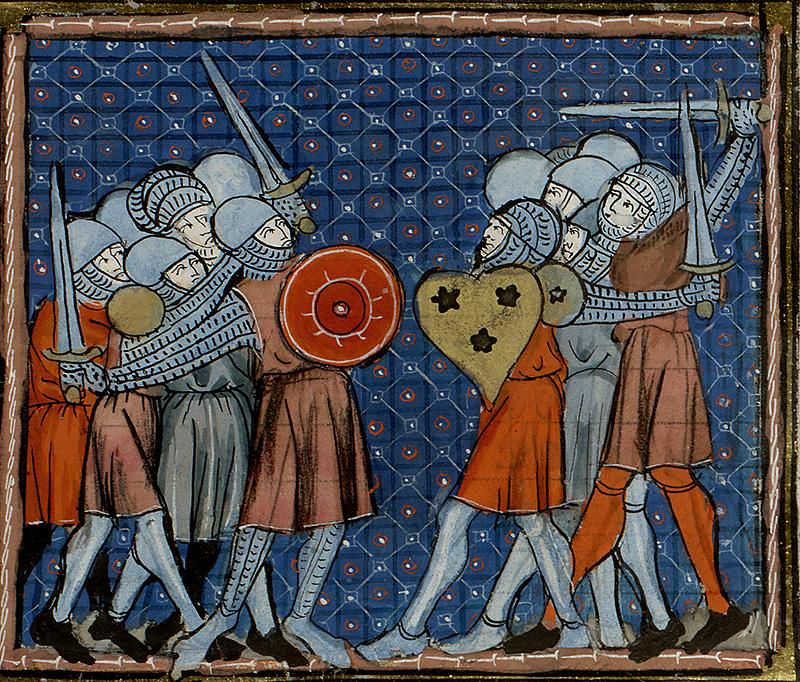
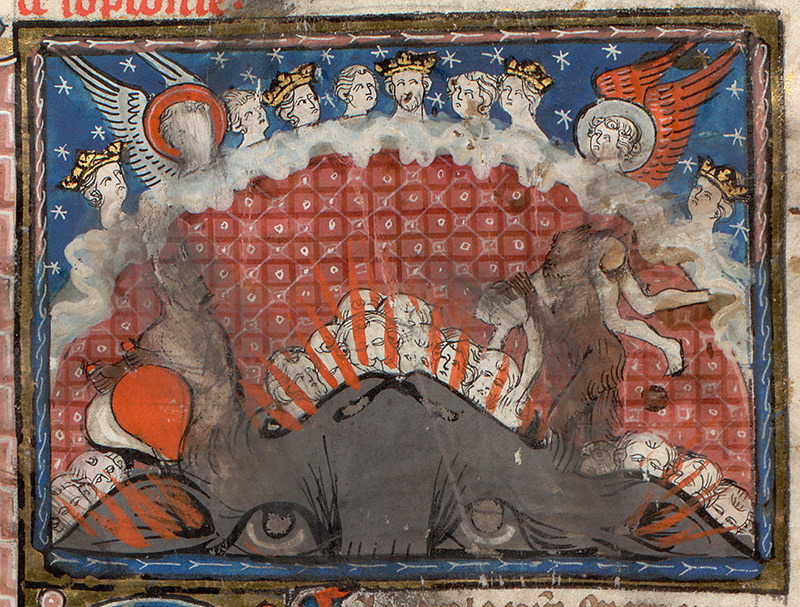
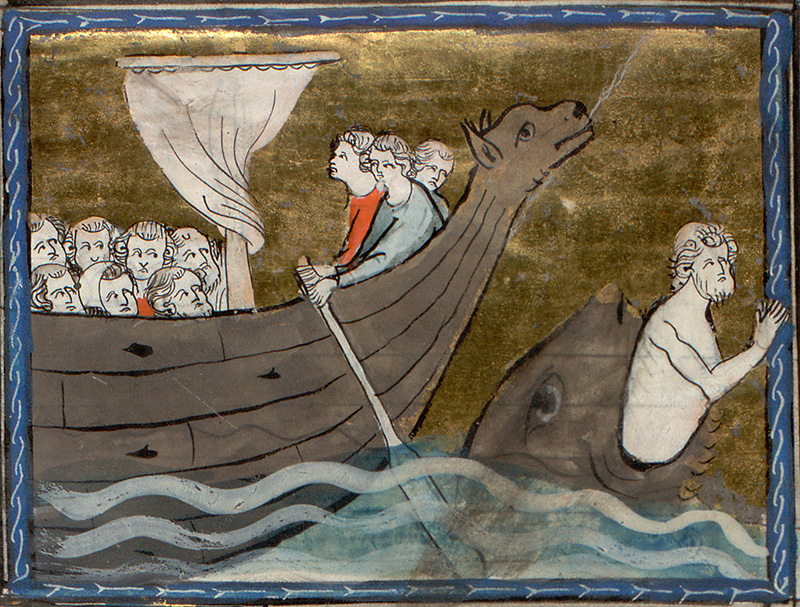
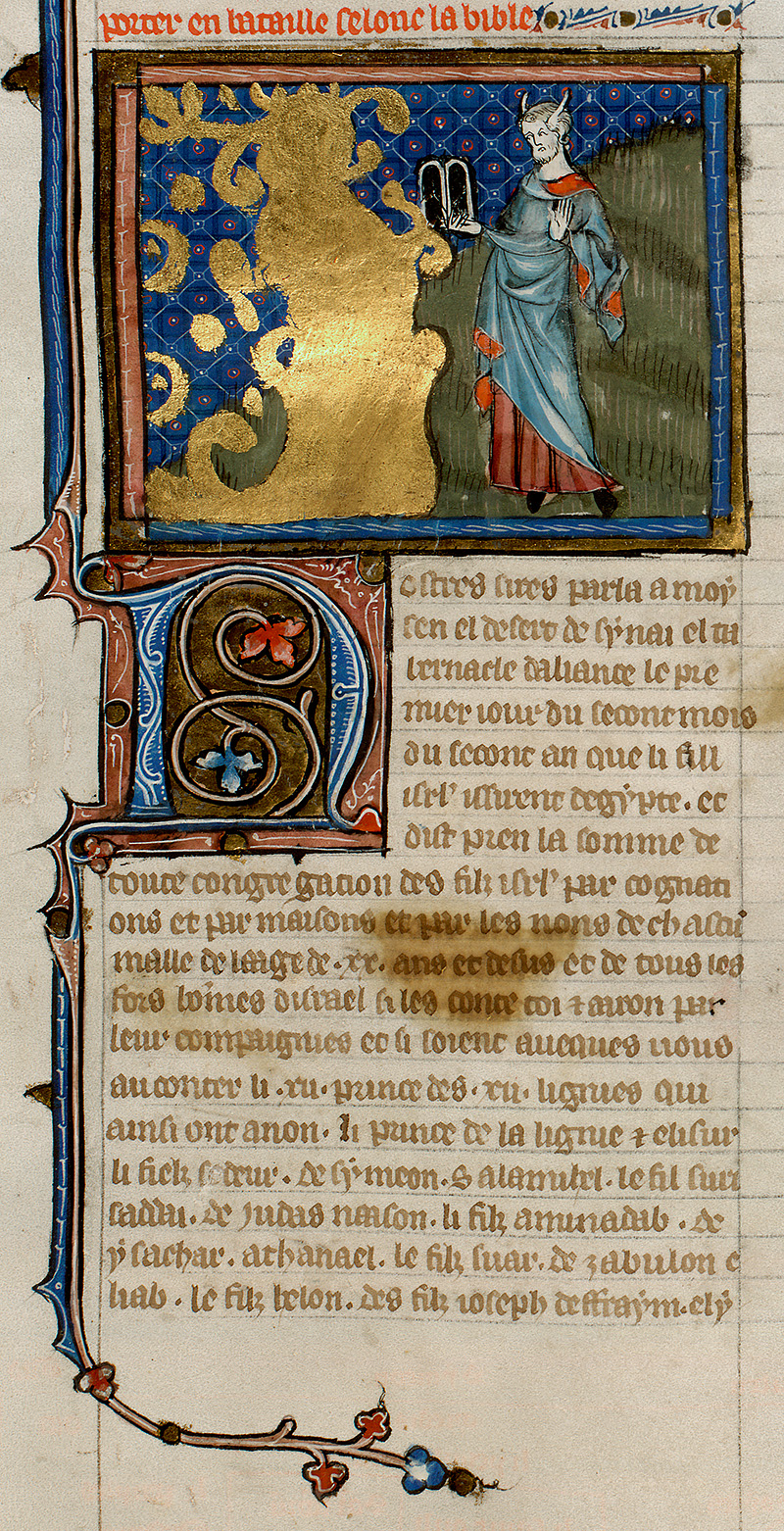
The Bible has some fantastic illuminations, including ones where God has, in an act of very polite censorship, been removed with gold paint. Enjoy!

Susan Pettigrew

0026198d 0026658d 0026649d 0026130d

Volunteering in the DIU

I have been volunteering with the Digital Imaging Unit for about a year, during which time I have been researching and adding metadata to their digital collection, as well as selecting images for a recent postcard project. It has been a wonderful opportunity to get to know the breadth of the University’s Collections and contribute to its online visibility.

As a student of the (MA) Fine Art degree  looking to start a career in the archive and museum sector, volunteering with the DIU has not only provided me with relevant work experience, but also enriched my visual and art historical knowledge by exposing me to an incredible variety of pictorial material.

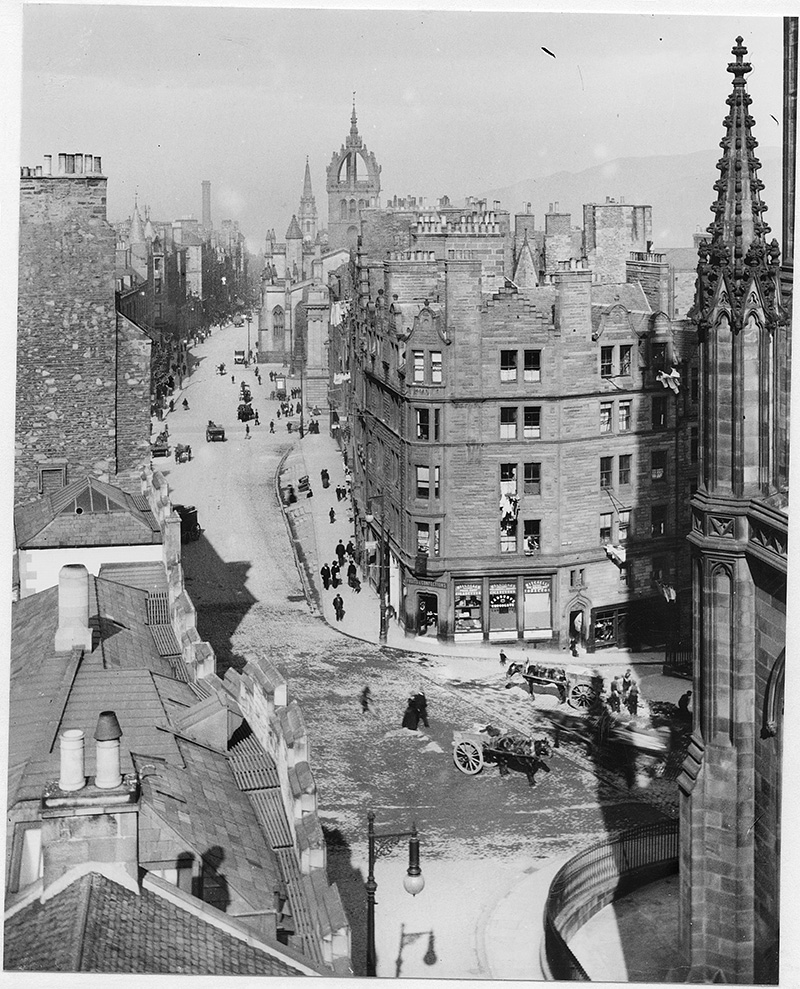
The collection has a number of beautiful images of old Edinburgh and it is remarkable to see how, in some ways, so little has changed in the city landscape.

0014281d

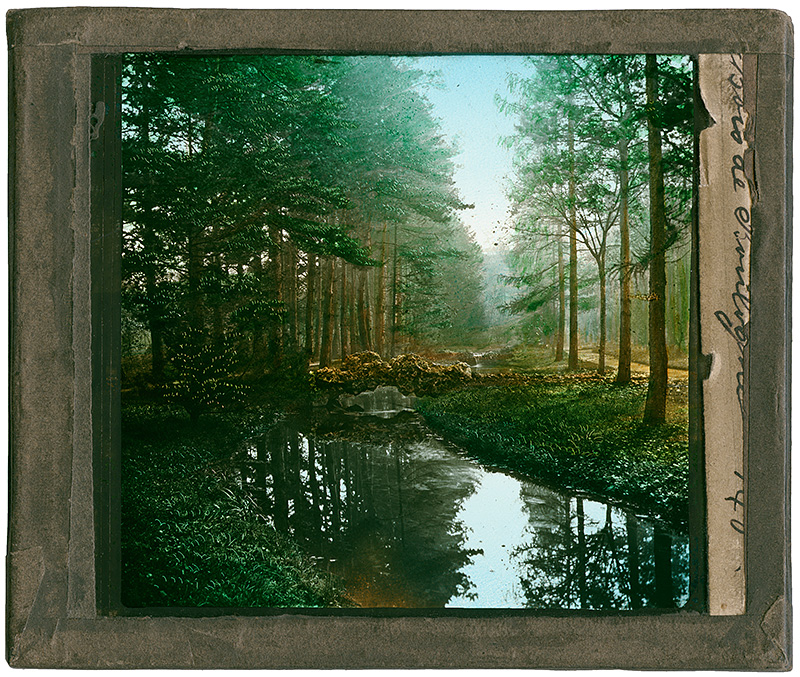
Glass-plate slides are such wonderful objects and these have incredibly vibrant colours. This particular image seems to be a photograph of the Bois de Boulogne, a park close to where my grandmother lived in Paris.
Bois du Boulogne.

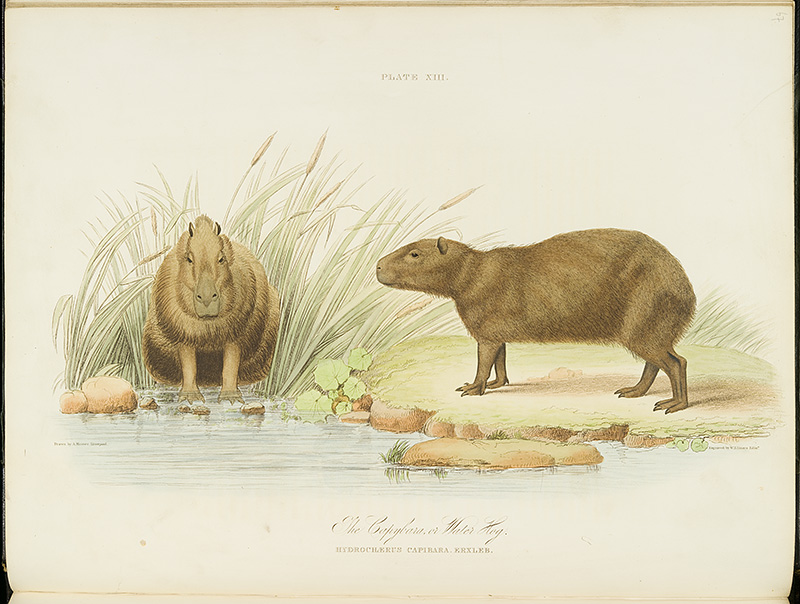
The Capybaras, or Capivaras, are a type of giant rodents indigenous to the region I grew up in Brazil. It was a lovely surprise to discover this image in the University’s collection of Zoological Illustrations.
0010936d

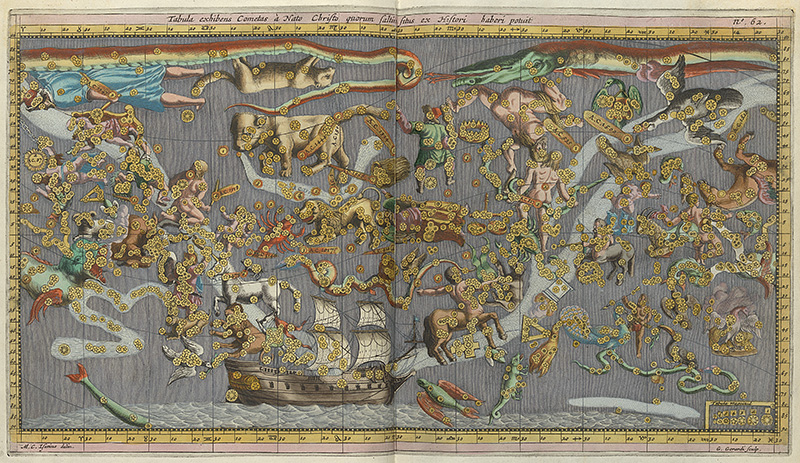
One of the many fascinating items I’ve had the pleasure to research for the DIU, a 17th century book detailing comet sightings throughout history, accompanied by intricate illustrations.

0024479d

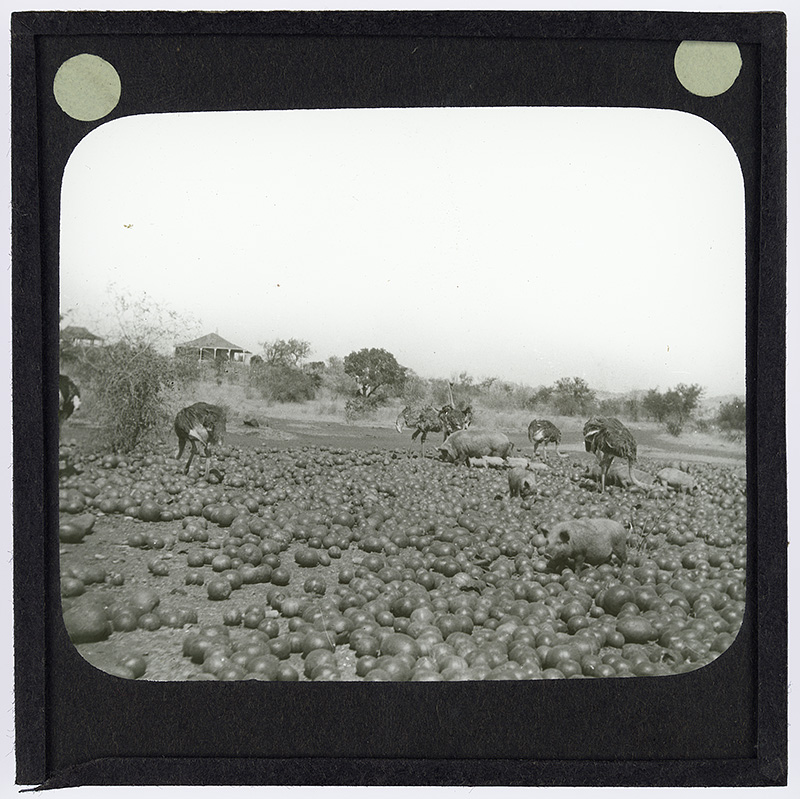
Pigs, pumpkins and ostriches… what more could you want?

0055403d

Alice Tod

Facit Calculator Photography

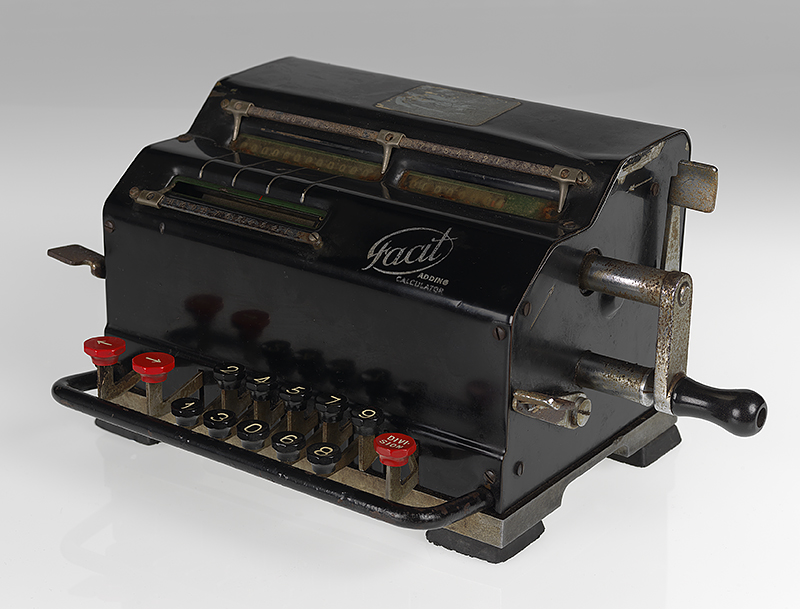
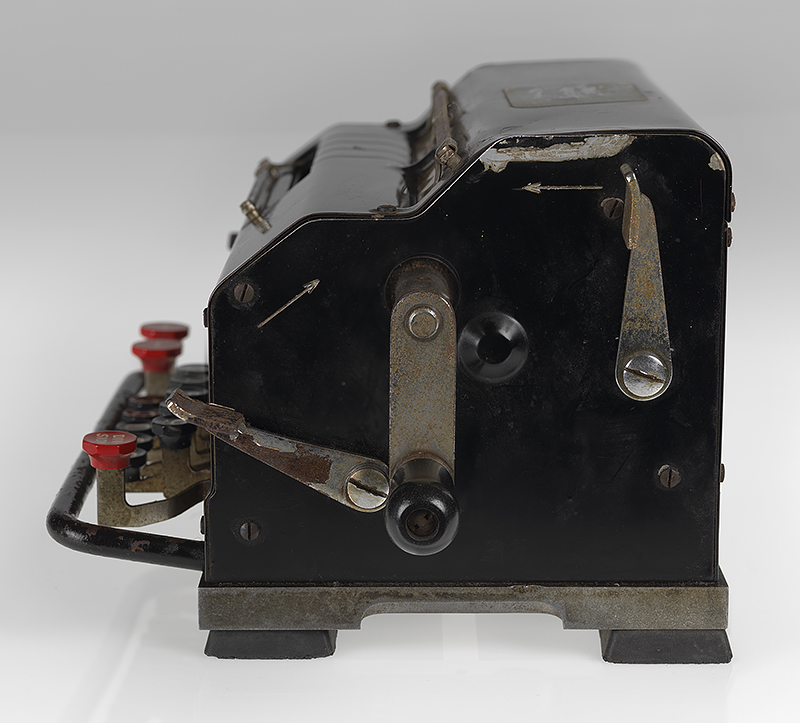
0055792dThe Digital Imaging Unit recently had the mechanical calculating machine from the Godfrey Thomson Project to photograph. The calculator has this beautifully resolved logo which struck me as a little unusual for such an early and niche product. However discovering the company was Swedish explains such attention to design. The swift rise and decline of the company is a stark warning about ignoring research, development and competition http://en.wikipedia.org/wiki/Facit
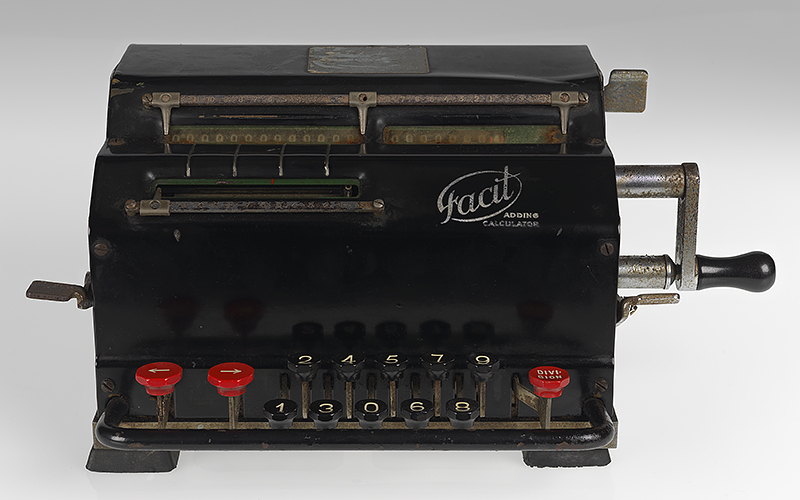
The calculator was photographed using the DIU infinity table lit from below with key and fill lighting arranged carefully to maximize all the detail and information present in the calculator. This was a challenge given the black colour and metallic reflective nature of the material. In addition multiple exposures were taken and the final set of images were assembled in Adobe Photoshop.

Malcolm Brown

0055792e0055795d0055800d

Digitising Darwin

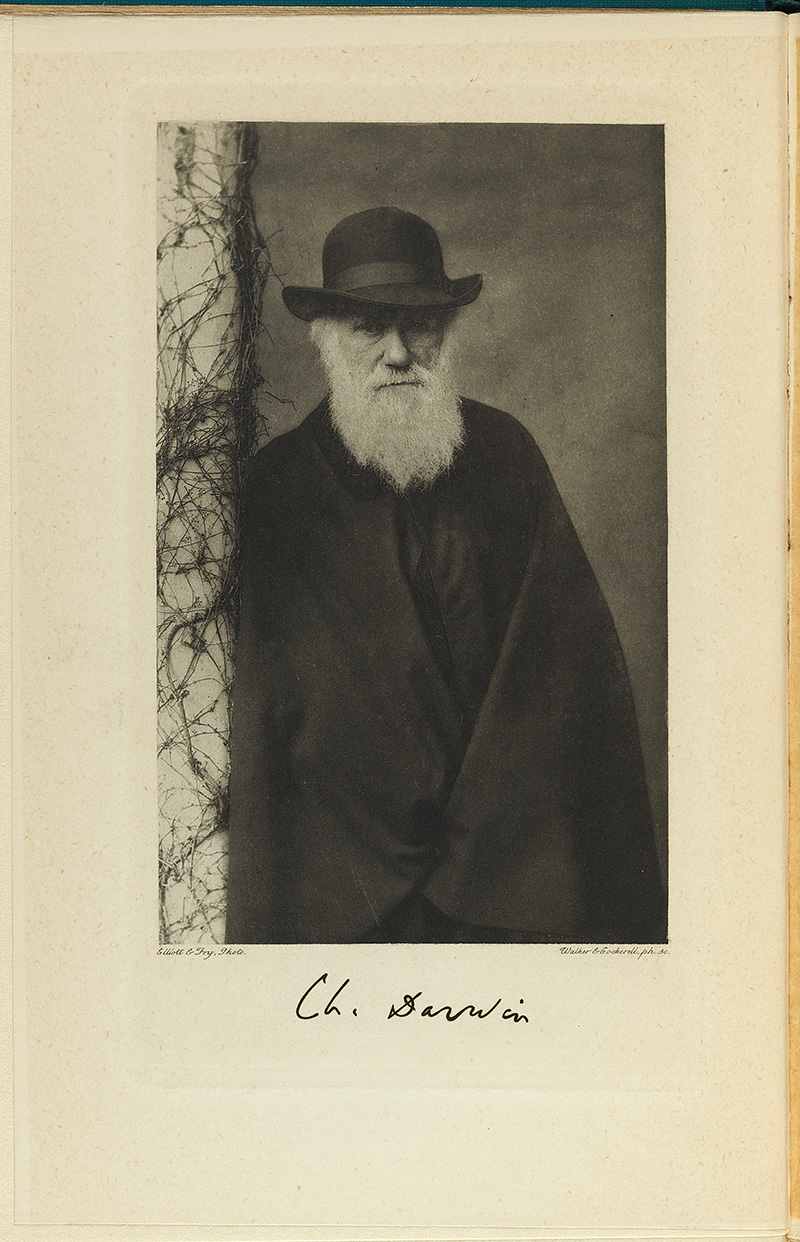
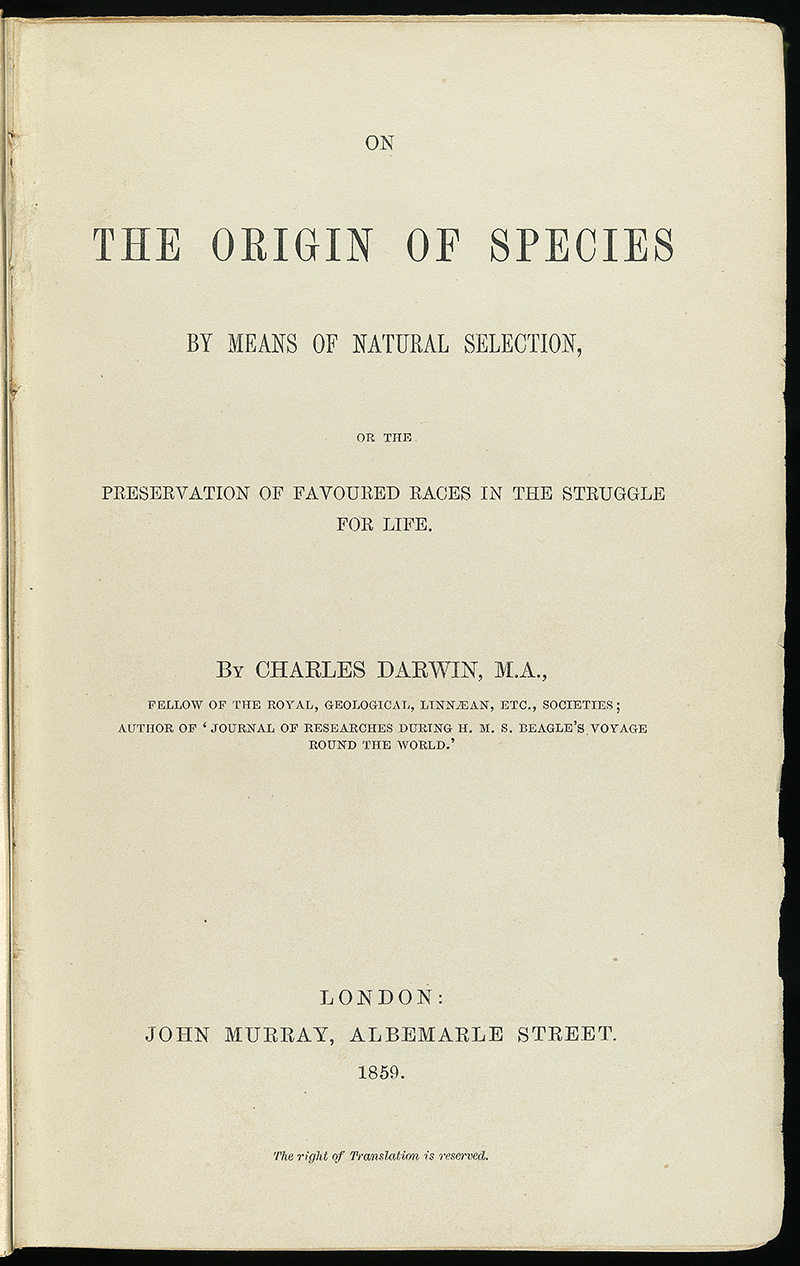
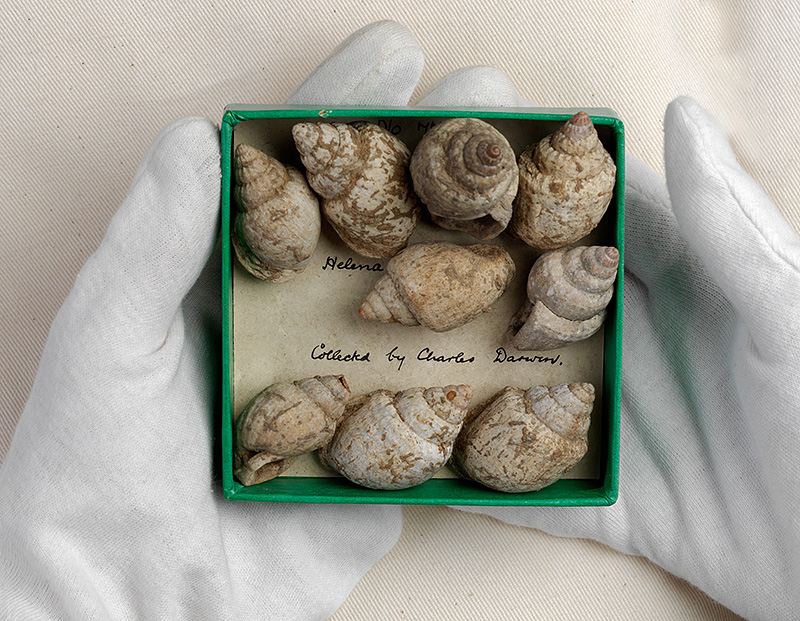
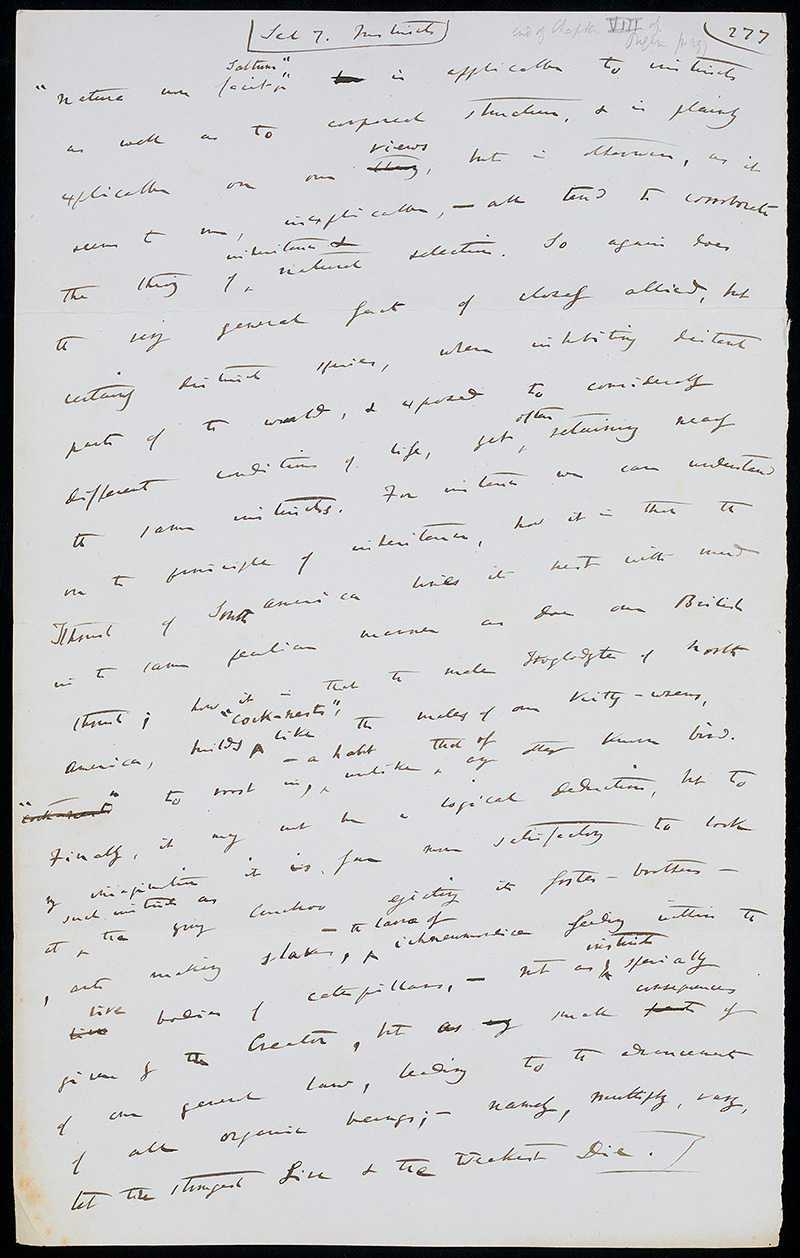
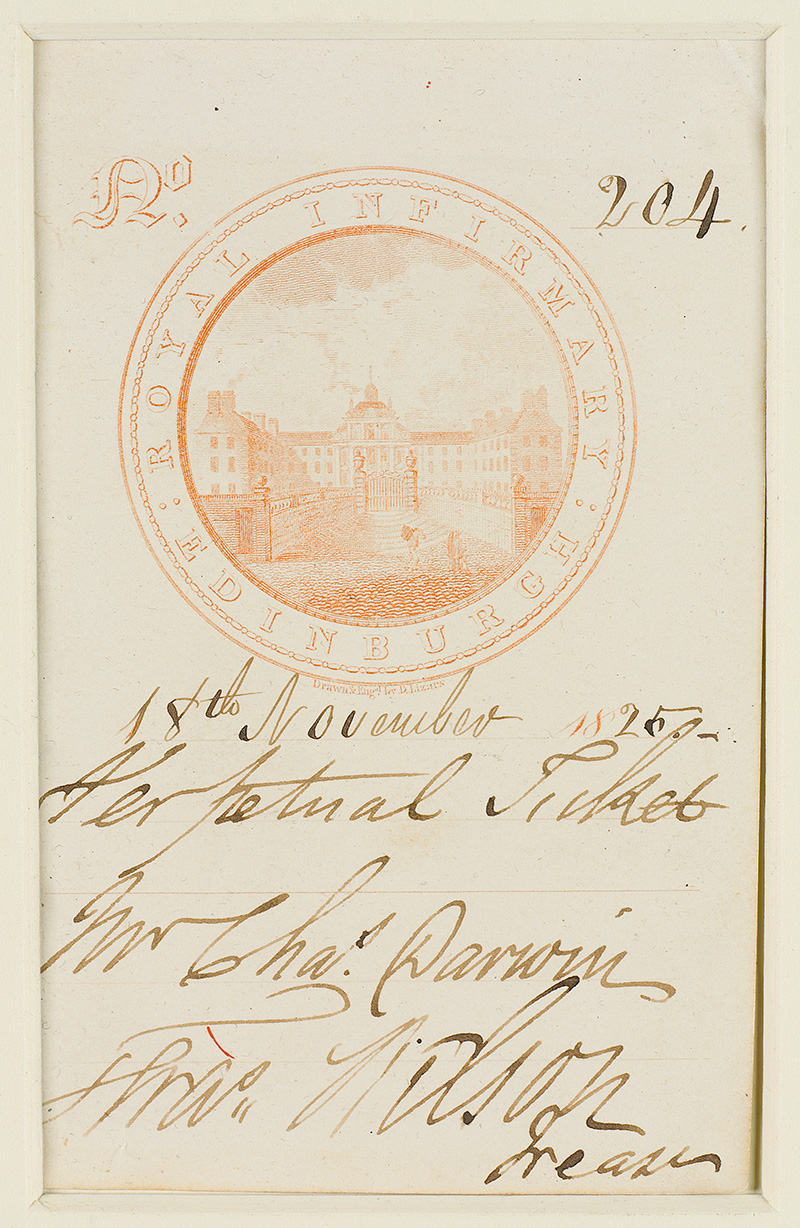
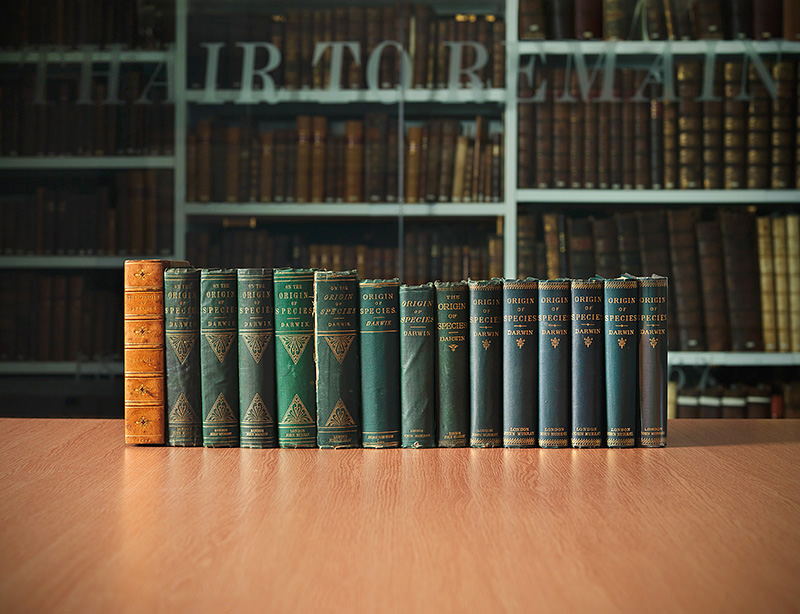
Heiskell DarwinOver the years several Darwin originals have made their way to us for photography- a handwritten sheet from the manuscript of ‘On the Origin of Species’, his class cards, letters and recently some shells collected by Darwin during the voyage of the Beagle which had been rediscovered amongst Lyell’s geology collection. This week I was delighted to receive a whole trolley load of books from the Darwin collection which were being photographed in preparation for a printed catalogue. The Rare Books and Manuscripts team have already completed the online cataloguing (see their blog about this mini-project here http://libraryblogs.is.ed.ac.uk/blog/2013/08/30/darwins-voyage-of-discovery/ ).

Much of what arrived in the DIU was from the Heiskell Darwin collection- a donation of first editions made to the University in 2012 from the Heiskell Bibliographical Foundation, although some beautiful plates from the ‘The Zoology of the Voyage of H.M.S. Beagle’ came from our existing collection. As our image archive of Darwin is growing, I thought it might be nice to show some of the highlights here.

Susan Pettigrew

Heiskell Darwin Heiskell Darwin Heiskell Darwin Charles Lyell collection 0009323d 0009315d 0055917d

Damnation and Divinity

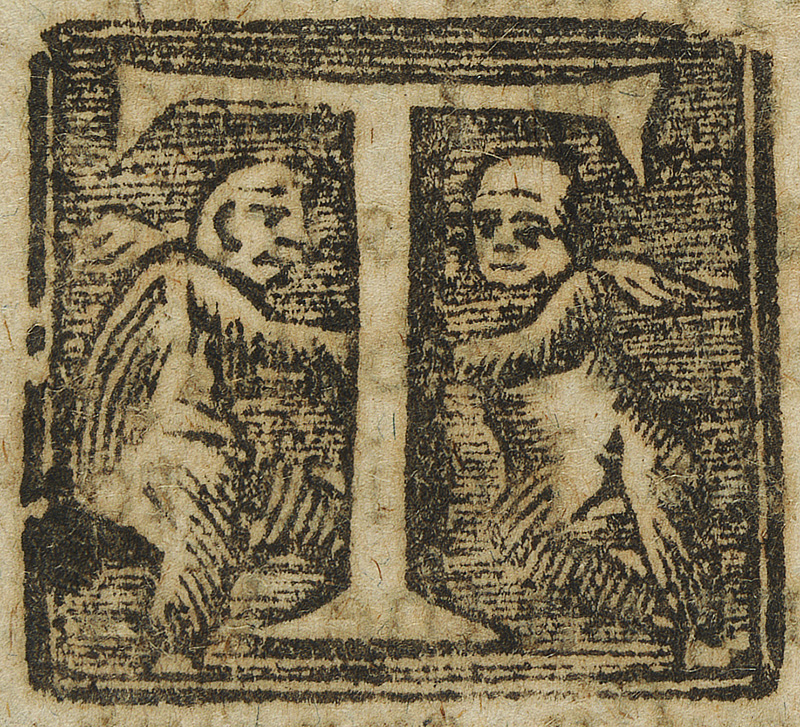
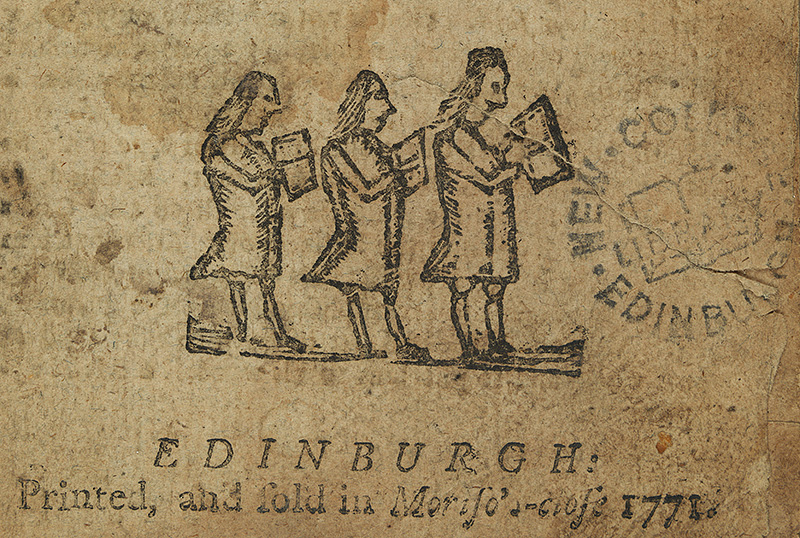
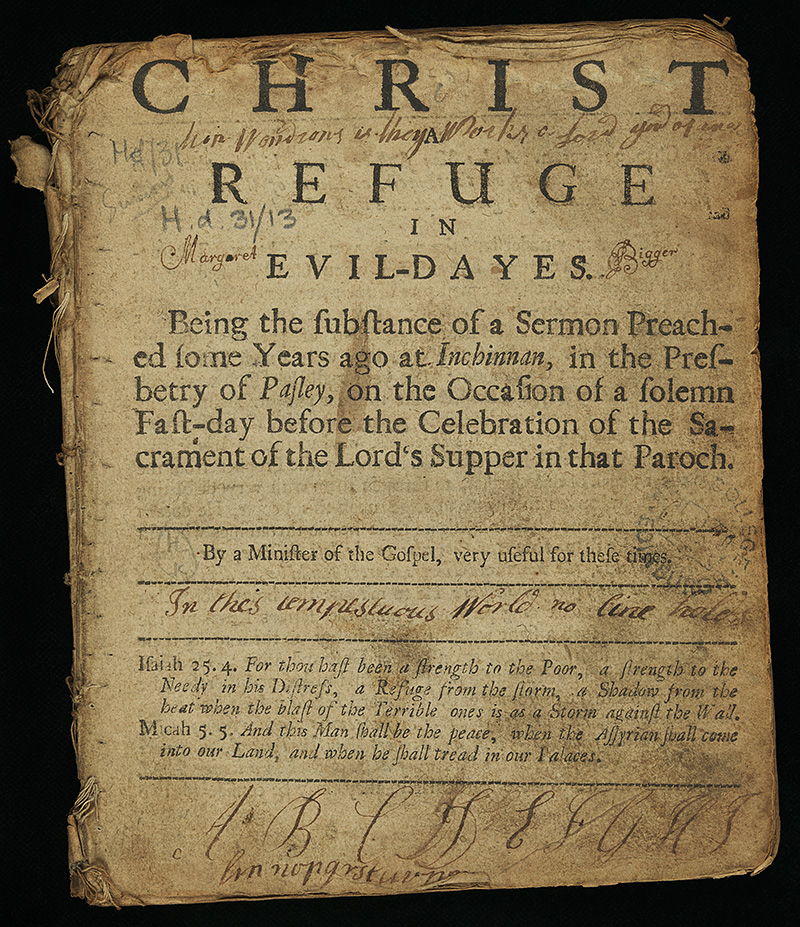
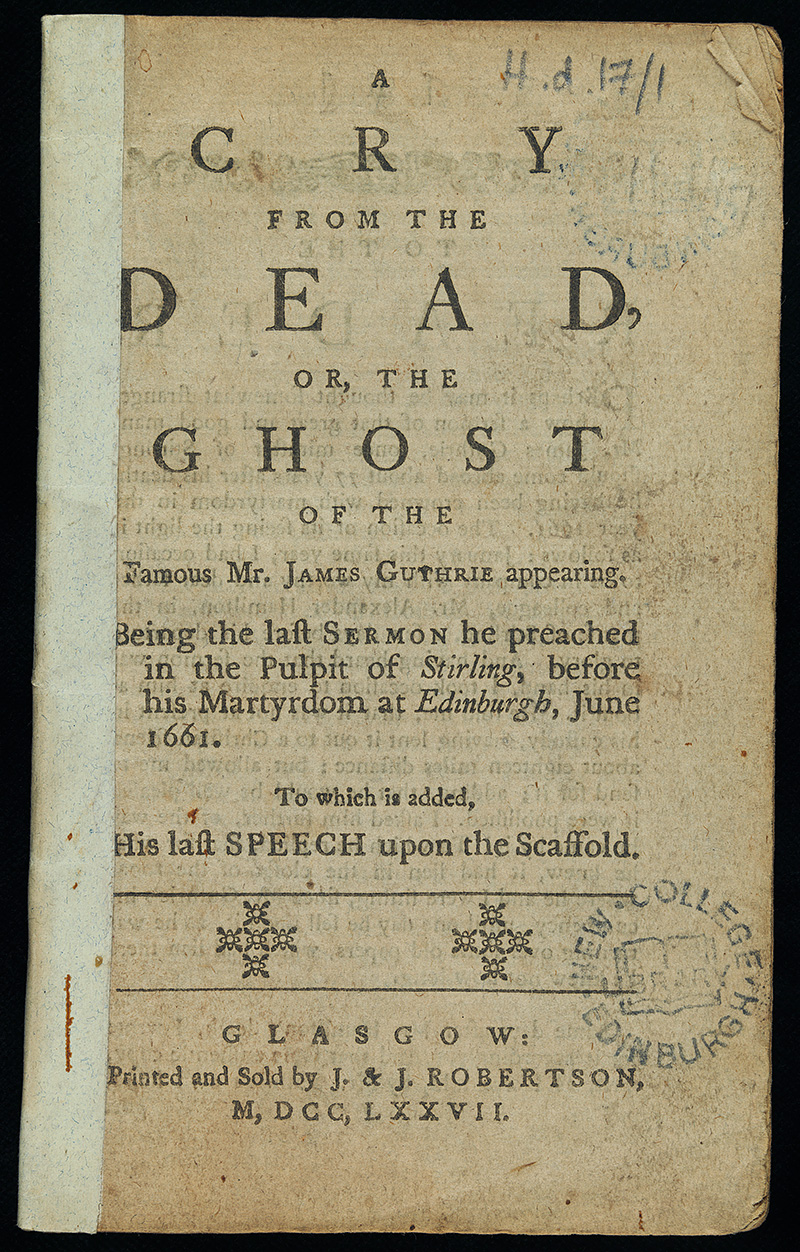
More Religious pamphlets for the English Short Title Catalogue (ESTC) came our way this week, mostly from New College Library. I always find the titles so fascinating, and some of them have lovely woodcut details too. The following are some of my favourites.

For more information about the ESTC see http://estc.bl.uk/F/GFIV3P5UCLQIQIHNQC1EQBU4HFL4Q9YYCCQ5XD4QM8XJRAED8Q-13504?func=file&file_name=catalogue-options


Susan Pettigrew

ESTC ESTC ESTC ESTC ESTC