Association for Historical and Fine Art Photography Conference

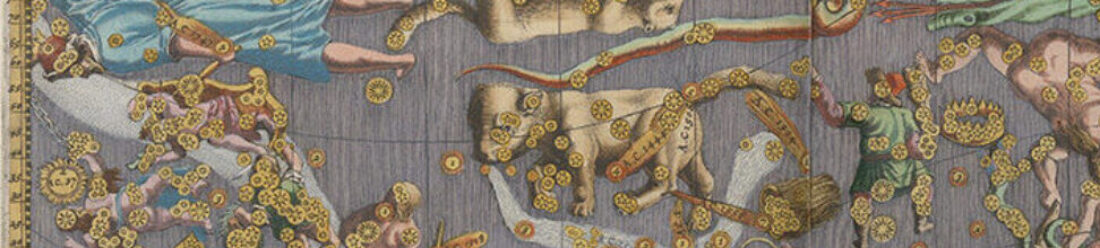
The Digital Imaging Unit attended the “Association for Historical and Fine Art Photography” conference for the first time in November at the end of last year. The conference was hosted in Starr Auditorium at Tate Modern and was opened by Sir Nicholas Serota the Director of Tate. Marvelous venue aside it was an engaging conference. Serious joke of the morning went to the Preservation Advisory Centre Imaging Group who highlighted that often at the end of digitisation planning the final step is usually outlined as, ” Just put it online“. This really diminishes the enormity of that task. However it is interesting to see so many national institutions grappling with the same digital problems and discussing digitising for access verses digitising for preservation and issues like high value low volume workflow verses mass digitisation workflow.

Sarah Saunders of Electric Lane who has been involved with IPTC embedded metadata standards introduced ,The new SCREM (SChema for Rich Embedded Metadata for Heritage Media Files) project. Plans are afoot to cater for heritage imaging metadata within IPTC fields. Sarah also made a strong case for this in the example that when we download music files by right clicking and saving to our desktops we now expect at a minimum to see a title, author and probably a creation date. So why has this not happened for images? and can IPTC embedded metadata remedy that situation?

It was cool to find out from Maureen Pennock that the British Library not only backs their truly massive amount of data up, but stores that data backup in four geographically distant separate locations across the UK. Maureen also warned against the perils of BIT FLIP which degrades image quality in a variety of ways and the need to manage stored data for its preservation. Her view on cloud storage was an outright DON’T DO IT! which is a strong message from someone with her experience.

Dani Tagen’s talk was controversial as she described ” how we at the Horniman Museum & Gardens have managed to take 15,000 photos of about 8,000 objects in 10 months with one photographer and a small team of collection assistants.” she lost three kilos in weight teaching collections assistants how to take photographs. In my opinion the results were high volume poor quality by professional standards and the assistants themselves admitted that more training and time would be required to come up to professional standards. However the images were a marked improvement over previous efforts and were not for public consumption they were for internal use as documentary images of the collection. Dani was however playing to a tough audience. When viewing her own photographs alongside the assistants the quality of Dani’s work was far greater.

The highlight for me was English Heritage’s short film by Alan Bull covering the last hat mould makers in UK. The film described that the poisonous materials that hat mould makers worked with actually accounted for previous generations going insane hence the phrase “Mad As A Hatter”.

Conference abstracts can be found on the AFHAP website.

Malcolm Brown
Photographing The Apocalypse Circa 1483

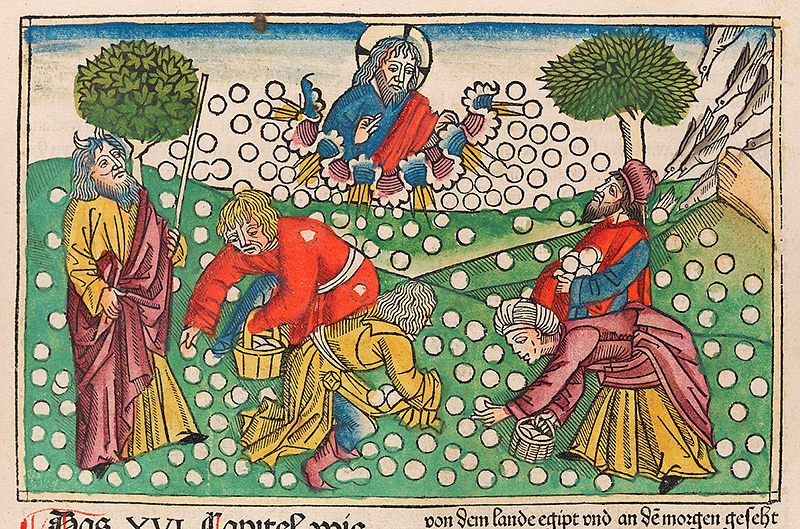
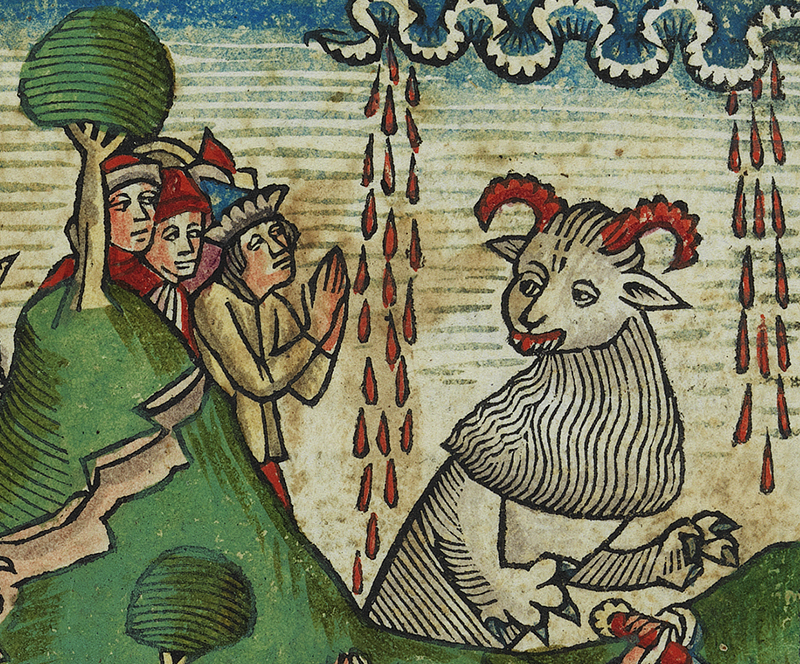
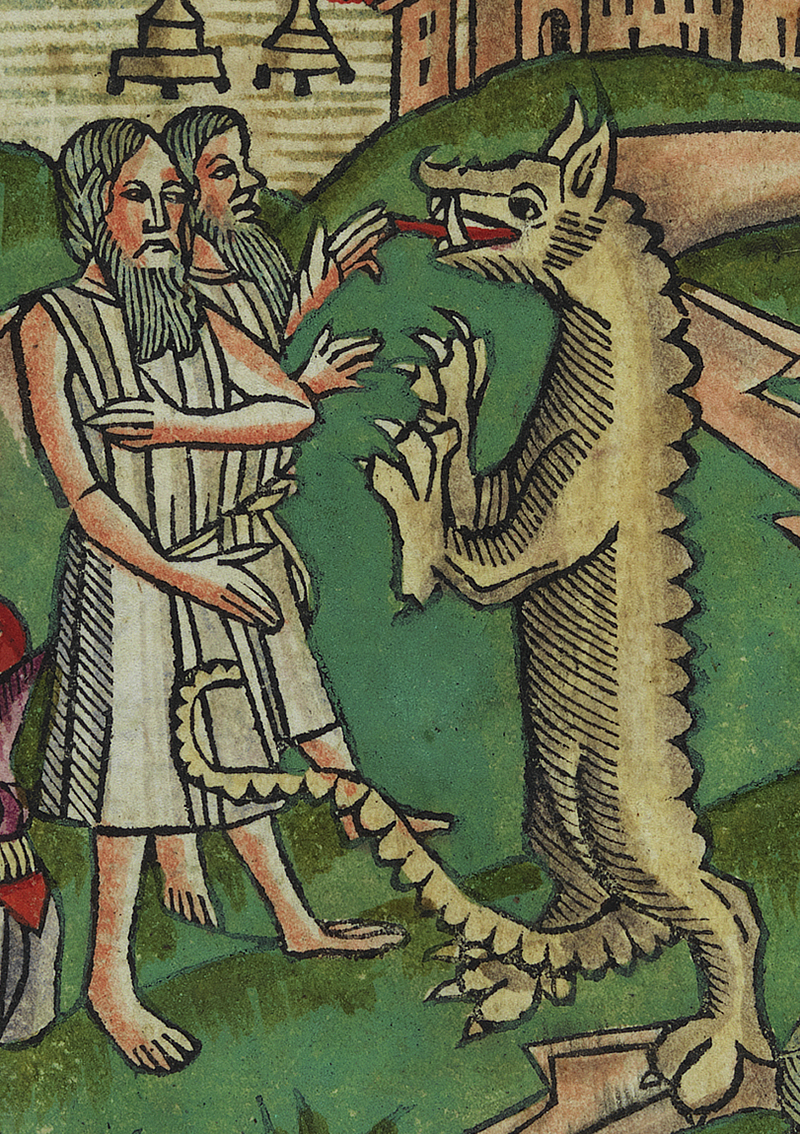
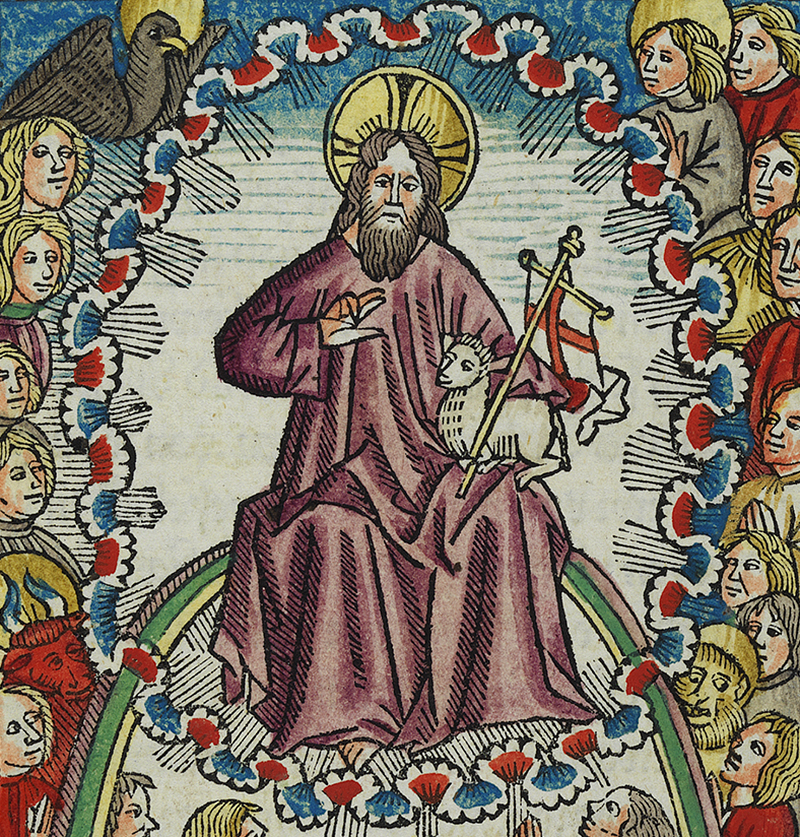
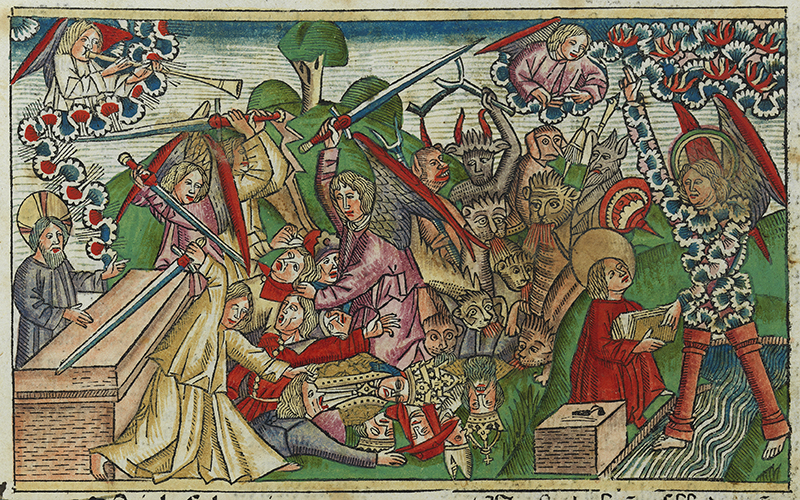
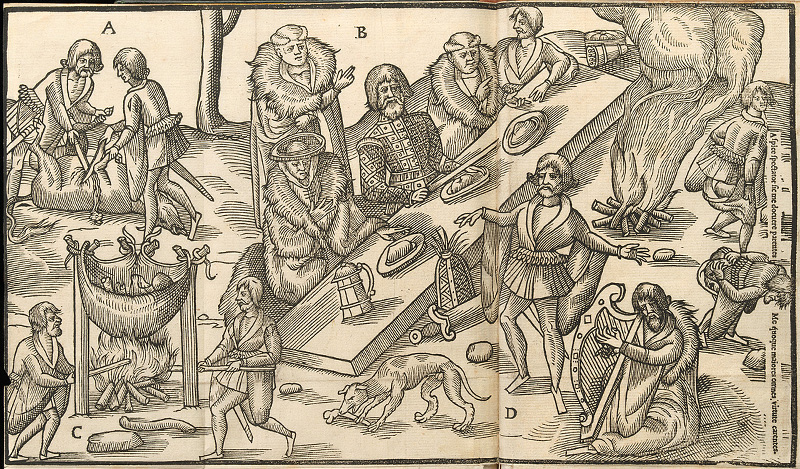
Recently the Digital Imaging Unit were asked to photograph all 8 illustrations from the book of the Apocalypse in Anton Koberger’s German Bible of 1483.  Shelf-mark Inc.45.2.  I have selected a few details from the illustrations here to demonstrate the quality of the line and its powerful descriptive impact. ” Koberger was the godfather of Albrecht Dürer, whose family lived on the same street. In the year before Dürer’s birth in 1471.”   Giulia Bartrum, Albrecht Dürer and his Legacy, British Museum Press, 2002, pp 94-96, ISBN 0-7141-2633-0  

Malcolm Brown

0055706d0055708d0055704e0055705d

CENSORED!

Last week I was sent a wonderful book, Deletrix – a collaboration between the artist Joan Fontcuberta, Catalan PEN and Arts Santa Mònica and it explores censorship and violence done to books. Thought provoking, and beautifully illustrated with images that have a strange haunting quality- indeed Fontcuberta challenges the audience as to whether the inherent beauty of the object can redeem the violence done to them. It has got me thinking about the items in our collections that have suffered changes at the hands of censors over the years.

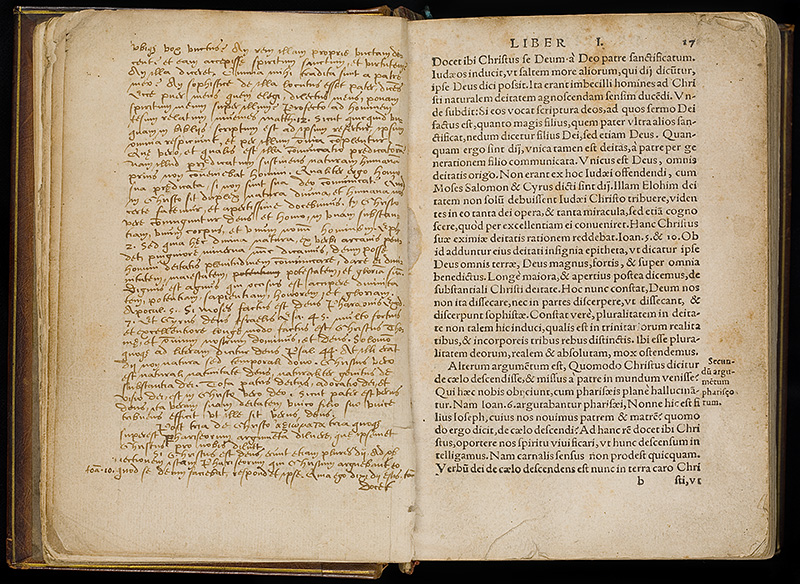
Perhaps the one that immediately springs to mind is Micheal Servetus’ Christianismi Restitutio http://images.is.ed.ac.uk/luna/servlet/s/tv7257. It is thought to be the copy Servetus sent to Calvin; incensed by Servetus’ theories, Calvin ripped out the first 16 pages before he set the wheels in motion to have Servetus burned at the stake using his own books for the fire! (See http://en.wikipedia.org/wiki/Michael_Servetus for more information).
0009386d

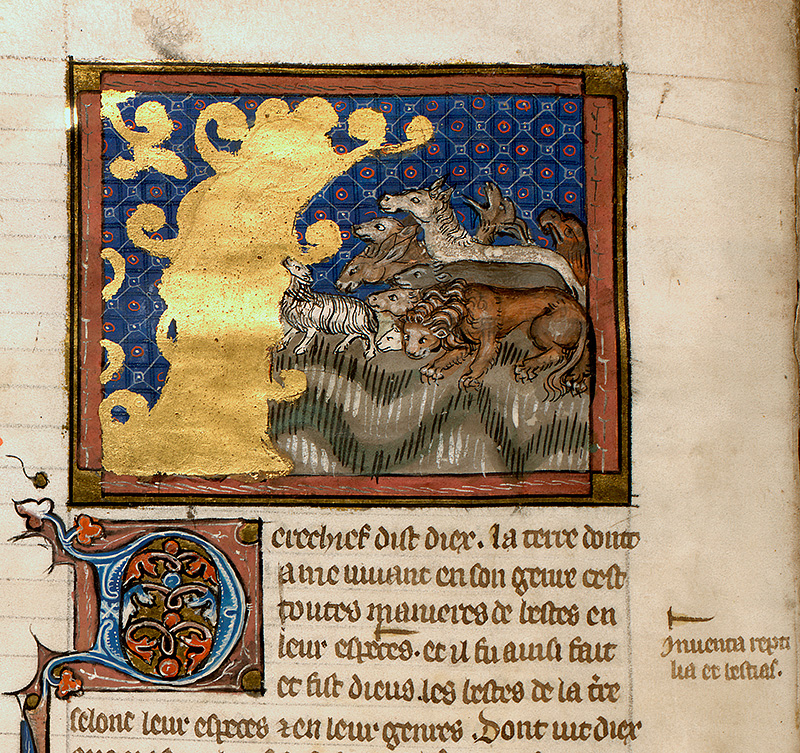
However, there are many more censored images in the collection, often the result of religious belief & moral concerns. All the illustrations in the Genesis chapter of this French Bible appear to have God covered with Gold paint http://images.is.ed.ac.uk/luna/servlet/s/q28182
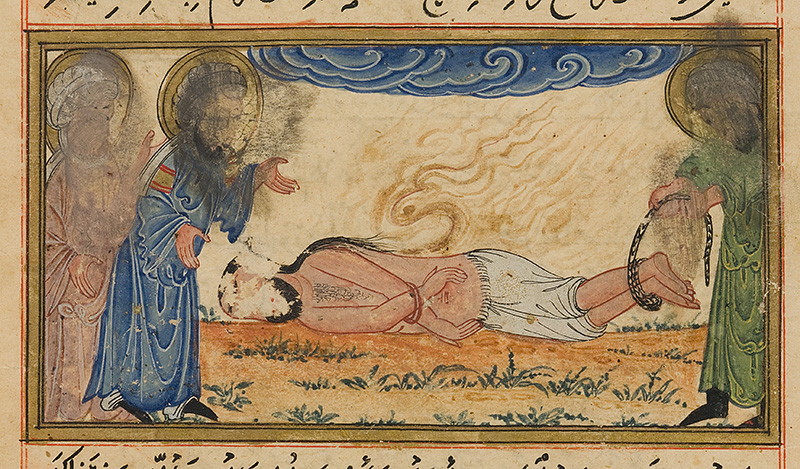
0026013dAnd there are many examples of people being defaced http://images.is.ed.ac.uk/luna/servlet/s/ir0qfd
0010570d

Further examples can be found below
http://images.is.ed.ac.uk/luna/servlet/s/75ig3v – perhaps an example of Victorian vandalism?
Or how about this one, where it looks as though the owners name and anathema has been deliberately erased http://images.is.ed.ac.uk/luna/servlet/s/55b726

More information on Deletrix can be found at the links below
http://nathaliepariente.wordpress.com/2012/11/05/nouvelle-exposition-joan-fontcuberta-deletrix/

http://www.flickr.com/photos/pencatala/sets/72157635582961896/with/10022317404/

http://www.youtube.com/watch?v=vr_AP8dK18w&feature=youtu.be

Many thanks to Ana González Tornero for the beautiful book, the links and information about the Deletrix Project.

Susan Pettigrew

Library and University 2014 calendar

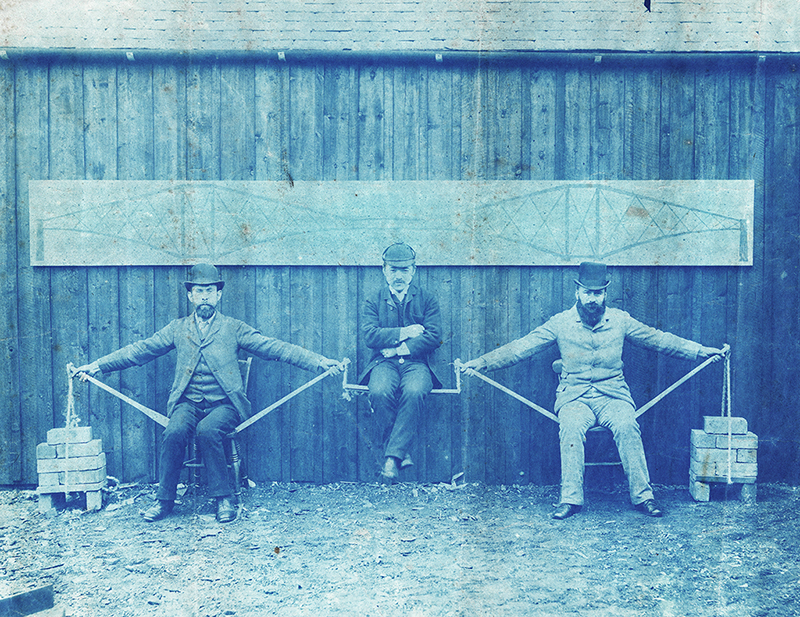
The new Library and University 2014 calendar is now on sale. This year’s theme is Bygone Edinburgh, with all images coming from the mid-19th to early 20th centuries. Highlights include some of the work of Scottish pioneers of photography, Hill and Adamson, and this image taken by an unknown photographer around 1887.

0055661e

The three gentlemen shown demonstrating the cantilever principle for the Forth Bridge are engineers Sir John Fowler, Kaichi Watanabe and Sir Benjamin Baker.

The calendar is on sale in the Library at the front desk and at the CRC reception on the 6th Floor, priced £8.

Further information on the calendar is available at collections.ed.ac.uk

Photographing Geology Specimens

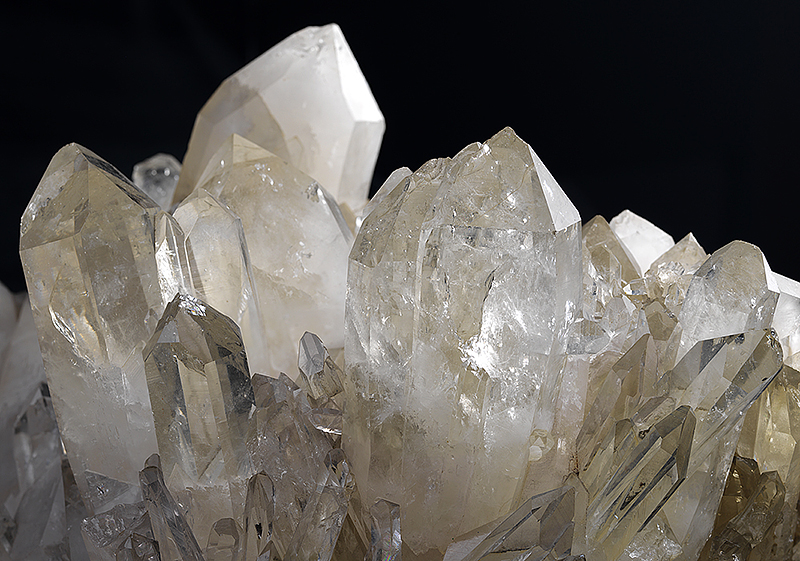
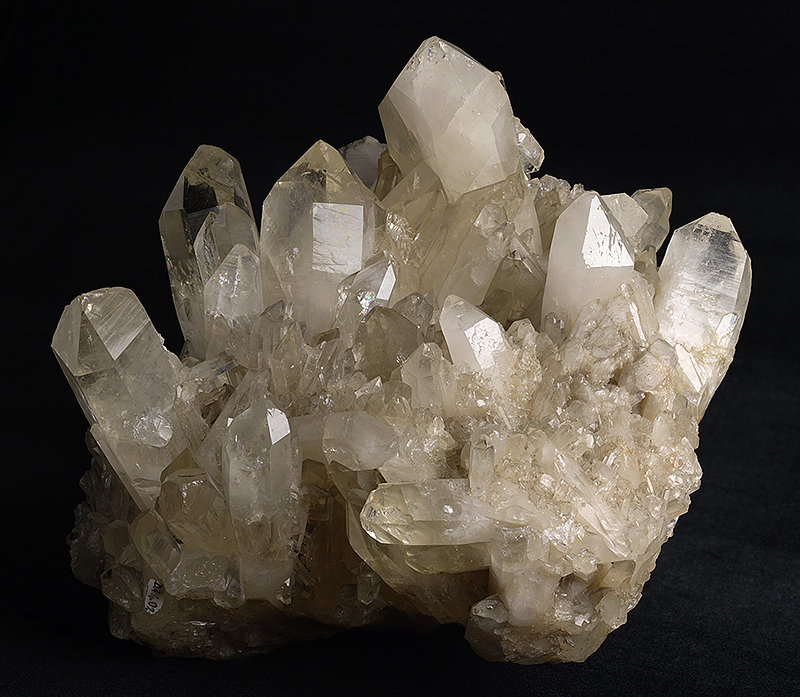
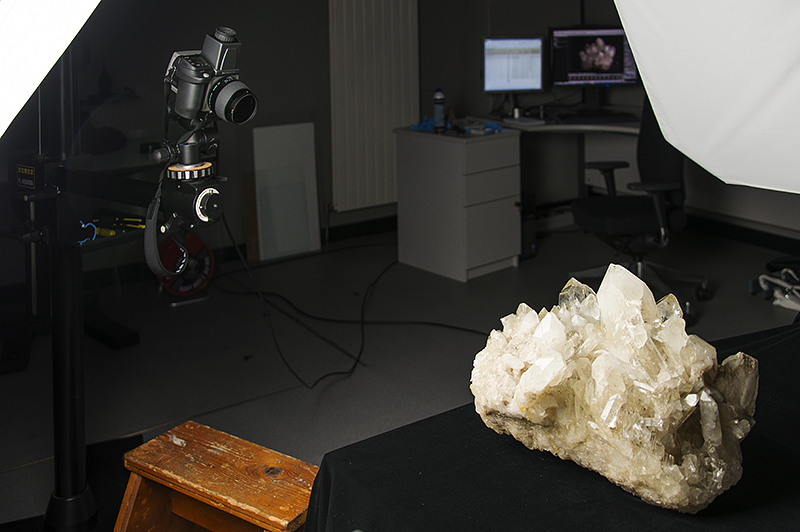
This image of Quartz crystals was commissioned for exhibition at University of Edinburgh Main Library but has also found a home at the School of Geo Science website http://www.geos.ed.ac.uk/facilities/ionprobe/TiQuartzStandards/ The image was created using 9 separate exposures each focusing on a different part of the crystal. Those were then imported into Photoshop as separate layers and a layer mask was added to each layer. Using the mask on each layer its was possible to hide or reveal parts of each individual exposure. This technique was used to create an image where many areas are in sharp focus to highlight the rich details of the crystal. The studio set up for this type of work consumes a lot of physical working space as demonstrated in the studio shots which can be seen below.

Malcolm Brown
0031376d0031366d

0054217m

Meteorites and Fossilised Rain Drops

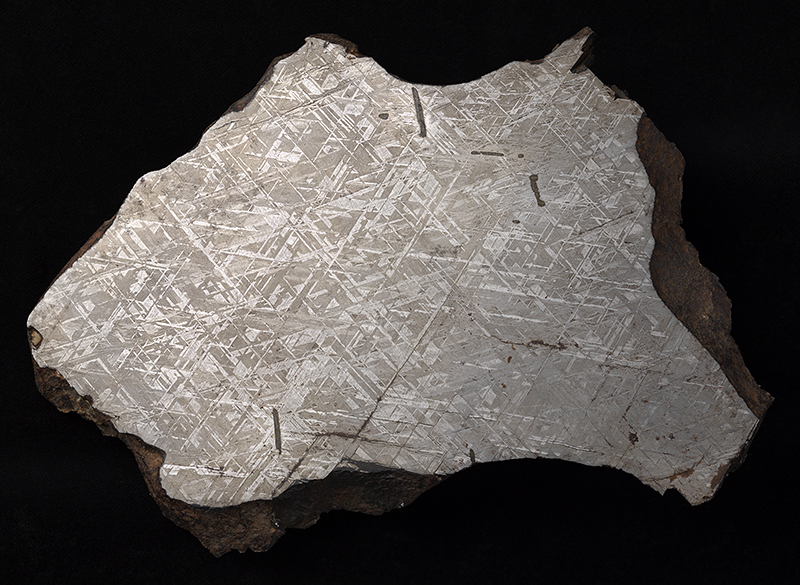
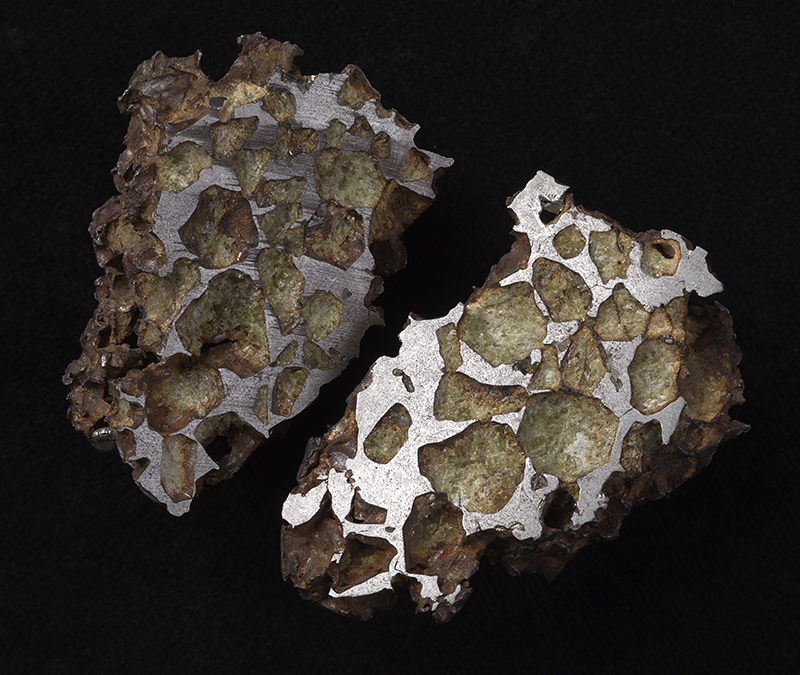
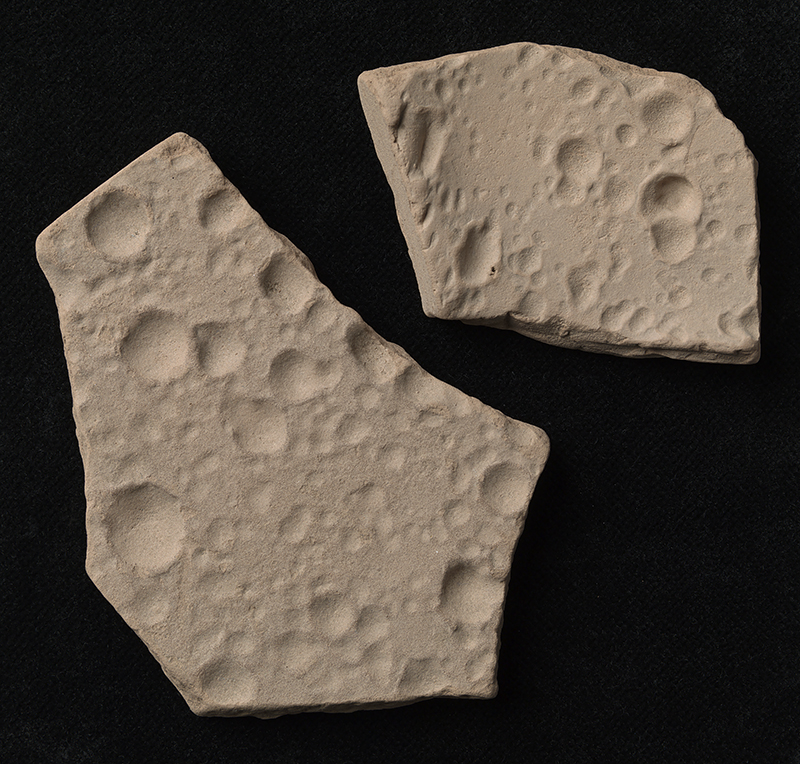
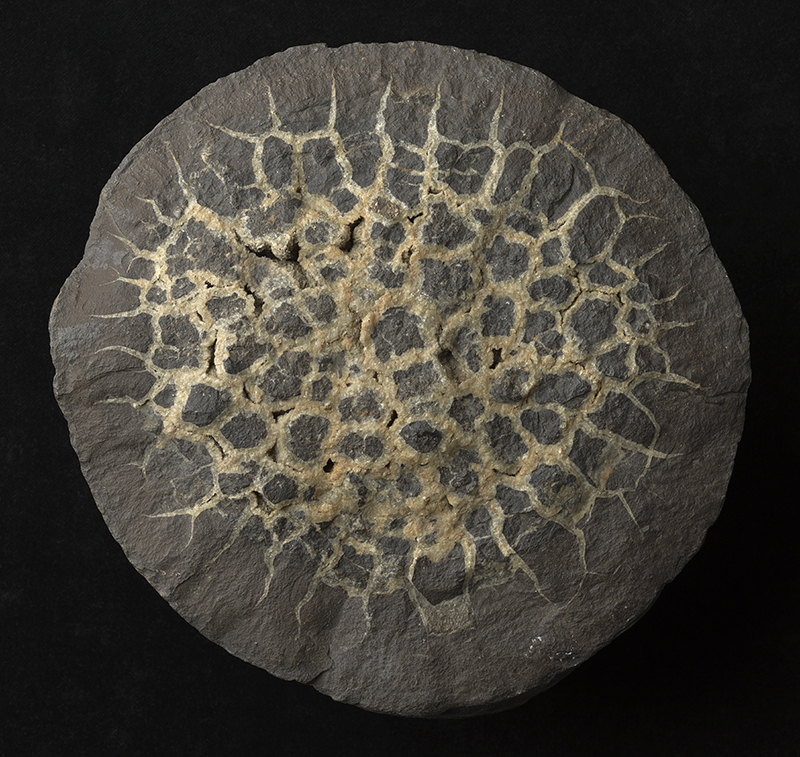
This week the Digital Imaging Unit have been photographing the Gibeon nickel iron meteorite EUCM.110.759.  This fell in prehistoric times in Namibia, named after the nearest town.  Made into tools by the Nama people. Analysed and confirmed as a meteorite in 1836. The wonderful pattern is called a Widmanstätten pattern. We have also been photographing the Imilac stony iron pallasite meteorite EUCM.0647.2008 found in the Atacama Desert in Northern Chile in 1822. The meteorites along with some amazing fossilized rain drops and various crystals will all feature in an exhibition opening in the Main Library exhibition space on December the 5th called Collect.ed.

Malcolm Brown
0031342d

 0031348d0031353d0031355d

Marking the Millennium?

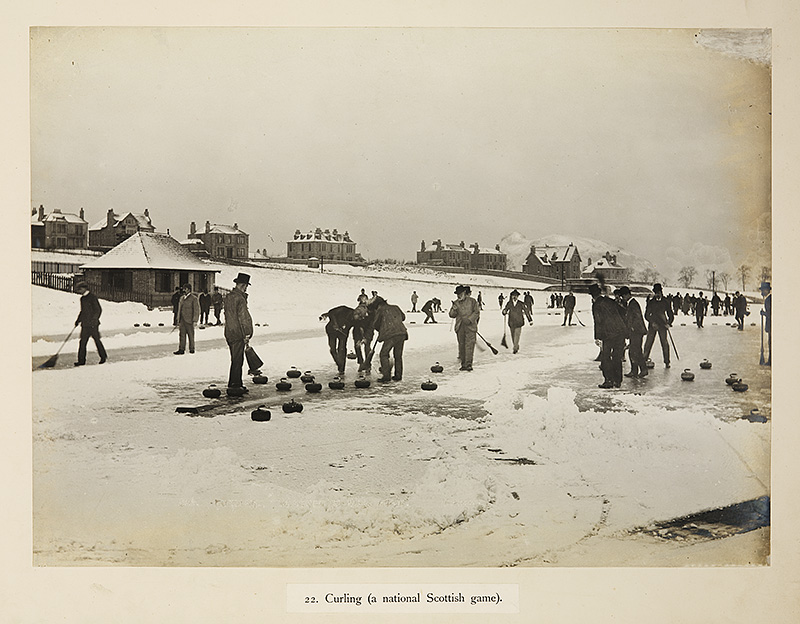
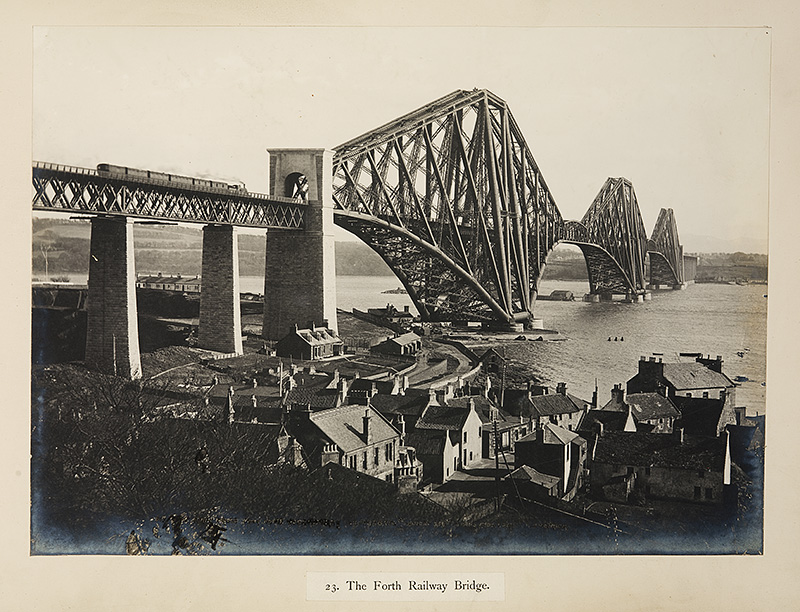
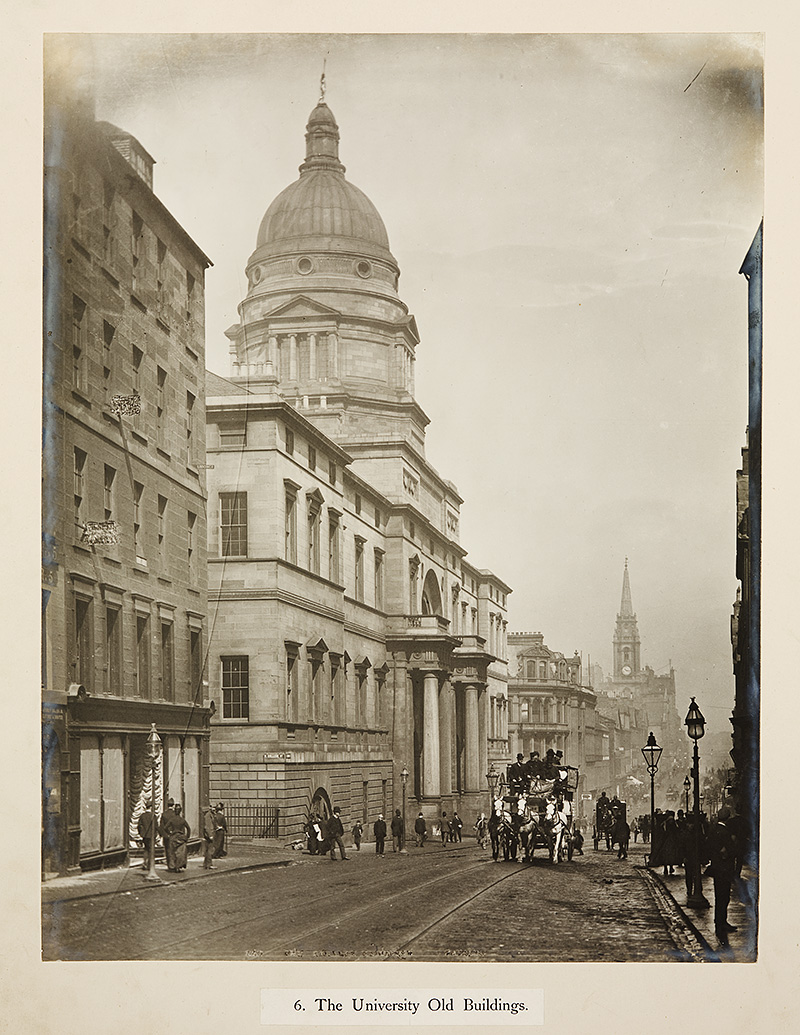
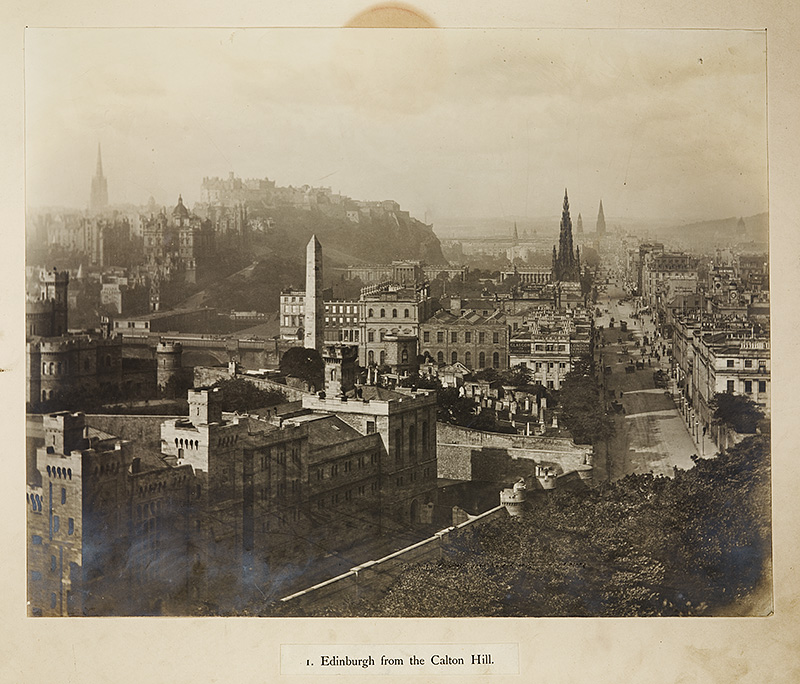
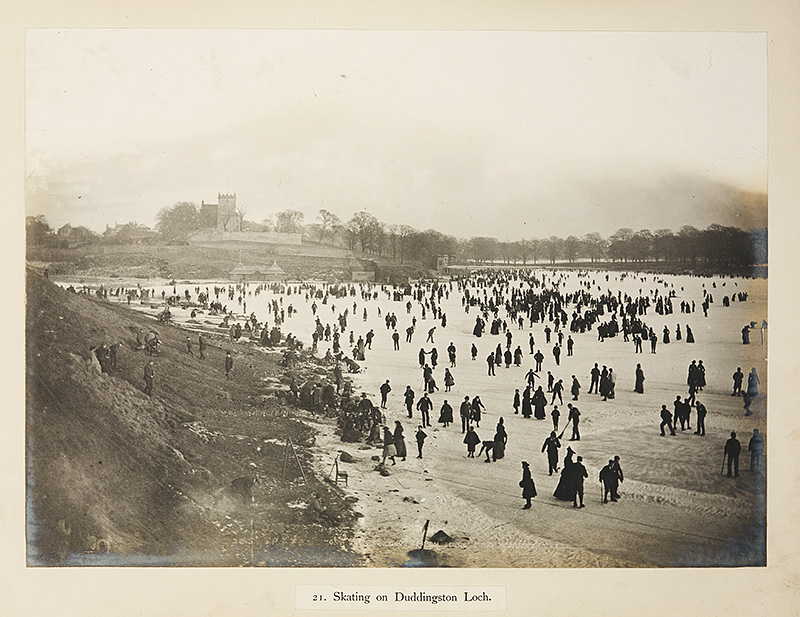
This week’s images all come from a lovely photograph album commissioned by the University in 1900 (Shelfmark EUA CA1/2). We don’t have much information about this volume but we think it was made to hail the start of the 20th century.  It contains 25 photographs of University buildings and views in and around Edinburgh, including some are fascinating scenes of Edinburgh life – when was the last time you saw people skating on Duddingston Loch?

Thanks to the Lost Edinburgh Facebook team Digital Imaging Unit images have appeared on the Lost Edinburgh Facebook page. As a result of this each image has received 1,331 + 1294 likes respectively and 216 + 161 individual shares. Also around 80 comments per image were generated and this  has brought the CRC Facebook page an additional 76 new likes since appearing on the site. The Lost Edinburgh Facebook page currently has 66,296 likes, probably making this the biggest audience for our images.

Susan Pettigrew

Curling (a national Scottish game). Edinburgh. The Forth Railway Bridge. The University Old Buildings. Old College. Edinburgh from Calton Hill. Skating on Duddingston Loch, Edinburgh.

New Photography for Main Library Exhibition – Collect.ed

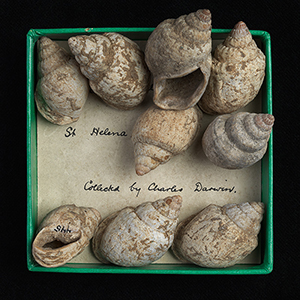
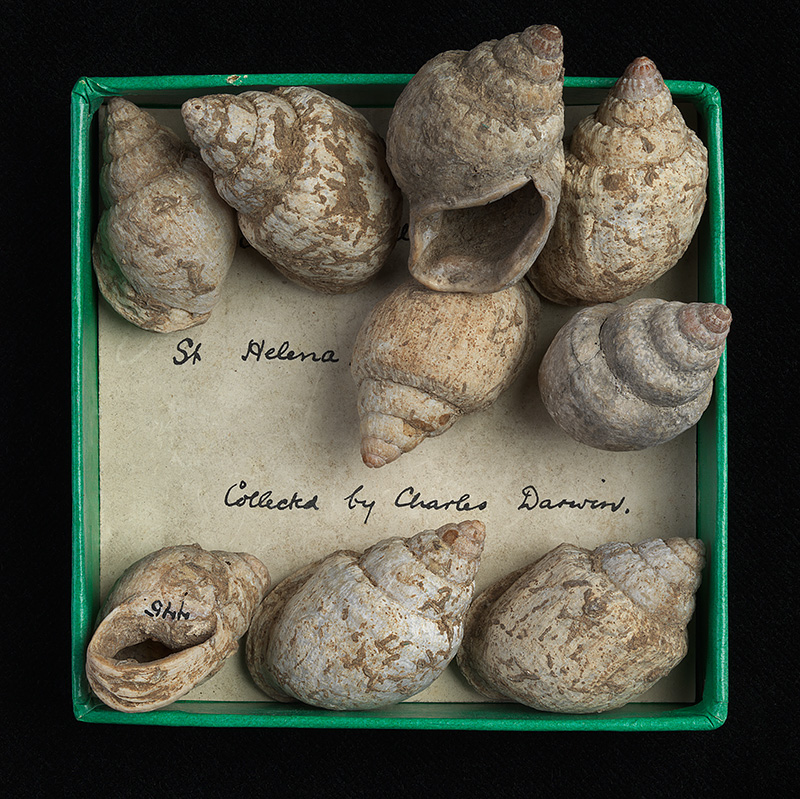
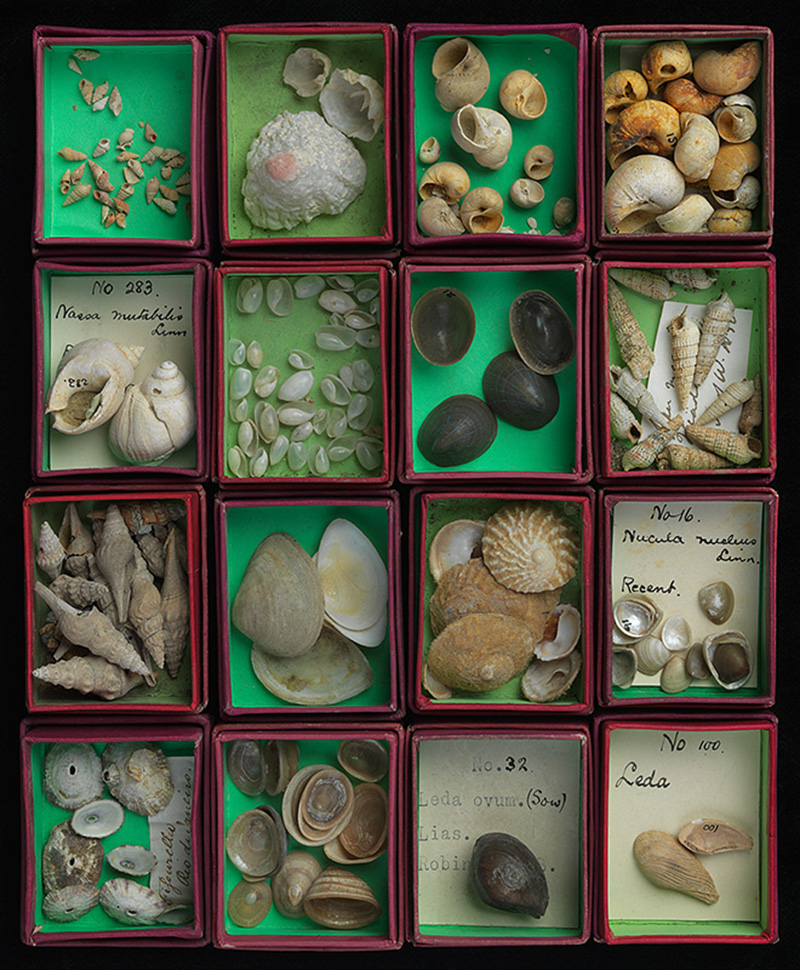
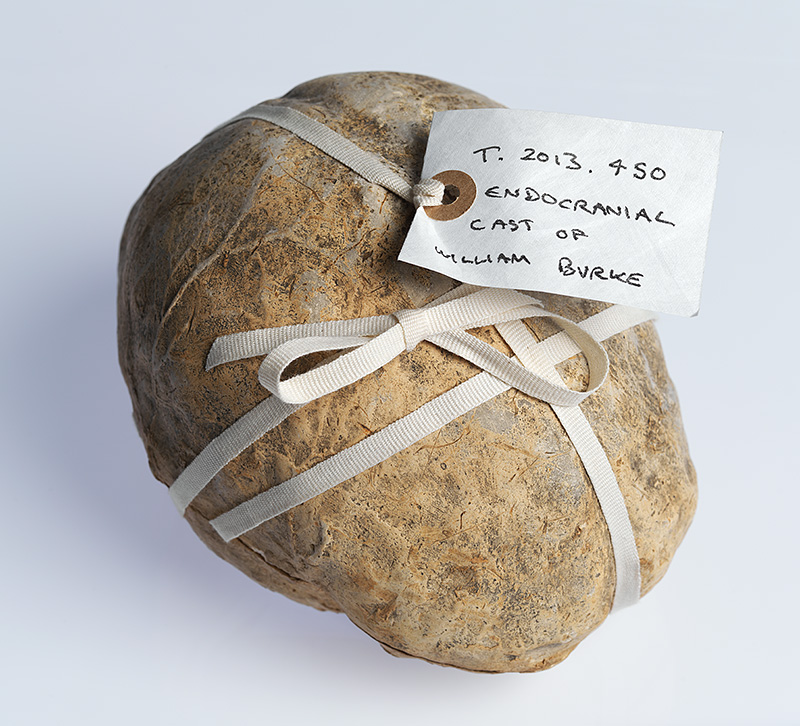
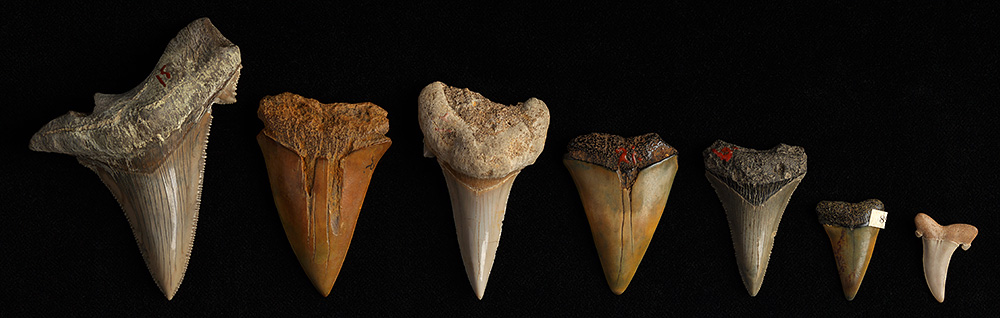
The Digital Imaging Unit have been working on an amazingly diverse range of material recently thanks to a new exhibition being prepared for the Main Library by exhibitions intern Emma Smith. Collect.ed is the title of the exhibition described as “Curiosities from the University’s collections”. This work has presented the challenge of photographing a cast of the serial killer Burke’s brain, seven prehistoric shark’s teeth and a fabulous box of shells collected by Charles Darwin himself. Collect.ed will open on 5th December 2013 and run until  1 st March 2014, Monday to Friday 10.00am – 5.00pm, Saturday 10.00am – 1.00pm, Free Admission!

Malcolm Brown
0031310d

0031301d

0031284d


0031298d


Gems from the ECA Rare Books Collection

The CRC Assistant Rare Books Librarian has been busy cataloguing books from the Edinburgh College of Art Collection again, and has sent a few our way to photograph for upcoming talks and publications.

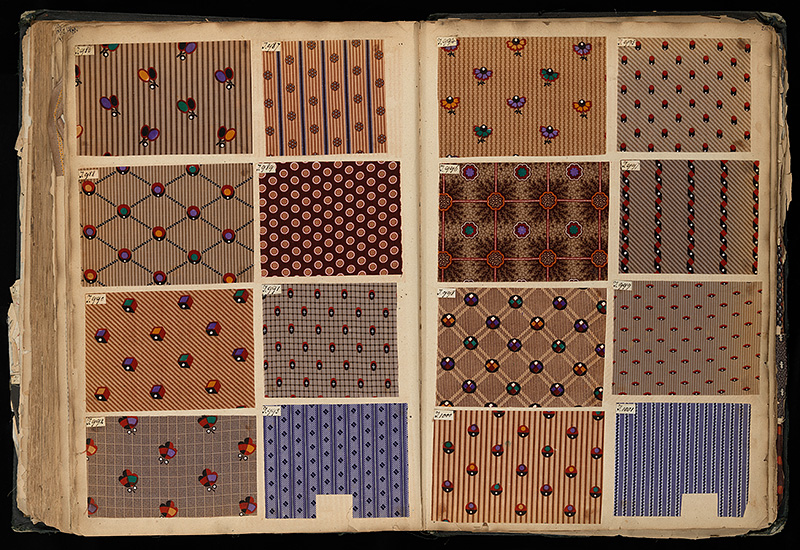
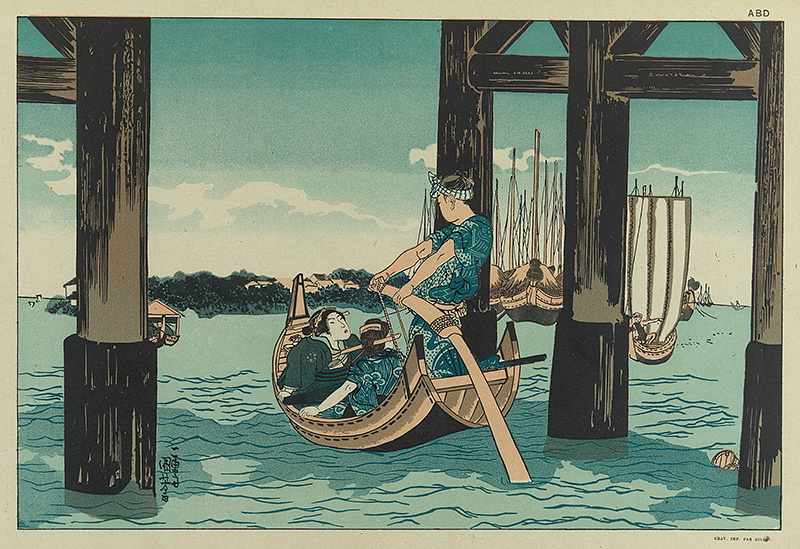
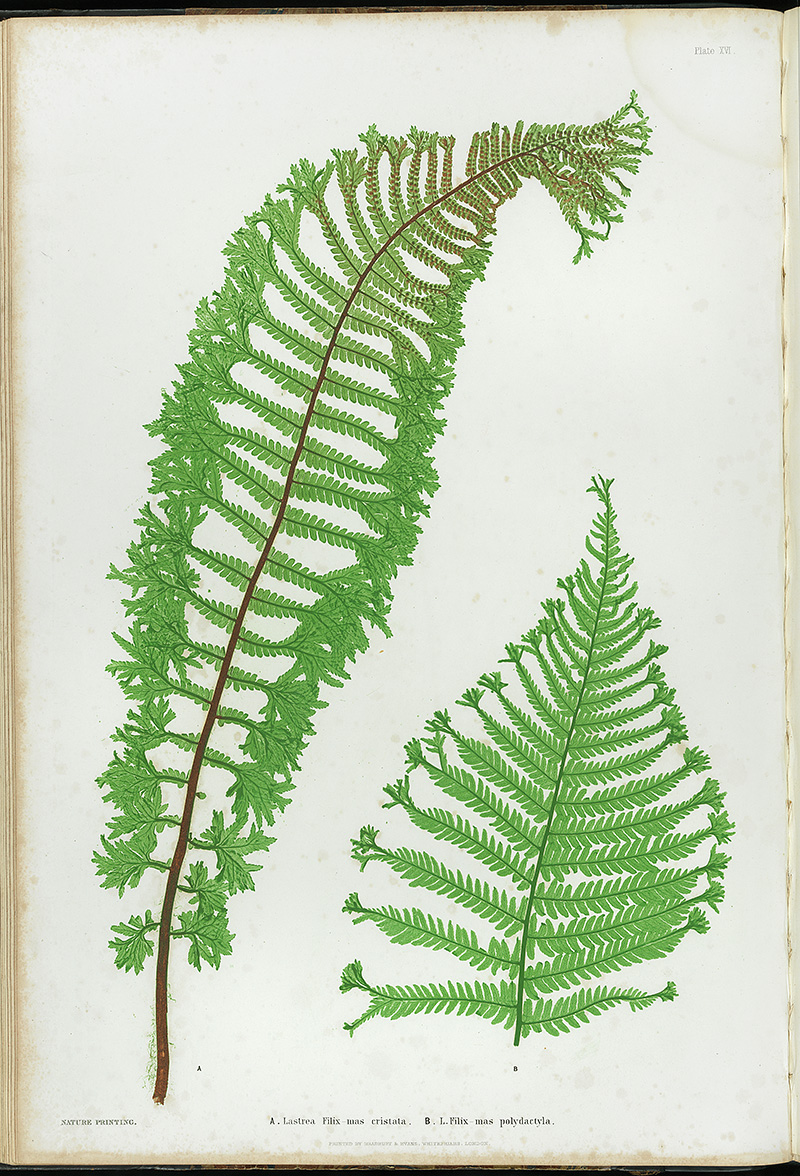
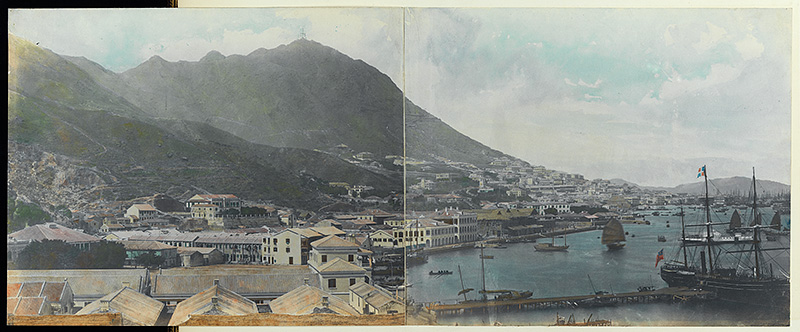
An amazingly diverse collection from 15th C. Sermons to etchings of Italian landscapes to 19th C. Japanese artistic review magazines and on to detailed plates of British Ferns, each book contains its own wonders.

Susan Pettigrew

0055609d
RECA.MS.26 Calico Samples Album, pp.200v-201r
0055628d
RECA.F.157 Le Japon Artistique, vol.3, no.17, pl.ABD
0055638d
RECA.FF.210 British Ferns, Moore, Thomas, pl.XVI
0055644d
RECA.MS.8 China, Hong Kong, Shanghai, Macao: Photographs Taken on Lord Elgin’s Diplomatic Mission and Military Campaign in China 1857 – 1861, p.52