Any views expressed within media held on this service are those of the contributors, should not be taken as approved or endorsed by the University, and do not necessarily reflect the views of the University in respect of any particular issue.
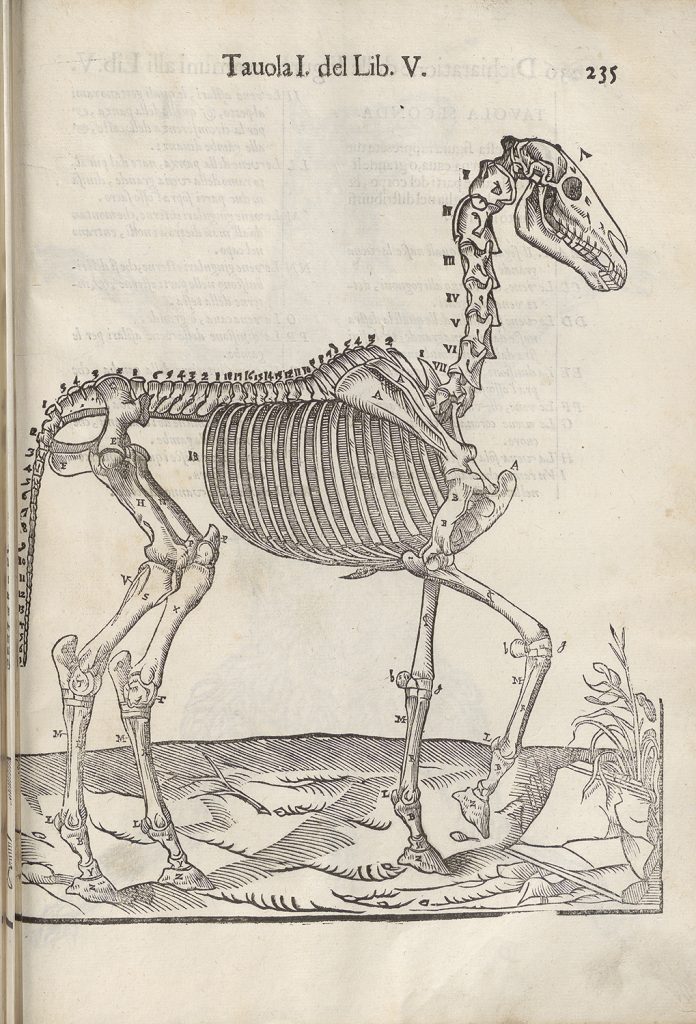
Recently I digitised Carlo Ruini’s ‘Anatomia Del Cavallo’ (The Anatomy of the Horse, Diseases and Treatments) as part of our Iconic’s collection on our i2S V-shape cradle scanner. It is a lavishly illustrated anatomic manual on the study of horses and was the first book to focus exclusively on the structure of a species other than man. In Ruini’s estimation, the horse combines ‘great love of man’ with natural docility and is celebrated for its many ways to bring pleasure and assistance to man that it is commemorated everywhere in monuments, tombs, poetry, and painting.
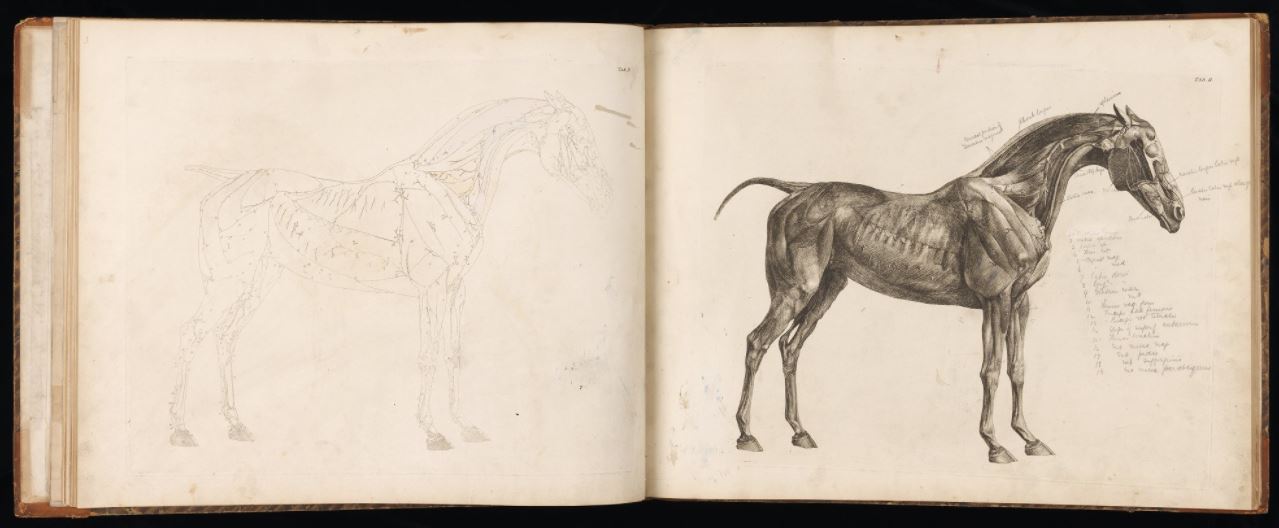
Recently I worked on digitising a small number of volumes of The Veterinary Journal from the late 19th century and late 20th century. Almost 100 years apart, the earlier volumes from 1889-1898 had some questionable advice and cures for ailments including the free use of toxic chemicals and even a few drams of whisky for a horse’s stomach ache! We view these archaic methods nowadays with humour – after all, some absurdities are expected from a late Victorian medical journal.
The work that DIU are developing around moving image has grown considerably in the last two years and the demand for moving image has increased exponentially with each new film produced. We now have around twenty two separate projects archived on the servers, some of these include up to six films in one project. A good example of that is the Curators short films that appear on the Universities Collections web page. Recently we produced an exhibition introduction film for Towards Dolly : A Century of Animal Genetics in Edinburgh. The Dolly intro film features on the University Collections page, social media and also on the Towards Dolly exhibition App. This is the second exhibition App we have contributed to which is proving a popular way to deliver content. The izi App is a free download from the Apple App store and contains information on the Dolly and “Out Of The Blue” exhibitions. We have also made our first contact with digitising 8mm film in the form of Eric Lucy’s “Drosophila Egg” for the Towards Dolly exhibition which is currently open.
Projects under way at writing include time-lapse films “Documenting the Redevelopment of St Cecilia’s Hall” the first section of which you can see below. This section is the very early stages and we are now starting to film the deconstruction of the 1960’s caretakers flat. This is an ongoing project which shall also include film of musical instrument conservation work to be shown on screen within the new development and musical performance using the collection itself.
The performances captured already include the exhibition opening concert for “The Stuart Sound” exhibition currently open in the Centre for Research Collections which featured a beautiful performance of the anonymous, ” but probably” Padua Lute circa 1620. Also captured are the recording sessions from the Edinburgh College Music Box Studio. These are active projects still to be completed.
In addition we have created seven two minute films as content for the upcoming Main Library guide App soon to be released on the Apple and Android App stores. We also have a ton of footage still to be bashed and coerced into a watch-able form. Watch this space for new material soon.
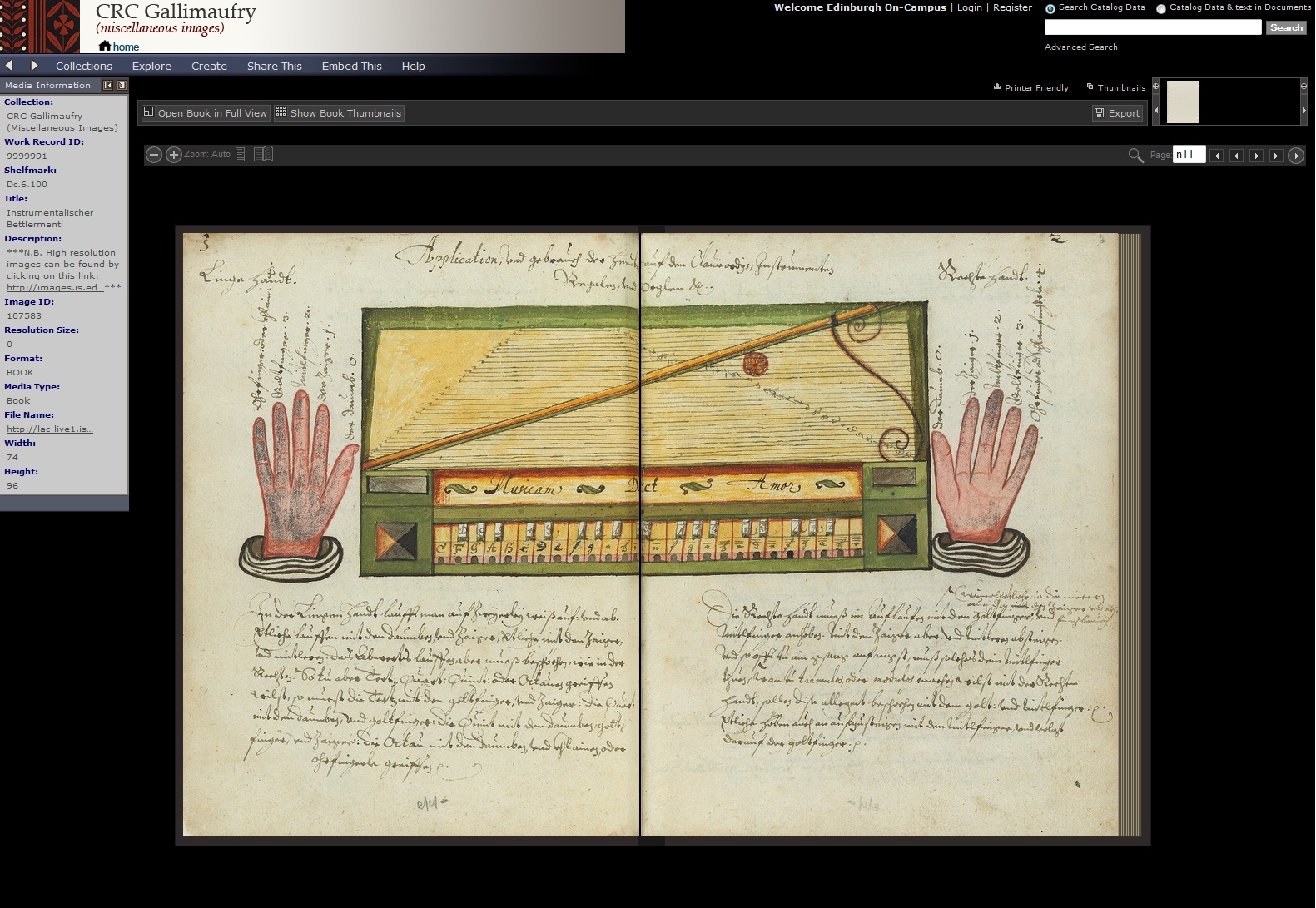
We kick off 2015 with the addition of 3 new Book Readers added to LUNA. The first two are both music manuscripts that came down to the DIU as part of the Readers Orders trolley. It is not often that we receive volumes to be digitised in their entirety this way, so it seemed a good opportunity. As a result we spared a bit of time to do the additional work to prepare them for the book reader software after the High Resolution images had been delivered to the customers. Continue reading “3 Additions to the LUNA Book Reader Collection”
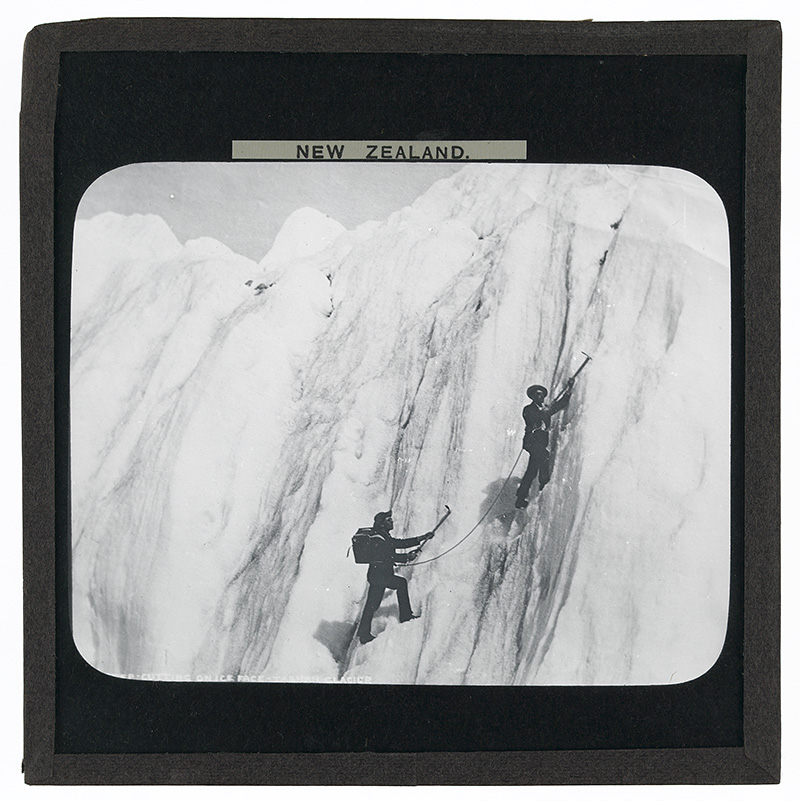
Currently I am based in the Digital Imaging Unit where I am responsible for digitising a large number of glass plate positive slides (about 3500!) which make up part of the Towards Dolly Project within the Roslin Collection. The digitisation project itself – aptly named ‘Science on a Plate’ – is funded by the Wellcome Trust and is due for completion at the end of April 2015. Only this week, the first batch of 1000 images have been made publicly accessible via the University of Edinburgh Image Collections website.
Having worked through over 1300 images so far, it is difficult to know where to start when attempting to whittle down the numbers to a small selection of favourites to post here. I have, therefore, simply chosen a handful of images that seem to jump out at me for one reason or another. These images do something to represent the wide-reaching nature of the Roslin Glass Slides Collection; many document people and animals at a particular time and place, whilst others are more informative and study-based. The collection contains images that span the globe. I am constantly surprised as I move through them. One minute I will be looking at a photograph of a Clydesdale horse at a show in Brunstane Park, Edinburgh, and the next minute I will be looking at a sable in eastern Africa or an indigenous tribe in India. The collection is vast, diverse and engaging all at once. Continue reading “Globe trekking with the Roslin Glass Slides Collection”
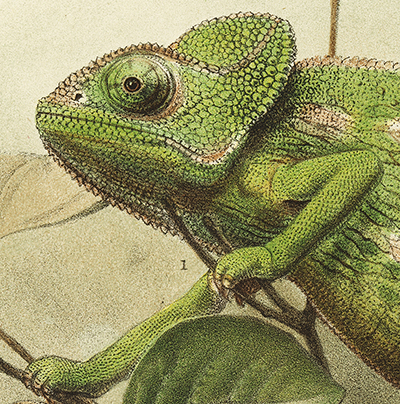
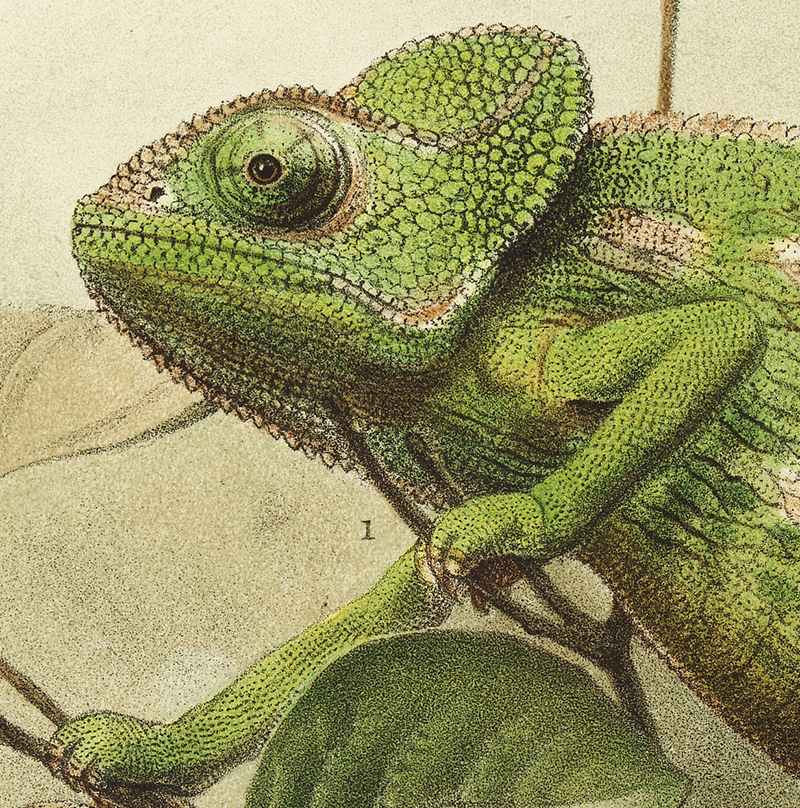
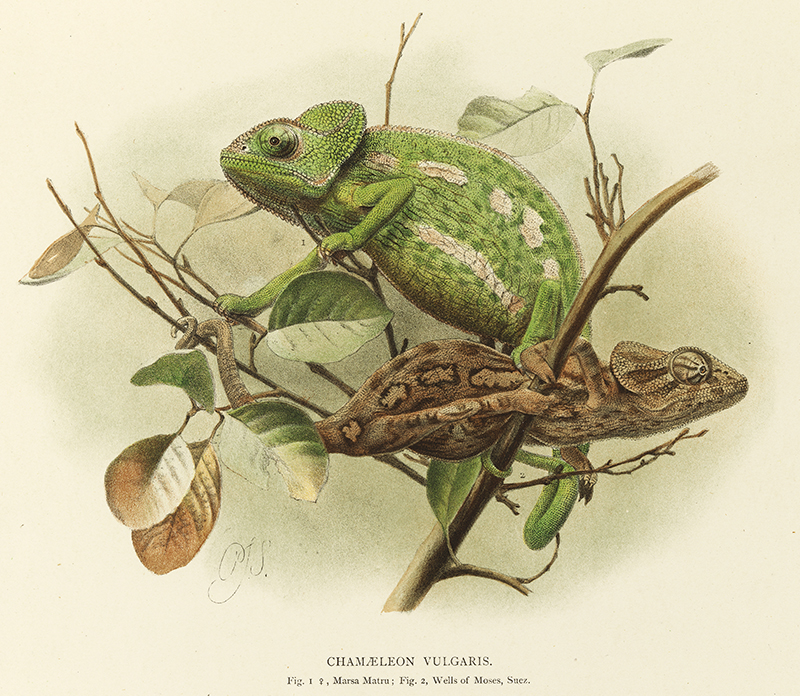
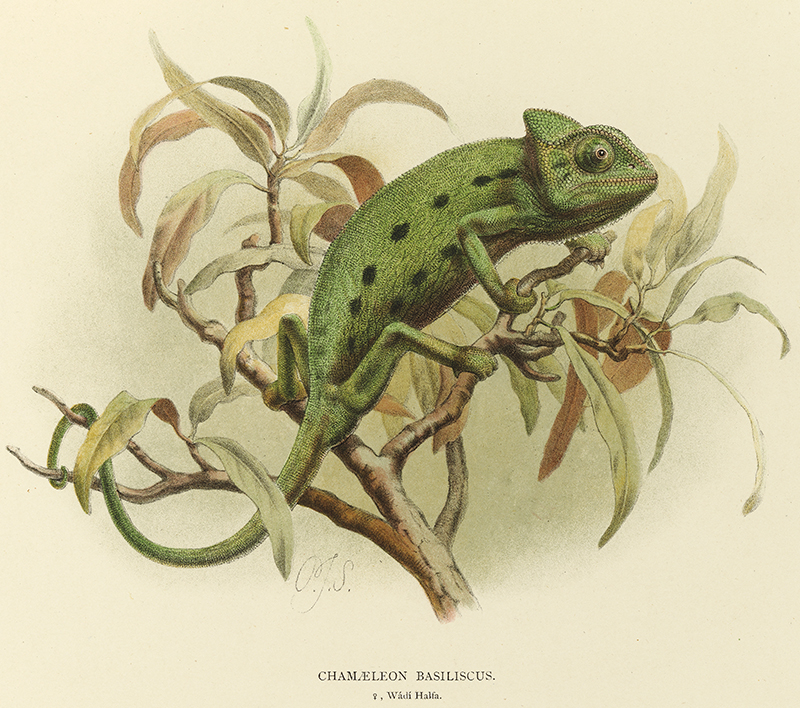
I wanted to share some fantastic images that have come through the Digital Imaging Unit via general random digitization requests. This material is bound for individual researchers and would normally pass under the radar. We have enough amazing material passing through DIU to make this a monthly blog feature. First up is from “Zoology of Egypt, Reptilia and Batrachia” by John Anderson Shelfmark : L*.17.93. The whole book is packed with outstanding images and worthy of digitisation in its entirety.
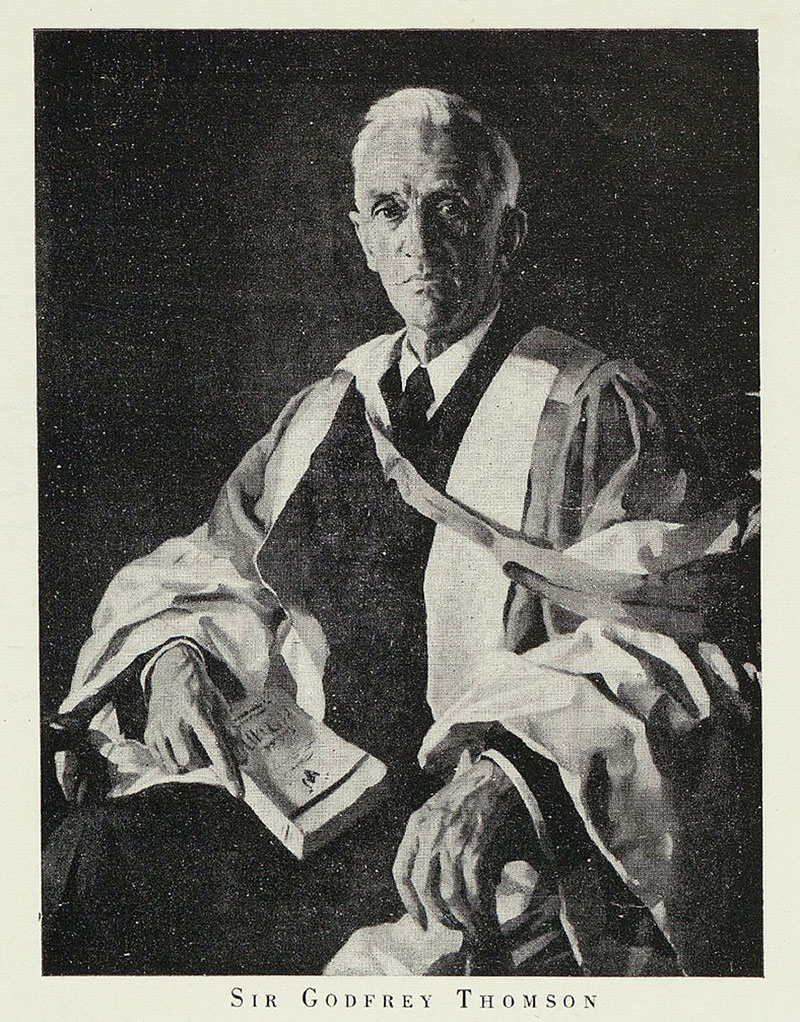
I am now coming to the end of my internship here in the Digital Imaging Unit. Over the past twelve weeks I have been responsible for digitising a large number of documents as part of the Godfrey Thomson Project. Collecting the project documents from Neasa, the Godfrey Thomson Archives Intern, I would then be required to capture every document individually using the Bookeye 4 Scanner (a machine that I have got to know very well lately, and one that behaves rather well, all told!).
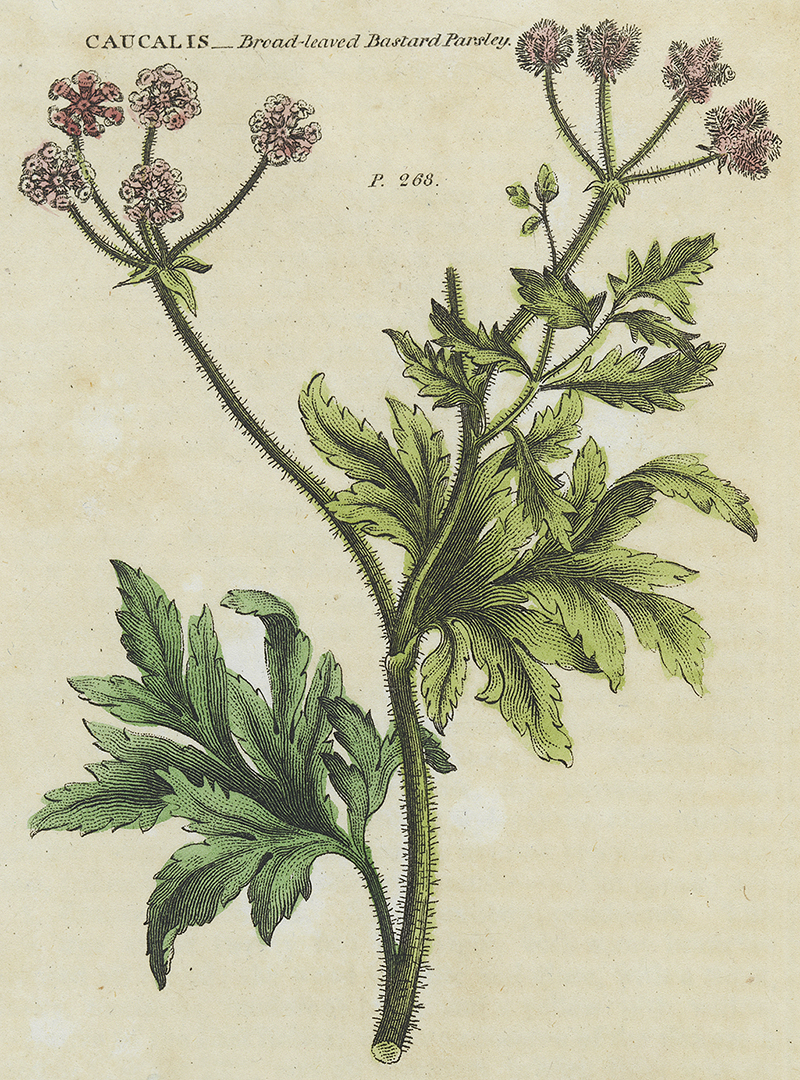
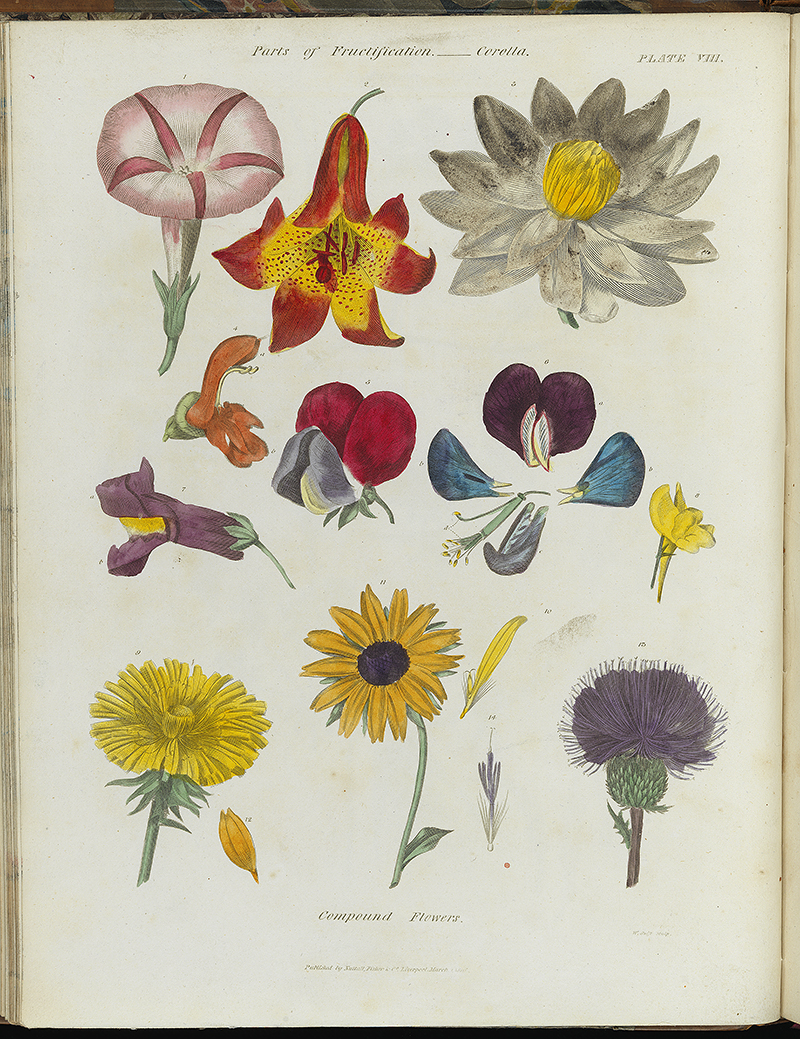
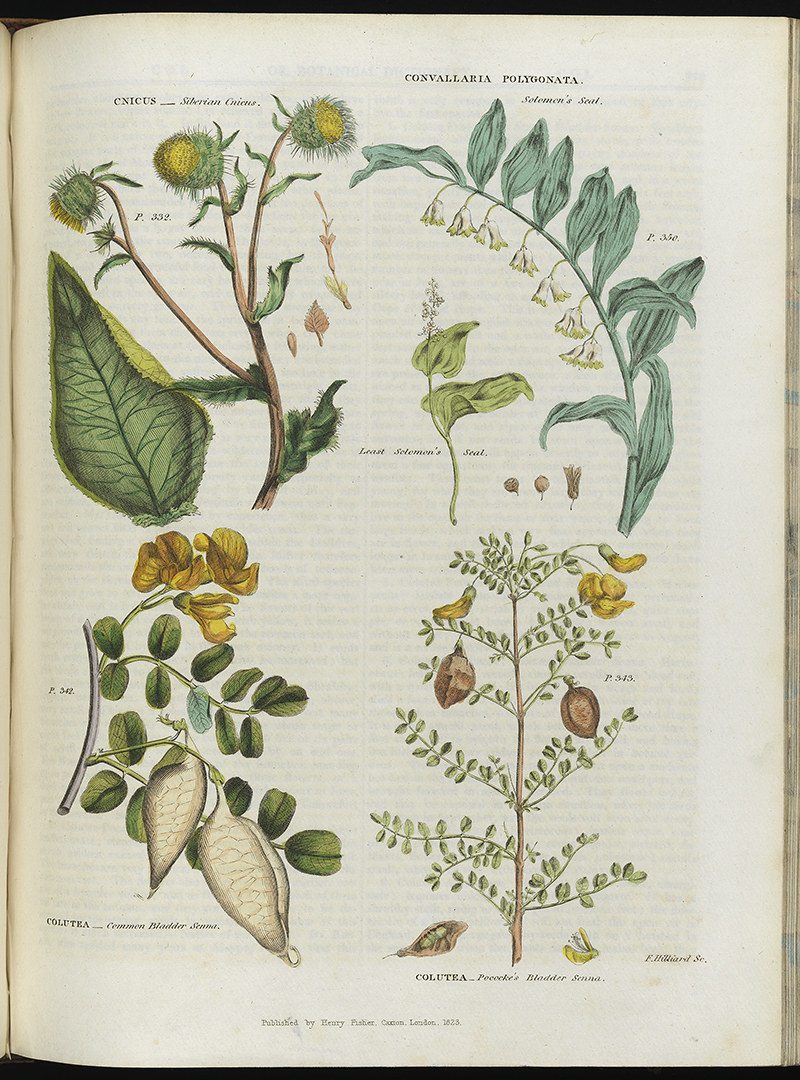
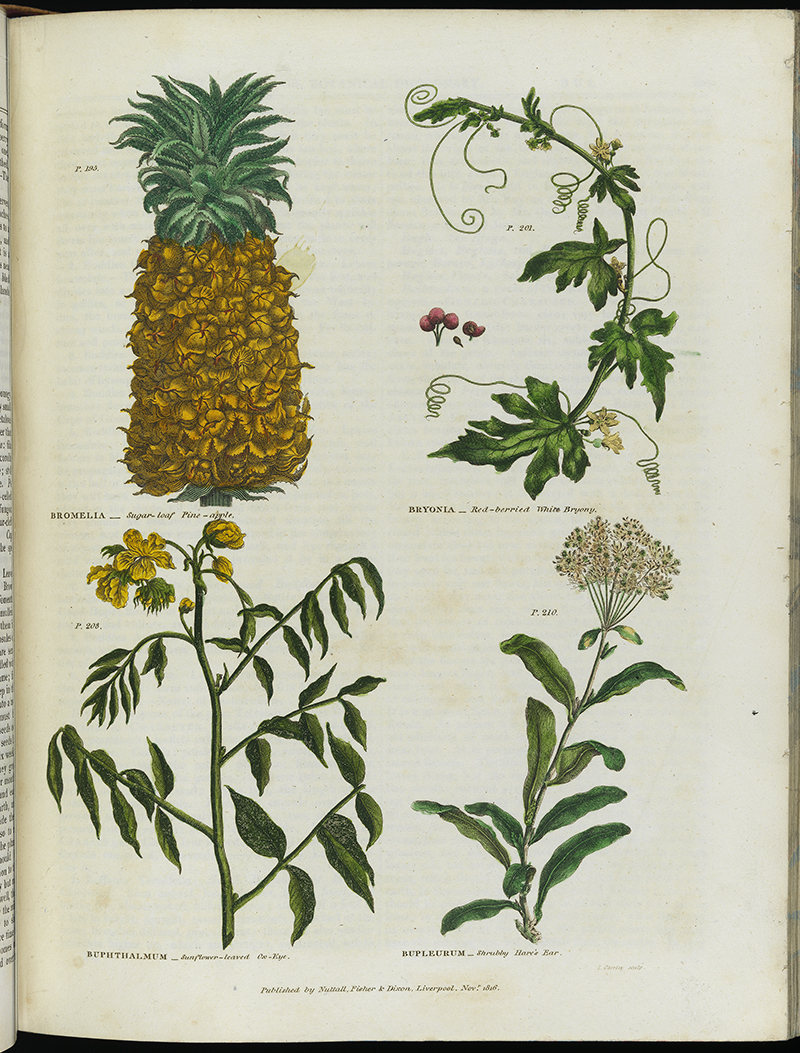
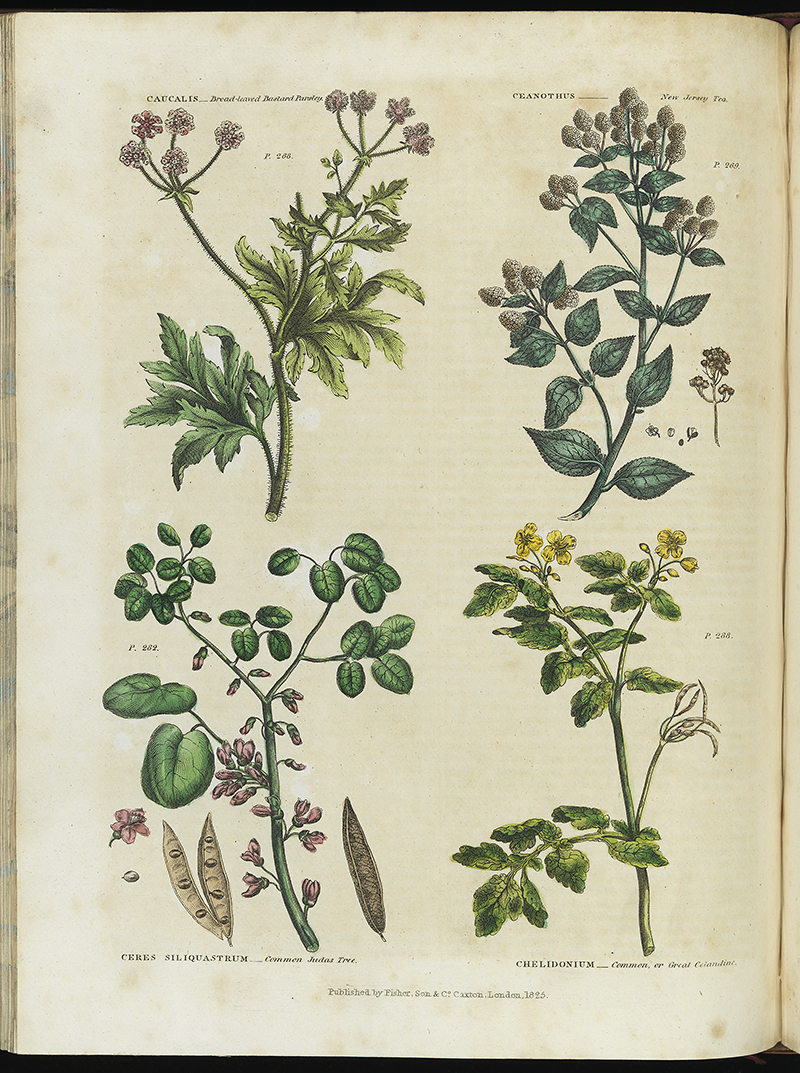
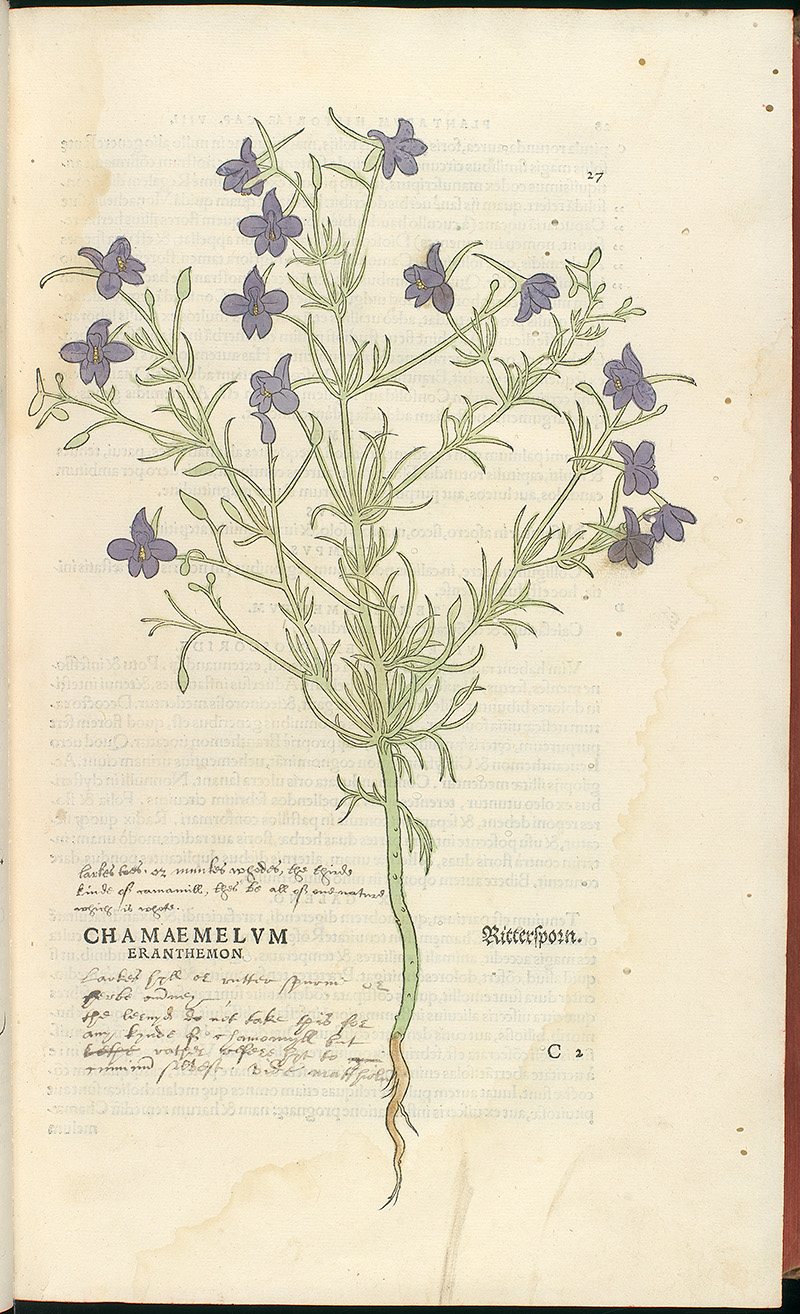
Fascinating book of the month requested for digitisation in the DIU goes to Thomas Greens “The Universal Herbal; or, botanical, medical, and agricultural dictionary. Containing an account of all the known plants in the world, arranged according to the Linnean system. With the best methods of propagation, and the most recent agricultural improvements.” The book is lyrically illustrated with basic but pragmatic hand colouring befitting it’s dictionary status. However it is a visually delicious looking two volume set with some unusual and intriguing entries as can be seen below. Broad-leaved Bastard Parsley is certainly a new one to me.
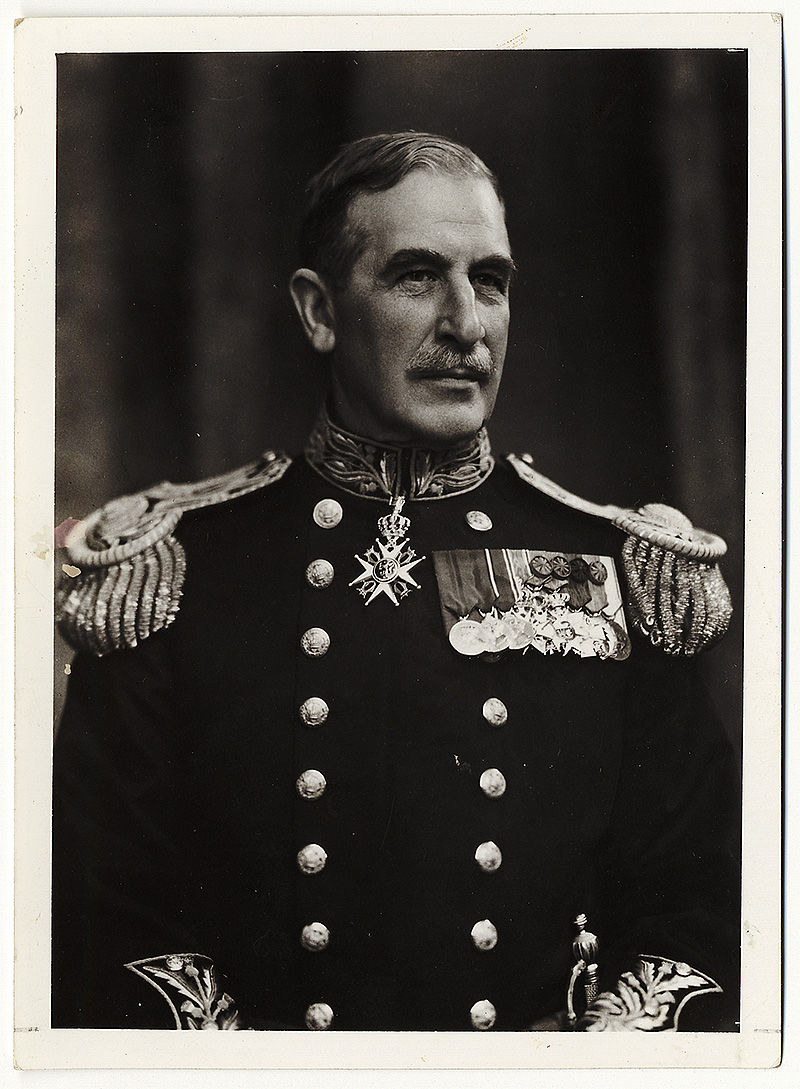
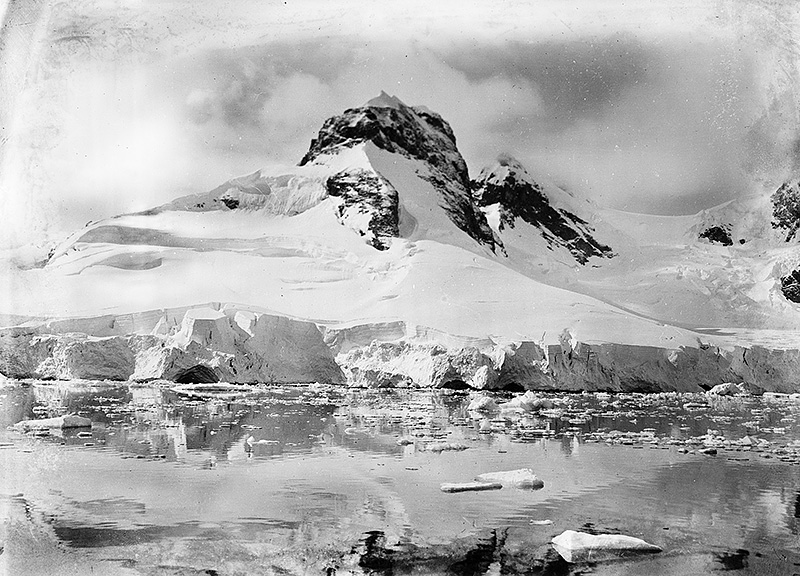
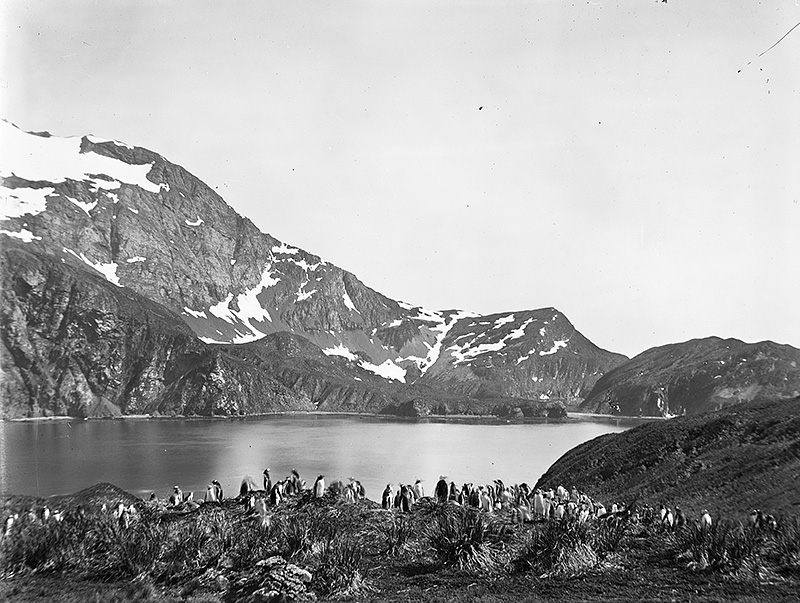
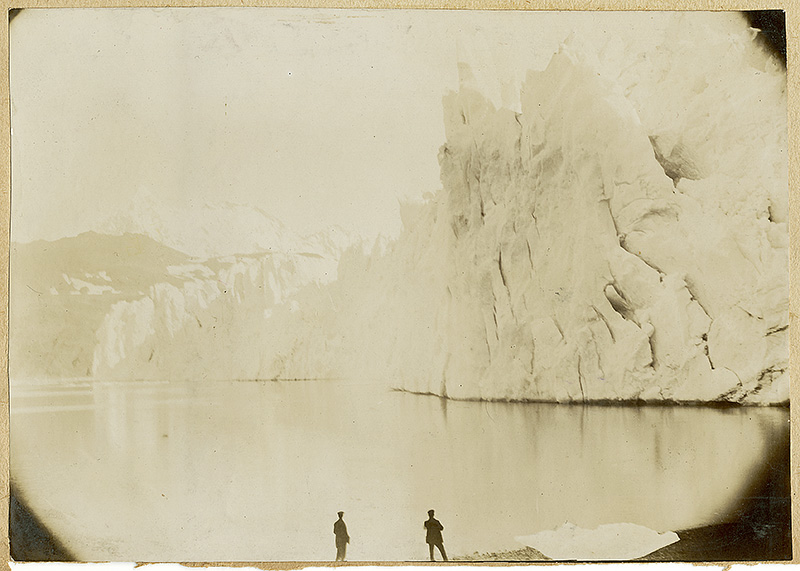
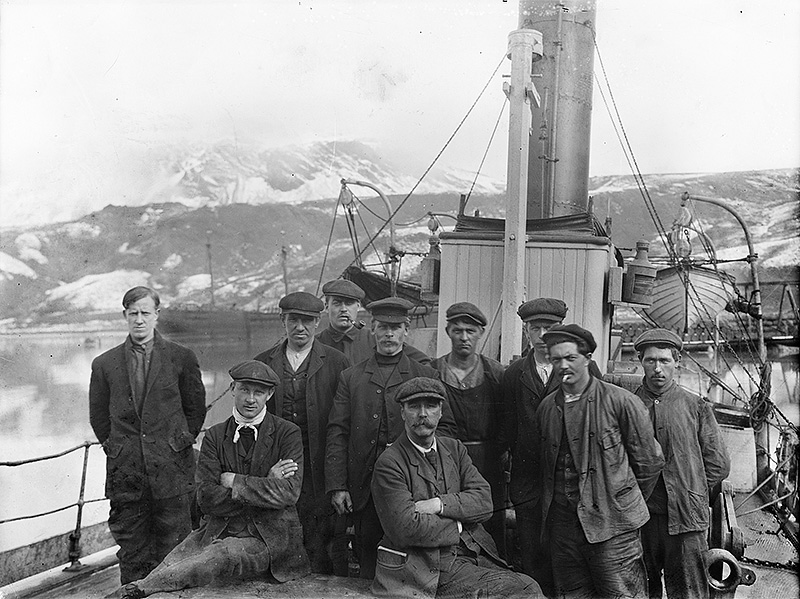
Last year the Salvesen Collection, which has been in the possession of the University since 1969, was given permission to make the images publically available online for the first time. The collection description tells us that ‘the history of the firm of Christian Salvesen goes back to 1851 when Christian Salvesen arrived in Leith and set up in business as a ship owner and broker. Two years later he joined the Edinburgh merchant George Vair Turnbull, continuing in partnership with him until he went solo in 1872. Three of his sons, Thomas, Frederick and Theodor (http://images.is.ed.ac.uk/luna/servlet/s/we94g6) joined him in the business; the fourth, Edward, preferred a legal career which began with a law degree from the University of Edinburgh, and which culminated in his elevation to the College of Justice and the Bench as The Hon. Lord Salvesen (1857-1942)’.
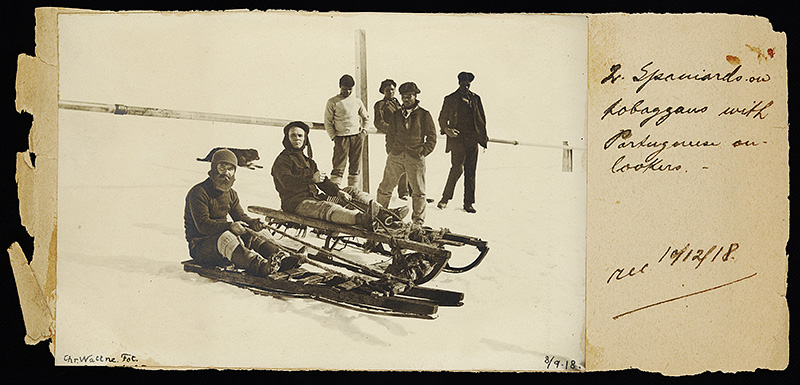
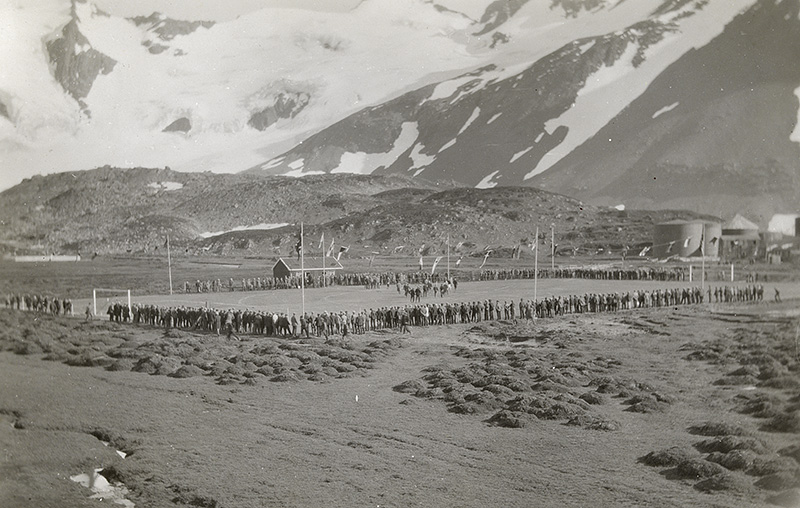
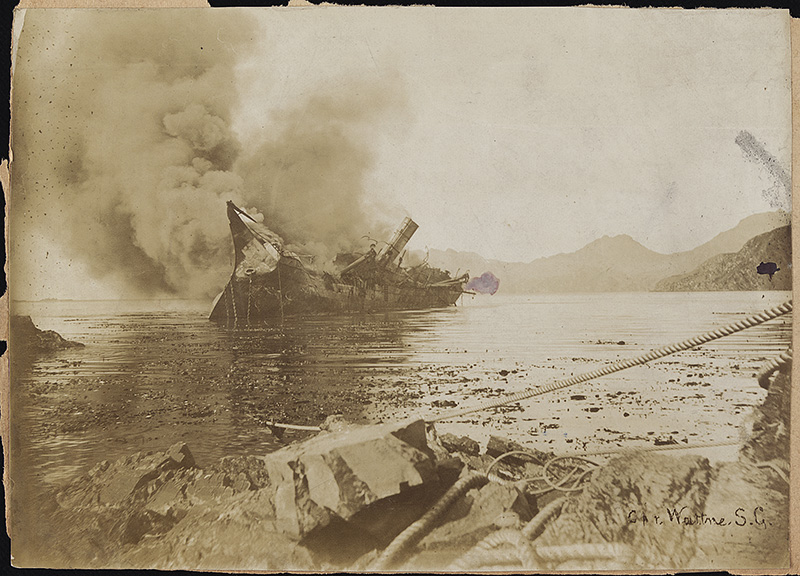
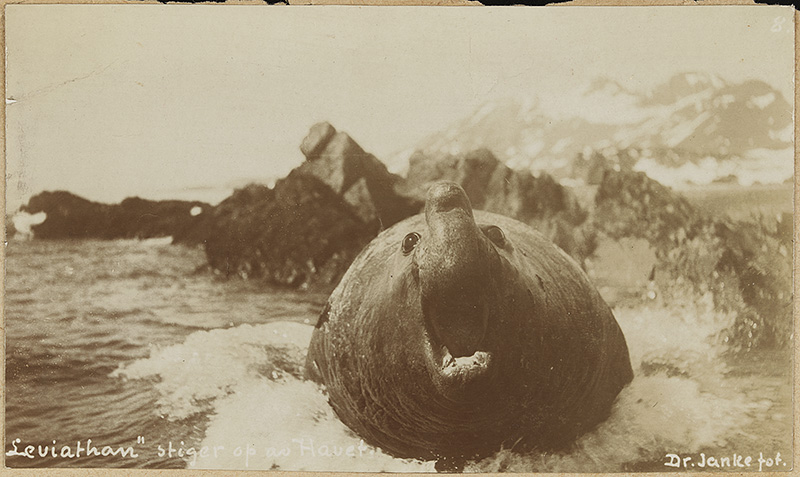
Our collection of photographs and papers is largely about the company’s whaling concerns in South Georgia. So far only a small proportion of the photographs have been digitised- around 192, however they cover a wide range from landscapes and wildlife to the people and life at the Leith Harbour base in South Georgia .
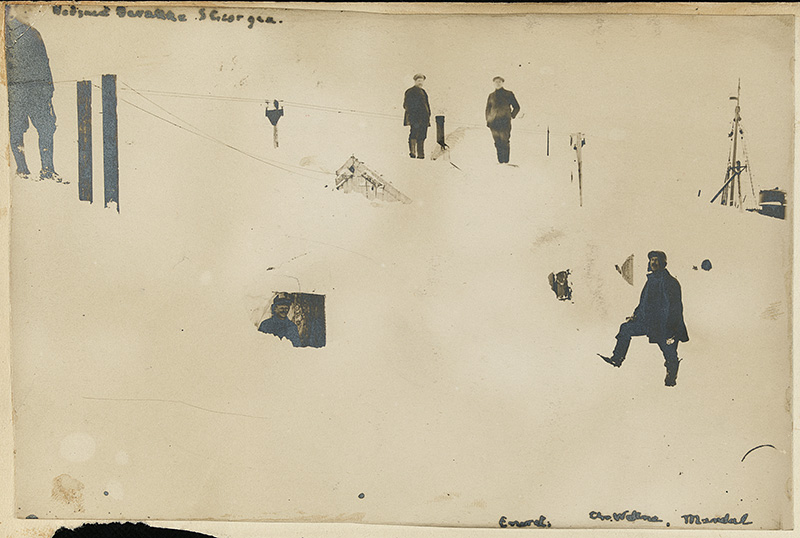
From the light hearted shots of sledging http://images.is.ed.ac.uk/luna/servlet/s/c6e03o and football http://images.is.ed.ac.uk/luna/servlet/s/bs1r73 (I love that this photo came from an envelope entitled ‘Penguins and Social Life’), to coping with the extreme weather encountered only a little to the north of Antarctica. While some of the snow fall photos have an element of humour to them, like “The Old Powerhouse surrounded in 6″ of snow, had to be removed to fire the chimney, Dec 10/12/18” – remember that December is summer for South Georgia http://images.is.ed.ac.uk/luna/servlet/s/56h599 .
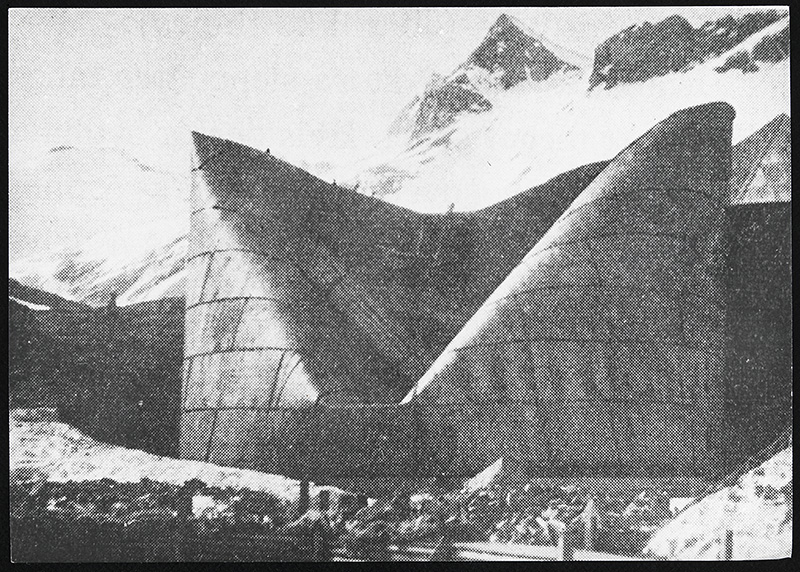
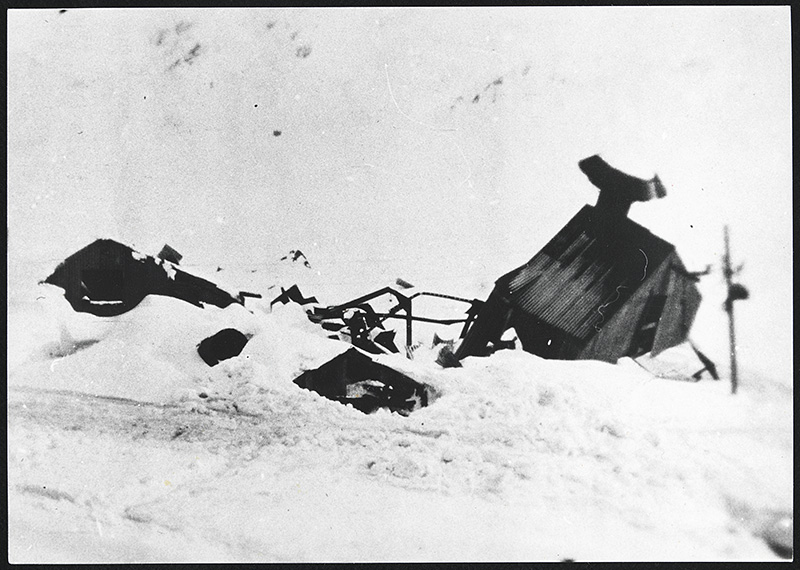
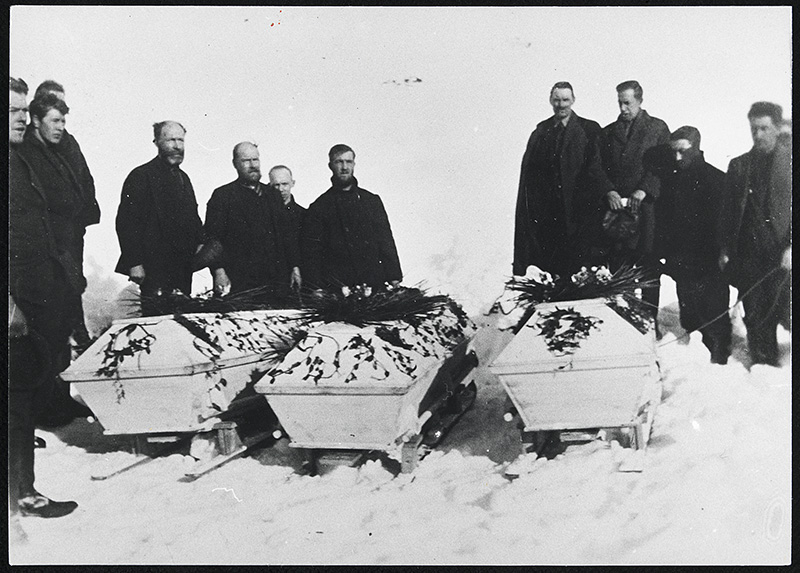
Others are far more shocking. The season of 1929-30 appears to have been one of the worst- an old news clipping shows the damage to one of the giant vats in the harbour, a note with the photo reads “Power of the Wind. Oil tank in Leith Harbour pressed together by the wind. I saw it happen” http://images.is.ed.ac.uk/luna/servlet/s/rm184k . In the same season an avalanche hit the base with devastating consequences. This blurred and grainy photograph shows the wreckage of the Foundry http://images.is.ed.ac.uk/luna/servlet/s/zysa4o and the next reveals the human cost http://images.is.ed.ac.uk/luna/servlet/s/f8akdg
Throughout it all they documented their lives, challenges and environment. Although whaling has thankfully had its day, I’m glad they have left this wonderful resource for us all http://images.is.ed.ac.uk/luna/servlet/s/5dhlh7
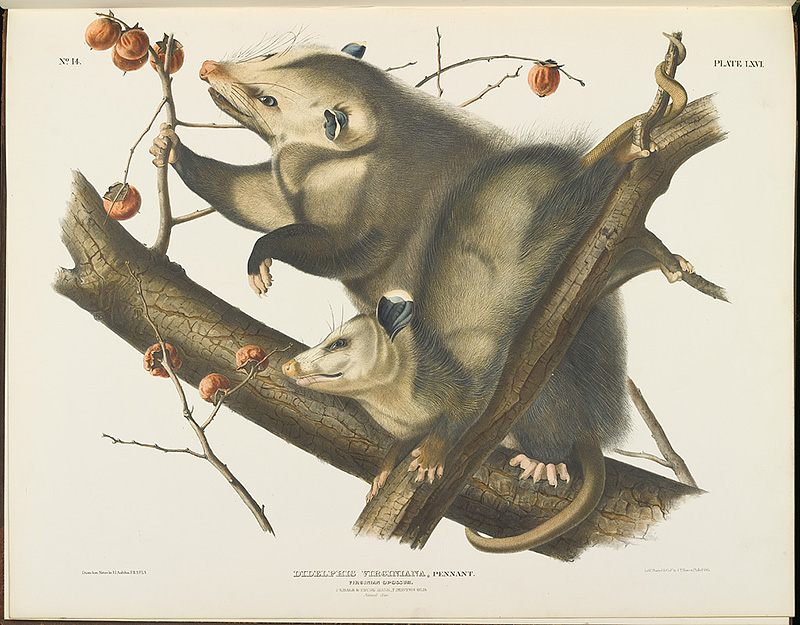
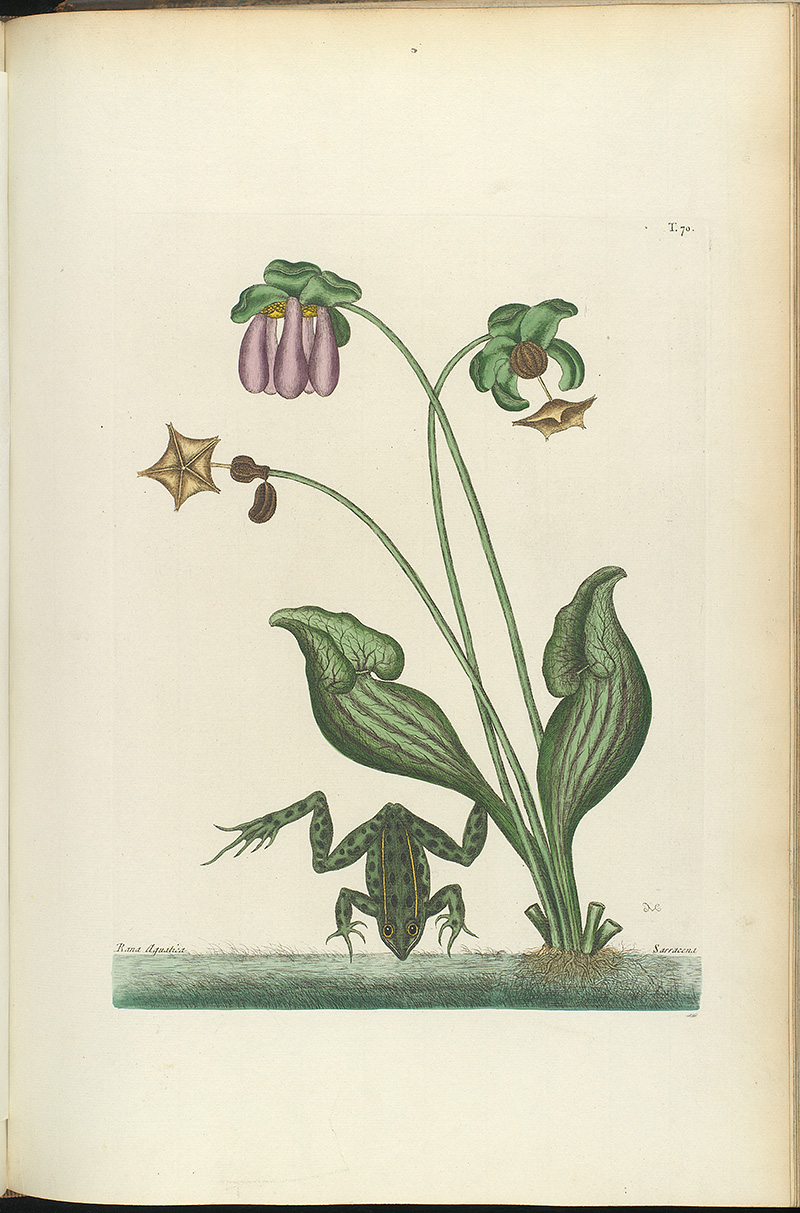
Maybe it is this lovely spring weather that has got me thinking about the wonderful books on Natural History in our Collections. Perhaps the most notable of which is The Viviparous Quadrupeds of North America, Vol.II, 1846 by John James Audubon. Famed for his fine artistry, life-like poses and inclusion of habitats, this naturalist was regularly quoted by such towering figures as Darwin. http://en.wikipedia.org/wiki/John_James_Audubon
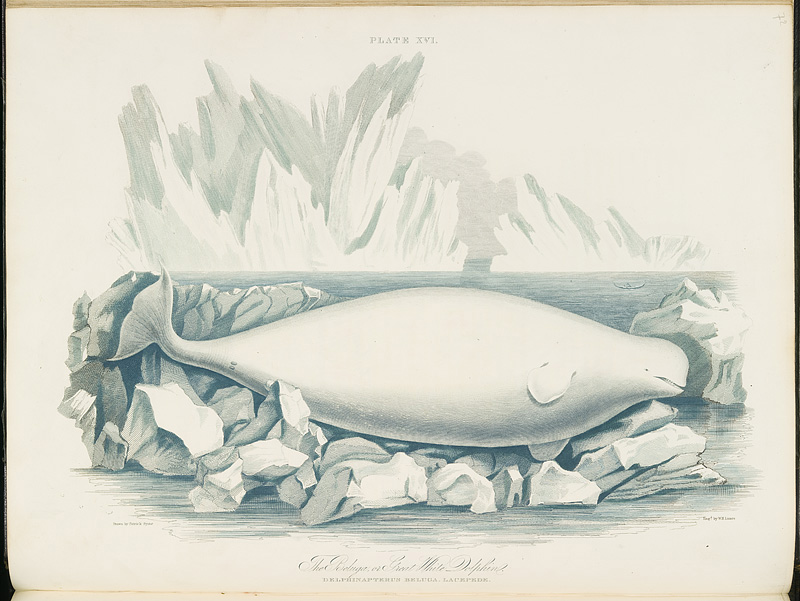
One original we have completed in its entirety is the book by Edinburgh’s own James Wilson, Illustrations of Zoology. Surely this is the next candidate to be converted into the book reader format? Here you can see ‘The Great White Dolphin’ (Beluga) drawn by Patrick Syme and engraved by W.H. Lizars. James Wilson tells us that ‘For three months in 1815 a White Whale was observed to inhabit the Firth (‘Frith’) of Forth’. http://en.wikipedia.org/wiki/James_Wilson_%28zoologist%29