Any views expressed within media held on this service are those of the contributors, should not be taken as approved or endorsed by the University, and do not necessarily reflect the views of the University in respect of any particular issue.
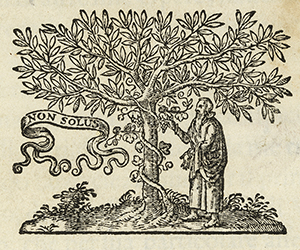
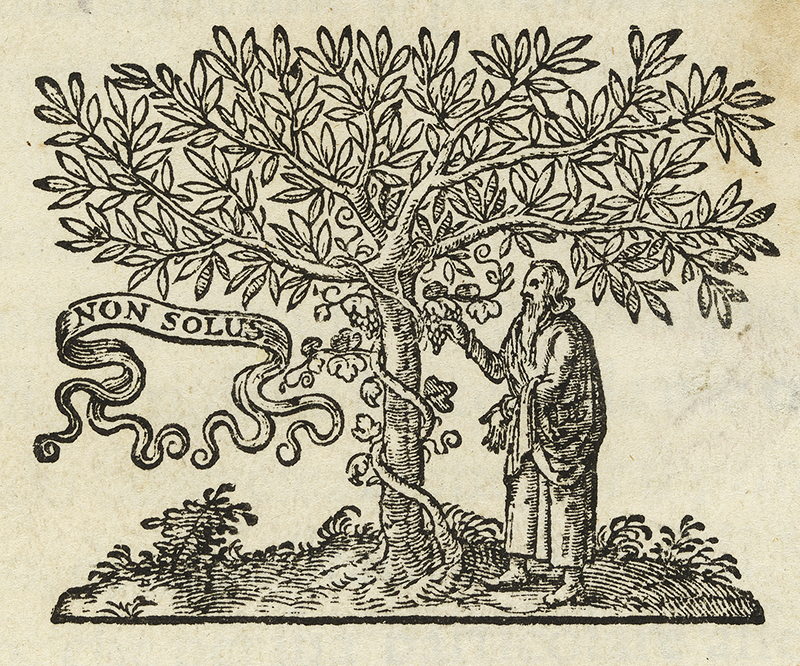
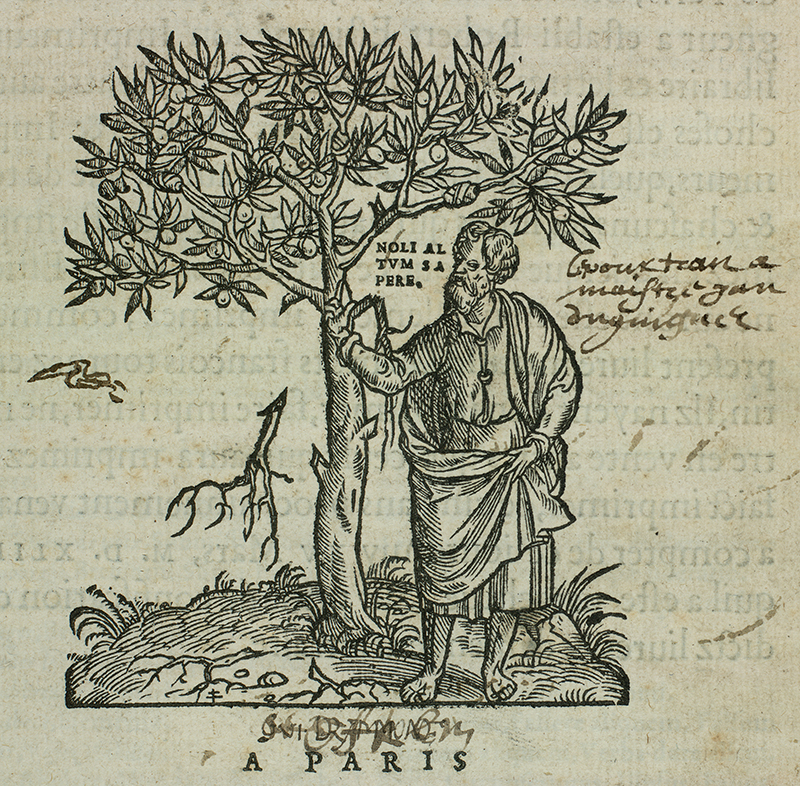
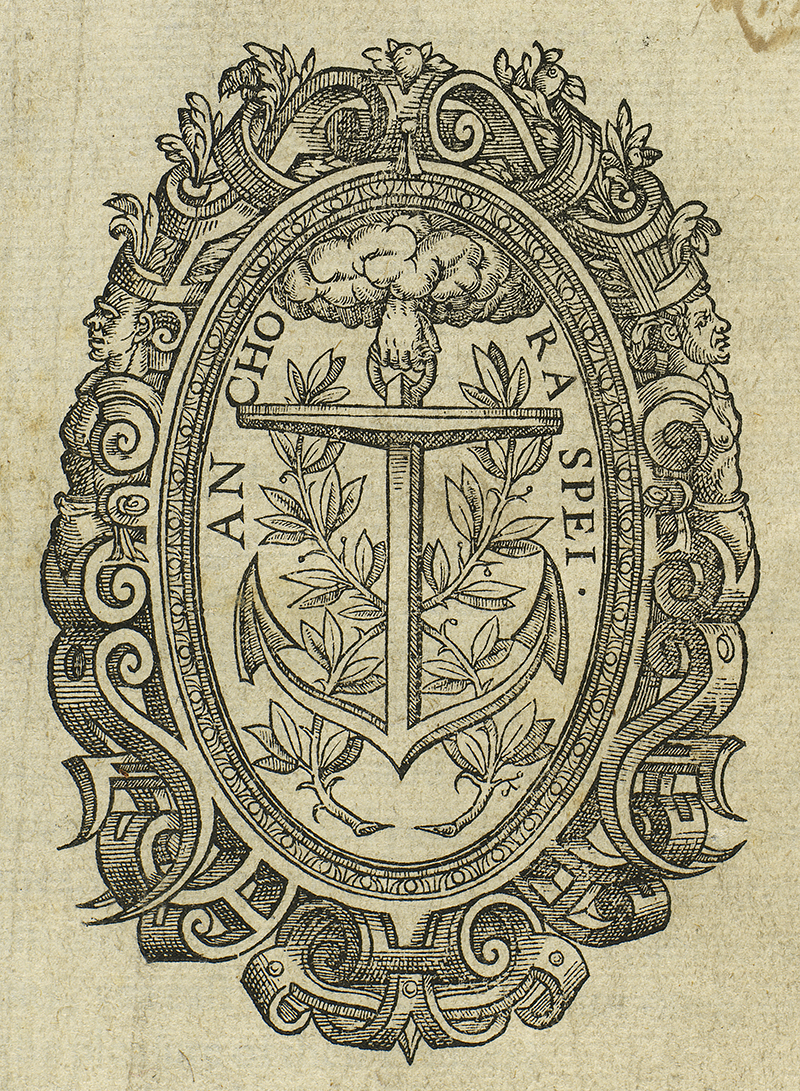
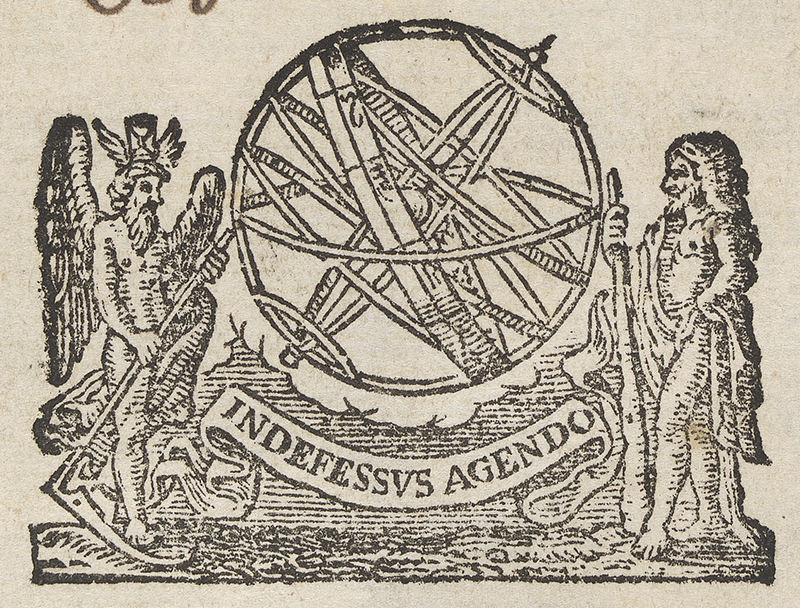
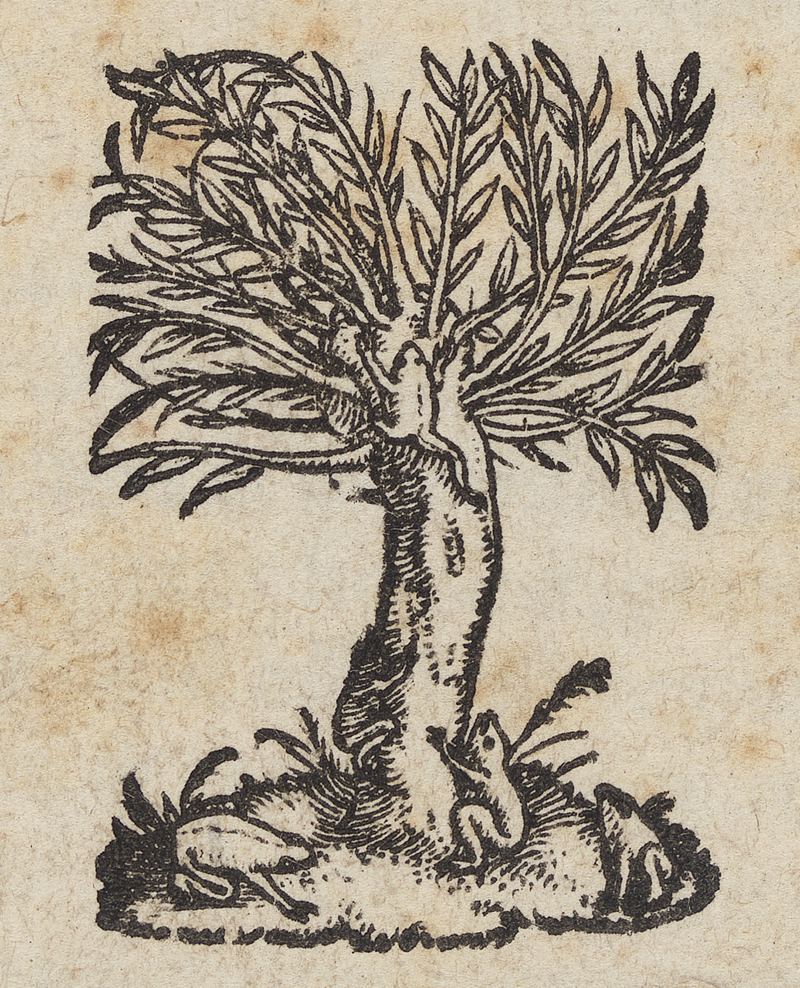
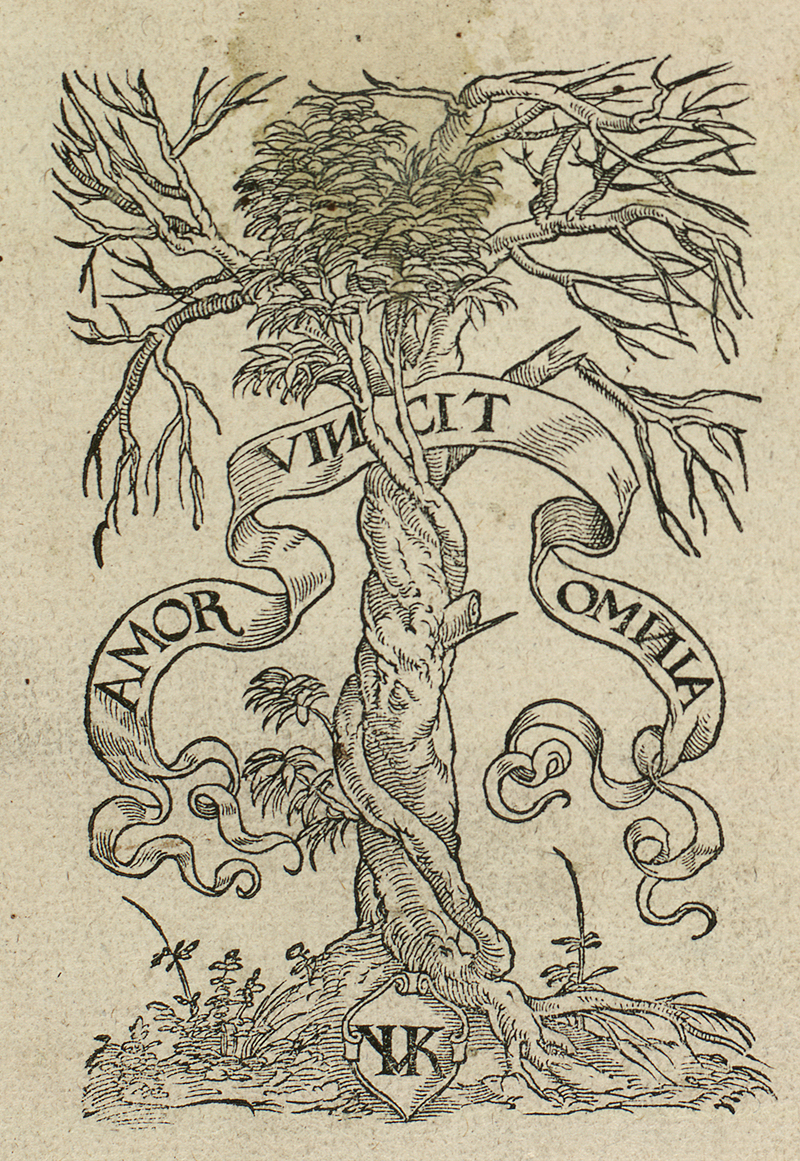
Having a background in Fine Art through study at Glasgow School of Art I am very aware of the striking visual content that passes through the Digital Imaging Unit on a daily basis. Of particular interest to me over the years of working with rare books is Colophon and Logotype. “This originated in Renaissance printing shops, where a title page would feature the printer’s mark (colophon) near the bottom of the page, usually above the printer’s name and city.” This early form of branding is fascinating in its use of imagery and the expert hand skills used to convey a meaningful message. The tree of knowledge is a popular symbol often appearing with broken branches. The level of thought over the imagery and the care taken over the execution is a remarkable investment in brand and product. The Colophon was eventually replaced by printers statements in a more legal and business like text form. Colophon have begun to re-appear for websites and online content publishing, this is a nice nod of the head over centuries of time to the continuation of a craft persons expertise and skill set.
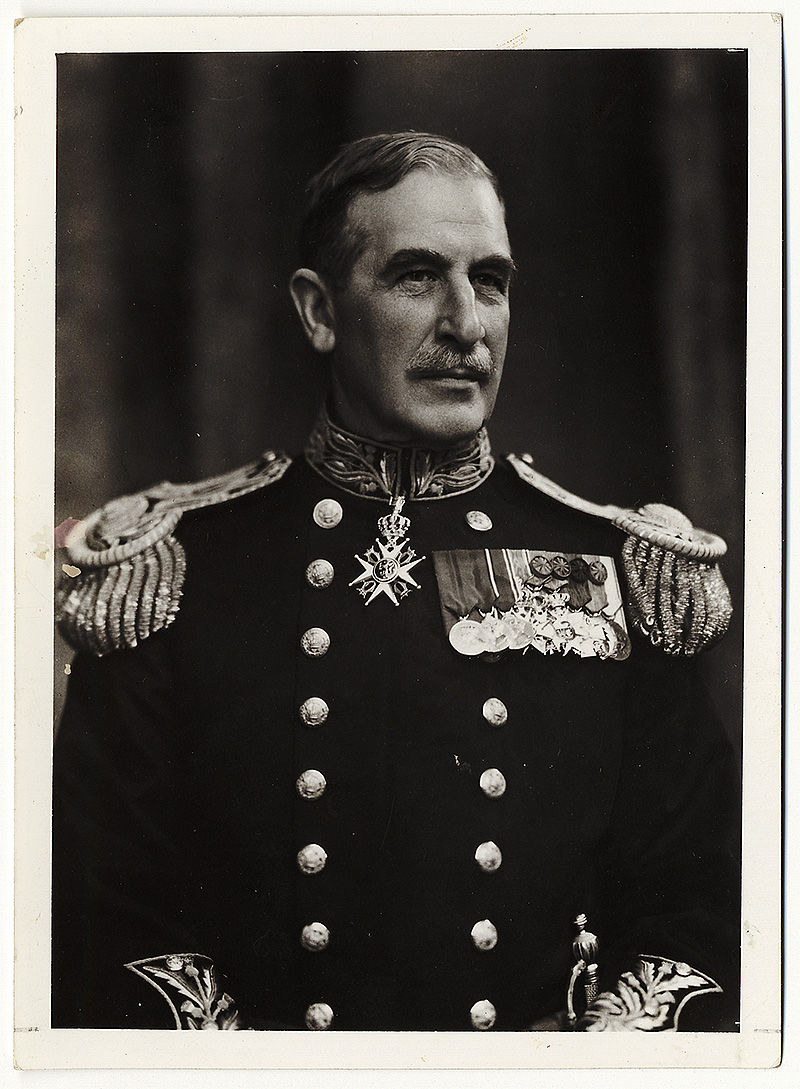
Last year the Salvesen Collection, which has been in the possession of the University since 1969, was given permission to make the images publically available online for the first time. The collection description tells us that ‘the history of the firm of Christian Salvesen goes back to 1851 when Christian Salvesen arrived in Leith and set up in business as a ship owner and broker. Two years later he joined the Edinburgh merchant George Vair Turnbull, continuing in partnership with him until he went solo in 1872. Three of his sons, Thomas, Frederick and Theodor (http://images.is.ed.ac.uk/luna/servlet/s/we94g6) joined him in the business; the fourth, Edward, preferred a legal career which began with a law degree from the University of Edinburgh, and which culminated in his elevation to the College of Justice and the Bench as The Hon. Lord Salvesen (1857-1942)’.
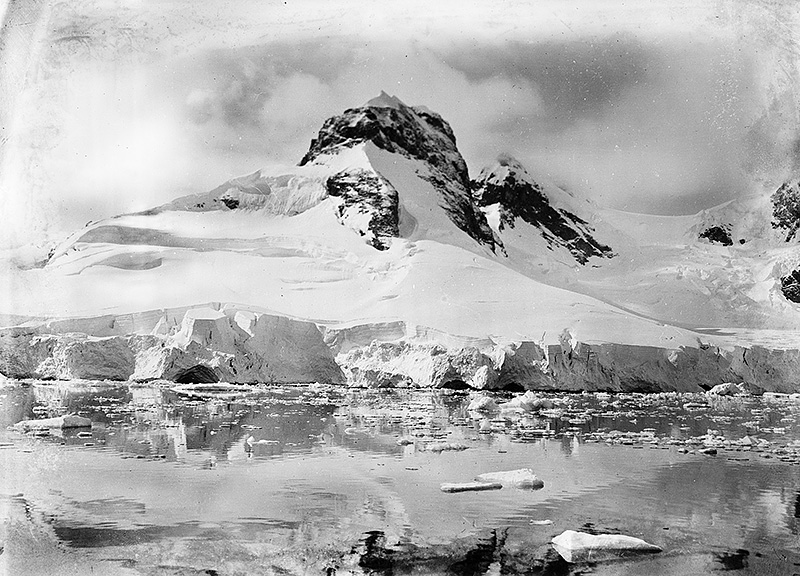
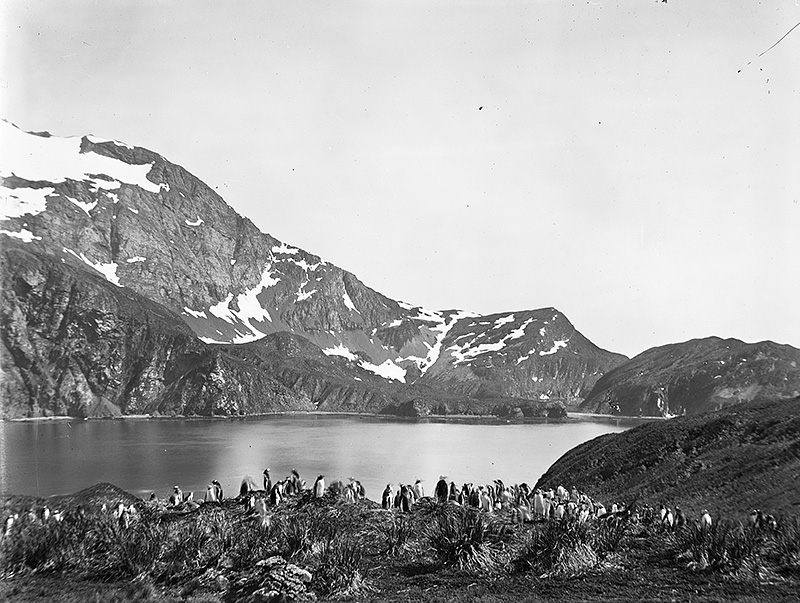
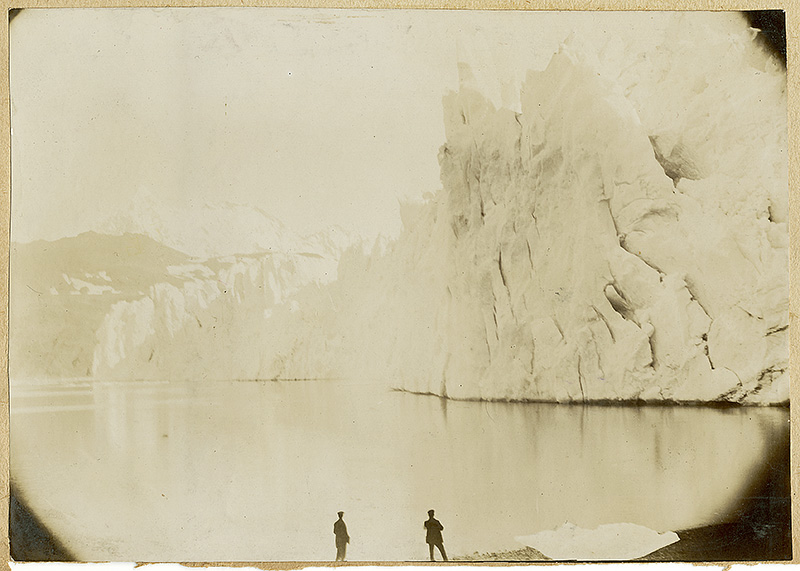
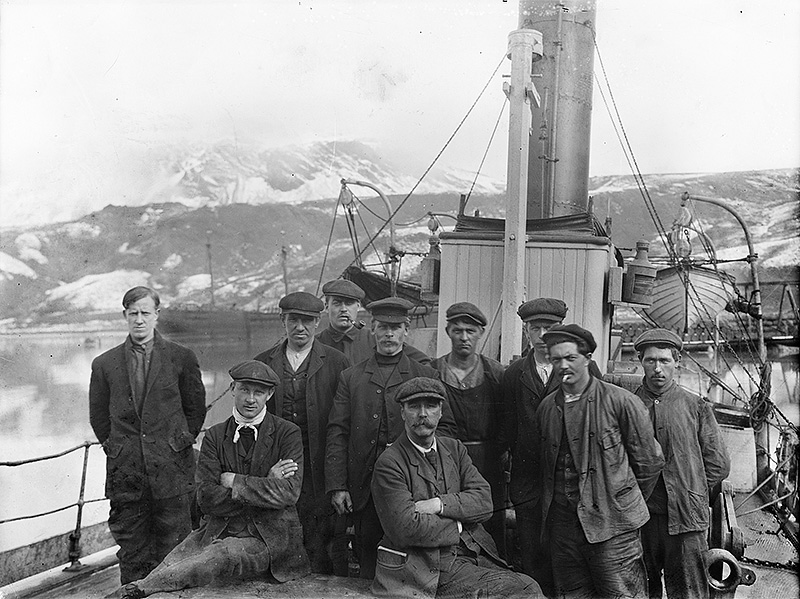
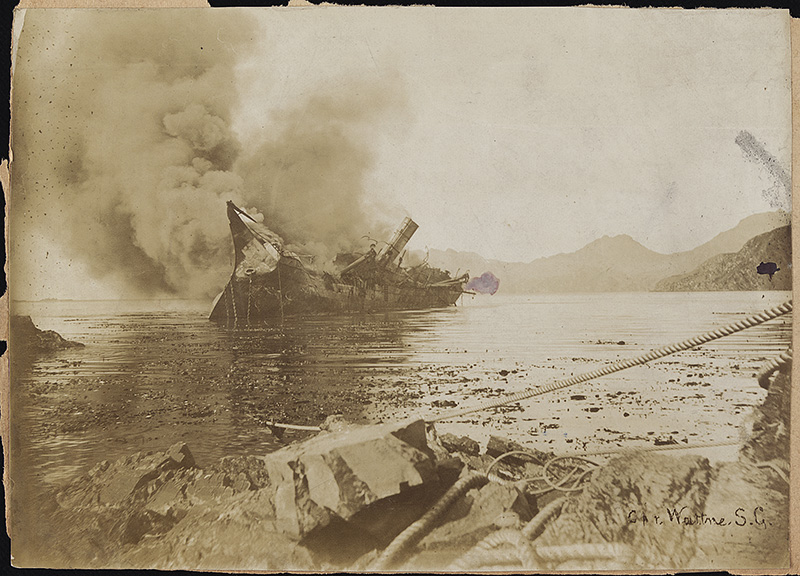
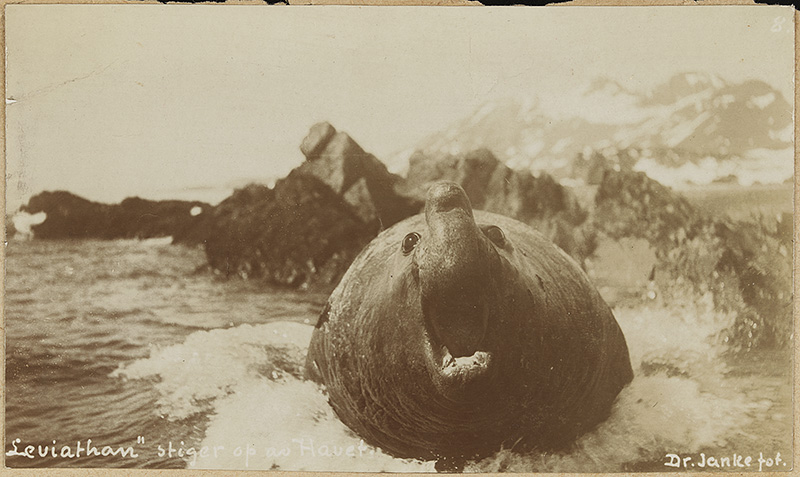
Our collection of photographs and papers is largely about the company’s whaling concerns in South Georgia. So far only a small proportion of the photographs have been digitised- around 192, however they cover a wide range from landscapes and wildlife to the people and life at the Leith Harbour base in South Georgia .
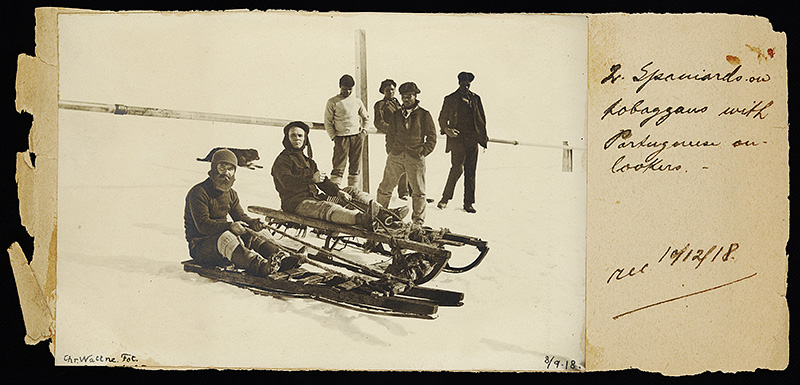
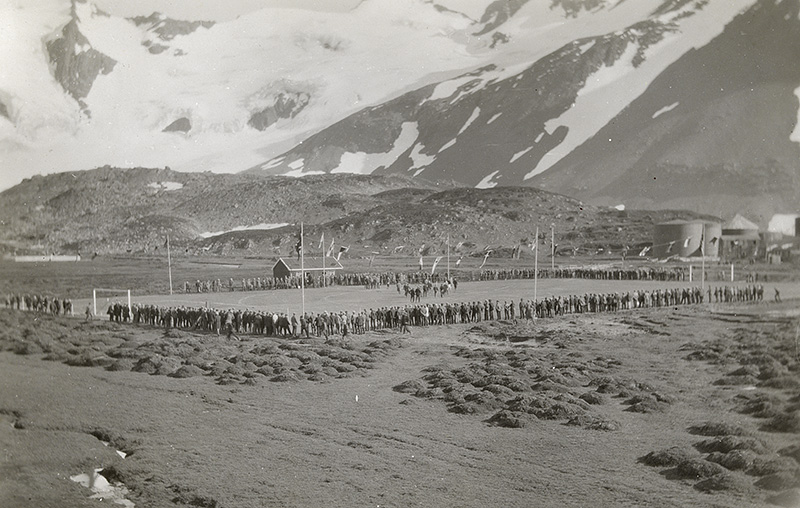
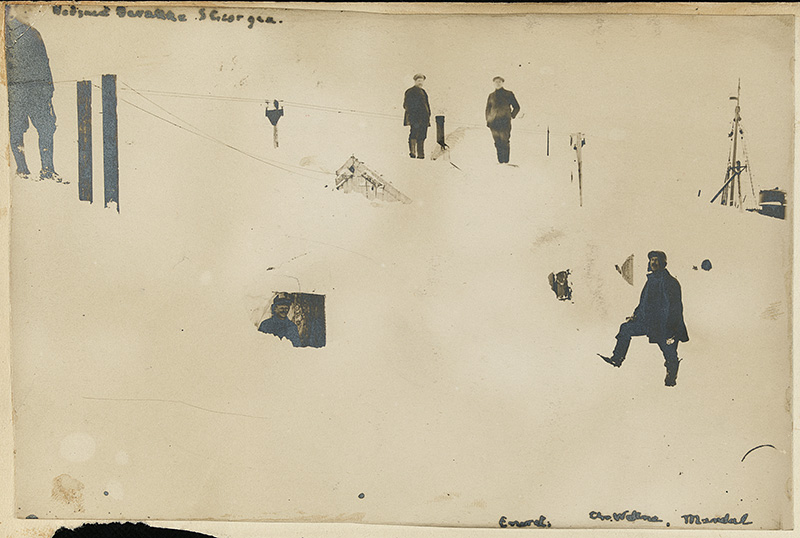
From the light hearted shots of sledging http://images.is.ed.ac.uk/luna/servlet/s/c6e03o and football http://images.is.ed.ac.uk/luna/servlet/s/bs1r73 (I love that this photo came from an envelope entitled ‘Penguins and Social Life’), to coping with the extreme weather encountered only a little to the north of Antarctica. While some of the snow fall photos have an element of humour to them, like “The Old Powerhouse surrounded in 6″ of snow, had to be removed to fire the chimney, Dec 10/12/18” – remember that December is summer for South Georgia http://images.is.ed.ac.uk/luna/servlet/s/56h599 .
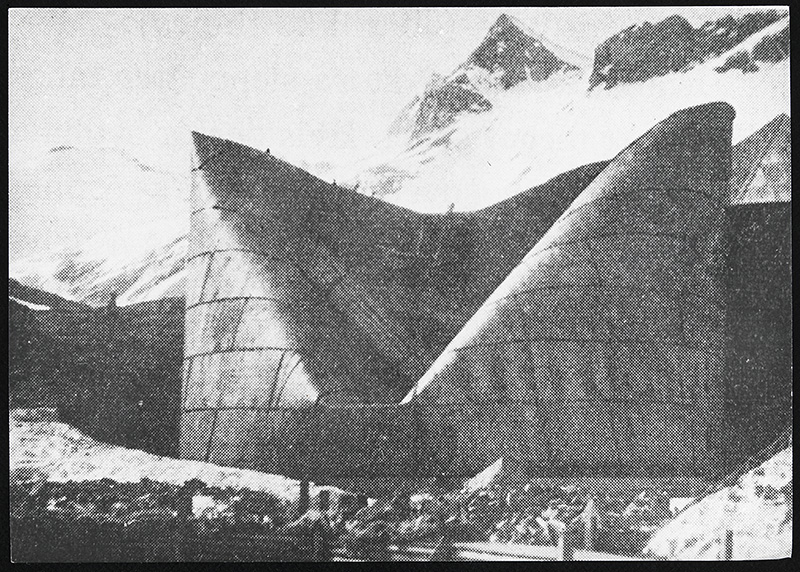
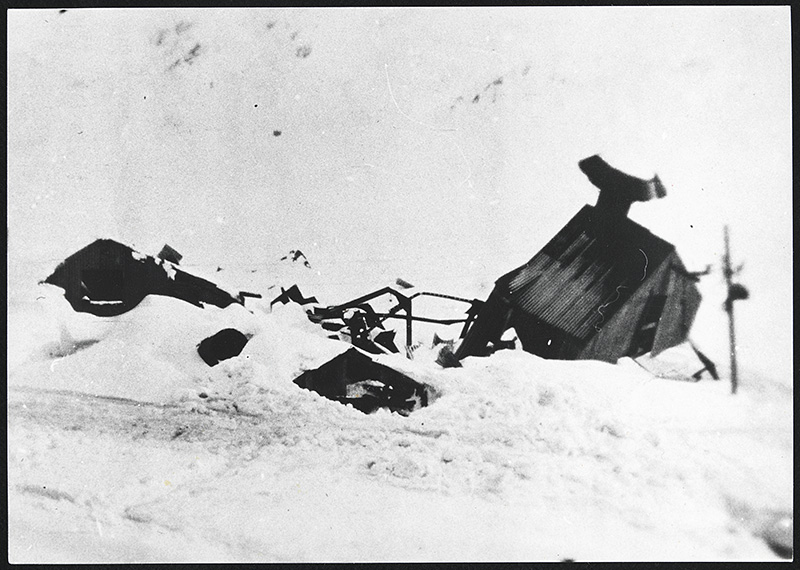
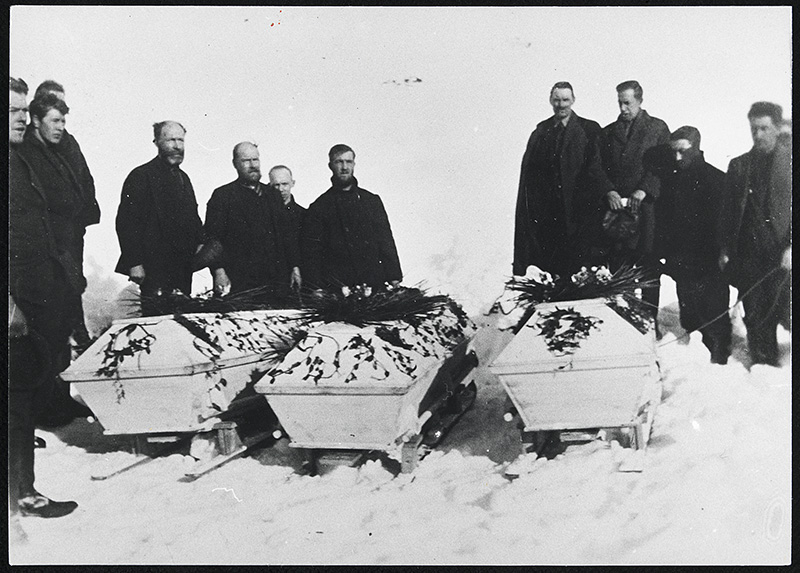
Others are far more shocking. The season of 1929-30 appears to have been one of the worst- an old news clipping shows the damage to one of the giant vats in the harbour, a note with the photo reads “Power of the Wind. Oil tank in Leith Harbour pressed together by the wind. I saw it happen” http://images.is.ed.ac.uk/luna/servlet/s/rm184k . In the same season an avalanche hit the base with devastating consequences. This blurred and grainy photograph shows the wreckage of the Foundry http://images.is.ed.ac.uk/luna/servlet/s/zysa4o and the next reveals the human cost http://images.is.ed.ac.uk/luna/servlet/s/f8akdg
Throughout it all they documented their lives, challenges and environment. Although whaling has thankfully had its day, I’m glad they have left this wonderful resource for us all http://images.is.ed.ac.uk/luna/servlet/s/5dhlh7
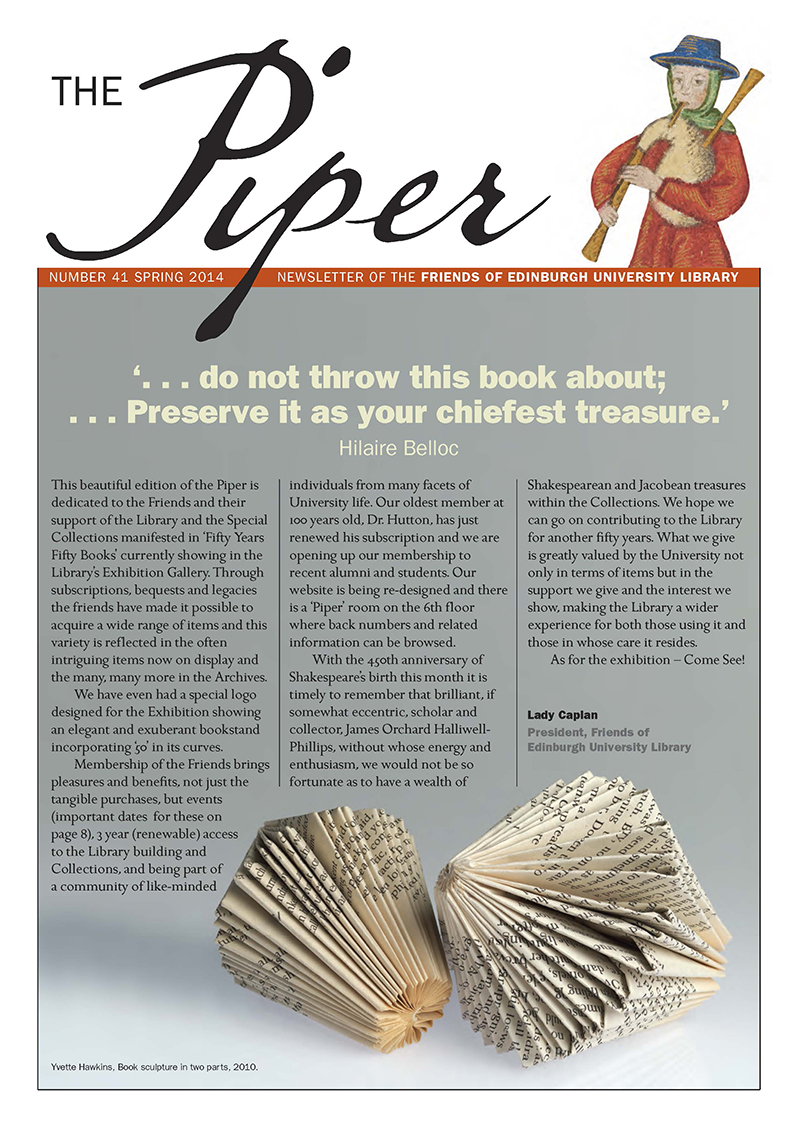
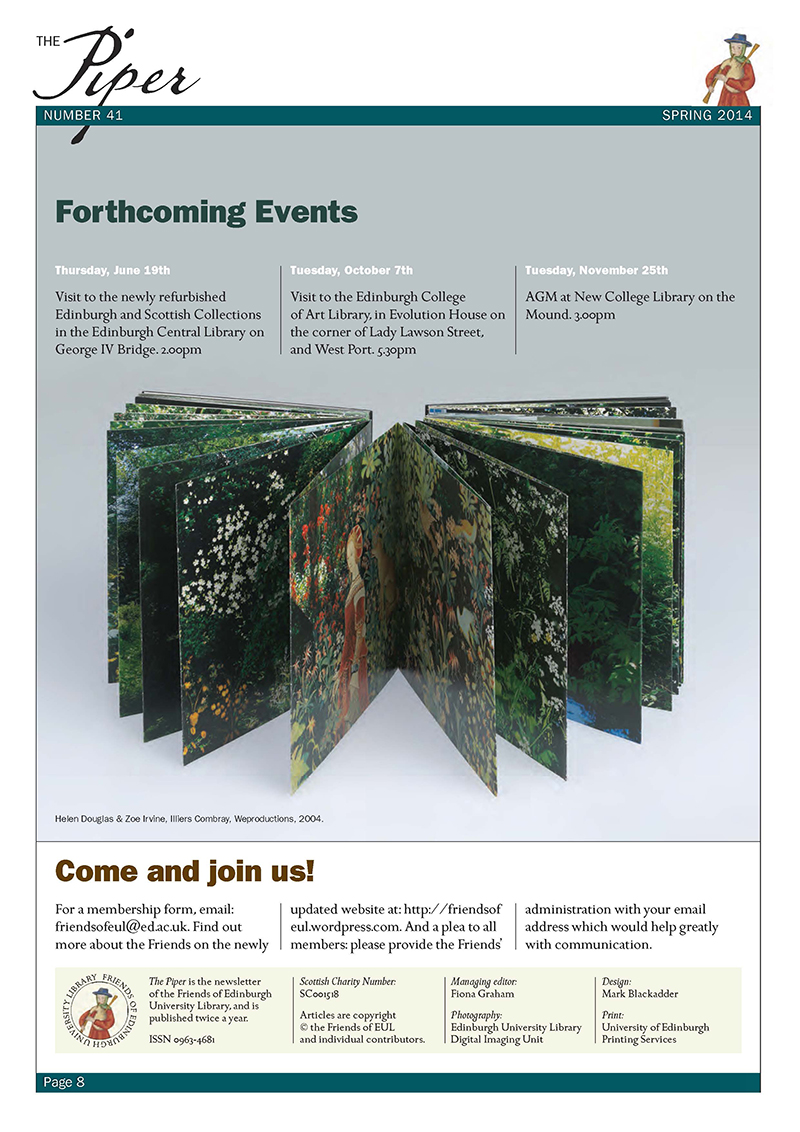
For many years the Digital Imaging Unit have been the primary photographers for The Piper Magazine. The Piper is The Friends of Edinburgh University Library twice-yearly illustrated newsletter. The DIU enjoy the challenge of photographing a diverse range of fascinating material that comes our way for the magazine. This has included the friends purchase of Holinshed’s Chronicles on one occasion and this new edition demonstrates particularly good marriage between the layout design of Mark Blackadder and the photography of DIU photographer Susan Pettigrew.
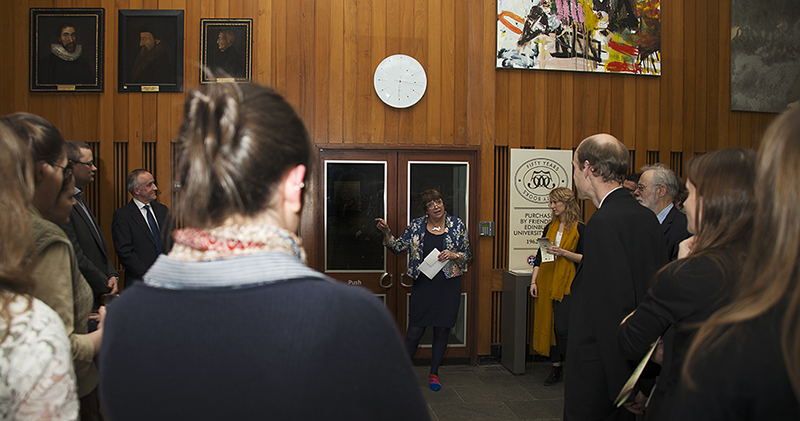
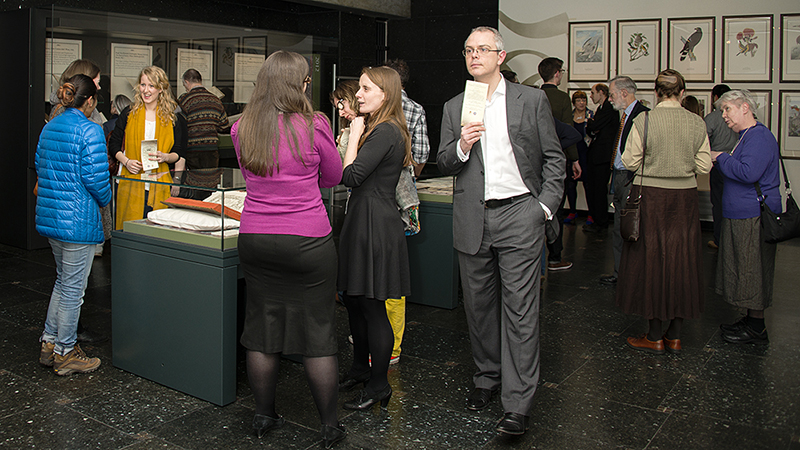
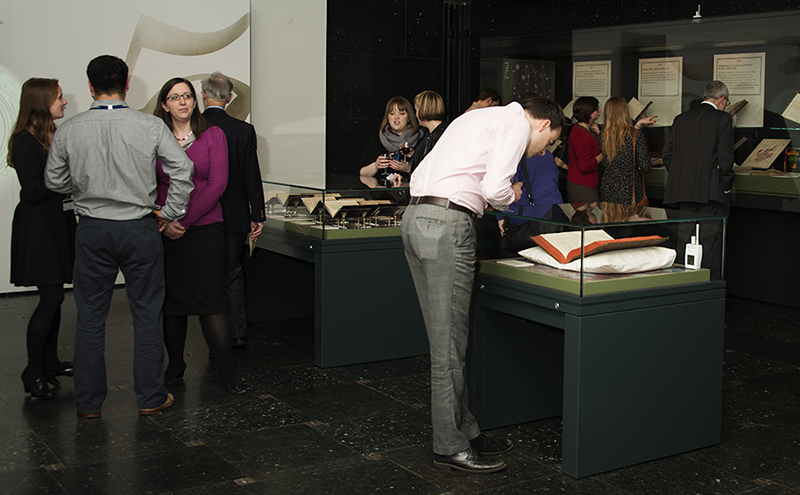
It would be a terrific resource to have the previous issues of The Piper made available as pdf downloads from The Friends website. The current exhibition in the Main Library celebrates Fifty Years, Fifty Books: purchases by the Friends of Edinburgh University Library, 1962-2012 Exhibition Gallery, Main Library, George Square 28 March to 14 June 2014. The exhibition is well worth a look and illuminating as usual. The DIU also photograph all exhibition openings in the Library. Below are some images from the 50/50 opening night.
Last month I was lucky enough to attend a week long Summer School in Oxford- and being the week that the heat wave kicked in, it really did feel like a Summer School! The course managed to be both varied and intensive, with large lectures, group workshops, surgeries where specialists would help you with your own project, evening events & even a guided tour of the Ashmolean.
The range of topics covered was staggering, but I think the ones that stuck out for me were Crowd Sourcing, Public Engagement/Knowledge Exchange, Social Media, ‘Openness’ in the Digital Humanities and Measuring Impact. I’d really like to share with you a couple of the wonderful Crowd Sourcing projects:
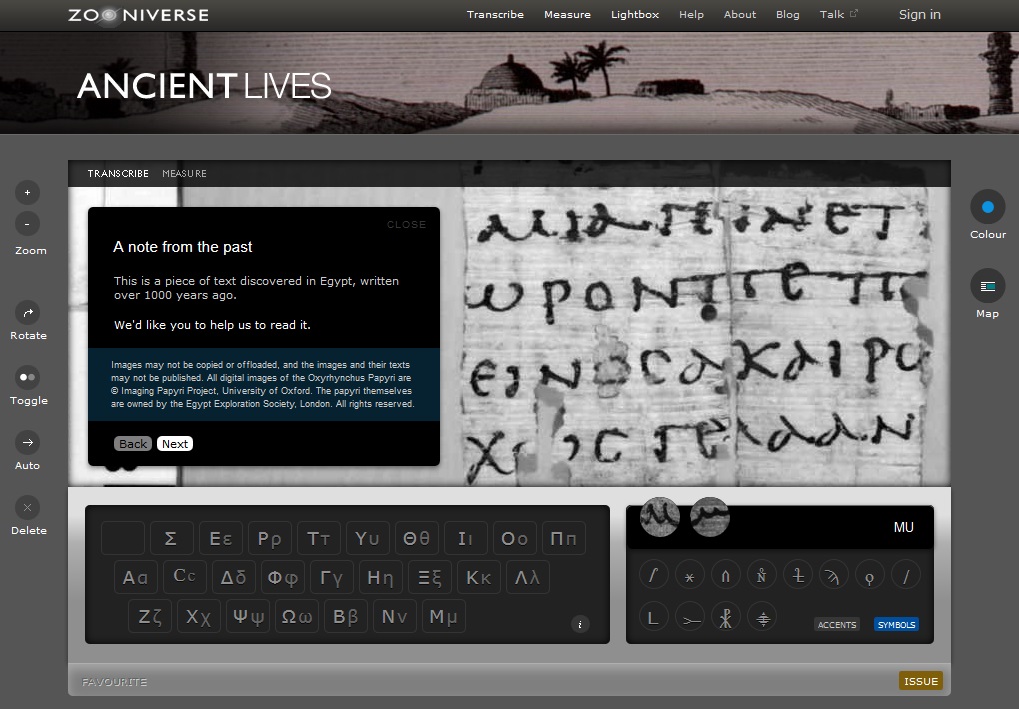
Robert Simpson of the Zooniverse team https://www.zooniverse.org/ gave a fascinating talk about the crowd sourcing portal they have developed. What started out as an experiment to see if they could find enough people interested in identifying planets from raw astrophysics data, developed into 17 separate projects across 5 Research fields & around 860,000 people taking part world-wide. Some of the projects include transcribing 2000yr old Papyri, identifying Whale language & mapping Martian weather- not a bad way to spend your lunch break! Robert thought the key to a good Crowd Sourcing project was a subject where human beings can interpret the data better than a computer & a hook that makes people want to be involved- even if it is as simple as the desire to contribute to the worlds knowledge. Zooniverse are great believers in the Open Source community & are happy to share both their knowledge & code.
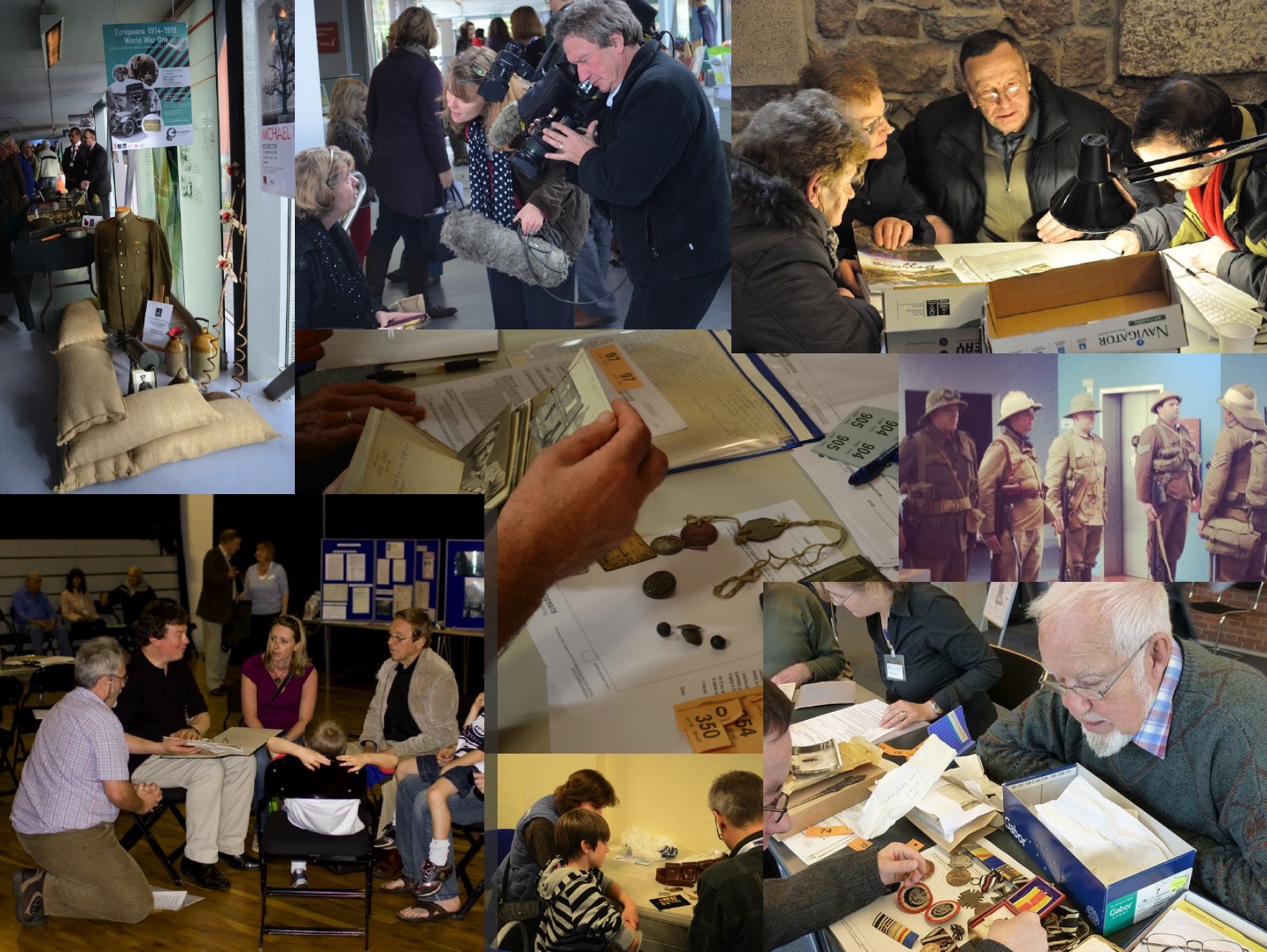
While Zooniverse is centred on developing online virtual data, another Crowd Sourcing project started out with a real crowd and analogue objects- Kate Lindsay really bought the Re-Imagining WWI project to life http://www.oucs.ox.ac.uk/ww1lit/ . This started out almost like an Antiques Road Show where the public was invited to bring along their family WW1 history: stories, letters, photo’s & memorabilia. Experts were on hand to look at the items & photographers to document them. In the first 12 weeks it proved so popular that they had 6500 submissions, and led onto an online submission system & further road shows across Europe- the submissions now are well into the tens of thousands.
All in all, the Summer School was an enjoyable & inspiring week which should prove invaluable as we endeavour to develop the potential of our digital archive.