Any views expressed within media held on this service are those of the contributors, should not be taken as approved or endorsed by the University, and do not necessarily reflect the views of the University in respect of any particular issue.
Skip to content

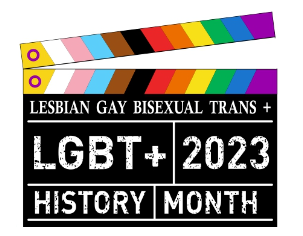
February is LGBT+ History Month and this year's theme is #BehindThe Lens. This aims to celebrate "LGBT+ peoples’ contribution to cinema and film from behind the lens. Directors, cinematographers, screen writers, producers, animators, costume designers, special effects, make up artists, lighting directors, musicians, choreographers and beyond." (LGBT+ History Month, 2023)

To help you learn more we've pulled together just a small selection of Library resources that will allow you to start to look 'Behind the Lens'.

Books and more books (we are a Library after all)
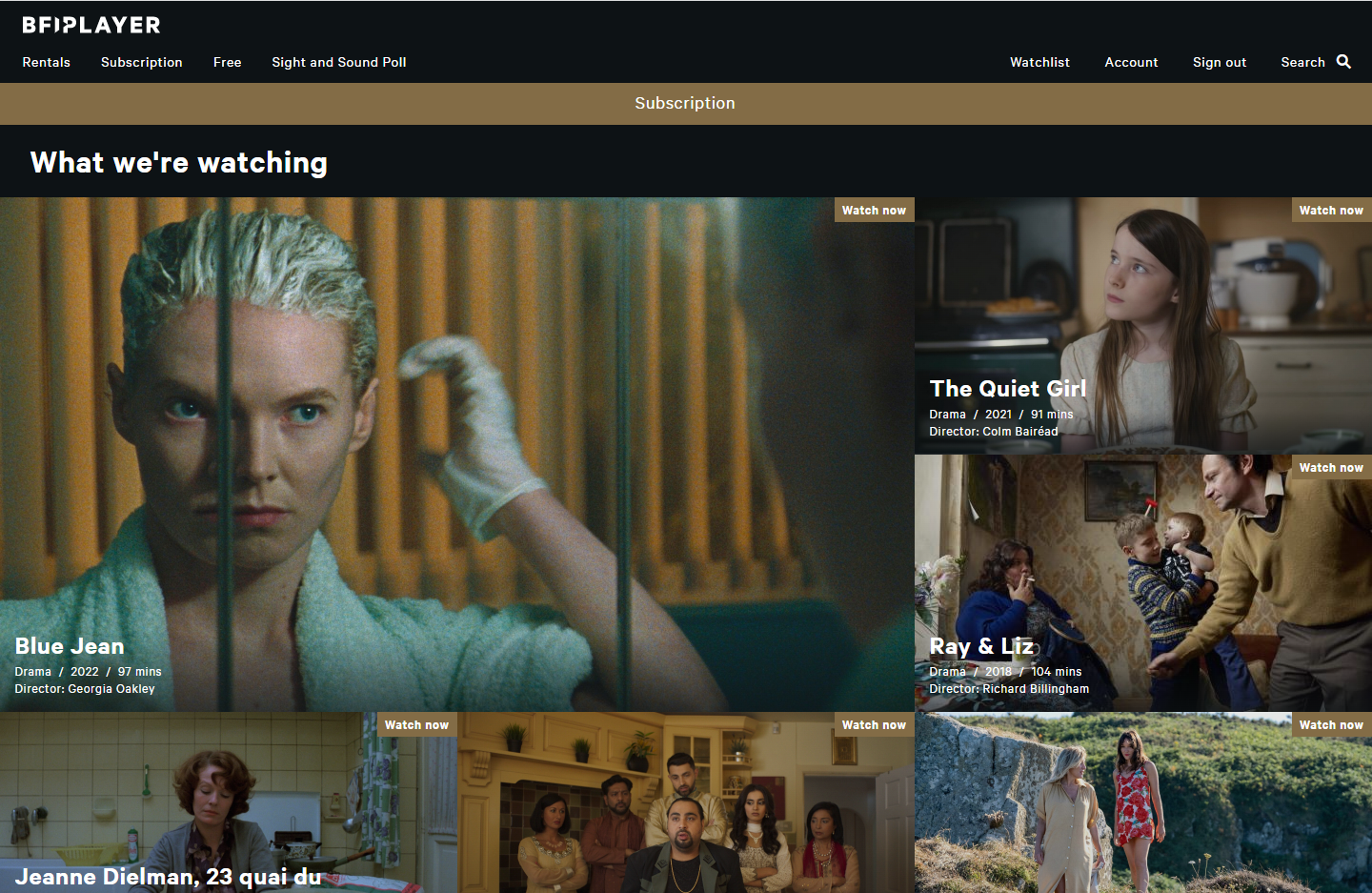
Films, TV, documentaries, etc.
Doing your own research

Books and more books (we are a Library after all)

Front cover of 'The Oxford Handbook of Queery Cinema'.Why not start with The Oxford handbook of queer cinema as an introduction. This hefty tome covers a wide variety of topics including silent and classical Hollywood films, European and American independent and art films, post-Stonewall and New Queer Cinema, global queer cinema and new queer voices and forms.

New queer cinema: A critical reader considers the filmmakers, the geography, and the audience of New Queer Cinema. While Queer cinema in Europe brings together case studies of key films and filmakers in this area. Sapphism on screen: Lesbian desire in French and Francophone cinema focuses even more specifically on films made by male and female directors working in France and other French-speaking parts of the world. In a queer time and place: Transgender bodies, subcultural lives is the first full-length study of transgender representations in film but also art, fiction, video and music. Whereas LGBTQ film festivals: Curating queerness pays homage to the labour of queer organisers, critics and scholars. ...continue reading "Behind the Lens: LGBT+ History Month"

For over 400 years, more than 15 million men, women and children were victims of the transatlantic slave trade. And on 25th March every year, the International Day of Remembrance of the Victims of Slavery and the Transatlantic Slave Trade offers the opportunity to honour and remember those who suffered and died at the hands of the brutal slavery system, while also raising awareness about the dangers of racism and prejudice today.

At the Library we have access to a range of digital resources that give you access to original primary source material from archives around the world that allow you to find out more about the Transatlantic Slave Trade and the victims of slavery. These are a few that you might like to explore:

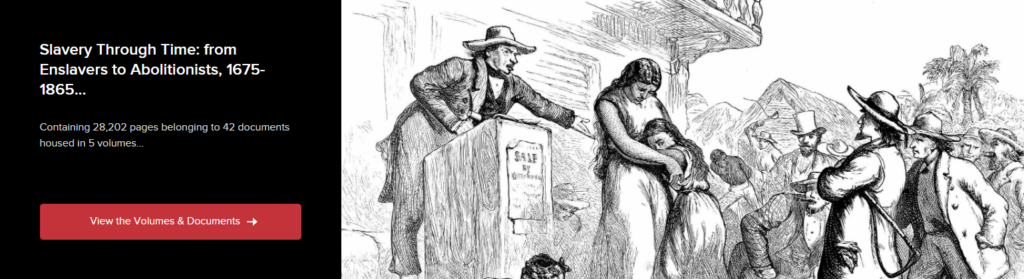
Slavery: supporters and abolitionists, 1675-1865
(also known as Slavery Through Time: from Enslavers to Abolitionists, 1675-1865)

...continue reading "The Transatlantic Slave Trade and Slavery: primary sources"

css.php

Report this page

To report inappropriate content on this page, please use the form below. Upon receiving your report, we will be in touch as per the Take Down Policy of the service.

Please note that personal data collected through this form is used and stored for the purposes of processing this report and communication with you.

If you are unable to report a concern about content via this form please contact the Service Owner.

Please enter an email address you wish to be contacted on. Please describe the unacceptable content in sufficient detail to allow us to locate it, and why you consider it to be unacceptable.
By submitting this report, you accept that it is accurate and that fraudulent or nuisance complaints may result in action by the University.

  Cancel