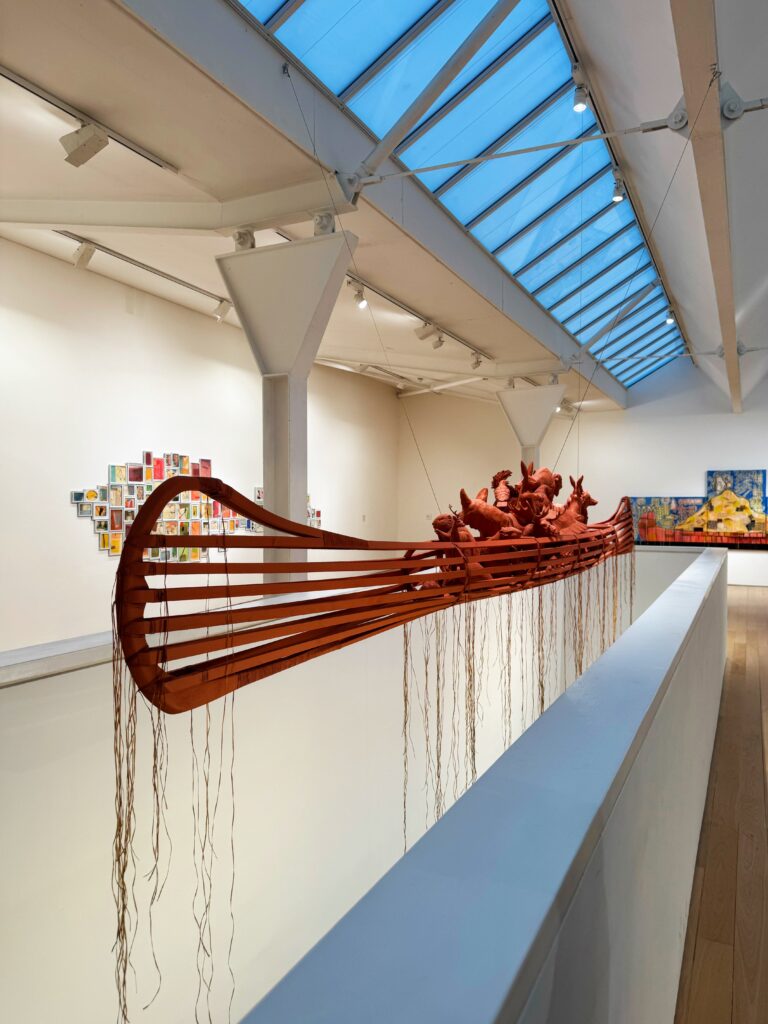
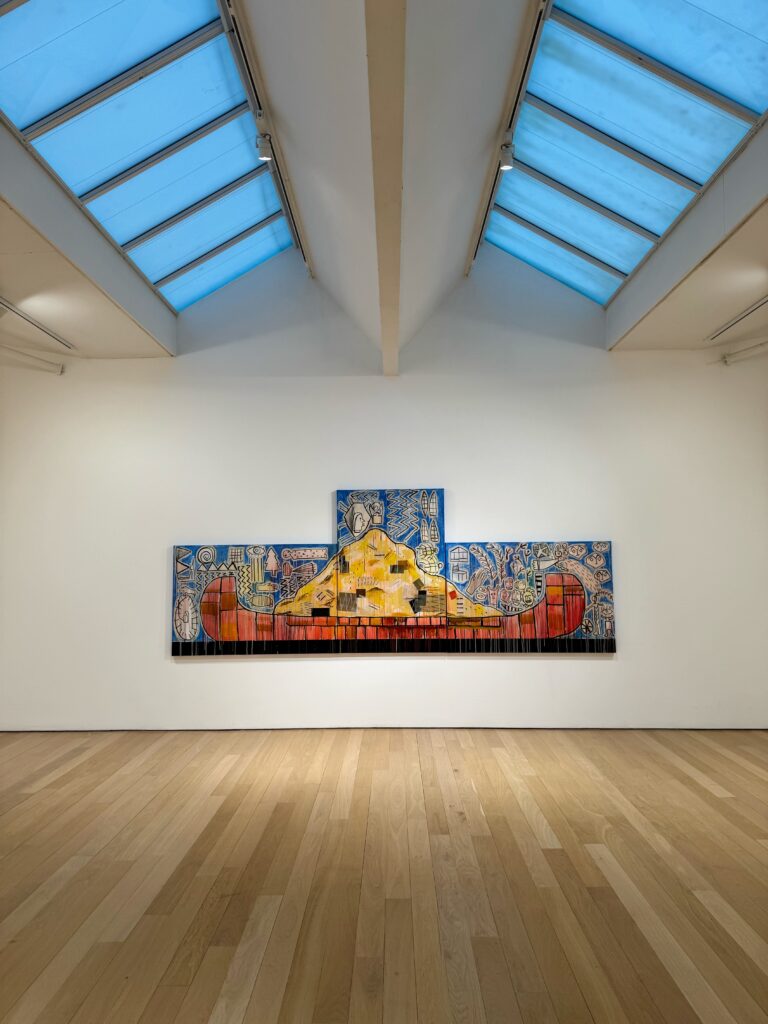
Week 7: Group Curatorial Proposal Development and Appreciation of Nature-Related Artworks
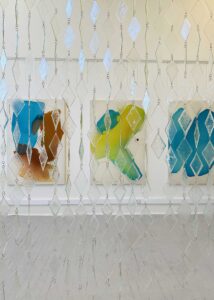
Group Curatorial Brainstorming Session

Exhibition Duration: One Week

Curatorial Focus: Vitality / Lightness / Nature / Renewal / Slowness / Symbiosis

Treating breath and air as shared resources and relationships, air flows through the space, connecting states between humans and nature, environment and emotion.This idea resonates with Timothy Morton’s concept of ecological interconnectedness (Morton,2010).

The exhibition aims to pose the question: Who feels more comfortable in a space, and who must constantly adapt to it? By focusing on bodily differences, accessibility, emotional regulation, and environment, the exhibition space is transformed into a perceptible, adjustable respiratory system, inviting visitors to interact with the works in a more relaxed and immersive way.

Artistic Forms: Breathing rhythm visualization installations / Video / Visual perception installations / Painting, etc.

Features: Low-density display / Tactile experiences / Close-range interaction / Accessibility facilities / Inclusive design for diverse groups (e.g., multi-level displays, wheelchair-accessible pathways, accessible restrooms)
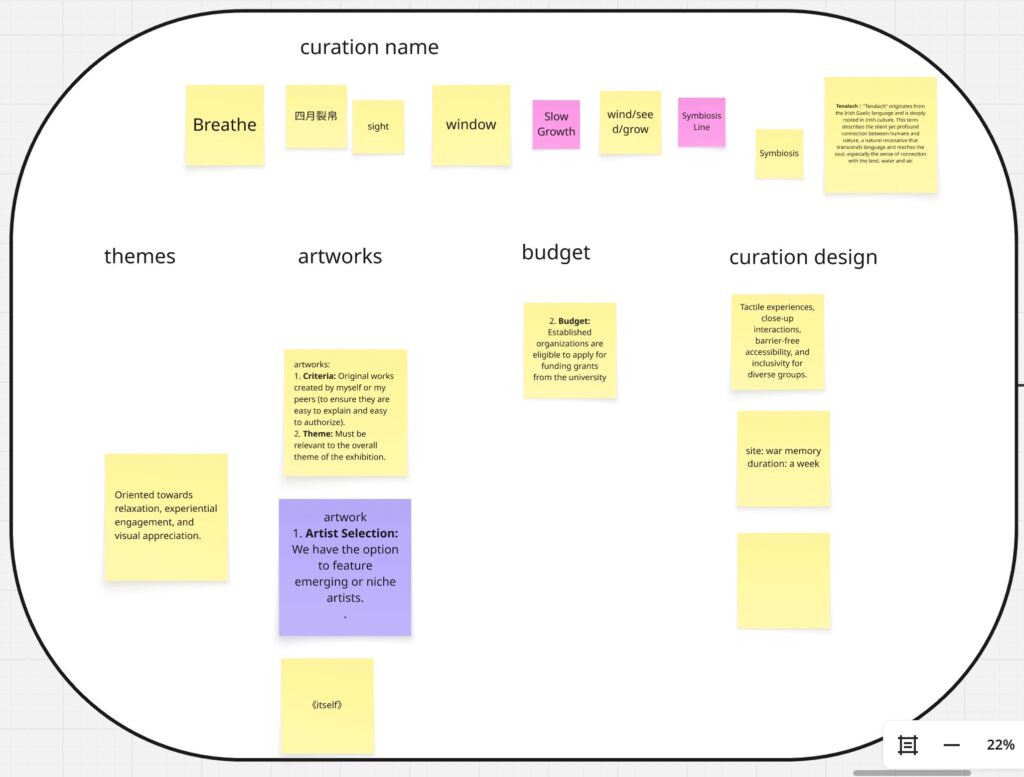
Fig 1 :Group members determine the curatorial theme
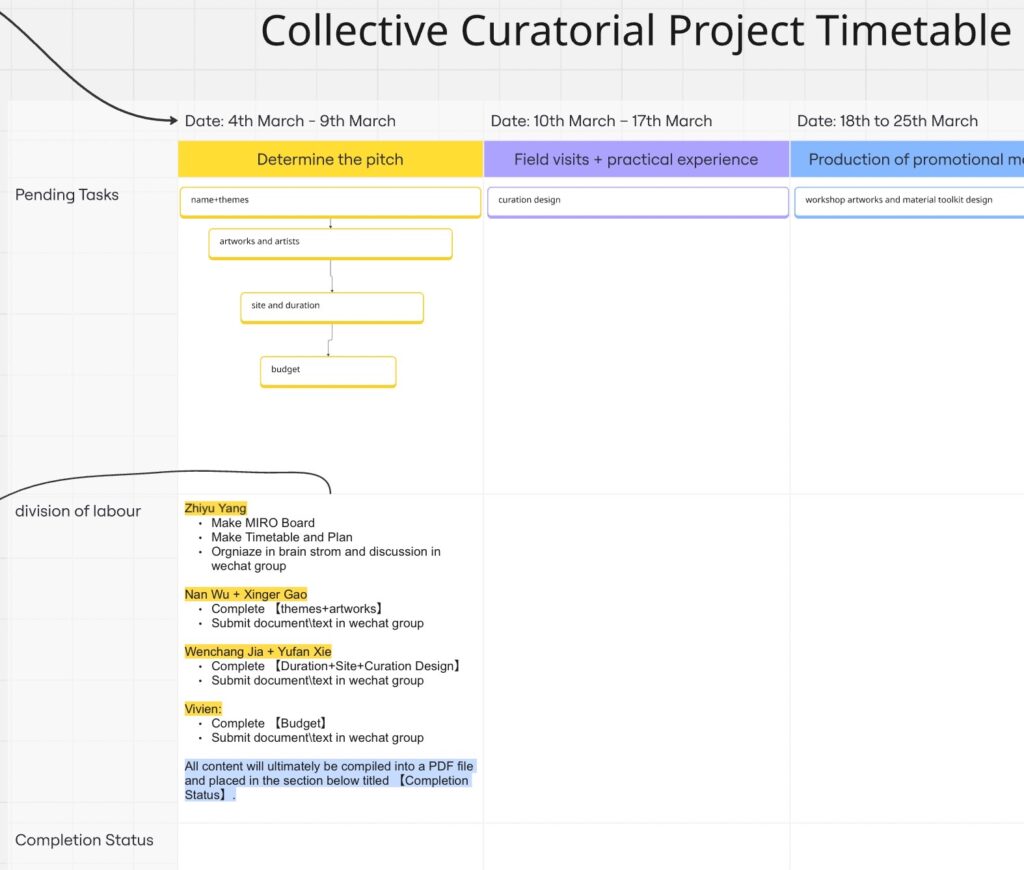
Fig 2 :Role Assignment Among Team Members

Slow Growth adopt slowness as a curatorial strategy, focusing on its temporality, care labor, and micro-ecosystems.“As  a  means  of  conceptual  output,  art  curation  can  play  a  significant  role  in  promoting  coexistence  among  multiple  species  within  ecosystems  and  reconstructing  the  relationship  between  humans  and  non-humans(Zou,2025). ”This approach manifests through adjustments to artworks or installations, documentation walls (recording exhibition changes and audience feedback), and materials that change over time (such as installations exhibiting changes in light, shadow, humidity, etc.).

The exhibition space is organized linearly, connecting distinct works and spatial points. This linearity also symbolizes relationships between different forms of life—such as human movement, plant growth, tidal fluctuations, and more. Visitors can progressively explore the exhibition along this path.

In selecting works, due to budget constraints, we may prioritize pieces created by group members, classmates, or emerging artists. This approach ensures we can secure permissions for the works within a reasonable budget, making exhibition setup and communication more convenient. As the exhibition emphasizes interactivity and sensory experiences, we aim to incorporate works that engage tactile, auditory, visual, or spatial participation.Organized by a student team, this exhibition may seek funding support from the university. Resources will primarily cover basic decorative materials, lighting and sound equipment, projection systems, exhibition design materials, and related expenses.
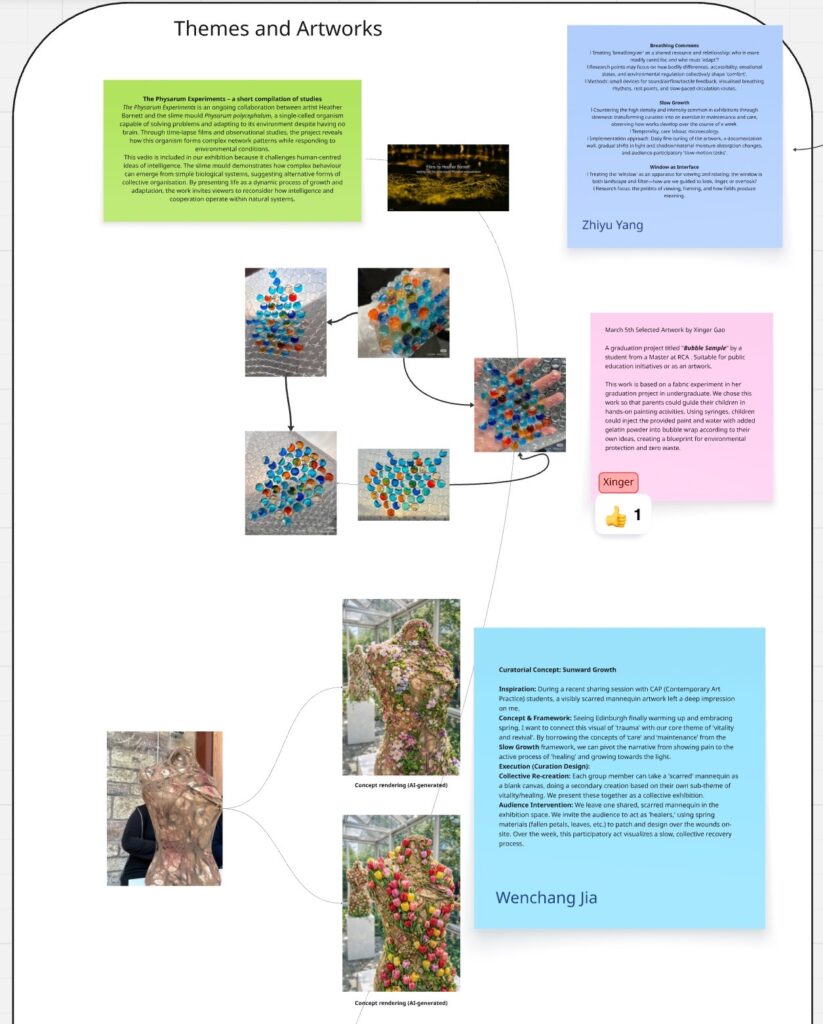
Fig 3 :Selection of Artworks by Group Members

Group Work Records and Exhibition Space Design:
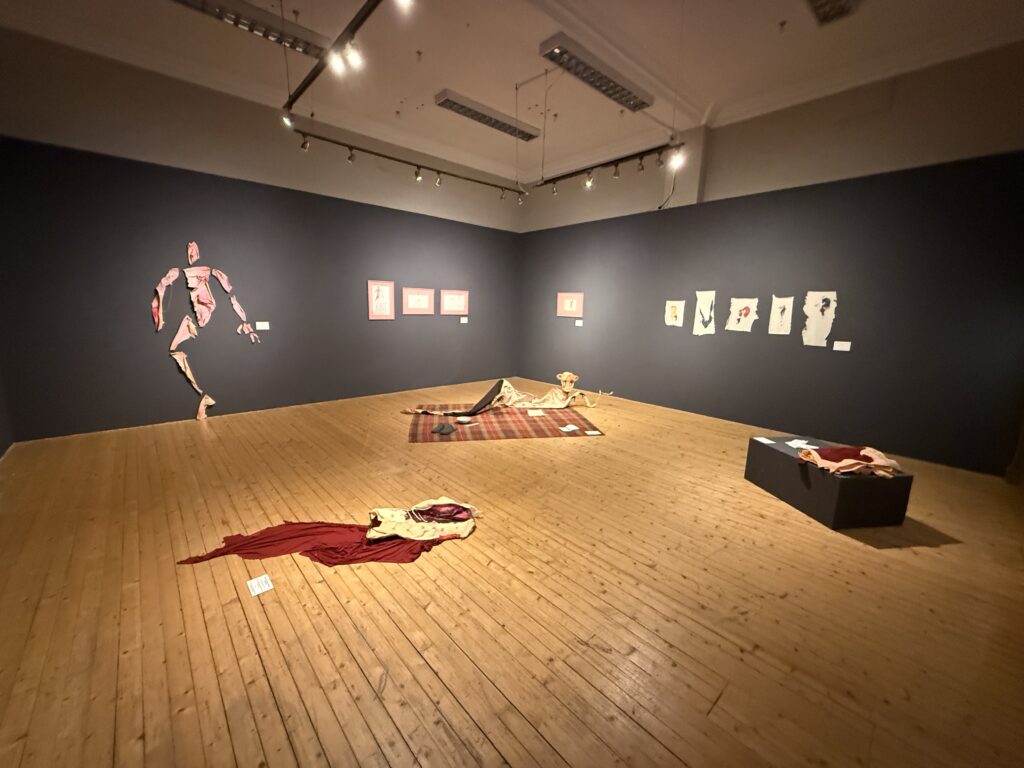
Fig 4 :Site Visit for the Exhibition
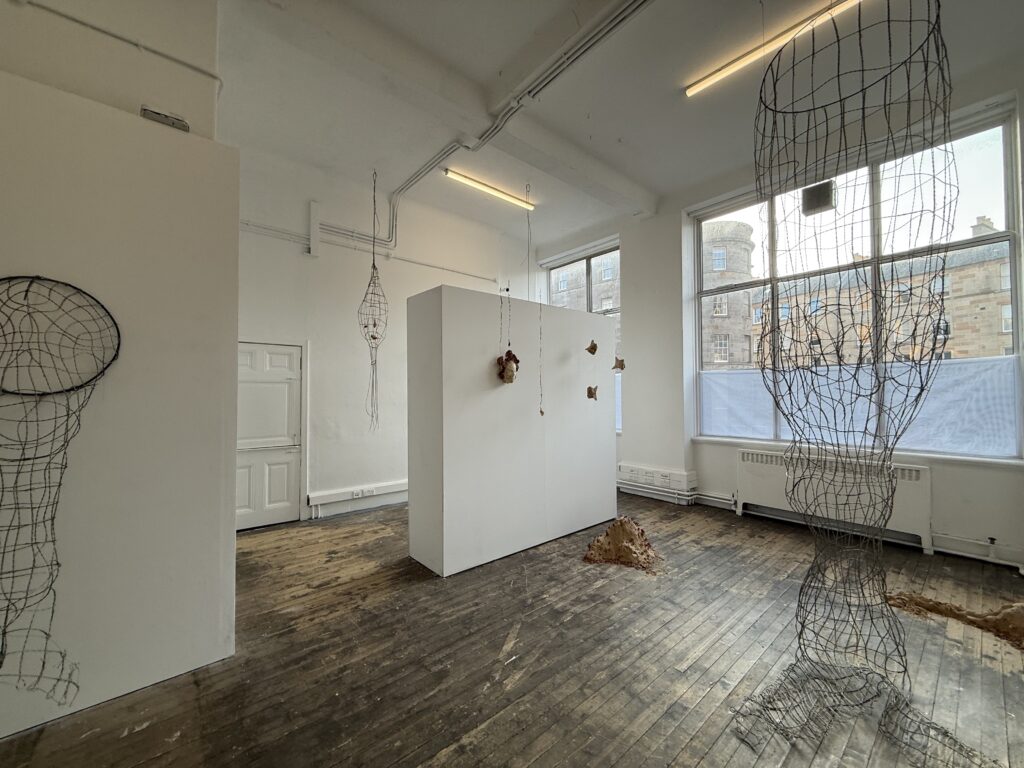
Fig 5 :Site Visit for the Exhibition
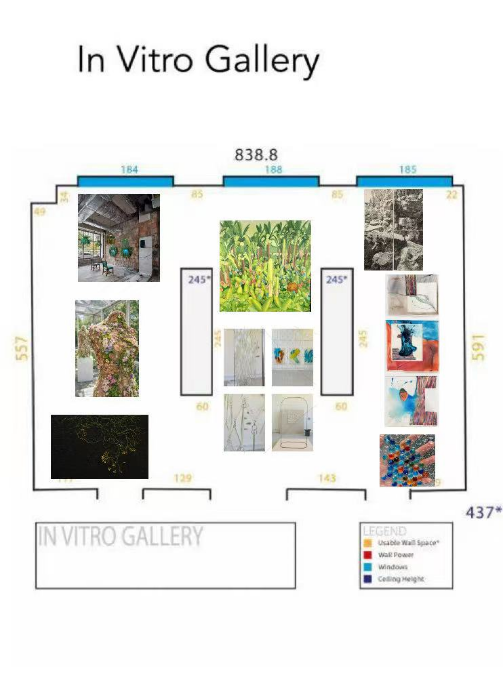
Fig 6 :Concepts for Curating and Arranging Artworks
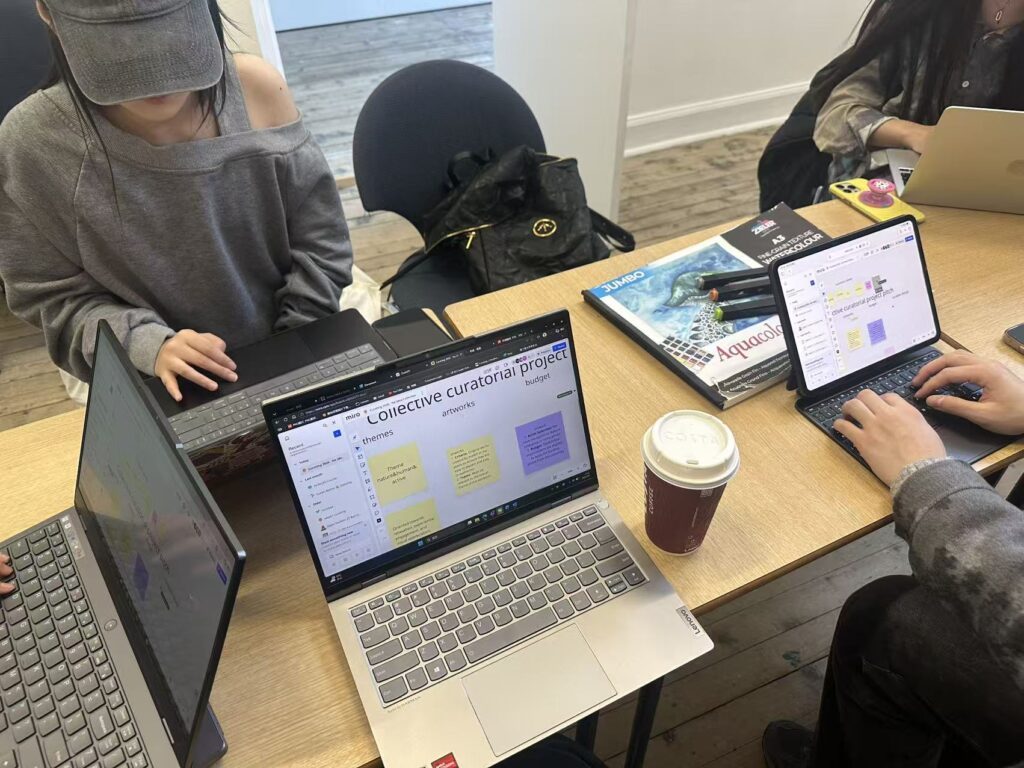
Fig 7 :In-person group meeting


Appreciation of Nature-Related Artworks

Artist: Kristel Bodensiek (University of Edinburgh student)

Title: Tide and Temper

Material: Glass and Steel

Size: 130 × 230 × 70 cm

Composed of over 300 glass fragments, the work is hand-assembled into a suspended structure using steel rings. The glass was fired at temperatures exceeding 1000°C, creating softened edges and a crystalline surface texture. Tide and Temper explores the subtle relationship between humanity and nature: nature is not merely an external landscape but an experience that can be reimagined through materials, light, and space.

Inspired by the calming effect of rain and waterfalls on the human mind, the artist selected glass as a material symbolizing nature’s transformative processes. Repeating glass elements form a rain-curtain-like structure. As viewers move through the installation, light reflects and refracts off the glass surfaces, creating ever-shifting visual effects.Rather than directly recreating natural landscapes, the work simulates nature’s rhythms and states through material and spatial experience, this allows visitors to rediscover the rhythms and tranquility of natural phenomena within the exhibition space.
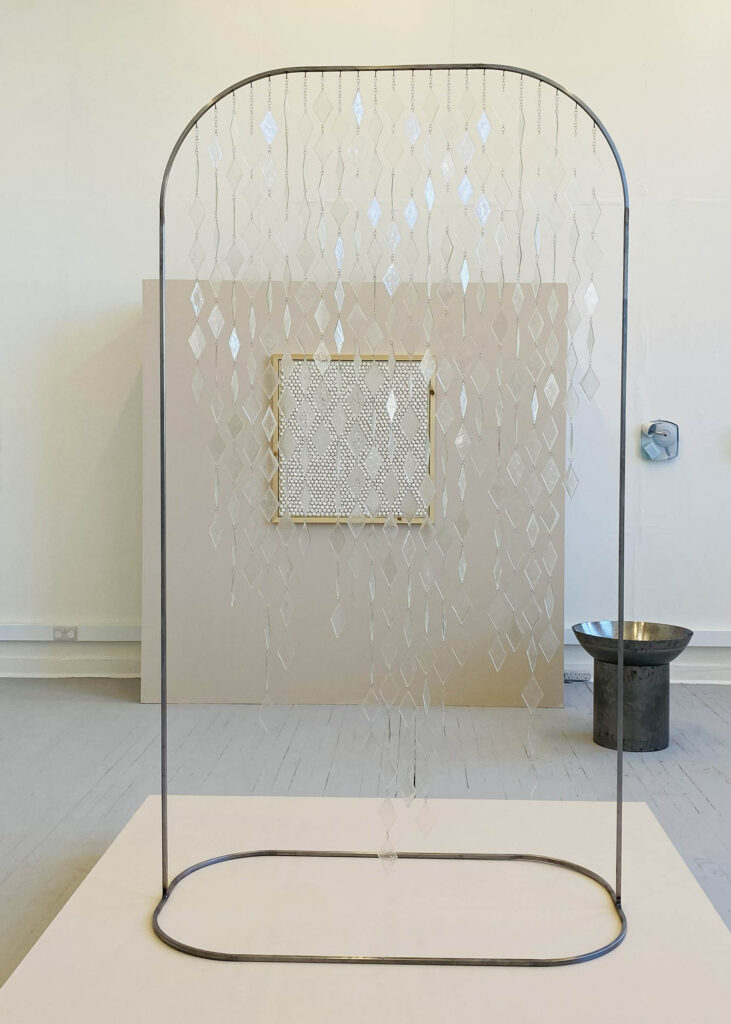
Fig 8 :Artwork—Tide and Temper
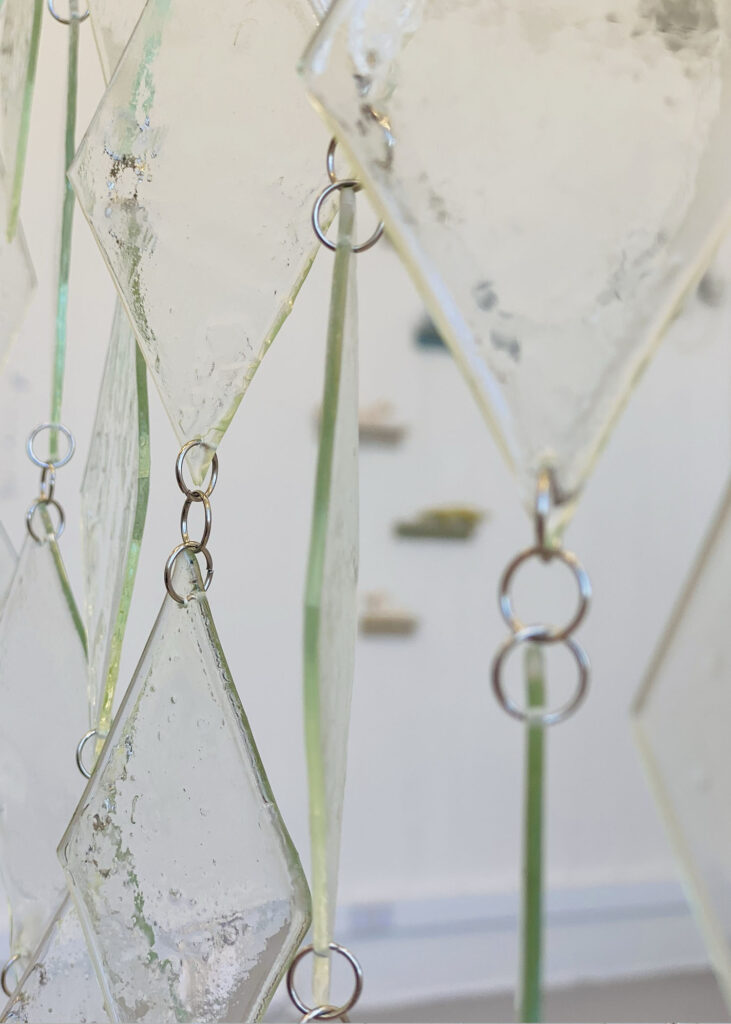
Fig 9 :Close-up of the artwork


Annabelle Pelaez (University of Edinburgh student) focuses her work on landscapes and natural details. She pays special attention to often-overlooked tiny elements in nature, such as ripples on water surfaces, insect traces on leaves, and the fleeting moment when raindrops pause on plants. Through painting and mixed media, she seeks to transform these microscopic natural phenomena into visual imagery, thereby reawakening viewers’ awareness of the natural environment.

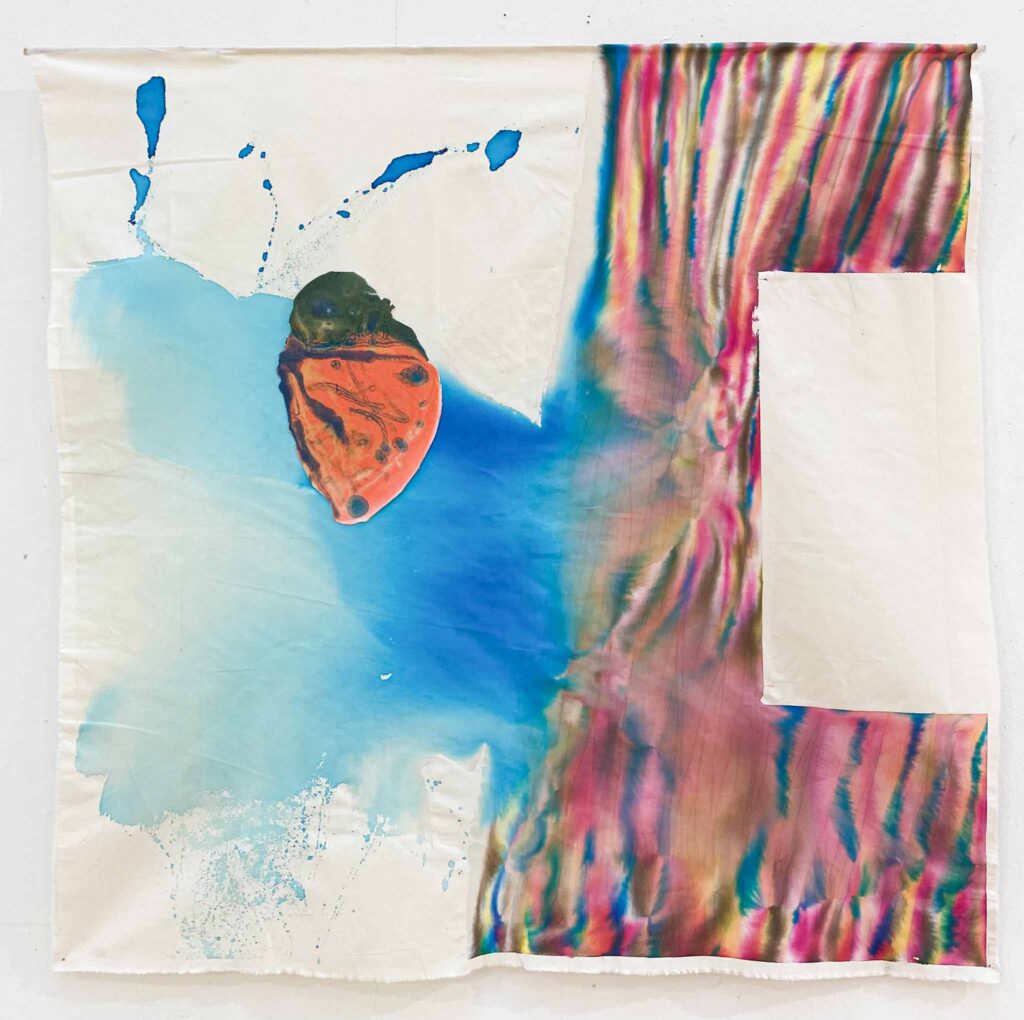
Through microscopic observation, the artist gains a new perspective on natural landscapes while revealing the impact of human activity on the environment. Her series—including Sandy Wastes, Pools, Melting—typically use ink, acrylic, and mixed media on fabric or paper. Fluid lines and abstract structures depict natural forms like water currents, sedimentary layers, and surface textures. By emphasizing nature’s microscopic life force, she invites viewers to reconnect with the natural world, using abstract imagery to draw attention to overlooked details.
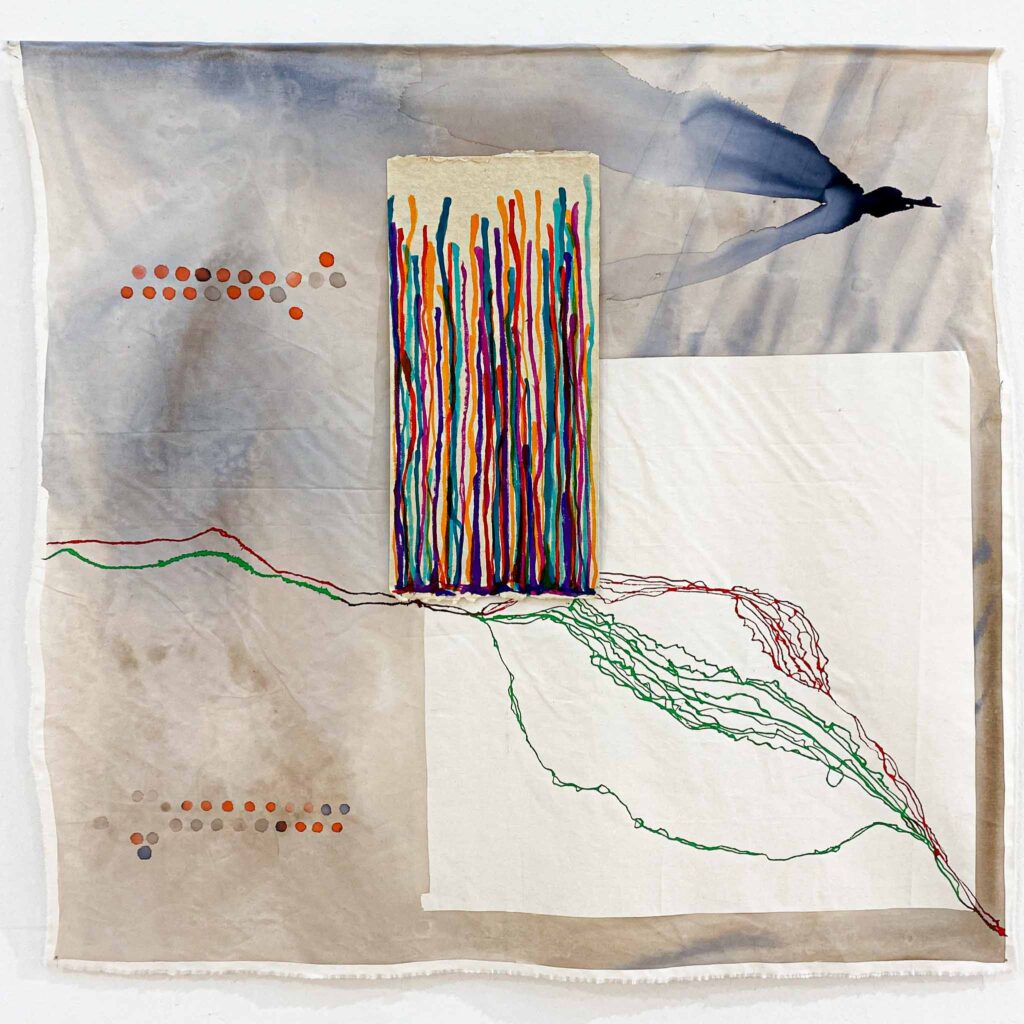
Fig 10 :Annabelle Pelaez, Sandy Wastes, (2025).​ Ink and brush pens on paper and calico.​ 120x120cm.

Fig 11 :Annabelle Pelaez, Melting, (2025).​ Ink, pebeo prisme on paper, on calico.​ 120x120cm.


References

Morton, Timothy. The ecological thought. Harvard University Press, 2010.

Zou, Yuke. “Conversation with Nature: Ecological Consciousness and Expression in Contemporary Art Curating.” Arts, Culture and Language 1, no. 3 (2025).
Week 6: Appreciation of Ema Shin’s Artworks and Group Curatorial Practice

Appreciation of Ema Shin’s Artworks

Ema Shin grew up in a traditional Korean family. Her creation is inspired by gender bias in family culture and the “absence” of records of female family members. Ema Shin’s grandfather has always kept a family tree spanning 32 generations. However, in this genealogy, only the names of male descendants are recorded, and female relatives are completely ignored. Although her mother and grandmother poured countless efforts into the family, their place could not be found in the family tree, and their contribution and existence to the family were erased.“Sexism is perpetuated by institu-tional and social structures; by the individuals who dominate, ex- ploit, or oppress; and by the victims themselves who are socialized to behave in ways that make them act in complicity with the status quo. Male supremacist ideology encourages women to believe we are valueless and obtain value only by relating to or bonding with men(Hooks,2000).”Ema Shin realized the unfairness of it, so she decided to create her own “family tree books” for those unknown women who were not recognized by their families. She also used this artistic work to commemorate those women who were hidden by history.

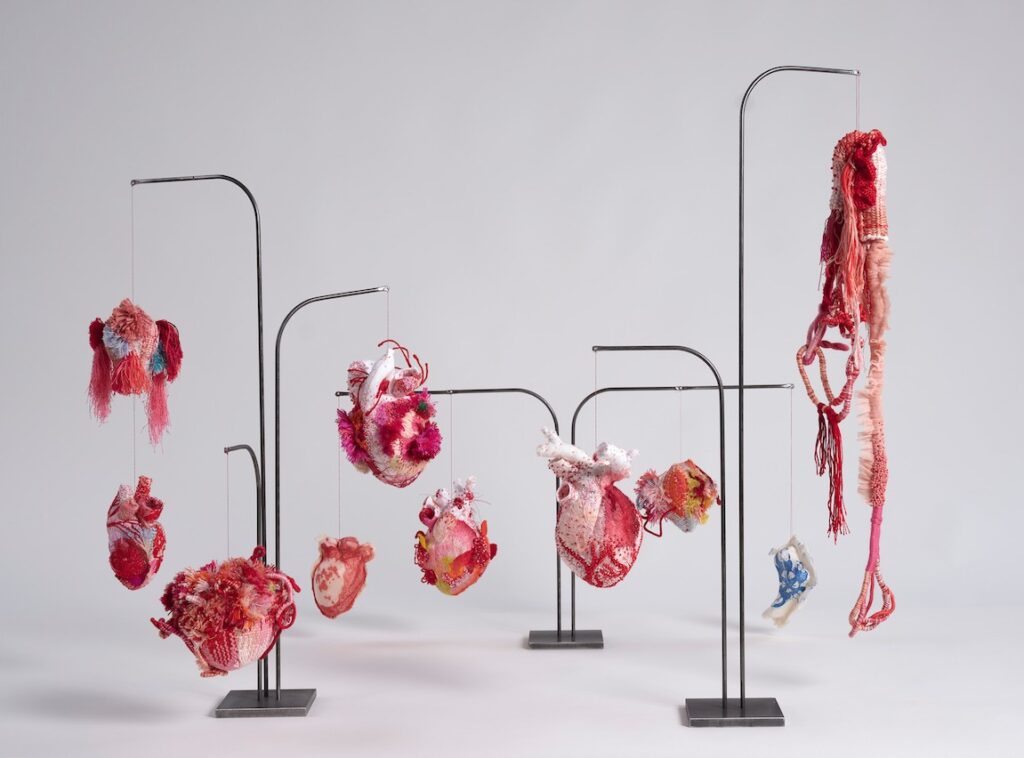
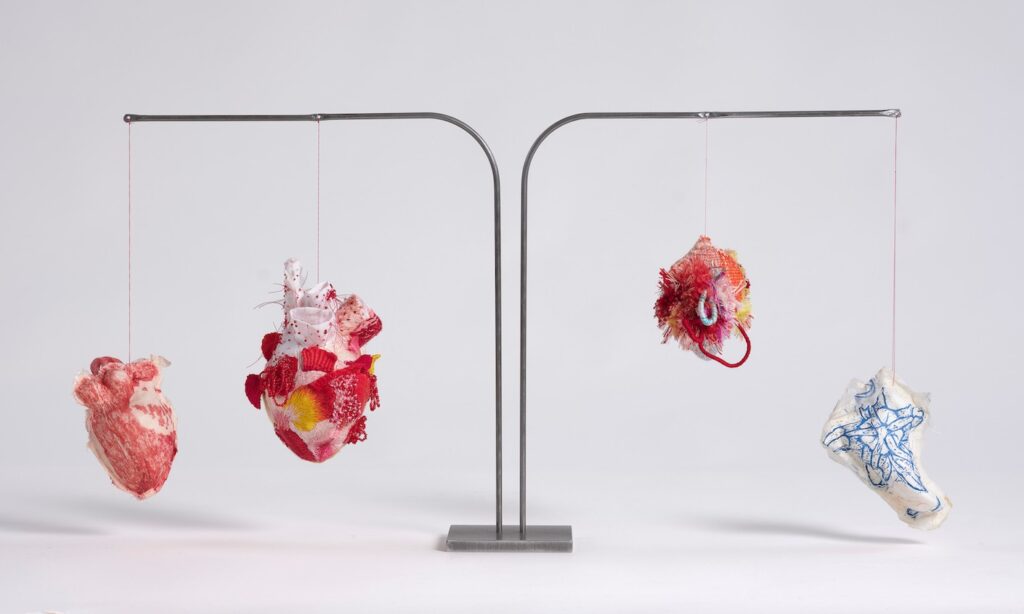
Ema Shin usually takes the female body as the subject of her creations.“Feminist artists reclaimed sewing, weaving, and other so-called trivial women’s crafts as powerful forms of political and aesthetic resistance (Raven,2018) .”Hearts of Absent Women” is a work of art created by her with sewing skills. She weaved many colorful heart-shaped models. She is based on thick felt, with bright red, pink, orange and purple embroidery threads and shiny beads as the main elements. She simulated veins like blood vessels and nerves with loose feathers, curly needles and small beads. Through embroidery and sewing, she built a lifelike heart-shaped model.During the exhibition, some models are directly displayed on the booth, and some are hung up, creating a visual effect of “collective” heartbeat. These “heartbeats”become the family tree of women, a history woven through sewing, and through these models, we commemorate those unknown and unrecognized women, as well as the rebellion against patriarchal families.

Fig 1: Hearts of Absent Women | embroidery, glass, polyester, linen, cotton, wool, hanji paper, lokta paper 70 x 78 x 60 cm (installation) | Image courtesy of the artist | 2021

Shin did not portray a victimized image through her works to criticize this society and express her dissatisfaction with the unequal treatment of the society. Instead, she presented the vitality of women in an active way, transforming absence into existence, and speaking out for the suppressed female voices.

Through the study of Ema Shin’s artworks, I recognized how the artist incorporates traditional women’s crafts—such as sewing and weaving—into her practice, thereby infusing these crafts with new energy. This led me to reflect on my own curatorial work, prompting me to focus on artworks across various media—including traditional crafts, installation art, and video art—to showcase the diversity of women’s creative expression.

Fig 2 : Hearts of Absent Women | embroidery, glass, polyester, linen, cotton, wool, hanji paper, lokta paper 35.5 x 69 x 14cm | Image courtesy of the artist |2021

 Group Curatorial Practice and Discussion

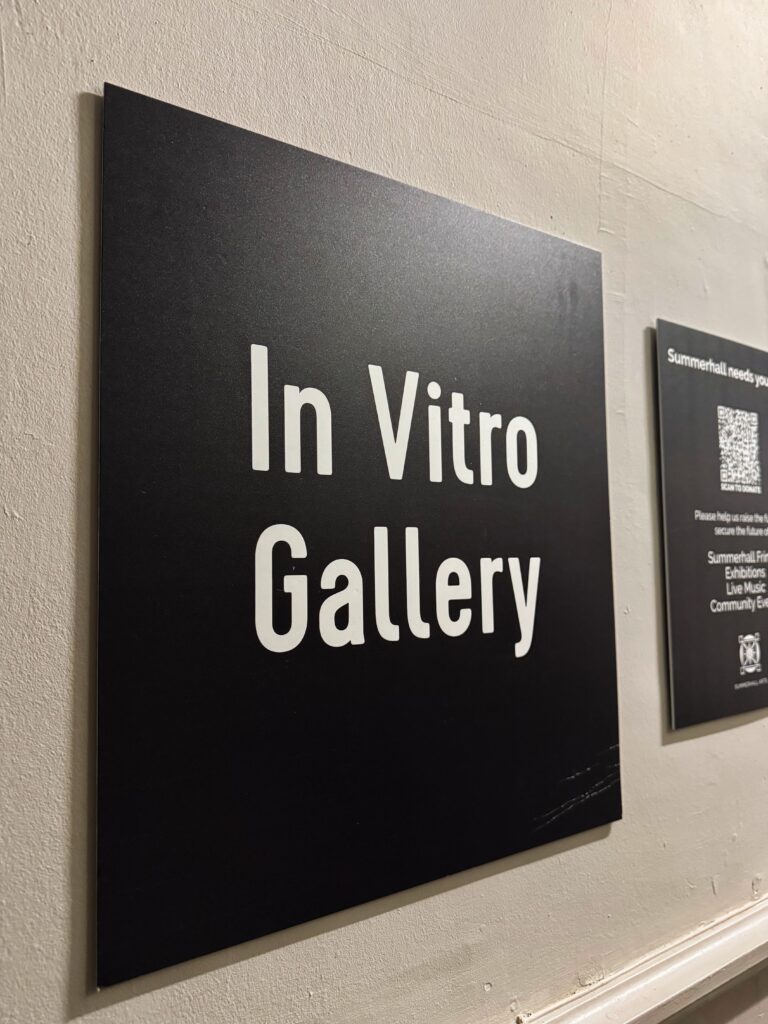
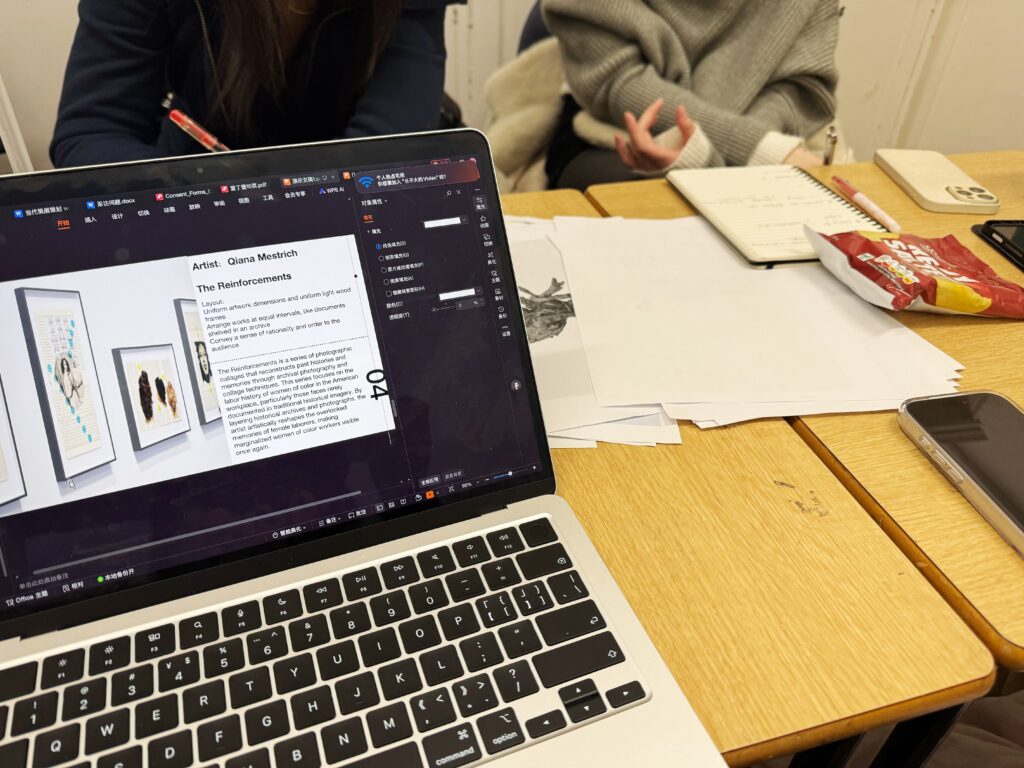
This group conducted a site survey at Edinburgh’s Summer Hall and explored the feasibility of the curatorial content proposed by group members.

Fig 3: Collective Curation Site Selection

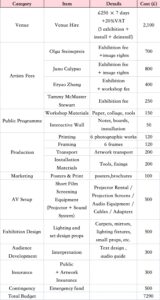
Based on Summer Hall’s venue rental rates, the projected budget allows for a five-day exhibition period. If group members select the same exhibition hall, they should ensure their schedules do not overlap.

Considering installation art transportation costs, members whose selected works require special materials (including packing, protective materials, and related expenses) must include round-trip shipping costs in their budgets…

Regarding lighting expenses: If the selected gallery provides basic lighting, only professional lighting supplements are required. (Prioritize borrowing lighting equipment from the university; consider external rentals if insufficient.)

Forms of Artist Participation in Related Works:Artists may pre-record videos introducing their works and creative concepts for exhibition hall playback. This allows artists to avoid in-person attendance, reducing transportation and accommodation costs.

Allow one day for installation (venue cleanup and basic setup/lighting calibration/installation of artworks/testing of video playback equipment, etc.).
Allow one day for dismantling (deinstallation of artworks/venue restoration/return of equipment/summary of installation costs, etc.).
Our team also discussed risks and challenges: Related technical issues/Scheduling conflicts among members/Venue usage time constraints/Potential damage during artwork transportation

Countermeasures: Budget for testing relevant equipment/Develop timelines and backup plans/Reserve emergency funds

Fig 4: Group discussion


References

Hooks, Bell. Feminist theory: From margin to center. Pluto press, 2000.

Raven, Arlene, Cassandra Langer, and Joanna Frueh. Feminist art criticism: An anthology. Routledge, 2018.


Curatorial Pitch——Invisible Load

🎯Curatorial Focus:

My curatorial focus is on the anxiety of women presented in contemporary photography. From a feminist perspective, I explore the predicaments that contemporary women face under the multiple pressures of social structure and cultural expectations. These pressures often do not manifest as dramatic events but exist in a continuous, repetitive and hard-to-articulate state, gradually internalizing into anxiety, unease and self-doubt.

📖Curatorial Concept:

This exhibition explores how women navigate identity formation between being looked at and looking at themselves, how they resist societal expectations, and strive to break long-standing gender stereotypes. It treats photographic and video works as a means of documenting emotional and social experiences, using visual techniques to reveal the invisible but ubiquitous pressures that shape women’s lives.

The exhibition adopts a “multi-thematic/non-linear” structure, presenting female anxiety not as a singular narrative but as a cluster of states interwoven by multiple social, cultural, and visual mechanisms.

I chose photography as my main medium because photography is highly dependent on viewing, and viewing itself is closely related to the gender power structure. Female anxiety often stems from being stared at, being regulated, and being defined. Photography is both part of the problem and can also serve as a mechanism for reflection and resistance. Moreover, photography can capture those overlooked daily moments, allowing the persistent anxiety state to be seen.


📷Selected Works for Exhibition:

Eryao Zhang :

Layout design

Place the art installation beneath the video projection captured by the artist.

Use spotlights to light the art installation.

1.Woman Lying on the Lawn

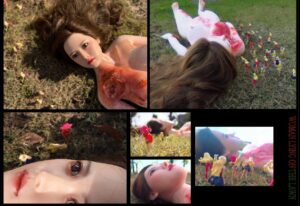
A naked woman lies horizontally on the grass and is “discovered” by a group of well-dressed little people. It shows that women are the objects of gaze, while the group is the viewer and researcher. It directly corresponds to Laura Mulvey’s male gaze mechanism – treating the female body as a landscape. However, the artist has reversed the scale, making the female body huge and the viewers tiny, revealing that even if the female body is large, it loses its subjectivity in front of the social order.

Fig 1 :Woman Lying on the Lawn

2.Regurgitate 

This is a work about the “myth of procreation”, a mechanical puppet installation, with the setting of the installation built and filmed. “The stork brings the baby” is a cover-up of the female body, de-physicalizing the real female reproductive process, and using fairy tales to smooth over the reality of the female body. The disappearance and reappearance of the baby in the installation is not a one-off event, but a cycle, symbolizing the same way that female identity is allowed to emerge and pushed back in social discipline, and the mother role is activated and fades away in a specific context.

Fig 2 :Regurgitate

Tammy McMaster Stewart:

Layout design

Single wall

Single spotlight

Surrounding space slightly darker

Work enlarged to near life-size scale

A Woman at Her Worst

In her art, titles carry potent meanings, challenging societal stereotypes that women must be prim and proper—that anger makes them appear “out of control.” Such emotions are amplified and labeled, directly pointing to women’s disciplined state within patriarchal structures. The artist references “masculine within the feminine,” exploring land boundaries and political control while also carrying metaphorical implications for the regulation of the female body.

Fig 3 :A Woman at Her Worst

Olga Steinepreis:

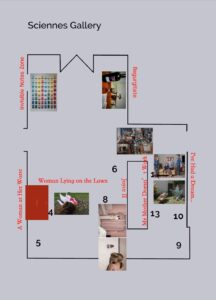
Layout design:

Warm-toned lighting

Artworks are hung horizontally and arranged for display

There is no central artwork

1.I’ve Had a Dream…

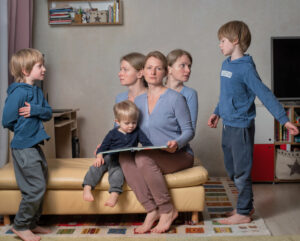
This is a continuous photography series that explores the issues of pressure and identity of female roles through self-portraits and composite images. In the photographic works, there are simultaneously images of facing heavy housework and the longing for the past self and dreams, thereby reflecting the expectations of society for the role of mother and the struggle of mothers between reality and dreams.

Fig 4 :I’ve Had a Dream…

2.My Mother Doesn’t Work

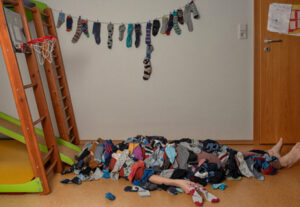
This work originated from a casual remark made by the artist’s son, revealing the social perception that the daily labor of housewives is often overlooked and not regarded as “real work”.

Fig 5 :My Mother Doesn’t Work

Juno Calypso:

Layout design:

Walls feature a low-saturation rose hue.

Artworks need not be arranged uniformly; varied hanging positions are encouraged.

Supplement lighting with cool white lights and soft pink tones, create localized shadows.

Floor design incorporates a pink carpet, offering visitors a soft-touch experience and engaging them physically.

A narrow, long mirror is placed beside the carpet, allowing visitors to see themselves as they move—a reversal of the female gaze.

Joyce II

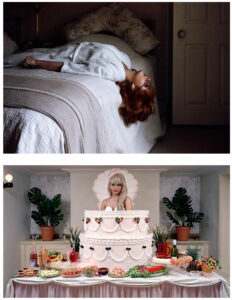
Through the fictional character Joyce, an artistically self-directed and self-performed character, various exaggerated and seemingly ideal yet strange scenes are presented. This approach explores the loneliness felt by modern women in the rituals of beauty, desire, and self-expectation, as well as the “perfect woman” standards constructed by society. It reflects on the tension and contradictions between the female body, cultural norms, and personal identity.

Fig 6 :Joyce II

At the end of the exhibition, an “Invisible Notes” area is set up.
Anonymous notes / postcards can be used to answer the following questions.
Related questions:

What anxiety or unfair treatment have you experienced in the past?
What pressure do you carry every day?
What would you like to say to another woman?

……

Finally, stick the note on the translucent wall.
Over time, the wall slowly becomes full, showing shared anxiety and invisible pressure.

Set up a reading area:
Provide relevant feminist photography, books and magazines by the relevant artists. The audience can sit down and read.


Fig 7 :Spatial Layout Design for a Personal Curatorial Project

Fig 8 :Budget Sheet for a Personal Curatorial Project


Link:Curatorial Presentation


Week 5: Cindy Sherman’s Female Photography Works and Course Seminar Reflections

Insights Gained from Cindy Sherman’s Photographic Works

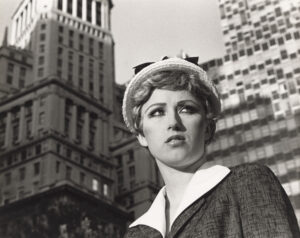
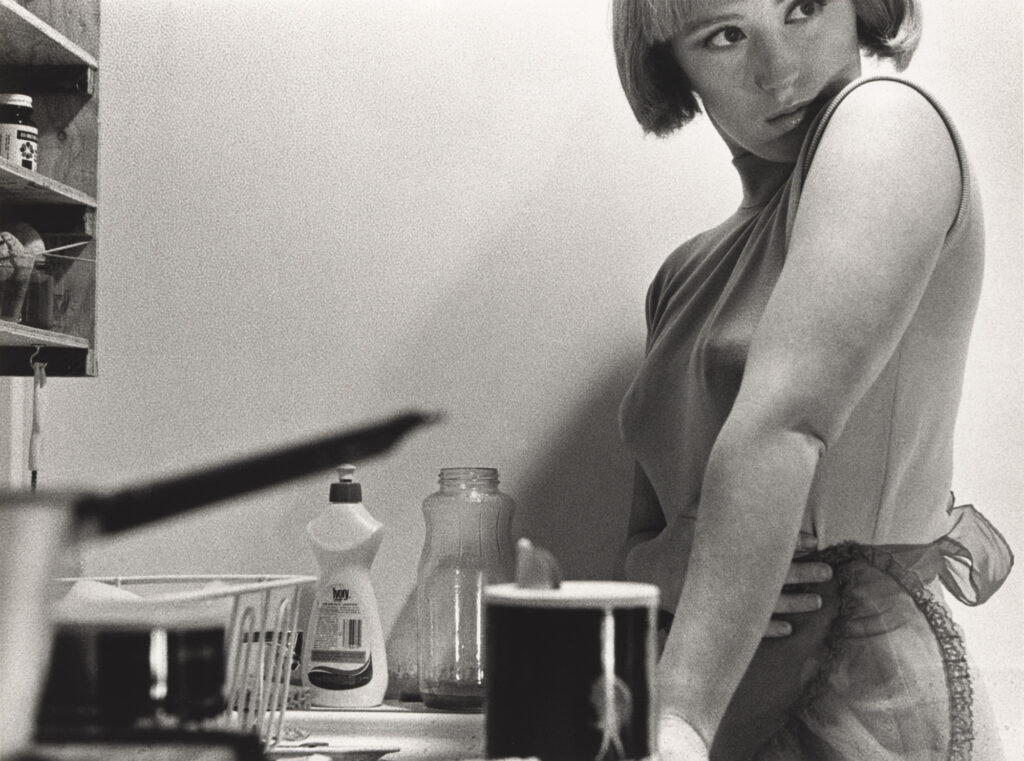
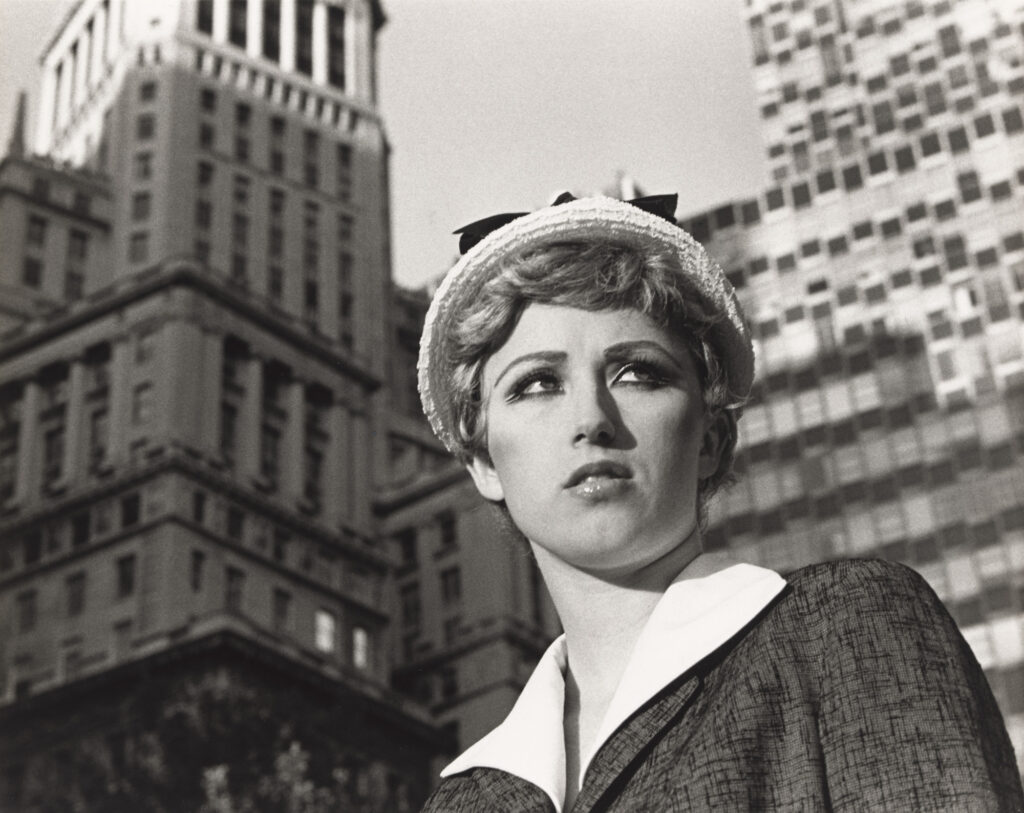
When collecting information on female-themed exhibitions and related artists, I came across Cindy Sherman’s “Untitled Film Stills” series. “I was wrestling with some sort of turmoil of my own about understanding women.The characters weren’t dummies;they weren’t just airhead actresses. They were women struggling with something but I didn’t know that(Sherman,2003).” In these works, Sherman assumes various female roles, such as a housewife in the kitchen or an office lady. Although these characters do not have a clear storyline, we automatically imagine their stories. In the creation of these works, Cindy Sherman is both the subject and the object. Through self-portrayal and photography, she reveals the malleability, performative nature, and instability of female identity. Not only does she create an uneasy feeling for the audience, but we also reproduce these stereotypes when viewing the works. She does not directly criticize the audience’s stereotypes but instead makes them self-question and re-think the construction of female identity.

Fig 1 :Selected Photographs by Cindy Sherman

Fig 2 :Selected Photographs by Cindy Sherman


📚 Course Seminar Reflections

This week we held a work-sharing session with students from the Cap major. Through their presentations and our discussions, I gained valuable insights.

What particularly impressed me was Tammy McMaster Stewart’s work, which primarily expresses her artistic exploration through video, sound, images, and other media. I believe her artistic practice could be integrated into my curatorial project.

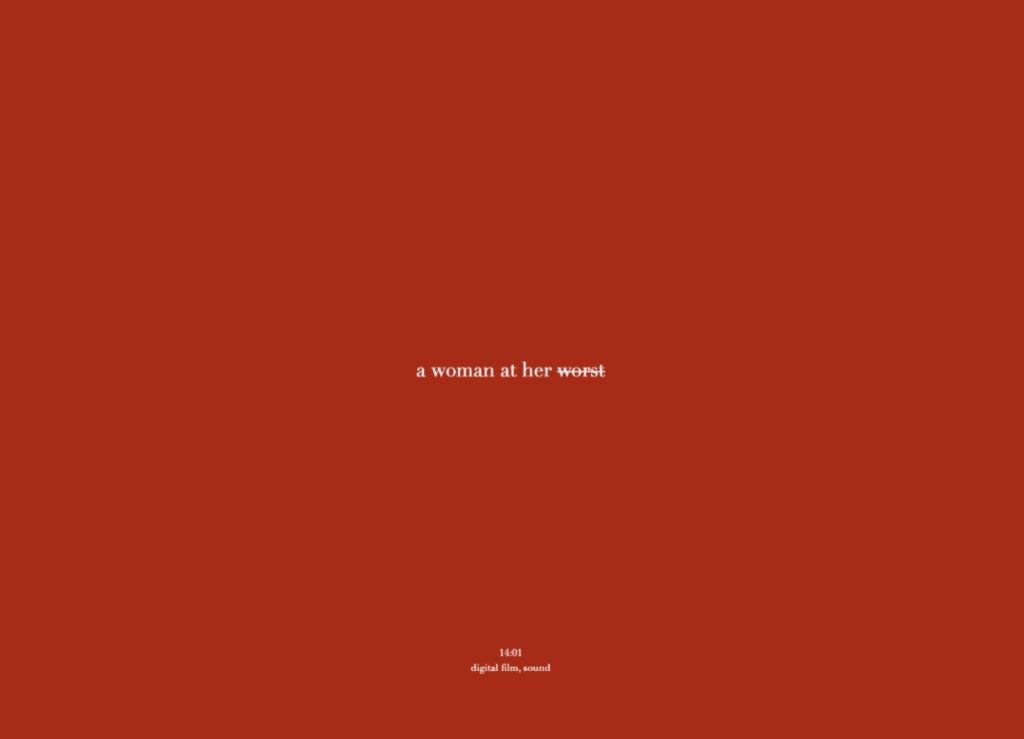
Her work A Woman at Her Worst is a 14-minute video piece exploring themes of gender, identity, and land politics. Through her art, we see how art can combine images, sound, and text to create a multi-layered narrative structure—not relying on a single medium for expression—thereby enhancing interactivity and depth.In her art, titles carry potent meanings, challenging societal stereotypes that women must be prim and proper—that anger makes them appear “out of control.” Such emotions are amplified and labeled, directly pointing to women’s disciplined state within patriarchal structures. The artist references “masculine within the feminine,” exploring land boundaries and political control while also carrying metaphorical implications for the regulation of the female body.

After hearing her introduction to her artistic works, I gained a great deal of insight. To enhance the interactivity and diversity of the exhibition content, different forms of media can be integrated into the presentation. For instance, combining dynamic and static media—such as exhibiting photographic works alongside moving images. Regarding the presentation of works addressing women’s issues, the focus is not solely on narrating “women” as individual subjects, but rather on examining how women are defined within social structures and exploring the political metaphors between the female body and the land—rather than presenting personalized women’s stories.

Fig 3 :The Film “A Woman at Her Worst”

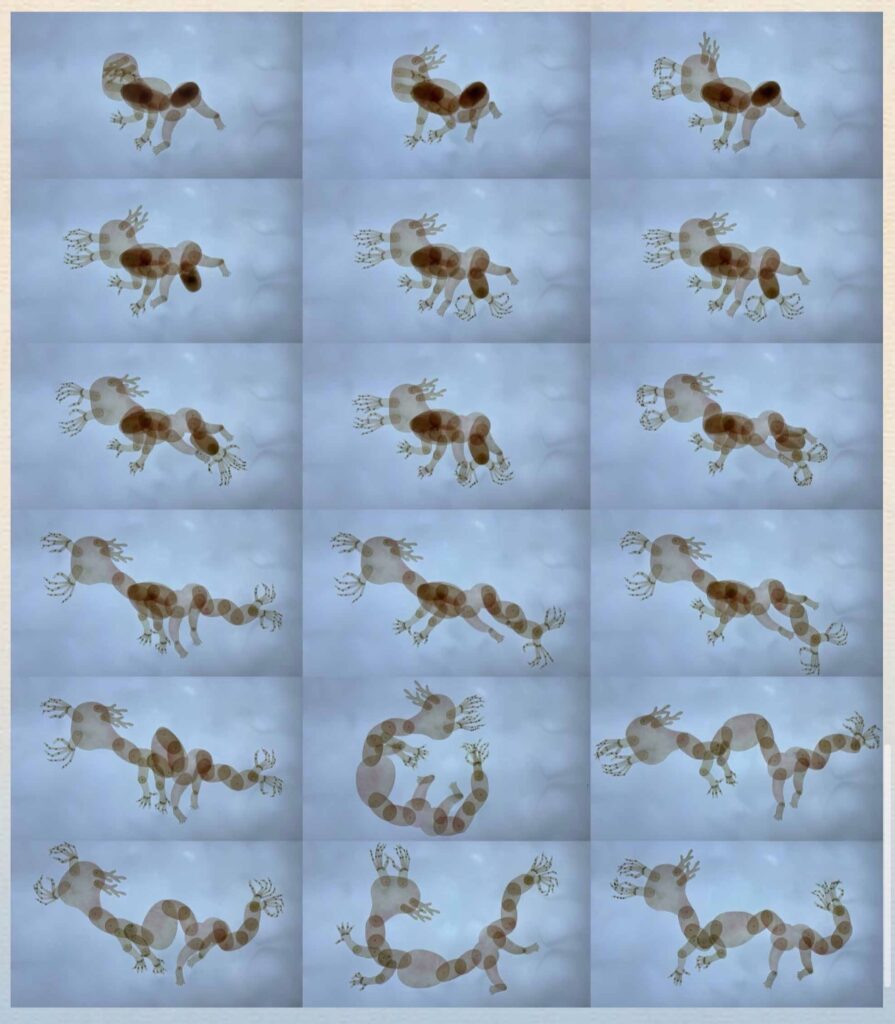
Another student shared a creation titled Metamorphosis, inspired by Kafka’s The Metamorphosis and the Chinese idiom “wish for one’s child to become a dragon.” Through a video produced in a style similar to Chinese shadow puppetry, it depicts how even before an embryo is born into this world, parents already place immense expectations and hopes upon it. The work reveals the structure of cultural identity and societal expectations. The dragon itself is a collage creature, its organs misplaced and reassembled through shadow play. This work integrates Chinese culture and folk art into its presentation, flattening the imagery and compressing animated figures into shadows. It demonstrates that traditional cultural forms are not inherently conservative; they can also serve as tools for critiquing culture and social structures.

Fig 4 :Work—Metamorphosis


References

Sherman, Cindy. Cindy Sherman: the complete untitled film stills. The Museum of Modern Art, 2003.


Week 4: Summerhall Exhibition Series: ‘CATALYST: Art as Activism’ – A Viewing Record

Exhibition Viewing—– CATALYST: Art as Activism

📍Gallery: Summer Hall

The works mainly present relevant social, political, and ecological issues to the audience through related artworks and spatial designs, rather than merely expressing emotions. Summer Hall places works by different artists on different themes in separate exhibition halls, each with its own unique spatial and lighting designs. The layout of each space is tailored to the theme, aligning with the emotions expressed by the different works. Some exhibition halls require quiet contemplation, while others demand a circular viewing route, incorporating the movement of the audience as part of the narrative, as if leading them into the stories behind the artists’ creations.

Thematic Keywords:

Ecological Crisis and the Status of Non-Human Life

The Emotional Topography of Migration and Exile

Material Destruction within Capitalist Structures

Body Politics, Gender and the Reconstruction of Identity

Future Visions and Collective Responsibility

The concept that the entire exhibition revolves around is that contemporary art not only represents reality but also serves as a force to intervene and change it. It emphasizes art as a sustainable social practice that enables us to question and think critically.


1.All Day, Waiting for Another Sun to Rise

Corner Gallery — Molly Wickett

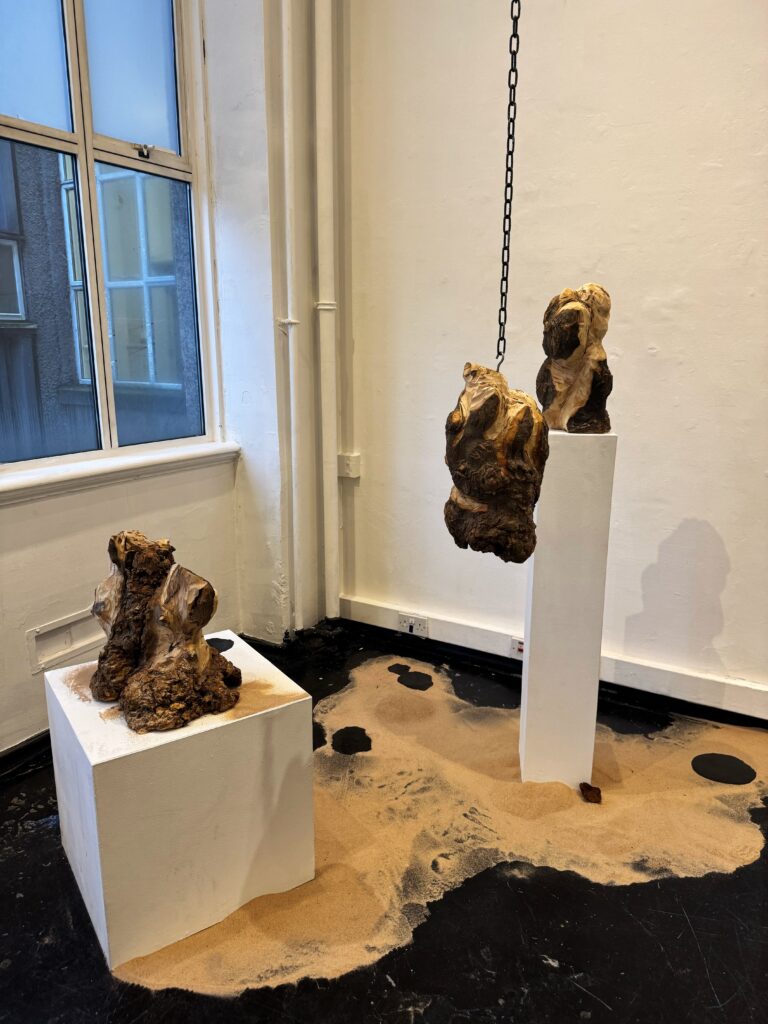
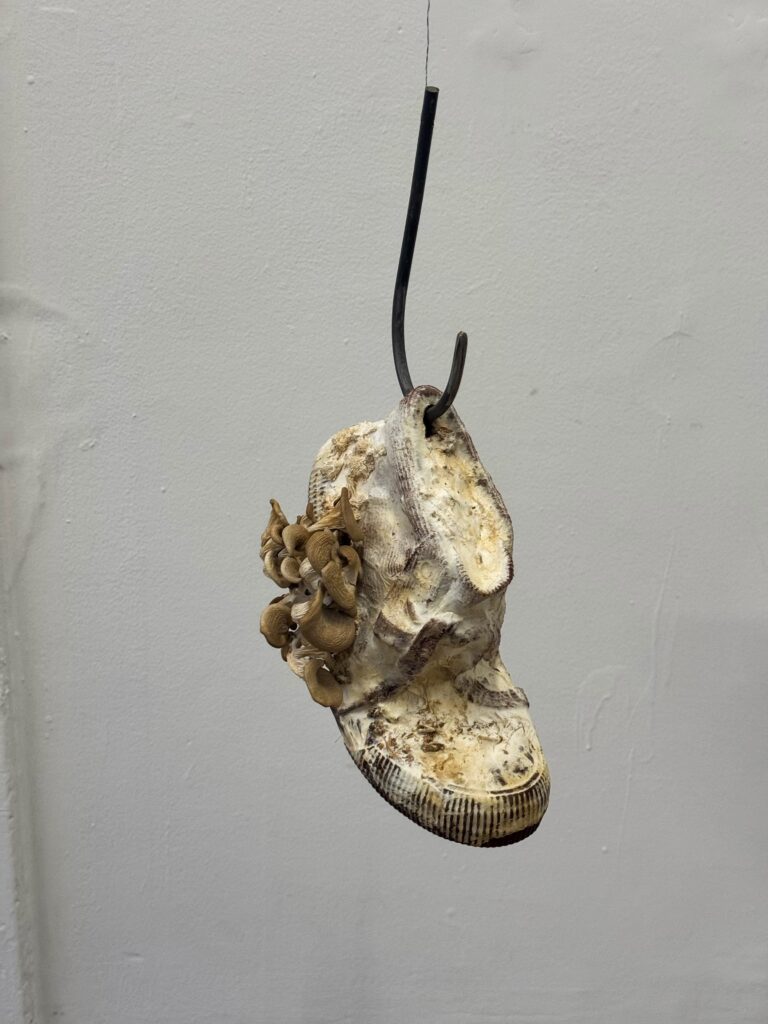
Centred upon a post-apocalyptic world, the exhibition reconstructs possibilities of loss and continuity through plastic and materials. Fallen trees and fungi upon dead wood conjure a dystopian future. These sculptures are not mere symbols of vanished objects, but rather transform the forest’s life cycle into a language of hope. Entering the gallery space is not a linear progression; visitors navigate between the sculptures, becoming immersed in the works themselves.

Link: All Day, Waiting For Another Sun to Rise

Fig 1 :Detail of the “All Day” artwork

Fig 2 :Detail of the “All Day” artwork

Fig 3 :Detail of the “All Day” artwork

2. A Heart in Exile

Lab Gallery — Taraneh Dana

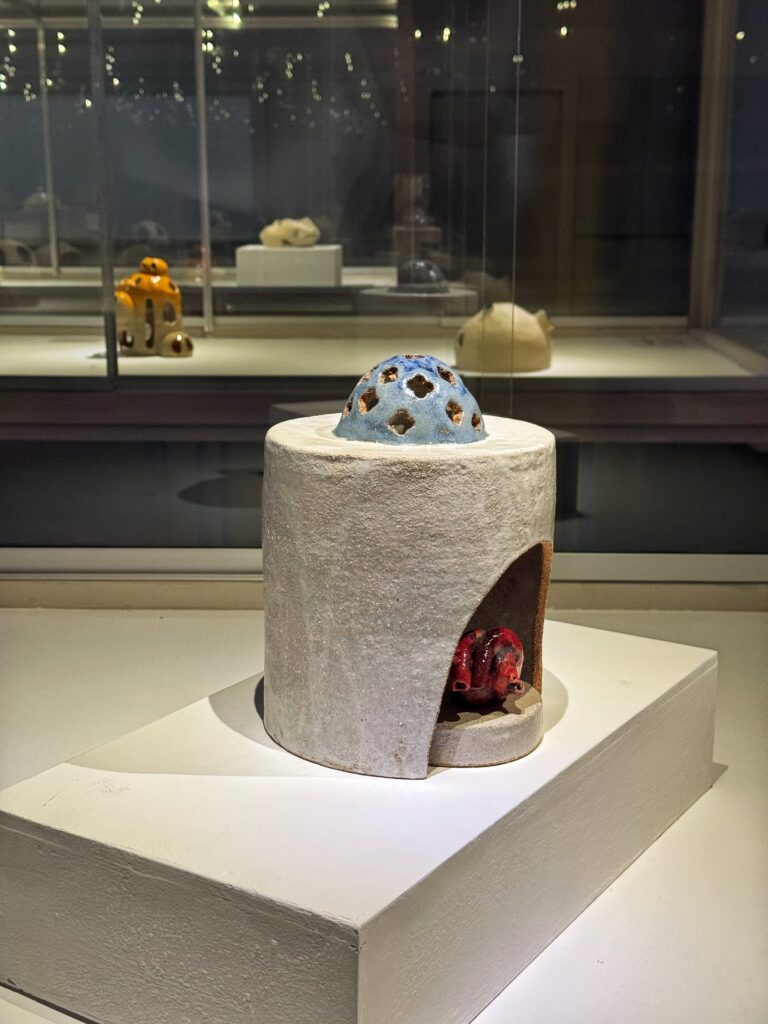
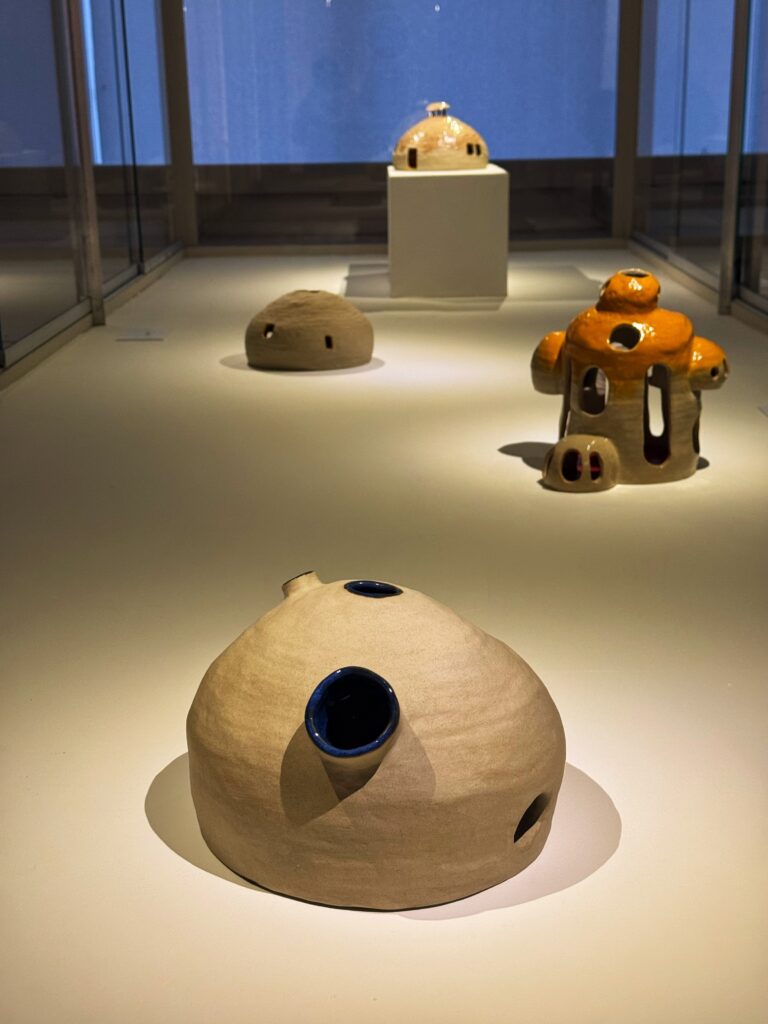
Through the artist’s personal experiences, the exhibition explores how displacement accumulates across emotional, memory and physical dimensions. This gallery serves as a quiet display space, with works spaced apart and arranged methodically, allowing visitors to linger and reflect.

Link: A Heart in Exile

Fig 4 :Works from “A Heart in Exile”

Fig 5 :Works from “A Heart in Exile

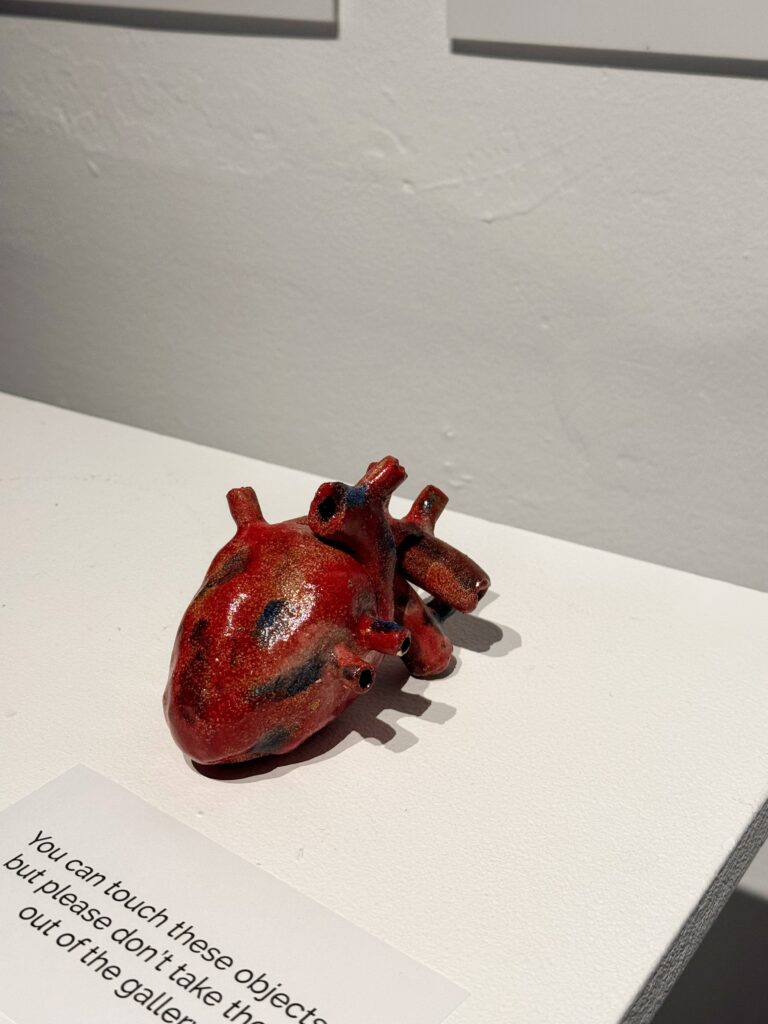
Fig 6 :Touchable model

3. Net Worthy

Sciennes Gallery — Eilidh Appletree

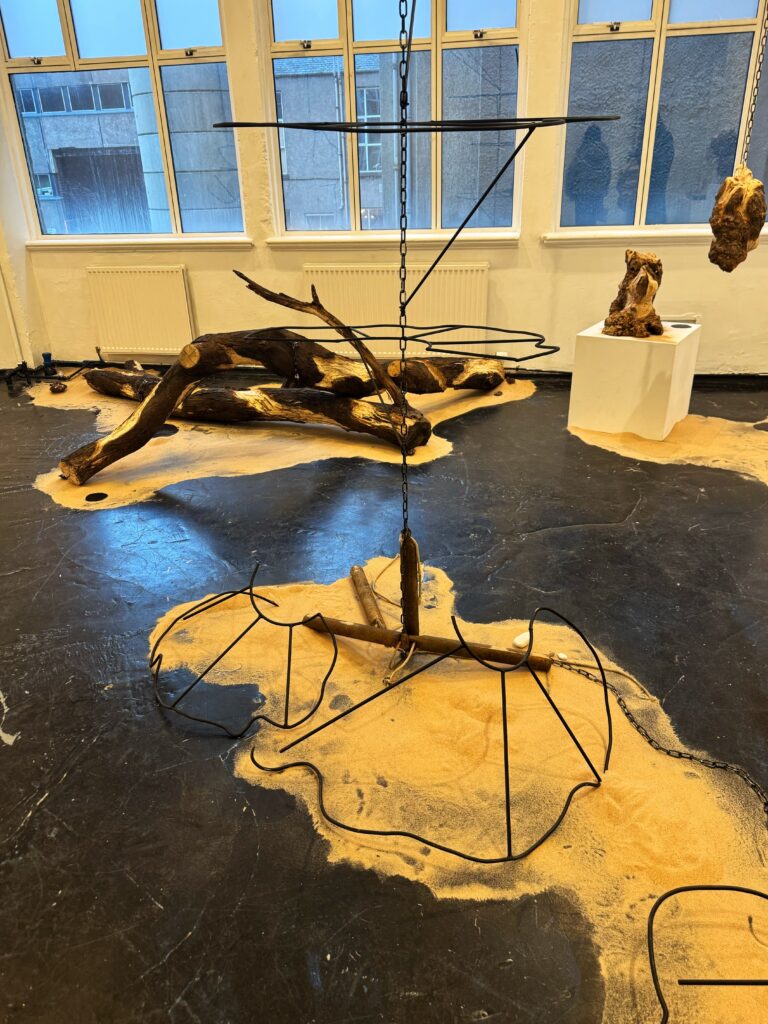
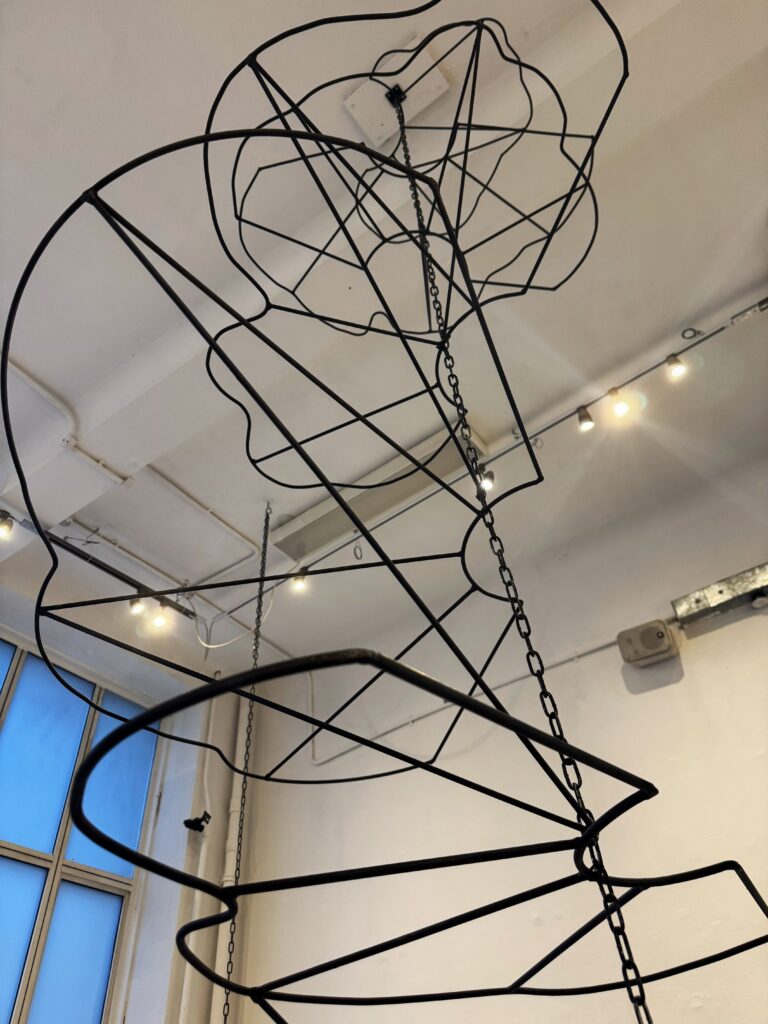
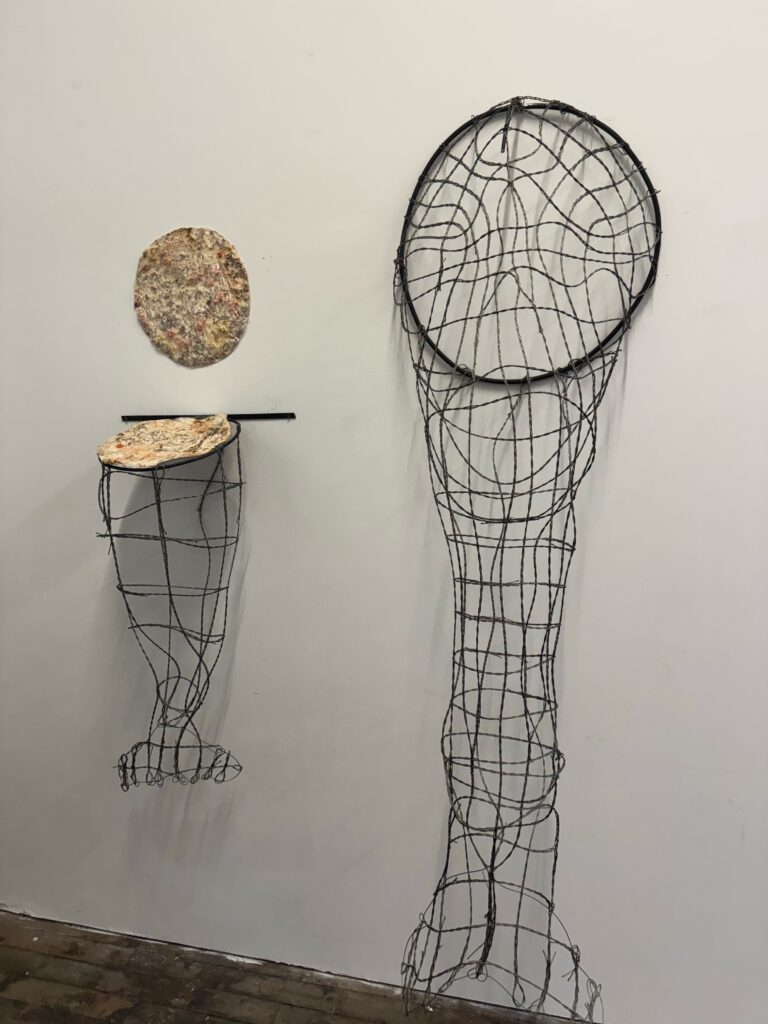
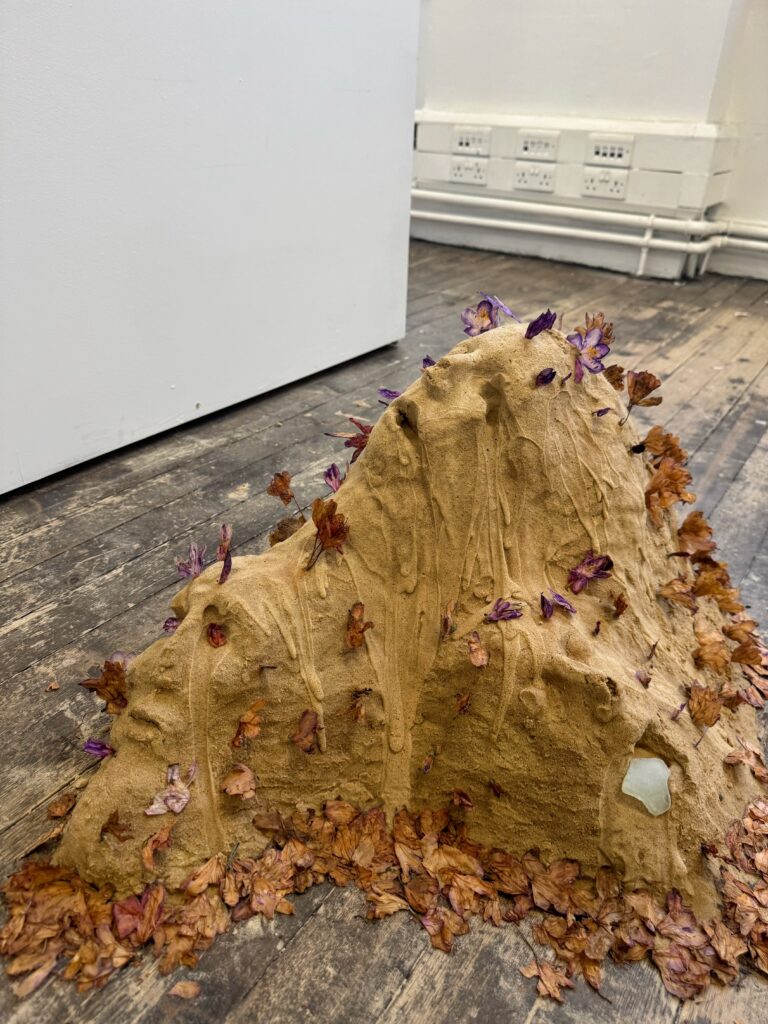
The work constructs a submerged underwater world, where materials such as steel mesh, metal components, sand, hair, and petals illustrate how capitalism endangers life on Earth, leading to species extinction and ecological collapse. It also emphasises the intertwined destinies of humans and non-human animals. Viewers can experience the visual tension evoked by the piece through an immersive, all-round viewing experience.

Link: Net Worthy

Fig 7 :Detail of the “Net Worthy” artwork

Fig 8 :Detail of the “Net Worthy” artwork

Fig 9 :Detail of the “Net Worthy” artwork

4. Any Body Home

War Memorial Gallery — Kasia Oleskiewicz

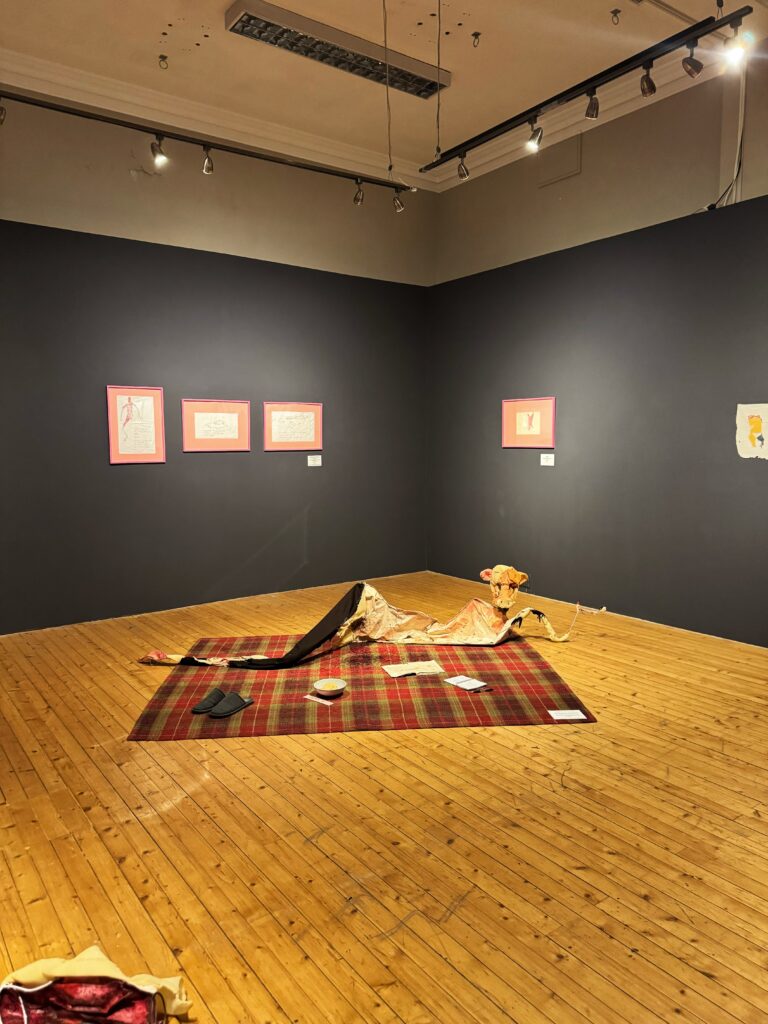
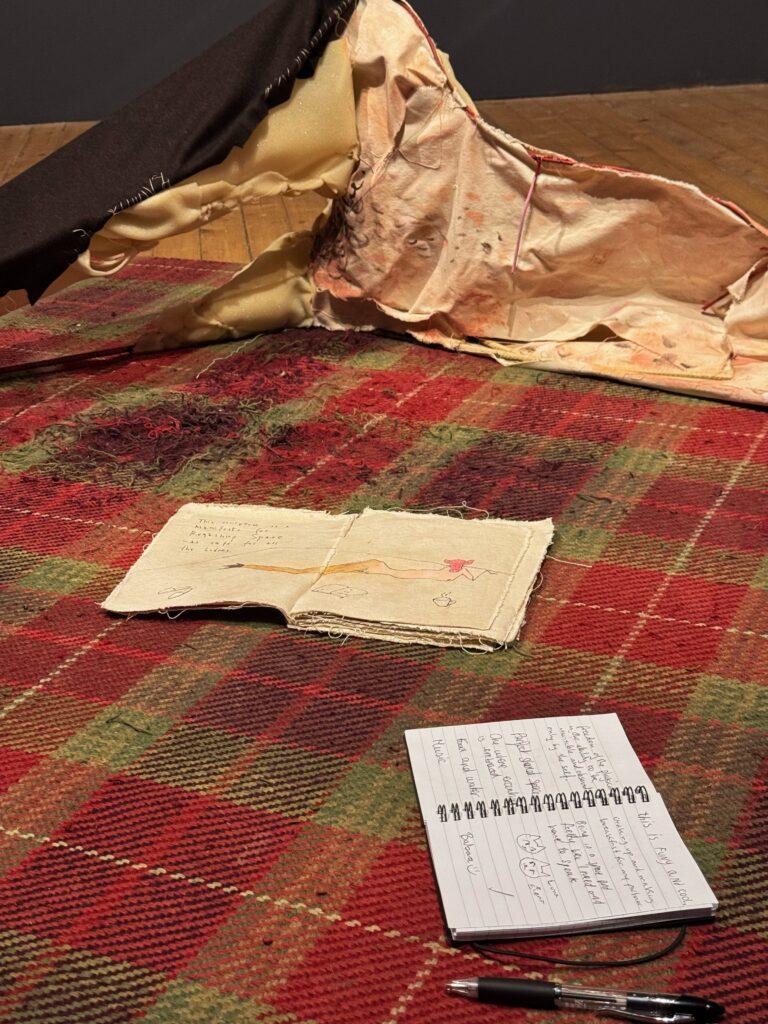
The works explore human and non-human communities, transcending boundaries of gender, species, and nationality to imagine an inclusive world of coexistence. Through an open layout and interactive elements, the exhibition space guides visitors to engage with and reflect upon their relationships with others.

Link: Any Body Home

Fig 10 :Detail of the “Any Body Home” artwork

Fig 11 :Detail of the “Any Body Home” artwork

Fig 12 :Detail of the “Any Body Home” artwork

Exhibition Insights:

The exhibited works do not provide clear answers to the audience; instead, they stimulate the audience to reflect and interpret through spatial organization and artistic materials. This open expression style is no longer the artist’s one-sided transmission and output; the audience can perceive the meaning that the works intend to convey through their own standing, observing, and participation. As Claire Bishop pointed out: “In its purest form, participation involves a rethinking of the relationship between the artist, the work of art, and the audience(Bishop,2023).”The audience is no longer passive; instead, they become an important part of the meaning construction together with the artist.
The spatial layout of each gallery in Summer Hall conforms to the thematic intention of the works. Some spaces have a large amount of blank background, inviting the audience to stay and meditate, while others adopt non-linear and irregular paths to encourage visitors to move among the exhibits, viewing their movements as part of the narrative and exploring the art works.
Kester mentioned in the article: “The understanding is that the viewer lacks a sufficiently critical and reflective understanding of the world, while the artist possesses exemplary critical awareness, from which the viewer can gain inspiration and guidance(Kester,2013).” In this exhibition, the audience not only participates in the construction of meaning, making the viewing “embodied”, but also is subtly guided by the artist’s set context, thereby reflecting on and obtaining inspiration for previously unattended issues, and regarding the exhibition experience as a dynamic thinking process.


Online Group Meeting:

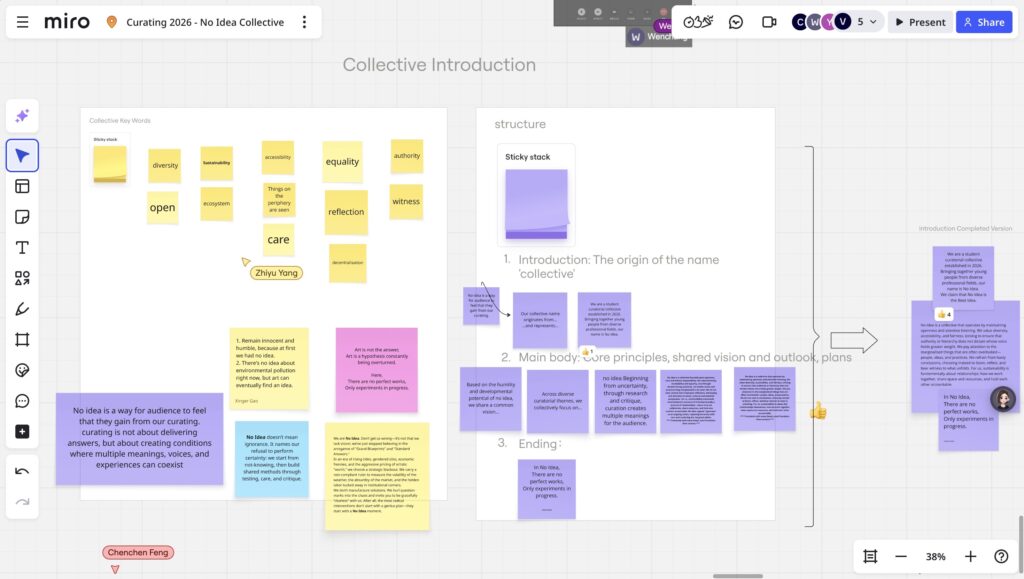
Online group meeting: Exchange and discuss the ten declarations of the group, select key words and key sentences to expand the content of the declarations, group members brainstorm and present their own written declarations, and finally select ten declarations through voting; the group meeting discusses the framework of the group introduction together, write the origin, principles, vision, etc. of the group name, and finally build a complete group profile.

Fig 13 :Group Brainstorming Meeting Minutes

References

Bishop, Claire. Artificial hells: Participatory art and the politics of spectatorship. Verso books, 2023.

Kester, Grant H. Conversation pieces: Community and communication in modern art. Univ of California Press, 2013.


Week 3 : Children’s Rights Exhibition Log and Course Reflection

Exhibition Viewing: The Children Are Now

📍Gallery: Talbot Rice Gallery

This is an exhibition about “childism”, calling on people to seek ways to grant children rights and to reconsider the role of children in shaping our world.

Link:The Children are Now

Exhibition layout:

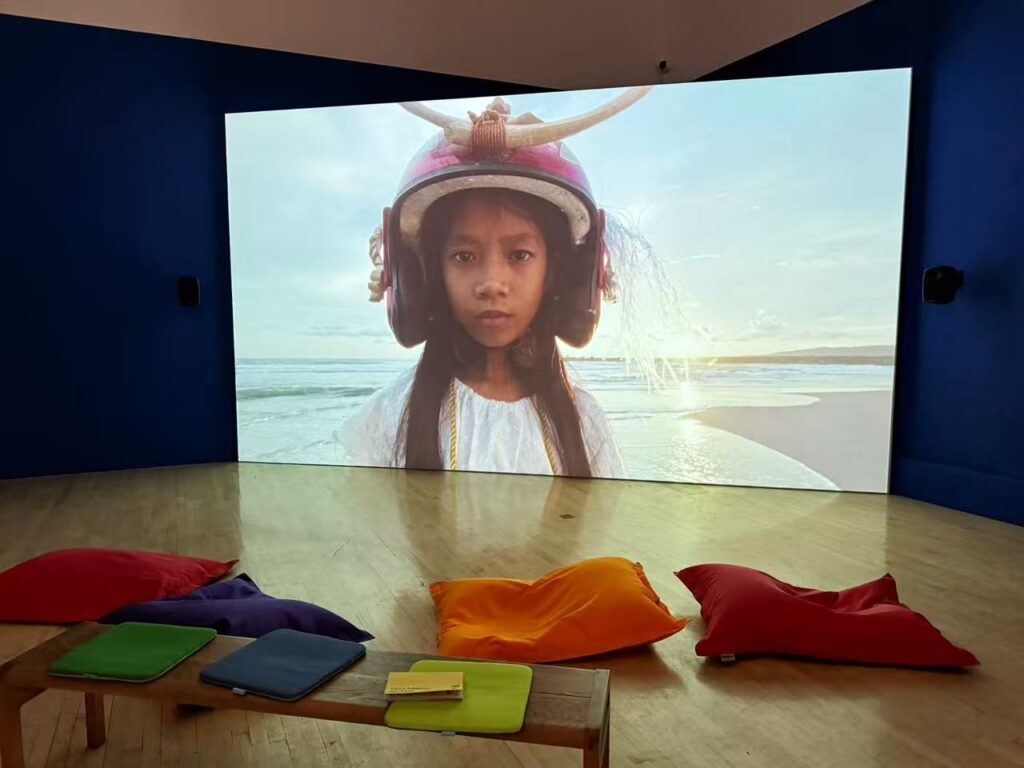
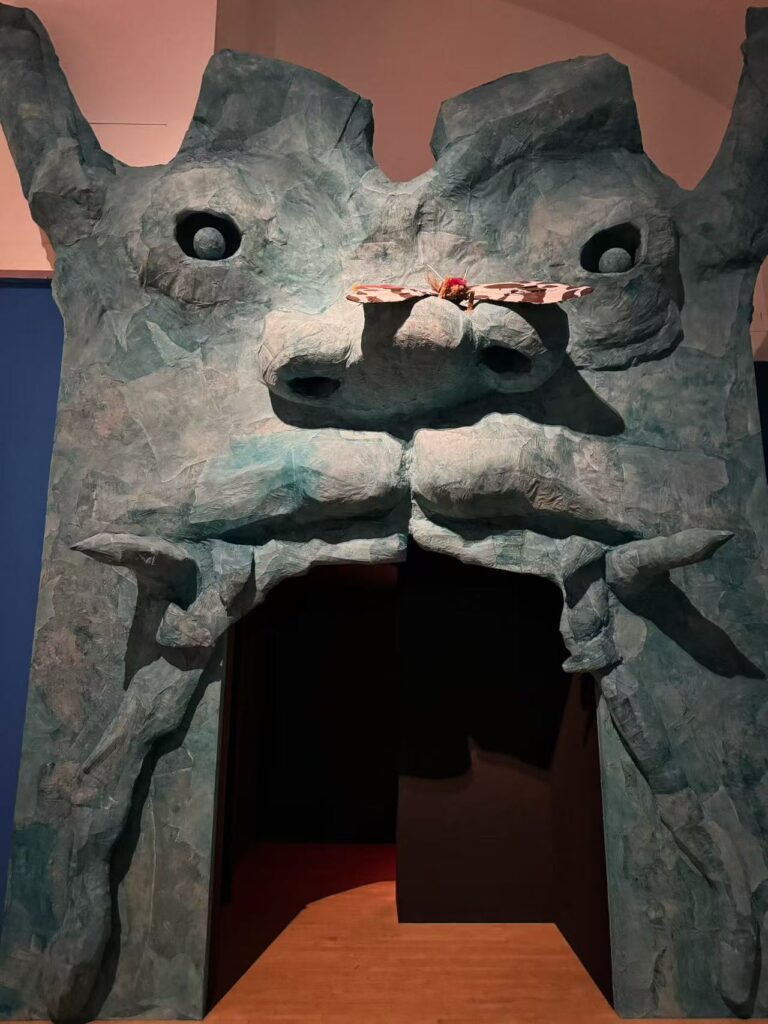
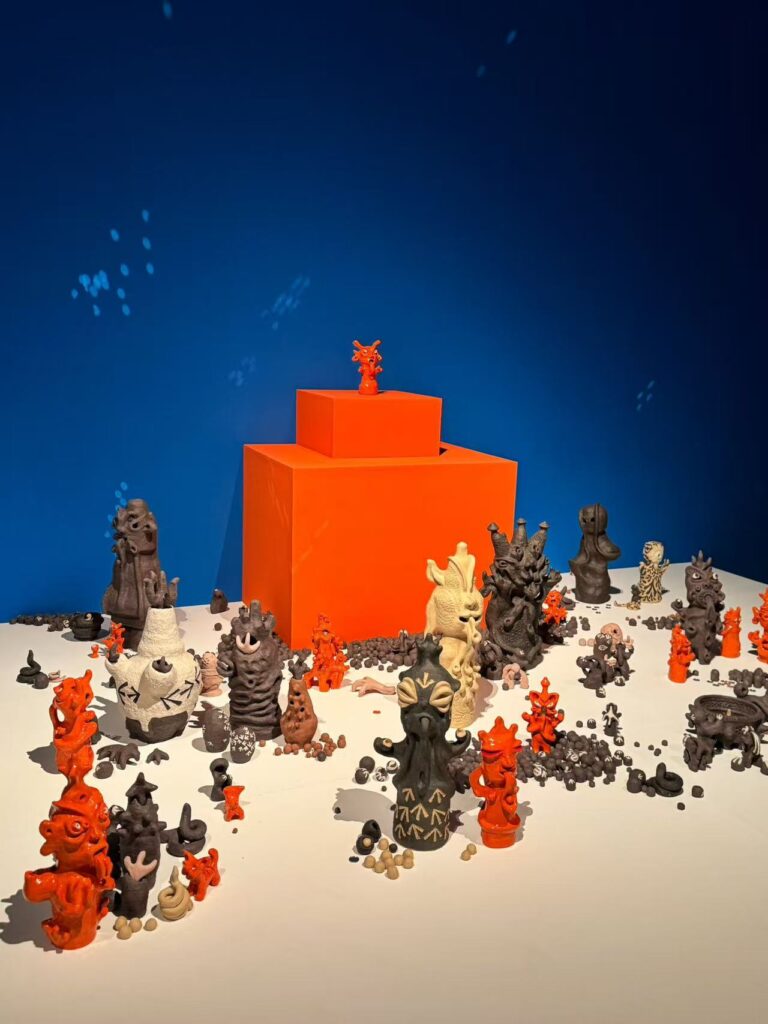
First exhibition area: On the first floor of the entrance hall, The Boat People is screened, telling the story of five children who are the last survivors on Earth. They develop a ritual of replicating the items they find with wood, burning them and scattering the ashes into the sea. Large-scale art models and paintings are also displayed, such as Hell Mouth 5 and Vomit Girl, etc.

Fig 1 :Film—The Boat People(2020)

Fig 2 :Hell Mouth 5(2025)

Fig 3 :Vomit Girl:Grounding(2025)

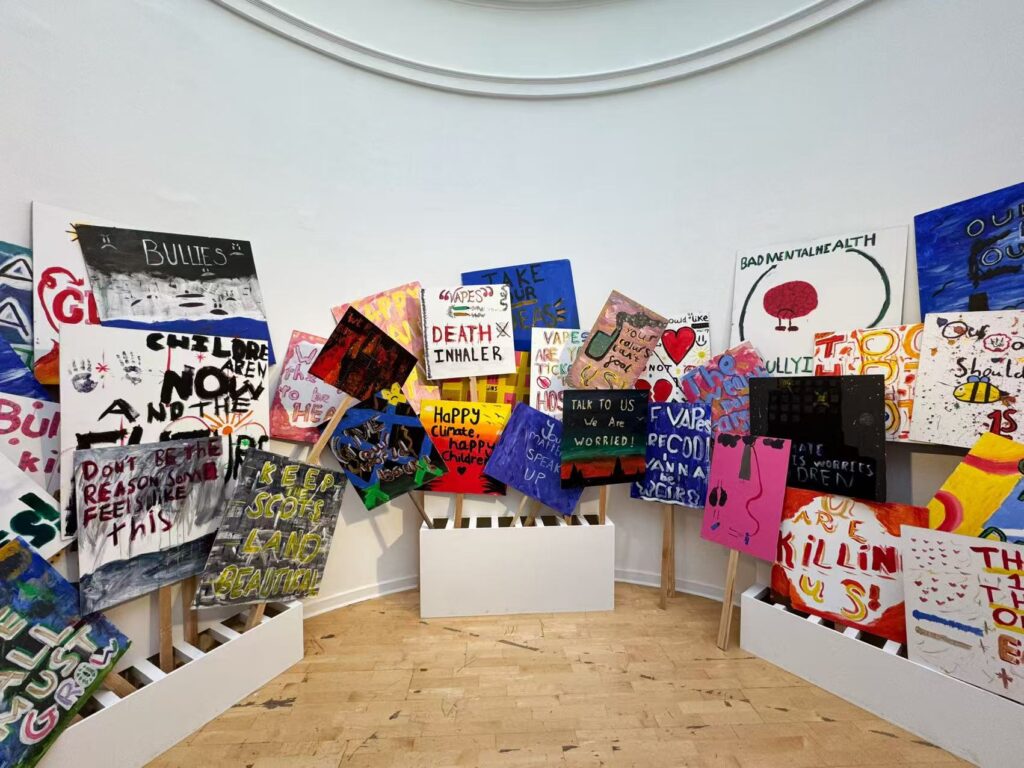
Second exhibition area: On the second floor, there are two viewing areas. For example, the documentary “Freedom Needs Free People” captures and records children’s rebellious behaviors, making children no longer the objects of description but first-person narrators expressing their views on the world. It shows that children are independent individuals. Through filming, it provides a platform to expose the issues he has noticed. There are also related art installations and the display of 38 slogan boards from child rights defenders, etc.

Fig 4 :38 placards, acrylic paint, white emulsion on wooden boards(2025)

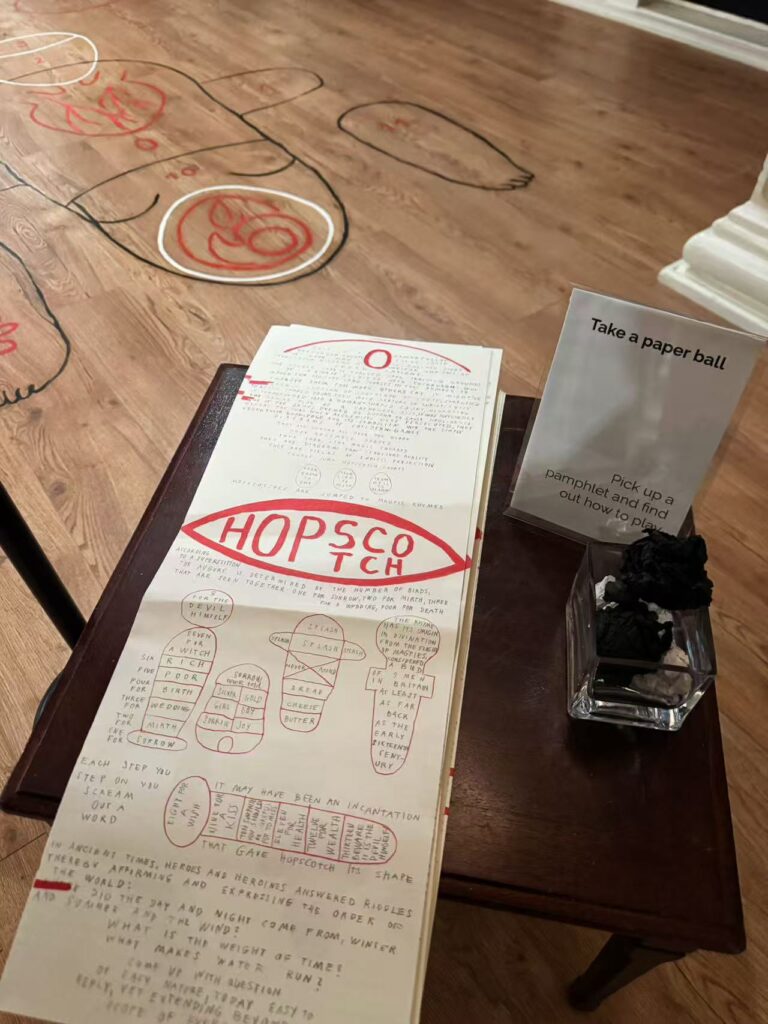
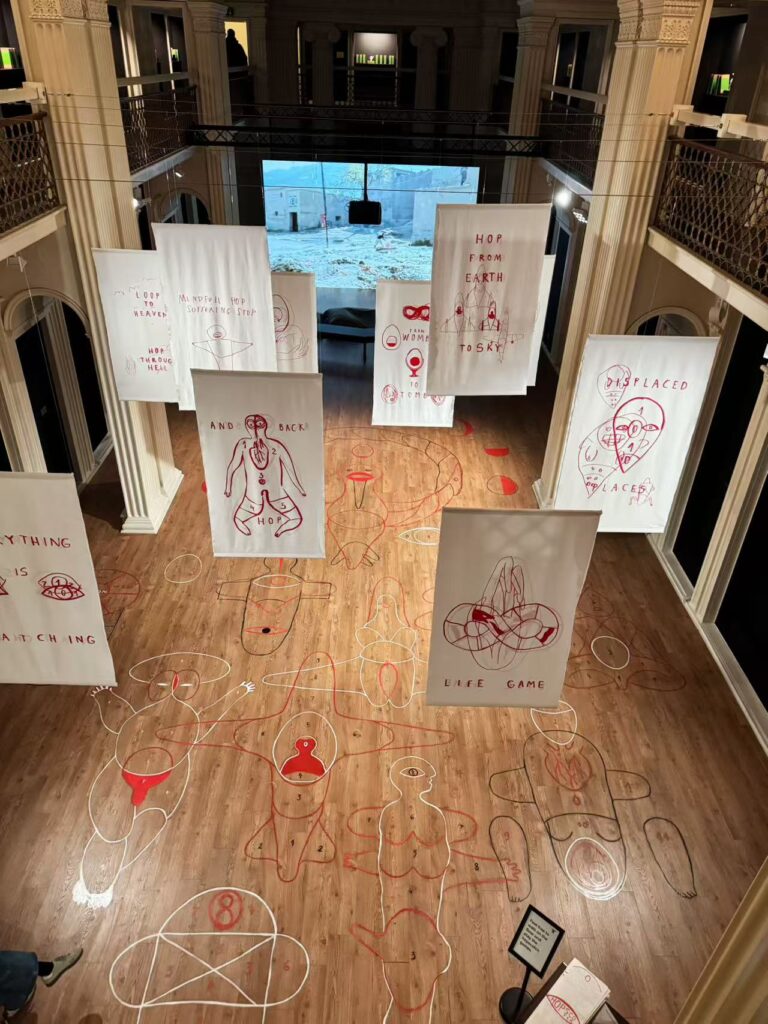
Third exhibition area: By going down the stairs to the first floor, there is a viewing hall and an interactive space for the audience. People entering the exhibition area can practice the “hopscotch” game with the posters and props provided at the entrance, emphasizing co-creation and experience. It enables the audience to enter children’s games and transform from viewers to participants.

Fig 5 :First-floor audience interactive gaming area

Fig 6 :hopscotch(2025)

Key Learnings from the Exhibition:

The exhibition constructs a viewing mechanism through the arrangement of the exhibited works, guiding visitors’ inner thoughts and states through the order of presentation. This method effectively amplifies the resonance impact of the theme.
The audience, previously conceived as a ‘viewer’ or ‘beholder’, is now repositioned as a co-producer or participant (Bishop, 2023). The exhibition establishes a participatory interactive space, transforming the audience into active participants. This method goes beyond mere entertainment; it immerses the audience in the perception and action patterns of children. This interactive method can be integrated into personal future curatorial practices.
The exhibition centers on children and advocates for recognizing their agency. It is not speaking for children, but creating conditions for them to speak for themselves, enabling the audience to learn to listen. This approach provides insights into a more dispersed and reflective curatorial method for future exhibitions dealing with related social issues. The artist is conceived less as an individual producer of discrete objects than as a collaborator and producer of situations (Bishop, 2023). Curating not only focuses on the presentation of artworks but also on the generation of social meaning and the potential for broader social impact. In this sense, the artist is no longer positioned as an autonomous individual producer, but as a collaborator embedded in a specific environment, jointly creating meaning with the audience.

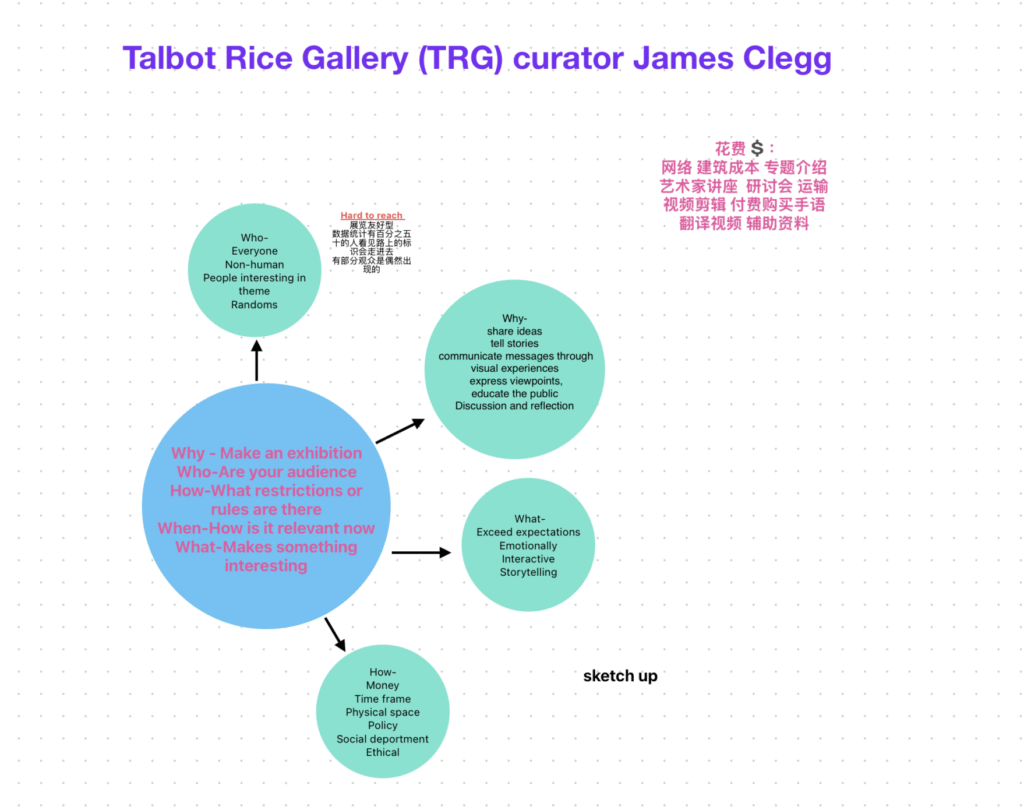
Course Reflection:Questions to consider when curating

Why – Make an exhibition
Who-Are your audience
How-What restrictions or rules are there
When-How is it relevant now
What-Makes something interesting

Fig 7 :Screenshot of class notes

References

Bishop, Claire. Artificial hells: Participatory art and the politics of spectatorship. Verso books, 2023.


Week 2: Course Reflection and Exhibition Experience

Exhibition Experience: Jaune Quick-to-See Smith 

📍Gallery: Fruitmarket

American Native artist, activist, educator, and curator

Her primary motivation for each new work of art is to communicate an idea, a philosophy, or a history lesson. She is compelled to insert her viewpoint into the racialized discourse of American history and to demonstrate how it is important to the contemporary moment. Each work of art offers the viewer an active role as an interpreter reimagining history from her perspective (Kastner, 2013).

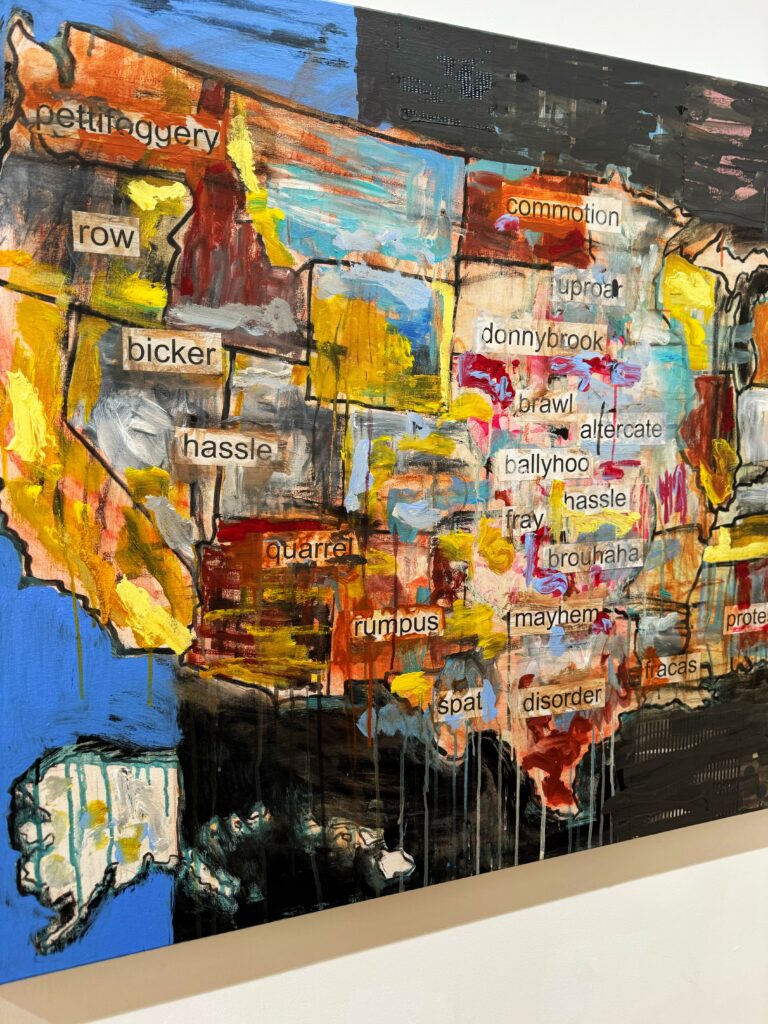
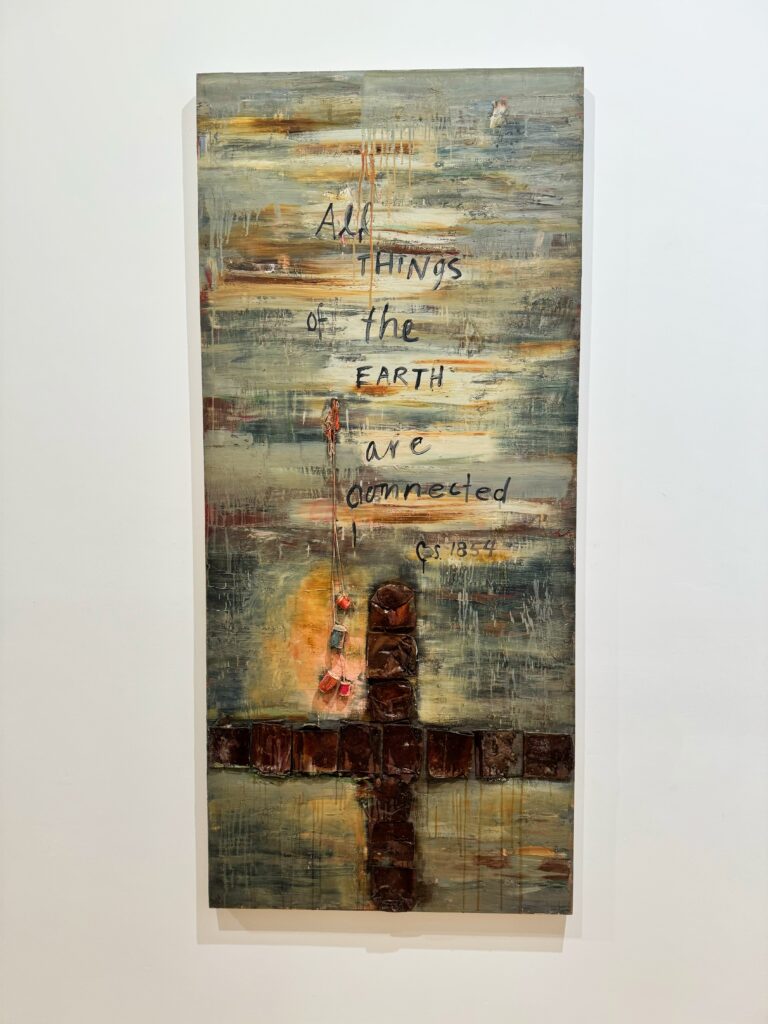
This exhibition marks the first time her works have been shown in Scotland, aiming to explore the history and politics of land management, with a focus on her criticism of colonial history and land appropriation. On display are her paintings and large-scale canoe sculptures. She often incorporates newspapers, commercial symbols, and advertisements into her paintings, making her works not only visual art but also political statements.

Link: Jaune Quick-to-See Smith Wilding


Fruit Market’s “Wilding” exhibition layout:

Divided into two main exhibition floors:

First floor:

The entrance provides exhibition catalogues and background information on the related works.
A large number of works on display are collages and large paintings of the American map series, exploring topics related to land and colonization.

Fig 1 :Artwork Display on the First Floor

Fig 2 :Artwork Display on the First Floor

Second floor:

A canoe installation filled with animals is suspended above the central staircase, visually connecting the two floors. It not only saves floor space but also has a “leading line” visual effect.
Large-scale figure paintings and animal images are displayed, which are more delicate and spiritual.
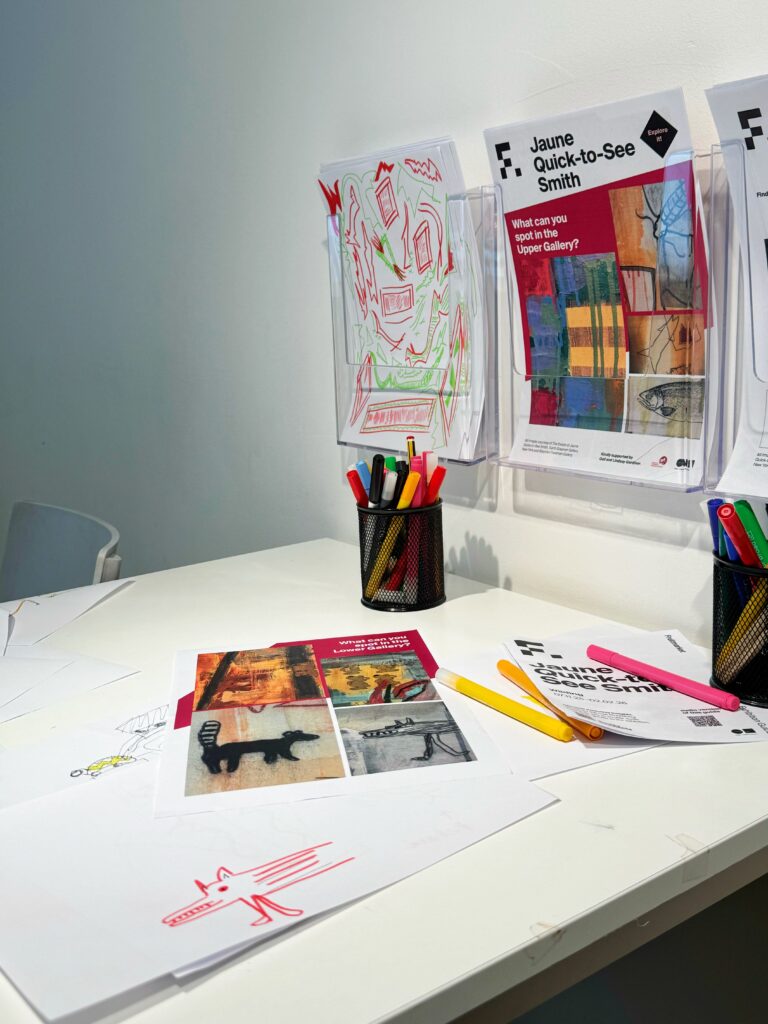
In the public area on the second floor, a video of the artist’s son talking about the works and Smith is provided to enhance visitors’ understanding of the artist. Next to the viewing area, there are a reading area and a drawing area to enhance visitor interaction.As Smith suggests, contemporary curating often integrates multiple forms of mediation(Smith, 2017).

Fig 3 :Second-floor audience interaction area

Fig 4 :All My Relations(2025)

Fig 5 :Trade Canoe: Turtle Island(2024-25)

The design of exhibition spaces is not merely about displaying works, but about structuring visitor movement to create an immersive narrative experience, which aligns with museum theory emphasizing spatial storytelling. As Eilean Hooper-Greenhill suggests, museums are no longer neutral spaces for passive viewing, but places where meaning is actively constructed through the arrangement of objects and the experience of visitors. She argues that “meaning is not transmitted but constructed” through interpretive strategies (Hooper-Greenhill, 2020), highlighting the importance of spatial design in shaping how audiences engage with exhibitions.


Course Reflection: As a form of collective thinking and working

Advantages:

More diverse expertise and perspectives:
Collective work brings together people from different professional backgrounds, allowing them to share ideas and generate a wider range of perspectives.

Sharing the workload:
Tasks can be divided among members, which reduces individual pressure and helps save time.

Promotes learning:
Members can learn from one another, increase motivation, and use others’ strengths to make up for their own weaknesses.

Disadvantages:

Conflicts are more likely to occur:
Differences in opinions and a lack of communication can easily lead to conflicts.

Unequal distribution of responsibility:
Some members may contribute more work than others, which can create a sense of unfairness.

Overconsidering others’ opinions:
During group discussions, individuals may compromise too much in order to consider others’ ideas, which can weaken their own voice.

References

Kastner, Carolyn. Jaune Quick-to-See Smith: An American Modernist. UNM Press, 2013.

Smith, Terry. “Mapping the Contexts of Contemporary Curating: The Visual Arts Exhibitionary Complex.” Journal of curatorial studies 6, no. 2 (2017): 170-180.

Hooper-Greenhill, Eilean. Museums and the interpretation of visual culture. Routledge, 2020


Project Book

Vivien Jiang

Week 1: Curatorial Concept: Female Anxiety in Contemporary Photograph

Curatorial Concept: Female Anxiety in Contemporary Photography

From a feminist perspective, this explores the predicaments contemporary women face under social pressure. Through photographic works, it presents women’s anxiety and unease, their resistance to social expectations, and how they seek self-identity in the interplay of gazing and being gazed at. It aims to break the stereotypes society holds about women and discuss how to express emotions through artistic creation, provoking social reflection and resonance. It records, reveals and resists those intangible pressures and anxieties through visual forms.

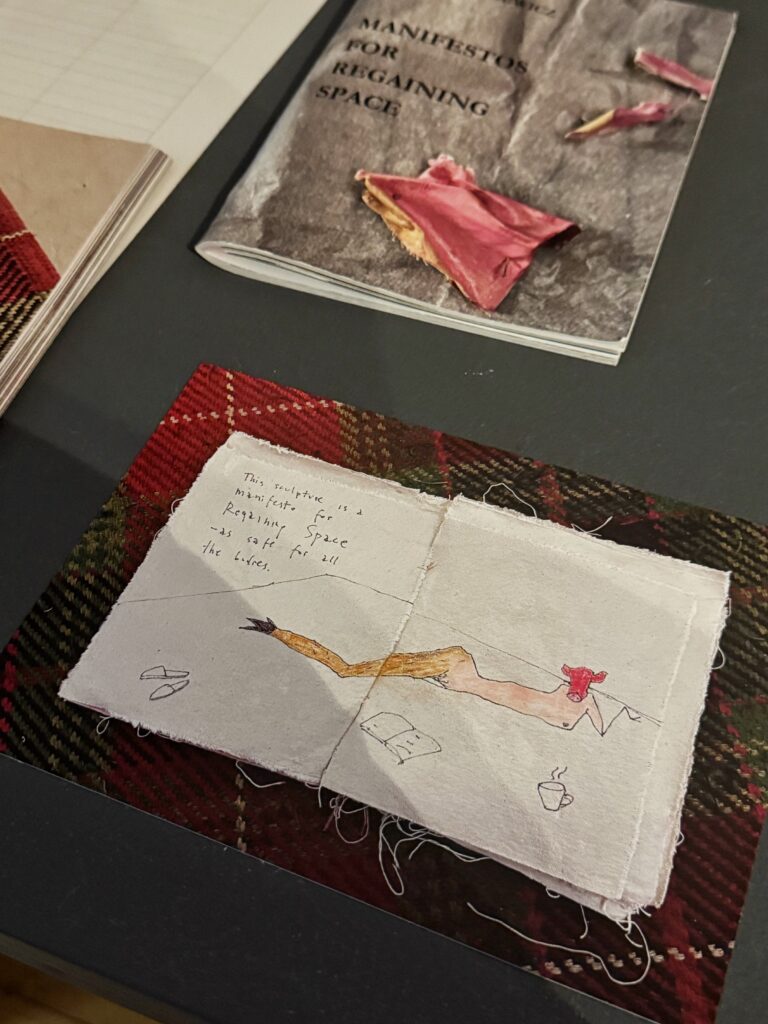
Micro-Curating argues the concept of “micro-curating” SVAOs, typically long-term, ongoing non-profit small-scale art institutions.Such institutions are typically embedded within everyday urban life rather than relying on traditional exhibition spaces, thereby redefining the relationship between art and the public (Bilbao Yarto, 2018). They emphasise decentralised, flexible and participatory curation, focusing on long-neglected issues. Through micro-curating, women’s persistent anxieties are continuously and closely visible to the public, creating interactive spaces where audiences can engage in discussion and creation.

On Curating argues that the curator acts as a mediator between the artist, the artwork, and the public (Thea, 2009) ; similarly, exhibitions are not containers for artworks but spaces where meaning is reproduced. Exhibitions possess artistic interactivity and participatory qualities, enabling social and cultural discussions while connecting exhibitions to urban life and local communities. Curators no longer speak solely for women but create conditions for a ‘multivocal’ space through exhibitions, making invisible female pressures and anxieties visible.

Complex Constellations explores and redefines the concepts of “centre” and “margins” within contemporary art curation, challenging fixed notions. This curatorial project regards female anxiety as a constellation of states shaped by interwoven social, cultural and visual mechanisms. The project adopts “multiple viewpoints rather than a single narrative,” presenting complexity through a multifocal structure (Kolb et al., 2019). Challenging traditional art world hegemony, it seeks to excavate marginalised female issues and artists.

Why choose photographic works:

As a medium highly dependent on viewing behavior, photography has an inherent connection with the gender power structure. Women’s anxiety often stems from being stared at and being defined by society. Photography is both a part of the problem and can also serve as a mechanism for reflection. Moreover, women’s anxiety rarely manifests as a single “event”, but exists through repetition, mundanity, and persistence. Photography has the ability to capture these overlooked moments and, through artistic works, enables us to recognize the universality of these issues, thereby making those intangible social norms concrete.

Selection of Works:

Select representative works by female photographers, or works by male photographers addressing women’s issues.The works should demonstrate depth and diversity, encompassing women of varying ages, ethnicities, and cultural backgrounds, thereby provoking reflection and resonance with the audience.

References

Bilbao Yarto, Ana Edurne. Micro-Curating:The Role of SVAOs (Small Visual Arts Organisations) in the History of Exhibition-Making. December 30, 2018.

Thea, Carolee, and Thomas Micchelli. On Curating : Interviews with Ten International Curators. First edition. New York, N.Y: D.A.P./Distributed Art Publishers, 2009.

Kolb, Ronald, Ella Krivanek, Camille Regli, and Dorothee Richter. “Centres  Peripheries–Complex Constellations.” (2019).