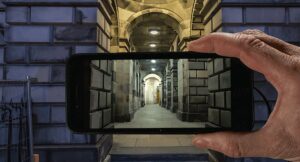
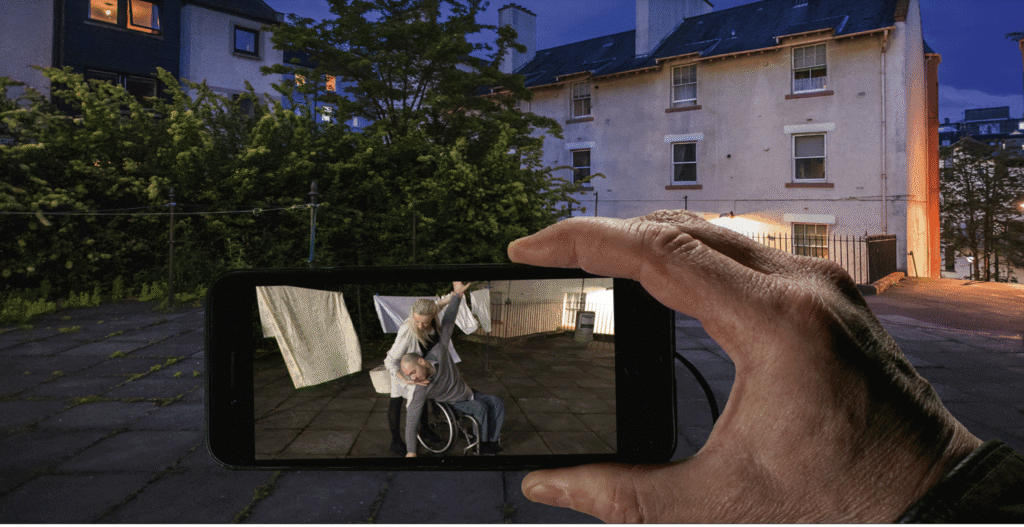
Critical Reflection

1. Introduction

My SICP project “Invisible Load: The Boundary Between Gazing and Being Gazed Upon” not only presents women’s invisible experiences within the exhibition but also uses the exhibition as a mechanism of visibility to critically engage with these issues. My approach centers on a female perspective, using various media forms and public programs to explore the power relationships of “gazing and being gazed upon,” thereby visually bringing the curatorial process into the public eye. The exhibition is a dynamic field of perception, adopting a “multi-narrative, non-linear” structure to present themes from multiple dimensions—including labor, the gaze, and anxiety—while transforming individual experiences into public discussions. This approach enhances the dissemination and advocacy surrounding women’s hidden pressures and anxieties.

Critical reflection unfolds across three levels: individual curation, collective curation, and peer review. First, I analyze the process of my individual curatorial project, from the initial identification of themes to the final proposal, refining the project through continuous adjustments based on course learning, relevant readings, and exhibition-viewing experiences. The second section shifts to the collective curatorial project, discussing the challenges and gains arising from collaboration mechanisms among group members, division of labor, and curatorial space practices. The third section combines peer review to evaluate my own gains and shortcomings in curatorial practice, while also considering future prospects.

2. Reflections on the Individual Curatorial Project “Invisible Load”

2.1 Insights from Course Content and Reading:

From the beginning of the course, I gained a deeper understanding of the concepts of curation and curators. Curation is not merely about selecting and presenting works; it is more importantly about using art to discuss “neglected” issues, which is interactive and communicative in nature. For instance, curator Mary Jane Jacob focused on female artists. Her curatorial projects were not providing entertainment for capitalist cities, but rather a call and dissemination, expressing aesthetic and intellectual expressions (Thea,2009). This gradually led me to establish a curatorial direction with “invisible” and “marginalized” as the entry points – the theme of female anxiety, exploring the marginalized issues of women. This approach echoes what Gini Lee mentioned, that “curating is not just about the objects to be displayed, but also about the ‘care’ of overlooked history and experiences (Lee,2007)”. It also led me to shift from simply presenting the “invisibility” to thinking about how invisibility is constructed.

In terms of the choice of media, I initially selected the form of photography. By reading and viewing the artworks of relevant female photographers, such as Cindy Sherman’s “Untitled Film Still” series (Sherman,2003), revealing the process of gender construction and triggering the audience’s reflection. However, during discussions with Contemporary Art Practice students in the course, I realized the limitations of static images. Art installations and images can demonstrate the continuity of time and spatiality, providing a more immersive experience for the audience. Therefore, I shifted the curatorial approach from a single medium to a multi-medium structure. In Week 9 of the course, I explored Disability Arts Online’s online gallery. Through browsing the web, I learned the importance of accessibility in curating. In my project, I introduced easy read and audio guide, which can provide a clearer and more direct understanding of the specific content of the exhibition.
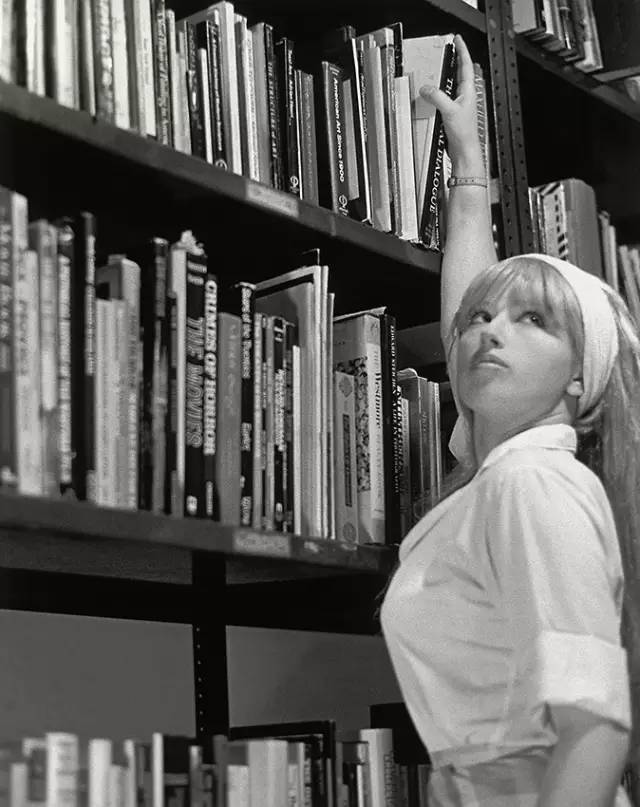
Fig 1 : Photograph from Cindy Sherman’s “Untitled Film Stills” series
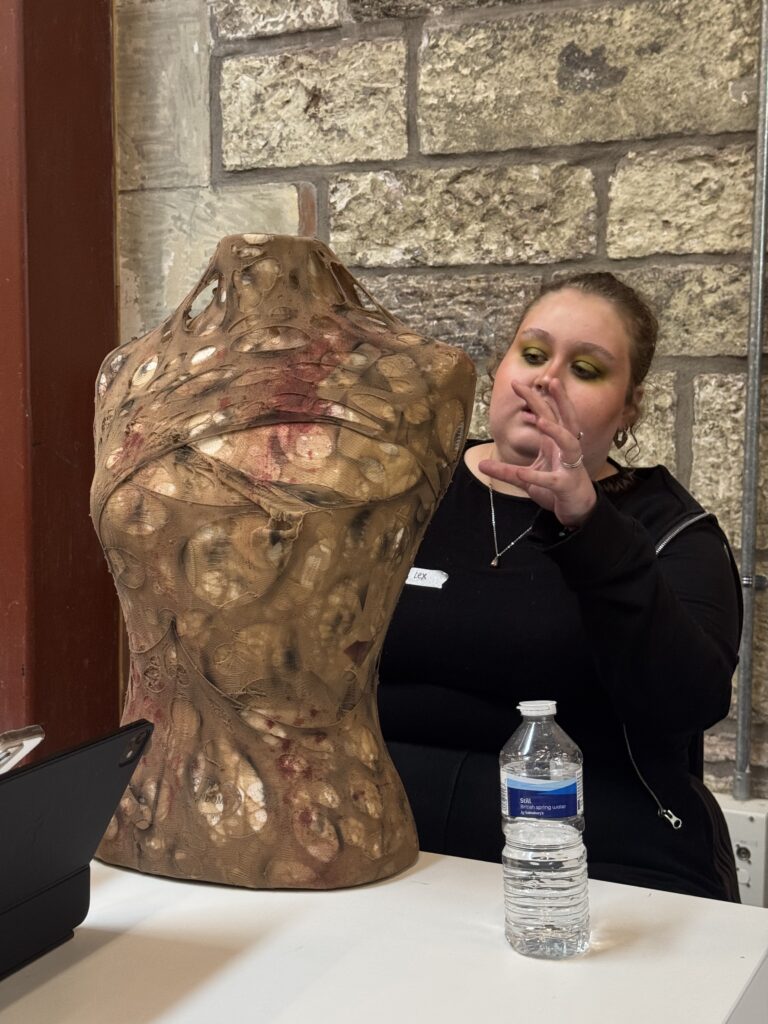
Fig 2 : Students in the Contemporary Art Practice major shared and exchanged ideas about their artworks.

2.2 Curatorial Reflections Inspired by the Experience of Viewing Exhibitions

During multiple on-site exhibitions, I realized that curating cannot solely rely on conceptual learning; observation and practice are also crucial. During the exhibitions at Fruit Market and Talbot Rice Gallery, it was observed that exhibition spaces would have some interactive areas for the audience: For instance, on the second floor of Fruit Market, the film viewing area was equipped with painting area, allowing the audience to create based on their own exhibition experience, and further extending the audience’s participation methods through small games (finding visual elements in the works) and artist art exchange meetings; in the third exhibition hall of Talbot Rice Gallery, the audience was involved in the exhibition through hopscotch games, and exchanging postcards for souvenirs, integrating the audience’s physical actions and emotional expressions into the exhibition structure.This realization influenced my SICP project, setting up interactive message areas and artist workshops, including the audience in the process of meaning production, transforming the audience from “viewers” to “participants”, and through this interactive method, reshaping the process of meaning production between the audience and the exhibition (Bishop,2012).
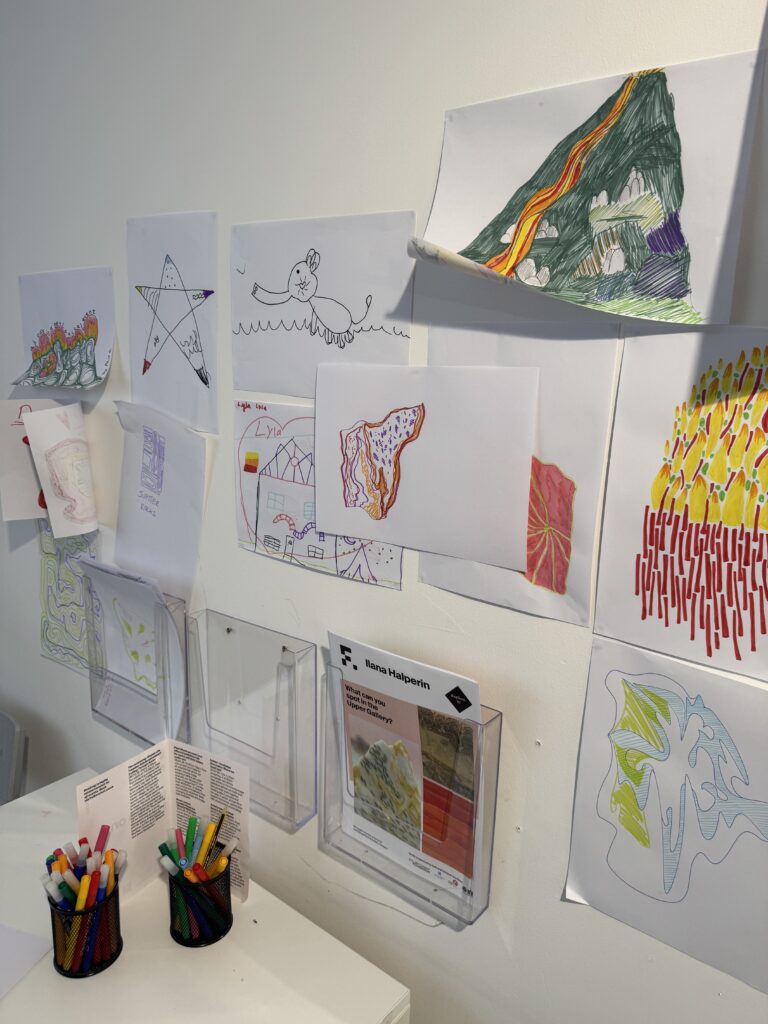
Fig 3 : Painting by a Viewer on the Second Floor of the Fruit Market Gallery
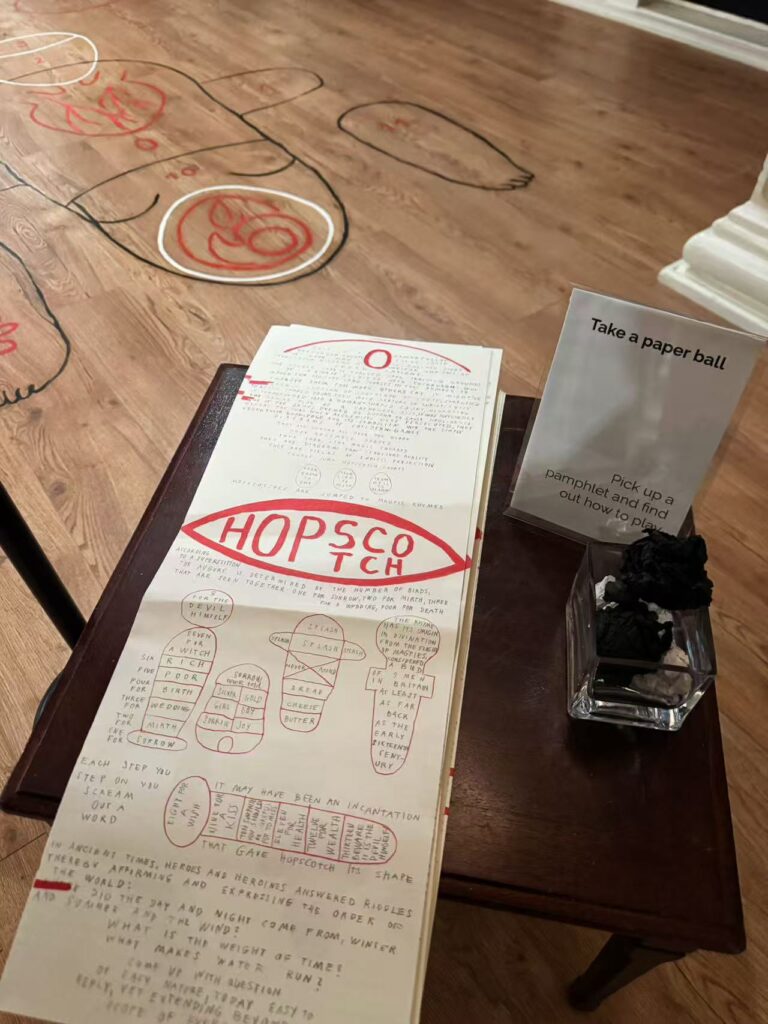
Fig 4 : Interactive games for visitors at the Talbot Rice Gallery

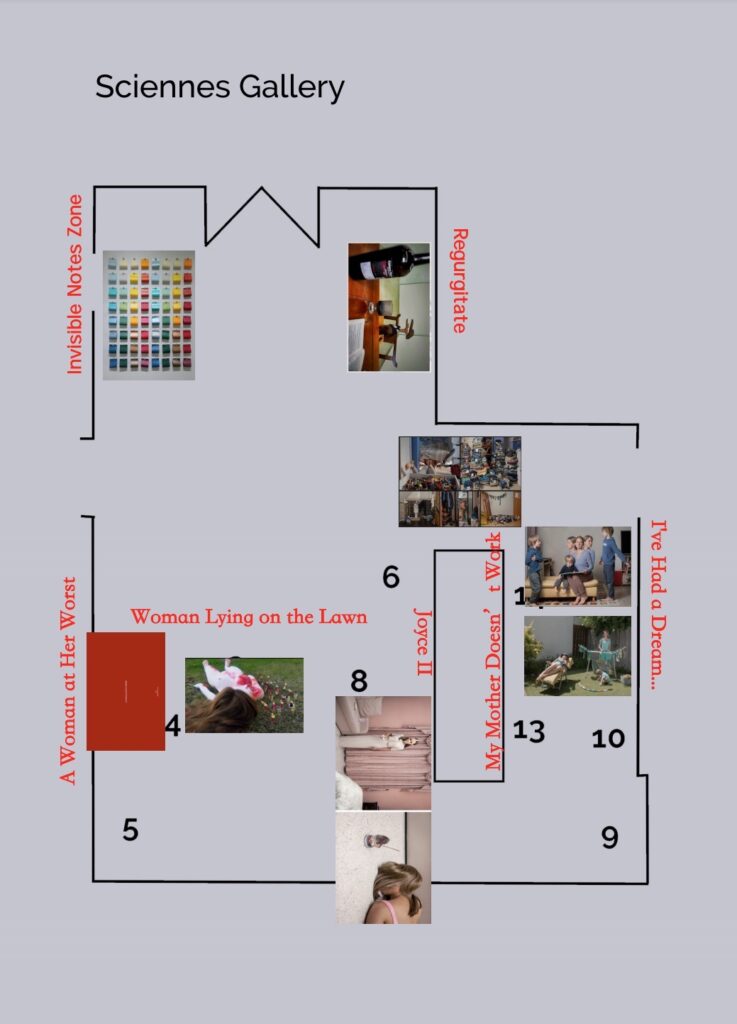
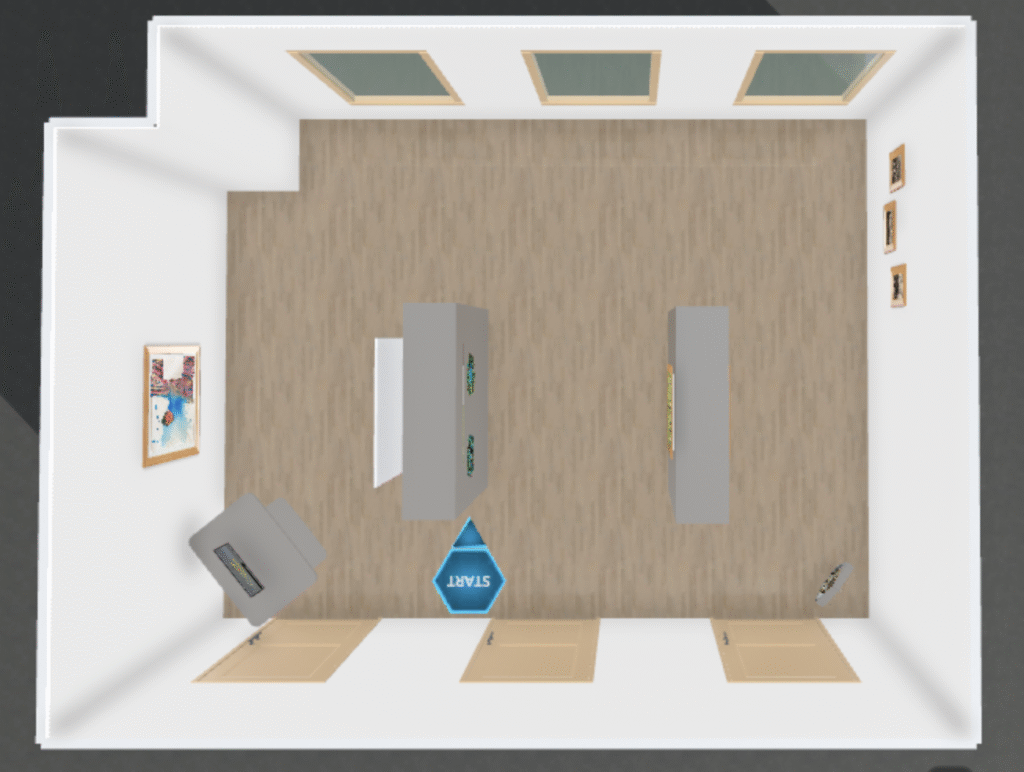
While visiting the Summer Hall exhibition, I gradually realized that through layout, pathways, and visual organization can shape the way viewers perceive the art. The differentiated designs of the different exhibition halls in Summer Hall will affect the viewing rhythm and manner of the audience. For example, the War Memorial Gallery is an open rectangular space with no walls to block the view. The painting works extend along the walls, and the art installations are placed in the central empty area, forming a visual focal point.In contrast, the Sciennes Gallery uses wall divisions and space blanking to establish a hierarchical relationship between different media, creating an immersive viewing experience. This also made me pay attention to the selection of the venue, the design of the viewing path, and the distribution of the works in my SICP project: I chose the Sciennes Gallery as my exhibition venue, as its partitioned structure can support the organization of multi-media works. At the entrance, art installations and video works are placed, allowing the audience to transition from the gaze mechanism to the understanding of identity construction. The white walls serve as a medium partition to display photographic works, extending to the hidden labor and anxiety of women.

During my twelfth week, I visited the Talbot Rice Gallery again to view an exhibition featuring four artists. The exhibition used varying lighting conditions and gallery designs to emphasize the thematic expressions of each space. For example, the galleries showcasing works by Amol K Patil and MADEYOULOOK employed low-light environments and focused lighting, making the artworks the visual focal points of the space and intensifying their emotional impact. In my SICP project, I also incorporated lighting and prop design into the curation. For instance, I used spot lighting to highlight the main subject of the installation “Regurgitate“; for the work “Joyce II“, I employed lighting of varying hues to create local shadows and designed the surrounding environment (pink blankets, mirrors, etc.); The exhibition also provided me with significant inspiration regarding accessibility practices,committed to integrating multisensory experiences into the exhibition (Cachia,2022).Since lighting conditions varied across different galleries, sunglasses, headphones, and sensory kits were provided at the gallery entrance to address the perceptual needs of diverse audiences. Consequently, I recognized the importance of accessibility and incorporated audio guides and exhibition brochures in various font sizes to facilitate the viewing experience for visitors.
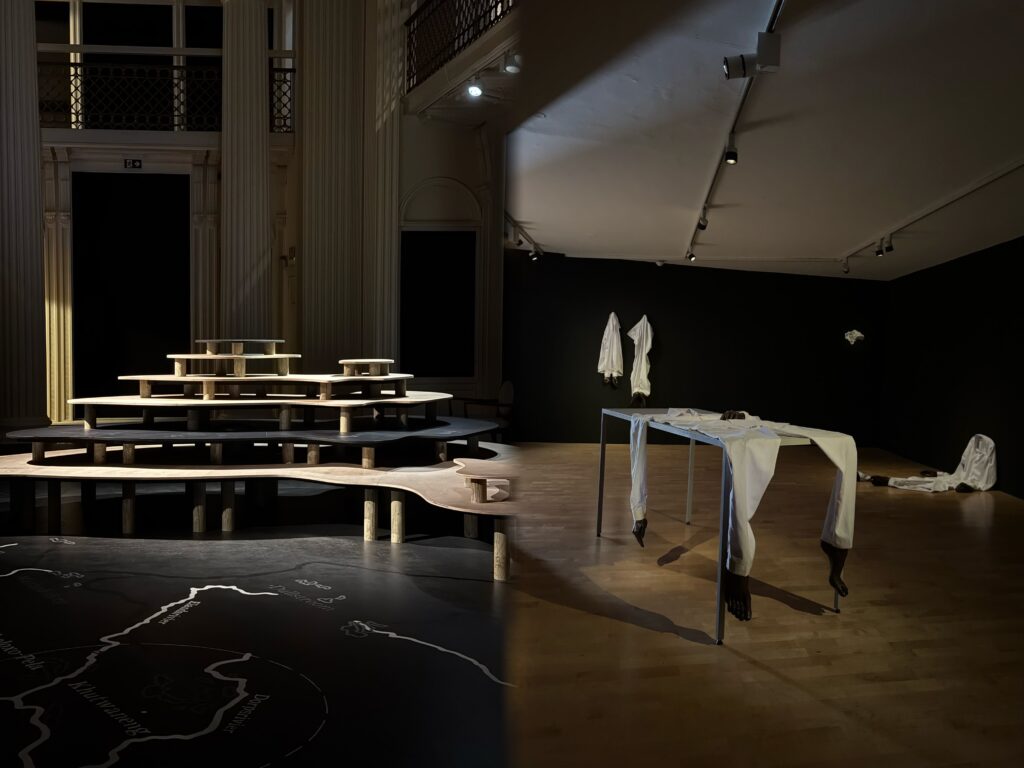
Fig 5 : Low-light lighting in two different exhibition halls

3. Reflections on the Collective Curatorial Project “Breathe”

3.1 Team Collaboration and Theme Development:

In the early stage of the collective exhibition project, during the class group discussions, we decided on our group name “No idea”. Based on this, the group members held online meetings to brainstorm and determine the group manifesto and introduction, describing the origin of the group name and the exhibition vision.
The group would have offline meetings at SummerHall every week, focusing on the exhibition theme “The Relationship between Natural Systems and Life”, aiming to showcase the emotional connection between humans and nature and create a spatial environment oriented towards experience, perception, and vision. During this discussion process, I realized that collective exhibition is not only about negotiating different opinions, but also about constructing a logical exhibition framework in the midst of differences, enabling me to have the ability to listen and adjust.
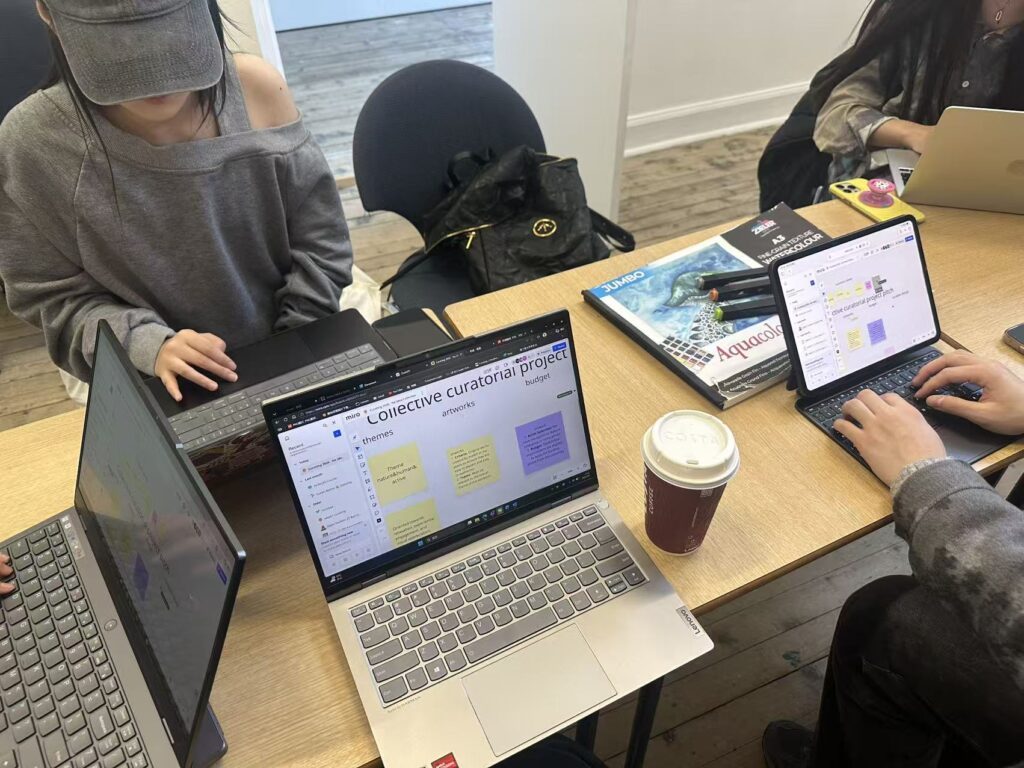
Fig 6 : Offline Team Meeting

3.2 Artwork Selection and Work Division in Practice

In the selection of the works, I chose the creations of two students from the University of Edinburgh. The exhibition narrative was carried out from the perspectives of “microscopic nature” and “perceptual transformation”: The first work, “Tide and Temper”, is a glass installation. Through the refraction and flow of light on the glass surface, it simulates the rhythmic changes of nature, making “nature” concrete and transforming it into a dynamic perception process; The second work, “Melt”, combines painting and weaving to transform the microscopic changes in nature into visual language, weakening the grand narrative and enabling the audience to re-think the vitality of nature. Considering the compatibility of the space conditions and the works, as well as the expectations for the presentation of the artworks, the collective curators finally selected the exhibition venue as In Vitro Gallery.

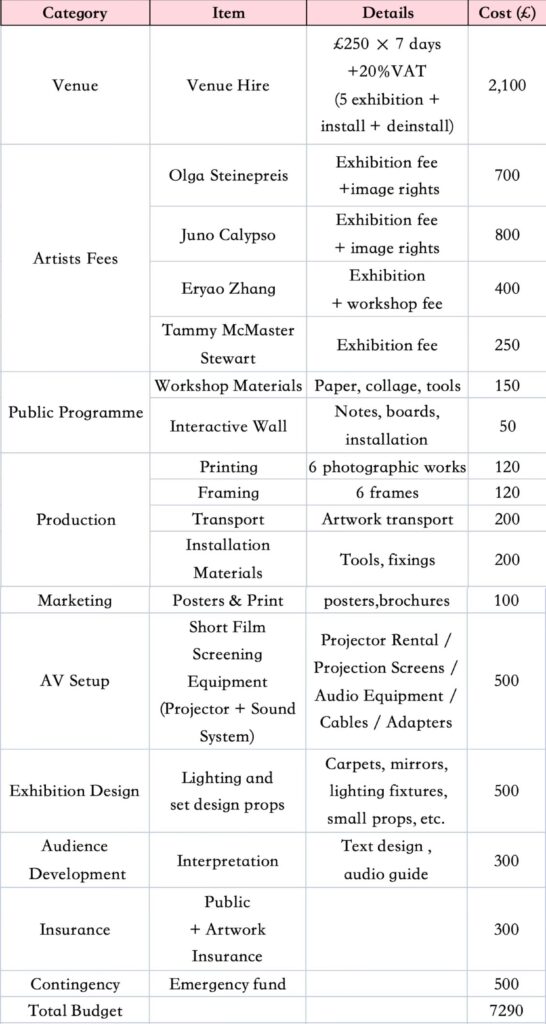
In terms of project execution, the team advanced the work by creating an activity schedule and task division. My task was to create an exhibition budget table and the personal profiles of the artists. The budget design covered multiple aspects such as transportation, insurance, venue rental, and printing of promotional materials. For the writing of the personal profiles of the artists, it was necessary to be concise and clear while ensuring the accuracy and readability of the information. Through this process, I also realized that curating is not only about constructing a creative space, but also considering reality and resource allocation as well as the writing of exhibition signs.
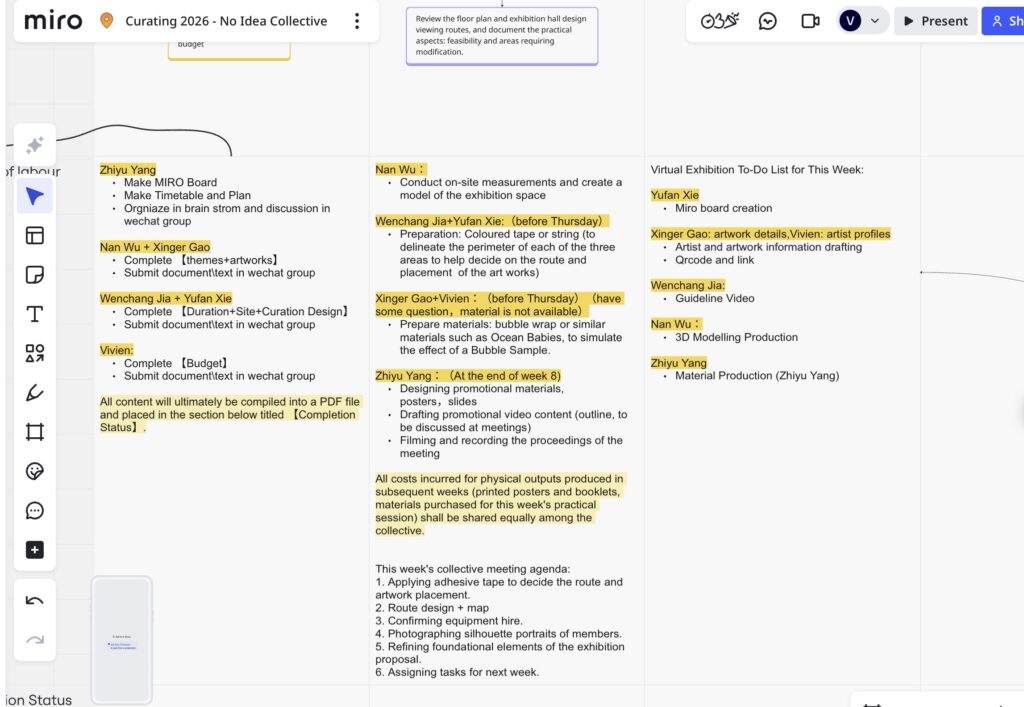
Fig 7 : Team Member Task Assignment Chart

3.3 Field Practice and Experience Reflection

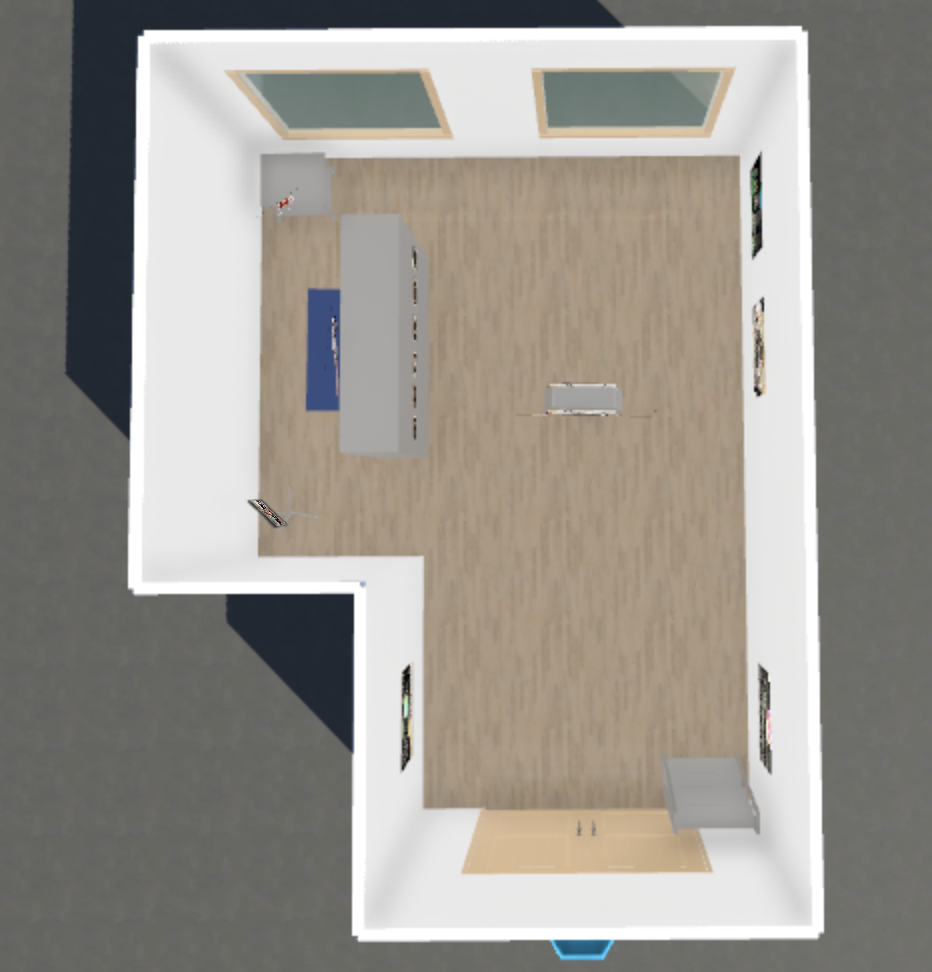
When the project entered the on-site implementation stage, the team members took their works to the site for size measurement, space design, and the design of the audience’s movement paths. In terms of the spatial layout, we found that there was a certain deviation between the online designed space arrangement diagram and the on-site investigation. Initially, the “Tide and Temper” was planned to be placed in the exact center of the entrance, but during the on-site test, it was found that this position would obstruct the audience’s movement path and affect the paintings on the walls on both sides of the exhibition hall. However, if it was placed in an area with insufficient light, it would weaken the visual effect produced by the glass under the light, affecting the expression of the works and the audience’s experience. During the practice process, we also faced some practical problems, such as the size of the space not matching the expectations, which required repositioning; the audience movement path was more complex than expected, requiring repeated tests and corrections,etc. This also made me realize that curating is a process of continuous negotiation and adjustment between the space, the works, and the audience, a state with fluidity and instability (Bismarck,2022). The process is not something that can be completed in one go, and the final form of the exhibition often generated and evolves in the interaction with the real environment and the audience (Bishop,2012).
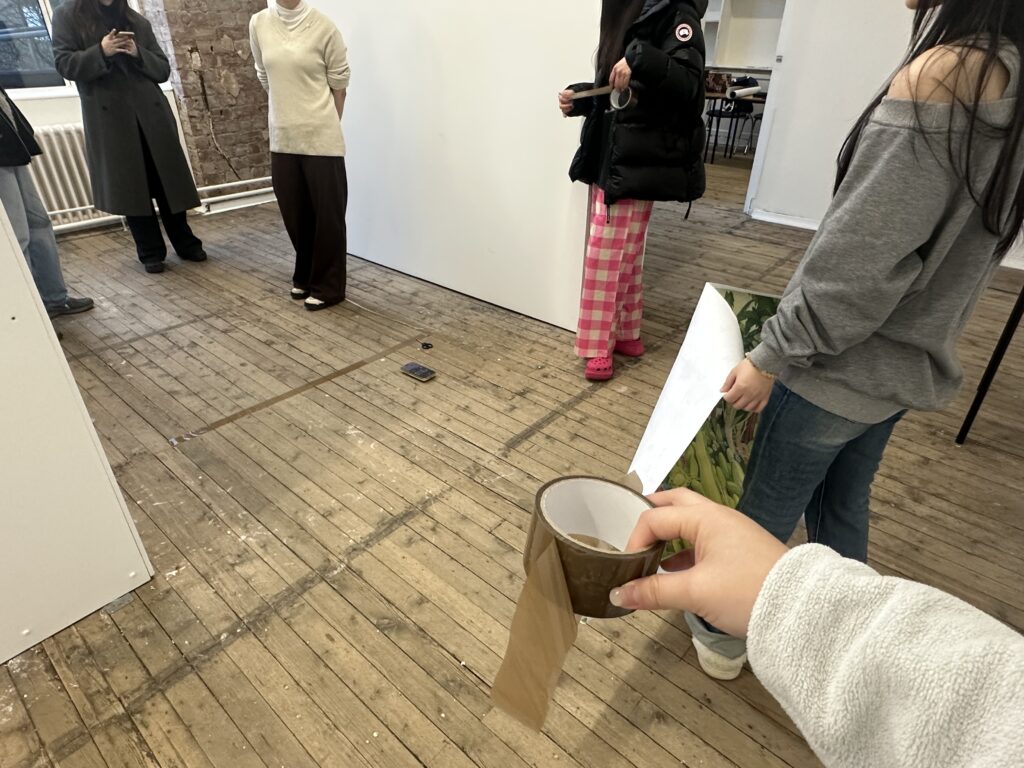
Fig 8 : Group members’ on-site practice photo

4. Gains and Reflections on Peer Review

In this peer review, it was a process of mutual learning and reflection. By reading Nan Wu’s blog, I further understood how to effectively integrate theory, exhibition experience, and curatorial practice. Her content did not merely remain at the theoretical level; instead, it transformed theory and exhibition experience into tools for analyzing her SICP project, continuously deepening her personal curatorial content.Each of her blog articles has a strong correlation, enabling continuous revision and advancement of her personal curatorial plan. This taught me that curating is a dynamic development process, not only involving the construction of concepts, but also including the display methods of works, spatial layout, and other details, which can directly affect the perception of the audience. Nan has very strong practical ability. She can convert curatorial ideas into a visual three-dimensional spatial structure through 3D modeling, presenting the spatial layout and audience flowlines more intuitively.

During the review process, I reflected on my own blog. In terms of theory, I usually tend to summarize and generalize the content of the text. However, reading others’ blogs made me realize that viewing exhibition experiences can lead to the extraction of targeted analyses, such as the structure of the exhibition space and the logic of display. By relating these to my own personal curatorial content, I gradually formed this “reflective practice” (Schön,2017) through the interaction of practice and reflection. Moreover, the content of my blog lacks coherence and the connections between the contents are rather loose, failing to clearly present the development trajectory of SICP. In collective curatorial projects, my reflection on teamwork was not sufficient and I should pay more attention to the problems and gains in the decision-making and practical processes, and in the future, I should be more proactive in intervening in the practical stages and enhance my practical ability.

5. Conclusions and Outlook

Overall, whether in individual curating, collective curating, or peer review processes, I have gradually come to realize that curating is a practical process that generates meaning through the combined effects of theory, space, and media, constructing the experience of art works and influencing the creative methods of art works as well as the communication methods with the audience (O’Neill,2016). Through the accumulation of course content, reading materials, and exhibition experience, my understanding of curating has deepened continuously, helping me determine the theme and direction of my individual curating projects. In individual curating, I introduce multi-media structures and public projects to transform “gazing and being gazed” into perceptible exhibition experiences. In collective curating projects, I further understand the complexity of curating as a collaborative practice, which is a process of continuous negotiation and adjustment among teams based on real conditions (space, budget), especially in the field of practice, the deviation between the curatorial plan and the practical space is what I have recognized as the uncertainty of curating, which is a process of continuous adjustment and reconstruction.

In future learning and practice, I will strengthen my critical thinking in curating, not only being able to integrate relevant theories and transform them into analytical tools for curatorial problems, but also enhancing the depth of research; strengthen my practical ability, such as building space modeling and designing audience flow lines, in collective projects, I can possess the ability to organize projects and collaborate with teams, and participate more actively in decision-making and execution processes. I hope to bring deeper and more innovative contributions to future project planning and execution.

References:

Thea, Carolee, and Thomas Micchelli. On Curating : Interviews with Ten International Curators. First edition. New York, N.Y: D.A.P./Distributed Art Publishers, 2009.

Lee, Gini. Curatorial thinking: Performance space and the interior. Middlesex University Press, 2007.

Sherman, Cindy. Cindy Sherman: the complete untitled film stills. The Museum of Modern Art, 2003.

“I Need to Be More Than a Lesson You Learned.” DIS-PLACE. https://dis-place.art/i-need-to-be-more-than-a-lesson-you-learned

Bishop, Claire. “Artificial hells: Participatory art and the politics of spectatorship.” (2012).

Cachia, Amanda, ed. Curating Access: Disability art activism and creative accommodation. Taylor & Francis, 2022.

Bismarck, Beatrice von. The curatorial condition. Sternberg Press, 2022.

Schön, Donald A. The reflective practitioner: How professionals think in action. Routledge, 2017.

 O’Neill, Paul. The Culture of Curating and the Curating of Culture (s). Mit Press, 2016.


Speculative Individual Curatorial Project

1. Project Overview

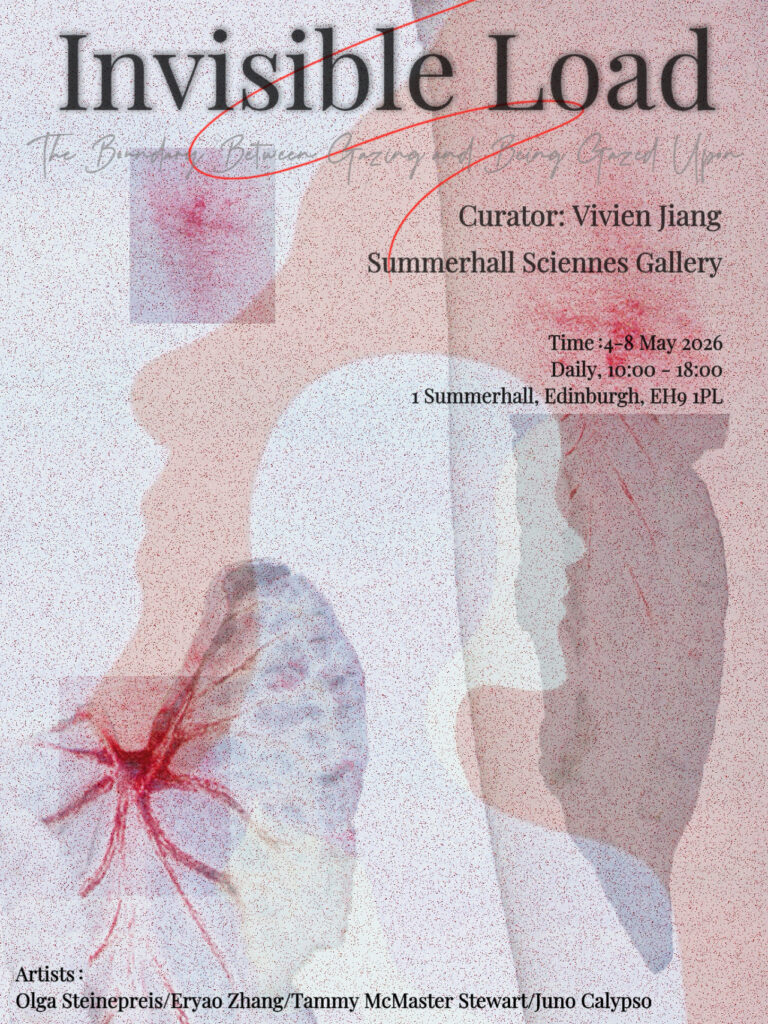
Exhibition Title: Invisible Load—The Boundary Between Gazing and Being Gazed Upon

Venue: Summer Hall Sciennes Gallery

Dates: May 4–8, 2026 (5 days)    10:00 a.m.–6:00 p.m.

Lead image:

Fig 1 :Poster for the exhibition “Invisible Load—The Boundary Between Gazing and Being Gazed Upon”

2. Curatorial Narrative

“Invisible Load” is a contemporary art exhibition centered on the female perspective, and it also represents a profound social dialogue. Through various artistic forms such as photography, video, and installation art, it presents key issues such as gender roles, domestic labor, body discipline, and social expectations. It reveals the inner anxiety and unease of women, showcases their struggles and resistance in the face of social expectations, and deeply explores how women construct and reshape their identities within the constraints of social expectations and the gaze. It attempts to break through the long-standing gender stereotypes.

These pressures faced by the women usually do not manifest in the form of dramatic events; instead, they exist in various aspects of life in a continuous and repetitive manner. Over time, they gradually evolve into internal feelings of anxiety, unease, and self-doubt.The exhibition space is divided into multiple narrative areas, adopting a “multi-theme/ non-linear” structure, regarding women’s anxiety as a state group formed by multiple social, cultural, and visual mechanisms, rather than a single narrative. By constructing a multi-part space framework, from implicit domestic labor to the gaze mechanism, and to the construction of identity and women’s anxiety, it gradually guides the audience to immerse themselves in the exhibition, making these intangible yet persistent pressures visualized. Through audience participation messages, it encourages the public to incorporate their own experiences into the narrative, forming a collective archive of public participation. It is hoped that through the power of art, it can trigger social reflection, encouraging more and more women to bravely break free from constraints and rediscover their own value, writing their own stories with a freer and stronger mindset.

3. Artists and Artworks

Artist: Olga Steinepreis

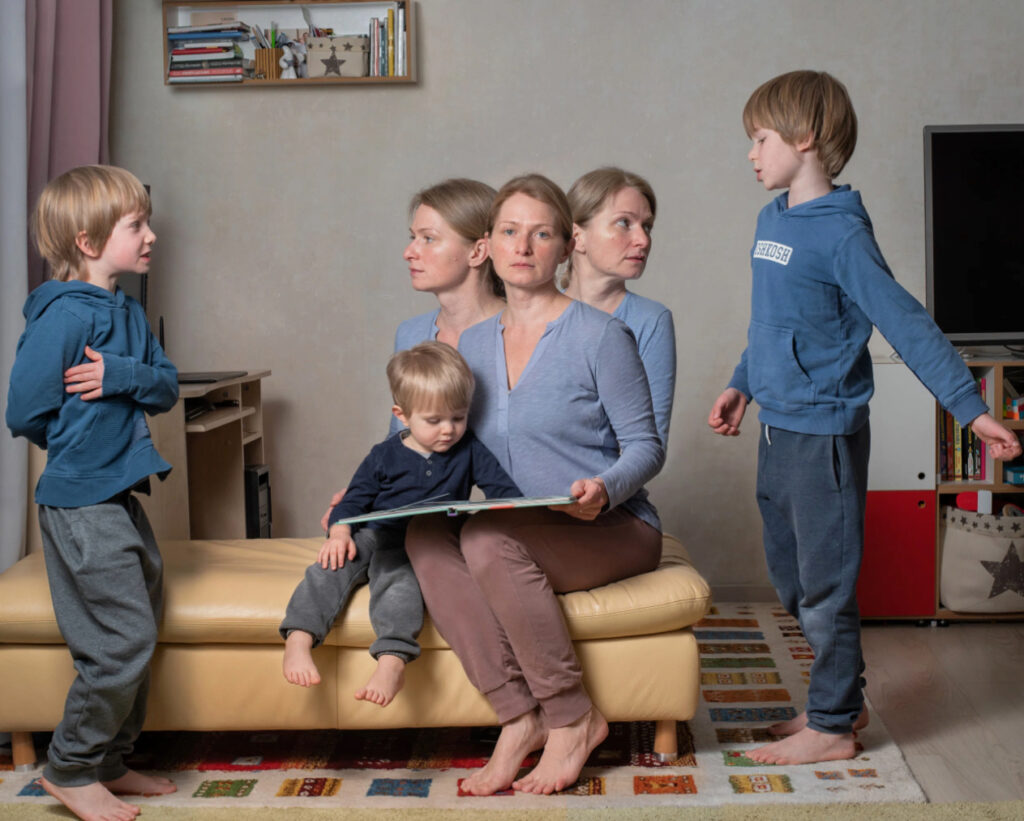
Olga Steinepreis is an artist who primarily uses photography as her creative medium. Her works reflect on motherhood and childhood through self-portraits and photos of family members. At the same time, she combines her personal experiences to explore issues such as identity, sense of belonging, the conflict between ideal and reality in motherhood, and the position of women in contemporary society. Her related series of works employ photography, surrealism, and digital technology to transform her ideas into reality, not only reflecting the current social reality but also encouraging women to reflect on their own identities.

Artwork: I’ve Had a Dream…

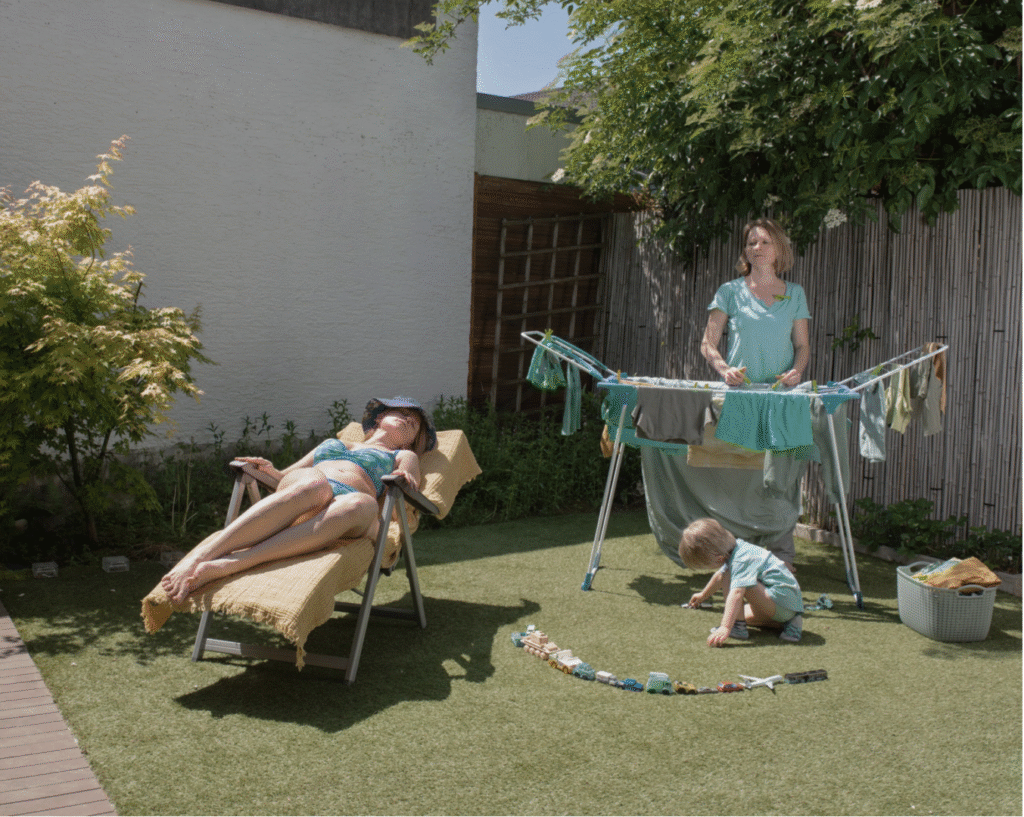
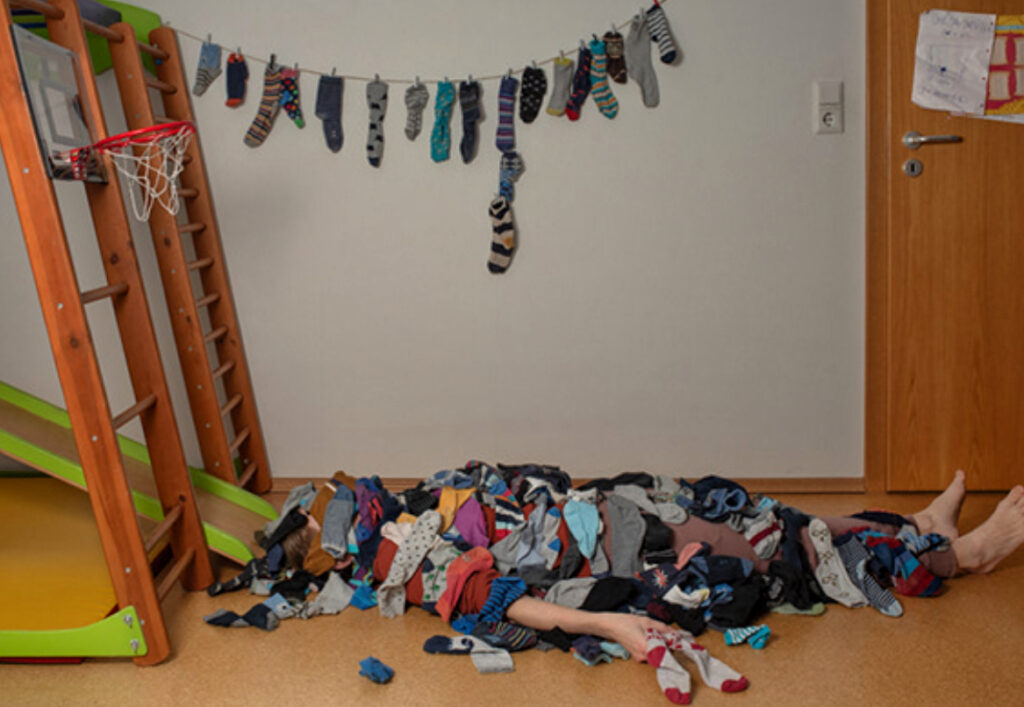
This series is a ongoing photography project. Through surreal self-portraits and processed images, the artist explores the pressures faced by female characters and the issues of identity. In these photos, both the heavy domestic chores she is confronted with and her longing for her past self and her dreams are depicted.These works reflect the expectations placed on mothers in today’s society and showcase the conflict between reality and dreams. They express in a visual way, the heavy burden of family life, the increasing responsibilities, and the intangible pressure endured as a “perfect mother”.

Fig 2 : Photographic work I’ve Had A Dream…(2023)


Fig 3 : Photographic work I’ve Had A Dream…(2023)

Artwork: “My Mother Doesn’t Work”

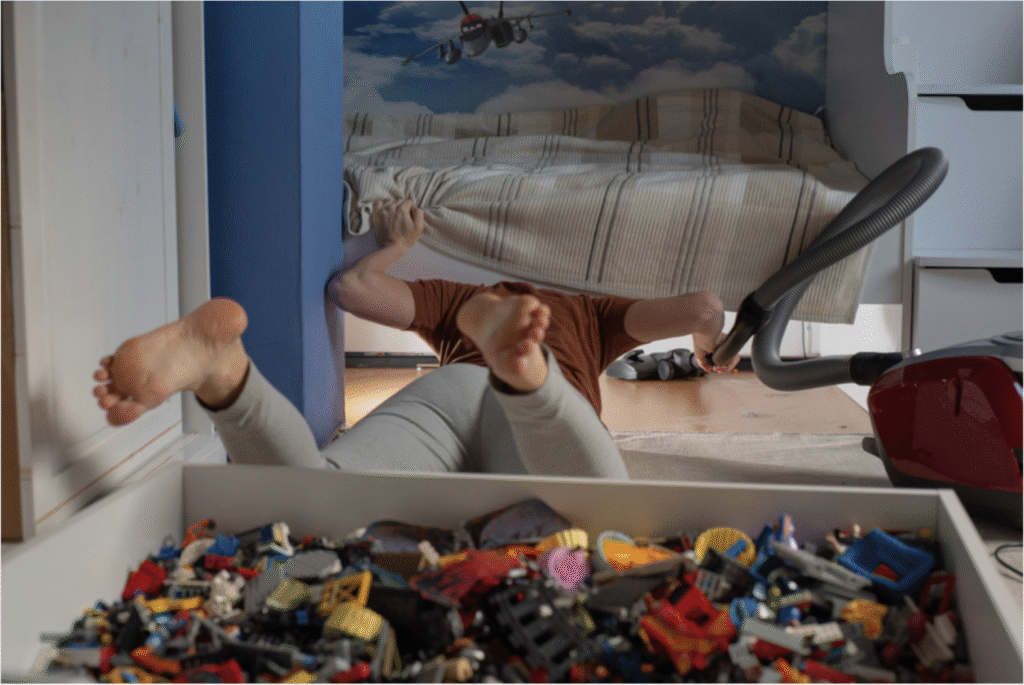
This work originated from an accidental statement made by the artist’s son, revealing the social perception that the daily labor of housewives is often overlooked and not regarded as “true work”. This photograph captures the repetitive actions of a housewife, with no complete face in the picture. It emphasizes the invisibility of “the body and labor”, triggering reflections on gender division of labor and the value of labor, and revealing the “invisibility” and neglected value of women’s labor.

Fig 4 : Photographic work “My Mother Doesn’t Work”(2024)

Fig 5 : Photographic work “My Mother Doesn’t Work”(2024)


Artist: Eryao Zhang

She is a current graduate student in contemporary art practice at the University of Edinburgh. Her works often combine installations and videos, focusing on the way the female body is observed and disciplined within the social structure. She is skilled in using various art media to challenge the long-standing stereotypes imposed on women by society, and to explore the position of the female body in the social order as well as the pressures it bears.

Artwork: Woman Lying on the Lawn

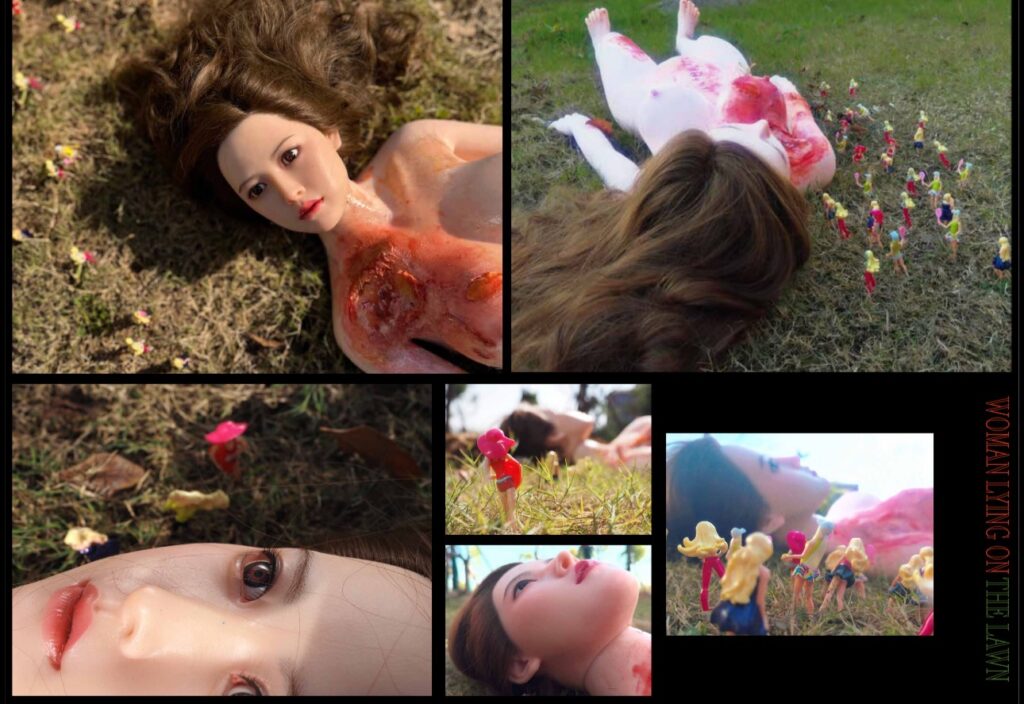
A naked woman was lying on the grass, and was “discovered” by a group of neatly dressed individuals. This installation showcases the female as an object of observation, and these people represent the observers and researchers. It directly echoes Laura Mulvey‘s male gaze mechanism (Mulvey,2013) —transforming the female body into a display item and making it an open matter. However, this artist has reversed the proportions: the female body is enormous, while the observers are so small they are like dust; revealing that the female body loses its subjectivity in the face of social order and becomes a certain existence defined and handled by others.

Fig 6 : Installation “Woman Lying on the Lawn”

Artwork: Regurgitate

This is a work about the “myth of reproduction”. It is a mechanical puppet device, and the display scenes and shooting process are all recorded. It de-materializes the real process of female reproduction and uses fairy tales to conceal the reality of the female body. In this device, the disappearance and reappearance of the baby is not a one-time event, but a cyclical process, symbolizing that the female identity is allowed to emerge and be pushed back within social norms, as well as the activation and fading of the mother role in specific situations.

Fig 7 : Installation “Regurgitate”


Artist:Tammy McMaster Stewart

A current graduate student in Contemporary Art Practice at the University of Edinburgh, her work often combines photography and video, exploring the conflict between women’s emotional expression and social norms. Through her art, she transforms invisible emotions into a visual statement, challenging societal expectations regarding women’s “proper behavior” and “emotional control,” and revealing how patriarchal structures discipline women’s behavior.

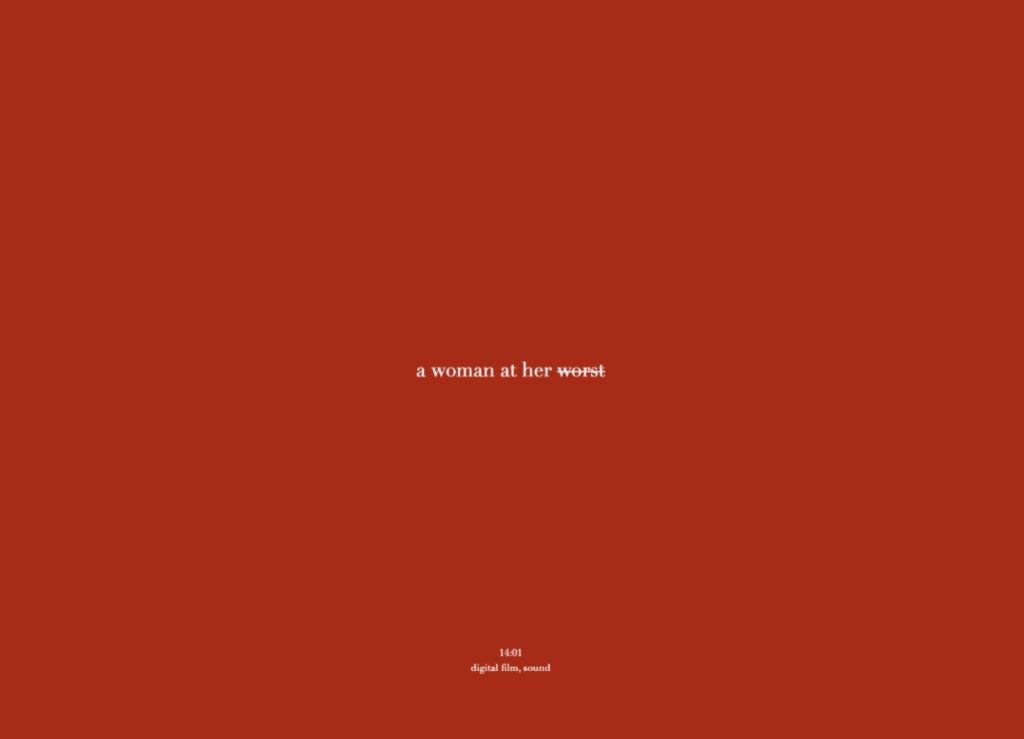
Artwork: A Woman at Her Worst

In her art, titles carry potent meanings, challenging societal stereotypes that women must be prim and proper—that anger makes them appear “out of control.” Such emotions are amplified and labeled, directly pointing to women’s disciplined state within patriarchal structures (Foucault,1977). The artist references “masculine within the feminine,” exploring land boundaries and political control while also carrying metaphorical implications for the regulation of the female body.

Fig 8 :“A Woman’s Worst Moment” Video Cover Excerpt


Artist:Juno Calypso

She is a British photographer. Her self-portrait works showcase her personal feelings about feminism, desire, loneliness and self-sufficiency, with a highly critical tone. When working alone, she created the image of another self, and took a series of highly stylized photos in a unique environment. Her artistic works are both gloomy and possess feminine charm, yet never lacks a sense of humor.

Artwork: Joyce II

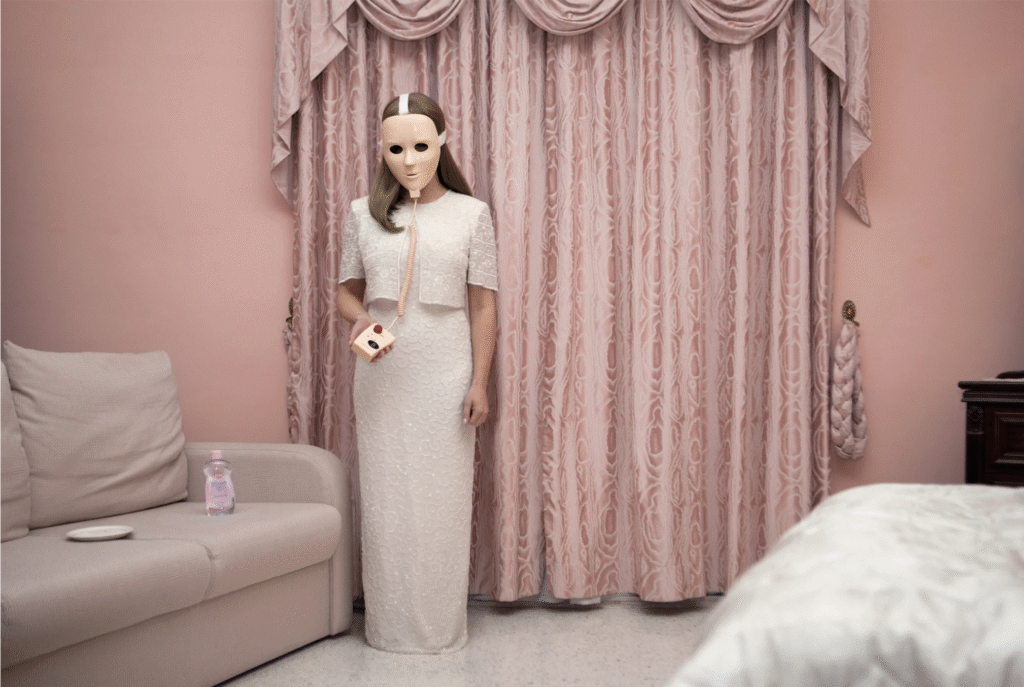
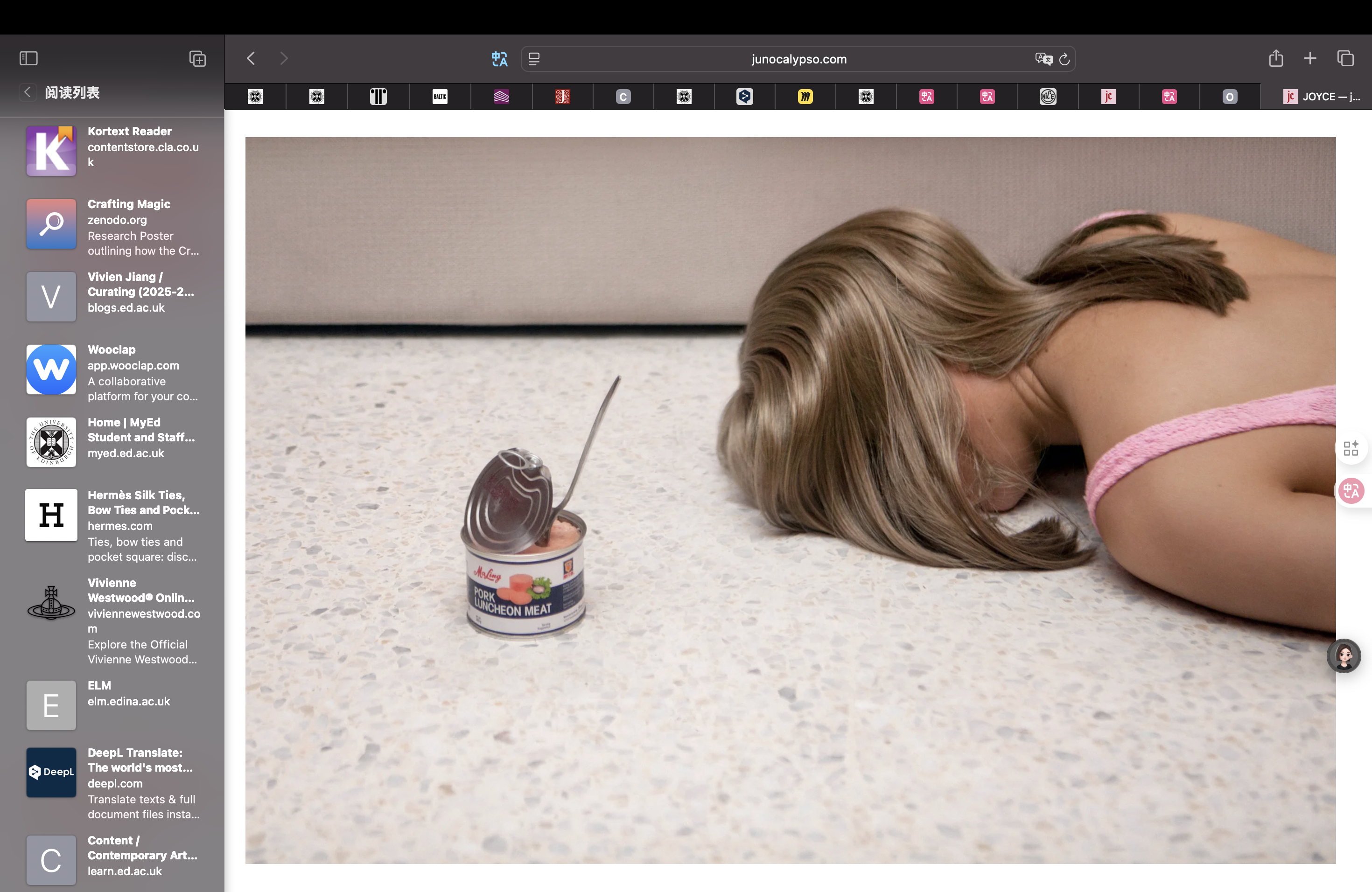
Through the fictional character Joyce, an artistically self-directed and self-performed character, various exaggerated and seemingly ideal yet strange scenes are presented. This approach explores the loneliness felt by modern women in the rituals of beauty, desire, and self-expectation, as well as the “perfect woman” standards constructed by society. It reflects on the tension and contradictions between the female body, cultural norms, and personal identity.

Fig 9 :“Joyce II” Photography Series—Twelve Reasons Why You Always Feel Tired

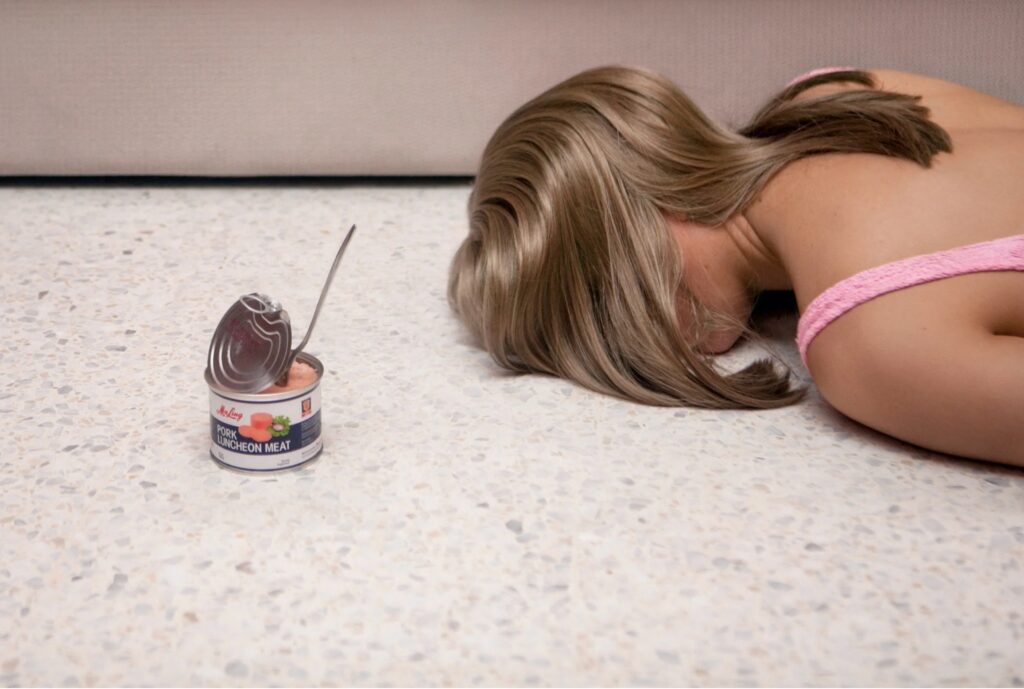
Fig 10 :“Joyce II” Photography Series—Reconstituted Meat Slices


4. Spaces, Location and Layout

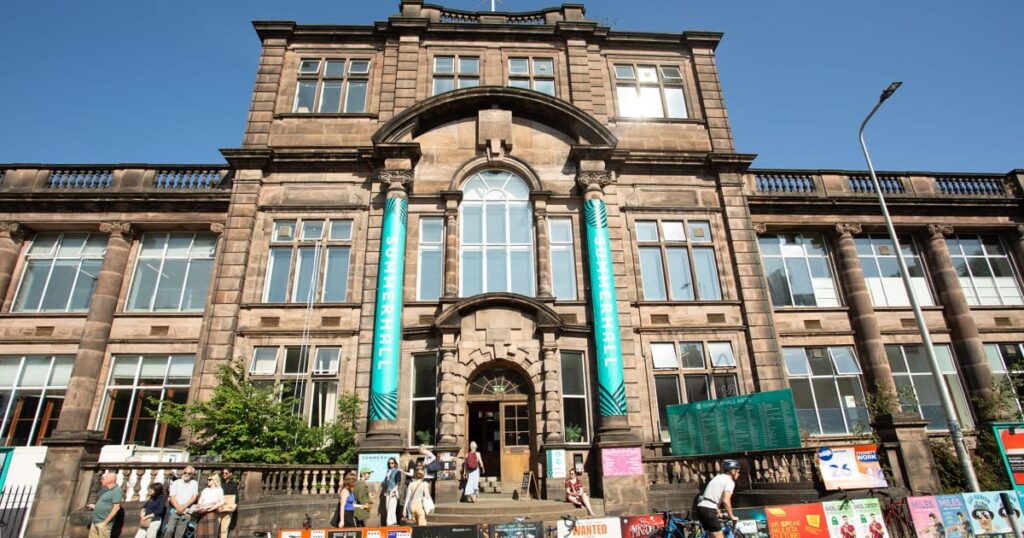
Summer Hall stands as one of Edinburgh’s most significant venues for contemporary art and art-related events. Its diverse spaces are well-suited for visual art exhibitions, accommodating works across various media. Inside, it offers open galleries, corner spaces, corridor areas, and more. This layout facilitates narrative exhibitions exploring spatial and visual relationships, supporting the zoned display of photography and video works, as well as the installation of art pieces throughout the galleries.

Fig 11 :Exterior photo of Summer Hall, the selected venue  Source:SummerhallArts,https://www.summerhallarts.co.uk

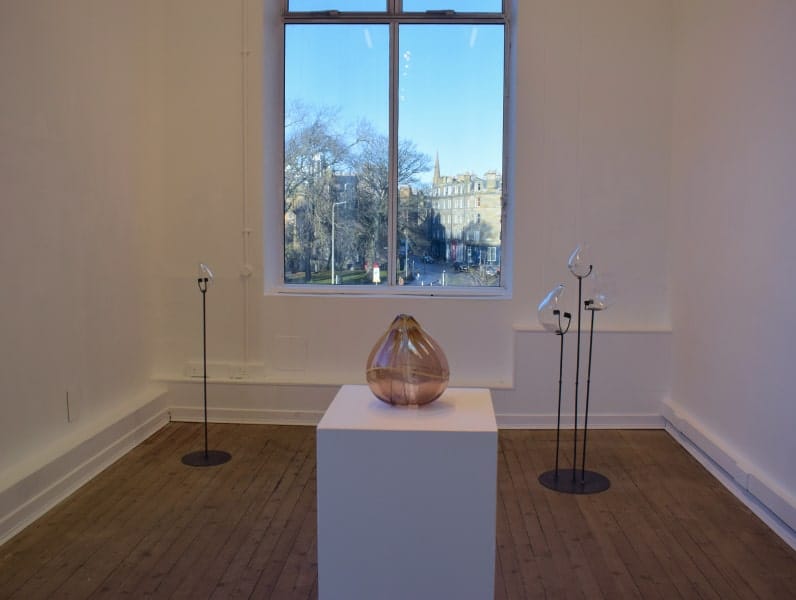
Fig 12 :Interior photos of the selected venue, Summer Hall Sciennes Gallery Source:SummerhallArts,https://www.summerhallarts.co.uk

Fig 13 :Spatial Layout of the Venue and Design of Artwork Placement


5. Public Programme

Interactive Section: Invisible Notes Zone

This public project is open to all visitors and runs throughout the entire exhibition period. Visitors can anonymously write down their anxieties, stress, unheard voices, or words they want to say to others on the provided sticky notes. The written notes are then pasted on the translucent wall. Over time, the wall gradually fills up, revealing the anxieties and intangible pressures faced by each individual, transforming individual experiences into social empathy, and also transforming the visitors from “viewers” into “co-creators” of the exhibition.: Invisible Notes Zone

This public project is open to all visitors and runs throughout the entire exhibition period. Visitors can anonymously write down their anxieties, stress, unheard voices, or words they want to say to others on the provided sticky notes. The written notes are then pasted on the translucent wall. Over time, the wall gradually fills up, revealing the anxieties and intangible pressures faced by each individual, transforming individual experiences into social empathy, and also transforming the visitors from “viewers” into “co-creators” of the exhibition.

Workshop: Invisible Diary

Friday, May 8, 2026, 2:00–4:00 PM

This workshop will be hosted and organized by me, with participating artist Eryao Zhang. We will explore the body, social structures, and visual expression within a feminist context, and discuss the inspiration behind the artwork (such as relevant reading materials and the artist’s personal experiences), creative concepts and methods, and how to convey ideas through artistic practice. A Q&A session will be held to facilitate dialogue between the audience and the artist. Guided by the artist’s insights, participants will use collage and painting to express the unspoken pressures and emotions of daily life. Finally, a “visual diary” will be created by combining the participants’ works, responding to the exhibition’s theme.

One-hour artist talk and live interaction with Eryao Zhang, followed by one hour of participant creation and sharing

Free art supplies will be provided on-site, including drawing paper, markers, collage materials (magazines, newspapers, colored paper, etc.), scissors, glue, and other tools.


6. Curatorial Rationale

The “Invisible Load” exhibition project, from a contemporary art perspective, combines “thematic”, “participatory” and “social intervention” as practical approaches, focusing on the invisible pressures that women bear under the social structure and gender norms, as well as their impacts on identity formation. The core of this exhibition lies in using various media such as photography, video, and installations to visually present the anxieties brought about by the invisible gender regulations, social expectations, and household labor to the public. It transforms the individual experiences and artistic creations of the artists into visual expressions with public significance.

At the curatorial strategy level, the exhibition adopts a critical perspective and employs multiple media to convey its thematic ideas. By structuring the narrative through spatial zoning—from the invisible labor of women within the family to the “mechanisms of the gaze” in public spaces, and from social discipline to the construction of female identity and the body—the selected works collectively form a multi-voiced spatial framework. This framework gradually guides viewers from mere observation toward reflection, sparking social resonance and introspection. Public programs—the “Invisible Notes Zone” and “Invisible Diary” workshop—extend the exhibition’s content, encouraging viewers to transition from observers to participants (Bourriaud,1998). These activities enable them to express themselves and listen to others, further deepening discussions on creative concepts and artistic practices while fostering meaningful exchanges among visitors and between visitors and artists (Bishop,2023).

At the curatorial ethics and accessibility level, this curatorial project focuses on the complexity of diverse female experiences, avoiding the reduction of women’s circumstances to a single narrative. Selected artists include current students and emerging artists, emphasizing respect for their creative autonomy rather than reducing their work to theoretical “examples.” Through their artistic practice, they reveal the invisible pressures faced by contemporary women, placing these issues within a social context for reflection and examination. Furthermore, the exhibition targets a broad audience, including art students, the local women’s community, the general public interested in photography or feminism, and local residents, among others, ensuring that viewers of diverse cultural backgrounds and age groups can participate. The exhibition aims to provide visitors with a clear viewing route, easy-to-understand “easy read” exhibition texts and font sizes, and audio guides available next to relevant artworks.

Overall, this curatorial project is more than just an exhibition; it is an exploration of curatorial practice that bridges the gap between critical theory and practical application, integrating art with social issues and public engagement, and encouraging viewers to rethink the relationship between female identity, the body, and social structures.


7. Basic Budget

The budget for this individual curatorial project has been developed with full consideration of all necessary expenses, including venue rental (including VAT), reasonable compensation for artists (in accordance with the principle of fair pay) (Creative Scotland,2022), exhibition promotion and prop procurement, space setup and audiovisual equipment, public program implementation, as well as personnel and insurance costs. The table below provides a detailed breakdown of the budget for this individual curatorial project:

Fig 14 : Budget Sheet for a Personal Curatorial Project


References

Steinepreis, Olga. I’ve Had a Dream. Accessed April 18, 2026. https://olgasteinepreis.art/i-ve-had-a-dream.

Olga Steinepreis, My Mother Doesn’t Work (2024–ongoing), accessed April 18, 2026, https://olgasteinepreis.art/my-mother-doesnt-work-2024-ongoing.

Mulvey, Laura. “Visual pleasure and narrative cinema.” In The sexual subject, pp. 22-34. Routledge, 2013.

Foucault, Michel. “Discipline and punish: The birth of the prison, trans.” Alan Sheridan (New York: Vintage, 1979) 227 (1977).

Calypso, Juno. Joyce II (series). Accessed April 18, 2026. https://www.junocalypso.com/joyce-ii/ggluhx3xy41mpvno7t6dixv2pbd0u1.

Summerhall Arts. Summerhall Arts. Accessed April 18, 2026. https://www.summerhallarts.co.uk.

Bourriaud, Nicolas. “Relational aesthetics (Les Presses Du Reel edition).” Les Presse Du Reel, Franc (1998).

Bishop, Claire. Artificial hells: Participatory art and the politics of spectatorship. Verso books, 2023.

Creative Scotland. Fair Pay: Rates of Pay Signposting Guide. August 2022. https://www.creativescotland.com/


Summative Peer Review of Nan Wu

In terms of the blog’s overall structure and content, the post titles and text layout are clear, allowing readers to immediately understand the weekly theme. Each weekly post is well-structured with coherent content. Starting from the first week, the author explored the relationship between exhibition structure and power. The structure of the posts progresses from theory to exhibition-viewing experiences and then to personal curatorial content. The transitions between paragraphs are smooth, presenting a progressive “theory—case study—practice” structure. By adjusting their research direction based on weekly coursework and insights gained from visiting exhibitions, the blog demonstrates strong structural organization and academic rigor.The author exhibits a strong critical thinking. The content reflects curatorial thinking rather than theoretical summaries, effectively utilizing relevant theories to support their arguments. In the following weeks’ blog entries, she combines theoretical reading with personal exhibition experiences. This approach connects theory with practice, making abstract concepts tangible.

In terms of exhibition viewing practice, the author is not only able to refer to the course reading materials, but also can transform the exhibition curation theory into practical curation through on-site exhibition viewing experiences. During the exhibition viewing at Talbot Rice Gallery, the author described the spatial atmosphere of the exhibition in detail, and cited multiple cases to enhance the multi-dimensional argumentation. During the exhibition viewing at SummerHall, the author introduced the exhibition halls and works, wrote down the parts that impressed she the most and linked them to her own curation content. Through the exhibition viewing experience at Fruitmarket in the seventh and eleventh weeks, the author realized that the placement of screens, the distance between the audience and the images would affect the way of perceiving the works. Moreover, she analyzed the installation method of “small screen + tripod + headphones”, focusing on the viewing distance, spatial flow, and audience rhythm, confirming Brian O’Doherty’s viewpoint in “Inside the White Cube” that the exhibition space itself is an ideological device (O’doherty, 1999), and borrowing it into her own curation content. In the eleventh week, through Halperin’s exhibition, the author associated it with the role and importance of her seminar and reading area, demonstrating her ability to refine the curation consciousness and strong practical sensitivity.

In terms of individual curatorial proposals and collective practices, the author has demonstrated strong curatorial thinking and practical abilities. The core issue of the author’s individual curatorial content is clearly defined: “How is artistic value produced rather than existing inherently (Bourdieu, 1993).” She provides information on the relevant works, and has comprehensively considered the selection of exhibition venue space, layout, lighting design, curatorial budget, and also reflects on her own curatorial-related issues, demonstrating strong professionalism and project feasibility. In the collective practice section, the author actively participate in the determination of exhibition topics, the selection of works, on-site spatial measurement and SketchUp modeling, and can effectively integrate personal ideas and practical skills into collective collaboration, demonstrating strong curatorial practical abilities.

Fig 1 :A top-down view of the 3D exhibition model Nan created for a group curatorial project

Fig 2 :Top view of the 3D exhibition model for Nan’s SICP personal curation

The blog still has some areas that can be improved: In terms of theoretical application: The theories cited are more inclined towards general integration and lack critical intervention. For example, when discussing “artistic value construction”, by comparing and analyzing different theoretical positions, the depth of the theoretical argument can be enhanced; In terms of image insertion: Descriptions of image-related information can be added at the bottom of the images, enabling readers to clearly know the content information of the images when reading; In terms of exhibition record: The description of the works themselves is more than the analysis, which can enhance the analysis and reflection on the exhibition curatorial strategy; Finally, in terms of individual and collective curating: In individual curating, in addition to the setting of reading areas and writing seminars, workshops for interaction between artists and audiences can be added to enhance the interactivity with the audience, “encouraging the audience to transform from passive art recipients to more active participants, directly participating in artistic creation (O’Neill, 2016).” For collective curating, the critical reflection and gains during the collective collaboration process can be described more, and the depth of understanding the collective curating structure can be enhanced.

The author’s blog demonstrates a solid theoretical foundation, a clear sense of inquiry, and strong practical skills. She is able to translate theoretical concepts from course readings into a clear sense of inquiry and use case studies to construct a coherent logical chain. Each week, she consciously develops her personal curatorial interests, ensuring that her curatorial work progresses and gains insights. There is a strong coherence between the weekly coursework, her exhibition experiences, and the development of her SICP. Her blog content is invaluable for me to learn, I have gained a lot and received many inspirations.


References

O’doherty, Brian. Inside the white cube: The ideology of the gallery space. Univ of California Press, 1999.

Bourdieu, Pierre. The field of cultural production: Essays on art and literature. Columbia University Press, 1993.

O’Neill, Paul. The Culture of Curating and the Curating of Culture (s). Mit Press, 2016.


Week 13 : Visiting the Musée d’Orsay in France: From Appreciating Classic Art to Inspiration for Personal Curation

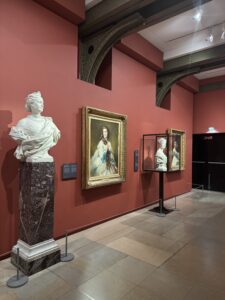
The Musée d’Orsay in Paris, France, is known as the “Hall of Impressionism,” Its galleries and exhibitions are organized according to the historical periods in which the artists lived and the artistic movements to which they belonged. The museum is divided into three levels: the ground floor features paintings and sculptures from 1850 to 1870; the middle level showcases Symbolism, Academic art, Art Nouveau, and Art Deco from 1870 to 1914; and the top floor displays Impressionist and Post-Impressionist works. This structure is not merely a classification but rather a form of “temporal curation” (Bennett, 2013). Its most intuitive feature is its spatial layout, which stems from the building’s conversion from a former railway station dating back to 1900. Consequently, the museum features an axial layout, allowing visitors to naturally follow a path while viewing the artworks.

Fig 1 :Spatial Layout of Museum Exhibition Hall

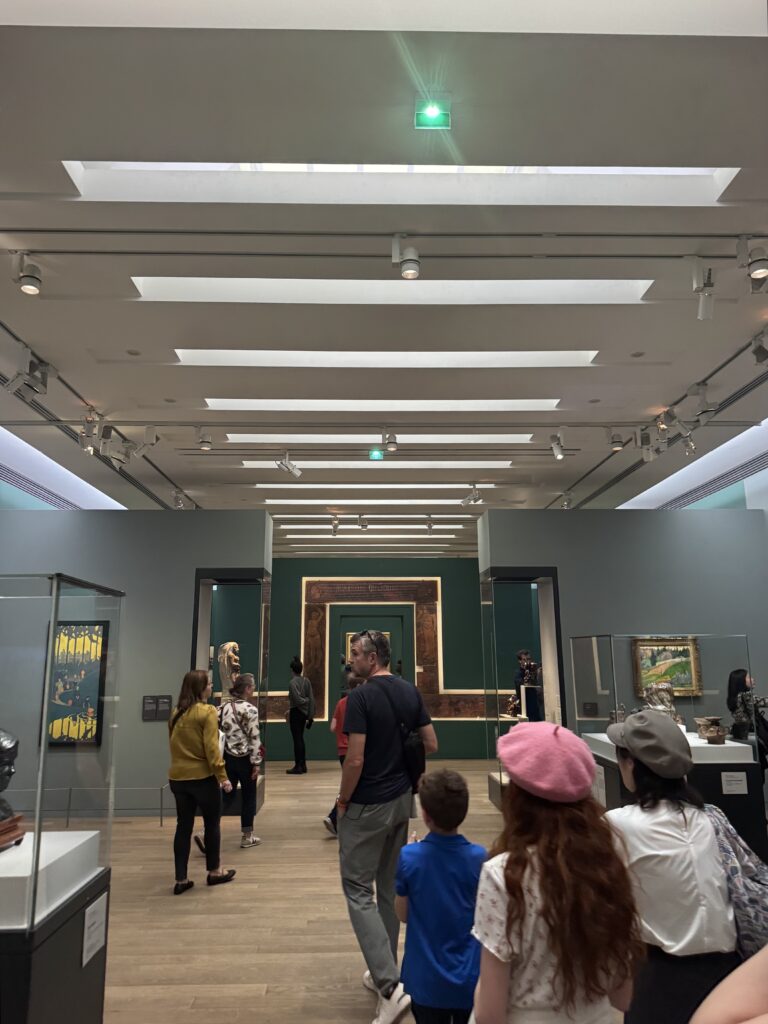
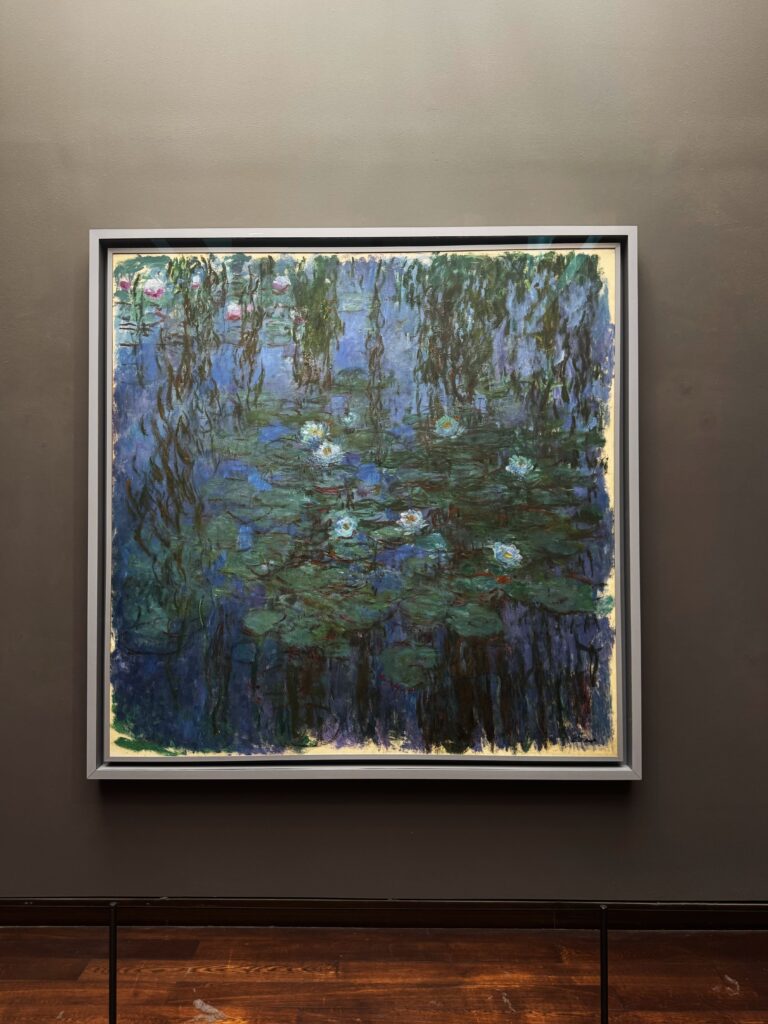
In such large-scale museums, there are numerous artists and artworks on display. However, the arrangement of the exhibition is not chaotic but follows a clear narrative thread of the development of art history. Different exhibition halls not only showcase works but also tell the story of the changes in artistic styles in different periods and how artists responded to their times. As Brian O’Doherty mentioned in “Inside the White Cube”: “What we first see is not the art but the space itself.” (O’doherty, 1999); the way of exhibition itself is part of the artistic expression. The lighting design (brightness and color temperature) in different exhibition halls enables the works to present different moods. The spatial layout and arrangement of the works by the curators create an invisible viewing path. Artworks of different schools are arranged in chronological order and connections between the works are established, which can trigger the audience’s thinking: why is this work placed in this exhibition hall, and whether there is any connection between adjacent works, etc. Important works such as Monet’s “Water Lilies” are placed at the visual focus of the exhibition hall. The blank spaces between the works enhance the concentration on the appreciation of the artworks. Sculptures are placed outside the corridors of the exhibition hall or interspersed with the paintings inside, creating a rhythm of variation.

 Fig 2 :Monet’s Painting: Water Lilies

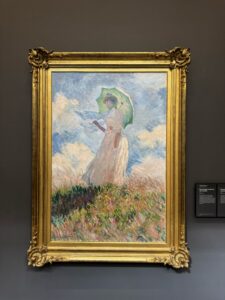
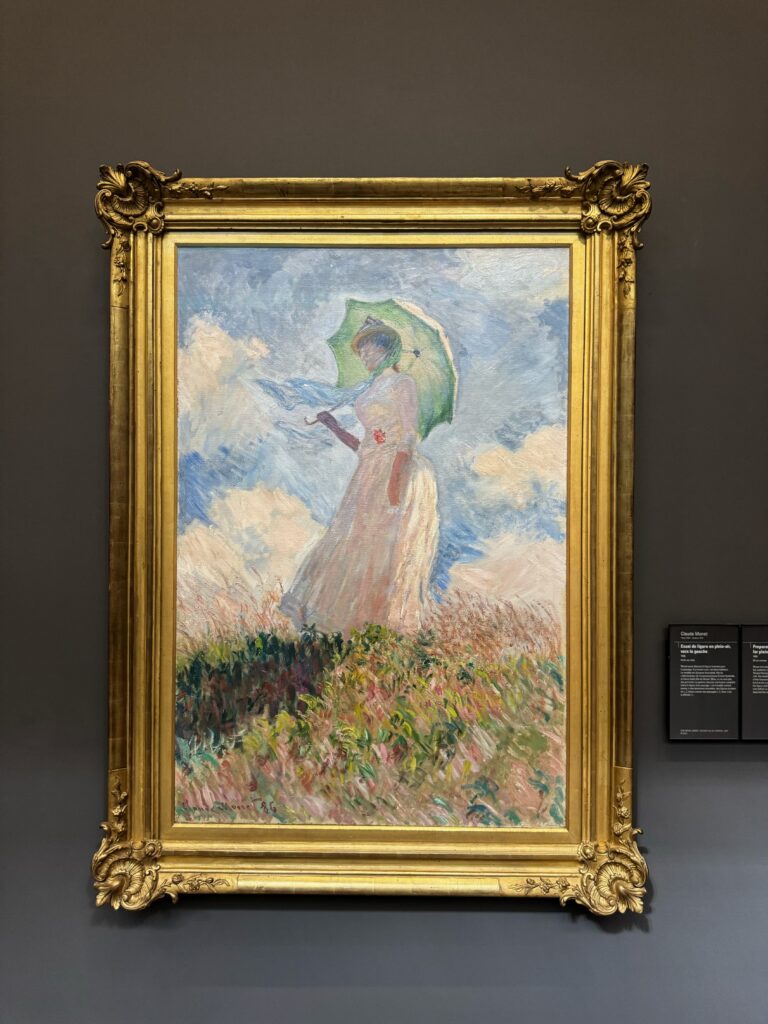
                                                                            Fig 3 :Monet’s Painting: Woman with a Parasol
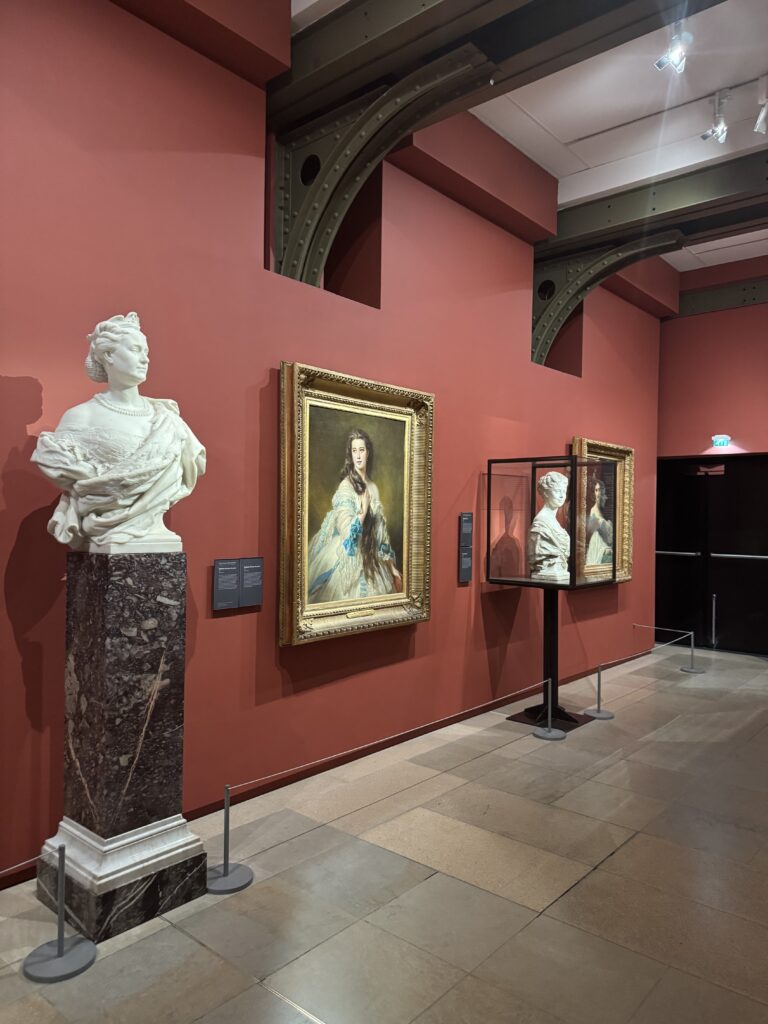
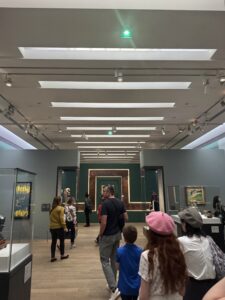
Fig 4 :The Arrangement of Paintings and Sculptures in the Exhibition Hall


Inspiration for Personal Curation: The curator is the organizer of the exhibition’s concept, not just someone who gathers works together. Prioritize the audience’s viewing flow to determine where works should be placed. Organize the selected artists’ works into distinct narrative zones, using the spatial structure to reinforce emotional progression. Define the exhibition’s narrative path: Pressure Arises → The Body Under Scrutiny → Identity Conflict → Self-Expression. This approach allows the audience to immerse themselves in the exhibition rather than merely viewing the works. The details within the exhibition also silently guide the audience. Lighting strategies can be designed for each zone, the density of works can be controlled, and blank spaces can be incorporated to provide the audience with more room for reflection.


References

Bennett, Tony. The birth of the museum: History, theory, politics. Routledge, 2013.

O’doherty, Brian. Inside the white cube: The ideology of the gallery space. Univ of California Press, 1999.


Week 13 :Visiting the Musée d’Orsay in France: From Appreciating Classic Art to Inspiration for Personal Curation

The Musée d’Orsay in Paris, France, is known as the “Hall of Impressionism,” Its galleries and exhibitions are organized according to the historical periods in which the artists lived and the artistic movements to which they belonged. The museum is divided into three levels: the ground floor features paintings and sculptures from 1850 to 1870; the middle level showcases Symbolism, Academic art, Art Nouveau, and Art Deco from 1870 to 1914; and the top floor displays Impressionist and Post-Impressionist works. This structure is not merely a classification but rather a form of “temporal curation” (Bennett, 2013). Its most intuitive feature is its spatial layout, which stems from the building’s conversion from a former railway station dating back to 1900. Consequently, the museum features an axial layout, allowing visitors to naturally follow a path while viewing the artworks.

Fig 1 :Spatial Layout of Museum Exhibition Hall

In such large-scale museums, there are numerous artists and artworks on display. However, the arrangement of the exhibition is not chaotic but follows a clear narrative thread of the development of art history. Different exhibition halls not only showcase works but also tell the story of the changes in artistic styles in different periods and how artists responded to their times. As Brian O’Doherty mentioned in “Inside the White Cube”: “What we first see is not the art but the space itself.” (O’doherty, 1999); the way of exhibition itself is part of the artistic expression. The lighting design (brightness and color temperature) in different exhibition halls enables the works to present different moods. The spatial layout and arrangement of the works by the curators create an invisible viewing path. Artworks of different schools are arranged in chronological order and connections between the works are established, which can trigger the audience’s thinking: why is this work placed in this exhibition hall, and whether there is any connection between adjacent works, etc. Important works such as Monet’s “Water Lilies” are placed at the visual focus of the exhibition hall. The blank spaces between the works enhance the concentration on the appreciation of the artworks. Sculptures are placed outside the corridors of the exhibition hall or interspersed with the paintings inside, creating a rhythm of variation.


Fig 2 :Monet’s Painting: Water Lilies

Fig 3 :Monet’s Painting: Woman with a Parasol
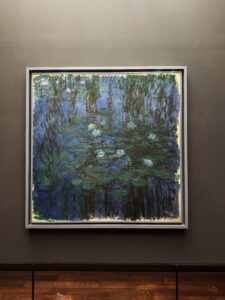
Fig 4 :The Arrangement of Paintings and Sculptures in the Exhibition Hall

Inspiration for Personal Curation: The curator is the organizer of the exhibition’s concept, not just someone who gathers works together. Prioritize the audience’s viewing flow to determine where works should be placed. Organize the selected artists’ works into distinct narrative zones, using the spatial structure to reinforce emotional progression. Define the exhibition’s narrative path: Pressure Arises → The Body Under Scrutiny → Identity Conflict → Self-Expression. This approach allows the audience to immerse themselves in the exhibition rather than merely viewing the works. The details within the exhibition also silently guide the audience. Lighting strategies can be designed for each zone, the density of works can be controlled, and blank spaces can be incorporated to provide the audience with more room for reflection.


References:

Bennett, Tony. The birth of the museum: History, theory, politics. Routledge, 2013.

O’doherty, Brian. Inside the white cube: The ideology of the gallery space. Univ of California Press, 1999.


Week 12 :Visiting Group Exhibitions by Relevant Artists and Exhibition Insights

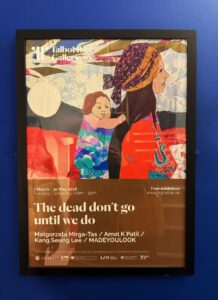
Exhibition Viewing—-The dead don’t go until we do

Gallery:Talbot Rice Gallery

Link: The dead don’t go until we do

Visit the exhibition “The dead don’t go until we do”. Focusing on the theme that “the departed have not truly left us,” the exhibition uses the artworks of four artists to reawaken memories, community, and intergenerational emotional connections. It not only reimagines history but also collectively highlights the power of family, friends, and community. The exhibition brings together four artists who, drawing from their diverse cultural backgrounds, explore histories that have been forgotten or silenced.

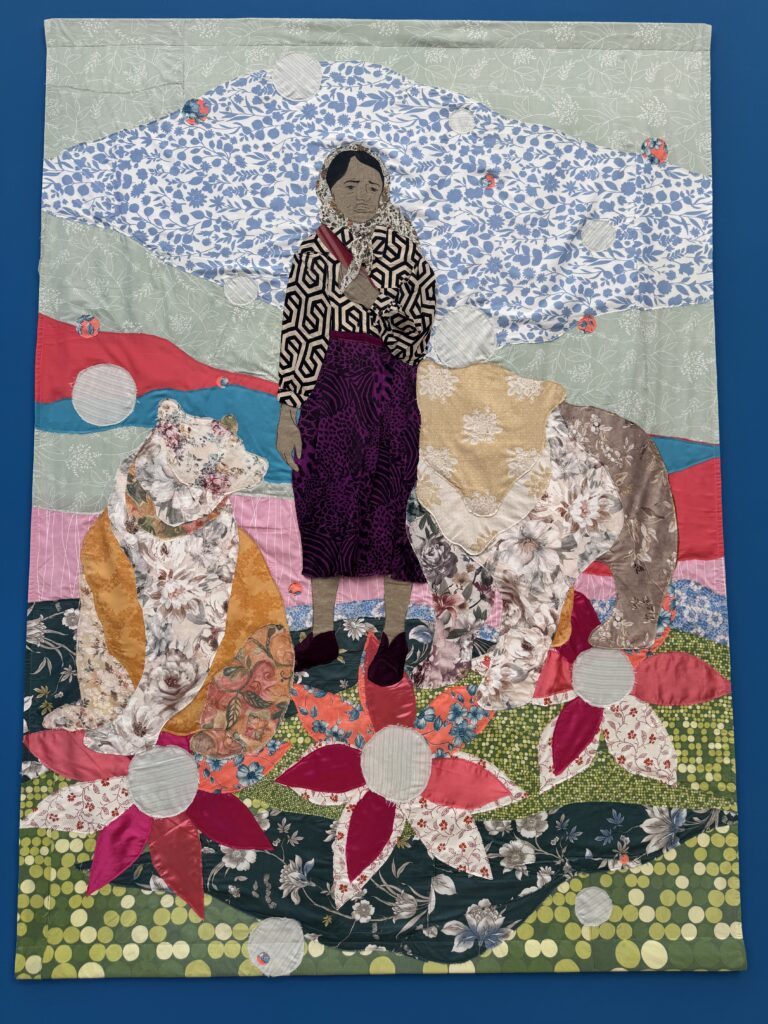
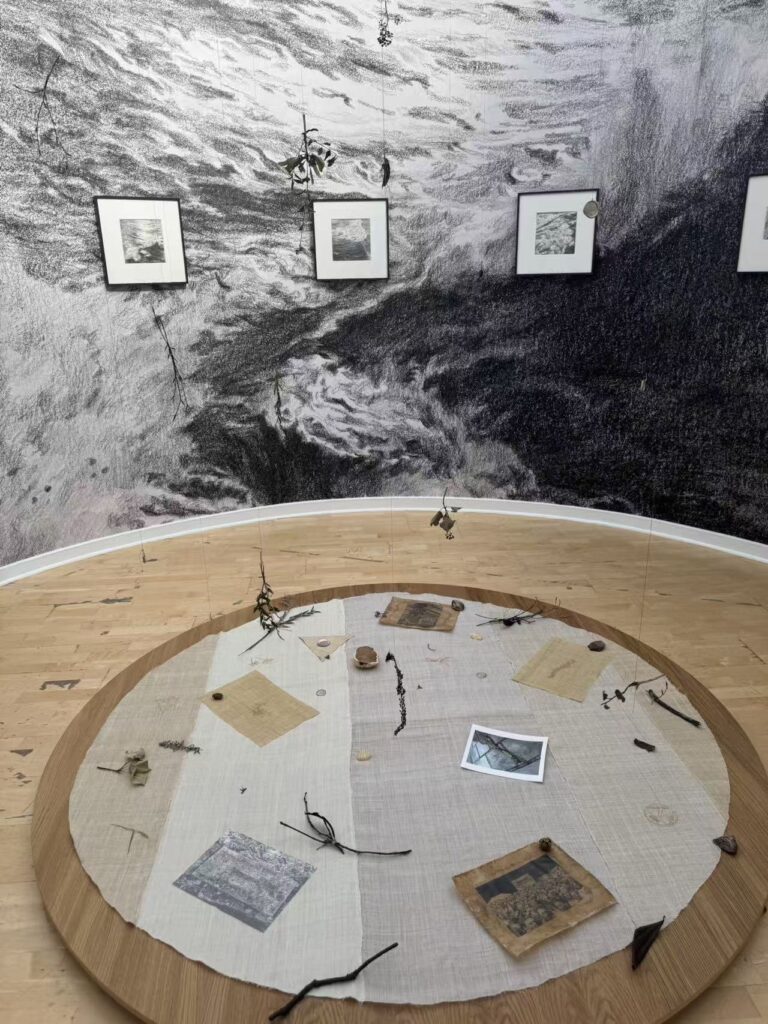
Małgorzata Mirga-Tas reconstructs the collective identity of the Romani community through textile collages, using her art to overcome past prejudices against them. She creates her works using old clothing from her family and community, transforming the materials themselves into carriers of communal memory and imbuing them with special emotional significance;

Fig 1 :Romani Chaj peskreja Rychinoha /Romani girl with a bear,2025
Textile and mixed media

Amol K Patil continues his father’s tradition of social activism and poetry, using sound, poetry, and art installations to narrate the struggles of Mumbai’s marginalized communities amid poverty and hardship. He employs sound as a spatial medium and transforms poetry printed on walls into a spatial experience;

Fig 2 :Amol K Patil
Who is invited to the city?

Kang Seung Lee reconstructs forgotten queer history through archival research. The fragmented nature of the information in his artworks emphasizes a sense of void and absence;

Fig 3 :Kang Seung Lee
Erasure held like a ferce lantern

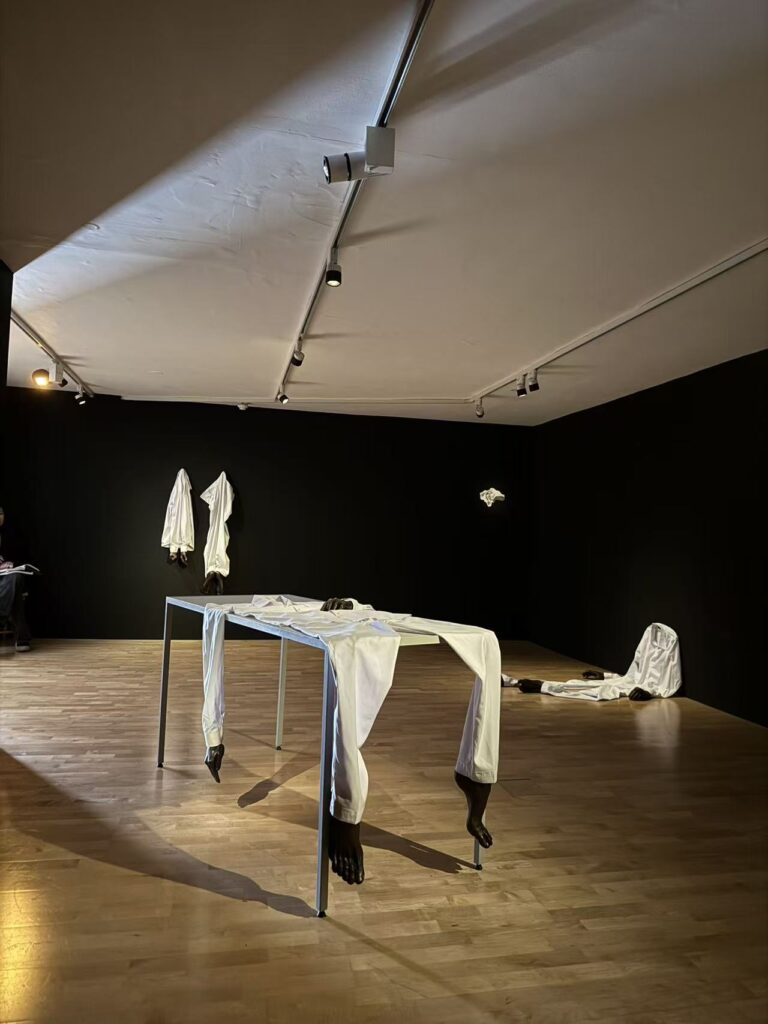
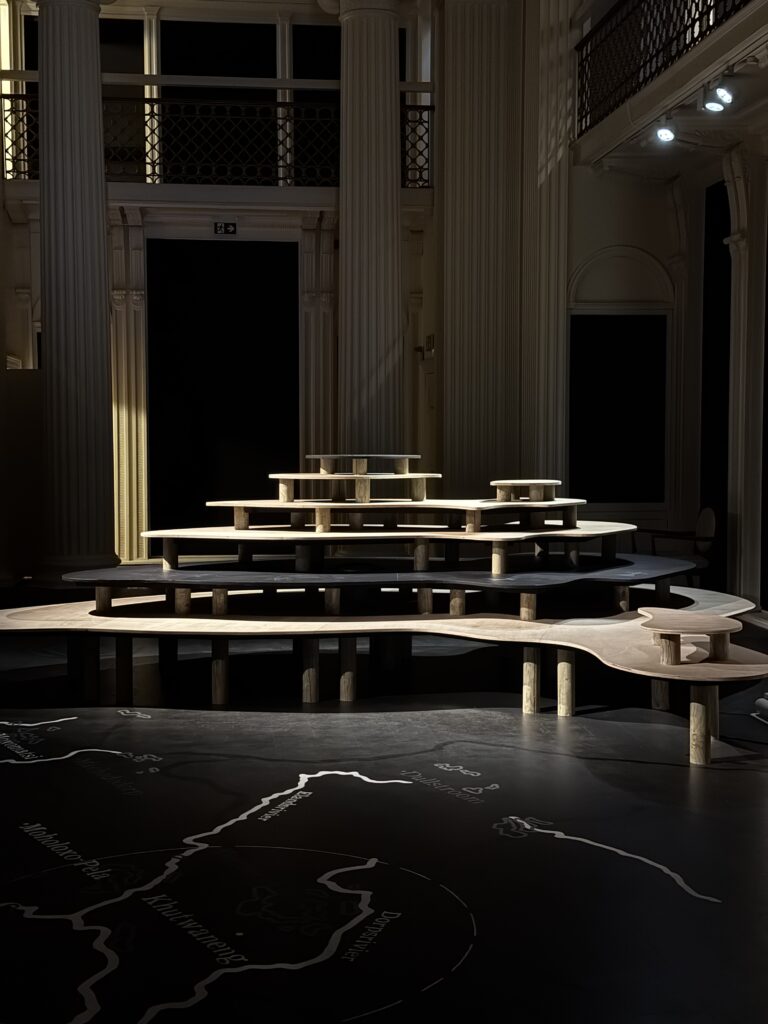
MADEYOULOOK’s installation “Mafolofolo” employs a land-art installation based on the ancient earthworks left by the Koni people to respond to the displaced African communities.The exhibition creates a multisensory experience through sound, touch, and spatial ambiance, shifting viewers’ focus from a visually centered mode of observation to embodied perception (Classen, 2017).Through a black environment, wooden topographical structures, and immersive sound, it offers viewers an immersive experience where they are transformed from spectators into participants through a multisensory engagement.

Fig 4 :Installation “Mafolofolo”

Curating a group exhibition involves not merely selecting artworks, but also constructing a network of relationships among them. The exhibition’s emotional progression moves from family and community to society and historical absence, and finally to the collective and the land. Each gallery is designed to reflect the distinct characteristics of the featured artists’ works, with varying lighting and sound effects that evoke different emotional shifts.

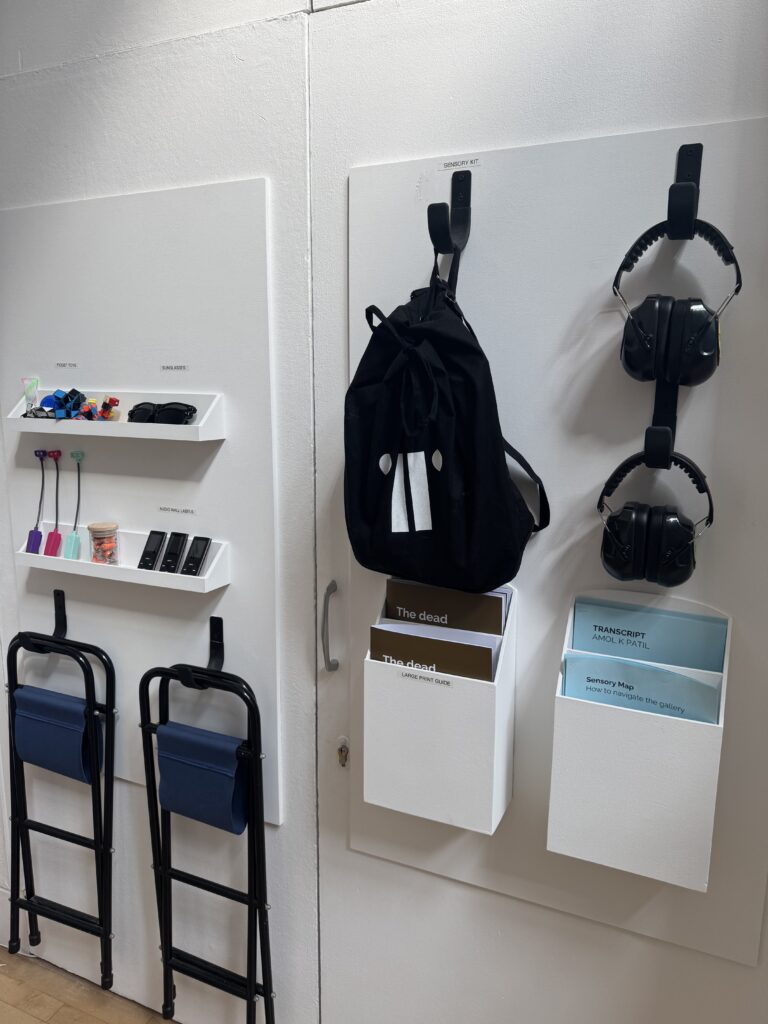
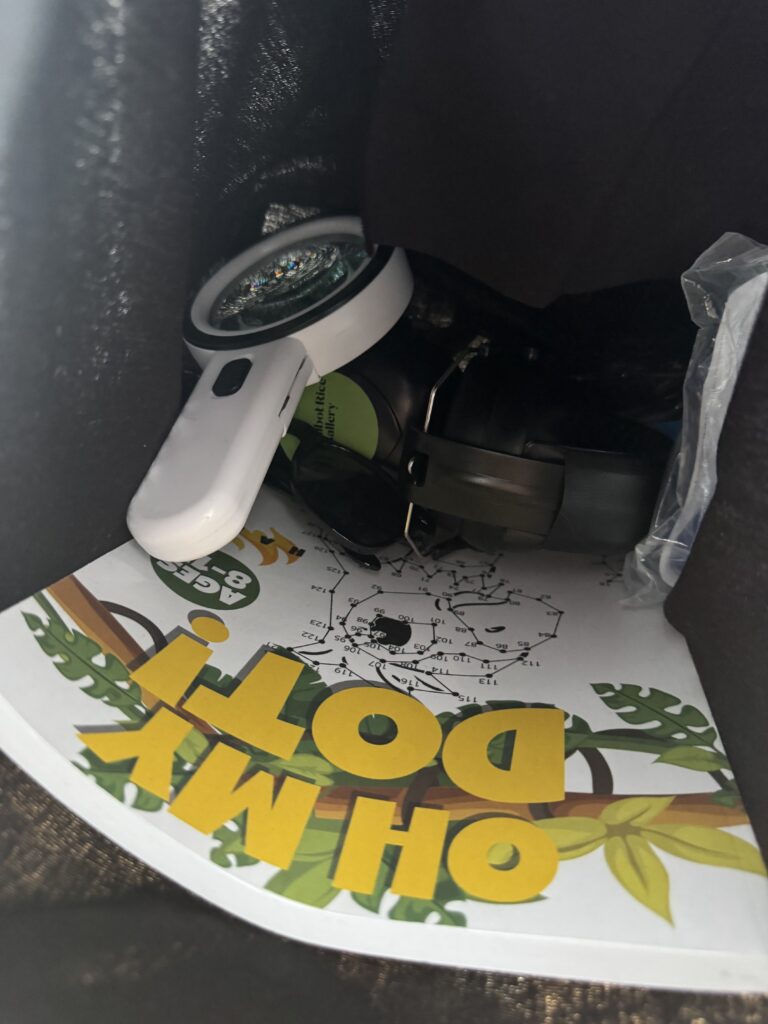
Beyond the profound impression left by the exhibition’s content, their sensory design offers valuable lessons I intend to incorporate into my own curatorial projects: sunglasses provided at the entrance (to accommodate light-sensitive visitors due to varying lighting in different galleries), headphones/earbuds (allowing visitors to adjust the sound environment), fidget toys (to relieve anxiety), sensory kit bags, audio-enabled wall labels, and more. The exhibition actively challenges the default expectations of the body, allowing “listening” to replace “reading.” Rather than requiring visitors to adapt to the exhibition, the exhibition adapts to the visitors, making accessibility an integral part of the curatorial concept rather than an afterthought. Audiences – traditionally imagined as passive recipients of media ‘effects’ – are now widely understood as themselves participating in the production process(Sandell,2007).Integrating sensory kits into the exhibition means they are not merely supplementary tools but an integral part of the curatorial content. By treating these tools as an extension of the artwork, audiences can independently alter their viewing experience using the items provided in the bag.

Fig 5 :Tools provided to visitors at the exhibition entrance

Fig 6 :The items provided in the sensory kit

References

Classen, Constance. The museum of the senses: Experiencing art and collections. Bloomsbury Publishing, 2017.

Sandell, Richard. Museums, prejudice and the reframing of difference. Routledge, 2007.


Week 11 :Course Reflections and Insights on Studying Curatorial Public Programs

Course Reflections:

Through the course of study, my understanding of the concept of curation has undergone a significant transformation. Initially, when I first encountered curation, I merely thought it was about setting a theme, selecting artists and works, and presenting them to the public. However, as I delved into the study of curation in public projects and related literature, I gradually realized that it is a practice that involves space, institutions, audience interaction, and has educational significance.

Curating is not a linearly completed task but a continuous process that is dynamic. It is a temporary gathering or dialogue among different participants and ideas (Grammel, 2011). It involves the interaction between the audience and artworks, as well as the negotiation between curators and artists. Curators are not artists but rather a bridge connecting art and the audience. As Grammel puts it, “I understand curating as a mediating activity, not because it dresses culture for audiences, but rather because it continuously emphasizes the impossibility of the unmediated (Grammel, 2011).” Therefore, the work of curators is not merely the selection and arrangement of artworks, but rather a production mechanism that constructs a spatialized and meaningful context.

Through reading Hudson’s proposal of the concept of the “user-generated museum,” I came to realize that, in the traditional view, curators hold the power of decision-making and interpretation, while audiences are placed in a passive role. In Hudson’s description, he states, “We hope to create a space dedicated to public projects; this is our primary goal (Hudson, 2017).” Audiences are not merely active participants but can also become co-creators. “Creating an institution created by and through its users, so that content and functions are increasingly determined not by those in authority, but by redistributing authorship and power, thereby making the institution a true embodiment of its community (Hudson, 2017).” Curation is not merely about serving art and presenting artworks; it can also facilitate interaction among the public and possess certain social functions.

Through my coursework, I have learned the importance of public programs, and an increasing number of arts organizations are beginning to prioritize such activities—including lectures, seminars, workshops, and film screenings. Curators no longer merely display artworks; they also undertake the responsibility of educating and guiding audiences to understand the works. Public programs can attract diverse audiences through various activities and help viewers better understand artworks and artists’ intentions by providing more opportunities for discussion and interaction. For example, the “Night Walk for Edinburgh” organized by Fruit Market attracted tourists, offered artists opportunities to expand their existing bodies of work, and allowed local residents to engage with the art over a longer period by incorporating the works into the gallery’s collection.

Fig 1 :Night Walk for Edinburgh Activity

Link:Night Walk for Edinburgh

Course Insights:

Having recognized the significance of public projects in curating, I have incorporated relevant public projects into my personal curatorial content: these are hosted and organized by the curator themselves, inviting participating artists to participate, exploring the body, social structure and visual expression methods within the context of feminism, introducing the inspiration and methods of work creation. A question-and-answer session is set up to promote communication between the audience and the artists. Participants can express the unspeakable pressures and emotions in daily life through collage and painting, and finally, based on the participants’ works, a “visual diary” is created to respond to the theme of the exhibition.


References

Grammel, Søren. “A Series of Acts and Spaces.” On Curating 8 (2011): 33-38.

Hudson, Alistair. “Building a user-generated museum: A conversation with Alistair Hudson.” Open Democracy (2017).