Week 6 – From Proposal to Spatial Testing
After the curatorial pitch, the project entered a testing phase, which raised a basic question: once the exhibition enters real urban space, can its original structure still hold? Public space is not a neutral display container. Its use is always shaped by systems of management, pedestrian flow, and architectural environment, so curatorial form itself must be reshaped by real conditions. This week, therefore, my work focused on spatial testing. For a project structured around six public sites, permission becomes a crucial issue. It is one of the clearest and most direct expressions of spatial power, because it reveals how a place is organised, restricted, and made accessible to different people.
This also pushed me to rethink the place of “intervention” within the project. Simply bringing works into the city is not enough to produce an effective intervention. It has to be able to interrupt patterns of use that have already been accepted as normal, so that a naturalised spatial order reappears as something constructed. The Situationist International provided an important reference here, especially through its discussions of dérive and psychogeography, which examine how the city organises perception and action through flow, function, and rhythm. Marcus Jack’s classroom use of Debord’s statement that “all that was once directly lived has become mere representation” was also important for me, because my project deals with a similar spatial reality: some places appear natural only because the inequalities within them have been repeated so often that they are no longer questioned. In that sense, the value of intervention is not to create a visual event, but to disturb existing spatial relations.
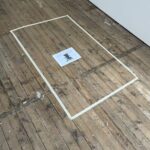
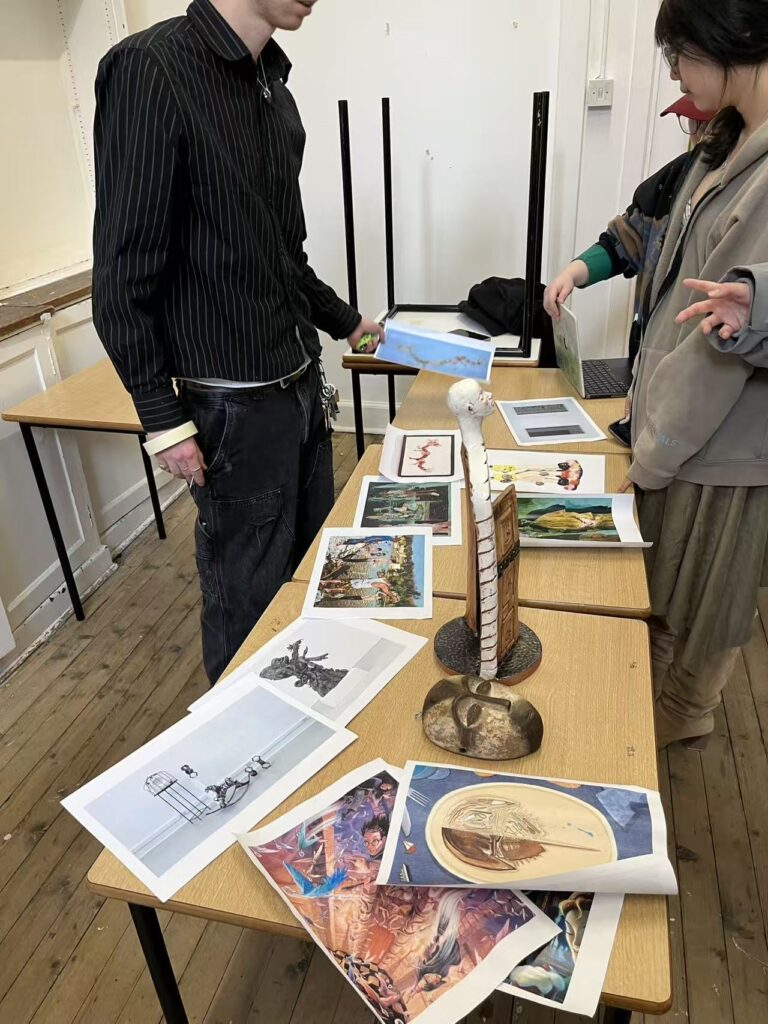
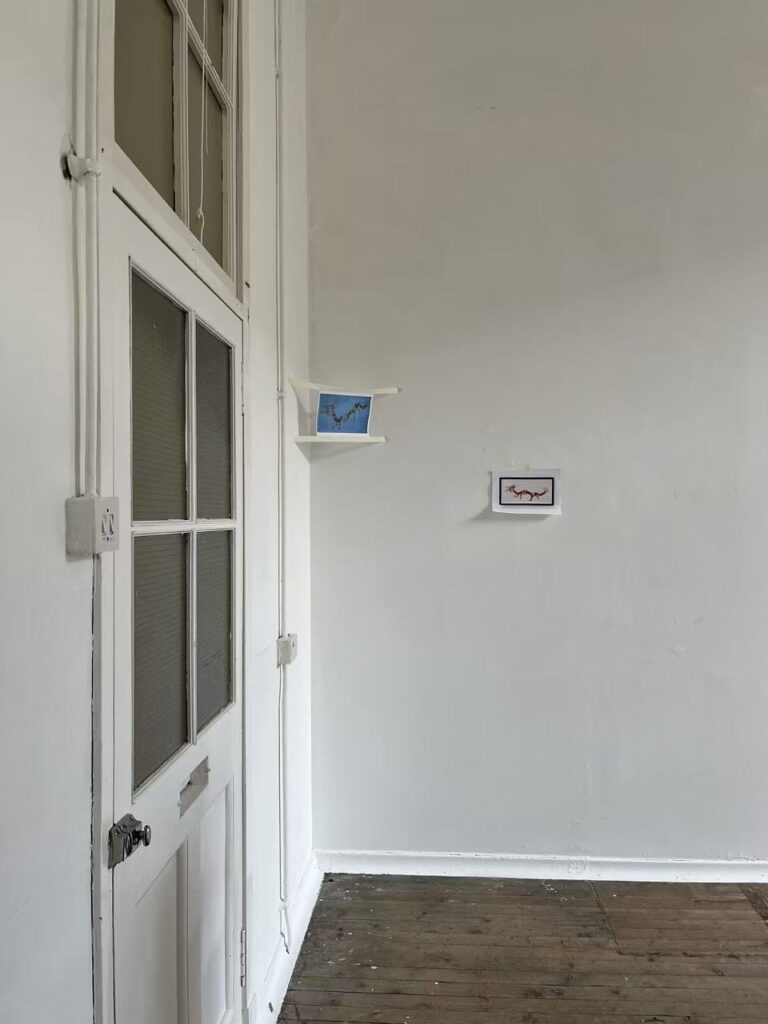
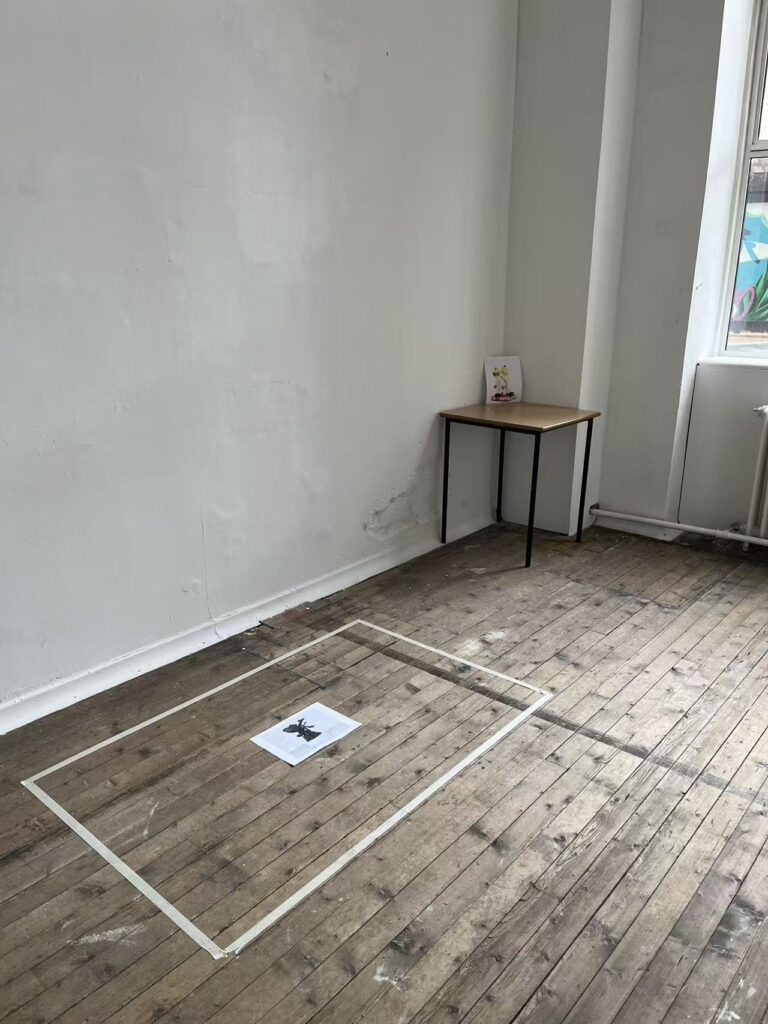
The collective spatial test at Summerhall gave me a further insight. Shared themes do not automatically produce coherence. The distances between works, the order in which they enter the viewer’s field of vision, and the arrangement of different media all directly affect how the exhibition is understood. Adjustments to the position of video, installation, and painting were therefore not minor technical matters, but ways of constructing the inner logic of the exhibition. The lesson for my personal project was clear: the six sites cannot be treated as six separate statements, but must form a rhythm and set of relations that can be genuinely perceived.
References
Lewis Jacob, Adam. Underground, Overground, Inside and Out: Exploring the Dynamics of Artist-Run Spaces. MA Contemporary Art Theory: Curating course presentation, University of Edinburgh, 2026.
University of Edinburgh. Week 6 SICP Toolkit. MA Contemporary Art Theory: Curating course document, 2026.