WEEK 13: Exhibition Display and Artwork Dialogue

Overview

In the thirteen week’s research, I was pondering the issue of exhibit placement, which required consideration based on the nature and relationships of the exhibits. From the perspective of exhibit layout, would there be any viewing influence among the video works, including sound and audience stay? Similarly, there would also be a dialogue relationship between the exhibits. Therefore, in this week’s research, I mainly focused on thinking about how to combine reality and the needs of the exhibition narrative to handle the issue of artwork layout.


Display Method

  • Zonal narrative structure

The exhibition is divided into: material → moving image → workshop archive. The space itself constitutes the narrative path, allowing the audience to move along memory → translation → production.

  • Object to immersion transition

Transition from KV Duong’s object to Will Pham’s image space. Display changes from “viewing object” to “entering experience”, enhancing the emotional and time level.

  • Workshop as extension

Workshop archive as the last part of the exhibition. The exhibition does not end with the display, but continues to generate content and meaning here.


The exhibition is structured spatially as a narrative progression from material to immersion and finally to participatory production.


Artwork Dialogue

  • Material vs Narrative

KV Duong (object) vs Will Pham (video). Memory transforms from material traces to narrative expression, forming core tension.

  • Private vs Collective Memory

Individual Memory (Memory Box / Cake) vs Collective Memory (An Viet / archive). Identity is constantly being restructured between individuals and communities.

  • Translation across media

Object → Video → Workshop archive, diaspora is not a theme, but a cross-media translation process.


The artworks form a dialogue across material, narrative, and archive, constructing diaspora as a process of translation between personal and collective memory.


Exhibition Layout
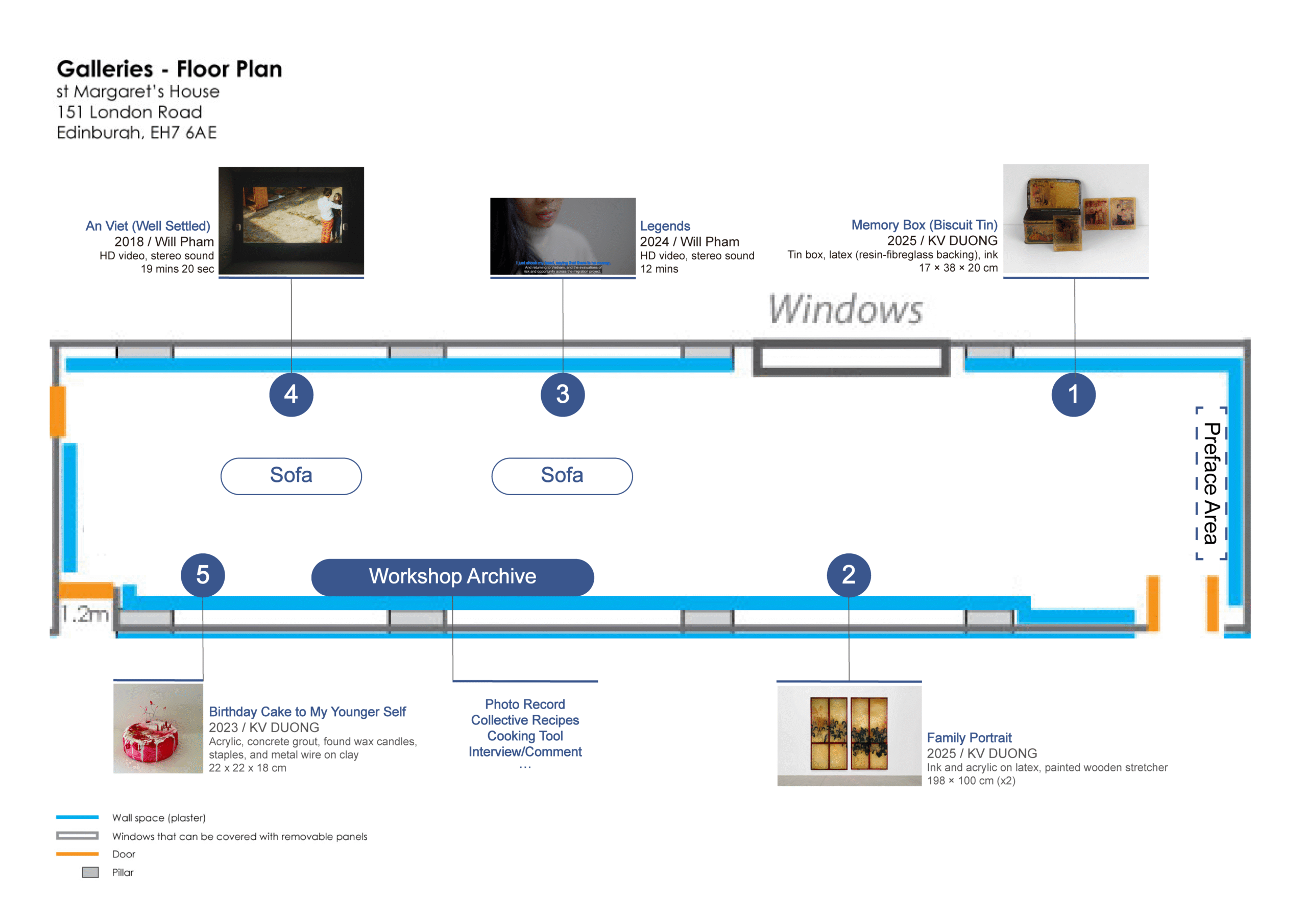
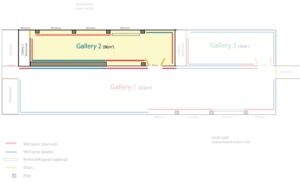
Layout Map of Exhibition
Image by: Tianshun Zhao
Source: https://www.scot-art.co.uk/places/st-margarets-house/facilities/exhibitions-events-communityspace/

This exhibition plans to adopt a linear dynamic line layout and enters from the right entrance. First, enter the preface area and Memory Box to create an intimate memory atmosphere. Then transition along the wall to Family Portrait to strengthen the connection between material and identity. In the middle section, the double video works Legends and An Viet are set up, and the sofa is used to form an immersive viewing space. Finally arrive at the Workshop Archive area, and present the participation process through archives, recipes and records, so that the exhibition extends from viewing to generation and interaction. Birthday Cake to My Younger Self symbolises the celebration of group vitality and continuity at the end.


WEEK 12: Rational Consideration and Exhibition Case

Overview

In the twelfth week of the research, I was considering how to enrich the issue of exhibition rationality. Therefore, I attempted to start from literature research and exhibition cases, seeking some content that could be referenced and learned from. From the perspective of literature, I supplemented The Black Atlantic and The Practice of Diaspora, exploring rationality through the transnational system and translation; from the perspective of exhibition cases, I discussed Lubaina Himid: Make Do and Mend (2024) and Decolonising the Outdoors: Places That Built Us (2025) for the reflection on diaspora. I tried to provide some ideas for my scip and critical reflection.


Theory Perspective

Image by: Tianshun Zhao
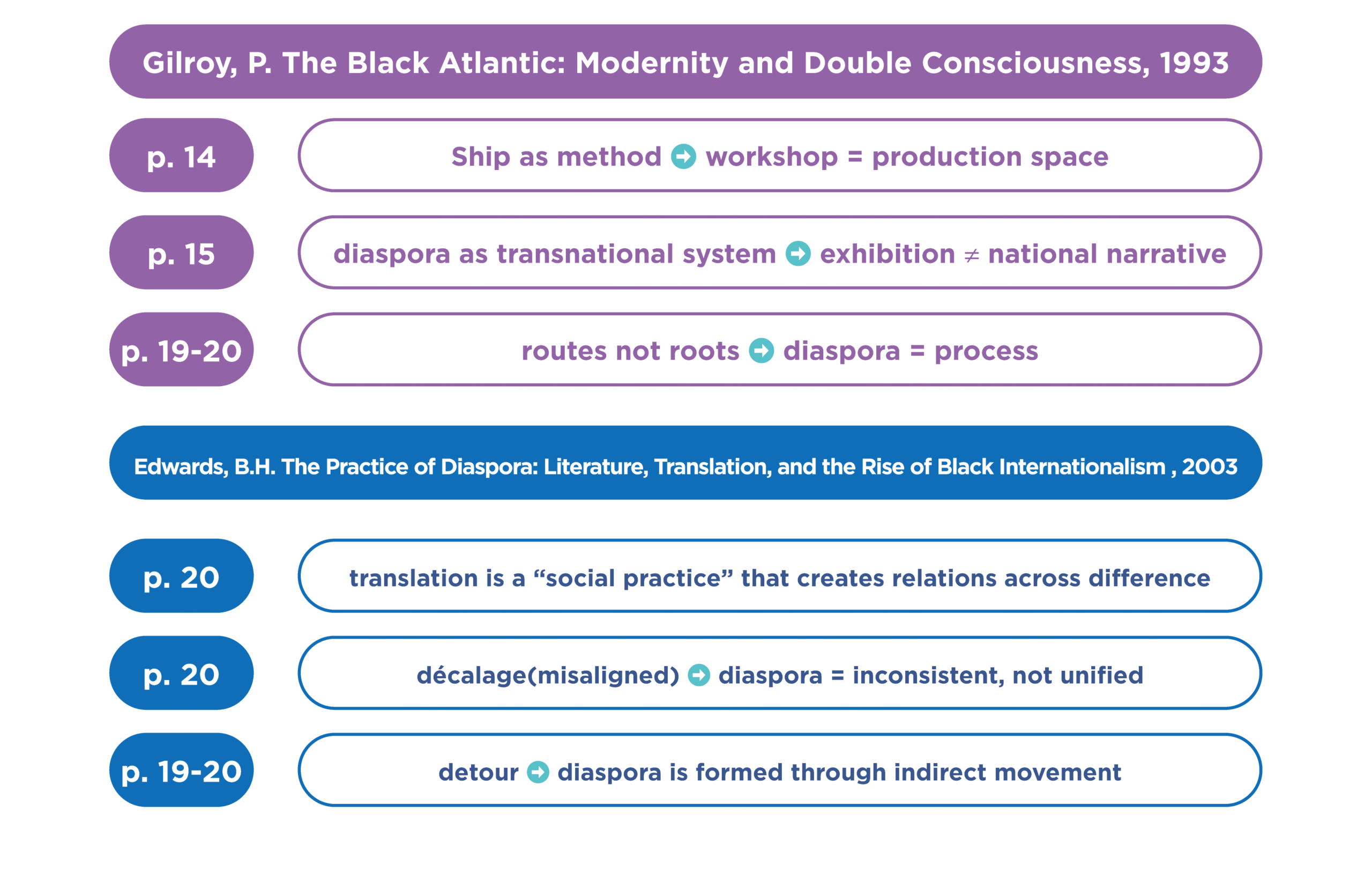
  • Drawing on Paul Gilroy, diaspora is not rooted in origin but shaped through movement, “routes rather than roots” (p.19). He redefines the Atlantic as a transnational cultural system (p.15), challenging nation-based frameworks. The ship, as a mobile space (p.14), becomes a key site where identities are produced through circulation rather than fixed belonging.
  • Drawing on Edwards, diaspora is not a unified identity but a process of translation that produces relations across difference (p.20). This process is structured by inevitable gaps, or “décalage,” meaning cultural exchange is always partial and uneven (p.20). Moreover, diaspora unfolds through detours rather than return (p.23–24), emphasizing indirect, non-linear movements of identity and meaning.


Exhibition Case

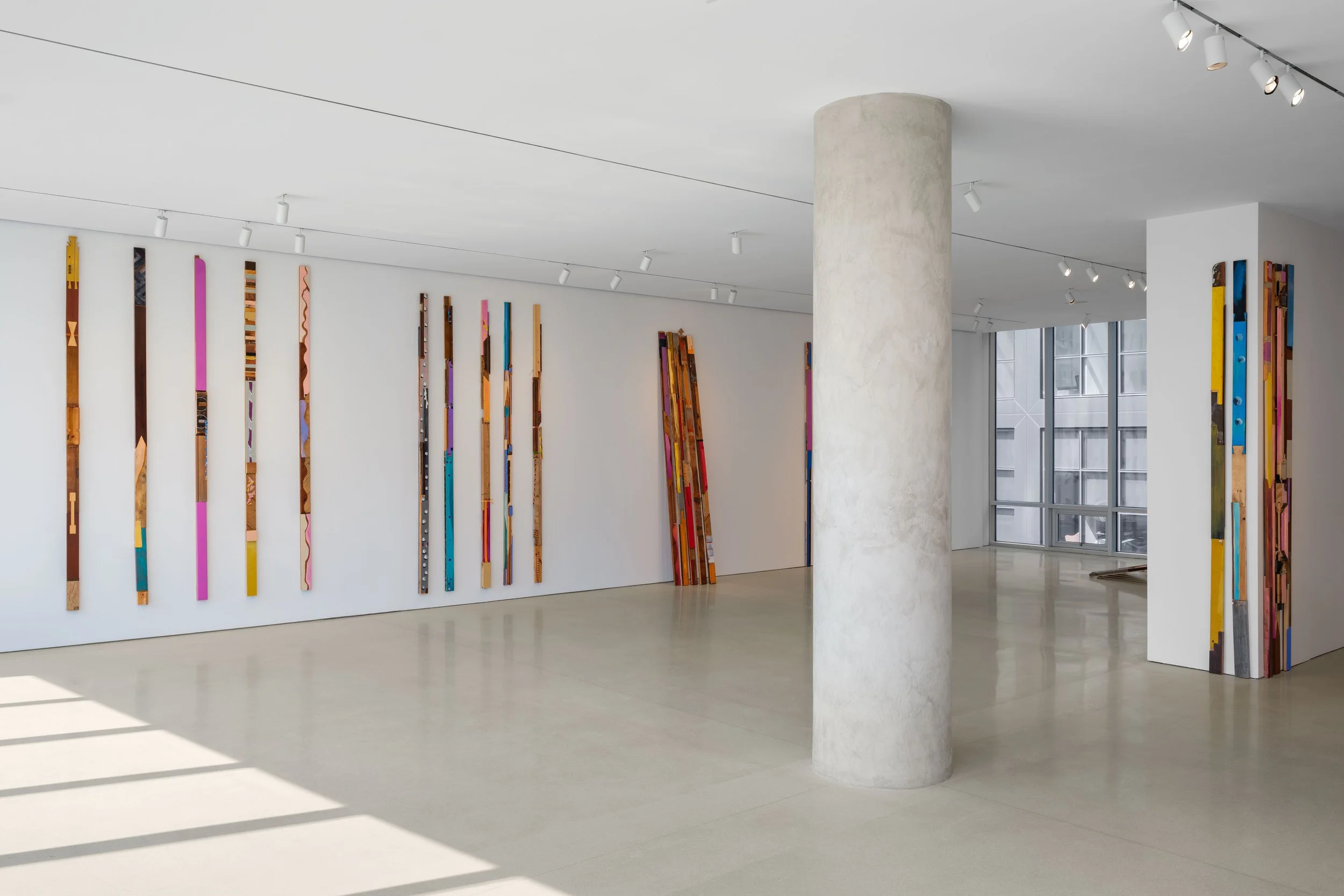
Installation view of Lubaina Himid: Make Do and Mend at The FLAG Art Foundation, 2024
Photography by Steven Probert


Exhibition as problem solving

The exhibition presents characters discussing problems around the table through “Strategy Paintings”, simulating the decision-making and thinking process.

Material as memory

The wooden board work of “Aunties” draws on the form of East African funeral objects and points to historical and cultural memory.

Collective identity construction

In the exhibition, the group characters discuss global issues (care, war, land, etc.) together, emphasising the collective rather than the individual.


The exhibition shifts focus from representation to process, using material, collective interaction, and problem-solving structures to construct meaning.


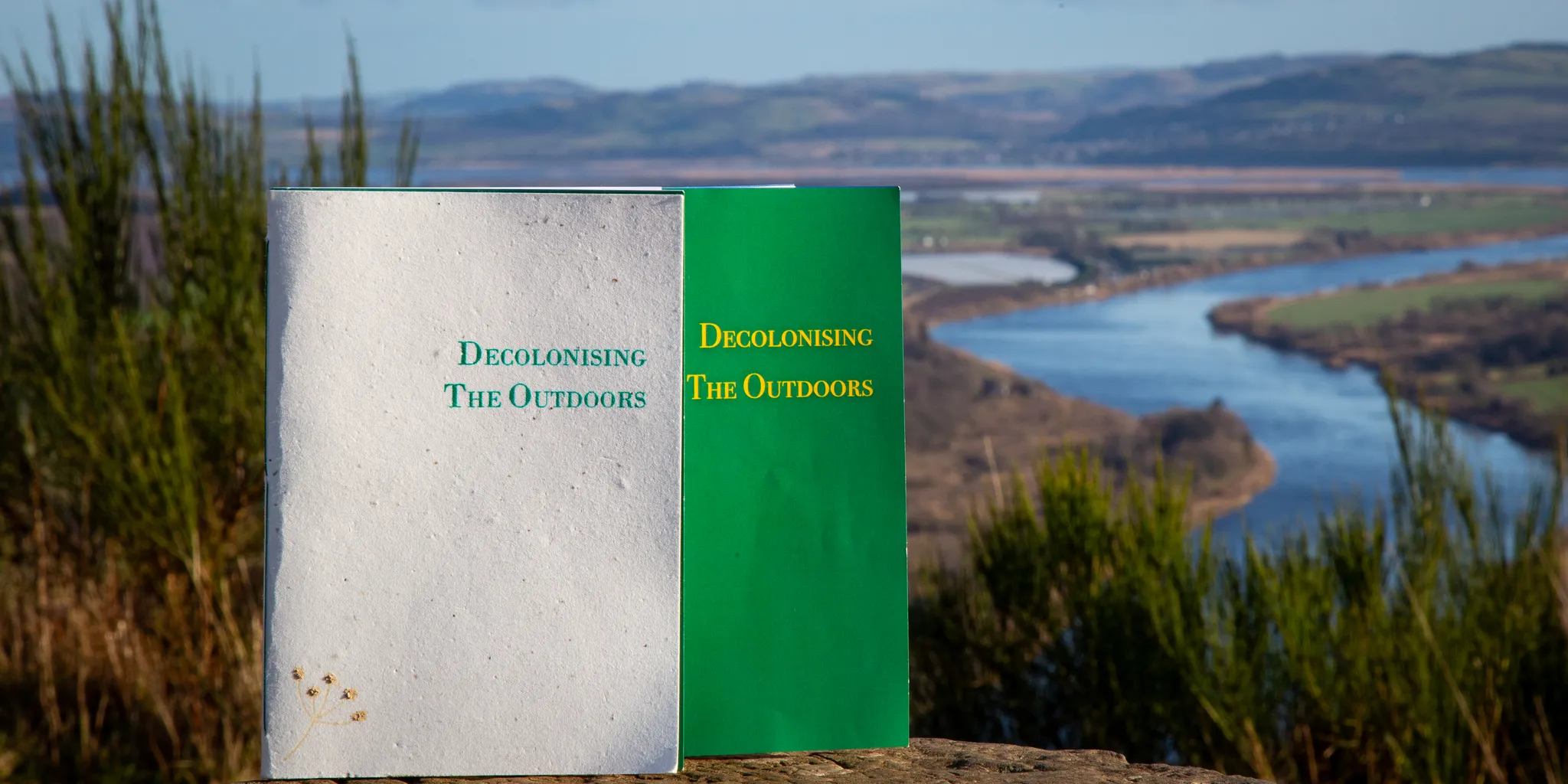
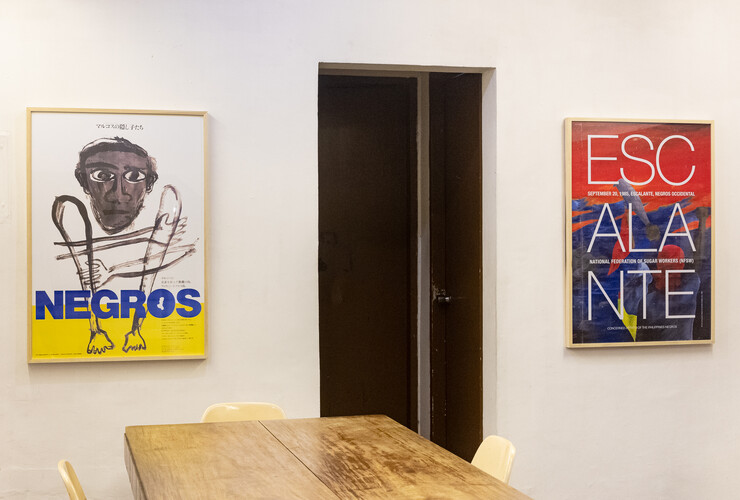
Decolonising The Outdoors, Aillen Lees, 2025, Edinburgh’s Radical Bookshop, Source: https://statuesque-figolla-ae8704.netlify.app/decolonisingtheoutdoors/
Decolonising knowledge production

Through discussion, reading and participatory activities (workshop), knowledge is no longer output by the institution in one direction, but generated in collective interaction.

Workshop as decolonial space

The workshop transforms the audience into participants, enabling them to engage in the process of expression, discussion and negotiation.

Situated belonging

In the cross-border context, through collective discussion and experience sharing, the sense of belonging is reconstructed in the situated context.


The project operates as a decolonial platform where knowledge is co-produced through workshops, transforming exhibition into a participatory space in which belonging and meaning are collectively constructed.


Reference List

Edwards, B. H. (2003) The Practice of Diaspora: Literature, Translation, and the Rise of Black Internationalism. Cambridge, MA: Harvard University Press.

Gilroy, P. (1993) The Black Atlantic: Modernity and Double Consciousness. Cambridge, MA: Harvard University Press.


WEEK 11: Funding and Exhibition Inspiration

Overview

During the eleventh week of study, I mainly attempted to explore and identify some potential sources of funds. The main considerations included Creative Scotland and some related community organizations. Additionally, I tried to offset part of the budget expenditure through item sponsorship. At the same time, this week I went to Inspace to view the exhibition “Design Global Data Interactions”, and attempted to explore possible reference points in terms of promotion and display methods.


Potential Funding Sponsorship

Image by: Tianshun Zhao


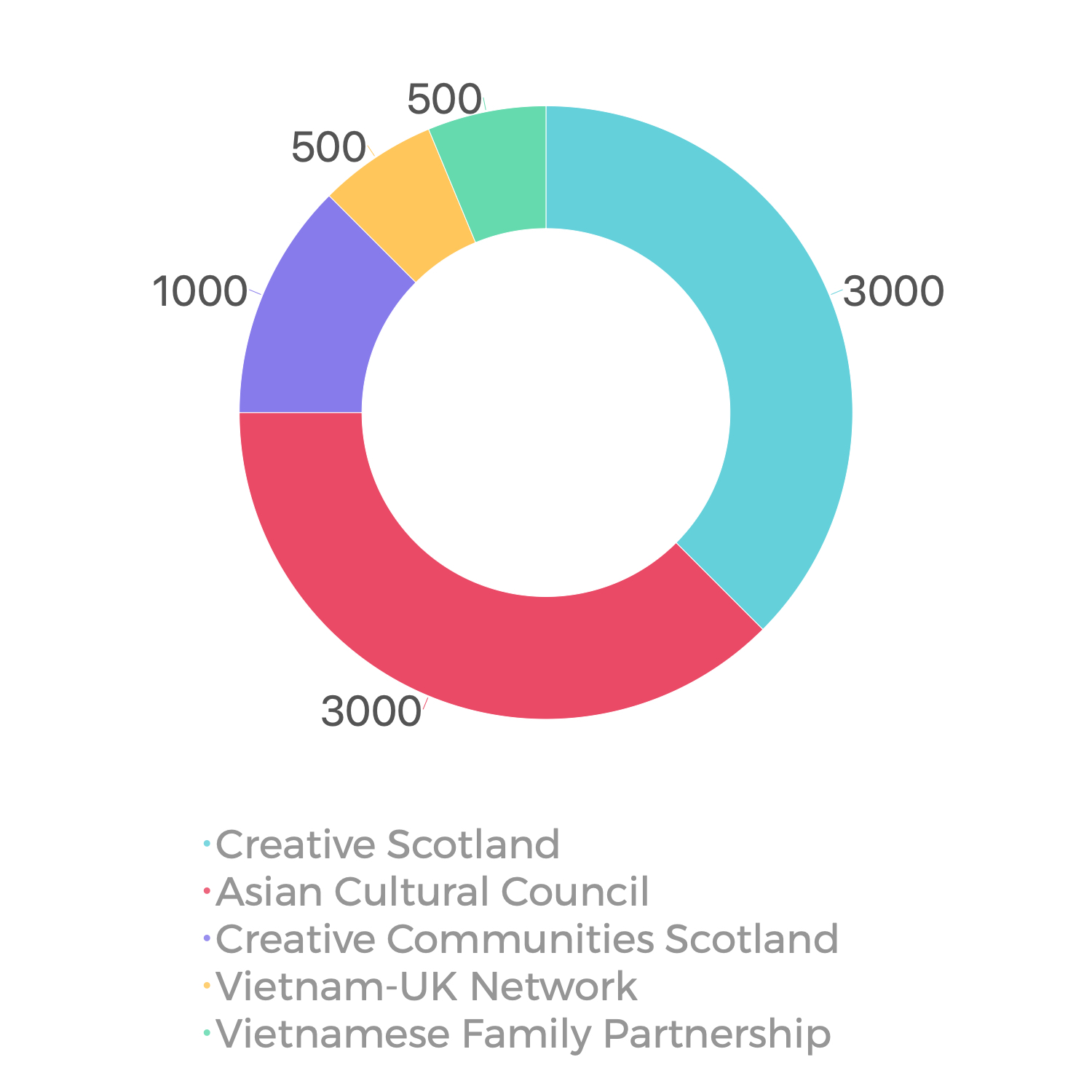
  • Creative Scotland (£3000)https://www.creativescotland.com/funding
    As the core public art funding agency in Scotland, this fund mainly supports the artist fees and exhibition production costs of the projects, ensuring the professionalism and implementation foundation of artistic production.
  • Asian Cultural Council (£3000)https://www.asianculturalcouncil.org/zh-hant
    This fund focuses on cross-cultural artistic exchanges and research, and is mainly used to support research and content development related to Asian (particularly Vietnamese) cultural narratives in the projects.
  • Creative Communities Scotland (£1000)https://inspiringscotland.org.uk/fund/creative-communities-scotland/
    This fund focuses on community participation-based projects, mainly used to support the implementation of workshops and public participation activities, and to enhance the social participation dimension of the projects.
  • Vietnam-UK Network (£500)https://vietnamuknetwork.org.uk
    This organization is dedicated to promoting cultural exchanges between the UK and Vietnam. The funds provided are mainly used to enhance the international cultural connections and cross-cultural communication of the projects.
  • Vietnamese Family Partnership (£500)https://www.vietfp.org
    As a local Vietnamese community organization, its funds and resources will mainly be used to support the recruitment of community participants and the actual implementation of the workshops.


Exhibition Inspiration

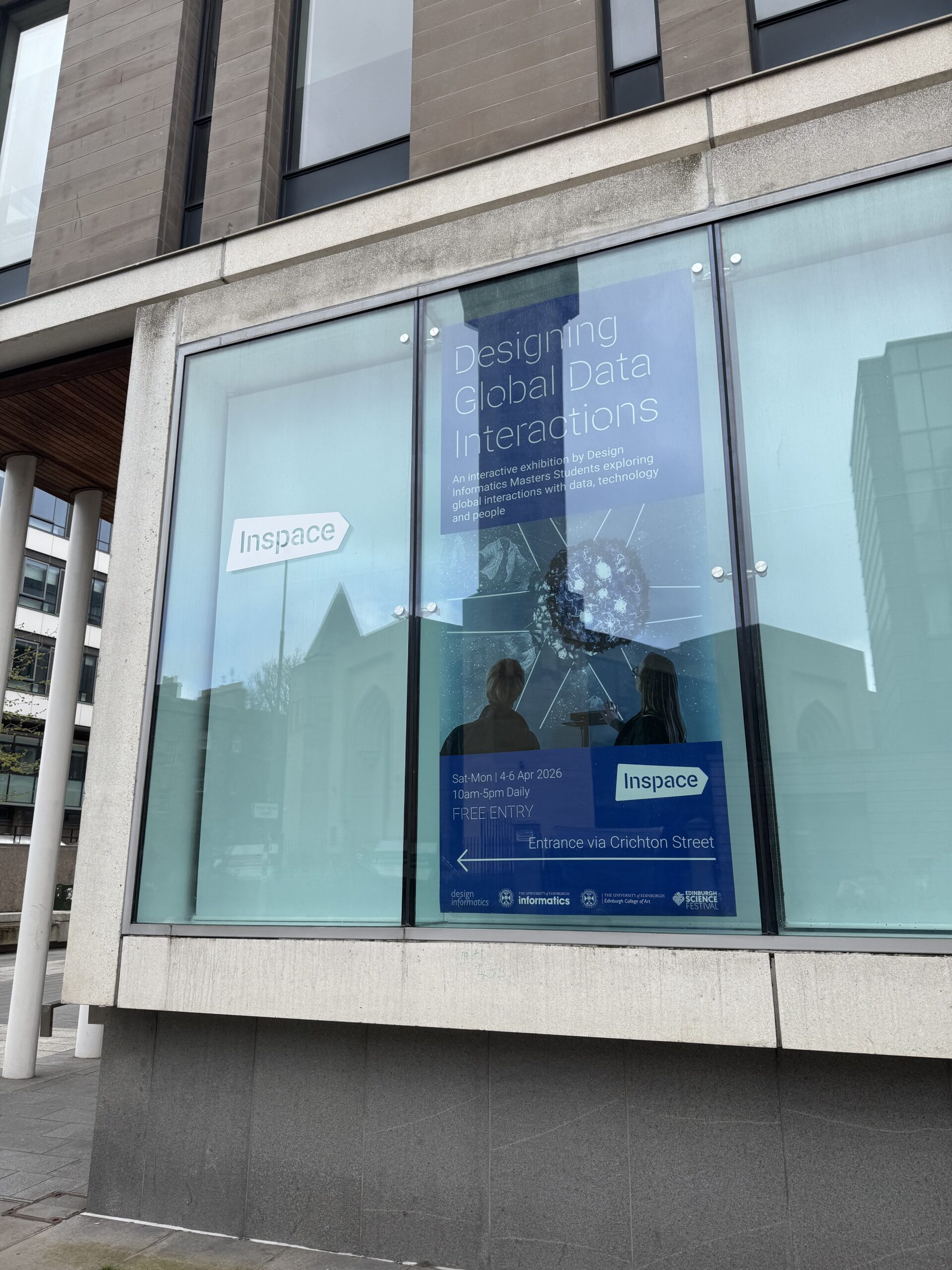
Large poster in corner, Inspace
Image by: Tianshun Zhao
  • Large-scale poster promotion
    By posting large posters on the exterior of buildings, it is easy to attract the attention of the general public and draw them to this exhibition. Moreover, additional guiding signs are provided to direct visitors to enter the exhibition hall.
  • Multi-channel online promotion
    Due to the presence of numerous supporting institutions, it can be observed on the internet that each institution has published promotional information for the exhibition. And the reason why I will attend this exhibition is that a friend posted the exhibition information on social media. This demonstrates the influencer’s (KOL) role in attracting traffic.

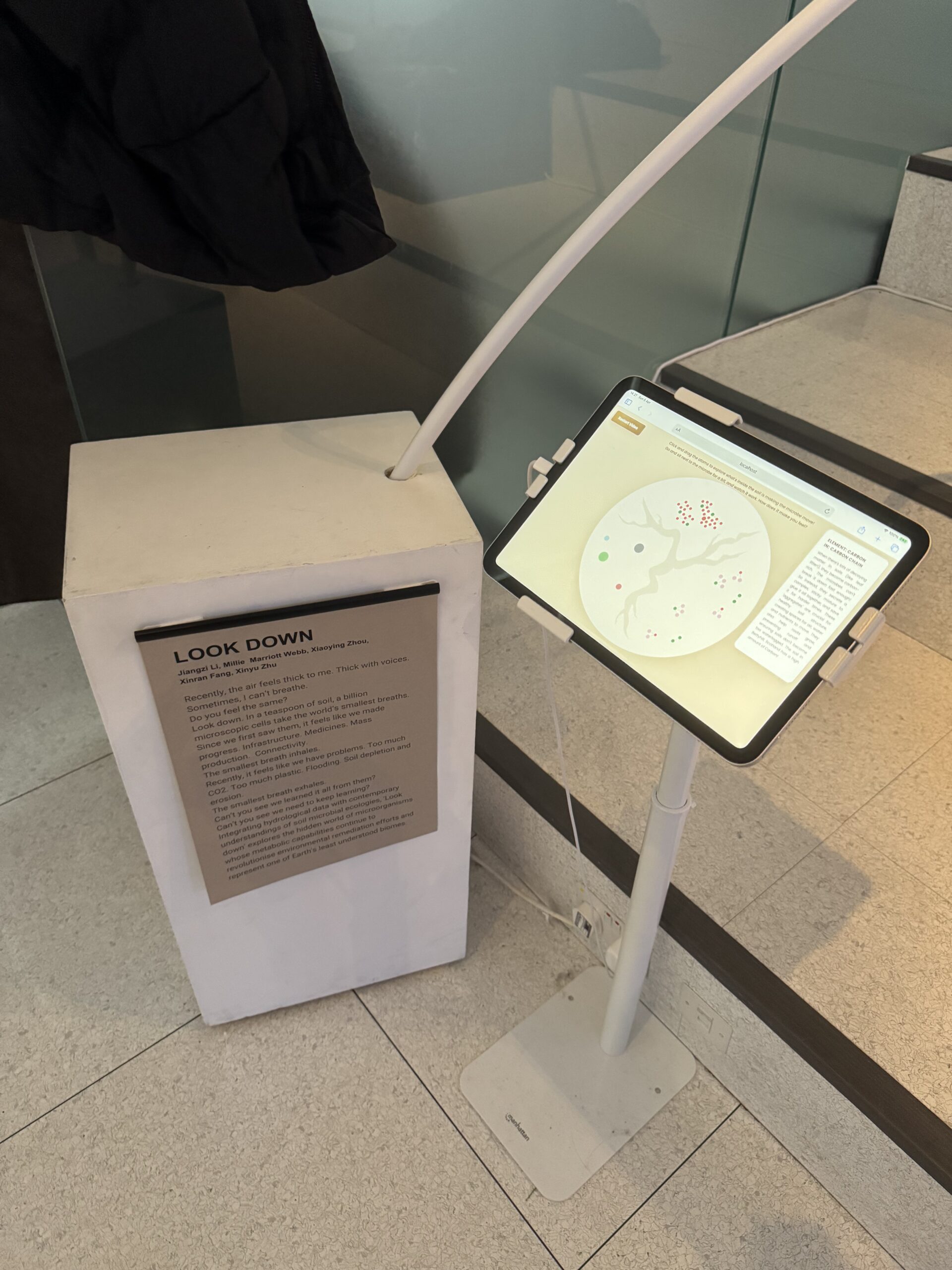
LOOK DOWN, 2026, Tablet, Jiangxi Li et al
Image by: Tianshun Zhao
  • Lightweight exhibition format
    I have discovered that visual works do not necessarily need to be displayed on walls. They can be presented in a lightweight format, using tablets instead of monitors. There is no need to display them on walls, which can save wall space and also allow for more flexible placement of the works.


WEEK 10: Budget Anticipation and Collective Practice

Overview

During the tenth week of study, I mainly focused on the construction of the exhibition budget and collective practice. While reviewing the overall budget structure, I also further added potential costs and adjustable spaces that were not included, and considered the sources of funds and feasible paths; at the same time, the group continued to advance the curatorial discussion and visual design of the “No Heroes” exhibition, making the project gradually clearer at the actual implementation level.


Budget Anticipation

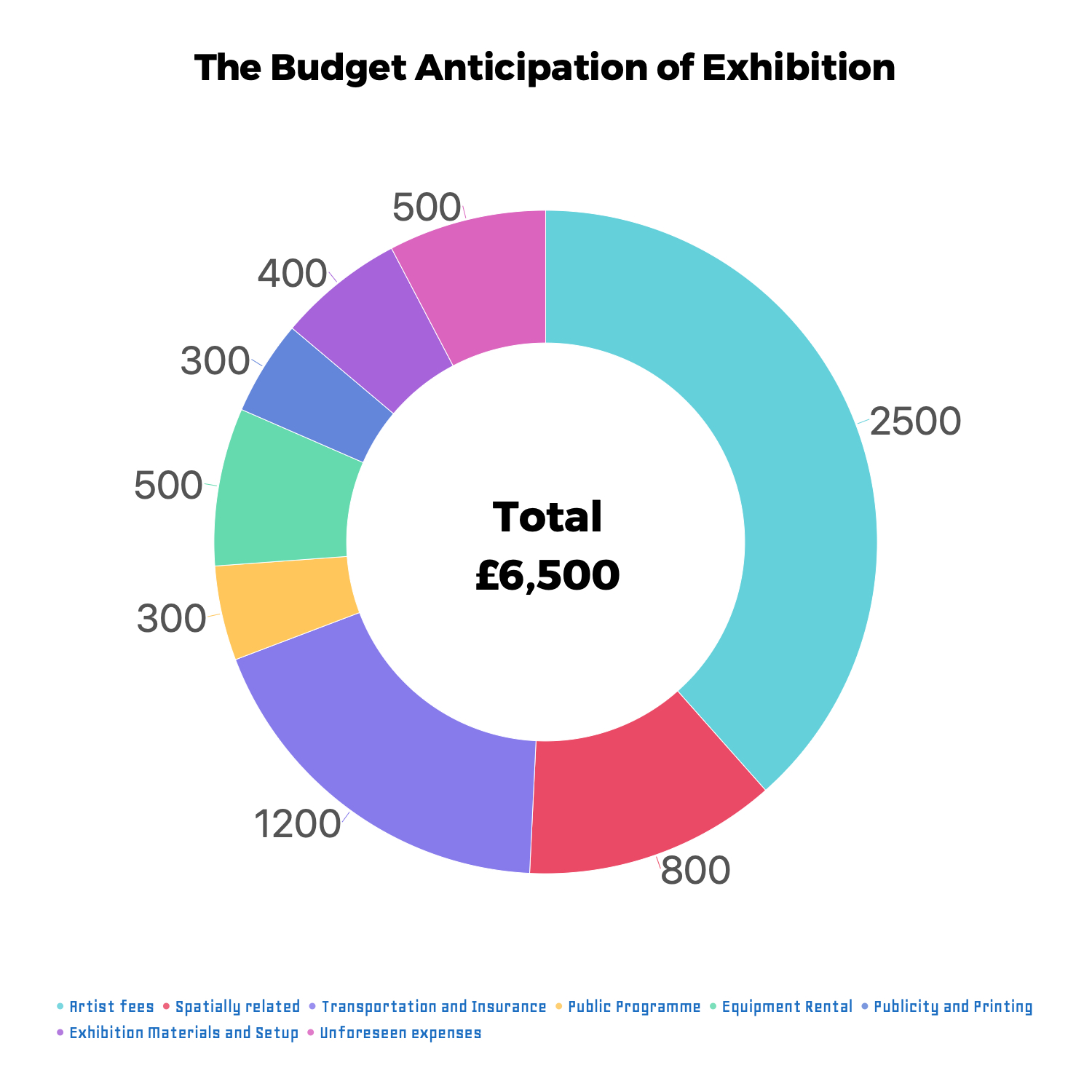
Image by Tianshun Zhao

Anticipated but Unaccounted Costs

Visual design and exhibition image system

  • This includes the design costs for graphic design, visual identity system and related printed materials. These costs have not been separately listed at present, and additional costs may arise in the future.

Staff allocation and management costs for exhibition periods

  • The subsidies for the exhibition attendees or volunteers during the event have not yet been included in the budget, but they are necessary in actual operation.


Cost Adjustment and Budget Flexibility

The flexibility of artist fees

  • If the project does not require the artist to be present for on-site installation or for workshops, the artist’s fee can be reduced accordingly, with only the exhibition fee or licensing fee remaining, thereby significantly reducing the overall expenditure.

Digital transfer of publicity costs

  • By reducing paper printing and shifting to social media and digital communication, the expenditure on publicity and printing can be further reduced. For example, sending an electronic version of the archive to the participants of the workshop.

Income and Funding Strategy

Primary Institutional Support

  • It is expected to apply for the ECA student program fund or the support from the relevant college as the initial capital, to cover the core expenditures (such as artist fees or space costs).

Thematic funding opportunities

  • The exhibition covers topics related to Southeast Asia or immigration. Exploring relevant cultural funds or support from embassies can help enhance the international and cultural dimensions of the project.


Collective Practice

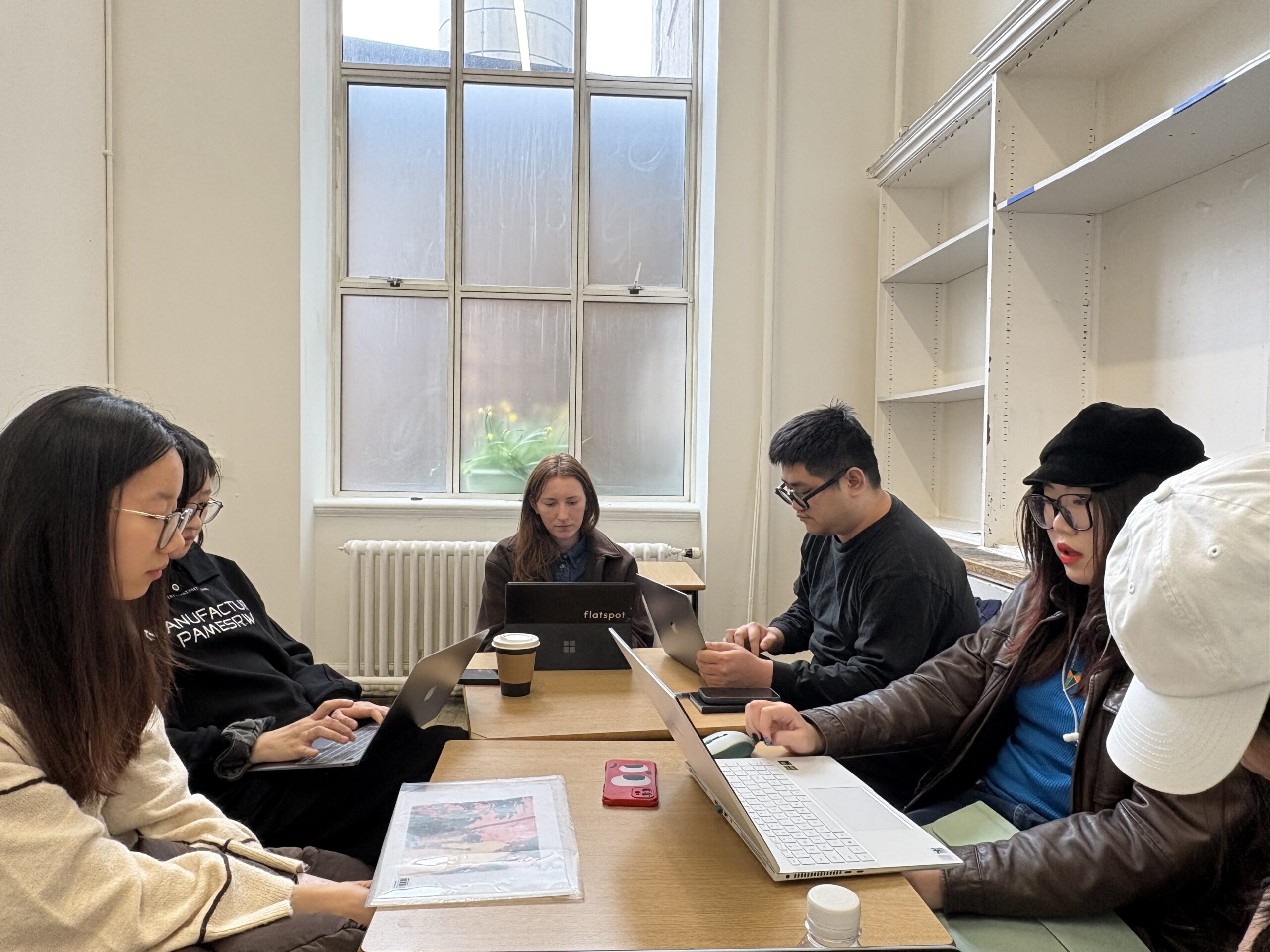
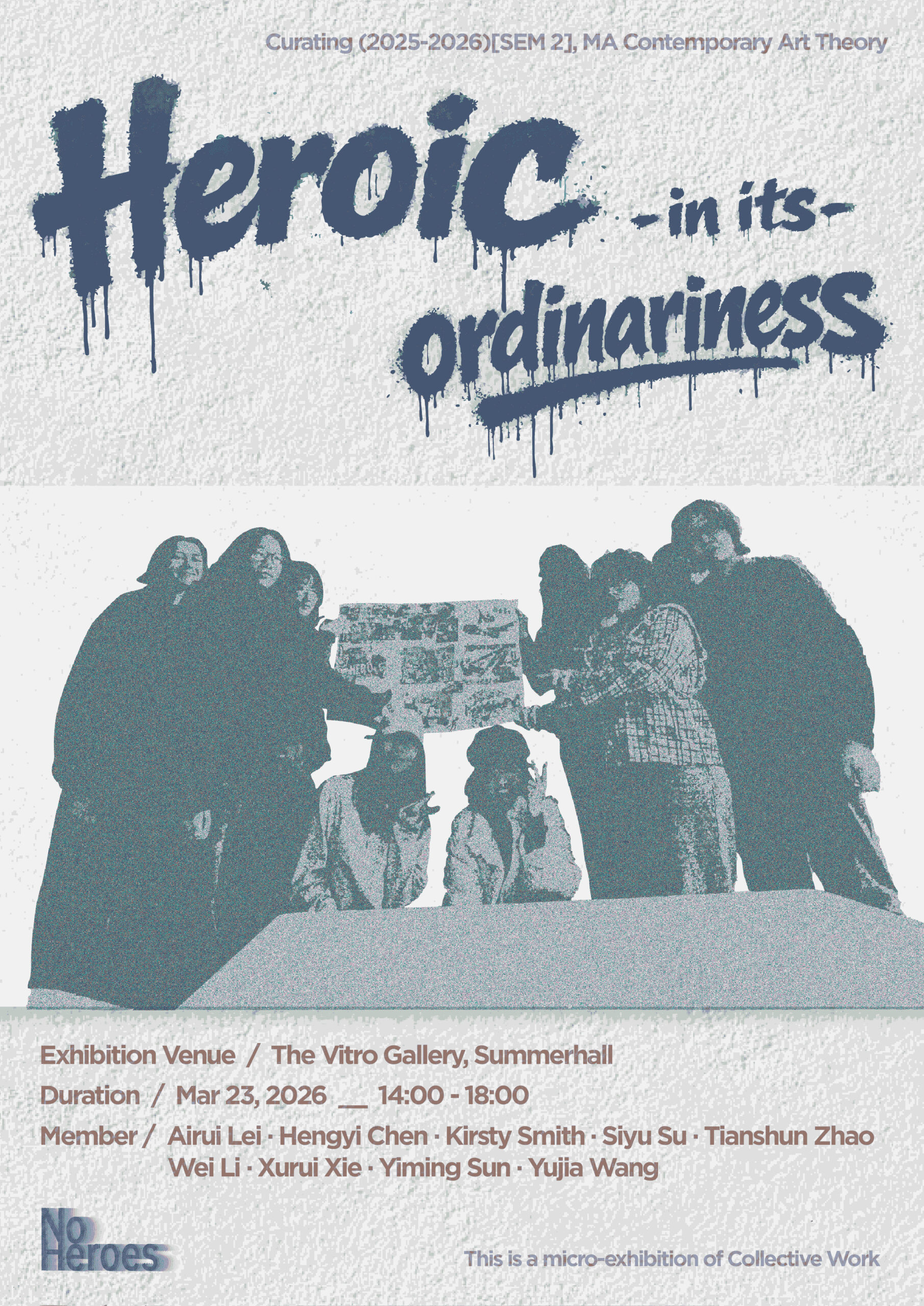
Image by Hengyi Chen & Tianshun Zhao

This week’s collective activity involved a group discussion on the main content of the “No Heroes” exhibition. I designed a visual poster and exhibition map, and each member presented a piece of work that was suitable for the theme. I brought an art installation demo that was completed together with other members of the CAT group. During the meeting, we discussed every aspect required for the exhibition plan, such as narrative text, budget, and support, and Kirsity compiled them and posted them in the teams channel.


WEEK 9: Workshop Design and Collective Saloon

Overview

During the ninth week of study, through the workshop discussions of the course, I referred to the Will Pham’s work Recipes of Life, and designed my public exhibition project, a cooking workshop named Memory Recipes: The Taste of Translation, which plans to invite the local immigrant community to participate together. Regarding the part of collective activity, this week we watched the video works brought by Kirsty and discussed what themes the works were suitable for and in what form they should be presented. We also discussed the curatorial plans of the members and offered suggestions for each other’s proposals.


Public Programme – Cooking Workshop

Inspired by Recipes of Life, Will Pham, 2025

Socially engaged artwork
Multi-channel video installation

(https://willpham.co.uk/Recipes-of-Life-2025


Concept: Invite members of the Southeast Asian (particularly Vietnamese) diaspora community in Edinburgh, as well as any members of the public who are interested, to bring a recipe closely related to personal or family memories.

Image by: Tianshun Zhao
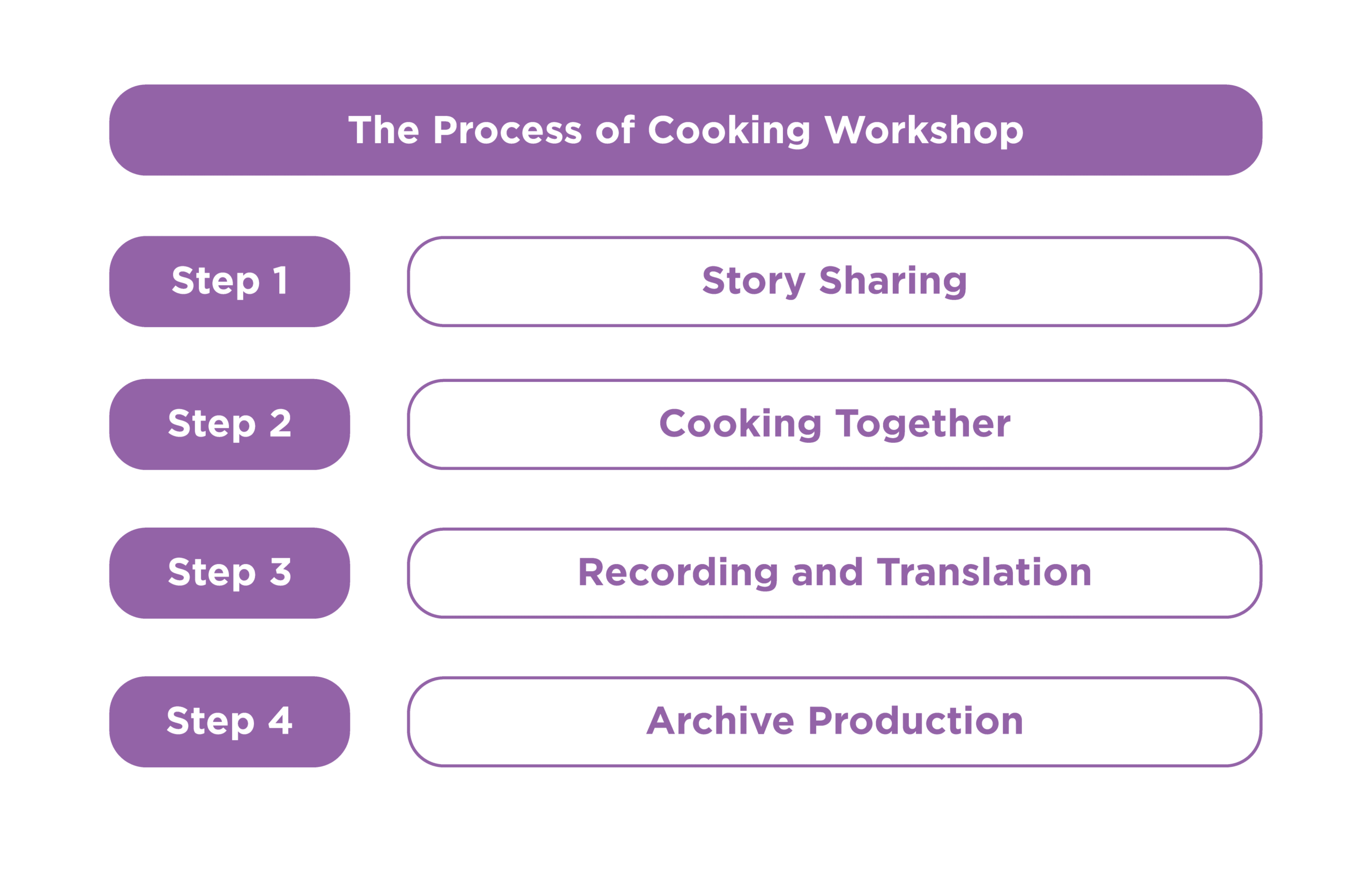
  • Before the cooking began, everyone sat together and shared the story behind this dish, such as migration, family, festivals, or a memorable moment. This directly corresponds to the concept of experiencing the story of remembrance and forgetting.
  • Under the guidance of the workshop instructor (who could be a community chef or the participant themselves), together we will prepare 1-2 representative dishes.
  • The entire process needs to be documented. This is not just about taking photos; it is more about recording the story. You can prepare a voice recorder or, with the consent of the participants, conduct a video recording. The recorded oral history, cooking process, and conversations among the participants are the key to translating memories into contemporary materials.
  • The outcome of the workshop is not the food itself, but rather the archives formed by these memories, conversations and processes.


Collective Saloon

Image by Hengyi Chen & Xurui Xie

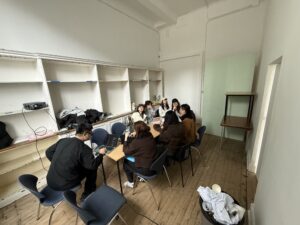
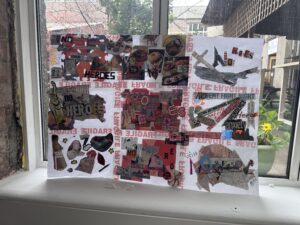
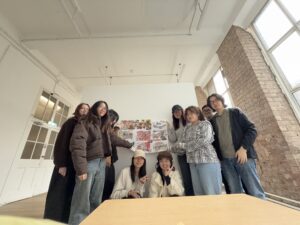
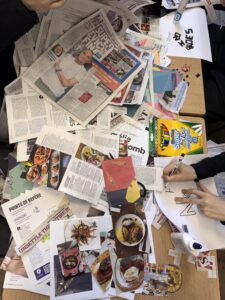
Kirsity shared an image work related to cameras, which collected a large number of close-up shots of people holding cameras and taking pictures. We discussed together where this work would be suitable to appear in an exhibition and how it should be presented. Then, we shared our respective planning progress and offered some suggestions for each other’s projects. Finally, we completed the assembly of the collage poster together, took a group photo, and decided to conduct a mock exhibition with the theme of “No Heroes” next week. I will be responsible for the visual design work.


WEEK 8: Venue Selection and Collective Working

Overview

During the 8th week of course study and exploration, I began to consider the exhibition venue. Taking into account the geographical relationship, spatial usage, thematic relevance, and budget feasibility, I finally chose Edinburgh Palette (St Margaret’s House) as the venue for my exhibition. In the collective activity this week, we started to collectively complete our own collages and discussed how to relate them to our respective themes.


Venue Selection

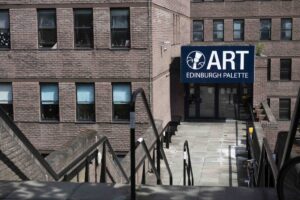
Edinburgh Palette (St Margaret’s House)

151 London Road, Edinburgh EH7 6AE

Choosing Edinburgh Palette was no accident. It was transformed from a school into an art center, and its architectural life was ‘translated’ from an educational venue to an art space. This itself is a cultural transformation of the physical space. As a community led by artists, it brings together diverse creative practices and continuously engages with the surrounding immigrant communities. This decentralized, resource-sharing operational concept is highly consistent with the decentralized, shared resource spirit of the ‘documenta 15”lumbung” exhibition and the core viewpoint of the project, which is ‘dispersed as a collective process’.

Image by: Tianshun Zhao
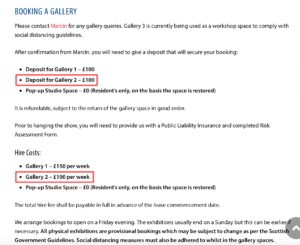
Source: https://www.scot-art.co.uk/places/st-margarets-house/facilities/exhibitions-events-communityspace/guide-to-galleries/
Select “Gallery 2”

  • Suitable Price
  • Suitable Space
  • Suitable Equipment Support (Workshop Space)

Spatial flexibility and mixed uses: It was transformed from an old building and features various-sized exhibition halls, studios, and public activity spaces. This aligns with my format of “small-scale white cube exhibition + public projects”. I can seamlessly connect the exhibition display (artworks) and the activity space (workshop) at the same location, allowing the output of the workshops to naturally become a part of the exhibition content.

Budget-friendly and resource-sharing: As a non-profit charity organization, its space rental fees are usually more flexible than those of commercial galleries or large institutions, being very budget-friendly for a budget of £10,000. At the same time, the artist community here means potential creative support, volunteer resources, and the possibility of cross-disciplinary collaboration.


Collective Working

Image by: Hengyi Chen
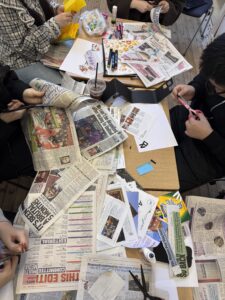
  • In the second collective activity, each of us completed individual collage paintings using the materials we brought and incorporated the elements of “No Heroes”, which is also the name of our group. For my personal curatorial project, it inspired me to view the memory archive section of the exhibition as a similar collage-like space, allowing different narratives to be juxtaposed and superimposed to form new meanings. In terms of teamwork, I understood that a collective is a way to make differences a resource for dialogue.


WEEK 7: Artwork Selection and Collective Creation

Overview

During the exploration of the individual curatorial project in the seventh week, based on the principles of feasibility, variability, and operability, I further screened the selected artworks according to the intentions, and also considered the possible sources of the exhibition budget. Moreover, in the collective creation at Summerhall, we jointly completed the collages for each theme, attempting to explore the collaborative boundaries and outcomes of No Heroes.

Potential Applicable Artworks

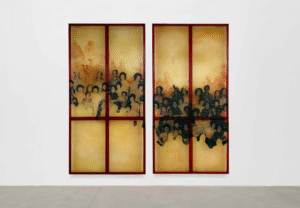
Family Portrait    2025 / KV DUONG
Ink and acrylic on latex (resin-fibreglass backing), painted wooden stretcher / 198 × 100 cm (x2)

  • Depicting 1980s London Vietnamese immigrants through family stories, this work evokes memory and guides descendants to trace their diaspora, using latex and wood to echo material as memory.


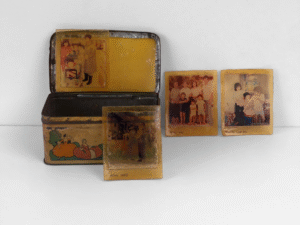
Memory Box (Biscuit Tin)   2025 / KV DUONG
Tin box, latex (resin-fibreglass backing), ink / 17 × 38 × 20 cm

  • A second-hand biscuit tin becomes a vessel where British domestic pasts and Vietnamese immigrant memories overlap, preserving traces and reflecting memory’s migration.


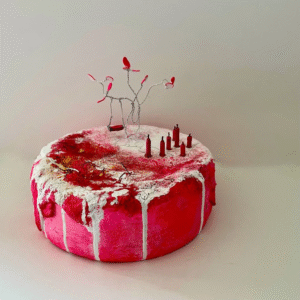
Birthday Cake to My Younger Self   2023 / KV DUONG
Acrylic, concrete grout, found wax candles, staples, and metal wire on clay / 22 x 22 x 18 cm

  • Concrete and clay recreate a birthday cake, inedible with queer aesthetics, reflecting second-generation immigrants embracing and redefining traditions.


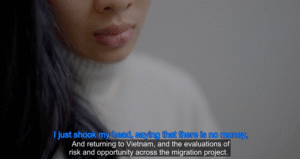
Legends   2024 / Will Pham
HD video, stereo sound / 12 mins

  • Explores Vietnamese migrants’ fabricated legends to cross borders, performing stories between trauma and bureaucracy to forge a hybrid identity.


An Viet (Well Settled)    2018 / Will Pham
HD video, stereo sound / 19 mins 20 sec

  • A 19-minute film documents a closed community centre, preserving a vanishing collective memory through its remaining objects and archives.


Collective Activity

Image by: Tianshun Zhao
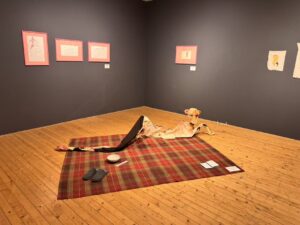
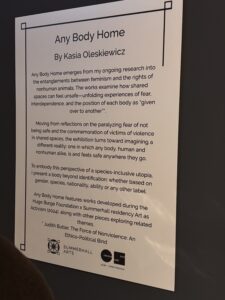
  • We visited the exhibition which present in Summerhall together. This exhibition is exploring feminism and animal rights, shared spaces insecurity, imagining a utopia where any body is safe, emphasizing interdependence between bodies.

Inspiration for individual curatorial projects

  • The exhibition suggests that home is not merely a physical dwelling place, but rather a state where any body can feel safe. This aligns with my theme of diaspora translation: Dispersed individuals are not only seeking a cultural identity, but also a sense of “being at home”. I can incorporate this dimension into the exhibition text, positioning the “Memory Recipe” workshop as a practice for creating a temporary home.


Group Meeting

Image by: Tianshun Zhao
  • In our first group meeting at the cafe, we decided to create a “No Heroes” collage poster using various materials, an activity that explores individual projects and collective writing while considering how to combine with other themes.


WEEK 6: The Function of Publishing for Curating

Overview

During the sixth week of the curating course, the focus was on the role of publications in exhibitions. The course included a section on describing the works, which left a deep impression on me. I noticed that there seemed to be no standard for the interpretation of works through text. This led to a question that has been constantly discussed: Do artworks need textual information for interpretation? After the afternoon group discussion, I also adjusted my curatorial pitch based on the opinions of the group members, and participated in the collective space activities on the weekend to determine the content of the collective project.


Publishing as Curatorial Practice

Image by: Tianshun Zhao
  • Text is not only an interpretive tool for art, but also serve as a material and form for artistic creation. For instance, in futurism and conceptual art, there are textual practices.
  • Curators need to explain, organize and disseminate artistic ideas through various types of writing, such as exhibition texts and reviews.
  • Publications are similar to exhibitions, as an important platform for the production and dissemination of artistic ideas. They can organize knowledge and create a public discussion space.
  • The publishing activity itself can also serve as a form of curating. The curator constructs the artistic discourse by editing, organizing texts and designing the publication structure.
  • Contemporary art publishing has expanded to various media such as magazines, mail art, podcasts, and radio, blurring the boundaries between text and artistic practice.

Modification of Curatorial Pitch

Using new artist to replace Dan Vo

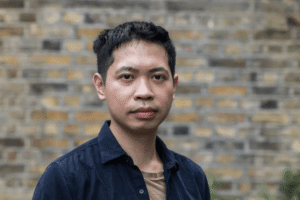
Will Pham. Photo: Hydar Dewachi https://www.newcontemporaries.org.uk/artists/will-pham
Will Pham · Diasporic Memory

He explores Vietnamese refugee histories and intergenerational memory through socially engaged practices that connect diaspora communities in the UK.

Provide some options about Exhibition Venues

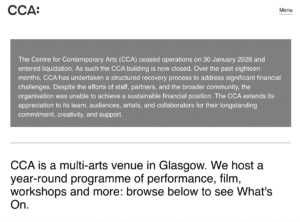
Source: https://www.cca-glasgow.com

Initially, I considered choosing CCA as the exhibition venue because Glasgow has a larger immigrant population, but it has closed down.

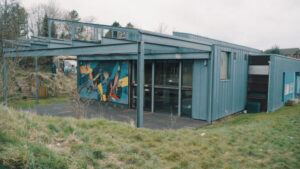
Source: https://www.whalearts.co.uk/wp-content/uploads/2021/01/WHALE-INT-EDITED-for-stills.00_00_40_00.Still011-768×432.jpg

I further discovered Whale Art Space, which offers free support for local projects and is a community-based exhibition space. It has relevance to the in-depth study of the community and my exhibition theme.

Source: https://outerspaces.org/spaces/

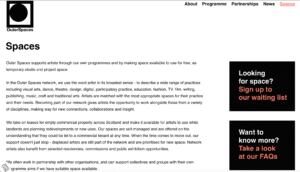
I also discovered that I could participate in the Outspaces program. This organization provides flexible commercial vacant spaces for exhibition projects for free in Scotland. Moreover, the flexibility of these spaces has certain connections with the history of the movement of groups.


Curatorial Pitch

Project Overview

  • Explores how contemporary Southeast Asian diaspora artists continuously generate and reconstruct their identities through materials, bodies and visual language within a cross-cultural context.
  • Diaspora is not a starting point but a continuous process of generation.
  • They are not only forms of expression, but also mediums that carry historical memories, bodily experiences and cultural traces.


Research Context

Artists will be selected through research platforms such as New Contemporaries and local art school networks.

The project will draw on the “Translation and Hybridity” (Simon, 2012). It focuses on migration, language, and cross-cultural communication, providing an important exhibition context for this project.


Key Themes

Image by: Tianshun Zhao
  • Diaspora identities are not fixed essences; rather, they are constantly formed within the context of history and culture.
  • Art, as a medium for cross-cultural translation, is reinterpreted in different contexts.
  • Technology and materials have become an important form for expressing ideas in contemporary art.
  • The materials carry the colonial history, migration experiences and physical memories.


Indicative Artists

KV Duong

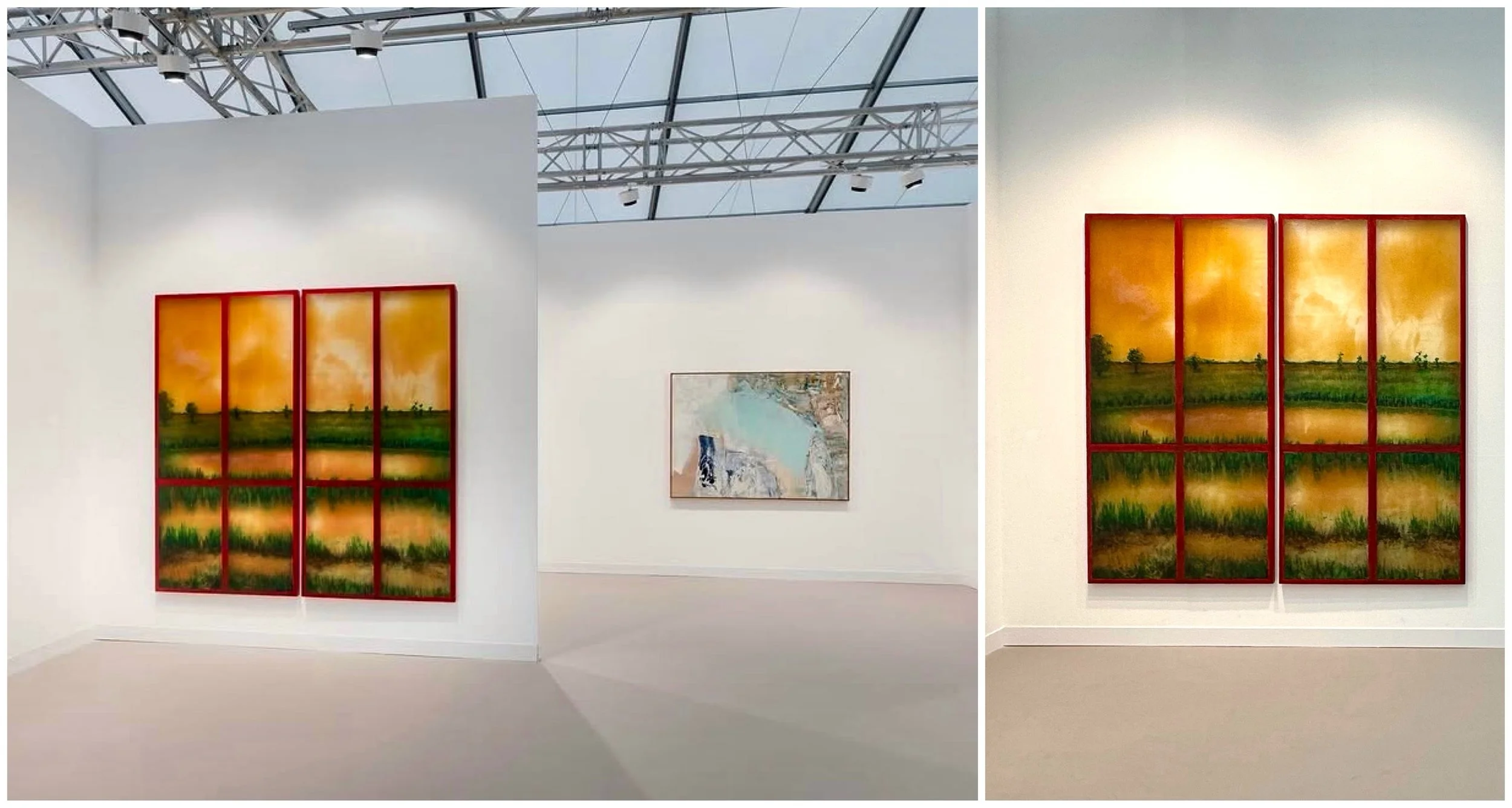
By using materials such as rubber to metaphorically represent the history of Vietnam during the French colonial period, the work uses the body and materials as mediums for politics and history.

Frieze London, Pippy Houldsworth Booth, London UK, 2025


Danh Võ (Optional)

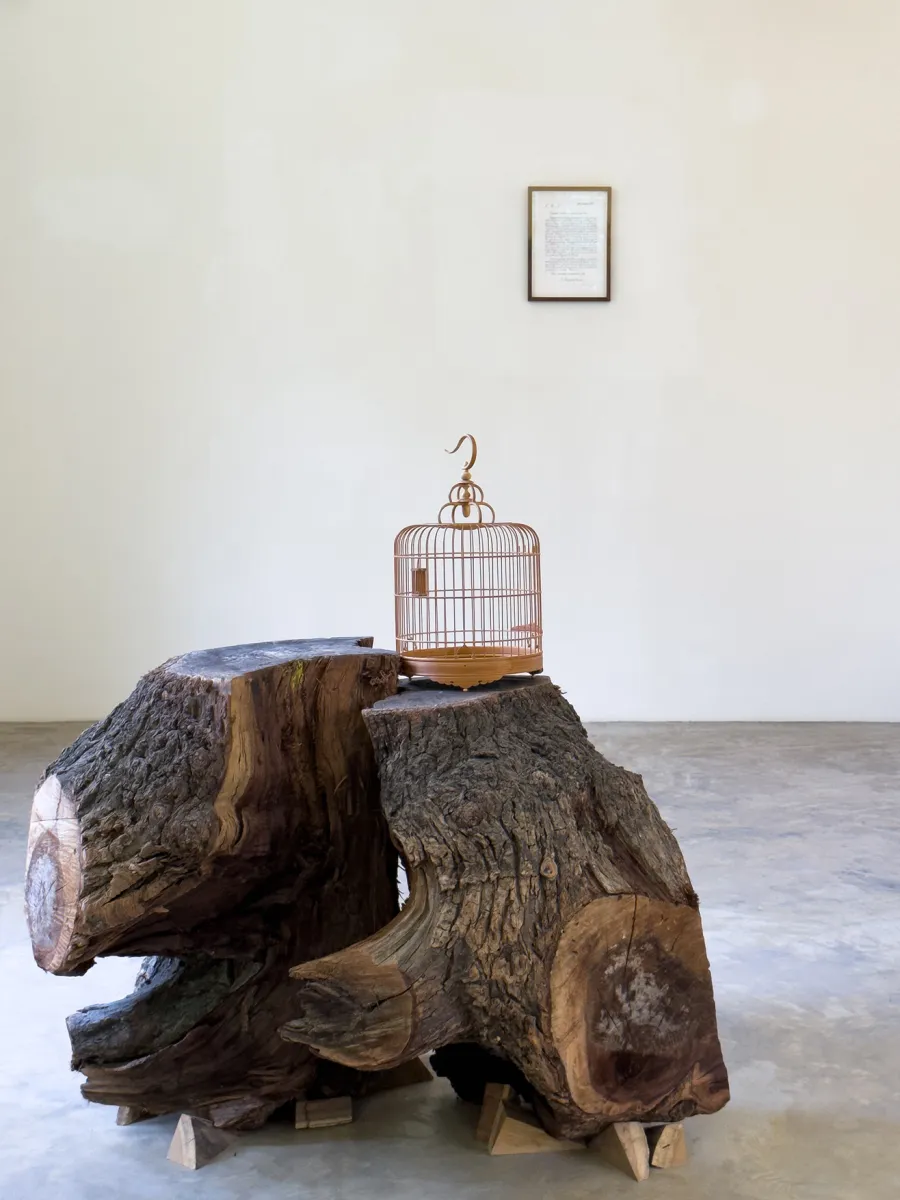
Reconstructing cultural memories using wood, birdcages and colonial-era letters. Considering budget constraints, it may serve as a research reference.

Danh Vo, Untitled, 2021 © Mirrored Gardens


Nhu Xuan Hua

Her website only presents images without any textual explanations. This absence of text itself creates a visual break, echoing the absence and gaps in the fragmented experience.

Is this a play? © Nhu Xuan Hua


Curatorial Format

The combination of a small white cube exhibition and a public project, tailored to fit within a budget of approximately £10,000.

The public projects will include:

  • Artist workshops
  • Lectures and seminars

This section is inspired by the Edinburgh Art Festival project “Decolonising the Outdoors: diaspora/sunago”, which creates a safe and caring shared space through collective activities and discussions.

Decolonising the Outdoors: diaspora/sunago, Image credit: Unfracturing 8 by Aileen Angsutorn Lees


Precedents

Documenta 15

Propose a curatorial model centered on sharing resources and collective collaboration, emphasizing the joint production of knowledge and materials.

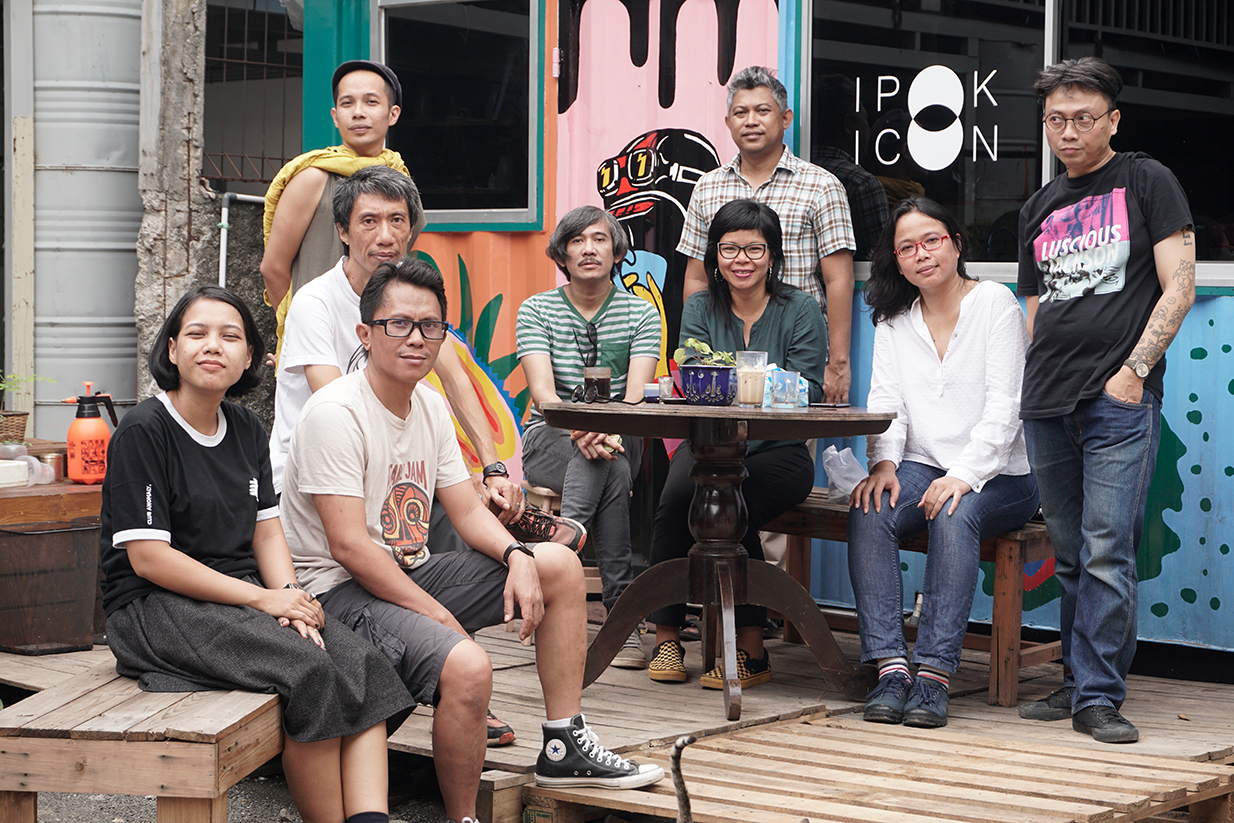
ruangrupa, 2019, Ajeng Nurul Aini, farid rakun, Iswanto Hartono, Mirwan Andan, Indra Ameng, Ade Darmawan, Daniella Fitria Praptono, Julia Sarisetiati, Reza Afisina, Photo: Gudskul / Jin Panji
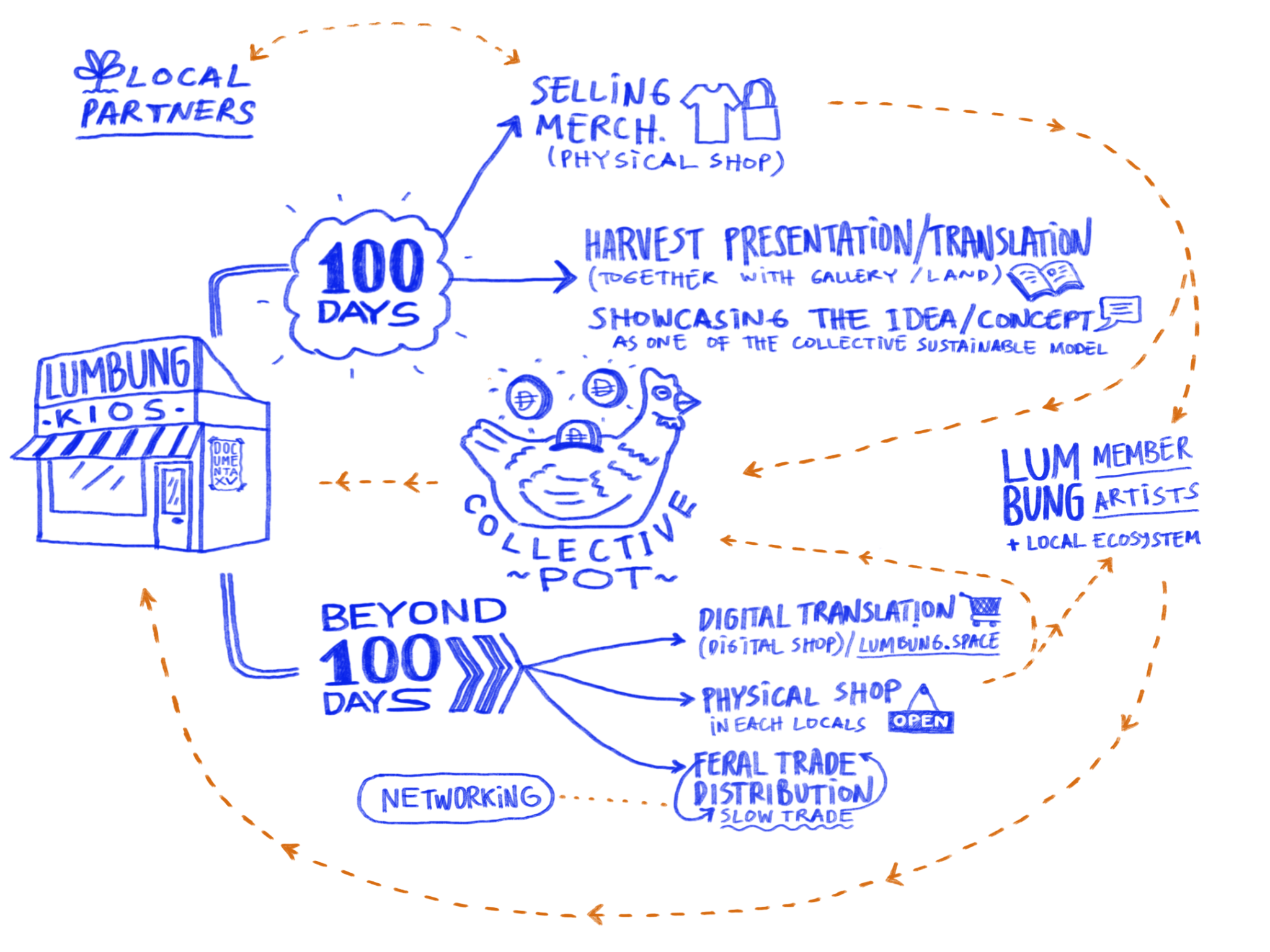
The concept of  lumbung

Encourage the sharing of resources and ideas, expanding the social and collaborative dimensions of the exhibition.

documenta fifteen: lumbung Kios, Harvest by Angga Cipta, 2022


Green Papaya Art Projects

The case of the artist-initiated space provides important references for small-scale, collaborative and artist-led projects.

A Remembrance of a Future (and Past) Fury © Asia Art Archive all rights reserved


Open Questions

Further exploration is needed:

  • The final list of artists
  • Potential exhibition venues
  • The balance between the exhibition and public projects
  • How to achieve the project scale within a £10,000 budget


Reference List

Simon, S. (2012) “Translation and Hybridity,” John Benjamins Handbook.


WEEK 5: Contemporary Forms and Creative Content

Overview

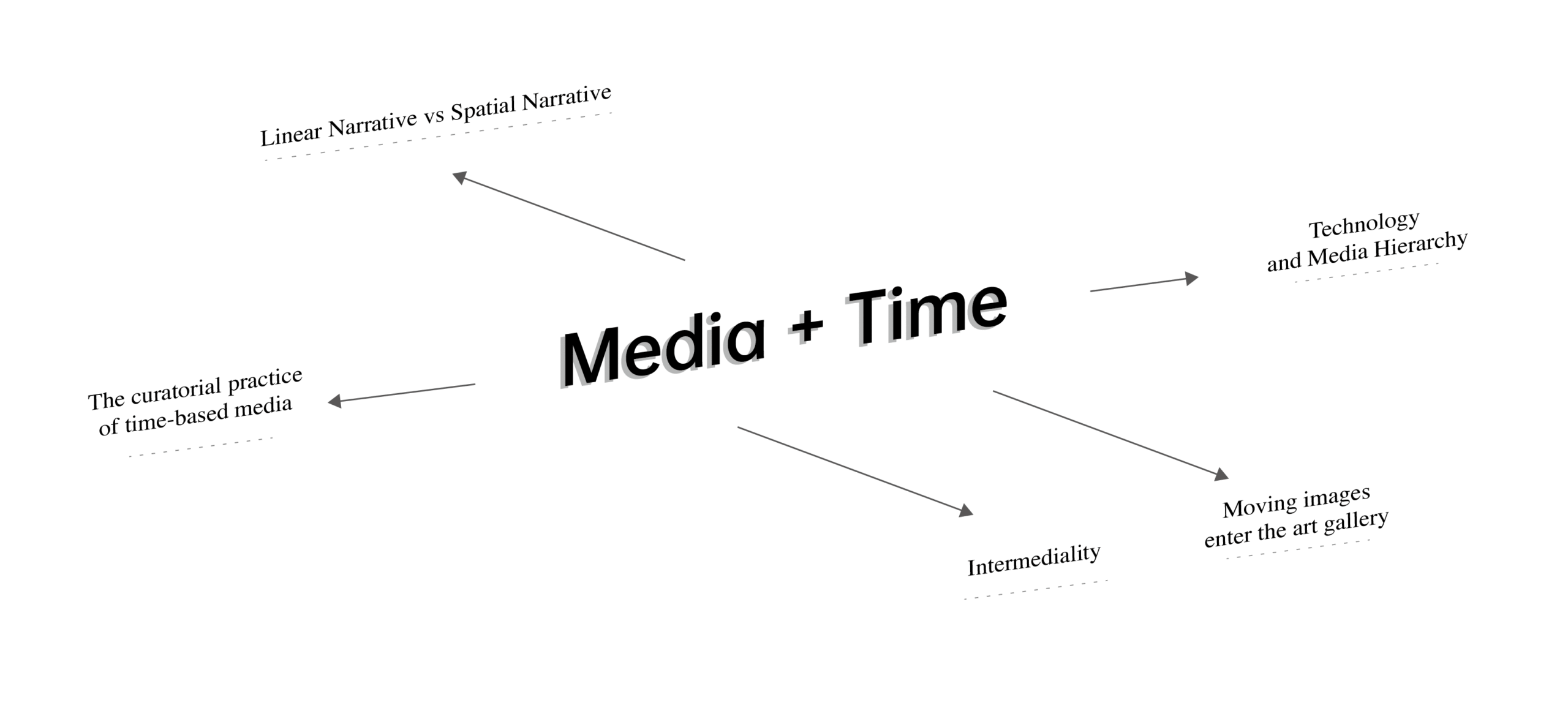
In the fifth week of the course, we focused on “Media + Time” and explored how time-based art media has entered the art museum system through the historical evolution of film, video, and digital technology. We also analyzed how its spatial presentation has reshaped the viewing logic and contemporary curatorial practices. For my individual curatorial project, I read relevant literature and identified some potential artists to conduct preliminary thinking on the form of the exhibition.


Time Media and Curating

Image by: Tianshun Zhao
  • Time-based media art lies at the intersection of film, performance, digital art and exhibitions. Curating requires an understanding of how different media interact and translate with each other.
  • In contemporary art, moving images have become the core language. Art galleries have shifted from the “white cube” to the “black cube”, and the exhibition space itself has become an integral part of the works.
  • From film, video to digital and online media, the production, editing and presentation methods of time media have been constantly changing, influencing the forms of art and the ways of viewing.
  • The film emphasizes linear viewing from beginning to end, while the video installation uses a looping and multi-screen structure to allow the audience to occupy time within the space.
  • Curating is not just about conceptual work; it also involves comprehensive collaboration regarding screening formats, distribution channels, budgets, technical conditions, and accessibility for the audience.


Thoughts on Personal Curatorial Projects

Stuart Hall, Cultural Identity and Diaspora, 2015

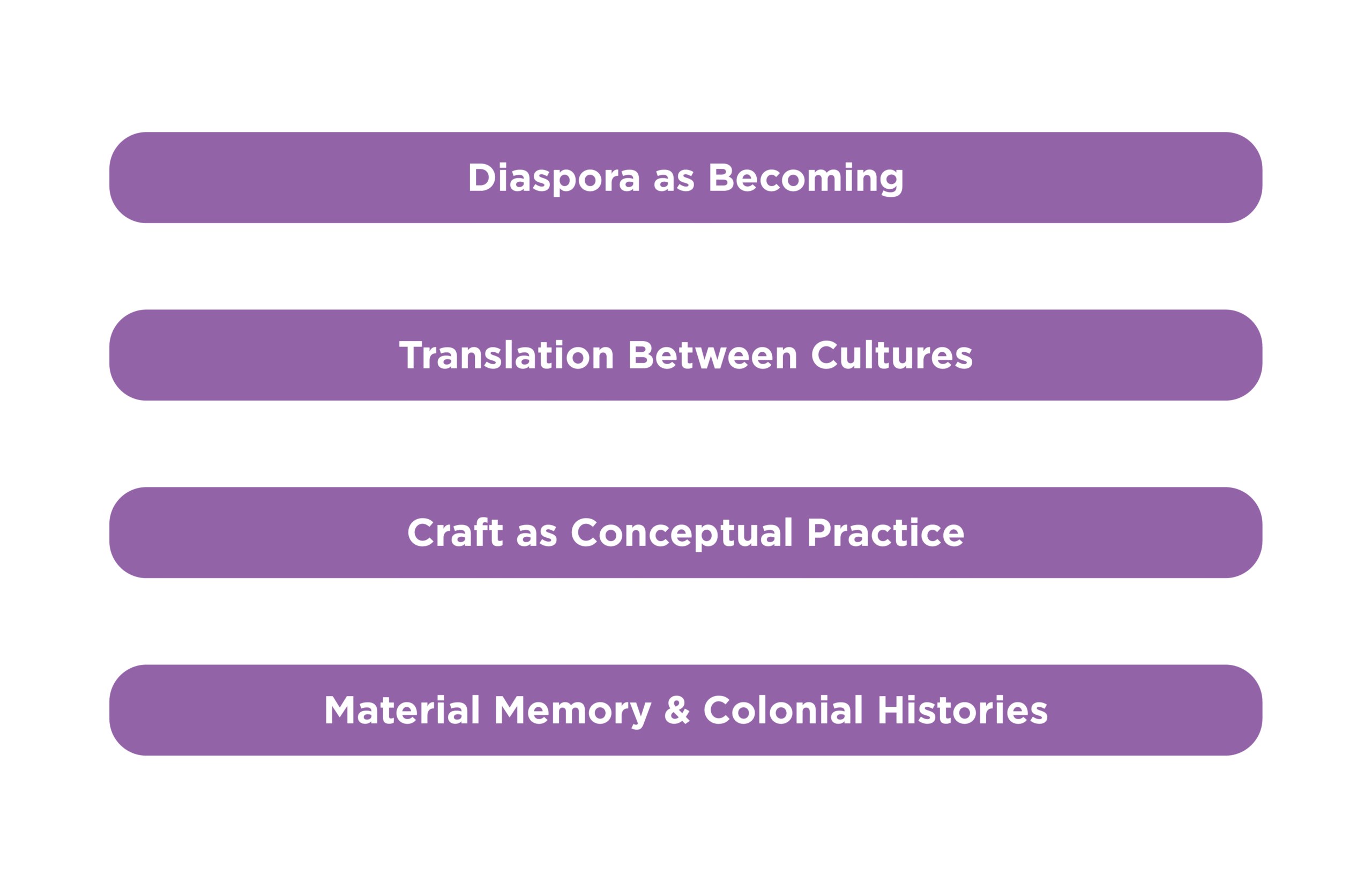
  1. Identity as Becoming
  2. Two Definitions of Cultural Identity
  3. Difference and Hybridity
  4. Positioning and Representation
  5. Diaspora and Historical Rupture


Pamela N. Corey, Beyond yet Toward Representation: Diasporic Artists and Craft as Conceptualism in Contemporary Southeast Asia, 2016

  1. Craft as Conceptual Mediation
  2. Diasporic Returnee Subjectivity
  3. Beyond Trauma Readings
  4. Representation as a Necessary Function
  5. Confluence of Craft and Conceptualism
  6. Craft as Index of the Local
  7. Abstraction and Narrative Coexistence
  8. Urban Craft as Conceptual Strategy
  9. Reframing Global Contemporary Art
  10. Conceptualism with Material Objecthood


KV Duong https://www.kvduong.com

He is a performance artist who reflects on issues through materials and body.


Danh Võ

https://www.tate.org.uk/art/artists/danh-vo-24524

https://mirroredgardens.art/danh-vo-2/

He constructed a Vietnamese-style pavilion, using a large amount of wooden materials and also selecting some local visual elements from Guangzhou, such as birdcages.


Nhu Xuan Hua

https://www.nhuxuanhua.com

The immediate impression I got was that the breaks in the text left a visual impression.


  • Workshops are a form of embodied expression
  • Seminar is to further construct the context of the exhibition


Reference List

Corey, P. N. (2016) ‘Beyond yet toward representation: Diasporic artists and craft as conceptualism in contemporary Southeast Asia’, The Journal of Modern Craft, 9(2), pp. 161–181.

Hall, S. (2015) ‘Cultural identity and diaspora’, in Williams, P. and Chrisman, L. (eds.) Colonial Discourse and Post-Colonial Theory: A Reader. London: Routledge, pp. 392–403.