Lighting design-week2 Museum Sketching Zhu ShenXu s2553129
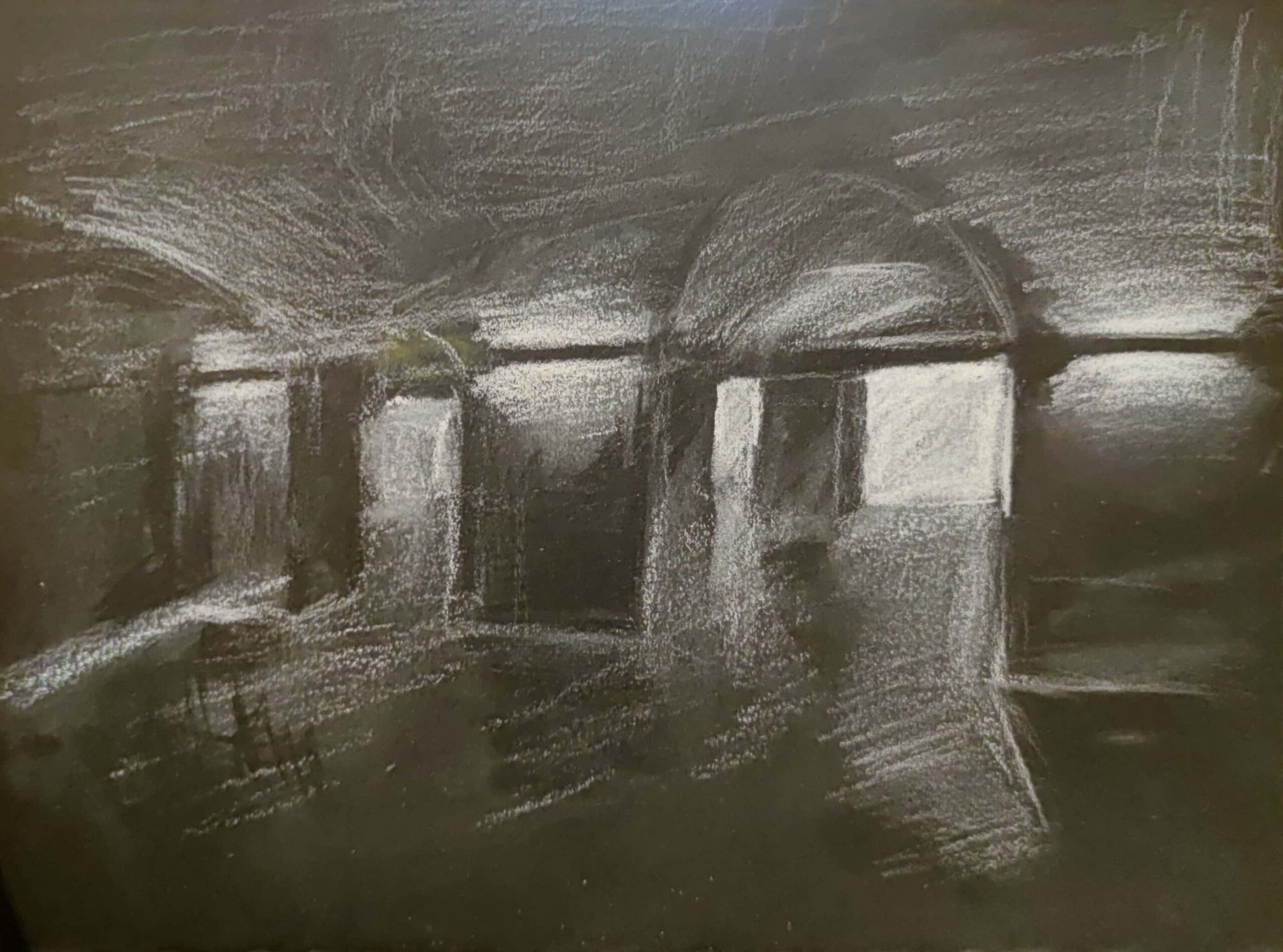
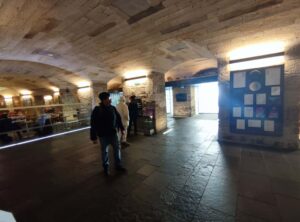
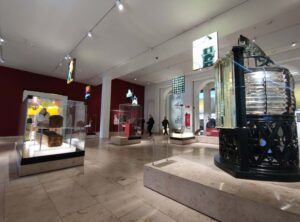
This time, I selected two places for lighting analysis. The first one is the lobby next to the entrance, as the lighting there is a combination of natural light and artificial light.Another place is an exhibition hall because I want to incorporate the museum’s display style into my store design.
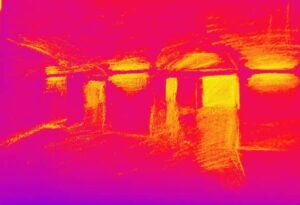
 

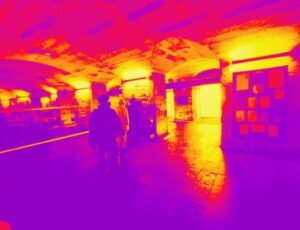
The darkest area: in the middle of the aisle. 14 lx
The brightest area: in front of the display board. 126 lx

The painting of the hall helped me understand the role of shape and materials in lighting. The shape of the interior can affect the propagation of light, such as curved roofs that facilitate the reflection of light. Materials also have an impact on light, with rough stone roofs conducive to diffuse reflection of light, and smooth stone brick floors conducive to refraction of light.
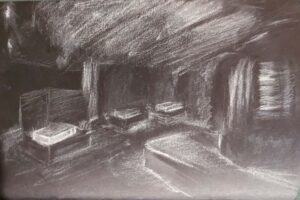
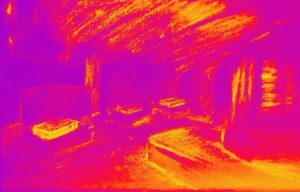
 

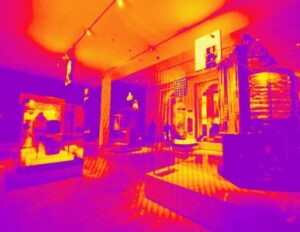
Darkest area: Seat area. 13 lx
Brightest area: Exhibition box. 115 lx

The paintings in this exhibition hall have taught me about the impact of object colors on light and key lighting examples.

The color of an object not only affects its brightness, but also the amount of reflected light. Under the same lighting intensity, a light colored roof will reflect more light than a dark colored wall. Or rather, because light colors can reflect more wavelengths of light, they appear lighter.

This exhibition hall mainly uses track lights as light sources, as these lights facilitate adjustment of orientation and brightness, which can better meet the special needs of exhibits. At the same time, this exhibition hall also features some illuminated booths to highlight items, such as some old wooden storage boxes.
Lighting design-week1 Research on Theory Zhu ShenXu s2553129

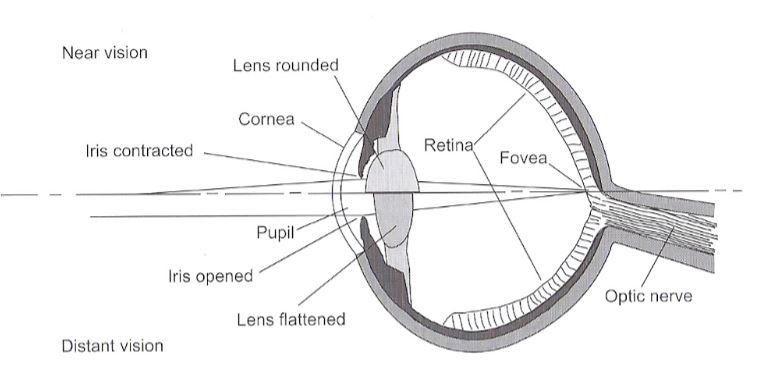
This blog will discuss the first theory “First, do no harm” “Our eyes were built to use light… not to look at light!” “Visual effects of light can be physical”

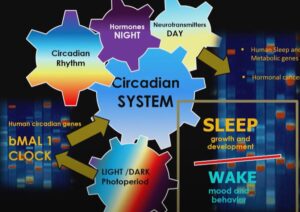
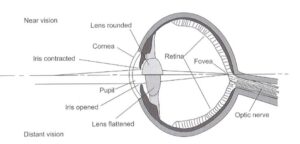
With the progress of interdisciplinary research, it has been found that light has an impact on human physiological activities. Harmless lighting design should not only focus on not causing irritation to glasses. As designers, we also need to consider the physiological and psychological connections between lighting and metabolism, brain activity, emotional resonance, etc.

But as I read more articles, I found that discussing whether lighting design is suitable is more reasonable than discussing whether it is harmful. We cannot directly equate harmless lighting design with Human Centric Lighting(HCL) design.

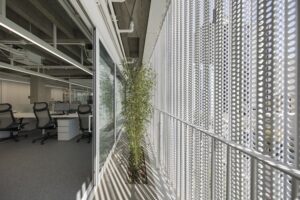
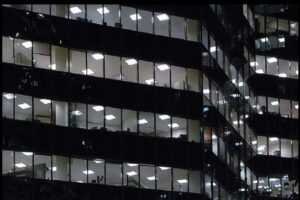
I saw an example. The human physiological system, rather than the visual part, has the optimal light dose. Office workers are exposed to 3000K or 3500K fluorescent or LED lights all day long. These workers do not receive much sunlight and do not have sufficient rest outdoors during the day. Even fixed 5000K LED lighting can better improve short-term and long-term alertness.

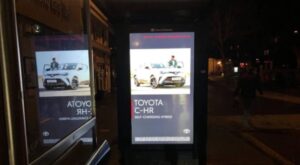
I feel that the case above is too rational and somewhat inhumane. But there is actually a connection between lighting design and morality.John Bullock pointed out that when designing advertising signs, we should not only consider how bright it is to achieve the best promotional effect, but also consider how to reduce the impact of advertising lighting on people. For some designs, it is not lighting or advertising that deceives people, but the people who design the advertisements. It‘s people who are deceiving people.

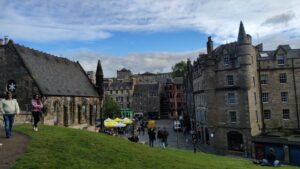
Actually, I think Edinburgh’s urban design is quite good, not letting consumerism drown out traditional culture.


Reference:

1.“First do no harm: Practicing Lighting Design or Medicine….. without a license?” by Deborah Burnett

2.The Morality of Lighting – discuss

3.Keeping the existing lighting can do harm (MAGAZINE)

4.Laura McConville / Lighting Design for Spaces (2021-2022)[SEM2]


Lighting design-week1 Exercise and theory of Interest Zhu ShenXu s2553129

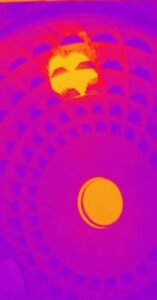
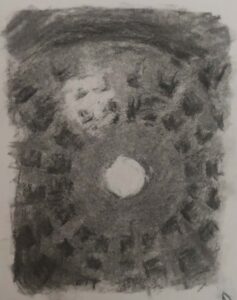
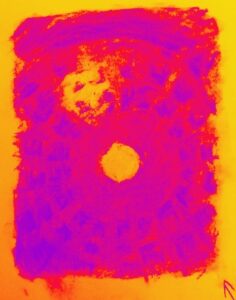
Figures 1 to 4 are sketching exercises for the workshop.

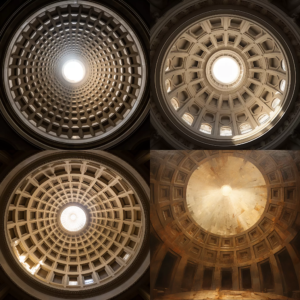
Then I redrawn it using AI painting.
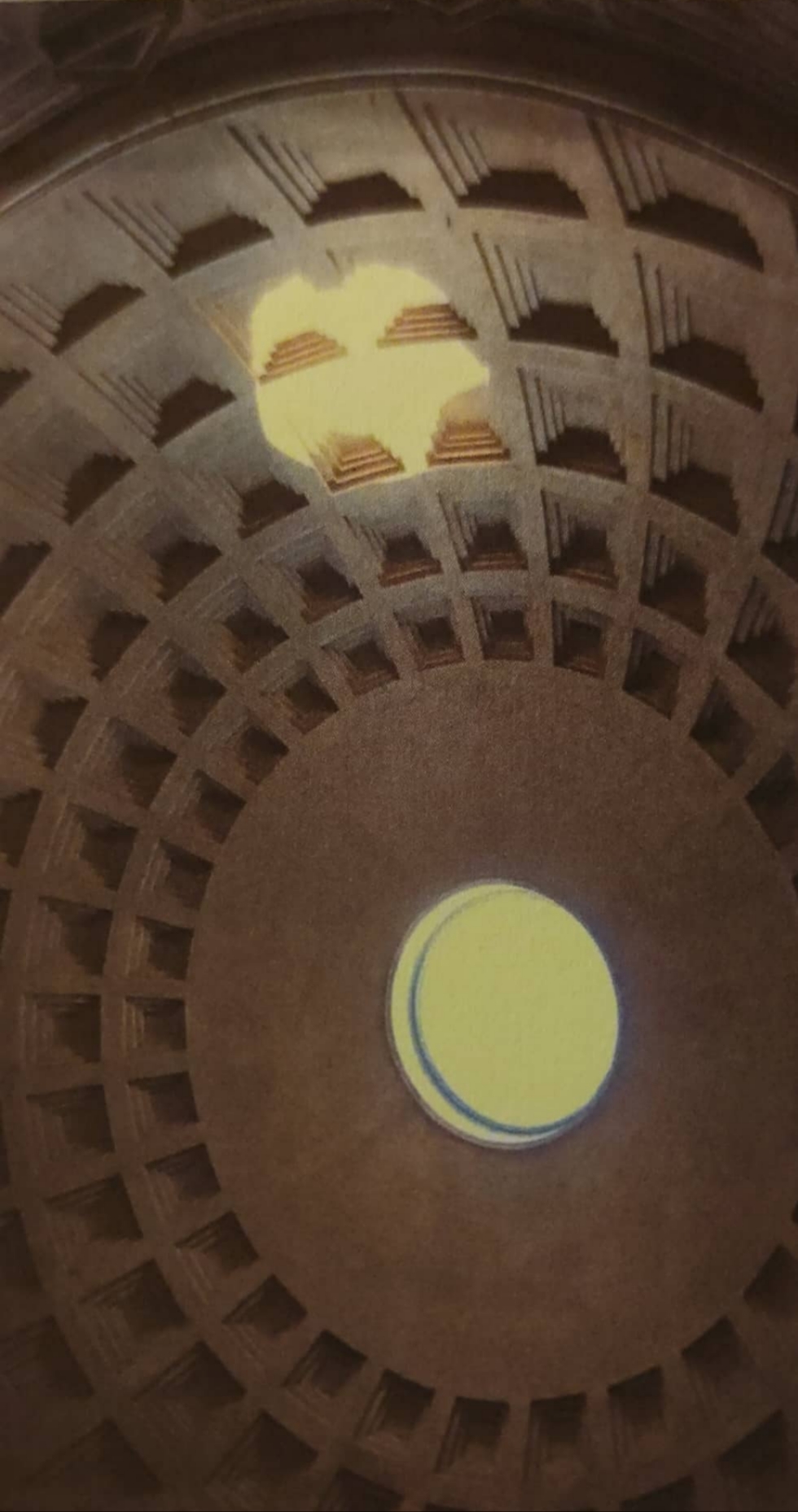
Figure 5: I only mentioned the atmosphere and feeling. Keywords: A type of light, cold,sacred,classical, quiet.
Figure 6: Adding project reminders to the previous one. Keywords: dome, sacred, cold light, round hole, beam, classical,quiet.
Figure 7: Directly describe the image. Keywords: look up at a dome, with neat square grooves arranged on it.,there is a circular hole in the middle of the dome, through which sunlight passes, forming a spot of light on the walls of the dome.

Here is the thinking about in the classroom.

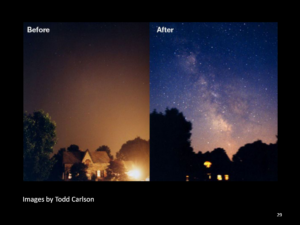
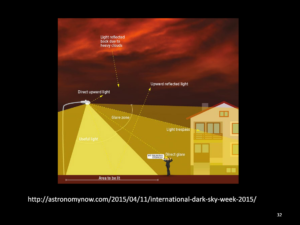
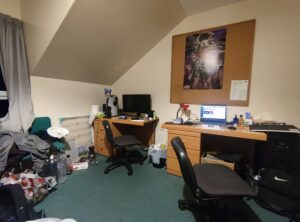
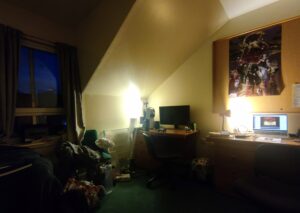
Regarding the fourth point, due to unreasonable use, unnecessary light pollution has been generated. But sometimes, using scattered light instead of the main light source for illumination can create a gentler atmosphere. (Figures 8 and 9 are the content of the classroom slides) (Figures 10 and 11 are the differences between the two lighting methods used in my dormitory)
In fact, many times in student dormitories, desk lamps are used instead of the main lights. I think this phenomenon should comply with the first point of ‘not causing harm’. Meanwhile, key lighting can achieve higher efficiency with less energy consumption.
So, I want to delve deeper into the first theory, “First of all, don’t harm”, “Our eyes are used to use light… not to see light!”, “The visual effect of light can be physical.” I will explain my research results in detail in the next blog post.


Welcome!

Welcome to your new blog site!

This is your first post. You can edit this or delete it and start blogging.

You should read the Terms of Use if you haven’t already.

For help and advice on getting started with a WordPress blog, see the Academic Blogging help pages.

Your blog is private by default

You can open your blog up to as many or as few people as you like in Dashboard > Settings > Reading > Site Visibility:

  • You can open your blog up to specific University members by adding them as users to your blog.
  • You can open your blog up to all University members who have an EASE login.
  • You can make you blog open to the world.


The featured image on this post comes from the University Collections. If you want to use more images in your blog posts, or perhaps use your own choice of image in your blog header, you can: